
Marine Aluminum Channels for Boat Frame Strengthening
Marine aluminum channels for Boat Frame Strengthening: The "Quiet Backbone" of a Hull
When people talk about strengthening a boat frame, attention usually goes to dramatic parts: thick plating, heavy ribs, or big weldments. Marine aluminum channels are different. They do their most important work quietly-turning thin hull skin and open framing into a structure that behaves like a single, stiff shell. From a design perspective, an aluminum channel is less a "piece of metal" and more a geometry tool: it relocates material away from the neutral axis, increases section modulus, and upgrades stiffness without paying the full weight penalty of thicker plate.
What a Marine Aluminum Channel Really Does in a Boat Structure
A hull is constantly being asked to do conflicting jobs: flex enough to survive wave impacts, but stiff enough to avoid oil-canning, cracking, and deck/hull misalignment. Channels solve this by creating "stiffness rails" that spread local loads across longer distances.
In practical terms, a channel strengthens a frame in several ways:
Load distribution and impact management
A channel attached along a frame or bulkhead edge takes point loads-like slamming pressure, trailer rollers, or deck hardware loads-and turns them into line loads. This lowers peak stress at weld toes and fastener holes, which is where fatigue typically starts.
Buckling resistance for panels
Thin aluminum plate can be strong yet prone to buckling between supports. A channel acts like a fence post in a wind load: the plate can still flex, but it is far less likely to "snap through" into permanent deformation.
Stiffness without thickness
In boats, extra thickness adds cost, welding heat input, and weight high in the structure. Channels increase stiffness through shape. That's especially valuable for topsides, deck edges, cabin frames, and gunwales-areas where weight and distortion control are critical.
A cleaner fabrication logic
Channels provide straight reference edges. Builders often use them as alignment "spines" for stringers, sole supports, seat bases, and cabin frames. That improves repeatability and can reduce rework.
Common Applications: Where Channels Strengthen the Frame Best
Marine aluminum channels appear wherever you want a stiff edge, a strong flange, or a reliable attachment line.
Transverse frames and longitudinals
Channels can cap a web plate to make a built-up frame, or they can serve as longitudinals that resist hull bending. They also work well as secondary stiffeners to control panel span in high-slam zones.
Gunwales, rub-rail backers, and sheer reinforcement
At the sheer line, boats see torsion, docking impact, and concentrated hardware loads. A channel behind the rub rail gives fasteners a stronger foundation and reduces local cracking.
Deck and superstructure framing
Cabins and hardtops are prone to vibration. Channels act as vibration "dampers by stiffness," raising natural frequencies and reducing flexing around windows, doors, and equipment mounts.
Hatch coamings, engine beds, and equipment skids
Channels make excellent perimeter reinforcements because their shape provides an integrated flange for welding or fastening.
Parameters That Matter When Specifying Marine aluminum channels
For quick purchasing and correct engineering intent, these parameters are typically specified:
Alloy and temper
Marine environments demand corrosion resistance and good weld behavior. Common choices include 5083-H116/H321, 5086-H116/H321, and 6061-T6. The best choice depends on whether the channel is primarily welded into the hull shell or used as a machined/bolted structural member.
Dimensional range
Channels are usually defined by web height, flange width, wall thickness, and length. Typical marine fabrication uses thicknesses from about 3 mm to 12 mm, with heavier sections reserved for high-load frames and foundations.
Mechanical expectations
Designers look at yield strength, tensile strength, elongation, and fatigue behavior. For welded hull structures, corrosion performance and retained strength after welding can matter more than the highest "catalog strength."
Straightness, twist, and surface condition
Channels that are too twisted complicate fit-up, raise welding distortion risk, and create residual stress. Marine-grade supply should control straightness and maintain a clean surface suitable for welding and coating.
Alloy Tempering: Choosing "Weld-Friendly" Strength
A distinctive way to think about temper is to ask: do you need as-delivered strength or in-service strength?
5000-series (5083, 5086) in H116/H321
These are strain-hardened and stabilized tempers designed for marine plate and extrusions. They are prized for seawater corrosion resistance and excellent weldability. When welded, they retain a strong, reliable structure without the dramatic heat-affected-zone softening that heat-treatable alloys experience.
6000-series (6061) in T6
6061-T6 is strong, stiff, and very common for extruded shapes. The trade-off is that welding locally reduces strength in the heat-affected zone unless post-weld heat treatment is used, which is rarely practical for large hull assemblies. That makes 6061-T6 excellent for bolted frameworks, brackets, rails, and parts where welding is limited or where design accounts for reduced welded strength.
In boat frame strengthening, a frequent best practice is using 5083/5086 for components heavily welded to hull plating, and 6061-T6 for bolt-on channel frames, equipment supports, and modular structures.
Implementation Standards and Marine Compliance
Marine aluminum channels used in structural work typically align with widely recognized standards and practices:
Material and temper certification
Suppliers commonly provide mill test certificates to ASTM B221 for aluminum extrusions and ASTM B928 for marine plate (when channels are fabricated from plate). For European projects, EN 573 and EN 755/EN 485 may apply depending on product form.
Welding standards
Marine aluminum welding quality is often controlled under ISO 10042 or AWS D1.2 (Structural Welding Code-Aluminum). In boatbuilding and shipbuilding, classification society rules may apply, such as DNV, Lloyd's Register, or ABS, depending on the vessel.
Corrosion and fabrication rules
Avoid dissimilar metal contact, use appropriate isolation washers, and select marine-grade fasteners. Good design prevents water traps inside channels; drainage and access for rinsing matter just as much as alloy choice.
Chemical Properties: Typical Composition Table
Below is a reference-style chemical composition table for common marine aluminum channel alloys. Values are typical limits by weight percent; exact limits vary by standard and product form.
| Alloy | Si | Fe | Cu | Mn | Mg | Cr | Zn | Ti | Al |
|---|---|---|---|---|---|---|---|---|---|
| 5083 | ≤0.40 | ≤0.40 | ≤0.10 | 0.40–1.00 | 4.0–4.9 | 0.05–0.25 | ≤0.25 | ≤0.15 | Balance |
| 5086 | ≤0.40 | ≤0.50 | ≤0.10 | 0.20–0.70 | 3.5–4.5 | 0.05–0.25 | ≤0.25 | ≤0.15 | Balance |
| 6061 | 0.40–0.80 | ≤0.70 | 0.15–0.40 | ≤0.15 | 0.80–1.20 | 0.04–0.35 | ≤0.25 | ≤0.15 | Balance |
A Builder's View: Why Channels Reduce "Invisible Costs"
Channels don't just add strength; they reduce the hidden costs that show up later as cracked paint, loose fasteners, squeaks, and fatigue failures. By stiffening long runs and providing consistent attachment lines, they limit cyclic flexing. In aluminum boats, that matters because fatigue is rarely about one overload event-it is about thousands of wave cycles concentrating at small details.
Choosing the right marine aluminum channel is therefore a balancing act between corrosion resistance, weld strategy, temper behavior, and geometry. When specified with the correct alloy-temper, made to clean dimensional tolerances, and installed with proven marine welding and corrosion practices, channels become the backbone you barely notice-but rely on every time the sea turns rough.

Related Products
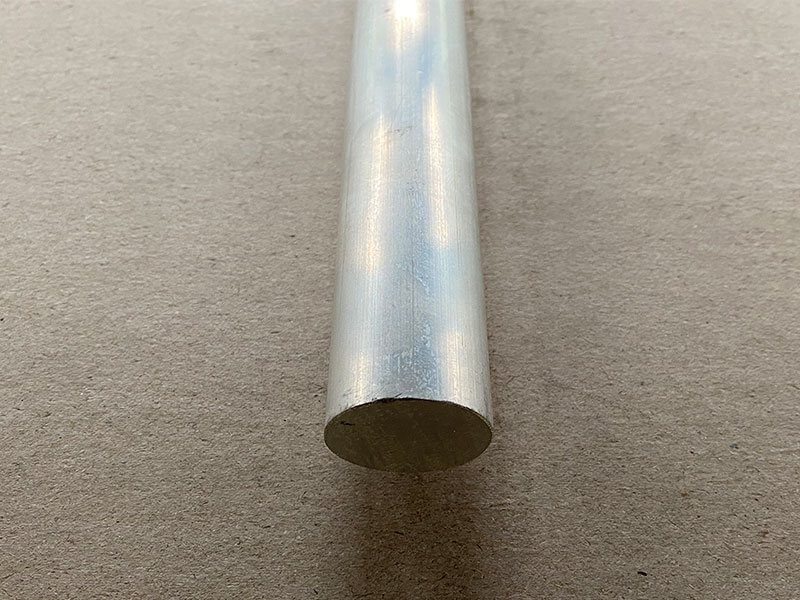
6061 marine aluminum round bar
6061 aluminum belongs to the 6xxx series alloys, alloyed primarily with magnesium and silicon. In the T6 temper, it undergoes solution heat treatment and artificial aging, resulting in enhanced mechanical properties while maintaining excellent corrosion resistance.
View Details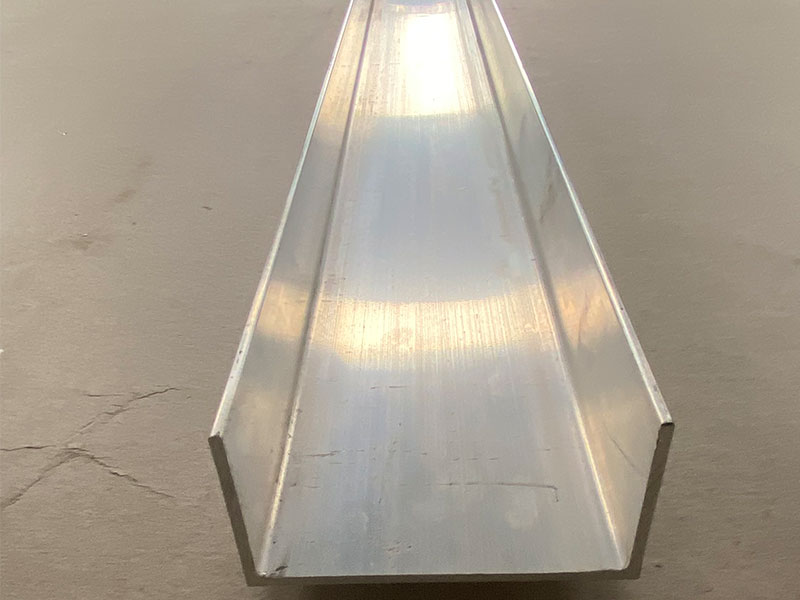
Marine aluminum channels
Marine Aluminum Channels are U-shaped aluminum profiles produced from alloys such as 5083, 5052, and 6061, known for their excellent marine corrosion resistance and superior mechanical strength.
View Details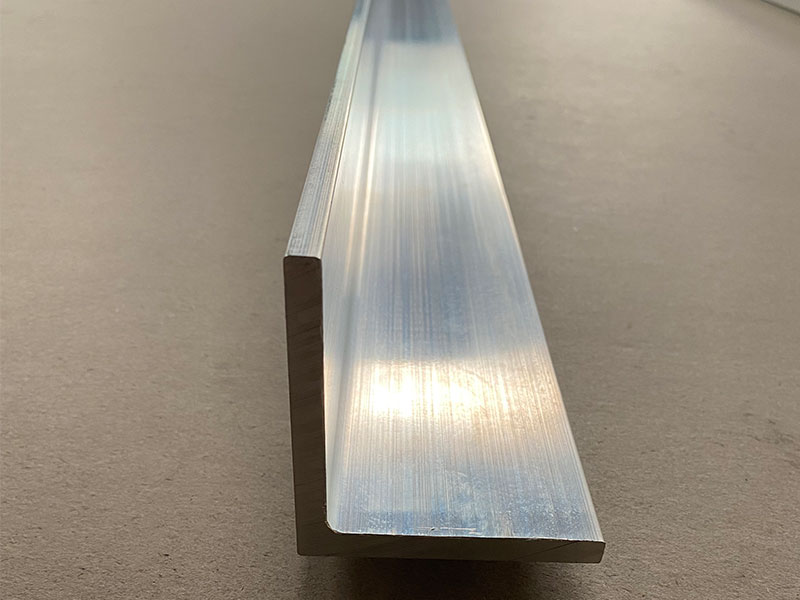
Marine aluminum angles
Marine Aluminum Angles are L-shaped cross-sectional aluminum profiles produced from marine-grade aluminum alloys such as 5083, 5052, and 6061.
View Details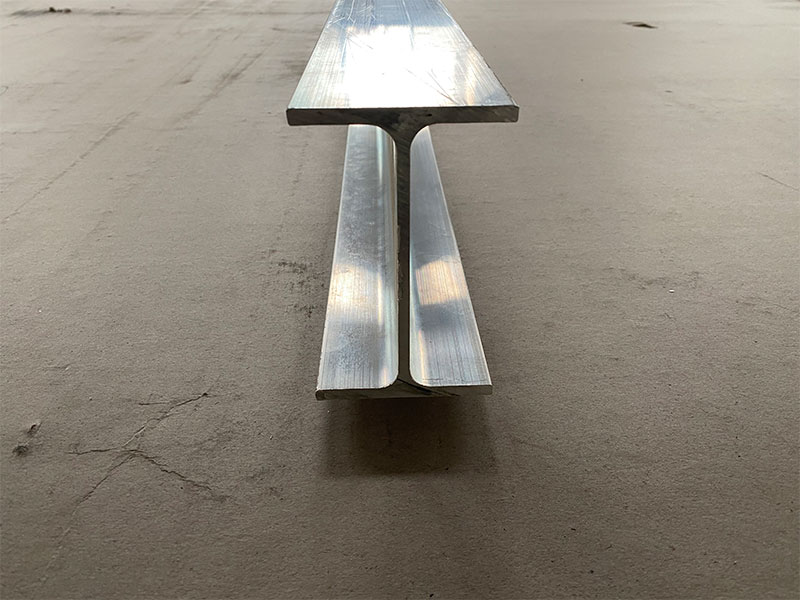
Marine aluminum Z-shaped sections
Marine Aluminum Z-shaped Sections are fabricated from premium marine-grade aluminum alloys such as 5083, 5052, and 6061. These alloys are well-regarded for their superior corrosion resistance in seawater and marine atmospheres, along with good mechanical strength and excellent weldability.
View Details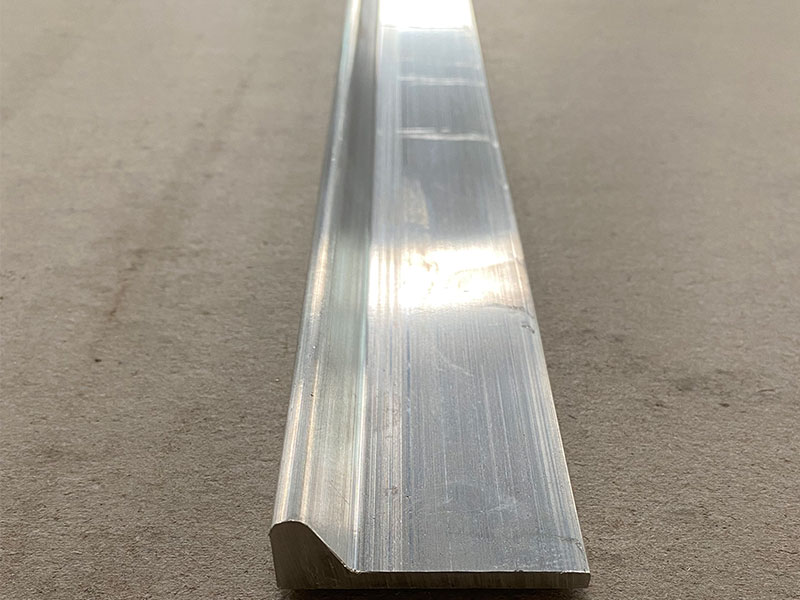
Marine aluminum I-beams
Marine Aluminum I-Beams feature the traditional “I” cross-sectional profile fabricated from marine-grade aluminum alloys like 5083, 5086, and 6061. These alloys are renowned for their outstanding corrosion resistance, especially in saltwater and marine atmospheres, making them ideal for offshore and naval construction.
View Details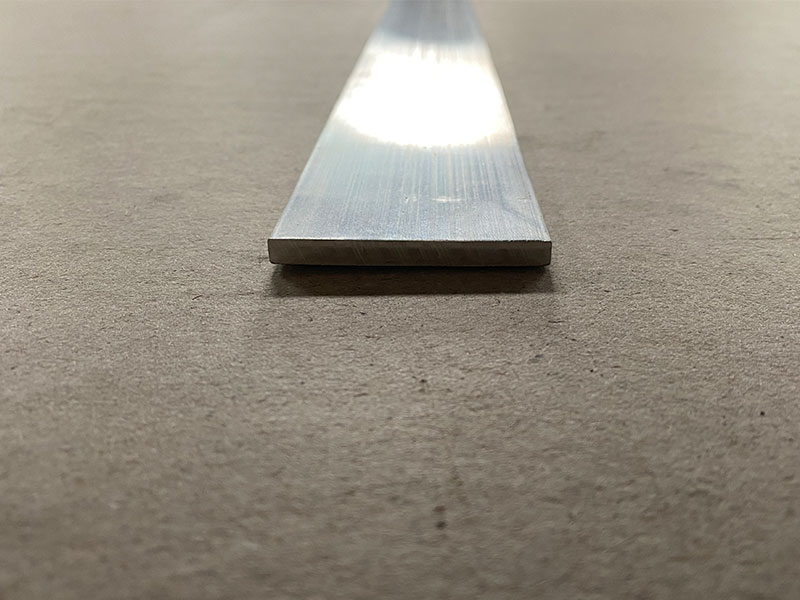
5083 marine aluminum flat bar
5083 aluminum flat bars belong to the 5xxx series of aluminum-magnesium alloys, known primarily for their superior resistance to seawater corrosion and salt spray.
View DetailsRelated Blog
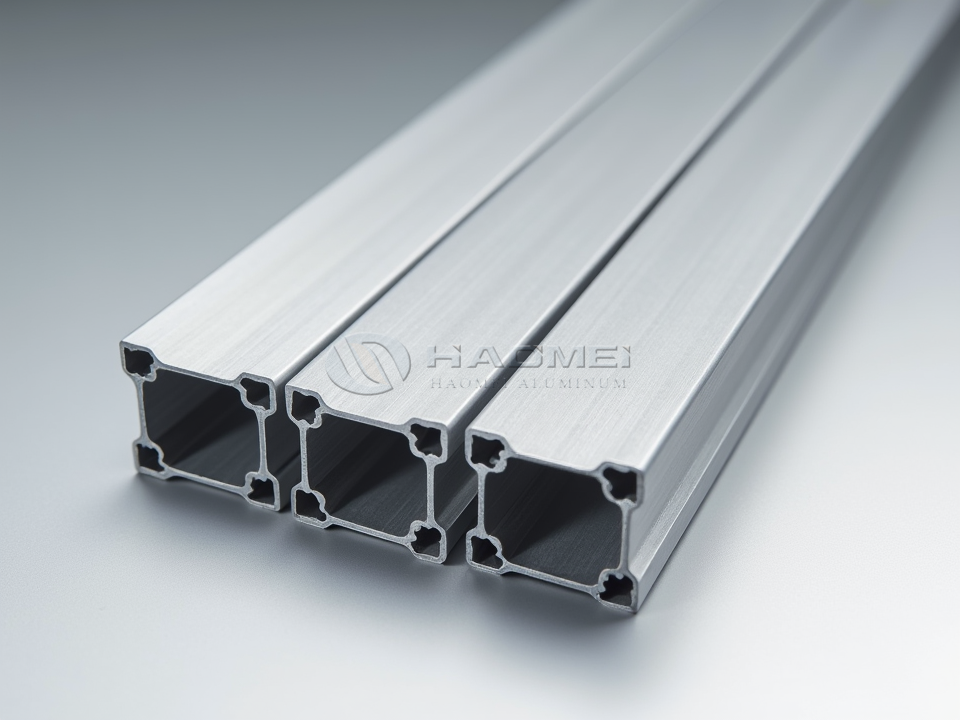
5052 Marine Aluminum Channels
5052 marine aluminum channels offer strong corrosion resistance, clean fabrication, weldability, and stable performance for boats, docks, and coastal structures.
View Details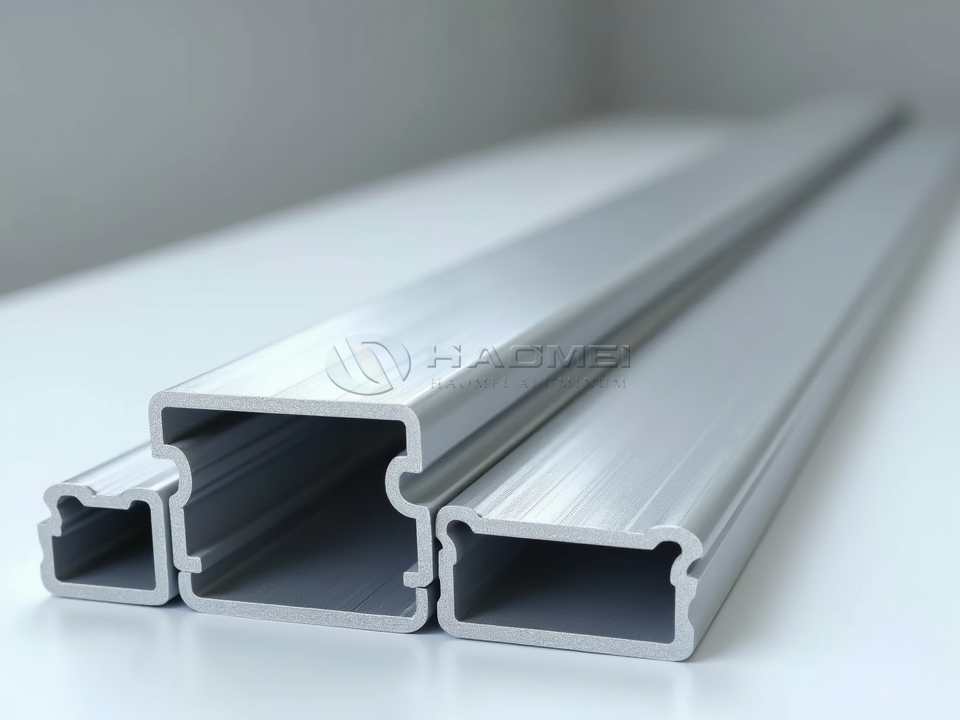
6061 Marine Aluminum Channels
Learn how 6061 Marine aluminum channels perform in boat frames, docks, rails, and structural marine parts with standards and properties.
View Details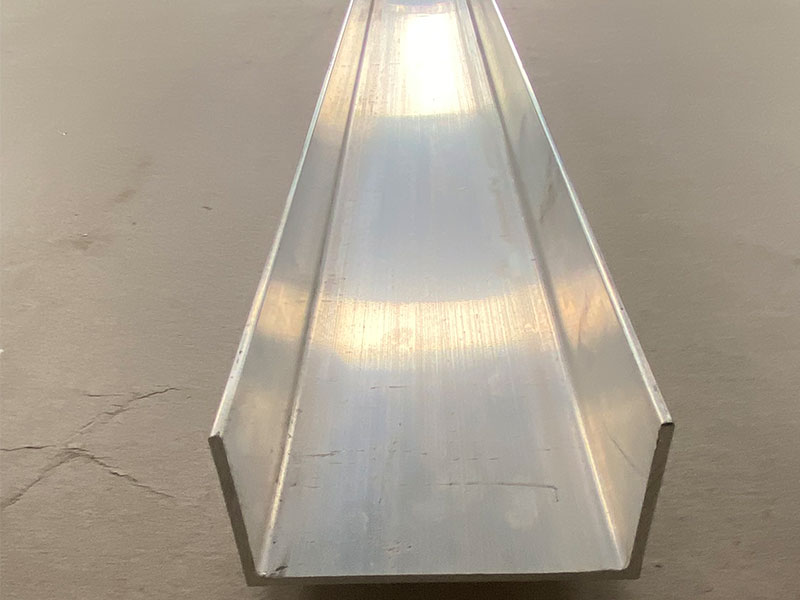
6061 Marine Aluminum Channels for Custom Marine Component Fabrication
When it comes to constructing reliable, corrosion-resistant, and durable marine structures, the choice of material is pivotal. Among several options.
View Details
Marine Aluminum I Beams
Learn how marine aluminum I beams carry real boat and dock loads, with practical guidance on alloy choice, sizing, corrosion control, and installation.
View Details
Marine Aluminum Flat Bar
Learn how marine aluminum flat bar performs in boats and docks, from alloy choice and corrosion control to fabrication, sizing, maintenance, and buying checks.
View Details
6061 Marine Aluminum Angles for Lightweight Boat Hull Frame Solutions
6061 Marine Aluminum Angles for Lightweight Boat Hull Frame Solutions: Strength You Can "Tune" Like a Hull StringerIn a lightweight boat hull frame, an angle is rarely "just an angle.
View Details
Leave a Message