
6061 Marine Aluminum Flat Bar for Custom Marine Applications
When a marine project demands strength without excess weight, predictable machining, and corrosion resistance that holds up in coastal service, 6061 marine aluminum flat bar is one of the most dependable building blocks available. It is widely used by boatbuilders, marine fabricators, and OEMs for everything from custom brackets and structural supports to frames, mounts, and reinforcement plates-especially when the design needs to be cut, drilled, welded, and finished with consistent results.
Why 6061 Flat Bar Works So Well in Marine Builds
6061 is an Al-Mg-Si alloy designed for a balanced profile of mechanical strength, corrosion resistance, and fabrication flexibility. In flat bar form, it offers:
- Excellent structural efficiency (high strength-to-weight vs. carbon steel)
- Reliable weldability (especially with the right filler and post-weld expectations)
- Good corrosion resistance in humid and salt-adjacent environments
- Clean machinability for tapped holes, slots, and precision interfaces
- Consistent availability in common sizes and tempers (notably T6/T651)
Practical note: For continuous immersion or highly aggressive saltwater exposure, alloys like 5083/5086 can outperform 6061 in corrosion behavior. However, 6061 is often preferred where machining and structural stiffness are priorities, and where protective finishing (anodizing/paint) is applied.
Form factor: Rectangular flat bar, typically extruded (and sometimes precision machined), supplied in straight lengths and cut-to-size options.
Common tempers for marine fabrication:
- 6061-T6: High strength, general-purpose
- 6061-T651: T6 with stress relief (improved stability for machining and flatter behavior after cutting)
Typical Chemical Composition (6061)
Chemical composition is a driver of corrosion behavior, weld response, and heat-treat capability. The table below reflects widely used limits for 6061.
| Element | Composition (wt. %) |
|---|---|
| Aluminum (Al) | Balance |
| Magnesium (Mg) | 0.80 – 1.20 |
| Silicon (Si) | 0.40 – 0.80 |
| Copper (Cu) | 0.15 – 0.40 |
| Chromium (Cr) | 0.04 – 0.35 |
| Iron (Fe) | ≤ 0.70 |
| Manganese (Mn) | ≤ 0.15 |
| Zinc (Zn) | ≤ 0.25 |
| Titanium (Ti) | ≤ 0.15 |
| Others (each) | ≤ 0.05 |
| Others (total) | ≤ 0.15 |
What this means in practice: The Mg + Si system enables heat-treat strengthening (T6/T651), while modest Cu improves strength with manageable corrosion tradeoffs-especially when paired with finishing.
Mechanical Properties (Typical)
Actual properties depend on thickness, exact processing route, and supplier controls. The values below are typical for flat bar.
| Property | 6061-T6 (Typical) | 6061-T651 (Typical) |
|---|---|---|
| Ultimate tensile strength | ~290 MPa (42 ksi) | ~290 MPa (42 ksi) |
| Yield strength (0.2%) | ~240 MPa (35 ksi) | ~240 MPa (35 ksi) |
| Elongation (in 50 mm / 2") | ~8–12% | ~8–12% |
| Brinell hardness | ~95 HB | ~95 HB |
| Elastic modulus | ~69 GPa | ~69 GPa |
| Density | ~2.70 g/cm³ | ~2.70 g/cm³ |
Marine design takeaway: You get rigidity and load capacity that is high for an aluminum product, enabling slimmer parts or longer spans versus softer alloys-while still keeping weight down.
Performance Benefits for Marine Use
1) Strength-to-Weight Efficiency
6061 flat bar is a go-to for structural members where mass matters: tower components, deck supports, instrument frames, seat bases, and mounting rails. The alloy's heat-treated strength often allows designers to replace thick stainless parts with lighter aluminum-without sacrificing stiffness.
2) Fabrication-Friendly: Cut, Drill, Mill, Tap
Flat bar geometry is inherently machine-shop friendly:
- Easy to fixture
- Predictable chip formation
- Clean edges after sawing
- Excellent for slots, chamfers, and counterbores
When paired with T651, internal stresses are reduced, helping parts remain flatter after machining-valuable for long rails and precision mating surfaces.
3) Weldability for Custom Builds
6061 is widely welded in marine fabrication. points:
- Welding locally softens T6 material in the heat-affected zone (HAZ); design should account for reduced strength near welds.
- Common fillers: ER4043 (excellent crack resistance, smoother puddle) or ER5356 (stronger, better color match after anodizing in some cases).
For critical structures, consider joint design, weld sequencing, and whether post-weld heat treatment is feasible (often it is not for large assemblies).
4) Corrosion Resistance with Smart Finishing
6061 has good baseline resistance, and it improves significantly with:
- Type II anodizing for general protection and aesthetics
- Type III hardcoat anodizing for wear-prone contact points
- Marine paint systems (proper pretreatment is crucial)
- Isolation from dissimilar metals to reduce galvanic corrosion (use isolators, sealants, compatible fasteners)
5) Clean Aesthetics for Visible Hardware
Flat bar is often used in visible installations: console frames, trim, brackets. 6061 accepts brushing, polishing, anodizing, and paint for consistent appearance.
Technical Specifications (Typical Supply Options)
Availability varies by mill and service center, but these parameters are commonly offered.
| Parameter | Typical Options |
|---|---|
| Alloy / Temper | 6061-T6, 6061-T651 |
| Thickness (t) | ~3 mm to 50 mm (common ranges; larger possible) |
| Width (w) | ~12 mm to 300 mm (common ranges) |
| Standard length | 3 m, 6 m (custom cut lengths available) |
| Dimensional tolerance | Extrusion standard; tighter tolerances via machining |
| Surface finish | Mill finish; brushed; anodized (optional) |
| Edge condition | Saw-cut; deburred; machined edges (optional) |
| Traceability | Heat/lot traceability and MTRs (optional) |
Specification tip: For machined marine components, request T651 where practical, and define flatness/straightness requirements if the part interfaces with seals, rails, or sliding hardware.
Custom Marine Use Cases (Where Flat Bar Shines)
| Application | Why 6061 Flat Bar Fits |
|---|---|
| Mounting brackets for electronics, antennas, radar | Stiff, machinable, easy to drill/tap patterns |
| Seat bases, hinges, latches, backing plates | Strong and stable; supports threaded inserts and hardware |
| Structural reinforcements under decks and consoles | Good load distribution and easy fabrication |
| Motor mounts, accessory rails, battery hold-down structures | Strength-to-weight; corrosion resistance with finishing |
| Ladder supports, handrail base plates, step brackets | Durable; visually clean after anodizing |
| Trailer components (non-immersion) | Lightweight, corrosion resistant in road salt environments |
Selection Guidance: Ordering the Right Flat Bar
To ensure the material performs as intended in marine service, specify these details:
Temper
- Choose T6 for general strength.
- Choose T651 when machining stability matters (precision holes, long rails).
Corrosion strategy
- If the part will see salt spray: plan anodizing or marine coating.
- If bolting to stainless: add isolation washers/tape and seal edges.
Joint and load design
- If welding is involved, design for the HAZ (increase section locally, reduce reliance on peak T6 strength at welds).
Dimensional needs
- Define thickness/width tolerances and flatness if the part mates to gasketed surfaces or linear hardware.
6061 marine aluminum flat bar is a practical, high-performance choice for custom marine fabrication-especially when projects demand strength, machinability, and clean finishing in a lightweight format. With thoughtful design around weld zones, smart corrosion isolation, and the right surface protection, it becomes a versatile platform for brackets, rails, frames, and reinforcements across both recreational and commercial marine builds.

Related Products
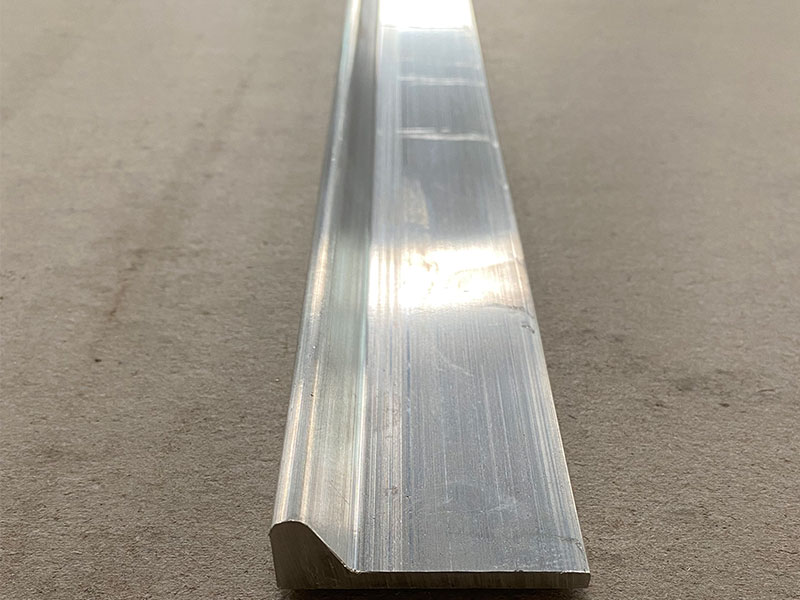
Marine aluminum I-beams
Marine Aluminum I-Beams feature the traditional “I” cross-sectional profile fabricated from marine-grade aluminum alloys like 5083, 5086, and 6061. These alloys are renowned for their outstanding corrosion resistance, especially in saltwater and marine atmospheres, making them ideal for offshore and naval construction.
View Details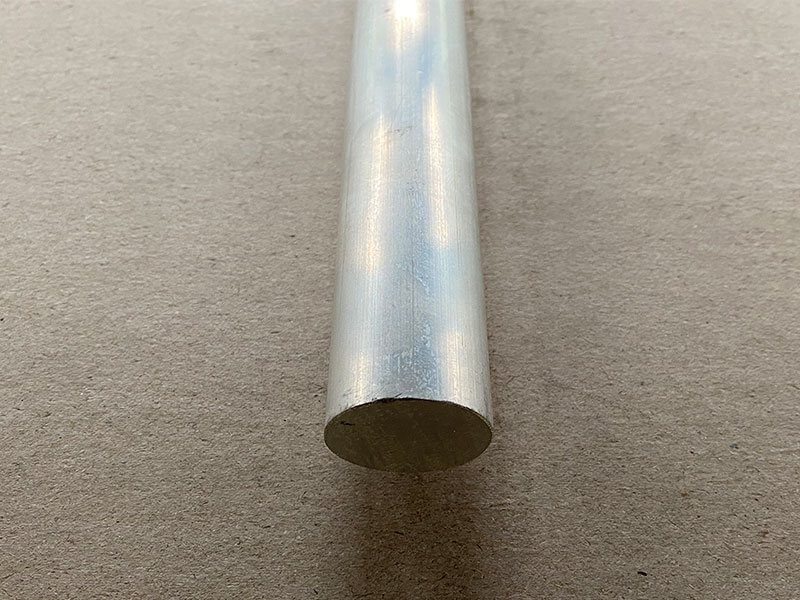
6061 marine aluminum round bar
6061 aluminum belongs to the 6xxx series alloys, alloyed primarily with magnesium and silicon. In the T6 temper, it undergoes solution heat treatment and artificial aging, resulting in enhanced mechanical properties while maintaining excellent corrosion resistance.
View Details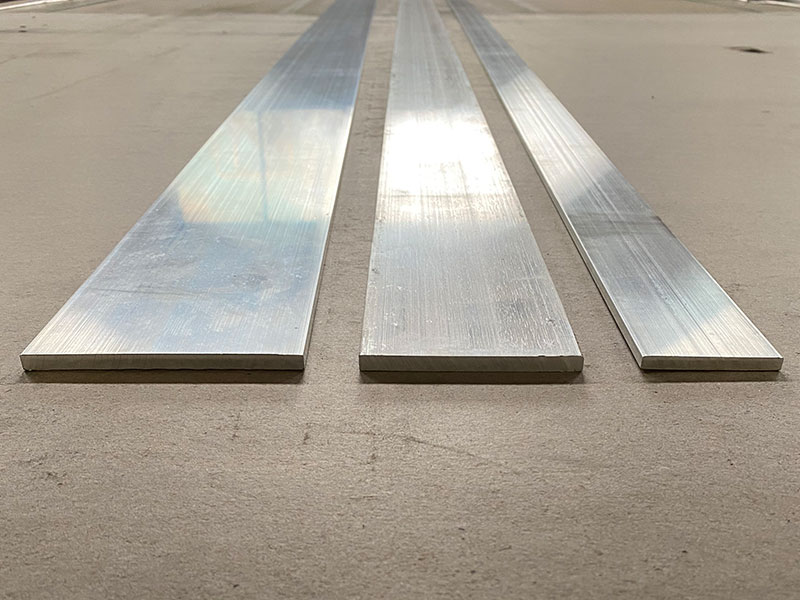
6061 T6 marine aluminum flat bar
6061 aluminum is classified as a heat-treatable 6xxx series alloy, alloyed primarily with magnesium and silicon. The T6 temper designation indicates that the flat bar has been solution heat-treated and artificially aged to achieve optimum strength and hardness.
View Details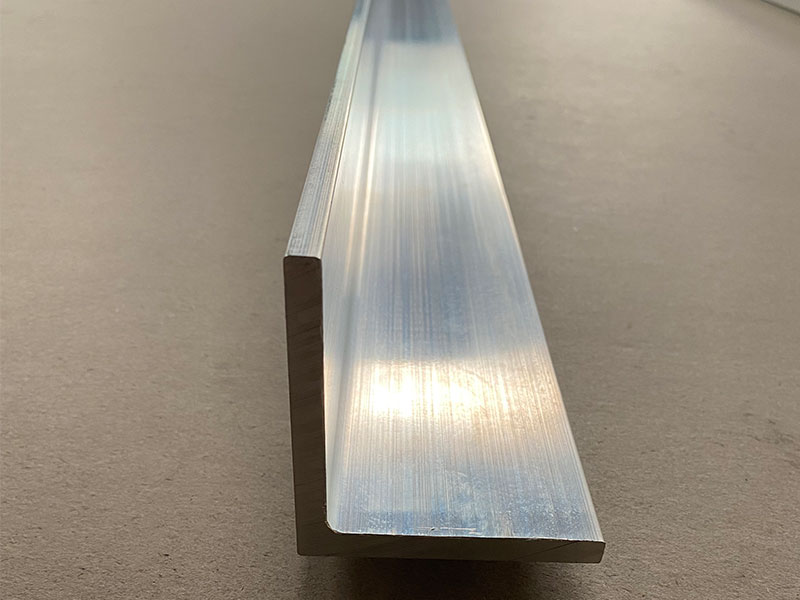
Marine aluminum angles
Marine Aluminum Angles are L-shaped cross-sectional aluminum profiles produced from marine-grade aluminum alloys such as 5083, 5052, and 6061.
View Details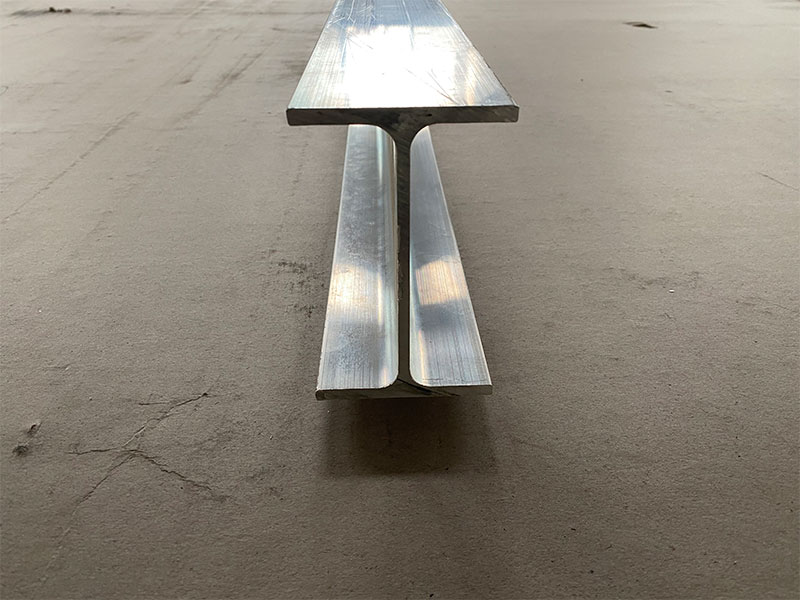
Marine aluminum Z-shaped sections
Marine Aluminum Z-shaped Sections are fabricated from premium marine-grade aluminum alloys such as 5083, 5052, and 6061. These alloys are well-regarded for their superior corrosion resistance in seawater and marine atmospheres, along with good mechanical strength and excellent weldability.
View Details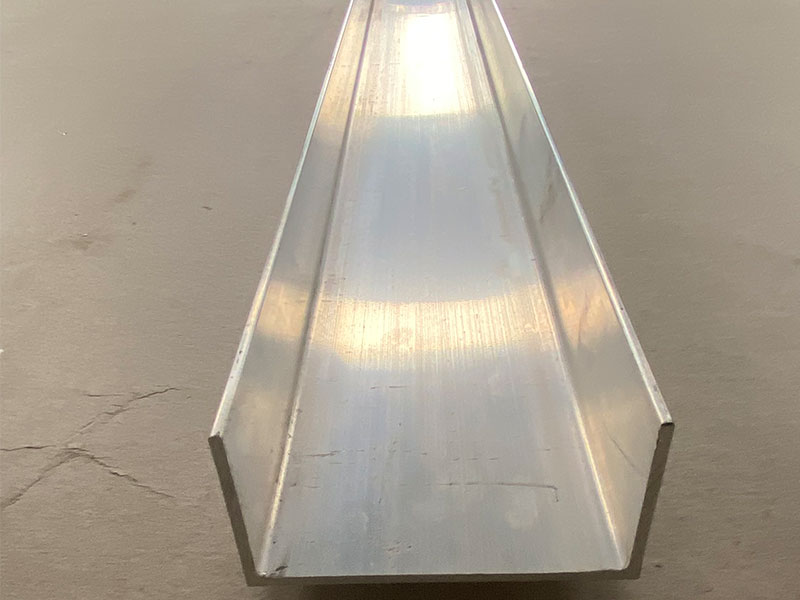
Marine aluminum channels
Marine Aluminum Channels are U-shaped aluminum profiles produced from alloys such as 5083, 5052, and 6061, known for their excellent marine corrosion resistance and superior mechanical strength.
View DetailsRelated Blog
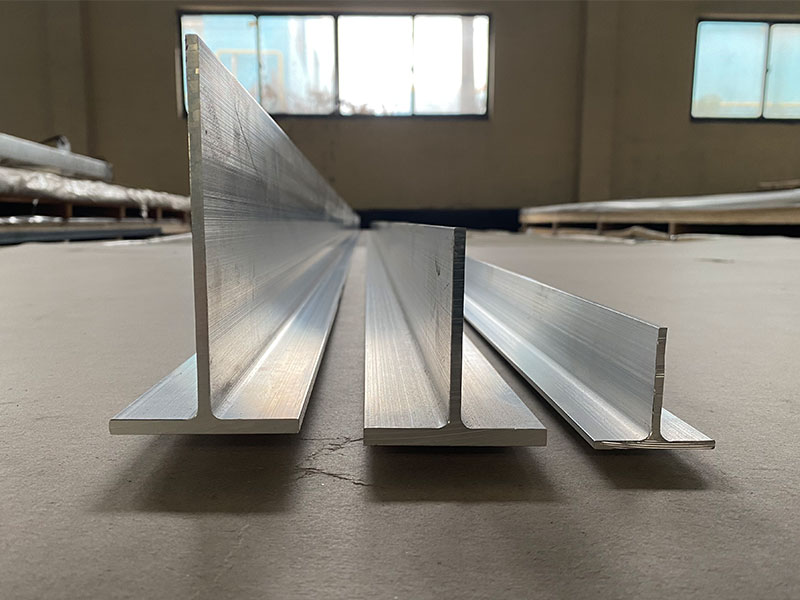
6061 T6 Marine Aluminum Flat Bar for Custom Boat Deck Design
6061 aluminum is a common structural alloy known globally for its versatility. When solution heat-treated and artificially aged to the T6 temper designation, it exhibits increased strength and hardness.
View Details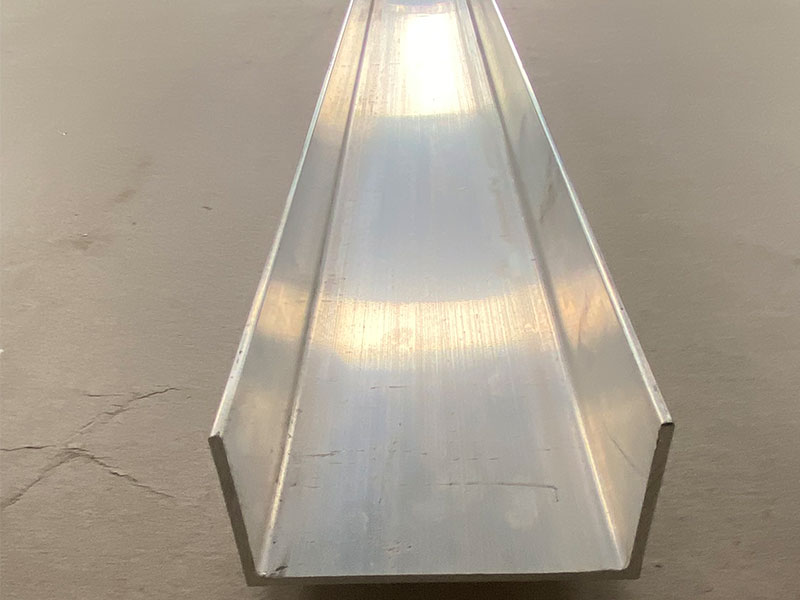
6061 Marine Aluminum Rod & Bar for Durable Marine Engineering
6061 marine aluminum rod and bar, engineered for strength, corrosion resistance, and performance in harsh marine environments. Detailed specifications, chemical composition, temper conditions, and industrial standards included.
View Details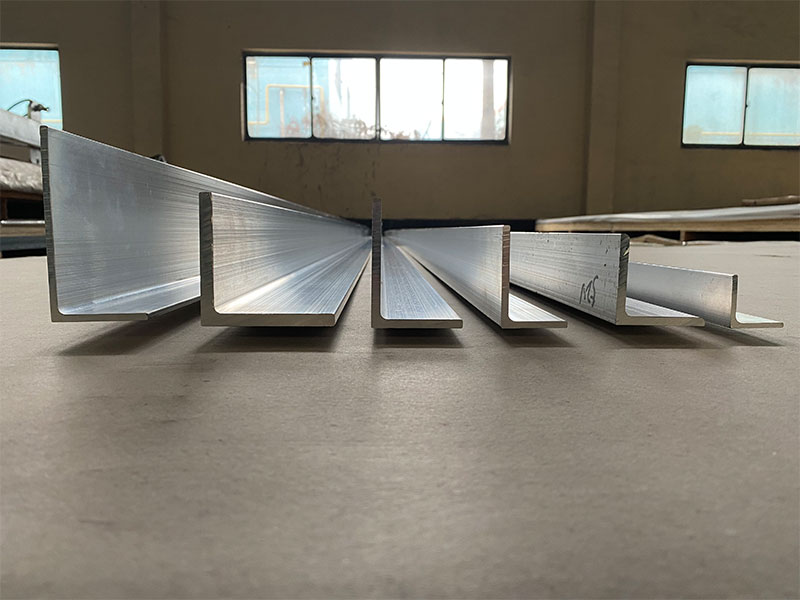
6061 Marine Aluminum Z Shaped Sections for Marine Frame Reinforcement
6061 Marine Aluminum Z Shaped Sections for Marine Frame ReinforcementMarine structures rarely fail because one component is "weak." They fail because loads travel through the hull in complicated paths, concentrate around cutouts and joints.
View Details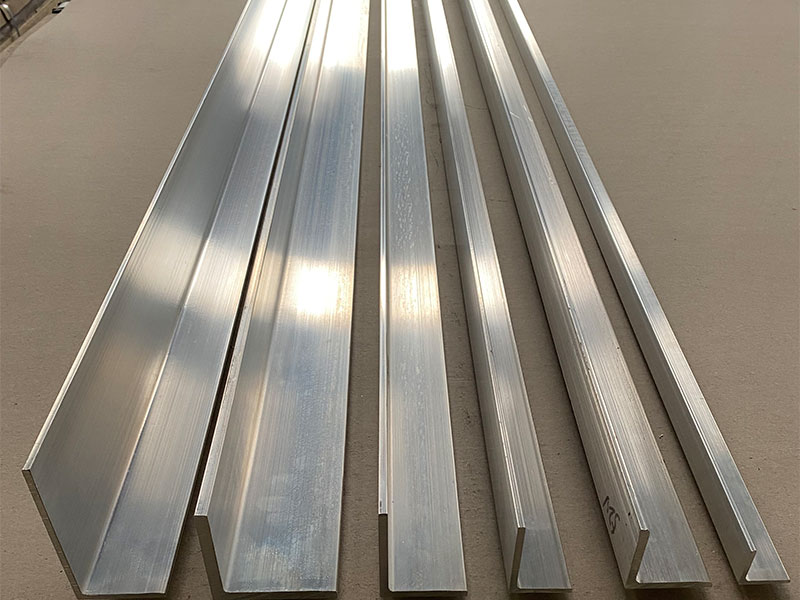
6061 Marine Aluminum I Beams for High Performance Marine Engineering
The 6061 marine aluminum I beams are a premier choice for engineers and designers in the marine industry. Renowned for their strength, corrosion resistance, and versatility, these aluminum I beams are ideal for various applications.
View Details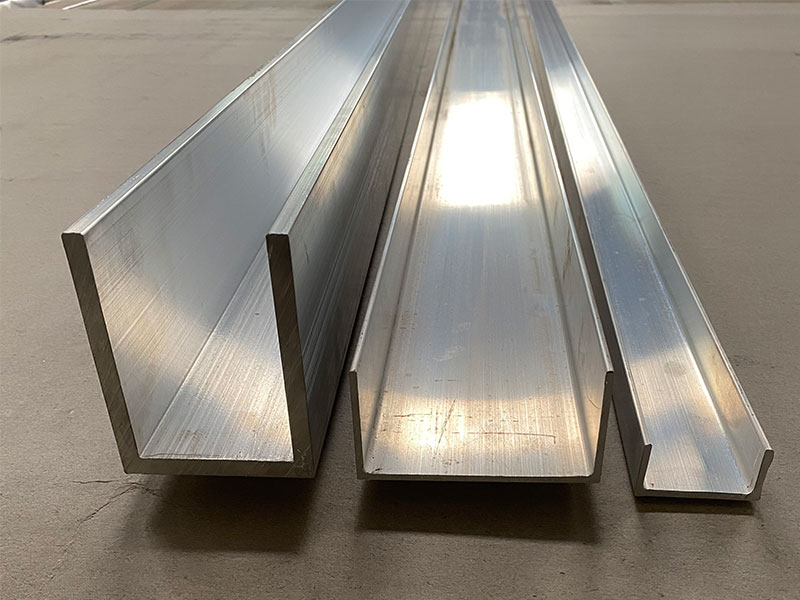
6061 Marine aluminum angles
6061 Marine Aluminum Angles are among the most popular and versatile aluminum alloy products used in marine and structural engineering applications. Renowned for their excellent strength, corrosion resistance, and machinability.
View Details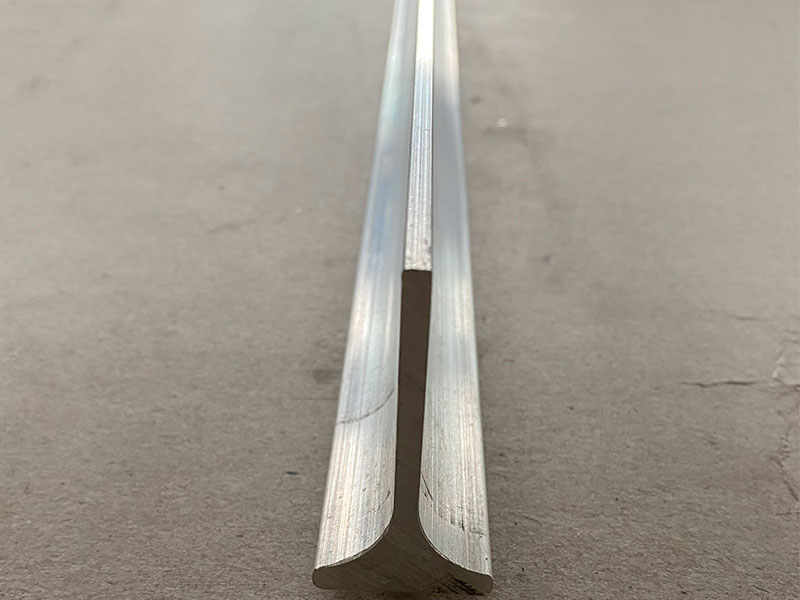
6061 Marine Aluminum Round Bar for Custom Marine Vessel Parts
When it comes to marine vessel construction and maintenance, the materials chosen play an integral part in their functionality, longevity, and structural integrity.
View Details
Leave a Message