
5086 Marine Aluminum I Beams for Offshore Marine Structural Design
Offshore structures live in a harsh reality: salt spray, splash zones, cyclic loading, and relentless maintenance pressure. 5086 marine aluminum I beams are engineered for exactly this environment-delivering a balance of corrosion resistance, weldability, and strength-to-weight efficiency that helps designers build lighter platforms, walkways, frames, and deck structures without compromising durability.
5086 is a non-heat-treatable Al-Mg alloy that gains strength primarily through work hardening rather than precipitation hardening. In marine service, it is widely valued for its resistance to seawater corrosion and its reliable performance in welded assemblies-two traits that matter more offshore than peak laboratory strength.
Why 5086 for Marine I Beams
5086 I beams bring practical advantages to offshore structural design:
- Excellent seawater corrosion resistance driven by a high magnesium content and stable oxide film formation
- High weld integrity with good resistance to weld cracking when correct filler and procedures are used
- Low density for reduced topside weight, easier handling, and lower installation costs
- Good toughness for structures exposed to vibration, impact, and wave-induced fatigue cycles
- Stable performance in cold environments, supporting offshore assets in northern waters
For offshore fabrication teams, the material's predictability is a major value: it forms, cuts, and welds consistently, supporting repeatable production and QA control.
Chemical Composition (Typical, wt.%)
5086 chemistry is designed around magnesium strengthening with controlled impurities for corrosion and weld performance.
| Element | Mg | Mn | Cr | Si | Fe | Cu | Zn | Ti | Al |
|---|---|---|---|---|---|---|---|---|---|
| 5086 (typical range) | 3.5–4.5 | 0.2–0.7 | 0.05–0.25 | ≤0.40 | ≤0.50 | ≤0.10 | ≤0.25 | ≤0.15 | Balance |
Design note: Keeping copper low is important in marine alloys because copper can reduce corrosion resistance in chloride environments.
Mechanical Performance Snapshot (Common Tempers)
5086 is typically supplied as extrusions or fabricated shapes in tempers suitable for structural work. Strength depends on temper, thickness, and product form.
| Temper | Typical Yield Strength (MPa) | Typical Tensile Strength (MPa) | Typical Elongation (%) | Practical Meaning Offshore |
|---|---|---|---|---|
| O (annealed) | ~125 | ~275 | ~20 | High formability for complex fabrication |
| H112 | ~125–165 | ~275–310 | ~12–18 | Common for structural shapes; good balance |
| H116 / H321 (marine-focused sheet/plate tempers) | ~200–240 | ~310–345 | ~10–16 | Optimized for marine corrosion and stability |
Values shown are representative industry ranges. Final design allowables should be taken from certified test reports and applicable codes.
Physical Properties (Numerical Data)
| Property | Typical Value | Relevance to Offshore Design |
|---|---|---|
| Density | ~2.66 g/cm³ | Significant weight reduction vs. steel |
| Modulus of Elasticity | ~69 GPa | Deflection control is critical in beam sizing |
| Thermal Conductivity | ~120 W/m·K | Helpful for heat dissipation; affects welding heat flow |
| Electrical Conductivity | ~29–32 %IACS | Grounding and bonding considerations |
| Coefficient of Thermal Expansion | ~23.5 µm/m·K | Allowance for thermal movement in long members |
| Melting Range | ~585–650 °C | Important for welding procedure development |
Technical Specifications for 5086 Marine I Beams
5086 I beams are commonly delivered as extruded profiles or fabricated built-up beams. Dimensional availability varies by mill capability, die availability, and finishing requirements.
| Item | Typical Offering |
|---|---|
| Product form | Extruded I beams, custom extrusions, fabricated I sections |
| Standards (common) | ASTM B221 (extrusions), ASTM B928 (marine plate, when used for built-up sections) |
| Surface finish | Mill finish, brushed, anodized (limited marine benefit), marine coating-ready |
| Length | Fixed mill lengths or cut-to-length |
| Tolerance control | Standard extrusion tolerances; tighter tolerances available by agreement |
| Certifications | Mill Test Certificate with chemistry, mechanicals, traceability; optional PMI verification |
Selection tip: Offshore structural members often prioritize consistent straightness and twist control, especially for walkways, gratings support, and equipment frames. Specify tolerances and inspection requirements early.
Corrosion Resistance in Offshore Service
5086 is widely chosen for marine exposure because it performs reliably in seawater, splash zones, and humid salt-laden air. Its corrosion behavior is supported by:
- Magnesium-based strengthening that remains stable in chloride environments
- Low copper content that helps avoid galvanic acceleration within the alloy
- Strong natural oxide film, especially when surfaces are properly cleaned and maintained
Practical offshore note: Galvanic corrosion is often a system issue, not a material issue. When aluminum I beams are bolted to stainless or carbon steel, isolate dissimilar metals using nonconductive gaskets, sleeves, coatings, and controlled drainage paths.
Weldability and Fabrication Considerations
5086 is considered a highly weldable marine alloy. Offshore structures frequently involve MIG (GMAW) or TIG (GTAW) welding, with robust productivity in shop fabrication.
| Fabrication Topic | Recommended Practice | Why It Matters |
|---|---|---|
| Filler selection | ER5356 is common; ER5183 for higher strength demands | Preserves Mg content and joint properties |
| Joint prep | Remove oxide, degrease, maintain clean edges | Reduces porosity and improves fusion |
| Heat input | Controlled parameters, avoid overheating | Limits distortion and preserves properties |
| Post-weld treatment | Cleaning; coatings where specified | Improves corrosion consistency and appearance |
| Distortion control | Fixturing, balanced weld sequence | Critical for long I beams and deck framing |
Design reality: Like all non-heat-treatable aluminum alloys, strength in the heat-affected zone can reduce relative to the base temper. Offshore designers account for this using appropriate allowables and joint design.
Where 5086 Marine Aluminum I Beams Shine
5086 I beams are used when offshore structures must be lighter, corrosion-resistant, and maintenance-friendly. Typical applications include:
- Offshore platform walkways and access structures, where reduced weight improves installation and retrofits
- Helideck sub-framing and perimeter support members, supporting corrosion resistance and long-term stability
- Boat landings, fender frames, and splash-zone support structures, where chloride exposure is constant
- Module skids and equipment frames, improving handling and reducing lift requirements
- Stair towers, handrail support beams, and secondary steel replacement, cutting lifecycle coating work
- Floating structures and marine vessels, especially where welded assemblies dominate
For retrofits, 5086 I beams are often chosen because they enable structural upgrades without exceeding allowable topside weight, a common bottleneck in brownfield offshore projects.
Design Guidance: Getting the Most from 5086 I Beams
Offshore success is about details. The following choices typically improve outcomes:
| Design/Procurement Focus | Best Practice | Benefit |
|---|---|---|
| Corrosion system | Pair alloy selection with isolation and drainage design | Prevents galvanic and crevice corrosion |
| Coatings | Use marine-qualified coating systems where required | Extends life in aggressive splash zones |
| Fasteners | Select compatible fasteners and insulators | Reduces bimetallic attack |
| Deflection control | Use modulus-based sizing, not just strength | Improves serviceability and vibration behavior |
| Documentation | Require MTC, heat/lot traceability, and dimensional inspection | Supports offshore QA/QC and audits |
5086 marine aluminum I beams offer a strong, corrosion-resistant solution for offshore structures that demand low weight and dependable welded performance. With the right detailing-especially around dissimilar-metal isolation, weld procedures, and drainage-5086 becomes a long-life structural choice for platform access, framing, skids, deck members, and marine infrastructure.

Related Products
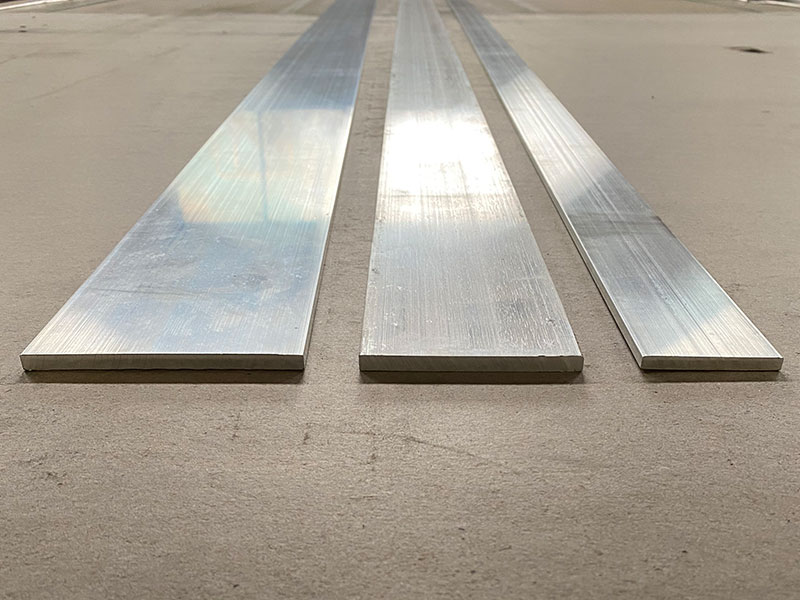
6061 T6 marine aluminum flat bar
6061 aluminum is classified as a heat-treatable 6xxx series alloy, alloyed primarily with magnesium and silicon. The T6 temper designation indicates that the flat bar has been solution heat-treated and artificially aged to achieve optimum strength and hardness.
View Details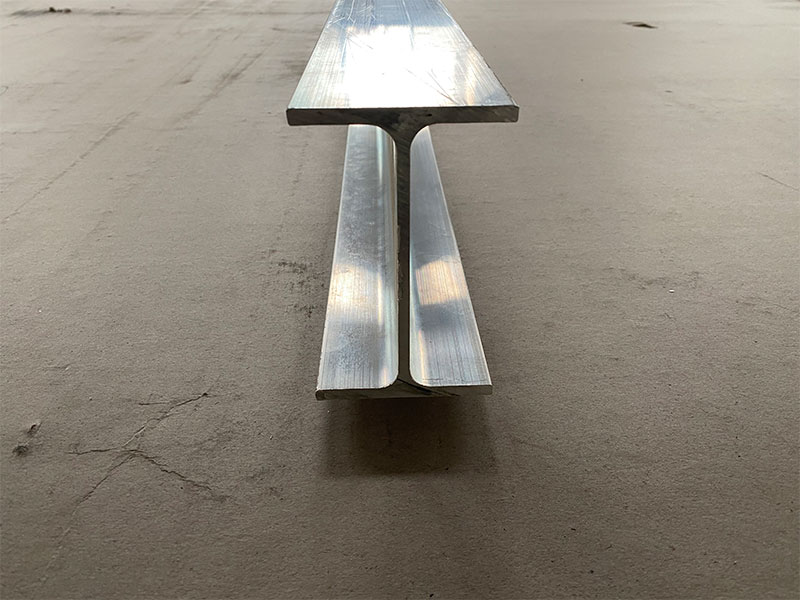
Marine aluminum Z-shaped sections
Marine Aluminum Z-shaped Sections are fabricated from premium marine-grade aluminum alloys such as 5083, 5052, and 6061. These alloys are well-regarded for their superior corrosion resistance in seawater and marine atmospheres, along with good mechanical strength and excellent weldability.
View Details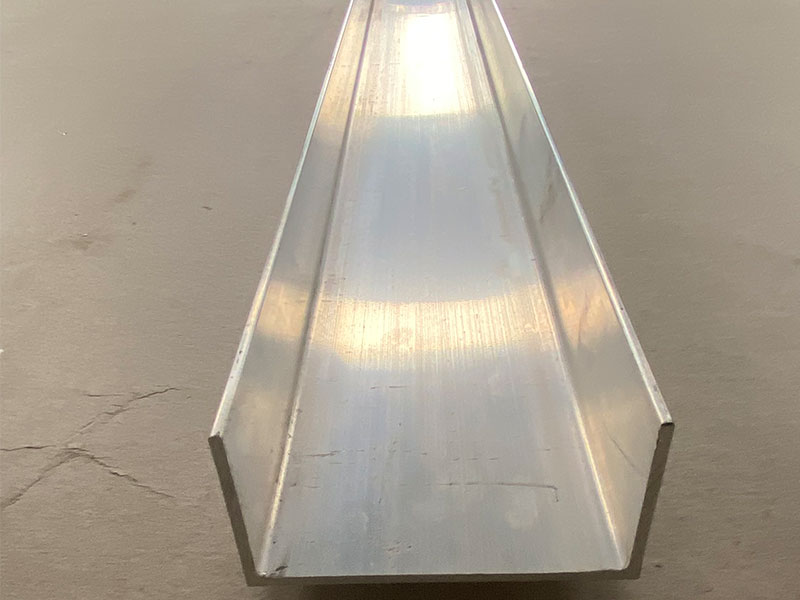
Marine aluminum channels
Marine Aluminum Channels are U-shaped aluminum profiles produced from alloys such as 5083, 5052, and 6061, known for their excellent marine corrosion resistance and superior mechanical strength.
View Details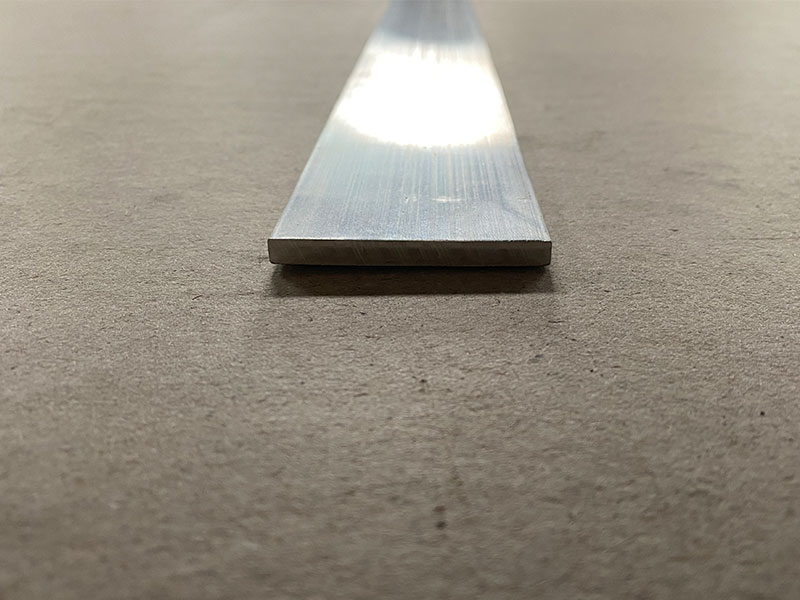
5083 marine aluminum flat bar
5083 aluminum flat bars belong to the 5xxx series of aluminum-magnesium alloys, known primarily for their superior resistance to seawater corrosion and salt spray.
View Details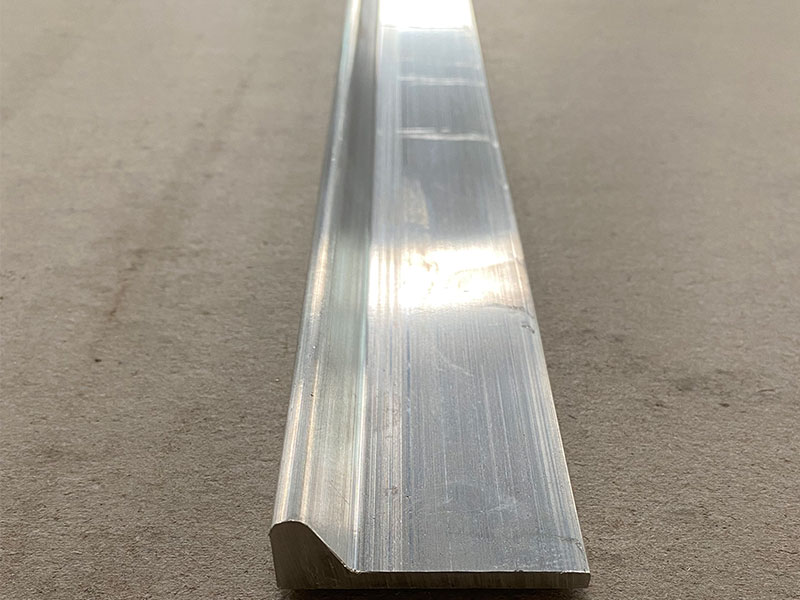
Marine aluminum I-beams
Marine Aluminum I-Beams feature the traditional “I” cross-sectional profile fabricated from marine-grade aluminum alloys like 5083, 5086, and 6061. These alloys are renowned for their outstanding corrosion resistance, especially in saltwater and marine atmospheres, making them ideal for offshore and naval construction.
View Details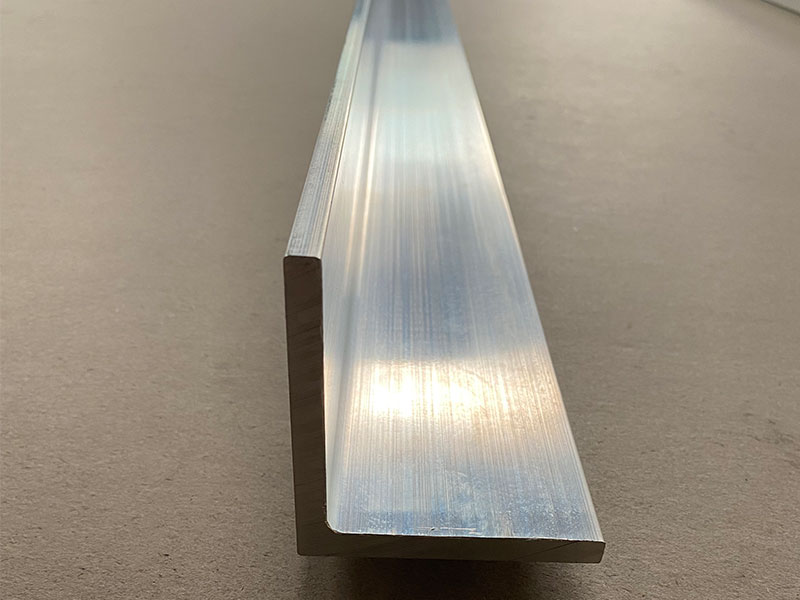
Marine aluminum angles
Marine Aluminum Angles are L-shaped cross-sectional aluminum profiles produced from marine-grade aluminum alloys such as 5083, 5052, and 6061.
View DetailsRelated Blog
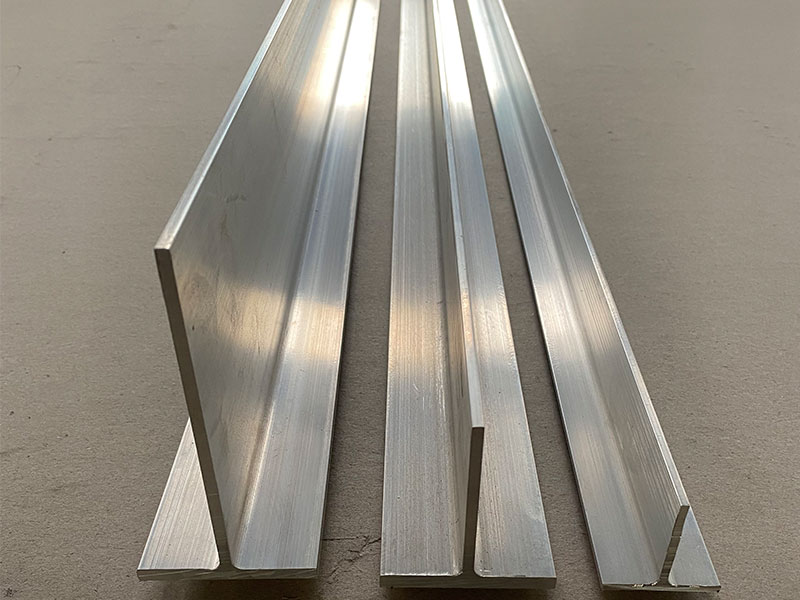
5086 Marine Aluminum I Beams for Durable Marine Construction
In modern marine construction, the need for robust, corrosion-resistant, and lightweight structural components is paramount. 5086 Marine Aluminum I Beams present an excellent solution.
View Details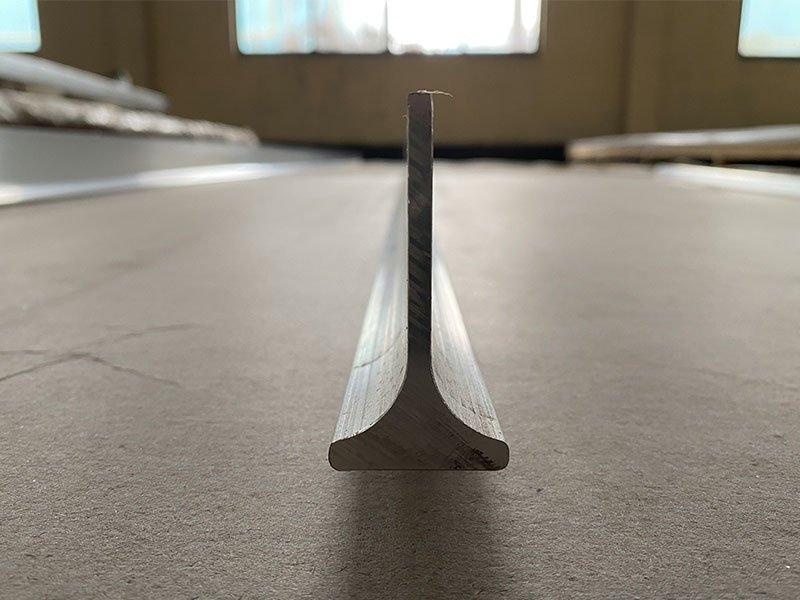
5086 Marine Aluminum I Beams for Offshore Boat Frame Support
5086 Marine Aluminum I Beams are a premium grade structural component extensively used in the offshore marine industry. Renowned for their exceptional combination of high strength, corrosion resistance, and lightweight properties.
View Details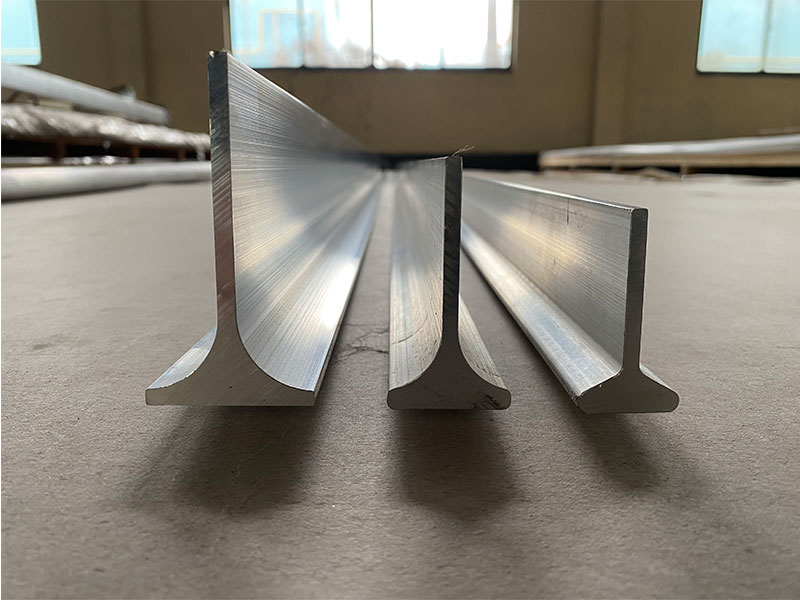
5086 Marine Aluminum I Beams for High Strength Marine Engineering
What Makes 5086 Marine Aluminum Special?5086 aluminum alloy is known for its superior corrosion resistance, high anodizing performance, and excellent weldability, making it a popular choice for marine applications.
View Details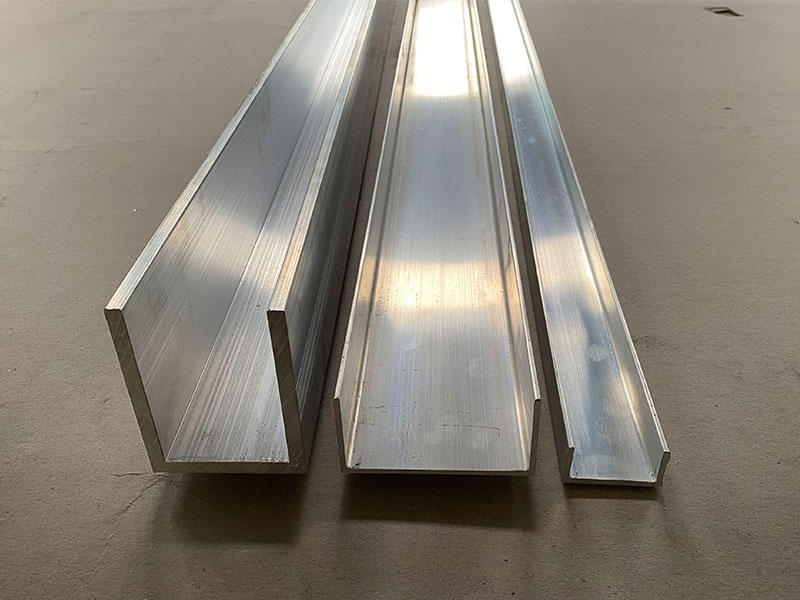
5086 Marine Aluminum I Beams for Saltwater Resistant Marine Ship Design
5086 Marine Aluminum I Beams: The Structural Spine of Saltwater‑Resistant Ship DesignAmong all the aluminum profiles applied in marine engineering, 5086 marine aluminum I beams sit in a special category: they are not just another “section shape,” b.
View Details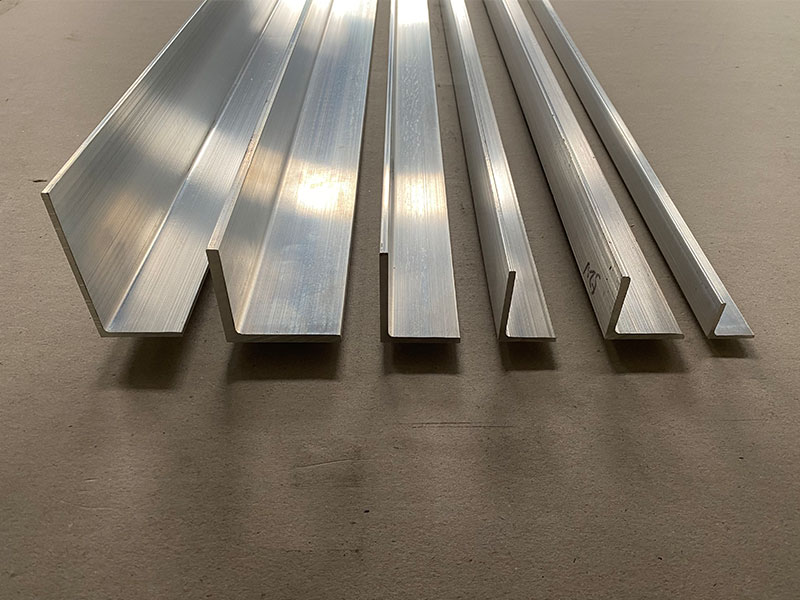
5086 Marine Aluminum I Beams for Custom Marine Vessel Design
Aluminum 5086 is a high-strength, corrosion-resistant alloy strategically engineered for marine applications. Its benefits, such as excellent real-world longevity and ease of customization, make it a favored choice for shipbuilding or repair processes.
View Details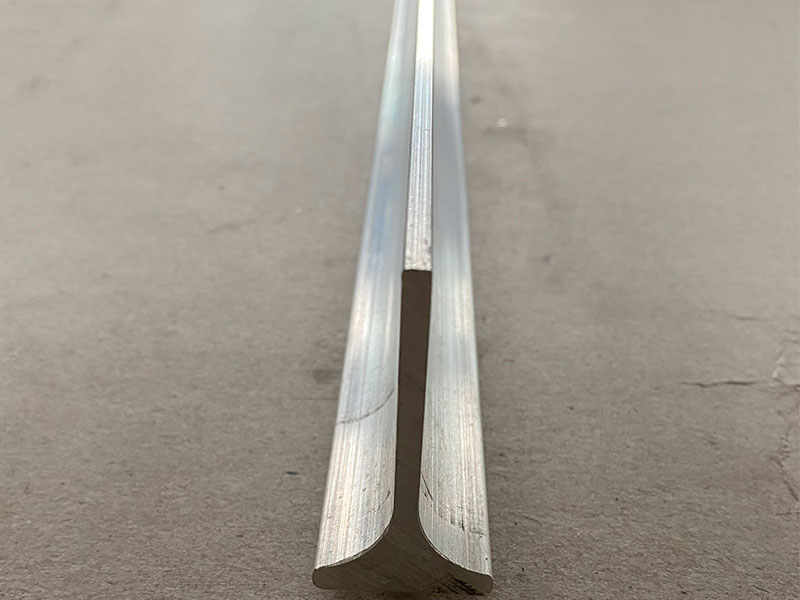
5086 Marine Aluminum I Beams for Offshore Marine Structural Design
Offshore structures live in a harsh reality: salt spray, splash zones, cyclic loading, and relentless maintenance pressure. 5086 marine aluminum I beams are engineered for exactly this environment-delivering a balance of corrosion resistance.
View Details
Leave a Message