
Marine Aluminum Fencing and Railings for Seawater Resistant Boat and Vessel Guardrails
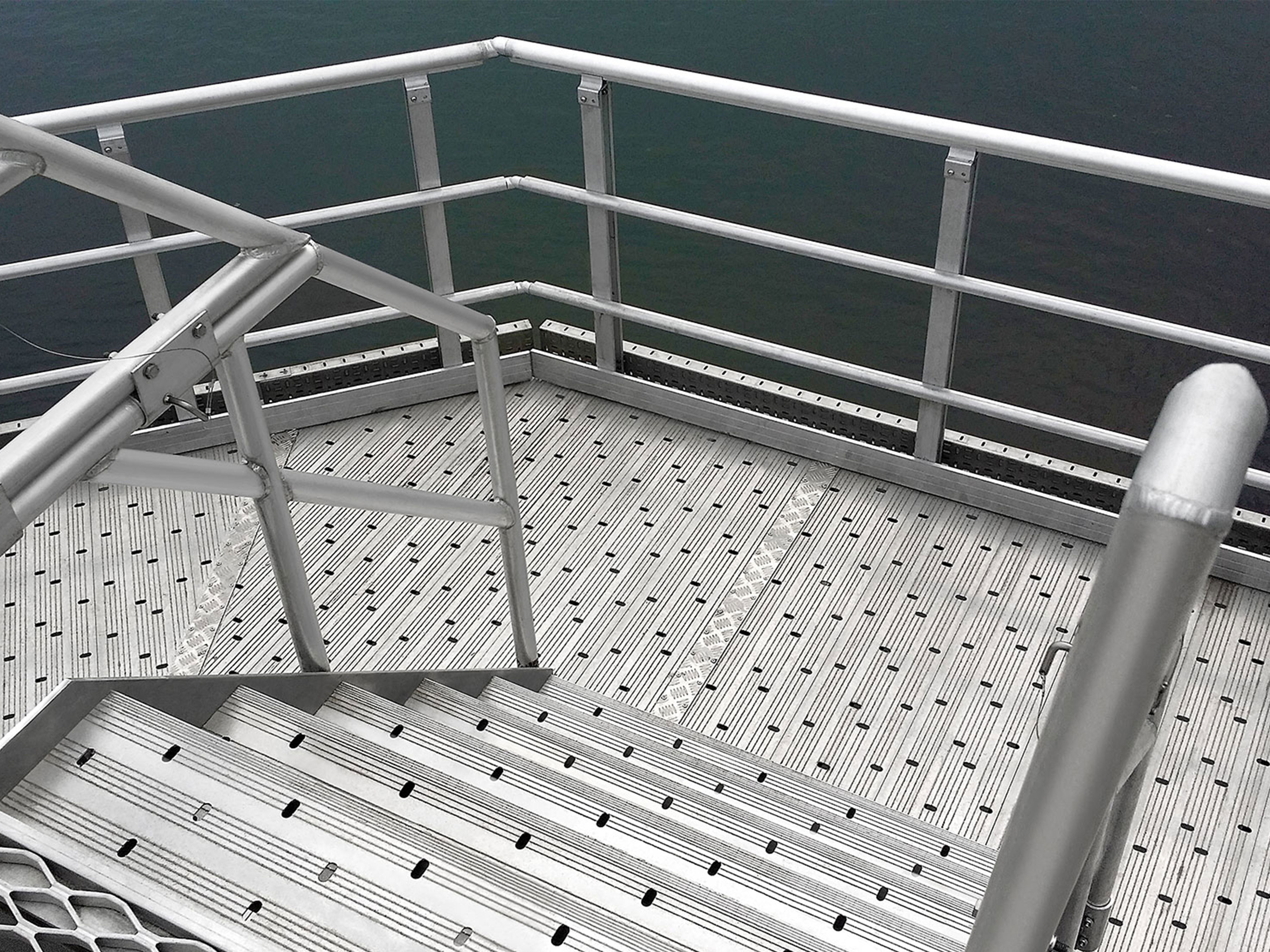
Marine aluminum fencing and railings are safety-critical structures used along decks, walkways, boarding zones, flybridges, docks, platforms, and vessel service areas. In a seawater environment, guardrails must resist salt spray, wet-dry cycles, vibration, impact, UV exposure, and galvanic corrosion from nearby stainless fasteners or carbon steel fittings. Properly selected aluminum alloys provide a strong, lightweight, low-maintenance solution for both commercial vessels and leisure boats.
For boatyards, shipbuilders, refit yards, and marine equipment fabricators, Marine aluminum fencing and railings can be supplied as extruded tubes, handrail profiles, stanchions, base plates, bends, welded frames, or modular guardrail systems designed for rapid installation.
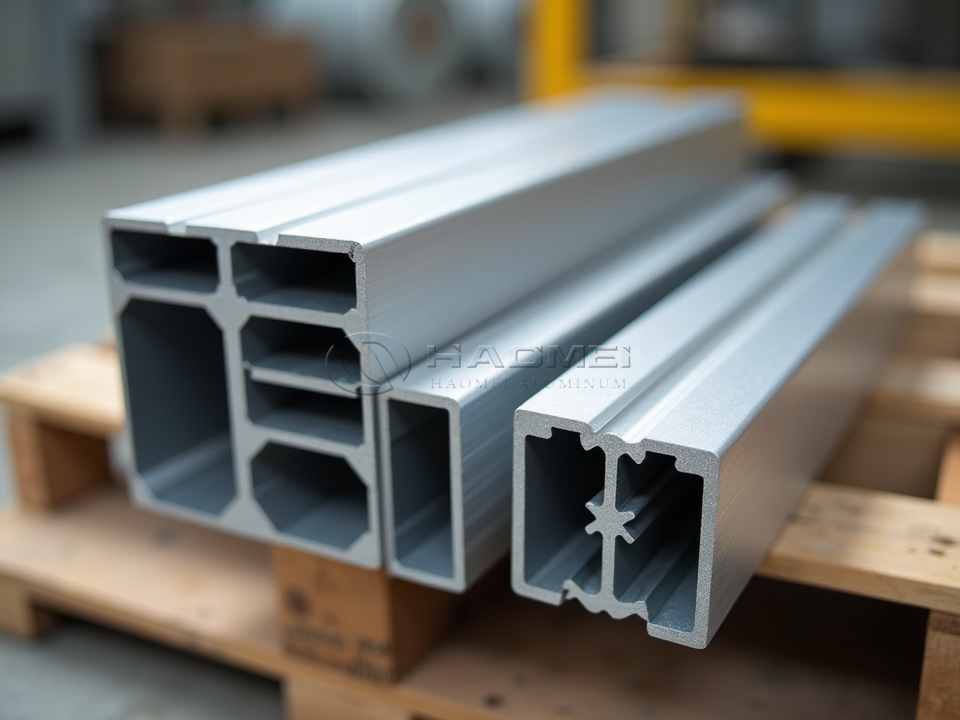
Functions on Boats and Vessels
Marine aluminum guardrails perform more than a boundary function. They protect crew and passengers, define traffic routes, support boarding operations, and help reduce damage around exposed deck edges.
| Function | Practical Value on Board | Typical Design Feature |
|---|---|---|
| Fall protection | Safer movement on wet decks and raised platforms | Top rail, mid rail, toe plate, stanchions |
| Boarding support | Stable grip during transfer from dock or tender | Smooth oval or round handrail profiles |
| Deck zoning | Separates passenger, work, and equipment areas | Modular fence panels or removable sections |
| Impact resistance | Absorbs minor contact from gear, ropes, and service carts | Reinforced posts and welded joints |
| Corrosion control | Extends service life in saltwater atmosphere | 5xxx or 6xxx alloy with anodizing or coating |
| Weight reduction | Lowers topside mass and improves handling | Thin-wall extrusions with optimized geometry |
Common Applications
Aluminum fencing and railing systems can be adapted to many marine layouts, from compact fishing boats to offshore service vessels.
| Application Area | Recommended Form | Design Notes |
|---|---|---|
| Passenger boat deck rails | Welded or bolted modular railing | Rounded top rails improve comfort and safety |
| Workboat side guardrails | Heavy-duty pipe and stanchion assembly | Higher wall thickness for equipment contact zones |
| Yacht flybridge rails | Polished anodized handrail profile | Appearance and smooth finish are important |
| Ferry boarding gates | Hinged aluminum fence section | Include locking hardware and anti-rattle pads |
| Offshore platform access | Industrial guardrail with toe board | Verify class and project load requirements |
| Dock and pontoon edges | Aluminum fence panel with base plates | Isolate from dissimilar metals when mounted |
| Rescue and patrol craft | Lightweight welded railing | Allow drainage and quick cleaning after seawater exposure |
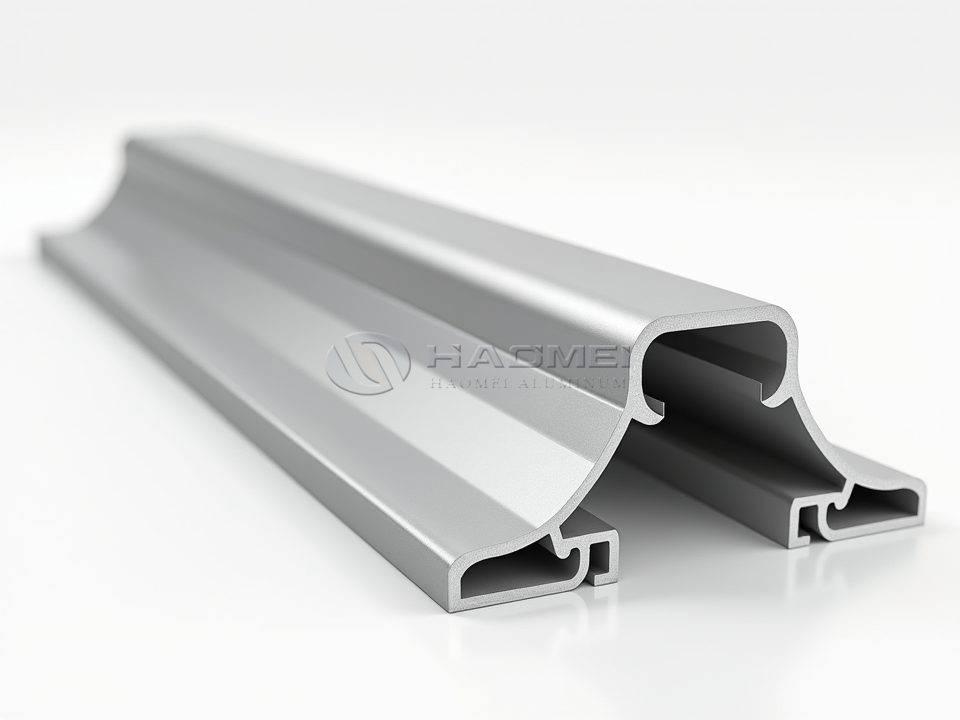
Alloy Selection for Seawater Service
No aluminum alloy is completely immune to seawater corrosion, but marine-grade alloys can deliver excellent performance when correctly specified. The 5xxx series has superior natural seawater resistance because magnesium strengthens the alloy without requiring heat treatment. The 6xxx series is widely used for extruded rail profiles because it balances strength, surface finish, weldability, and forming performance.
| Alloy | Common Temper | Marine Use | Strength Level | Corrosion Behavior | Fabrication Notes |
|---|---|---|---|---|---|
| 5052 | H32, H34 | Plates, brackets, formed panels | Medium | Excellent seawater resistance | Good bending and welding |
| 5083 | H111, H116, H321 | Heavy-duty marine structures | High | Excellent, especially H116 and H321 | Preferred for welded structural parts |
| 5086 | H111, H116 | Boat structures and deck fittings | Medium-high | Excellent in saltwater | Stable welded performance |
| 6061 | T6, T651 | Posts, bases, machined connectors | High | Good with coating or anodizing | Strong but less formable after T6 |
| 6063 | T5, T6 | Handrails, decorative extrusions | Medium | Good with anodizing | Excellent surface finish |
| 6082 | T6 | Structural rail posts and fittings | High | Good with protection | Popular in EN marine fabrication |
Chemical Composition Reference
The table shows typical composition ranges by weight percent. Project specifications should follow the exact mill certificate and applicable standard.
| Alloy | Si | Fe | Cu | Mn | Mg | Cr | Zn | Ti | Al |
|---|---|---|---|---|---|---|---|---|---|
| 5052 | 0.25 max | 0.40 max | 0.10 max | 0.10 max | 2.2-2.8 | 0.15-0.35 | 0.10 max | - | Balance |
| 5083 | 0.40 max | 0.40 max | 0.10 max | 0.40-1.0 | 4.0-4.9 | 0.05-0.25 | 0.25 max | 0.15 max | Balance |
| 6061 | 0.40-0.8 | 0.70 max | 0.15-0.40 | 0.15 max | 0.8-1.2 | 0.04-0.35 | 0.25 max | 0.15 max | Balance |
| 6063 | 0.20-0.6 | 0.35 max | 0.10 max | 0.10 max | 0.45-0.9 | 0.10 max | 0.10 max | 0.10 max | Balance |
| 6082 | 0.70-1.3 | 0.50 max | 0.10 max | 0.40-1.0 | 0.6-1.2 | 0.25 max | 0.20 max | 0.10 max | Balance |
Mechanical Properties and Temper Conditions
Strength values vary with product form, thickness, extrusion shape, and test standard. The following data is typical for initial engineering comparison.
| Alloy and Temper | Tensile Strength MPa | Yield Strength MPa | Elongation Percent | Typical Product Form |
|---|---|---|---|---|
| 5052-H32 | 210-260 | 160-215 | 8-12 | Sheet, plate, formed brackets |
| 5083-H116 | 305-385 | 215-275 | 10-14 | Marine plate, structural parts |
| 6061-T6 | 290-320 | 240-275 | 8-12 | Tube, bar, machined base |
| 6063-T5 | 145-190 | 105-145 | 8-12 | Handrail and trim extrusion |
| 6063-T6 | 205-240 | 170-215 | 8-10 | Higher-strength handrail profile |
| 6082-T6 | 295-340 | 250-300 | 6-10 | Structural extrusion and post |
For welded 6xxx alloys, strength in the heat-affected zone is reduced unless post-weld heat treatment is applied, which is often impractical for large railing assemblies. Designers should use conservative weld-zone values and place welds away from peak load zones where possible.
Technical Specifications for Guardrail Profiles
Marine railing systems are usually custom-made, but many projects start from standard extrusion sizes. Hollow profiles are preferred because they provide high stiffness with low weight.
| Parameter | Common Range | Selection Guidance |
|---|---|---|
| Top rail outer diameter | 25-60 mm | 32-50 mm is common for hand grip comfort |
| Round tube wall thickness | 2.0-5.0 mm | Use thicker walls for commercial and workboat service |
| Square post size | 30 x 30 to 80 x 80 mm | Larger posts improve stiffness at wide spacing |
| Stanchion spacing | 600-1200 mm | Reduce spacing for higher loads or thin decks |
| Guardrail height | 600-1100 mm | Set by vessel type, class rule, and deck risk |
| Base plate thickness | 6-15 mm | Match load, bolt pattern, and deck reinforcement |
| Surface roughness after finishing | Ra 0.8-3.2 micrometer | Smoother surfaces reduce salt deposit retention |
| Drainage holes | 4-8 mm diameter | Prevent trapped seawater inside hollow rails |
| Typical anodizing thickness | 15-25 micrometer | Marine outdoor exposure normally needs thicker anodizing |
| Powder coating thickness | 60-100 micrometer | Use marine-grade pretreatment for salt spray zones |
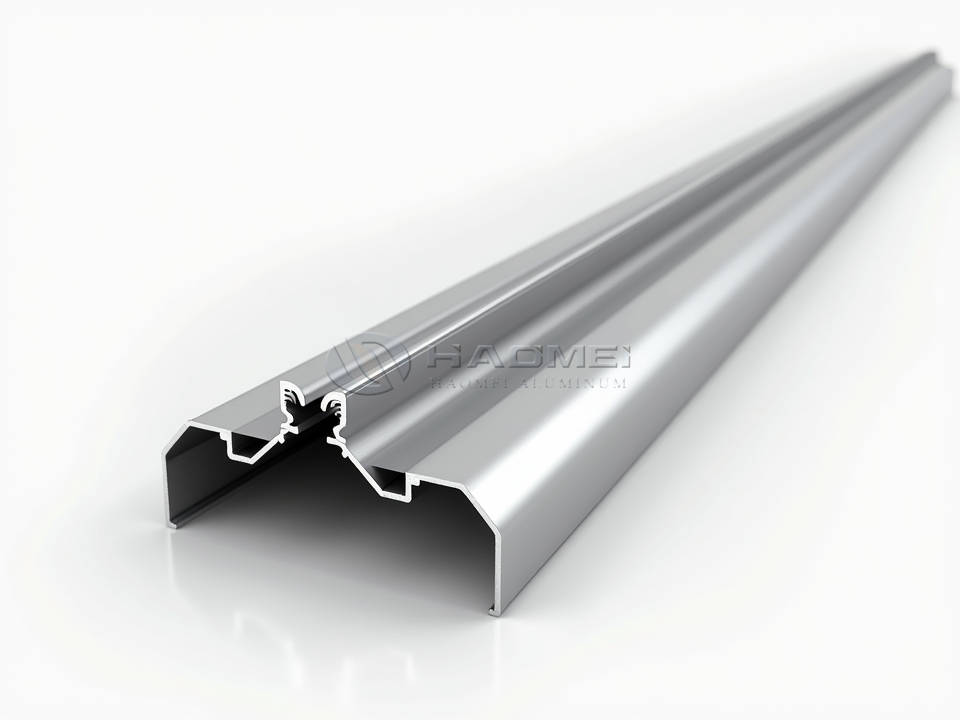
Standards and Testing References
Marine aluminum fencing and railings should be checked against the vessel category, flag requirements, and class society guidance. The following standards are commonly referenced during material selection, fabrication, and inspection.
| Category | Standard or Reference | Scope |
|---|---|---|
| Extruded aluminum profiles | ASTM B221, EN 755 | Aluminum and aluminum-alloy extruded bars, rods, wires, profiles, and tubes |
| Aluminum plate and sheet | ASTM B209, EN 485 | Plate, sheet, and strip for brackets, gussets, and base plates |
| Marine structural aluminum | EN 13195, ASTM marine material practice as specified | Aluminum use in marine construction and related components |
| Welding | AWS D1.2, ISO 15614, ISO 9606 | Welding qualification, procedure approval, welder qualification |
| Small craft safety | ISO 15085 | Protection against falling overboard and reboarding provisions |
| Surface anodizing | ISO 7599, ASTM B580 | Anodic oxidation coating quality and thickness |
| Powder coating | AAMA 2604, AAMA 2605, Qualicoat Seaside | Coating durability for aggressive outdoor environments |
| Salt spray testing | ASTM B117, ISO 9227 | Comparative corrosion resistance evaluation |
| Classification projects | DNV, ABS, LR, BV rules where applicable | Vessel-specific approval and inspection requirements |
Corrosion Resistance in Seawater
Aluminum naturally forms a protective oxide film, but chloride-rich seawater can attack damaged areas, crevices, and galvanic contact points. Long service life depends on alloy choice, surface finish, drainage, and correct fastening.
| Risk Factor | Possible Problem | Recommended Control |
|---|---|---|
| Stainless steel bolts in aluminum | Galvanic corrosion around holes | Use isolation washers, sealant, or sleeves |
| Standing seawater inside tube | Internal pitting and staining | Add drain holes at low points |
| Rough weld scale or spatter | Local crevice corrosion | Grind smooth and clean before coating |
| Carbon steel contact | Rapid galvanic attack | Avoid direct contact; use dielectric barrier |
| Damaged coating | Underfilm corrosion | Repair scratches quickly with approved touch-up system |
| Strong alkaline cleaners | Surface dulling and attack | Use neutral marine cleaners and fresh-water rinse |
Fabrication and Installation Guidance
For railings exposed to seawater, clean geometry is as important as alloy selection. Rounded transitions, sealed crevices, smooth weld toes, and self-draining tube layouts reduce the accumulation of salt crystals. TIG welding is often chosen for visible yacht railings, while MIG welding is efficient for workboats and commercial assemblies. Common filler metals include 5356 for 5xxx alloys and many marine 6xxx assemblies, although filler choice should be verified for strength, color after anodizing, and service temperature.
Bolted systems should use reinforced deck pads or backing plates to spread load into the deck structure. If the deck is aluminum, welding may be preferred where allowed by the build plan. If the railing is mounted to fiberglass, wood, or steel, a gasket, bedding compound, or dielectric pad helps prevent water ingress and galvanic damage. Fasteners should be marine-grade stainless steel, typically A4 or 316, with isolation where the joint remains wet.
Surface Finish Options
| Finish | Appearance | Marine Benefit | Suitable Use |
|---|---|---|---|
| Mill finish | Natural aluminum | Lowest cost, easy fabrication | Hidden or temporary components |
| Brushed finish | Satin texture | Reduces visible scratches | Yacht and passenger areas |
| Clear anodized | Metallic, clean surface | Better wear and salt resistance | Handrails and trim |
| Hard anodized | Darker, thicker oxide | Higher abrasion resistance | High-contact zones |
| Powder coated | Custom color | Strong UV and salt protection when pretreated | Ferries, pontoons, docks |
| PVDF coating | Premium color retention | Excellent weather durability | Luxury and long-life exterior rails |
Purchasing Notes for Marine Projects
When ordering marine aluminum guardrails, provide the alloy, temper, profile drawing, wall thickness, finish, tolerance, welding requirement, bending radius, bolt pattern, and inspection level. For custom extrusions, a 2D drawing or 3D model helps confirm die design, drainage paths, wall uniformity, and assembly interfaces. Material traceability, mill test certificates, coating certificates, and weld procedure documents are valuable for classed vessels and commercial fleet maintenance records.
A well-designed marine aluminum fencing and railing system combines low weight, seawater resistance, clean appearance, and dependable safety performance. With the right alloy temper, protective finish, and installation method, aluminum guardrails can serve reliably on boats, vessels, docks, and offshore access structures exposed to demanding saltwater conditions.

Related Products
Marine aluminum customized shapes
Marine Grade Aluminum Customized Shapes encompass a broad range of aluminum extrusions and fabrications engineered beyond standard profiles—such as channels, angles, tubes, and beams—into complex, project-specific geometries.
View Details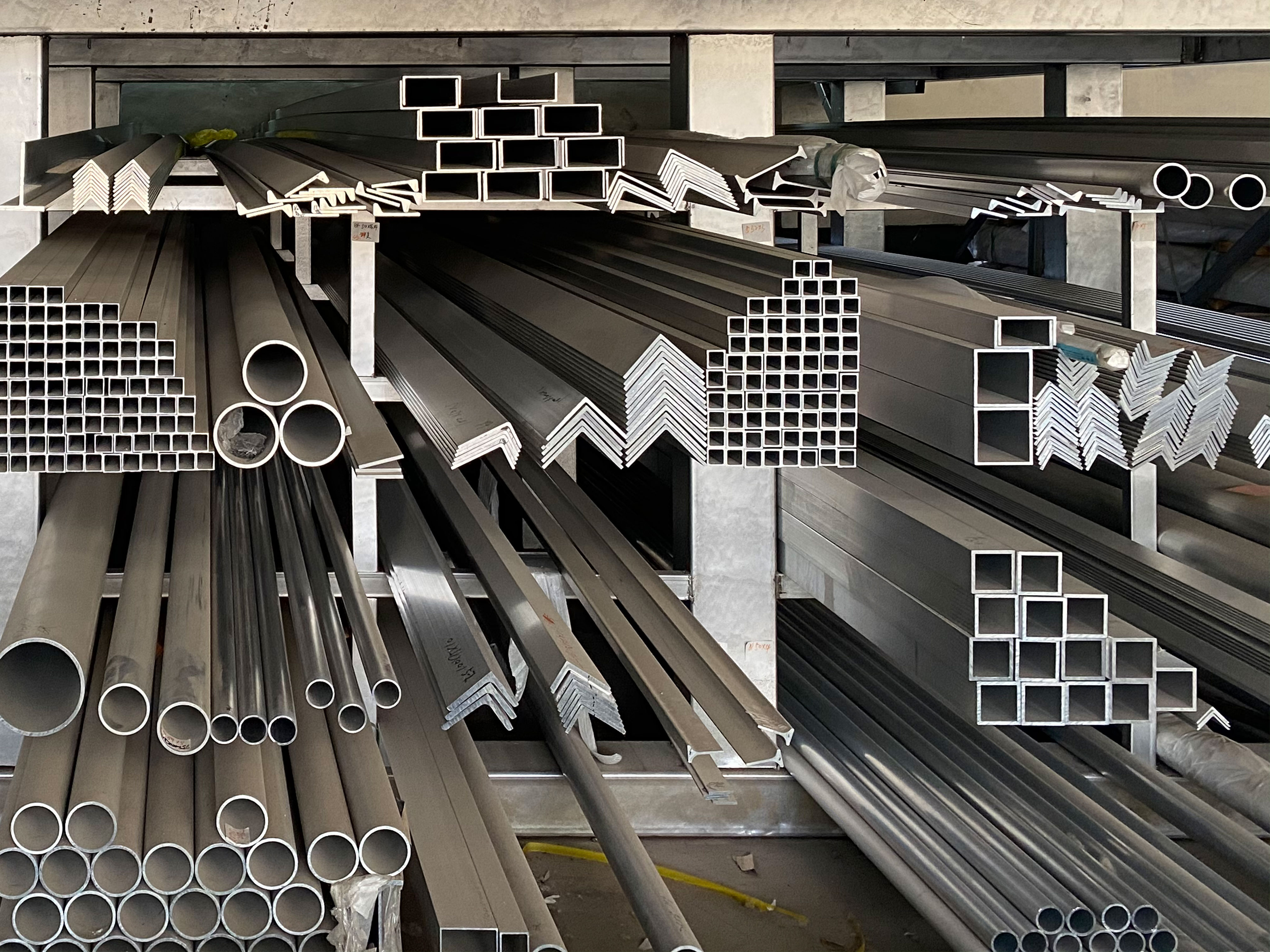
Marine aluminum fencing and railings
Marine Grade Aluminum Fencing and Railings are fabricated using marine-grade aluminum alloys such as 5083, 5052, and 6061, which are engineered specifically for protection against saltwater corrosion and marine atmospheric conditions.
View Details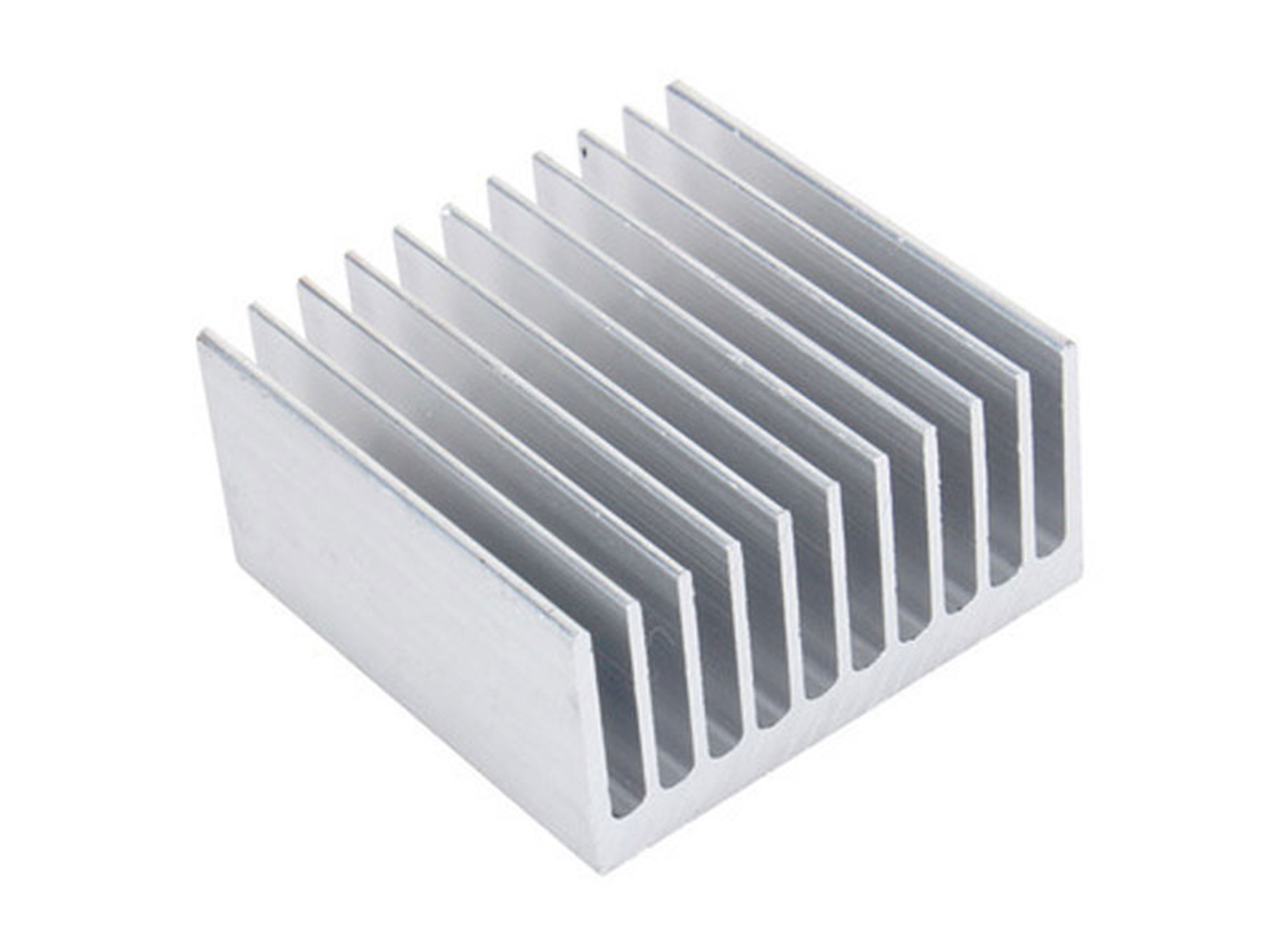
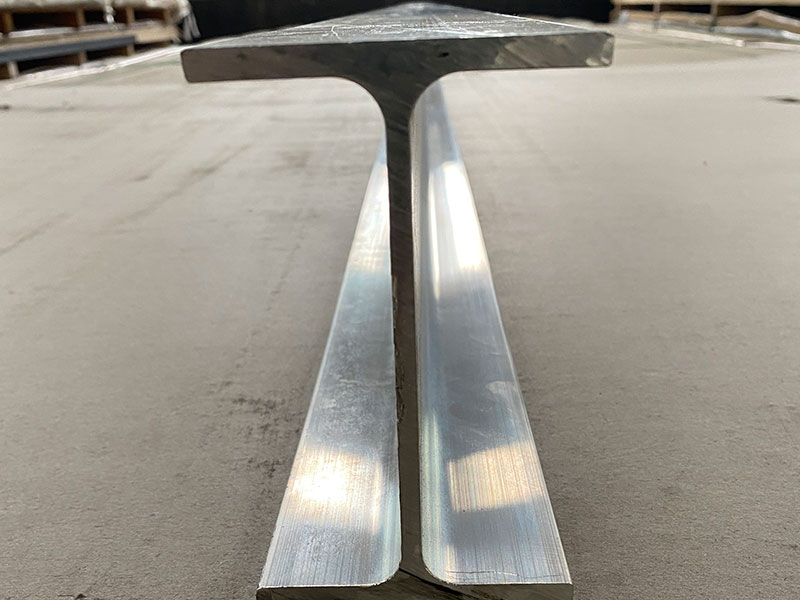
Marine aluminum heat sink profile
Marine Grade Aluminum Heat Sink Profiles utilize alloys such as 6061 and 6063 that not only exhibit high thermal conductivity but also possess excellent corrosion resistance required for saltwater exposure.
View DetailsRelated Blog
6061 Marine Aluminum Fencing and Railings for Custom Offshore Deck and Railings
6061 Marine Aluminum fencing and railings provide a lightweight, corrosion-resistant, high-strength solution for custom offshore decks and railings.
View Details
6061 Marine Aluminum Customized Shapes for Lightweight Offshore Deck Solutions
In the realm of offshore engineering, performance materials dramatically impact the longevity, safety, and efficiency of marine structures. 6061 Marine Aluminum alloys, particularly when fabricated into customized shapes.
View Details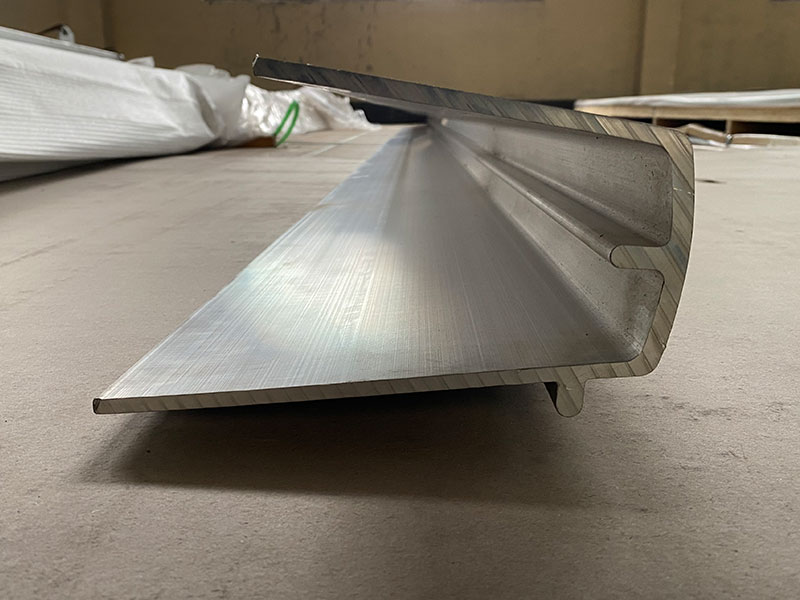
5052 Marine Aluminum Fencing and Railings for Custom Marine Deck Safety
When it comes to designing secure and durable marine environments, choosing the right material for fencing and railings is key. Among the most popular choices today is 5052 marine aluminum, which is well-regarded in the shipbuilding.
View Details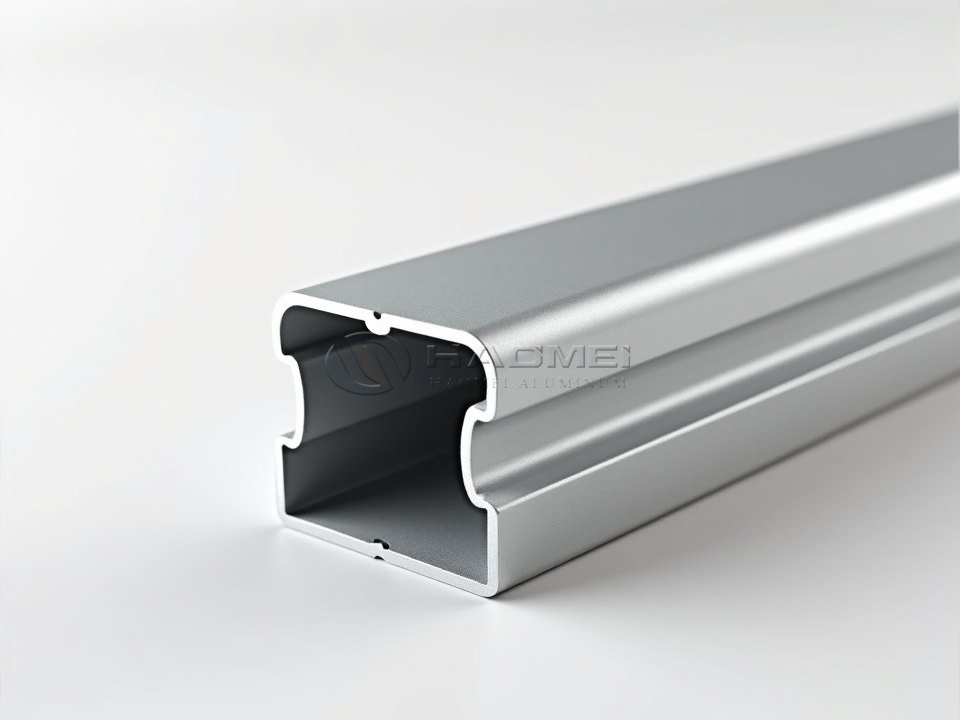
6061 Marine Aluminum Fencing and Railings for High Strength Coastal Fence Design
Learn how 6061 marine aluminum fencing and railings deliver strength, corrosion control, and clean coastal design for docks, resorts, and seawalls.
View Details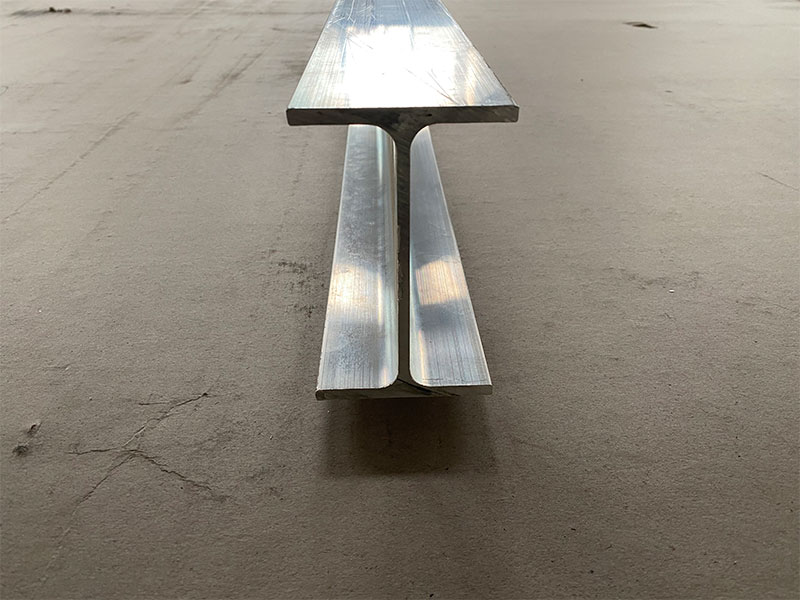
6063 Marine Aluminum Heat Sink Profile for Durable Coastal Electronics Cooling
The 6063 marine-grade aluminum heat sink profile has become an essential component in coastal and marine applications, particularly where electronic cooling is paramount for operational reliability and longevity.
View Details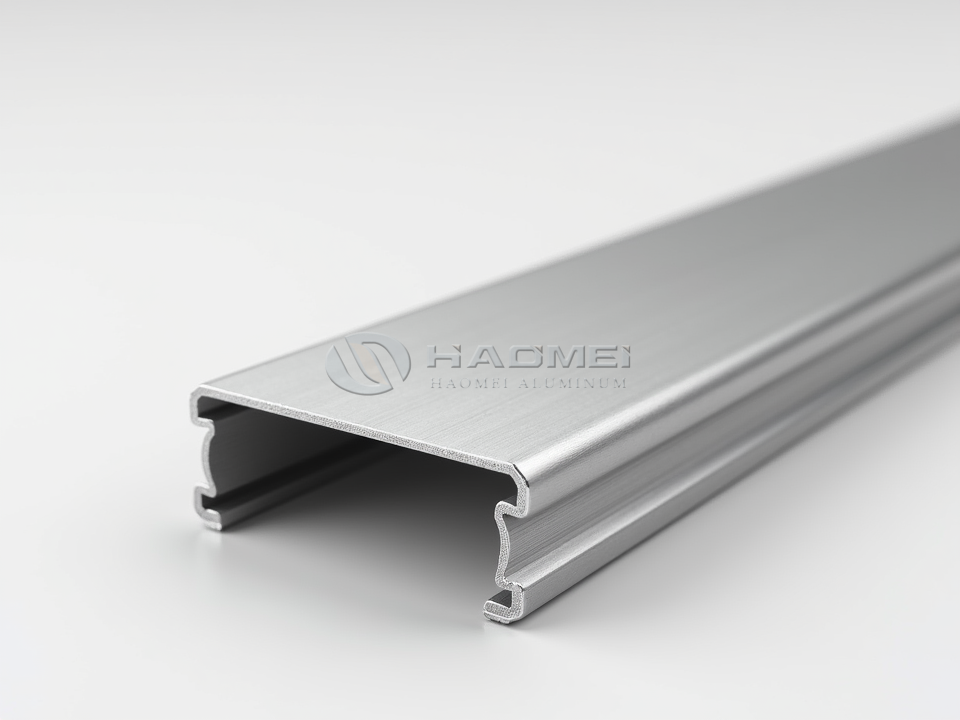
Marine Aluminum Heat Sink Profile for Custom Cooling Systems for Marine Electronics
Marine aluminum heat sink profiles move heat from onboard electronics while resisting salt spray, vibration, humidity, and galvanic corrosion.
View Details
Leave a Message