
Marine Aluminum Heat Sink Profile for Offshore Vessel Engine Heat Dissipation Systems
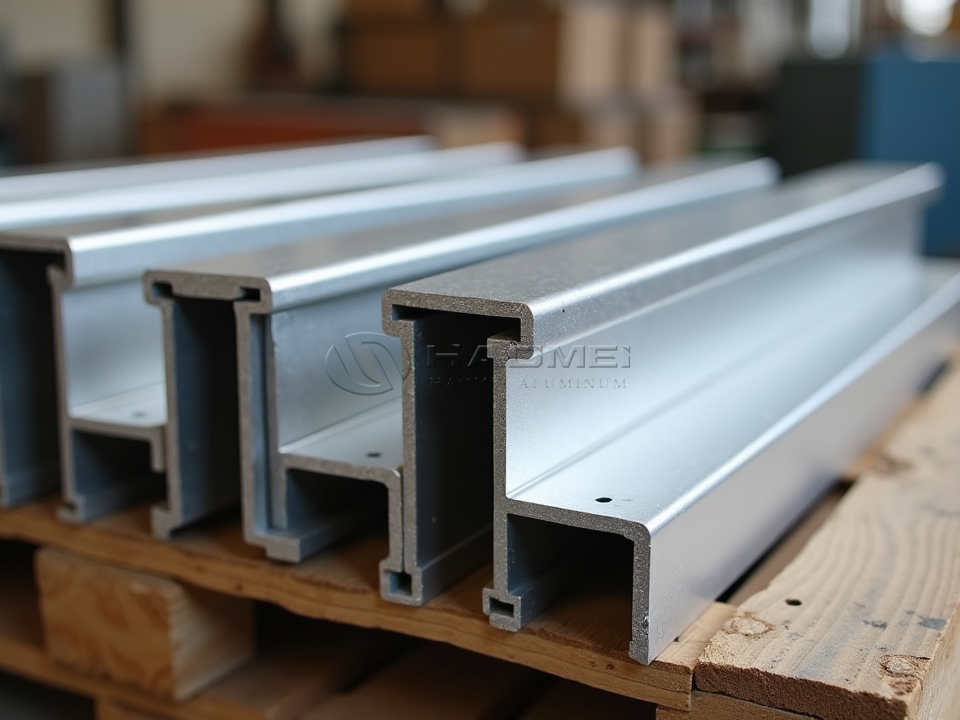
Offshore vessel engine rooms operate in a demanding thermal environment where vibration, salt spray, restricted airflow, and continuous duty can accelerate equipment wear. A marine aluminum heat sink profile provides an efficient path for moving heat away from engine-mounted electronics, control cabinets, battery systems, converters, sensors, and auxiliary machinery.
Designed from corrosion-resistant aluminum alloys, these extruded profiles combine high thermal conductivity with low structural weight. Deep fins, broad mounting bases, and tailored channel geometry increase exposed surface area, helping equipment maintain stable operating temperatures during long voyages and high-load offshore operations.
Thermal Performance for Marine Duty
A heat sink does more than absorb heat. It must conduct thermal energy quickly from the source, spread it through the profile base, and release it into moving engine-room air or forced ventilation flow. Aluminum is especially suitable because it offers strong heat transfer capability at a fraction of the weight of copper-based alternatives.
The profile geometry can be designed around the available airflow direction. Straight fins suit longitudinal fan flow, while pin-fin or interrupted-fin arrangements can improve turbulent air mixing where space permits. Wider fin spacing is often selected for engine-room environments containing oil mist or airborne contaminants, reducing blockage risk and simplifying cleaning.
| Performance Factor | Typical Marine Heat Sink Value | Operational Benefit |
|---|---|---|
| Thermal conductivity | 167-201 W/m·K | Rapid transfer of heat from mounted equipment |
| Operating temperature range | -40°C to +120°C | Suitable for marine electrical and machinery spaces |
| Density | Approximately 2.70 g/cm³ | Reduces vessel weight and support load |
| Coefficient of thermal expansion | 23.2 × 10⁻⁶ /°C | Predictable dimensional response during thermal cycling |
| Typical profile length | 500-6,000 mm | Supports compact modules and long cabinet assemblies |
| Heat dissipation capacity | Project dependent, often 50-500 W per profile assembly | Scalable cooling for electronics and auxiliary systems |
Actual thermal resistance depends on fin dimensions, mounting orientation, interface material, airflow velocity, heat-source contact area, and ambient temperature. Thermal simulation or prototype testing is recommended for critical offshore power and propulsion applications.
Alloy Selection and Chemical Composition
Common marine heat sink profiles are manufactured from 6063, 6061, or 6082 aluminum alloys. Alloy 6063 offers an excellent surface finish and is highly suitable for intricate extruded fin forms. Alloy 6061 provides higher mechanical strength for vibration-prone installations. Alloy 6082 is often considered where more demanding structural performance is required.
| Element, % by Weight | 6063 Alloy | 6061 Alloy | 6082 Alloy |
|---|---|---|---|
| Silicon, Si | 0.20-0.60 | 0.40-0.80 | 0.70-1.30 |
| Iron, Fe | 0.00-0.35 | 0.00-0.70 | 0.00-0.50 |
| Copper, Cu | 0.00-0.10 | 0.15-0.40 | 0.00-0.10 |
| Manganese, Mn | 0.00-0.10 | 0.00-0.15 | 0.40-1.00 |
| Magnesium, Mg | 0.45-0.90 | 0.80-1.20 | 0.60-1.20 |
| Chromium, Cr | 0.00-0.10 | 0.04-0.35 | 0.00-0.25 |
| Zinc, Zn | 0.00-0.10 | 0.00-0.25 | 0.00-0.20 |
| Titanium, Ti | 0.00-0.10 | 0.00-0.15 | 0.00-0.10 |
| Aluminum, Al | Balance | Balance | Balance |
Composition values may vary within applicable alloy standards and purchasing specifications. For seawater-exposed installations, alloy choice should be matched with coating design, electrical isolation, drainage details, and the surrounding material system.
Mechanical Properties and Profile Construction
The heat sink base must remain flat enough to maintain close contact with the heat-generating component. Fin sections must also withstand ship vibration, handling loads, and repeated temperature changes without cracking or distortion. T5 and T6 tempers are commonly specified according to alloy and strength requirements.
| Property | 6063-T5 | 6061-T6 | 6082-T6 |
|---|---|---|---|
| Tensile strength | 145-185 MPa | 290-310 MPa | 290-340 MPa |
| Yield strength | 110-160 MPa | 240-276 MPa | 250-310 MPa |
| Elongation | 8-12% | 8-12% | 8-10% |
| Brinell hardness | Approximately 60 HB | Approximately 95 HB | Approximately 95 HB |
| Typical application focus | Complex fins and enclosures | High-strength mounted modules | Heavy-duty frames and support sections |
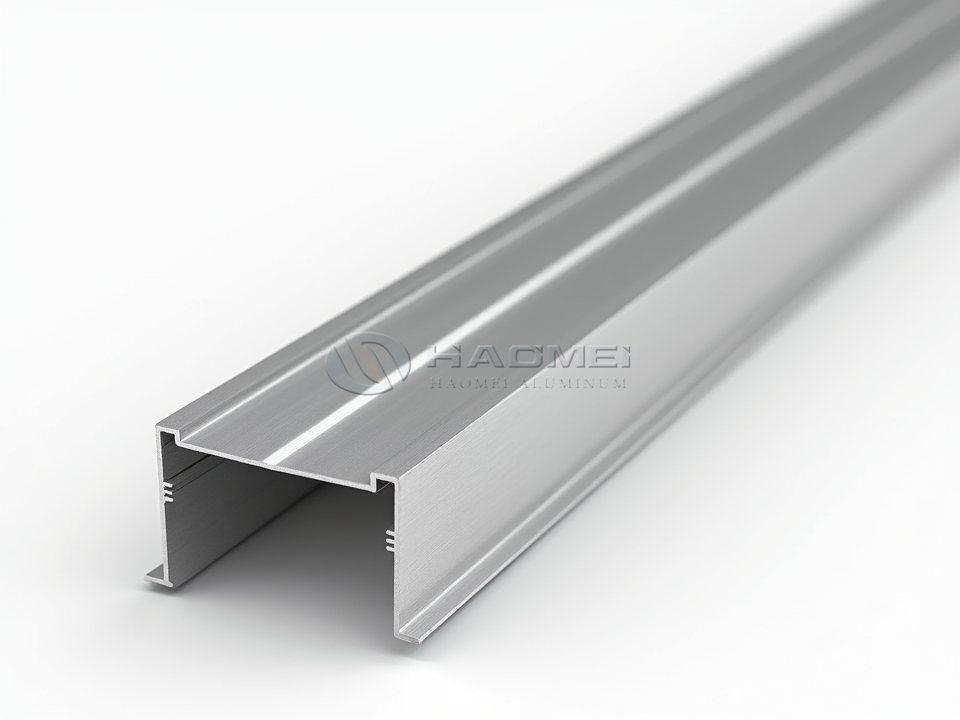
A typical profile includes a solid mounting base, parallel or tapered fins, optional screw ports, cable-management channels, and interlocking features for multi-piece assemblies. Custom machining may add tapped holes, mounting slots, end caps, drainage holes, thermal-interface recesses, and cut lengths tailored to equipment layouts.
Corrosion Protection in Offshore Environments
Bare aluminum naturally forms an oxide layer, but offshore installations may require additional protection against salt-laden humidity, washdown exposure, and galvanic interaction with dissimilar metals. Surface treatment should be selected according to the installation zone and expected maintenance interval.
| Surface Treatment | Typical Thickness | Suitable Marine Use | Benefit |
|---|---|---|---|
| Clear anodizing | 10-15 μm | Protected machinery spaces | Improves surface durability while retaining metallic appearance |
| Hard anodizing | 25-50 μm | High-wear or exposed equipment | Increased abrasion and corrosion resistance |
| Marine powder coating | 60-100 μm | Cabinet exteriors and exposed housings | Adds color, barrier protection, and visual identification |
| Chromate-free conversion coating | 0.5-2 μm | Pre-treatment before coating | Enhances paint adhesion and corrosion protection |
Where stainless-steel fasteners are used, insulating washers, compatible sealants, and controlled drainage paths help reduce galvanic corrosion risk. Avoid trapping seawater or condensate between the heat sink base and adjoining steel structures.
Typical Offshore Vessel Applications
Marine aluminum heat sink profiles serve both propulsion-related and auxiliary cooling duties. Their modular extrusion format makes them practical for equipment builders, vessel refit teams, and marine electrical integrators that need repeatable dimensions with flexible finishing options.
- Engine control units, monitoring modules, and electronic governors
- Variable-frequency drives for pumps, winches, thrusters, and ventilation fans
- Battery energy storage cabinets and DC distribution equipment
- Navigation, communication, radar, and signal-conditioning enclosures
- LED engine-room lighting housings and floodlight assemblies
- Generator control panels, rectifier modules, and power conversion systems
- Hydraulic power-pack electronics and sensor junction boxes
For broader vessel construction integration, compatible Marine Grade Aluminum Profiles can be specified for enclosures, mounting frames, channels, and protective structures around thermal-control equipment. Equipment designers requiring non-standard fin spacing, curved sections, or integrated fixing geometry can also source Marine aluminum customized shapes to match restricted offshore installation spaces.
Specification Options for Project Procurement
| Specification Item | Available Options |
|---|---|
| Alloy | 6063, 6061, 6082, or approved equivalent |
| Temper | T5, T6, or project-specific condition |
| Fin height | Commonly 10-100 mm, custom dimensions available |
| Fin thickness | Commonly 0.8-3.0 mm, subject to extrusion feasibility |
| Base thickness | Commonly 3-20 mm for thermal contact and mounting rigidity |
| Width | Custom extruded section within press capability |
| Length tolerance | Cut-to-length tolerance based on profile size and machining method |
| Surface finish | Mill finish, anodized, powder coated, conversion coated |
| Fabrication | Cutting, drilling, tapping, CNC machining, deburring, assembly |
| Quality controls | Dimensional inspection, visual finish inspection, alloy and temper verification |
Benefits for Vessel Owners and Equipment Builders
A properly engineered aluminum heat sink profile can extend the service life of temperature-sensitive marine equipment while reducing cooling-system complexity. Compared with heavy fabricated steel cooling brackets or copper heat spreaders, aluminum extrusions offer a favorable balance of thermal transfer, weight efficiency, corrosion resistance, and manufacturing flexibility.
The profile can be delivered as a simple cut extrusion or as a ready-to-install component with machining, coating, fasteners, and thermal interface preparation. This approach shortens assembly time, improves consistency across vessel builds, and supports maintenance teams with replaceable, standardized cooling parts.
For offshore vessel engine heat dissipation systems, the best result comes from matching alloy, fin geometry, protective finish, mounting method, and airflow conditions to the real duty cycle. This creates a reliable thermal-management component that remains effective through vibration, salt exposure, elevated ambient temperatures, and continuous marine service.

Related Products
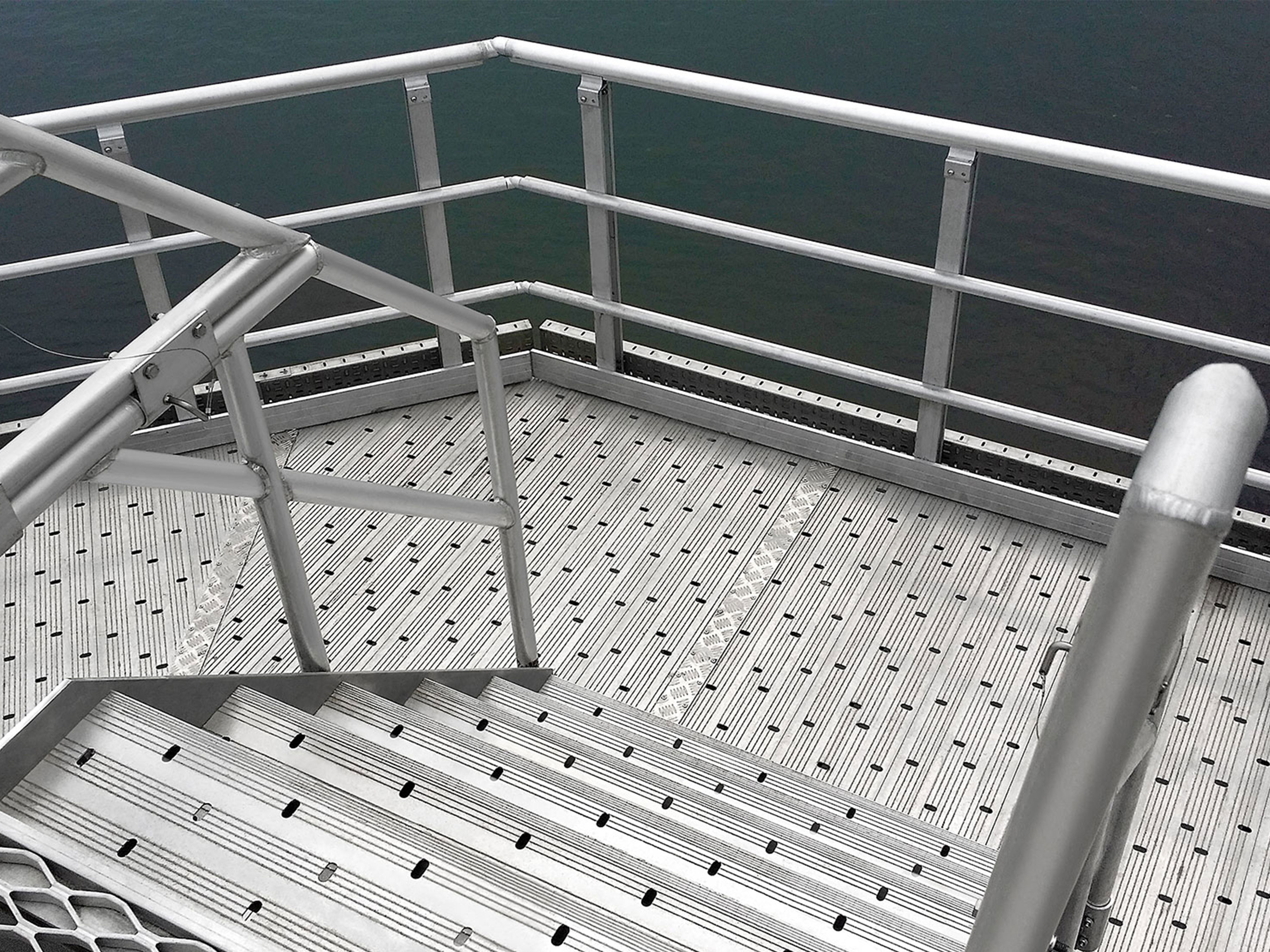
Marine aluminum customized shapes
Marine Grade Aluminum Customized Shapes encompass a broad range of aluminum extrusions and fabrications engineered beyond standard profiles—such as channels, angles, tubes, and beams—into complex, project-specific geometries.
View Details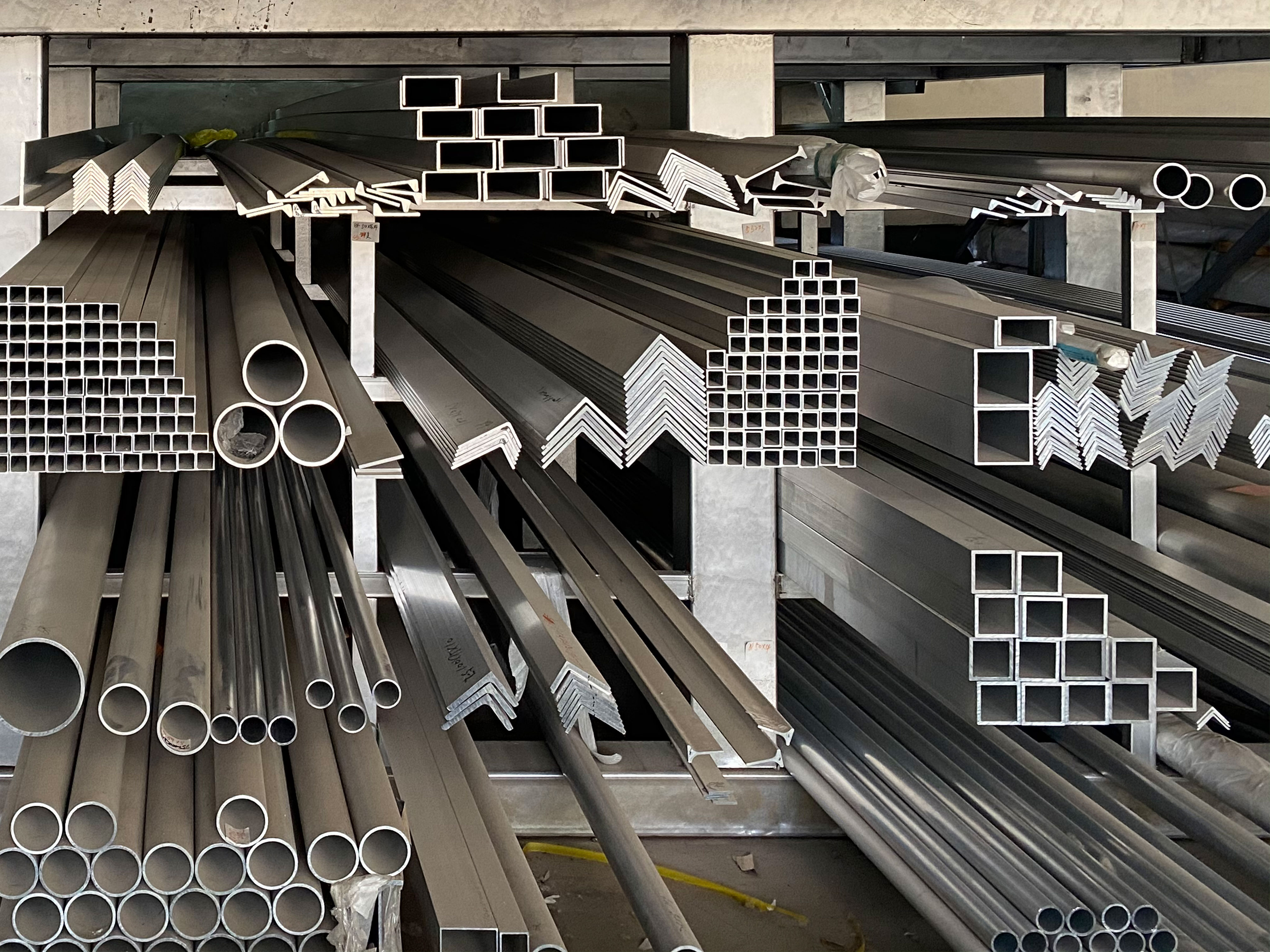
Marine aluminum fencing and railings
Marine Grade Aluminum Fencing and Railings are fabricated using marine-grade aluminum alloys such as 5083, 5052, and 6061, which are engineered specifically for protection against saltwater corrosion and marine atmospheric conditions.
View Details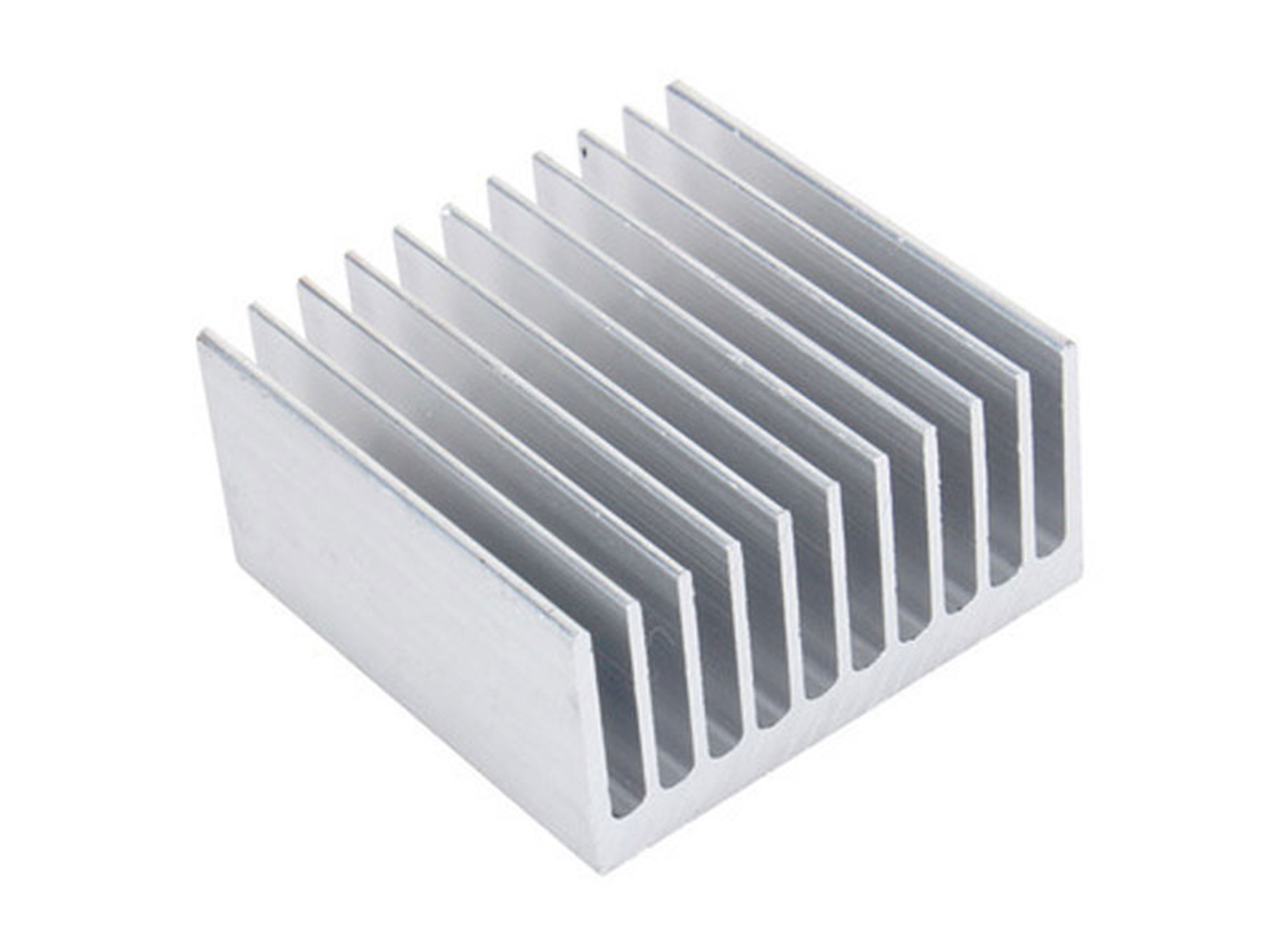
Marine aluminum heat sink profile
Marine Grade Aluminum Heat Sink Profiles utilize alloys such as 6061 and 6063 that not only exhibit high thermal conductivity but also possess excellent corrosion resistance required for saltwater exposure.
View DetailsRelated Blog
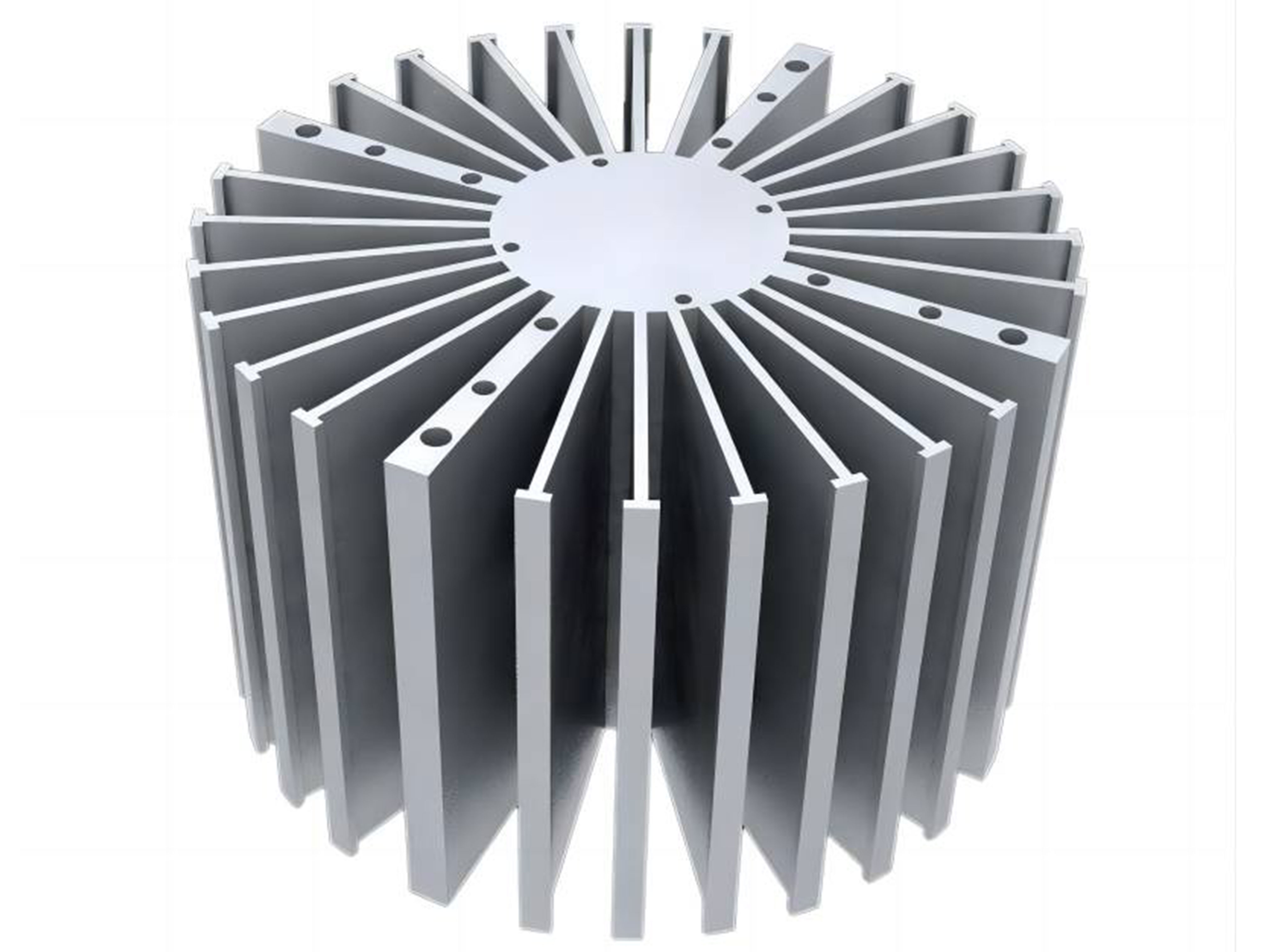
5052 Marine Aluminum Fencing and Railings for High Strength Offshore Platform Guardrails
In marine and offshore environments, the demand for materials that combine excellent strength, corrosion resistance, and durability is paramount. 5052 marine aluminum is a preferred choice for high-performance fencing and railings.
View Details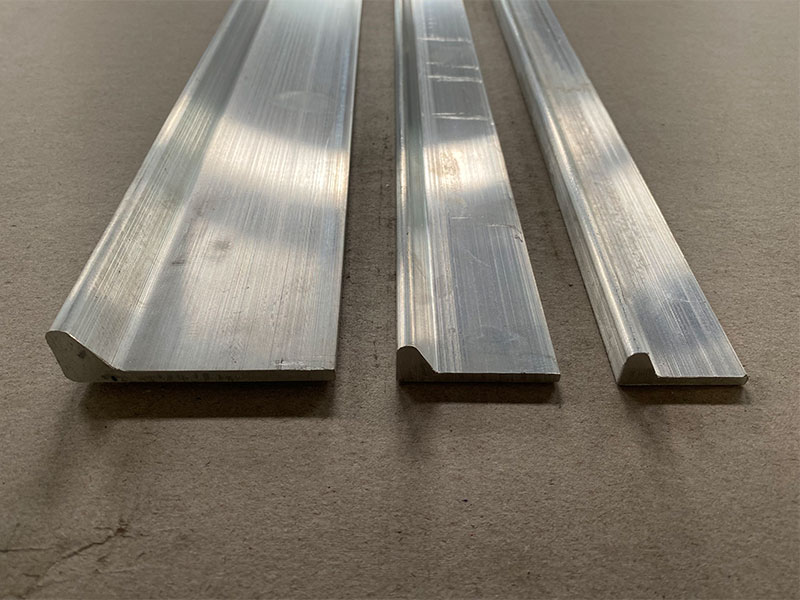
5083 Marine Aluminum Fencing and Railings for Seawater Resistant Marine Property Fencing
Marine properties demand fencing and railing systems that can survive salt spray, humidity cycles, UV exposure, and frequent washdowns without turning into a maintenance burden.
View Details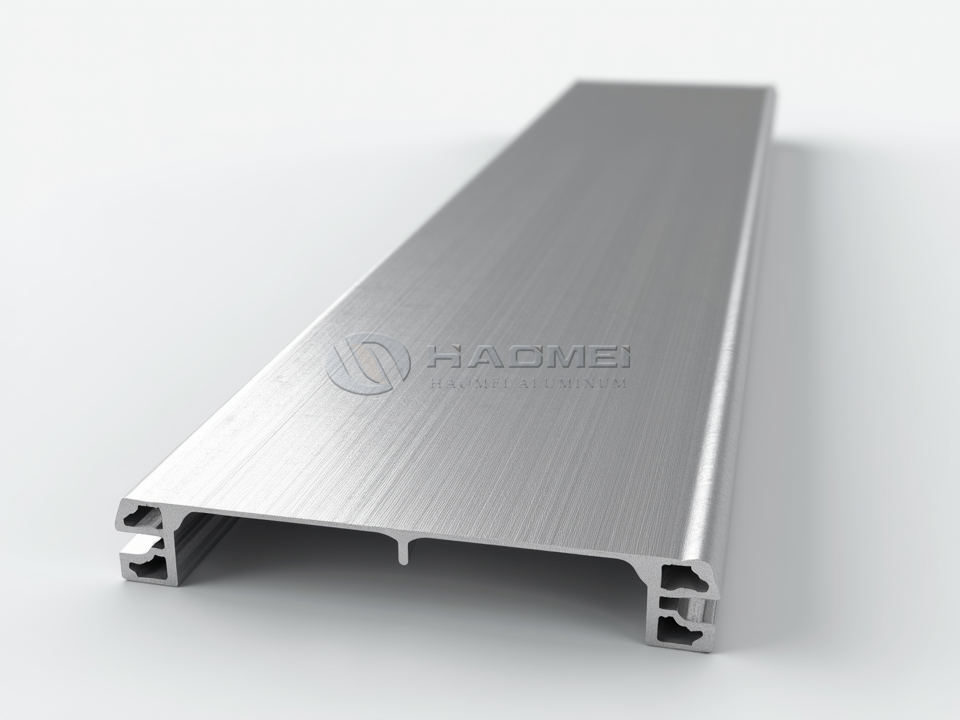
6061 Marine Aluminum Heat Sink Profile for Lightweight Cooling Systems for Boat Engines
6061 marine aluminum heat sink profiles reduce engine-bay weight while managing heat through fin design, corrosion control, mounting, and airflow.
View Details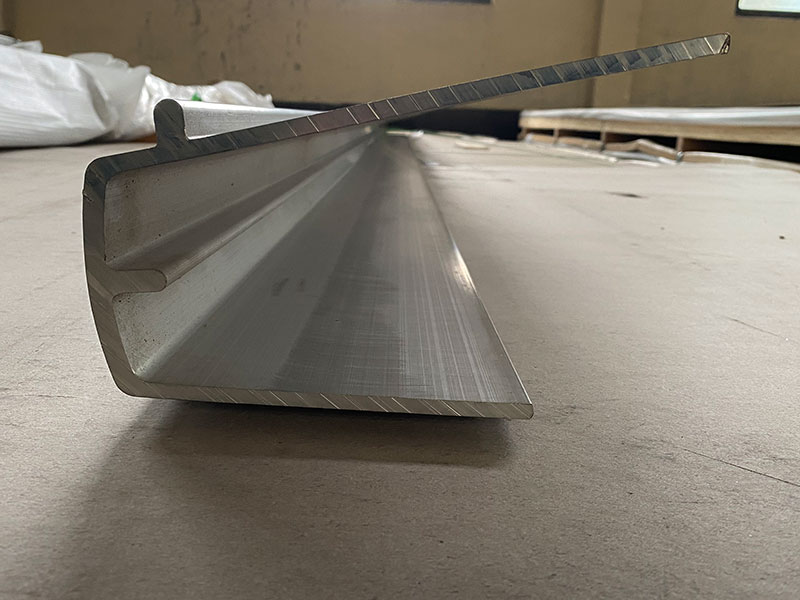
6061 Marine Aluminum Fencing and Railings for Custom Coastal Deck and Barrier Solutions
6061 marine aluminum fencing and railings offer a smart balance of corrosion resistance, strength, clean appearance, and fabrication flexibility for coastal decks, docks, walkways, balconies, pool surrounds, and perimeter barriers.
View Details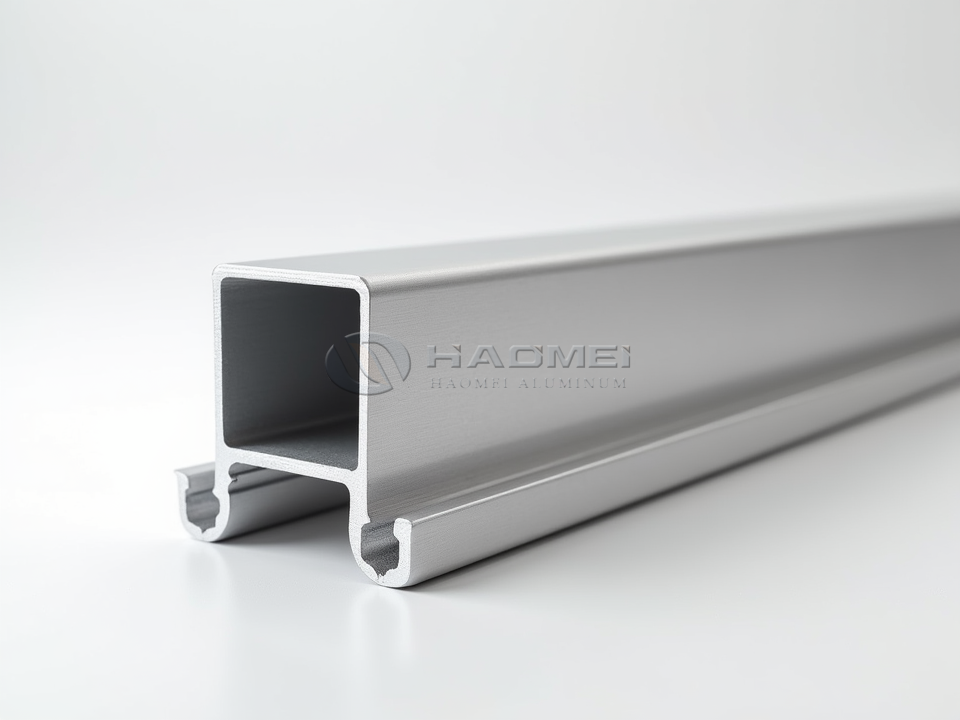
5083 Marine Aluminum Fencing and Railings for Heavy Duty Coastal Deck Protection
5083 marine aluminum fencing and railings provide corrosion resistance, weldable strength, and low maintenance for demanding coastal deck protection.
View Details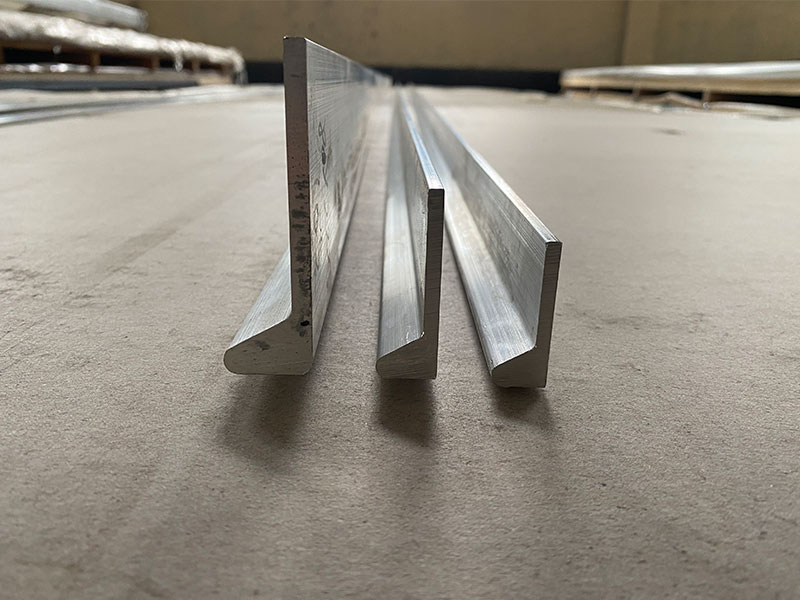
Marine Aluminum Fencing and Railings for High Strength Boat Deck Safety Barriers
When it comes to ensuring safety on boat decks, the choice of fencing and railing materials plays a critical role. Marine aluminum fencing and railings have emerged as the premier solution for high strength, corrosion-resistant.
View Details
Leave a Message