
5052 Marine Aluminum Fencing and Railings for Durable Marine Property Guardrails
5052 marine aluminum fencing and railings provide a dependable safety barrier for waterfront properties, docks, piers, marinas, boat ramps, coastal walkways, and vessel-access areas. Made from a non-heat-treatable aluminum-magnesium alloy, 5052 combines low weight with strong resistance to salt spray, humid air, and repeated outdoor exposure. It is an effective material choice where carbon steel can rust quickly and heavier stainless steel structures may increase cost and installation loads.
For marine property guardrails, the material must do more than form an attractive boundary. It must guide pedestrian movement, prevent falls, withstand hand loads and wind loads, tolerate vibration, and retain a clean appearance despite seawater, UV exposure, and regular washdown. Properly designed 5052 rail systems meet these demands while remaining easy to fabricate, transport, install, and maintain.
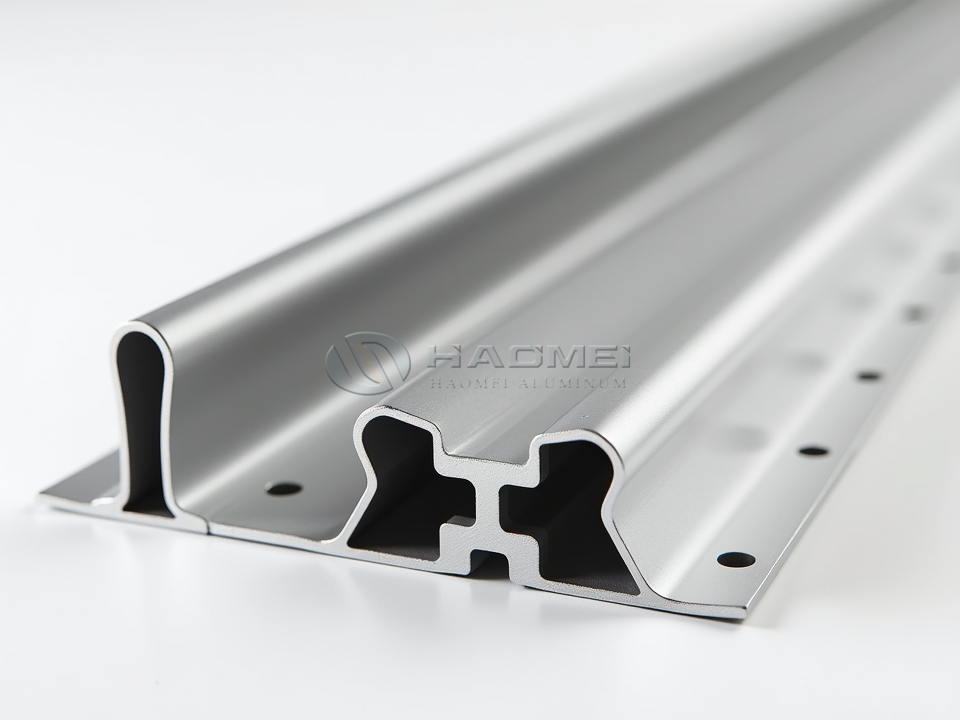
Why 5052 Aluminum Performs Well in Marine Guardrails
The magnesium content in 5052 aluminum supports excellent corrosion resistance in marine and industrial atmospheres. When exposed to air, aluminum naturally forms a thin, adherent oxide film. This protective surface slows further corrosion and can be reinforced through anodizing or a qualified marine-grade powder-coating system.
Unlike some high-strength aluminum alloys, 5052 does not rely on heat treatment for its strength. It is strengthened by cold working, making tempers such as H32 and H34 particularly useful for formed rail panels, sheet infill, brackets, and protective fencing components. Its forming behavior also allows fabricators to create rounded handrails, curved enclosure sections, perforated panels, and custom guardrail geometries without excessive cracking risk.
| Performance factor | 5052 marine aluminum benefit | Value for fencing and railings |
|---|---|---|
| Saltwater corrosion resistance | High resistance to marine atmosphere and salt spray | Longer service life near coasts and docks |
| Density | Approximately 2.68 g/cm³ | Easier handling and reduced support loads |
| Formability | Good in annealed and strain-hardened tempers | Supports bends, curves, panels, and trim profiles |
| Weldability | Excellent with appropriate filler metal and process control | Secure fabrication of frames, posts, and joints |
| Surface finishing | Suitable for anodizing and powder coating | Improved appearance and additional environmental protection |
| Maintenance demand | Low compared with painted carbon steel | Reduced repainting and corrosion repair work |
Chemical Composition of 5052 Marine Aluminum
5052 is an aluminum-magnesium alloy governed by recognized material standards such as ASTM B209 for sheet and plate, ASTM B221 for extruded bars, rods, wire, profiles, and tubes, and EN AW-5052 under European designation systems. Material certificates should be reviewed for each production batch when guardrails are used in regulated public or commercial facilities.
| Element | Composition limit, % by weight |
|---|---|
| Magnesium, Mg | 2.2-2.8 |
| Chromium, Cr | 0.15-0.35 |
| Iron, Fe | 0.40 max |
| Silicon, Si | 0.25 max |
| Copper, Cu | 0.10 max |
| Manganese, Mn | 0.10 max |
| Zinc, Zn | 0.10 max |
| Other elements, each | 0.05 max |
| Other elements, total | 0.15 max |
| Aluminum, Al | Balance |
Magnesium is the primary alloying element responsible for 5052's corrosion performance and moderate strength. Chromium helps control grain structure and contributes to corrosion resistance. The low copper content is particularly important in wet, chloride-containing environments because excessive copper can reduce marine corrosion performance.
Temper Conditions and Mechanical Properties
Temper selection should match the guardrail component and fabrication route. H32 is commonly selected when a balance of strength and formability is needed. H34 offers higher strength for flat fencing panels and structural brackets but has less forming latitude. O temper is soft and highly formable, making it suitable for deep bends or complex custom shapes before final assembly.
| Temper | Typical use in railing systems | Tensile strength, MPa | Yield strength, MPa | Elongation, typical |
|---|---|---|---|---|
| O | Formed covers, curved trim, complex bent sections | 170-220 | 65 min | 20-25% |
| H32 | Handrail skins, formed panels, general fencing | 210-260 | 130 min | 10-14% |
| H34 | Flat infill panels, brackets, higher-strength sheet parts | 230-280 | 160 min | 8-12% |
| H36 | Stiffer sheet panels where limited forming is required | 250-290 | 180 min | 6-10% |
Mechanical values are typical ranges and vary with product thickness, mill practice, and governing specification. Final design values should be confirmed using certified mill test reports and the applicable building code.
Guardrail Designs and Marine Applications
5052 marine aluminum fencing can be configured as open picket railings, horizontal rail systems, framed mesh panels, perforated privacy screens, solid windbreak panels, or integrated dock-edge barriers. The lightweight alloy is especially useful where the supporting deck, floating pontoon, or seawall has limited reserve load capacity.
Common applications include:
- Marina walkways, floating docks, gangways, and boarding zones
- Residential waterfront decks, seawalls, balconies, and pool boundaries
- Commercial harbors, ferry terminals, fish-processing platforms, and service piers
- Boat ramps, fuel dock boundaries, maintenance access platforms, and waterfront parks
- Yacht club pathways, observation decks, and coastal hospitality properties
For projects requiring matched sections, curved corners, concealed fastener channels, or purpose-built post profiles, marine aluminum fencing and railings can be engineered around the site layout and local loading requirements.
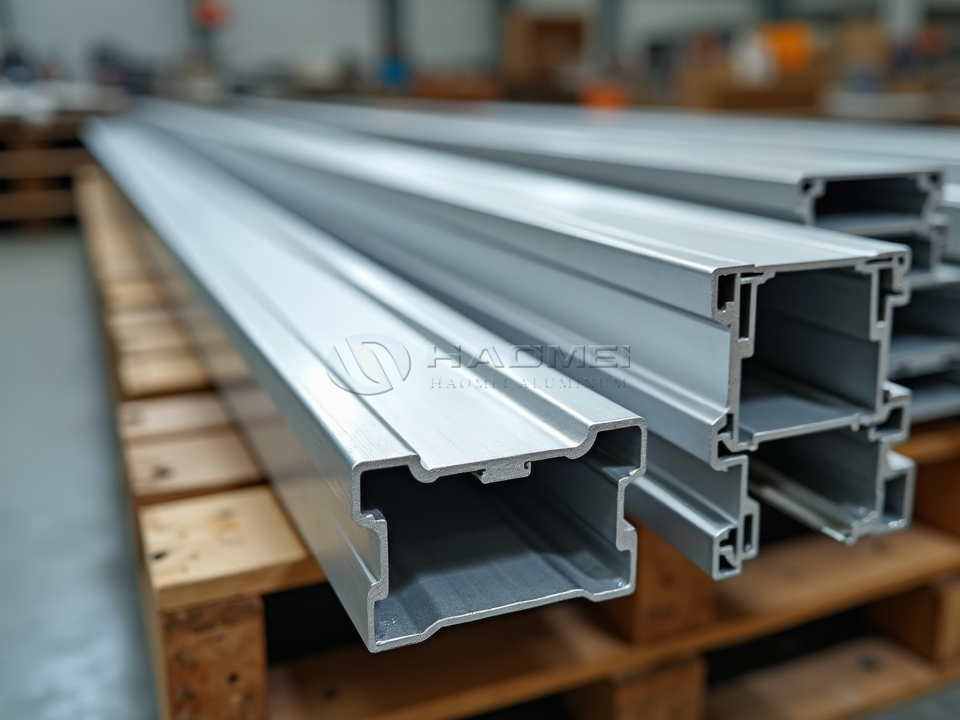
Typical Technical Parameters for 5052 Guardrail Systems
The railing geometry must be designed for the relevant occupancy, fall hazard, wind zone, deck structure, and local code. Dimensions are project-specific, but the parameters in the table provide a practical starting point for marine property planning.
| Parameter | Typical range or recommendation | Design consideration |
|---|---|---|
| Railing height | 900-1,100 mm | Confirm local residential, commercial, or public-access code |
| Handrail outside diameter | 38-60 mm | Choose a comfortable, graspable profile for pedestrian areas |
| Post spacing | 1.2-2.0 m | Reduce spacing for higher loads, wind exposure, or glass/panel infill |
| Sheet infill thickness | 2.0-5.0 mm | Select according to panel span, perforation pattern, and impact demand |
| Typical profile wall thickness | 2.0-4.0 mm | Heavier sections may be needed at gates, corners, and terminal posts |
| Minimum drainage provision | Open drain paths at horizontal members | Prevent standing saltwater inside hollow components |
| Fastener material | 316 stainless steel or isolated aluminum-compatible fasteners | Reduce galvanic corrosion risk |
| Surface finish | Mill finish, anodized, powder coated, or duplex finish | Match appearance and corrosion-duty requirements |
Fabrication, Welding, and Corrosion Control
5052 can be welded using GTAW/TIG or GMAW/MIG processes. Filler alloys such as 5356 are frequently specified for aluminum-magnesium marine structures, while 5183 may be selected for demanding marine weldments. Welding heat affects the strain-hardened temper in the heat-affected zone, reducing local strength. Rail post sizes, joint details, and anchor spacing should therefore be designed based on the welded condition rather than parent-material values alone.
Avoid crevices that trap saltwater. Closed rail sections should have controlled drainage and venting where practical. Dissimilar-metal contact must also be managed. Stainless steel bolts, carbon steel brackets, copper-based fittings, and wet timber preservatives can create galvanic corrosion conditions when moisture is present. Use nonconductive isolation pads, sleeves, compatible sealants, and carefully selected fasteners to separate materials.
| Fabrication item | Recommended practice | Marine service benefit |
|---|---|---|
| Welding | Use qualified aluminum welding procedures and clean joint surfaces | Sound welds with reduced porosity risk |
| Filler selection | Use compatible Al-Mg filler, commonly 5356 or 5183 | Supports strength and corrosion performance |
| Fastener isolation | Add nylon, EPDM, or similar insulating barriers | Limits galvanic attack around connections |
| Edge finishing | Deburr cut edges and smooth hand-contact surfaces | Safer use and improved coating adhesion |
| Coating preparation | Degrease, pretreat, and coat according to finish-system requirements | Better adhesion and longer finish life |
| Drainage | Provide drain holes and avoid water-holding pockets | Minimizes hidden corrosion and staining |
Standards and Installation Considerations
Material compliance and installed guardrail compliance are separate requirements. ASTM B209, ASTM B221, EN 485, and EN 755 can guide aluminum product supply, depending on the form and market. Welding may be controlled through AWS D1.2/D1.2M for structural aluminum. Guardrail height, opening limitations, concentrated loads, line loads, and anchorage design should follow the building code or marine facility specification governing the installation location.
| Standard or reference | Relevance to 5052 railing projects |
|---|---|
| ASTM B209 | Aluminum and aluminum-alloy sheet and plate requirements |
| ASTM B221 | Aluminum extruded bars, rods, wire, profiles, and tubes |
| EN 485 | Tolerances and mechanical properties for aluminum sheet and plate |
| EN 755 | Extruded aluminum product requirements and tolerances |
| AWS D1.2/D1.2M | Structural welding code for aluminum |
| Local building and safety codes | Guardrail height, load resistance, openings, and anchorage requirements |
Long-Term Care for Waterfront Railings
Routine freshwater rinsing removes salt deposits before they concentrate on surfaces and in joints. Inspect fasteners, coating damage, weld areas, drainage points, and post anchors at planned intervals, especially after storms or heavy seasonal use. Small scratches in coated surfaces should be repaired promptly using a compatible finish system.
With an appropriate 5052 temper, robust anchoring, correct metal isolation, and a finish suited to the local environment, marine aluminum guardrails offer a durable balance of safety, clean design, and practical lifecycle value for demanding waterfront properties.

Related Products
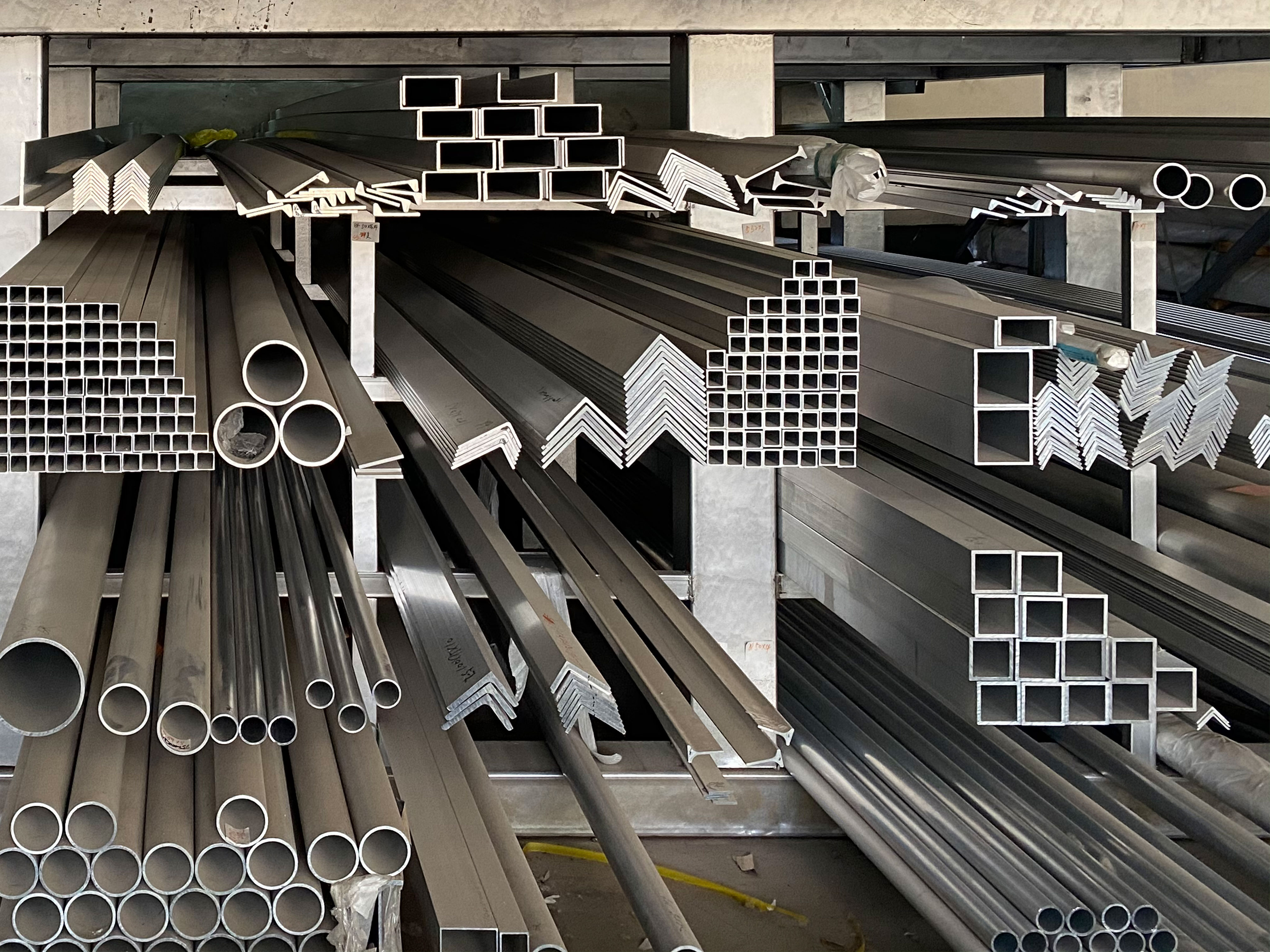
Marine aluminum fencing and railings
Marine Grade Aluminum Fencing and Railings are fabricated using marine-grade aluminum alloys such as 5083, 5052, and 6061, which are engineered specifically for protection against saltwater corrosion and marine atmospheric conditions.
View Details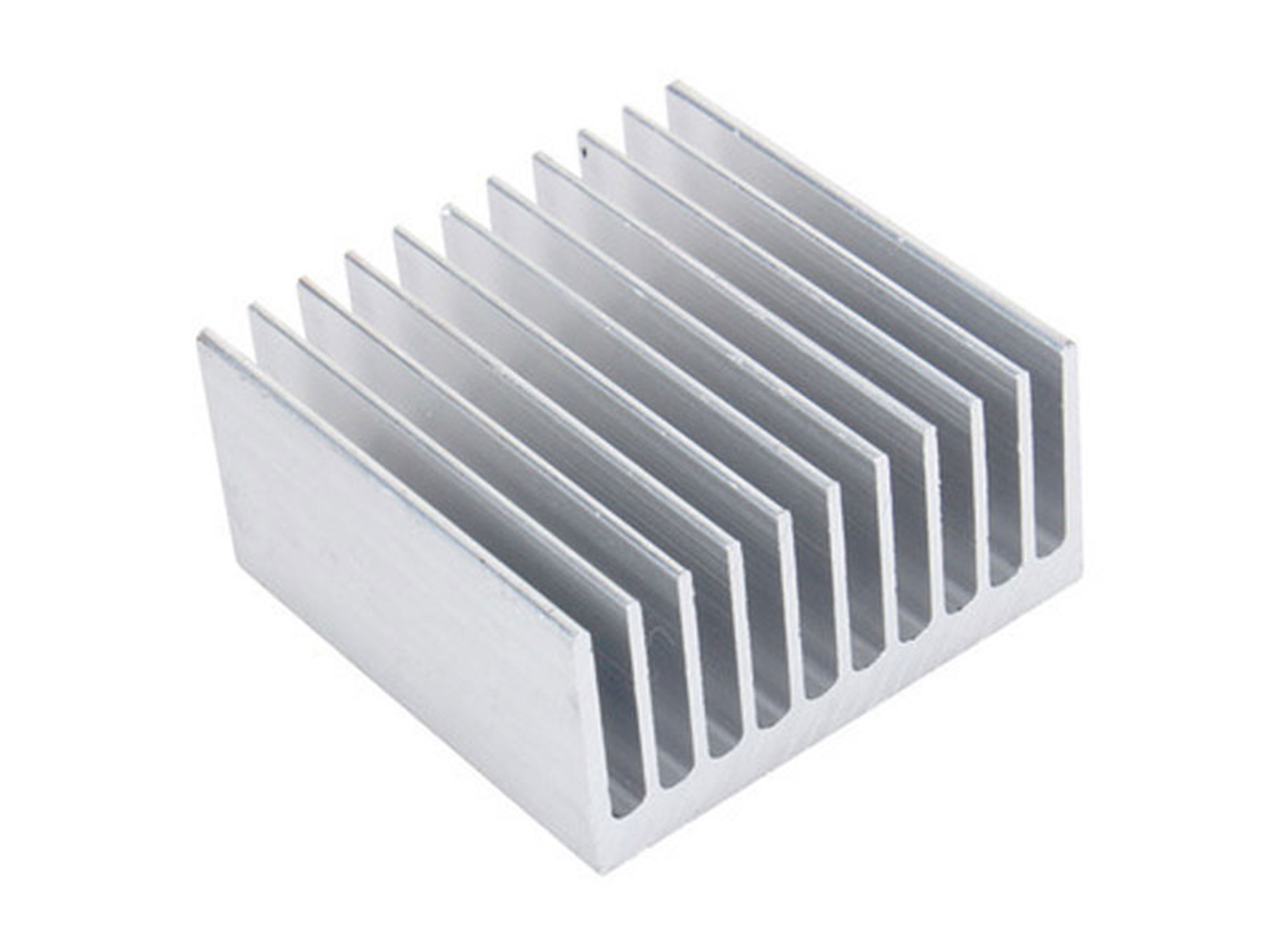
Marine aluminum heat sink profile
Marine Grade Aluminum Heat Sink Profiles utilize alloys such as 6061 and 6063 that not only exhibit high thermal conductivity but also possess excellent corrosion resistance required for saltwater exposure.
View Details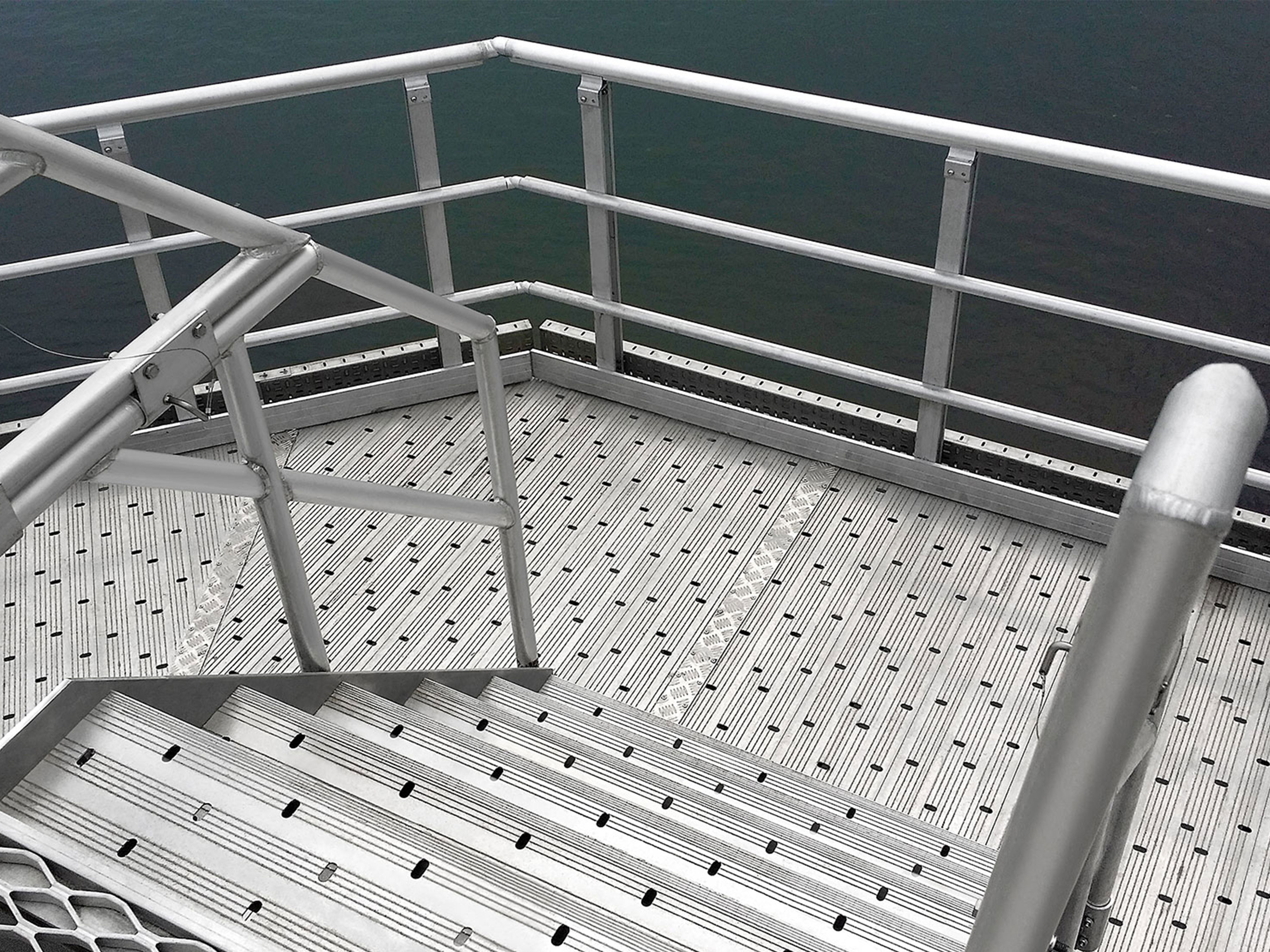
Marine aluminum customized shapes
Marine Grade Aluminum Customized Shapes encompass a broad range of aluminum extrusions and fabrications engineered beyond standard profiles—such as channels, angles, tubes, and beams—into complex, project-specific geometries.
View DetailsRelated Blog
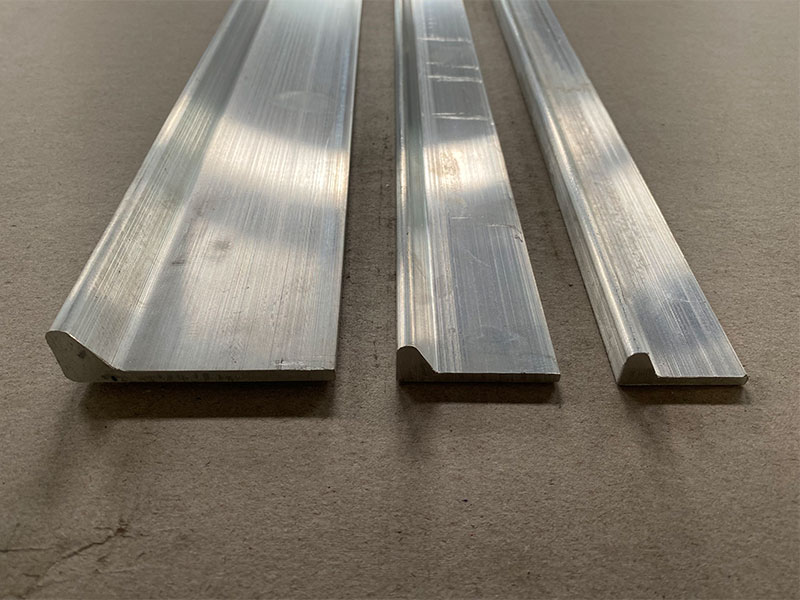
5083 Marine Aluminum Fencing and Railings for Coastal Marine Safety Solutions
When it comes to enhancing safety and durability along coastal infrastructure, selecting the right materials for fencing and railings is paramount. Among the most trusted choices is 5083 marine aluminum.
View Details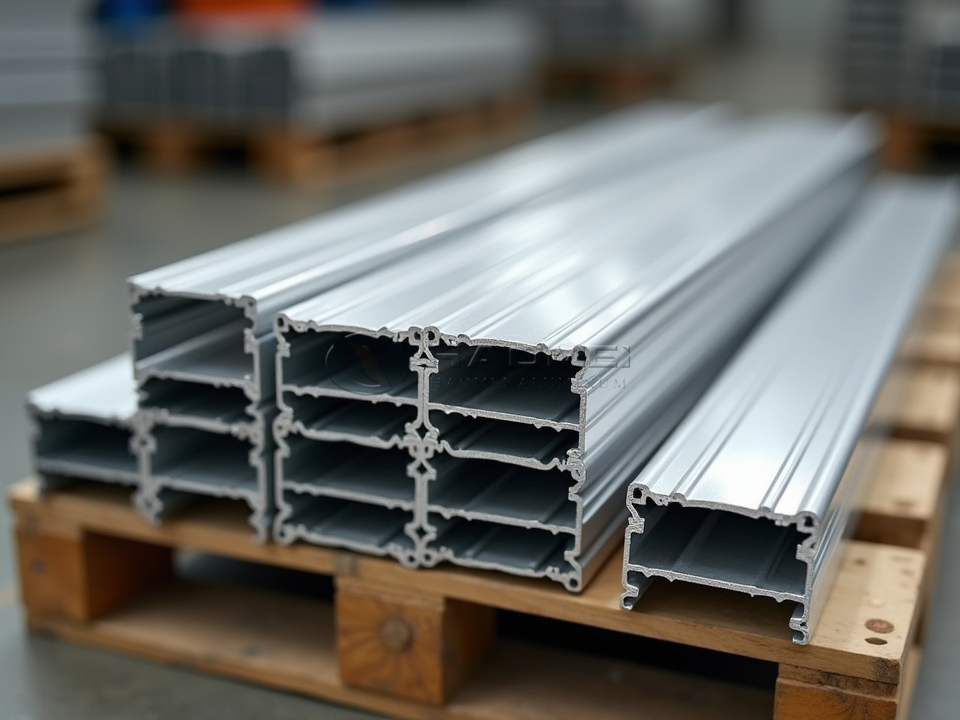
Marine Aluminum Heat Sink Profile for Seawater Proof Marine Engine Heat Dissipation
Marine aluminum heat sink profiles combine efficient finned cooling with alloy, temper, coating, and galvanic-isolation choices for seawater engine rooms reliability.
View Details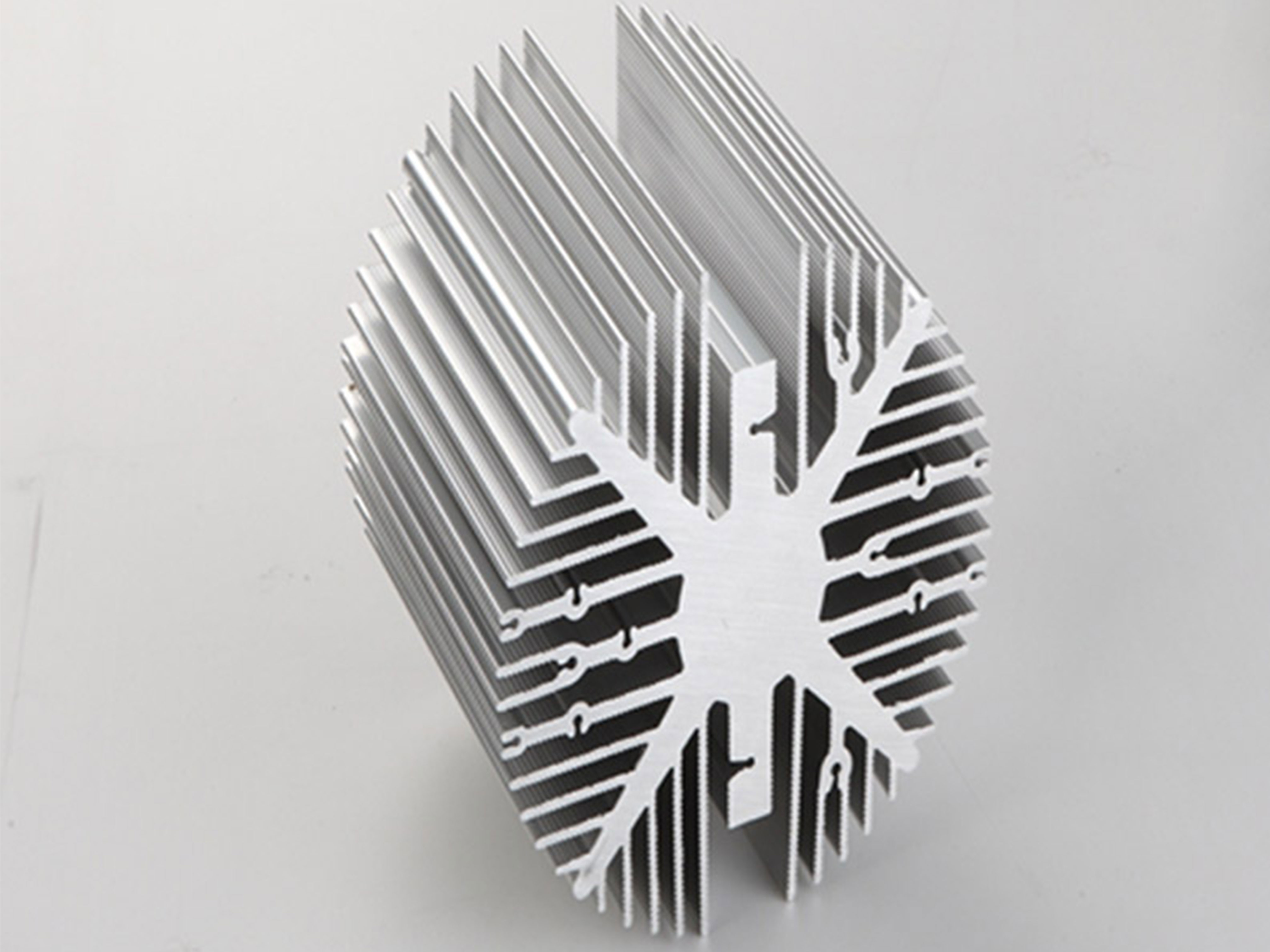
6061 Marine Aluminum Customized Shapes for Seawater Resistant Offshore Construction
Aluminum alloy 6061 is widely recognized for its excellent mechanical properties, good corrosion resistance, and versatility. Specifically engineered and customized for marine and offshore construction applications.
View Details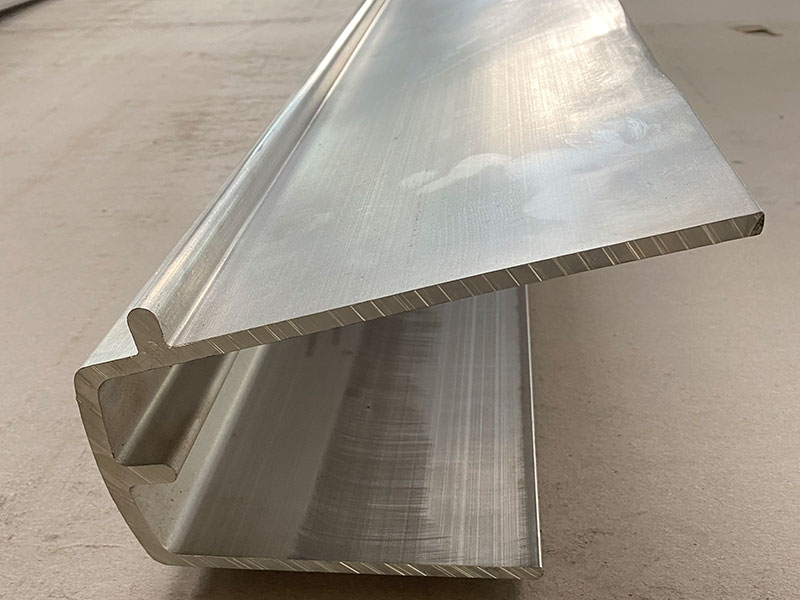
Marine Aluminum Customized Shapes for Offshore Platform Structural Reinforcements
Offshore platforms live in an unforgiving environment: chloride-rich seawater, cyclic wave loading, deck equipment vibration, and strict weight constraints that influence everything from pile design to crane capacity.
View Details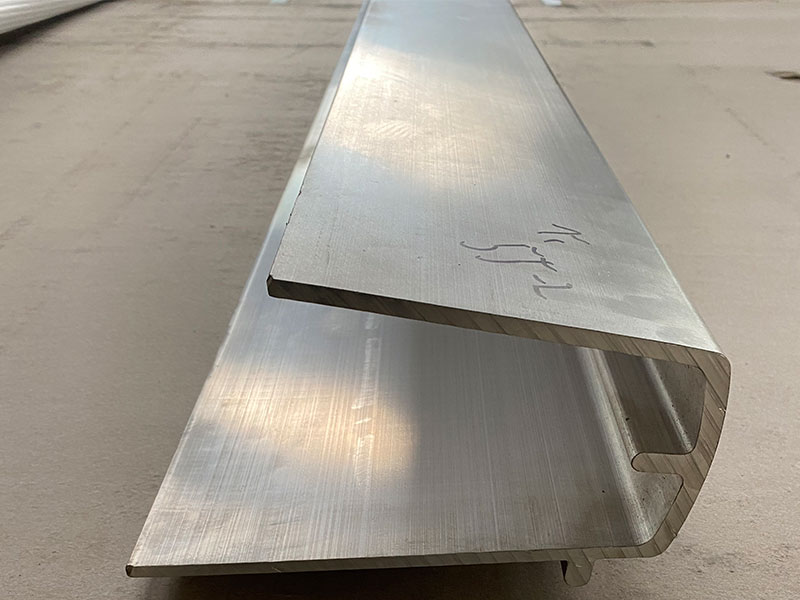
6061 Marine Aluminum Fencing and Railings for Lightweight Coastal Deck Railings
6061 marine aluminum is renowned for its excellent qualities, making it one of the top choices for lightweight coastal deck railings and fencing solutions. Designed specifically for marine environments, its exceptional resistance to corrosion.
View Details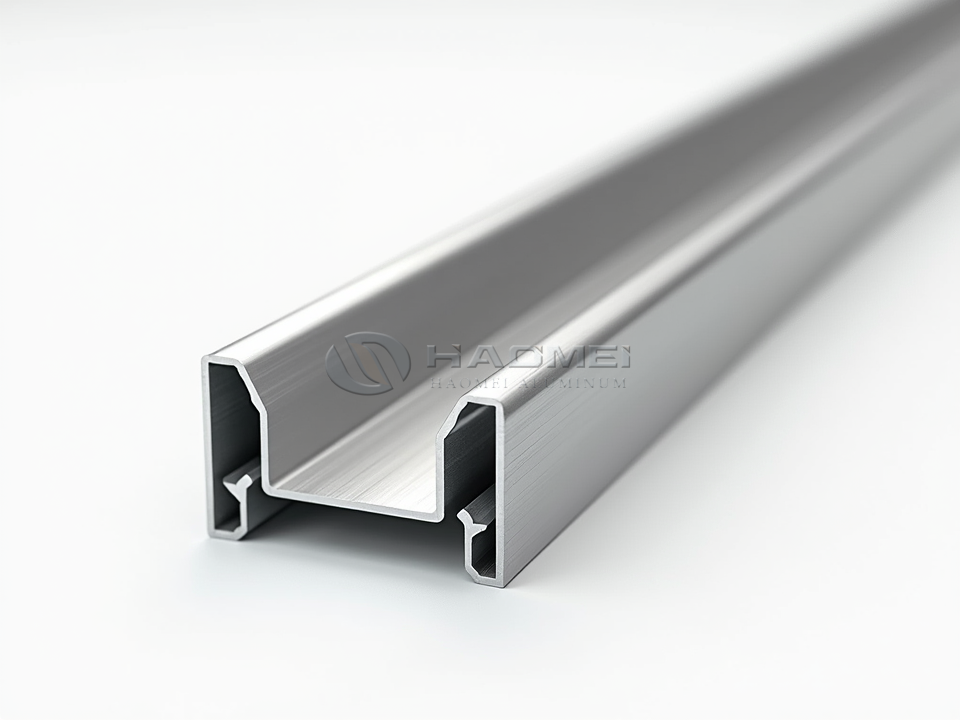
6061 Marine Aluminum Fencing and Railings for Coastal Platform Security Railings
Practical guidance on 6061 marine aluminum railings for coastal platforms, covering safety, corrosion control, fabrication, maintenance, and fit.
View Details
Leave a Message