
5083 Marine Aluminum Fencing and Railings for High Strength Offshore Deck Barriers
Offshore railings are more than perimeter components. They are the first physical boundary between personnel, equipment, and an unpredictable marine environment. On vessel decks, offshore platforms, gangways, service walkways, and dock structures, fencing must resist salt spray, vibration, wind pressure, accidental impact, and continuous operational traffic without adding excessive weight to the structure.
5083 marine aluminum fencing and railings are engineered for this demanding role. Rather than treating a railing as a simple tube-and-post assembly, offshore designers can view it as a lightweight energy-transfer system. The handrail, intermediate rails, posts, brackets, and base plates work together to guide impact and lateral loads into the deck structure while maintaining a corrosion-resistant safety boundary.
Why 5083 Performs Well in Offshore Barrier Systems
5083 is a non-heat-treatable aluminum-magnesium alloy from the 5xxx series. Its strength comes primarily from magnesium content and strain hardening, not precipitation hardening. This gives the alloy an important advantage for marine fabrication: it retains strong corrosion performance in seawater and provides reliable mechanical behavior after forming and welding when correctly specified.
For offshore deck barriers, 5083 is especially valuable where structural mass matters. Aluminum weighs approximately 2.66 g/cm³, roughly one-third of carbon steel. Replacing heavy steel guard systems with properly designed 5083 railings can reduce deck loads, improve vessel stability margins, simplify handling during installation, and reduce the demand on support foundations.
Its high magnesium content supports strong resistance to general corrosion in marine atmospheres. In splash zones and salt-laden deck environments, this resistance helps reduce maintenance compared with unprotected steel systems. However, corrosion performance still depends on sound drainage, crevice avoidance, compatible fasteners, coating selection, and electrical isolation from dissimilar metals.
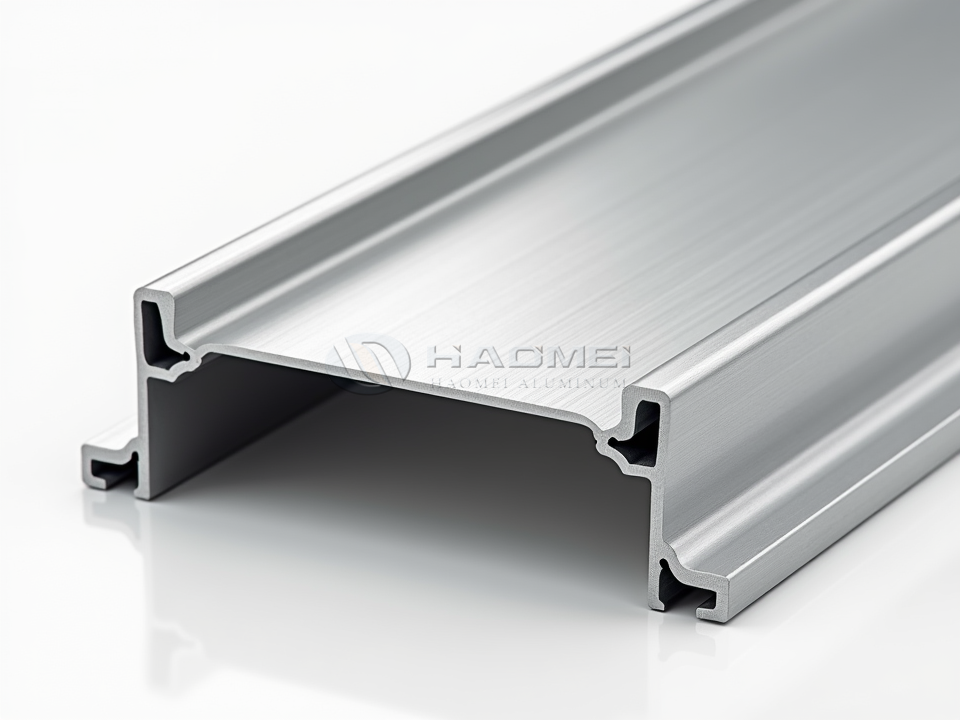
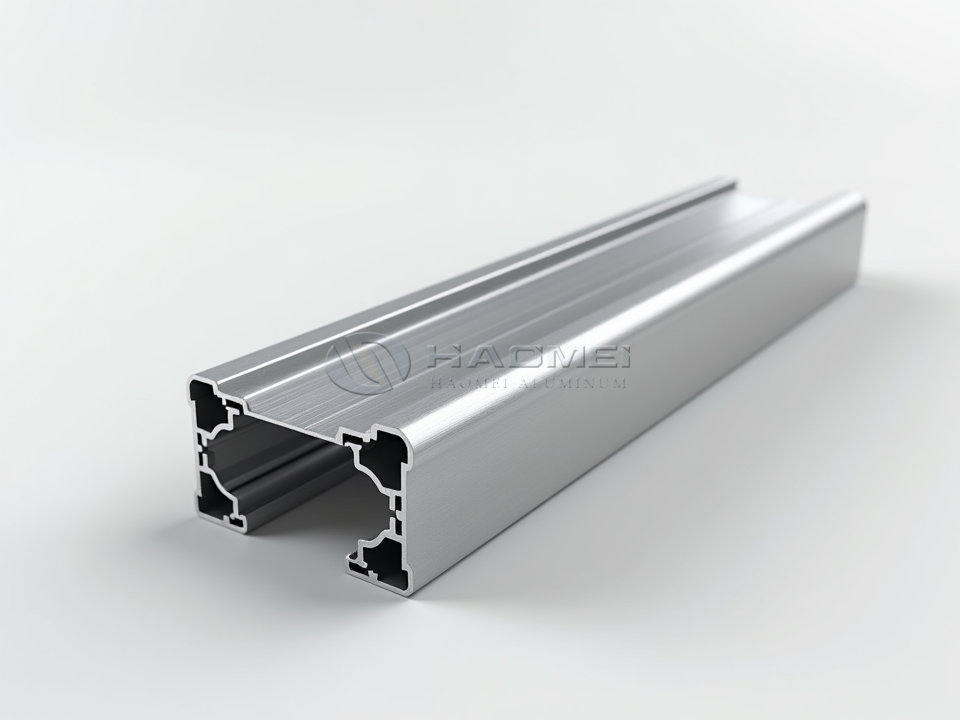
For projects requiring formed channels, fabricated posts, custom brackets, or curved safety barriers, Marine aluminum customized shapes can support railing layouts that fit constrained deck geometry without relying on unnecessary steel reinforcement.
Alloy Chemistry of 5083 Marine Aluminum
The composition of 5083 is carefully controlled to balance strength, weldability, and seawater corrosion resistance. Magnesium is the primary strengthening element, while manganese and chromium help stabilize the structure and improve corrosion behavior.
| Element | Typical Specification Range, % by Weight |
|---|---|
| Silicon, Si | 0.40 max |
| Iron, Fe | 0.40 max |
| Copper, Cu | 0.10 max |
| Manganese, Mn | 0.40-1.00 |
| Magnesium, Mg | 4.00-4.90 |
| Chromium, Cr | 0.05-0.25 |
| Zinc, Zn | 0.25 max |
| Titanium, Ti | 0.15 max |
| Other elements, each | 0.05 max |
| Other elements, total | 0.15 max |
| Aluminum, Al | Balance |
The low copper limit is particularly important in seawater environments. Copper-rich aluminum alloys can have reduced corrosion resistance in chloride exposure, while 5083 maintains a chemistry better suited to offshore decks, boat structures, walkways, and safety enclosures.
Tempers and Mechanical Parameters for Railing Fabrication
Temper selection should match the railing component and fabrication route. 5083-H111 is often selected where bending, rolling, or forming is substantial. 5083-H116 and 5083-H321 are common marine tempers for plate and sheet that need higher strength plus enhanced resistance to exfoliation corrosion. H116 is strain-hardened and stabilized specifically for marine service, while H321 is strain-hardened and stabilized with controlled thermal treatment.
| Temper | Typical Use in Fencing and Railings | Typical Tensile Strength | Typical 0.2% Proof Strength | Elongation |
|---|---|---|---|---|
| H111 | Formed rails, bent panels, fabricated covers | 270-350 MPa | 125 MPa min | 12% min |
| H116 | Offshore barrier panels, deck plates, high-corrosion zones | 305-385 MPa | 215 MPa min | 10% min |
| H321 | Welded deck barriers, structural plates, safety partitions | 305-385 MPa | 215 MPa min | 10% min |
Values vary with material thickness, product form, and governing standard. Design calculations should use certified mill-test values and the project-approved design code rather than nominal figures alone.
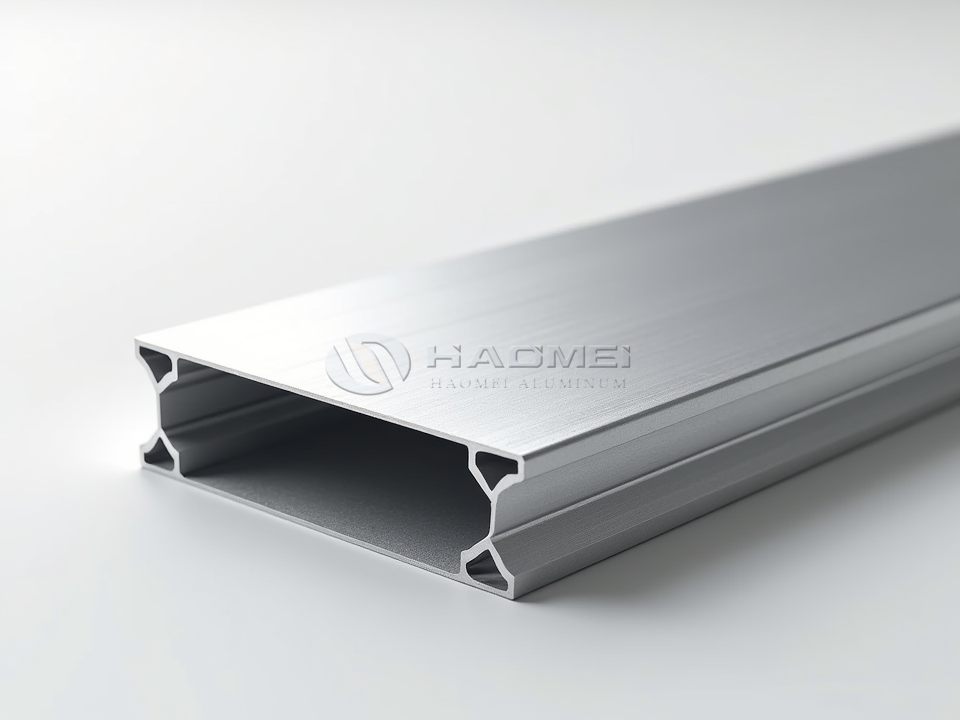
An important practical point is that 5083 is more commonly supplied as plate, sheet, formed section, or fabricated assembly than as a standard high-volume extrusion alloy. Where a railing requires long extruded handrail geometry, designers may combine 5083 plate posts and gussets with suitable marine-grade profile sections. Selecting appropriate Marine Grade Aluminum Profiles helps align the rail shape, wall thickness, drainage details, and joining method with the intended duty cycle.
Design Functions Beyond Fall Protection
A well-designed 5083 railing system can perform several functions at once. It creates a fall-prevention boundary around deck edges and elevated access routes. It guides crew movement around equipment. It protects piping, cable runs, vents, and sensitive machinery from incidental contact. It can also act as a mounting framework for mesh panels, toe boards, safety signage, lighting brackets, or removable access gates.
For offshore applications, the toe board deserves particular attention. A barrier may prevent a person from falling while still allowing tools or loose hardware to slide from the deck. Integrating an aluminum toe plate into the lower rail assembly improves dropped-object control, especially around turbine service platforms, ship engine-room walkways, and elevated maintenance decks.
Wind exposure is another design driver. Solid infill panels create greater wind loading than open tubular rails or mesh fencing. On exposed helidecks and upper platform elevations, open rail designs can reduce wind drag while preserving visibility and safety. Post spacing, base-plate thickness, anchor arrangement, and deck reinforcement must be calculated for the applicable lateral load, impact load, and wind condition.
Welding, Fastening, and Corrosion Control
5083 has excellent weldability when proper consumables and procedures are used. ER5183 and ER5356 filler metals are frequently selected for marine-grade 5083 fabrication. ER5183 is often preferred where higher as-welded strength is required for structural components. Welding naturally reduces the strain-hardened strength in the heat-affected zone, so railings should be designed around as-welded properties instead of parent-metal values only.
MIG welding is common for production rail assemblies, while TIG welding may be used for thinner sections, detail work, and appearance-sensitive joints. Continuous welds should be applied only where needed because unnecessary weld length adds distortion, heat input, and potential crevice locations. Smooth transitions, sealed ends where water could enter, and drain holes in hollow members help prevent trapped moisture.
Galvanic corrosion control is essential where aluminum connects to stainless steel, carbon steel, copper-bearing alloys, or deck hardware. Use insulating pads, non-conductive bushes, compatible sealants, and isolated fastener systems where required. Stainless fasteners should be selected carefully and isolated from the aluminum surface, particularly in constantly wet areas.
Standards Commonly Referenced for Offshore Applications
Material and fabrication requirements should be tied to the contract specification and the governing marine or offshore authority. Frequently referenced standards include ASTM B928/B928M for high-magnesium aluminum-alloy sheet and plate intended for marine service, ASTM B209/B209M for aluminum sheet and plate, EN 573-3 for chemical composition, EN 485 for mechanical properties of sheet and plate, and EN 10204 3.1 for inspection documentation.
For personnel-protection geometry and fixed access systems, ISO 14122-3 may be relevant. Offshore structures may additionally follow DNV rules, ABS requirements, NORSOK project specifications, IMO/SOLAS criteria, or local occupational safety regulations. The approved railing height, mid-rail spacing, toe-board dimensions, load capacity, and gate arrangement must be verified against the code applicable to the installation.
Practical Applications for 5083 Deck Barriers
5083 marine aluminum fencing and railings are suited to offshore supply vessels, workboats, floating platforms, shipboard access routes, FPSO service decks, marine terminals, jetties, fish-farm walkways, offshore renewable-energy structures, and dockside maintenance zones. Their low weight is especially beneficial on elevated decks where every kilogram affects structural loading.
The strongest results come from treating the barrier as a marine structural assembly rather than an afterthought. Specify the correct temper, verify welded design strength, build in drainage and galvanic isolation, and select geometry that matches both personnel safety needs and offshore wind exposure. With these details addressed, 5083 aluminum railings can deliver a durable, high-strength, and low-maintenance deck boundary for long-term marine service.

Related Products
Marine aluminum fencing and railings
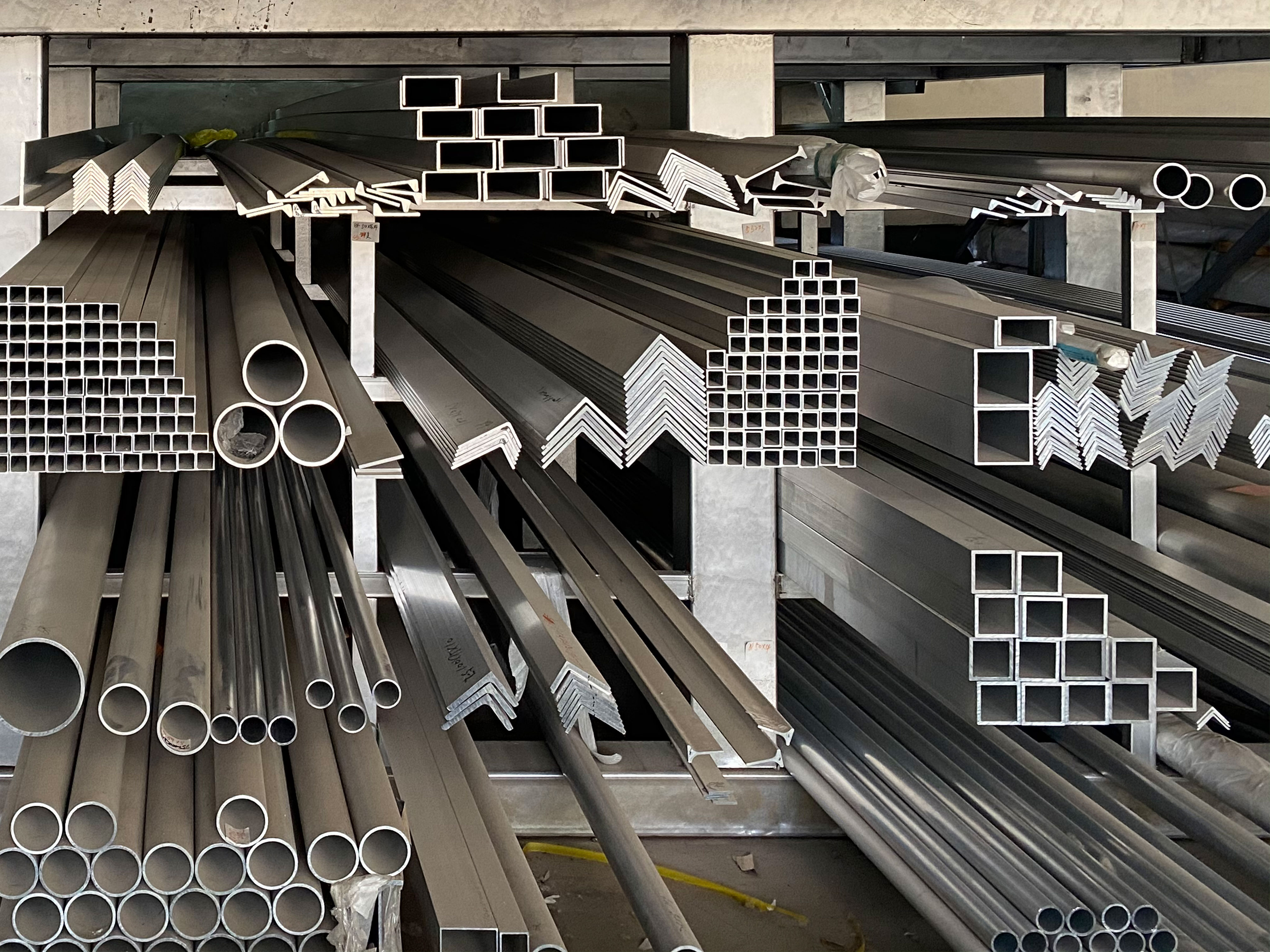
Marine Grade Aluminum Fencing and Railings are fabricated using marine-grade aluminum alloys such as 5083, 5052, and 6061, which are engineered specifically for protection against saltwater corrosion and marine atmospheric conditions.
View Details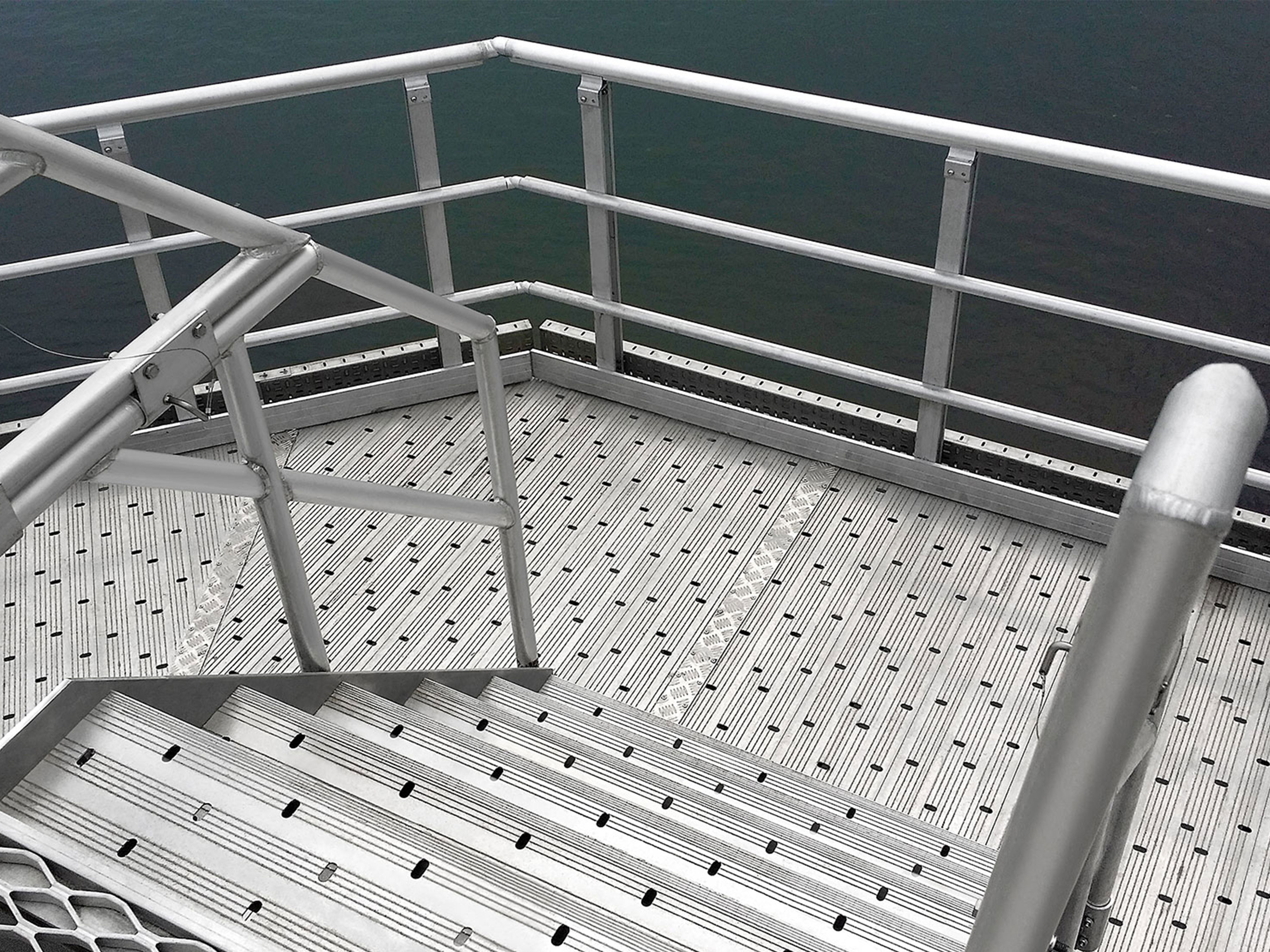
Marine aluminum customized shapes
Marine Grade Aluminum Customized Shapes encompass a broad range of aluminum extrusions and fabrications engineered beyond standard profiles—such as channels, angles, tubes, and beams—into complex, project-specific geometries.
View Details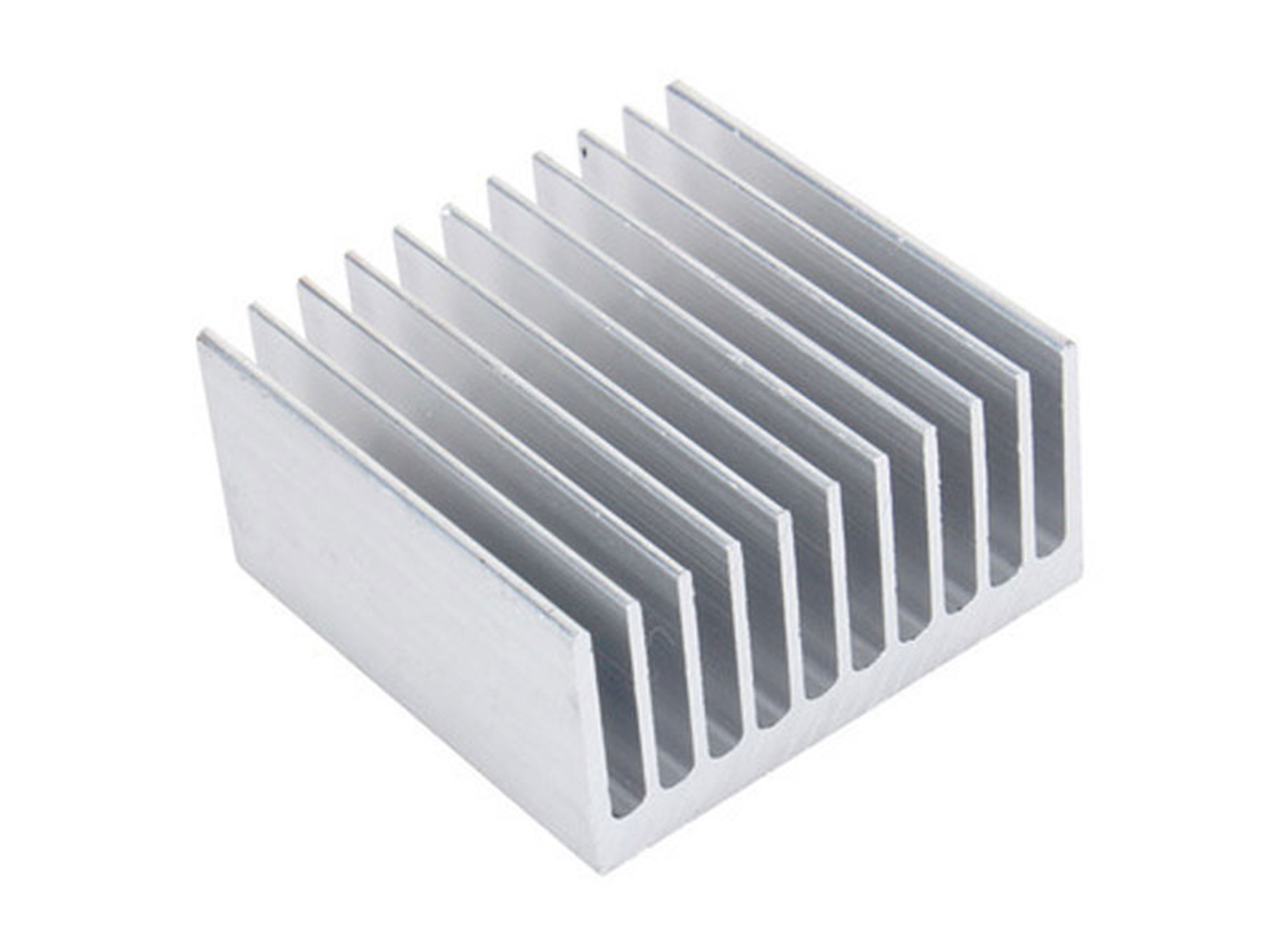
Marine aluminum heat sink profile
Marine Grade Aluminum Heat Sink Profiles utilize alloys such as 6061 and 6063 that not only exhibit high thermal conductivity but also possess excellent corrosion resistance required for saltwater exposure.
View DetailsRelated Blog
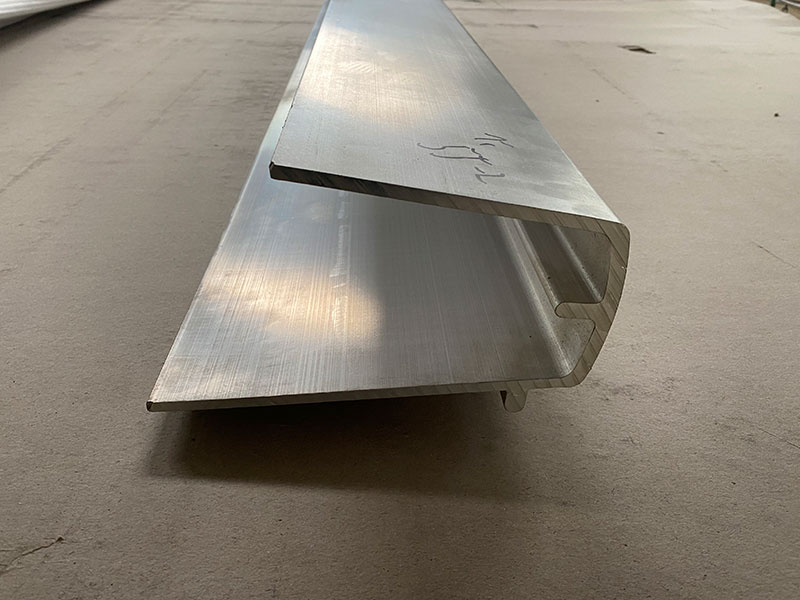
Marine Aluminum Customized Shapes for Custom Offshore Equipment Frame Designs
In the demanding environment of offshore operations, material performance can make or break the reliability of equipment frames. At the heart of the industry's evolving requirements.
View Details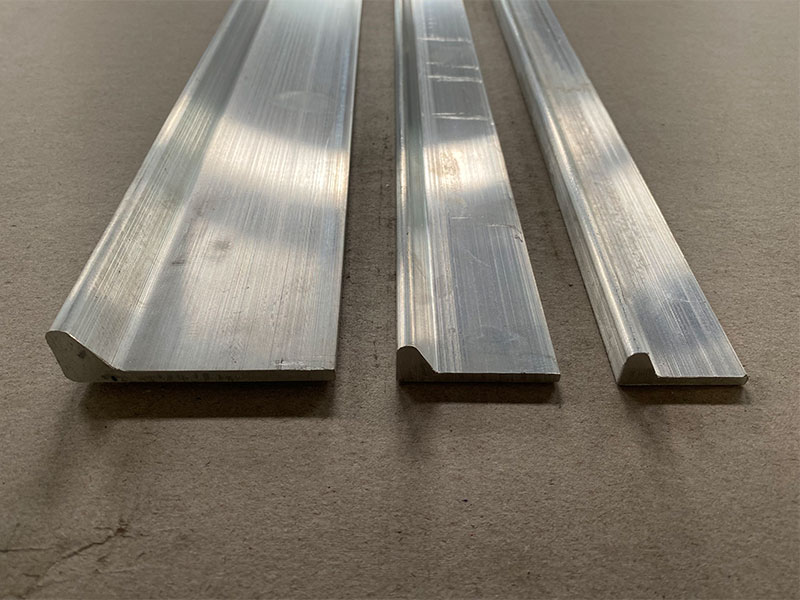
5083 Marine Aluminum Customized Shapes for Custom Ship Hull Construction
In the realm of marine engineering, the construction of ship hulls strikes at the foundation of naval architecture and ship integrity. Among the variety of materials available, instead, one alloy has repeatedly distinguished itself as the go-to choice.
View Details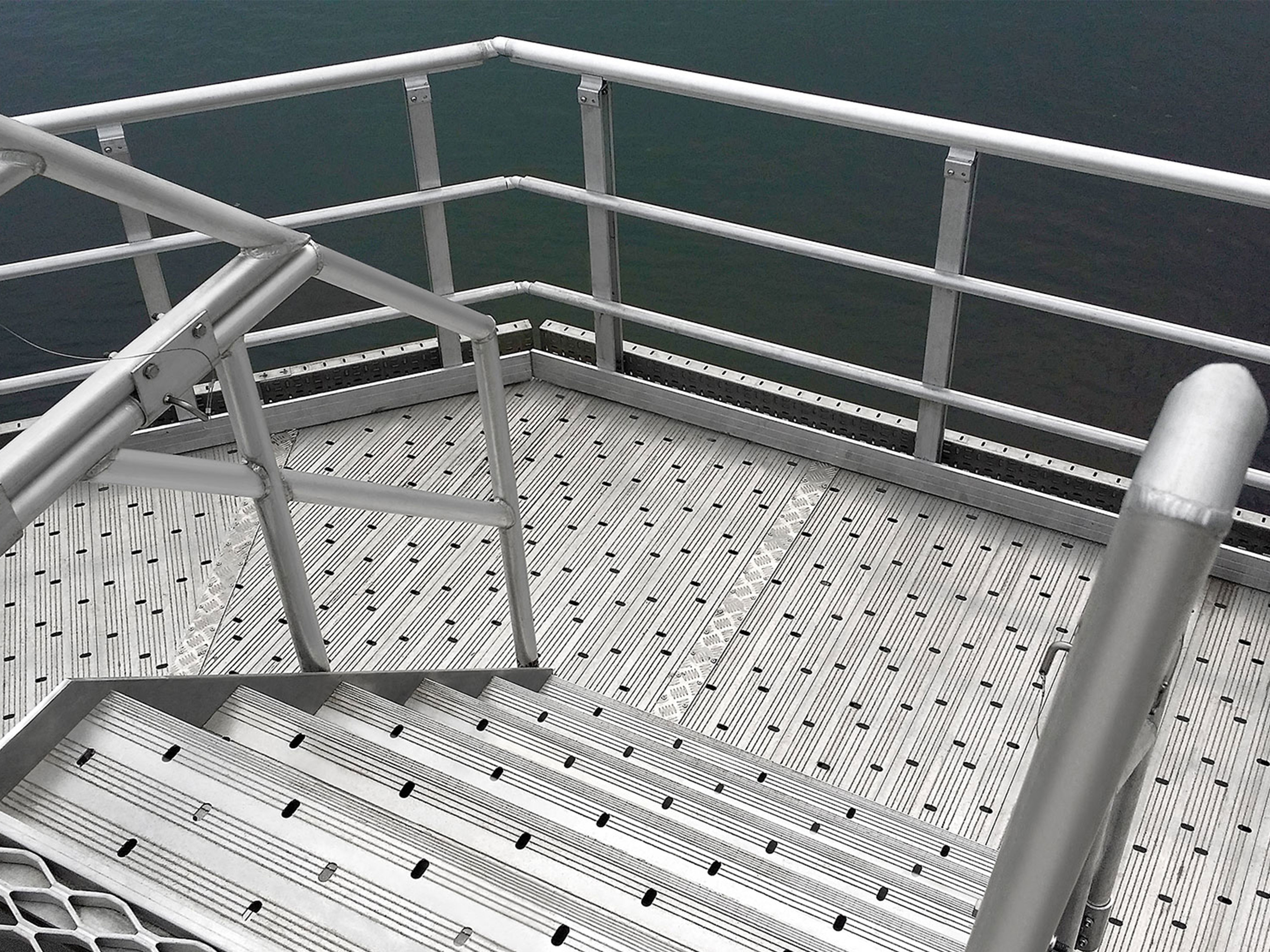
Marine Aluminum Fencing and Railings for Durable Boat Deck Guardrails
OverviewMarine aluminum fencing and railings are purpose-designed alloy systems used for guardrails, handrails, stanchions, and safety barriers on boats, docks, marinas, and waterfront properties.
View Details
5052 Marine Aluminum Fencing and Railings for Durable Offshore Vessel Guardrails
When it comes to constructing durable and reliable guardrails on offshore vessels, 5052 marine aluminum stands out as a premier choice.
View Details
6061 Marine Aluminum Customized Shapes for Durable Boat and Vessel Frames
Marine environments demand materials that can withstand harsh conditions such as saltwater corrosion, constant exposure to moisture, and mechanical stress. Among a variety of aluminum alloys.
View Details
5052 Marine Aluminum Customized Shapes for High Performance Coastal Engineering Projects
When it comes to marine and coastal engineering projects, material performance directly impacts durability, safety, and longevity. 5052 Marine Aluminum Customized Shapes is know as an ideal choice due to their exceptional corrosion resistance.
View Details
Leave a Message