
6061 Marine Aluminum Fencing and Railings for High Strength Coastal Fence Design
Coastal fencing is not only a boundary. It is a working structure that faces salt spray, wind vibration, wet hands, sand abrasion, ultraviolet exposure, and constant temperature swings. For this environment, 6061 marine aluminum fencing and railings offer a practical balance between strength, corrosion resistance, formability, and clean architectural appearance.
Unlike heavy steel barriers that need frequent rust treatment, 6061 aluminum forms a natural oxide film that helps slow surface corrosion. When properly anodized or powder coated, it becomes a durable choice for marinas, waterfront homes, bridge walkways, pool decks, piers, balconies, seawalls, and coastal public spaces.
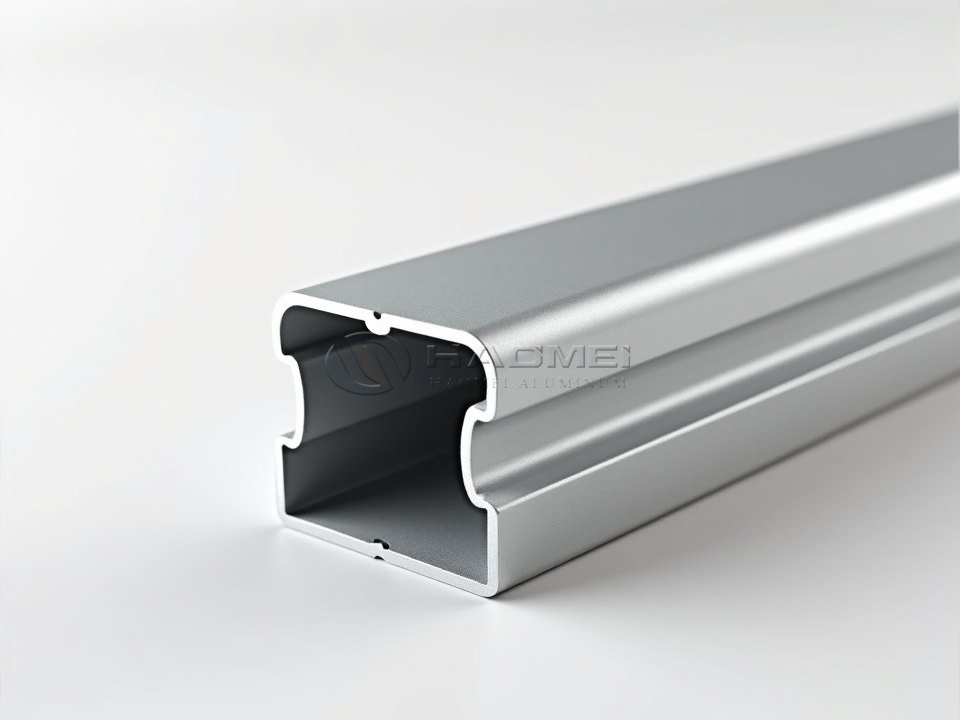
Why 6061 Works Well in Coastal Fence Structures
6061 belongs to the Al-Mg-Si aluminum alloy family. Magnesium and silicon combine to create Mg2Si strengthening phases during heat treatment, giving the alloy better mechanical performance than many non-heat-treatable aluminum grades. This is why 6061 is widely used for extruded rails, posts, balusters, brackets, gates, and structural fence frames.
For fence designers, the value of 6061 is not only its tensile strength. It also extrudes well into hollow, round, rectangular, T-slot, grooved, and reinforced profiles. This allows engineers to place metal where the load path needs it, rather than simply increasing wall thickness everywhere. A coastal railing can therefore remain light, rigid, and visually slim.
Many projects combine standard Marine Grade Aluminum Profiles with project-specific post caps, base plates, drain grooves, and concealed fastener channels. This improves both appearance and installation efficiency.
Functions in Real Coastal Use
The first function is safety. A railing must resist human impact, lateral pressure, and wind load without excessive deflection. In walkway and balcony applications, 6061-T6 or 6061-T6511 profiles are often selected because they provide high yield strength for slender sections.
The second function is environmental defense. Salt does not attack aluminum in the same visible way it attacks carbon steel, but poor design can still cause pitting, crevice corrosion, or galvanic corrosion. Good 6061 marine aluminum fencing uses open drainage, sealed ends, compatible fasteners, and surface finishing to keep moisture from sitting inside joints.
The third function is low-maintenance appearance. Resorts, ferry terminals, docks, and waterfront villas need fencing that looks clean after years of exposure. Brushed anodizing, marine-grade powder coating, and fluorocarbon coating systems can provide stable color while reducing chalking and staining.
The fourth function is modular construction. Extruded 6061 rails can be cut, drilled, CNC machined, welded, or assembled with mechanical connectors. This is especially useful for long coastal runs where posts, mid-rails, top rails, toe boards, and gates must align across uneven concrete, timber decking, or floating dock systems.
Typical Applications
6061 marine aluminum fencing and railings are used in marina perimeter fences, yacht club guardrails, waterfront hotel balconies, coastal boardwalk barriers, swimming pool enclosures, dock access gates, seawall safety rails, bridge pedestrian rails, and industrial platforms near seawater.
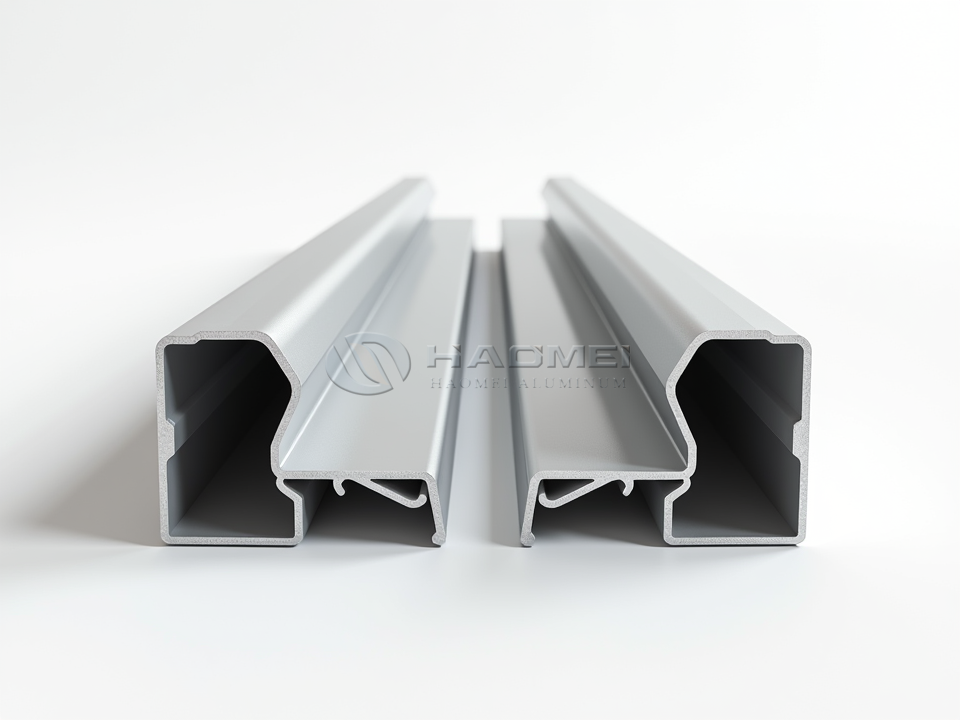
For boatyard and dockside zones, designers often prefer rounded handrail profiles to reduce snagging and improve grip comfort. For public promenade fencing, rectangular rails with internal ribs can provide a modern flat-line appearance while increasing bending stiffness. For private coastal homes, powder-coated 6061 panels can match glass, composite decking, stone walls, or landscape lighting systems.
Temper Selection and Mechanical Behavior
Temper has a direct effect on strength, bending behavior, weld response, and machining stability. For fencing and railing profiles, the most common choices are 6061-T5, 6061-T6, and 6061-T6511.
| Temper | Typical Use in Fencing and Railings | Tensile Strength | Yield Strength | Notes |
|---|---|---|---|---|
| 6061-T5 | Decorative rails, light-duty posts, simple extrusions | 240-260 MPa | 200-240 MPa | Good extrusion productivity and stable shape control |
| 6061-T6 | High-strength top rails, posts, gates, brackets | 290-310 MPa | 240-276 MPa | Stronger choice for load-bearing coastal fence design |
| 6061-T6511 | Precision extruded profiles requiring reduced stress | 290-310 MPa | 240-276 MPa | Better dimensional stability after machining |
| As-welded zone | Welded joints, base plates, corner frames | Varies | Reduced near weld | Post-weld design allowance is needed |
Welding can locally reduce the strength of 6061-T6 in the heat-affected zone, so welded railing systems should be designed with enough section area or reinforced connections. Where possible, mechanical fastening, sleeved joints, and bolted base plates help preserve the original temper strength of the extrusion.
Recommended Technical Parameters
| Parameter | Common Range or Value |
|---|---|
| Density | 2.70 g/cm3 |
| Elastic modulus | 68-69 GPa |
| Melting range | 582-652°C |
| Brinell hardness, T6 | About 95 HB |
| Linear thermal expansion | 23.6 x 10⁻⁶ /°C |
| Typical profile wall thickness | 2.0-6.0 mm |
| Heavy-duty post wall thickness | 4.0-8.0 mm |
| Common handrail diameter | 38-60 mm |
| Typical coating thickness, powder coat | 60-100 microns |
| Anodizing thickness for coastal use | 15-25 microns or higher by project demand |
These figures should be verified against project loads, local building codes, spacing, exposure class, and connection design. Long fence runs near open water may require special wind calculations, especially for privacy screens or infill panels that block airflow.
Chemical Composition of 6061 Aluminum
| Element | Content, % by Weight |
|---|---|
| Aluminum, Al | Balance |
| Magnesium, Mg | 0.80-1.20 |
| Silicon, Si | 0.40-0.80 |
| Iron, Fe | 0.70 max |
| Copper, Cu | 0.15-0.40 |
| Chromium, Cr | 0.04-0.35 |
| Zinc, Zn | 0.25 max |
| Titanium, Ti | 0.15 max |
| Manganese, Mn | 0.15 max |
| Other elements, each | 0.05 max |
| Other elements, total | 0.15 max |
This chemistry explains the alloy's behavior. Magnesium and silicon support heat-treatment strength. Chromium helps grain control. Copper improves strength but can slightly reduce corrosion resistance if surface protection and drainage are neglected. For true marine permanence, alloy selection must be paired with the right finish and joint design.
Standards and Quality Conditions
6061 marine aluminum fencing and railing profiles are commonly produced and inspected according to ASTM B221 for aluminum extruded bars, rods, wire, profiles, and tubes. Sheet or plate parts may follow ASTM B209. European projects may reference EN 573 for chemical composition and EN 755 for extruded products.
For marine coating performance, specifications often refer to AAMA 2604 or AAMA 2605 for architectural powder or fluoropolymer finishes, ASTM B117 for salt spray testing, ISO 9227 for corrosion testing, and ISO 12944 for protective coating environment categories. Welded aluminum structures may reference AWS D1.2. Structural checks may also follow the Aluminum Design Manual and local guardrail load rules.
In practical purchasing, customers should confirm alloy grade, temper, extrusion tolerance, straightness, coating system, salt-spray requirement, film thickness, color tolerance, packaging method, and whether the profiles are suitable for welding or mechanical assembly.
Design Details That Prevent Coastal Failure
A strong rail can still fail early if water is trapped at the base. Drainage holes, sloped caps, sealed top ends, and raised base plates help prevent hidden corrosion. Stainless steel fasteners should be isolated from aluminum with nylon washers, EPDM gaskets, anti-seize compounds, or suitable barrier coatings to reduce galvanic reaction.
Corners and gate hinges deserve extra attention because they experience repeated dynamic load. Thicker 6061-T6 posts, internal sleeves, and gusseted base plates can improve service life. For glass railing systems, 6061 channels must be checked for deflection and clamp pressure to avoid glass stress concentration.
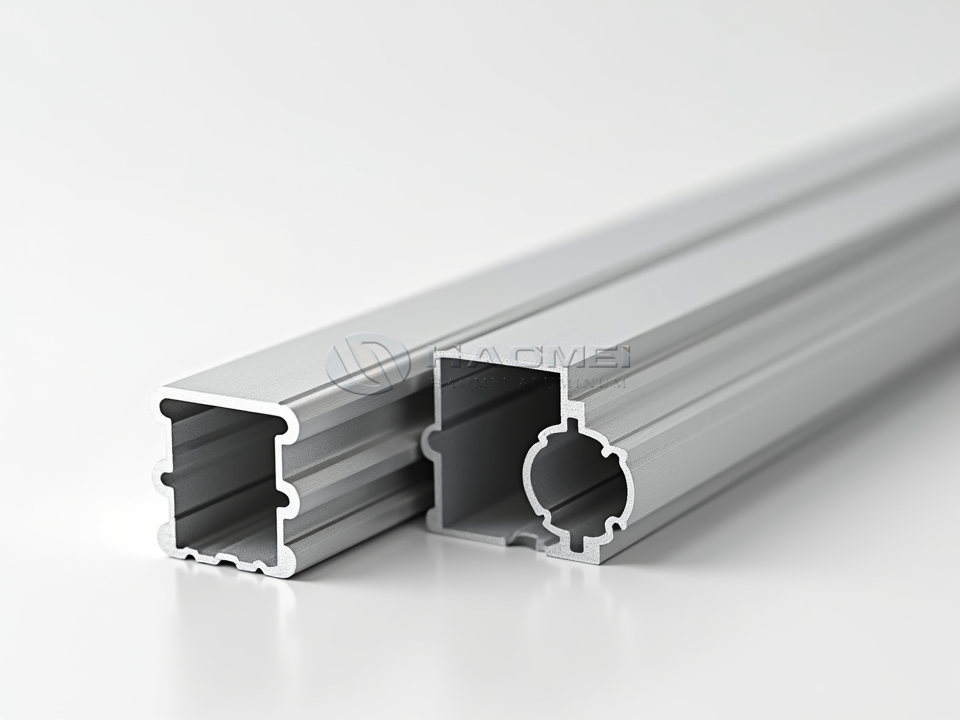
When custom shapes are needed, Marine aluminum customized shapes can integrate screw ports, cable slots, LED grooves, rubber seal channels, or hidden drainage paths directly into the extrusion. This reduces field labor and creates a cleaner coastal fence system.
Surface Finishing for Salt-Air Durability
Mill-finish 6061 can be used in some sheltered applications, but exposed coastal fencing should receive anodizing, powder coating, or fluorocarbon coating. Anodizing enhances the oxide layer and provides a metallic appearance. Powder coating gives wider color options and good impact resistance. Fluorocarbon coating is preferred where color retention and ultraviolet resistance are critical.
Before finishing, profiles should be cleaned, degreased, chemically pretreated, and inspected for surface defects. Coastal-grade pretreatment is not a decorative step; it is the foundation that allows coating to bond through seasons of salt, rain, and sun.
Final Selection Advice
6061 marine aluminum fencing and railings are best viewed as engineered coastal systems rather than simple metal barriers. The alloy provides strength, the temper defines load capacity, the extrusion shape controls stiffness, the finish protects the surface, and the connection design determines long-term reliability.
For high strength coastal fence design, 6061-T6 or 6061-T6511 is often the preferred starting point. With proper drainage, compatible fasteners, certified coating, and well-designed profiles, it delivers a light, clean, corrosion-resistant railing system suited for demanding waterfront environments.

Related Products
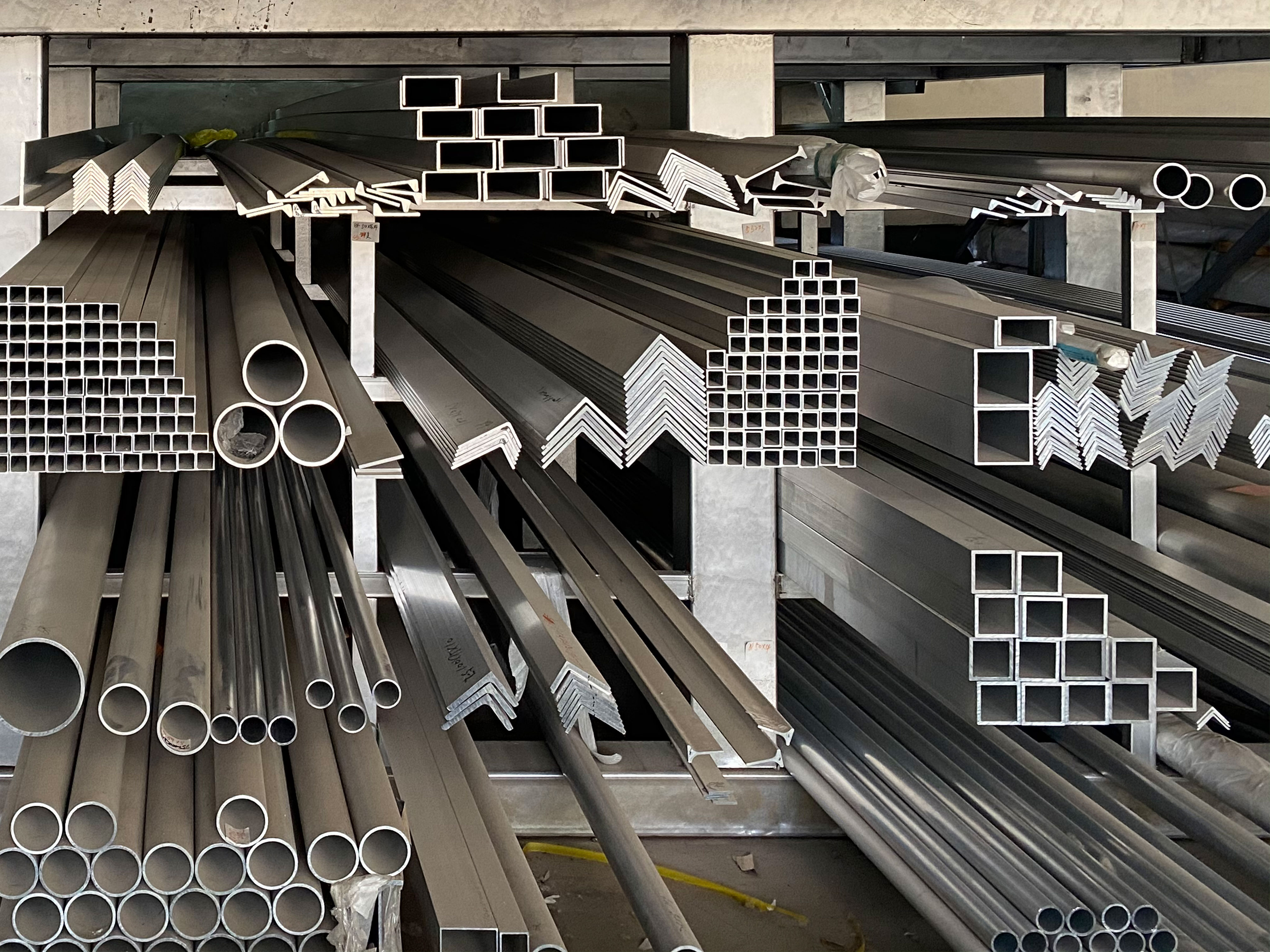
Marine aluminum fencing and railings
Marine Grade Aluminum Fencing and Railings are fabricated using marine-grade aluminum alloys such as 5083, 5052, and 6061, which are engineered specifically for protection against saltwater corrosion and marine atmospheric conditions.
View Details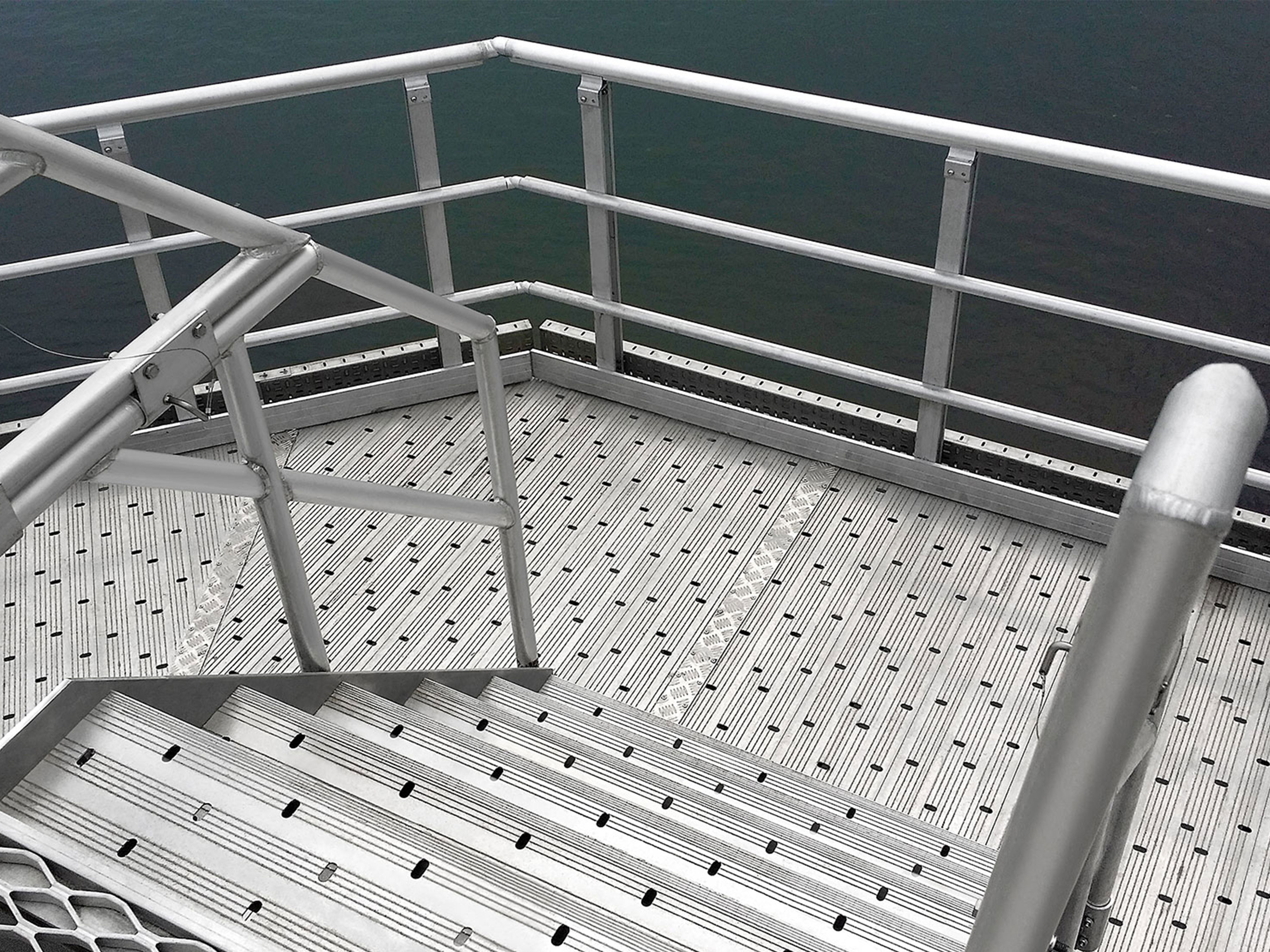
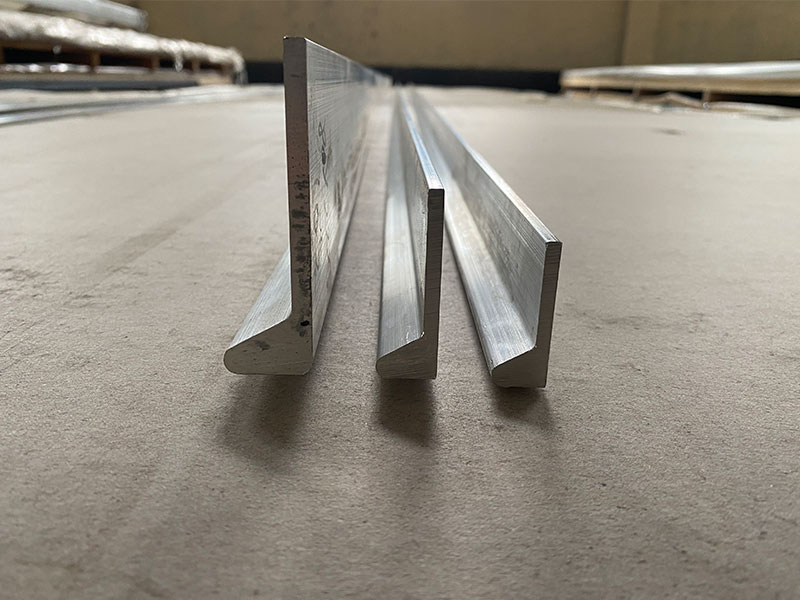
Marine aluminum customized shapes
Marine Grade Aluminum Customized Shapes encompass a broad range of aluminum extrusions and fabrications engineered beyond standard profiles—such as channels, angles, tubes, and beams—into complex, project-specific geometries.
View Details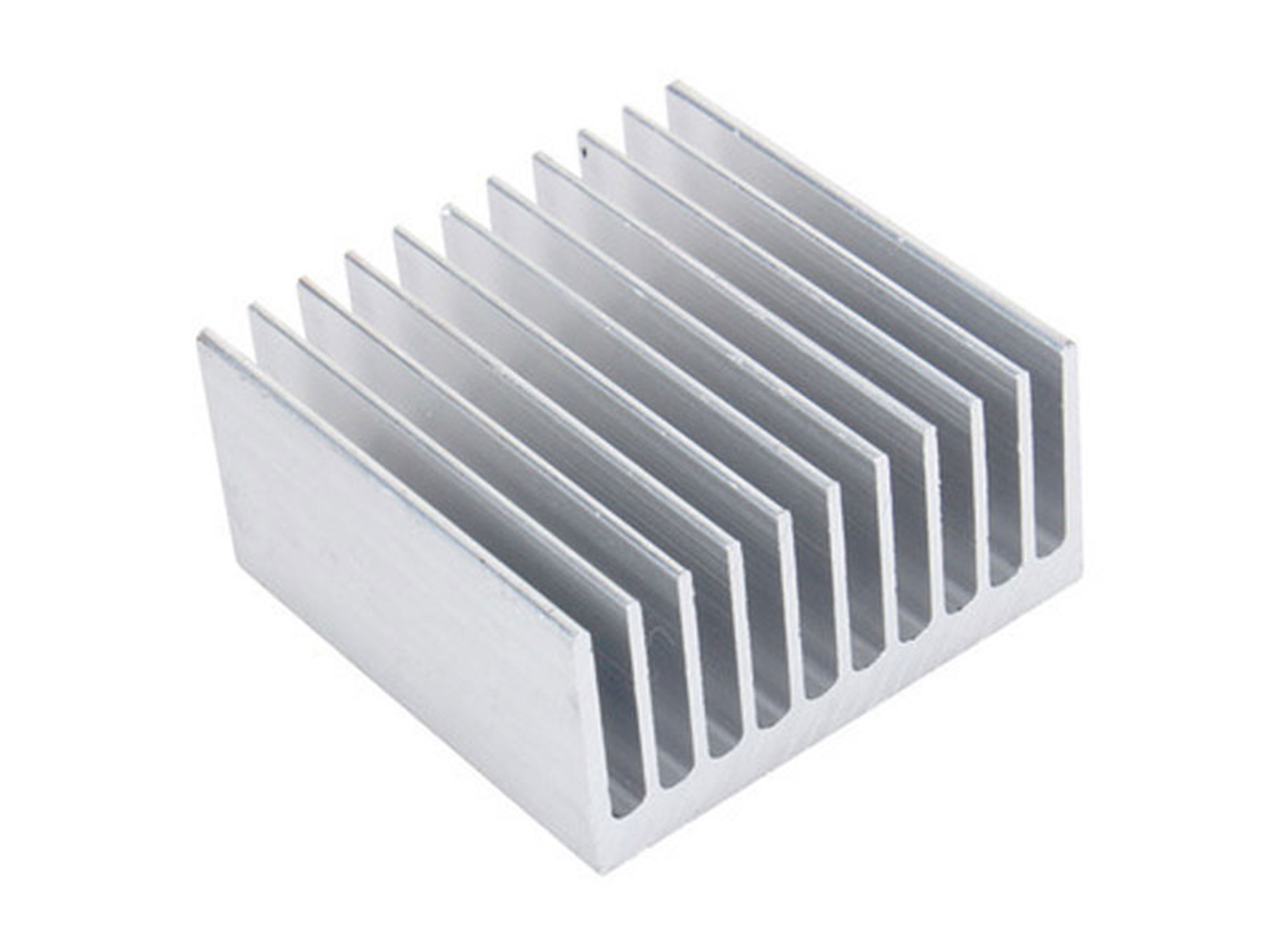
Marine aluminum heat sink profile
Marine Grade Aluminum Heat Sink Profiles utilize alloys such as 6061 and 6063 that not only exhibit high thermal conductivity but also possess excellent corrosion resistance required for saltwater exposure.
View DetailsRelated Blog
5083 Marine Aluminum Customized Shapes for Saltwater Resistant Boat Deck Frames
When it comes to boat deck frames that endure the relentless challenge of saltwater environments, the choice of materials is paramount. Among all options.
View Details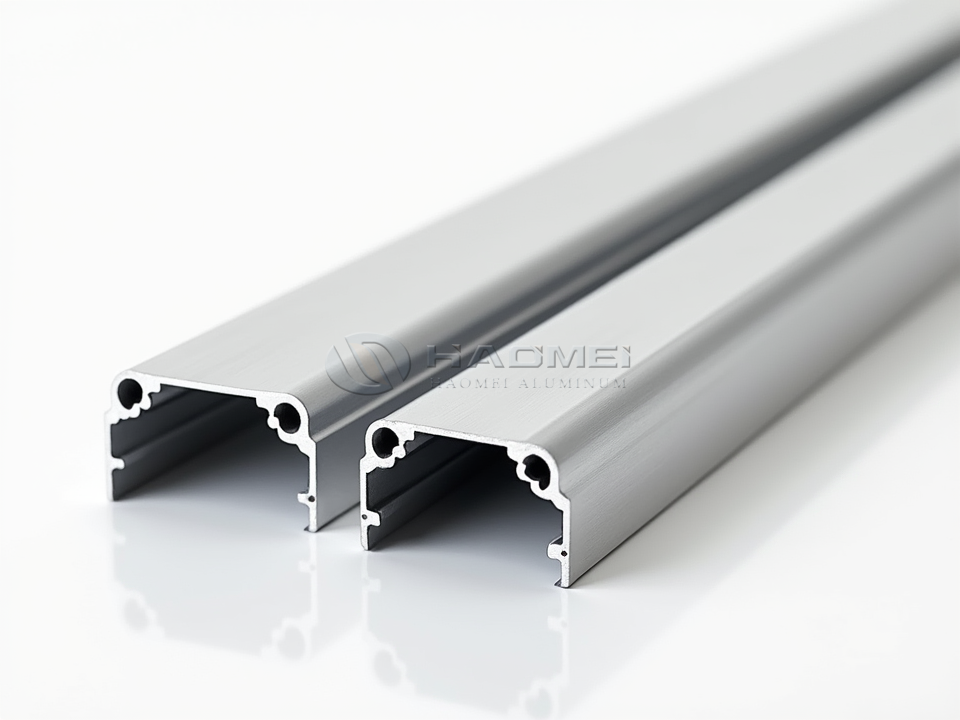
Marine Aluminum Heat Sink Profile for Cooling Marine Electronics in Saltwater Environments
Marine aluminum heat sink profiles provide efficient thermal control, low weight, and dependable corrosion resistance for electronics operating in saltwater.
View Details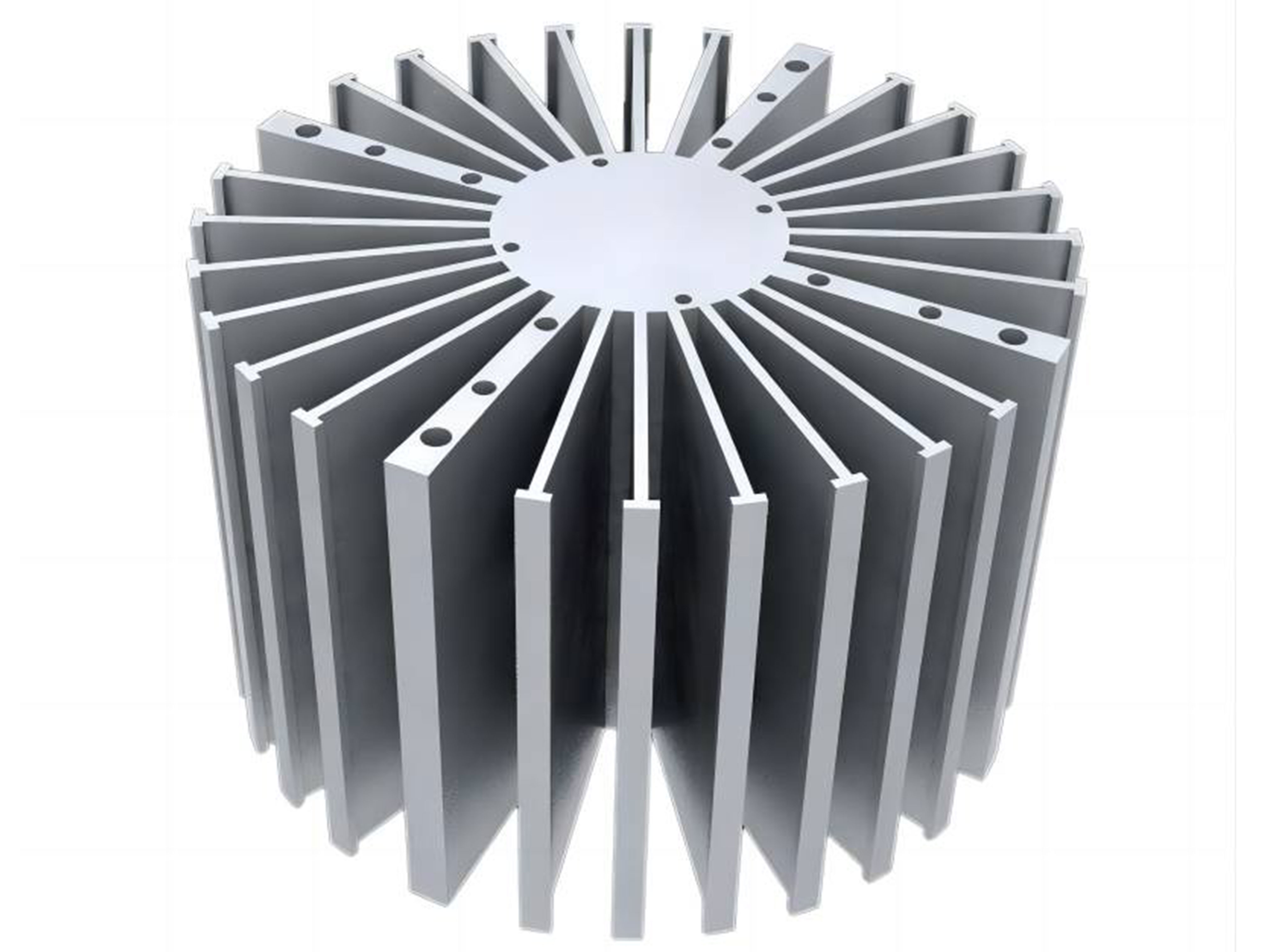
5083 Marine Aluminum Customized Shapes for Offshore Vessel Deck Reinforcements
In the demanding environments of offshore vessels, materials used for deck reinforcements must exhibit exceptional mechanical strength, corrosion resistance, and structural reliability.
View Details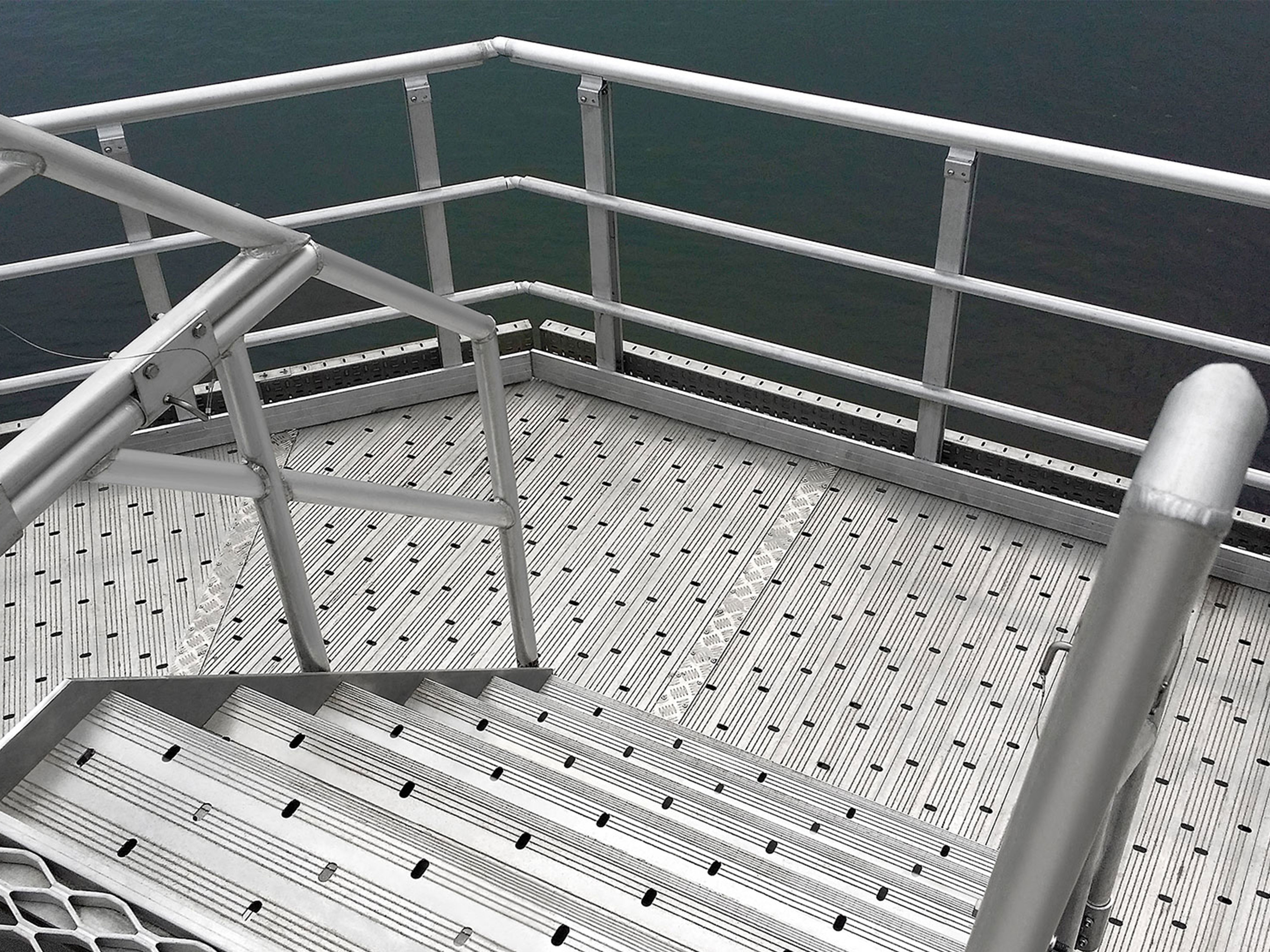
5052 Marine Aluminum Customized Shapes for Custom Marine Frame Solutions
5052 marine aluminum is a high-strength, corrosion-resistant alloy suitable for environments exposed to seawater and high humidity conditions. This alloy is particularly valuable for crafting customized marine frames, decking.
View Details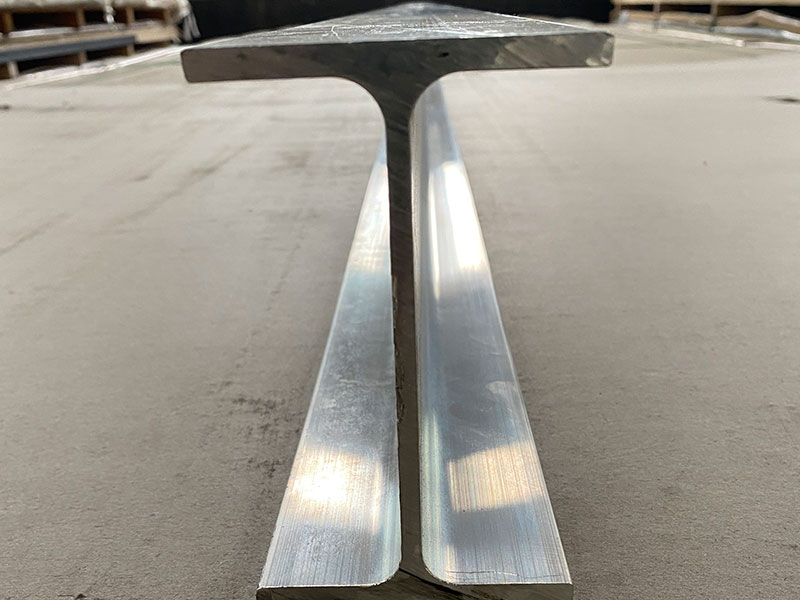
6061 Marine Aluminum Customized Shapes for High Performance Boat Frame Structures
High-performance boat frames demand a material that can balance strength, weight savings, corrosion resistance, and fabrication flexibility. 6061 marine aluminum customized shapes-extrusions, tubes, channels, angles.
View Details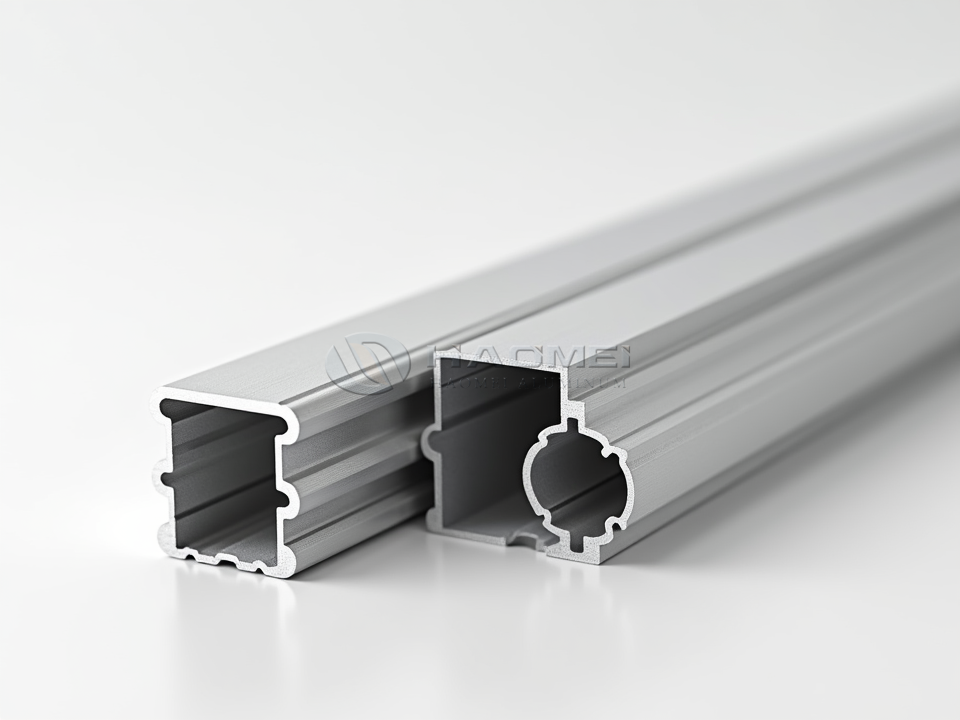
Marine Aluminum Fencing and Railings for Offshore Safety Fencing and Guardrails
Marine aluminum fencing and railings offer corrosion resistance, low weight, and reliable edge protection for offshore safety systems.
View Details
Leave a Message