
Aluminum perforated sheet for boat
Aluminum perforated sheet is a high-value material choice for boats and marine structures where weight control, corrosion resistance, drainage, airflow, and slip management matter as much as strength. Used across decks, steps, engine-room guards, ventilation panels, lockers, and interior fittings, a properly specified perforated sheet delivers long service life in saltwater while simplifying fabrication and maintenance.
Why Perforated Aluminum for Boats?
Marine environments combine salt spray, humidity, UV exposure, and mechanical vibration-conditions that punish heavy steels and unprotected materials. Perforated aluminum sheet solves multiple onboard problems at once:
- Weight reduction: helps fuel efficiency, speed, payload, and stability (lower topside weight improves handling).
- Corrosion resistance: marine-grade alloys withstand saltwater and galvanic challenges better than many alternatives.
- Drainage and ventilation: perforations allow water to escape and air to circulate-reducing trapped moisture and odor.
- Safety and cleanliness: better traction when paired with embossed surfaces or anti-slip treatments; easy wash-down.
- Design flexibility: thousands of hole patterns, open area options, and finishing styles for functional or decorative goals.
Common Marine Alloys and Why They Matter
Not all aluminum is "marine grade." For boat use, selection typically centers on 5xxx (Al-Mg) and 6xxx (Al-Mg-Si) alloys. Each has a different balance of corrosion resistance, formability, and strength.
Recommended Alloy Options (Marine-Focused)
| Alloy / Temper | Category | Strengths | Best-Fit Boat Uses | Notes |
|---|---|---|---|---|
| 5052-H32 | 5xxx | Excellent corrosion resistance, very good formability | Deck drains, lockers, interior panels, light platforms | One of the most popular perforated sheet choices |
| 5083-H111 / H321 | 5xxx | Very high corrosion resistance, higher strength | Exterior panels near splash zones, heavier-duty grilles | Premium marine alloy; cost higher, availability varies |
| 5086-H32 | 5xxx | Strong, marine-proven, good weldability | Steps, walkways, structural covers | Common in North American marine fabrication |
| 6061-T6 | 6xxx | High strength, good machinability | Frames behind perforated panels, supports, brackets | Perforated 6061 can crack in tight forming; consider bend radius |
Plant-floor guidance: For most perforated sheet panels that require bending or rolling, 5052-H32 is the safest default. If the panel sits in aggressive splash zones and needs more mechanical margin, upgrade to 5083/5086 where available.
Chemical Composition (Typical Ranges)
Chemical composition affects corrosion behavior, weld response, and mechanical stability. Verify mill test certificates (MTC) for each batch.
5052 (Al-Mg) - Typical Composition
| Element | Mg | Cr | Si | Fe | Cu | Mn | Zn | Ti | Al |
|---|---|---|---|---|---|---|---|---|---|
| wt.% | 2.2–2.8 | 0.15–0.35 | ≤0.25 | ≤0.40 | ≤0.10 | ≤0.10 | ≤0.10 | ≤0.15 | Balance |
5083 (Al-Mg-Mn) - Typical Composition
| Element | Mg | Mn | Cr | Si | Fe | Cu | Zn | Ti | Al |
|---|---|---|---|---|---|---|---|---|---|
| wt.% | 4.0–4.9 | 0.4–1.0 | 0.05–0.25 | ≤0.40 | ≤0.40 | ≤0.10 | ≤0.25 | ≤0.15 | Balance |
6061 (Al-Mg-Si) - Typical Composition
| Element | Mg | Si | Cu | Cr | Fe | Mn | Zn | Ti | Al |
|---|---|---|---|---|---|---|---|---|---|
| wt.% | 0.8–1.2 | 0.4–0.8 | 0.15–0.40 | 0.04–0.35 | ≤0.70 | ≤0.15 | ≤0.25 | ≤0.15 | Balance |
Mechanical Properties (Typical)
Perforations reduce net section and change load distribution. Use these values for material baseline, then apply design factors based on open area and pattern.
| Alloy / Temper | Yield Strength (MPa) | Tensile Strength (MPa) | Elongation (%) | Notes for Marine Panels |
|---|---|---|---|---|
| 5052-H32 | ~160–190 | ~210–260 | ~8–12 | Excellent for forming perforated parts |
| 5083-H111/H321 | ~145–230 | ~275–330 | ~10–16 | Strong + corrosion resistant; good for exterior |
| 5086-H32 | ~200–240 | ~290–340 | ~8–14 | Common for walkable structures |
| 6061-T6 | ~240–280 | ~290–320 | ~8–12 | Strong; watch bend radius near perforations |
Hole Patterns: Performance Trade-Offs That Matter on a Boat
Choosing a perforation style is more than appearance-it changes grip, airflow, stiffness, and cleaning behavior.
Common Patterns and Typical Open Area
| Pattern Type | Typical Hole / Pitch Examples | Typical Open Area | Strength & Stiffness | Where It Works Best |
|---|---|---|---|---|
| Round, 60° staggered | 5 mm hole / 8 mm pitch | ~35–45% | Best stiffness per open area | Vent panels, guards, general-purpose |
| Round, straight line | 6 mm / 9 mm | ~30–40% | Slightly less stiff than staggered | Aesthetic panels, partitions |
| Slotted (long holes) | 4×20 mm slots | ~20–45% | Directional stiffness (weak across slot) | Drainage channels, air intakes |
| Square/rectangular | 10×10 mm | ~30–50% | More aggressive edges | Grids, decorative screens |
Boat-specific selection tips
- Deck drainage & wet zones: moderate open area (~30–40%) to avoid "oil canning" while still draining.
- Engine room ventilation: higher open area (40–55%) to reduce pressure drop, paired with backing mesh if needed.
- Guards and covers: staggered round holes balance rigidity and safe handling.
Technical Specifications Customers Should Request
A good marine perforated sheet quote should define alloy, temper, thickness, hole/pitch, finish, and tolerances. Below is a practical specification set used in marine fabrication.
Typical Technical Specification Range (Marine Supply)
| Parameter | Common Range | Recommendation for Boats |
|---|---|---|
| Sheet thickness | 1.5–6.0 mm | 2.0–4.0 mm for most panels; thicker for walkways |
| Sheet size | 1000×2000, 1220×2440, custom | Choose to minimize seams and welding |
| Alloy / Temper | 5052-H32, 5083-H111/H321, 5086-H32, 6061-T6 | Default 5052-H32 unless higher duty required |
| Hole diameter | 2–20 mm | 4–8 mm is versatile |
| Pitch (center-to-center) | 4–30 mm | Select to control open area and stiffness |
| Open area | 15–60% | 30–45% is a strong marine "sweet spot" |
| Edge margin | 5–25 mm | Larger margins improve strength at fasteners |
| Flatness | Defined by standard/spec | Important for covers and hatches |
| Finish | Mill, anodized, powder coat, PVDF | Anodizing/powder for appearance + cleanability |
| Protective film | Optional | Recommended for cosmetic panels during fabrication |
Corrosion Resistance: What "Marine Grade" Really Means
Marine alloys resist saltwater primarily through stable oxide film formation and alloy chemistry (especially magnesium content in 5xxx). Still, real-world corrosion performance depends on installation details:
- Avoid galvanic couples: isolate aluminum from stainless steel/bronze with non-conductive washers, gaskets, or coatings.
- Choose compatible fasteners: 316 stainless is common; design to reduce crevice corrosion.
- Seal crevices and trapped zones: perforations help ventilation, but edges and lap joints can trap salt.
- Use the right coating: anodizing improves surface hardness and aesthetics; powder coat adds barrier protection (prep quality is critical).
Applications on Boats (Practical Use Cases)
| Boat Area | Function | Why Perforated Aluminum Works |
|---|---|---|
| Deck plates & drainage covers | Drain water, reduce pooling | Open area + corrosion resistance + lightweight |
| Steps, ladders, platforms | Traction + water shedding | Perforations reduce slip risk and dry faster |
| Engine room air intake/exhaust panels | Ventilation, safety guarding | High airflow with mechanical protection |
| Cabin partitions & decorative panels | Style + airflow | Clean look, easy to maintain |
| Locker and battery compartment panels | Vent gas/heat | Improves safety and reduces moisture buildup |
| Speaker grilles & electronics covers | Protection + acoustics | Controlled open area and good machinability |
Customer Benefits: What You Get in Service
- Lower operating cost: reduced weight can translate to fuel savings and easier handling.
- Longer life in salt exposure: proper marine alloy choice reduces pitting and surface degradation.
- Cleaner, drier spaces: ventilation and drainage reduce mold and corrosion in hidden compartments.
- Faster fabrication: easy cutting, bending (especially 5052), riveting, and welding with established marine practices.
- Customizable performance: hole pattern can be tuned for airflow, privacy, noise, and strength.
Ordering Checklist (Quick and Effective)
Provide these details to avoid mismatches and rework:
| Item | Example to Specify |
|---|---|
| Alloy / temper | 5052-H32 (marine interior/exterior general) |
| Thickness | 3.0 mm |
| Pattern | Round holes, 60° staggered |
| Hole / pitch | 6 mm hole, 9 mm pitch |
| Edge margin | 15 mm on all sides |
| Sheet size | 1220×2440 mm |
| Finish | Anodized (clear) or powder-coated (marine system) |
| Intended use | Walkable / non-walkable, splash zone, ventilation panel |
Closing Note
An aluminum perforated sheet for boat is not just a metal panel with holes-it's a tuned marine component. By matching alloy + temper + perforation geometry + finish to the real onboard environment, you get a lightweight part that drains, breathes, resists corrosion, and stays serviceable for years with minimal upkeep.

Related Products
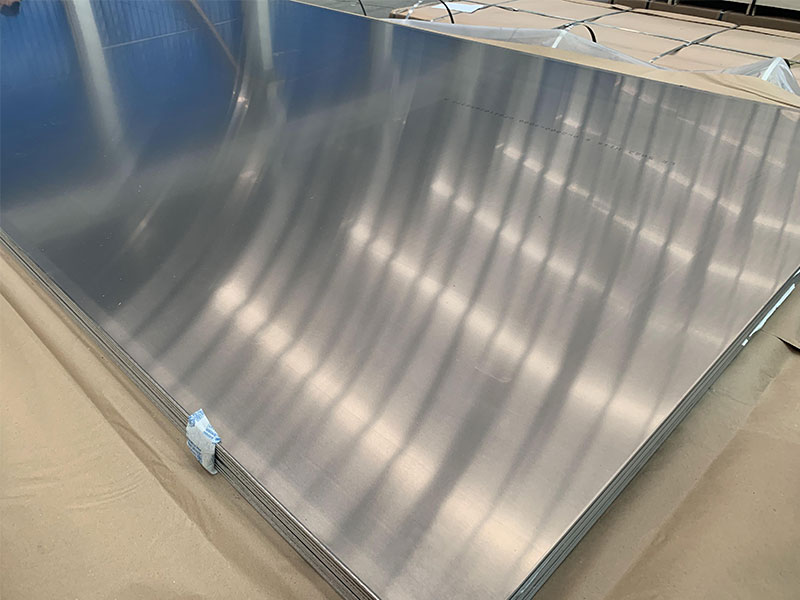
Marine 5052 aluminum sheet
Aluminum alloy 5052 is a non-heat-treatable, strain-hardened alloy with magnesium as the primary alloying element. It is designed to offer superior corrosion resistance in marine and saline environments, making it a dependable choice for components exposed directly to seawater or coastal atmospheric conditions.
View Details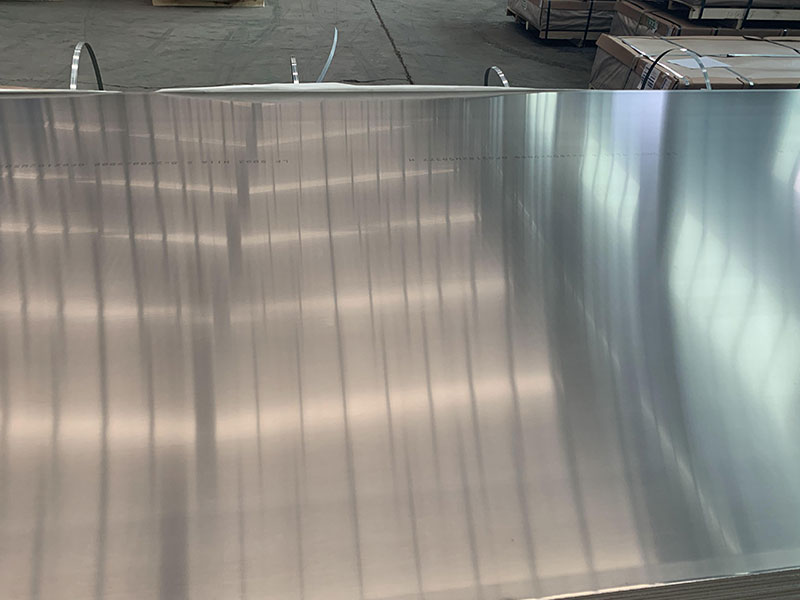
Marine 5383 aluminum sheet
5383 aluminum is a strain-hardened, non-heat-treatable alloy from the 5xxx series primarily alloyed with magnesium. It exhibits a unique balance of corrosion resistance and mechanical properties particularly suited for marine applications.
View Details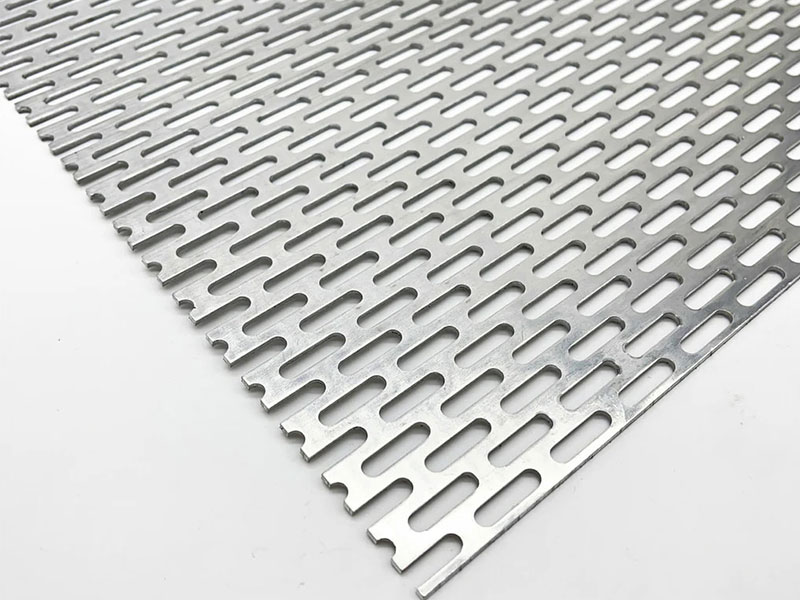
Marine perforated aluminum sheets
Marine Perforated Aluminum Sheets feature a series of uniform holes or shapes punched through the aluminum surface. These perforations can vary in size, pattern, and open area to tailor the sheets for specific applications.
View Details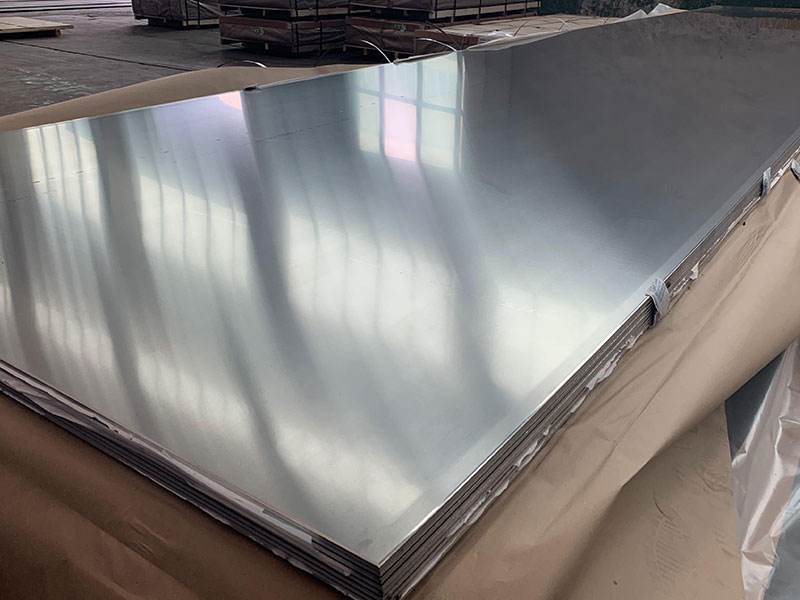
Marine 5086 aluminum sheet
This product article provides an in-depth and comprehensive understanding of Marine 5086 Aluminum Sheets, including their chemical composition, mechanical properties, corrosion resistance, fabrication capabilities, and typical marine applications.
View Details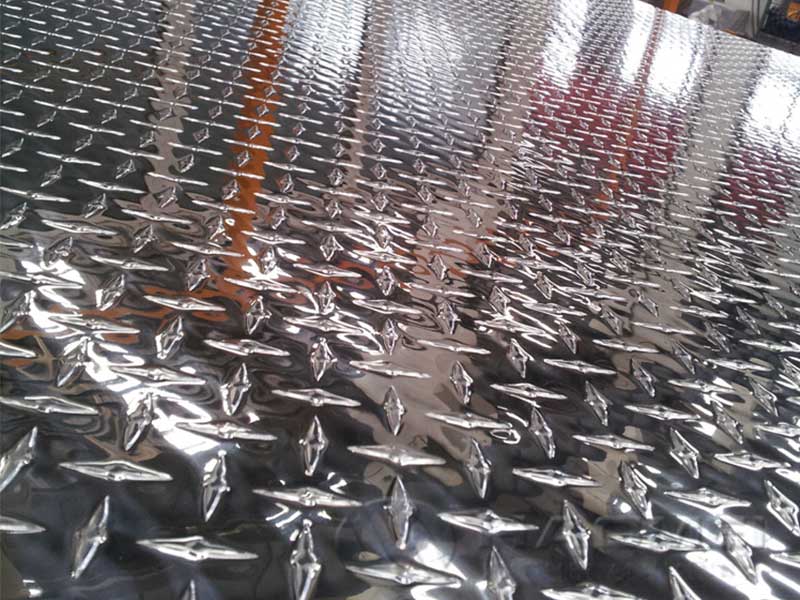
Marine Aluminum Tread Sheets
Marine Aluminum Tread Sheets are aluminum alloy plates featuring a raised surface pattern, commonly referred to as a tread design or diamond plate.
View Details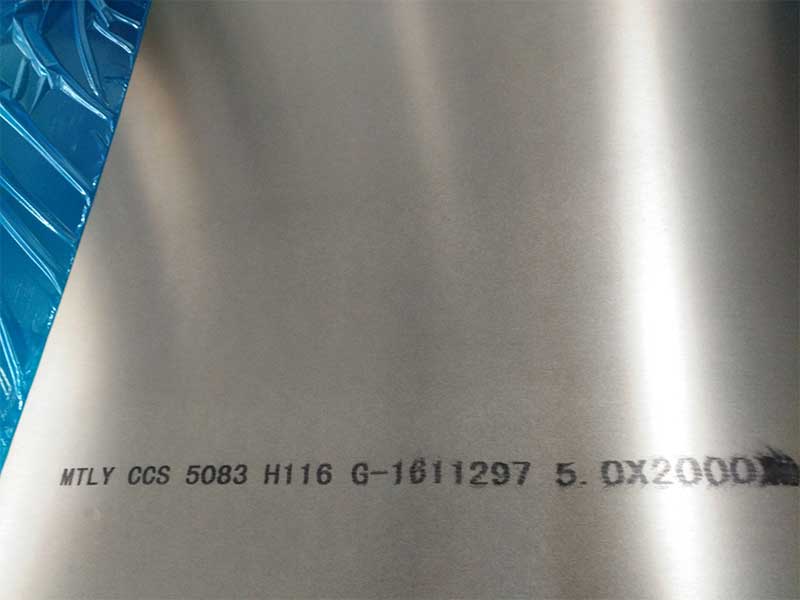
Marine 5083 aluminum sheet
Aluminum alloy 5083 is a non-heat-treatable alloy primarily composed of magnesium and trace elements that deliver outstanding protection against corrosion, particularly in seawater and saline atmospheres.
View DetailsRelated Blog
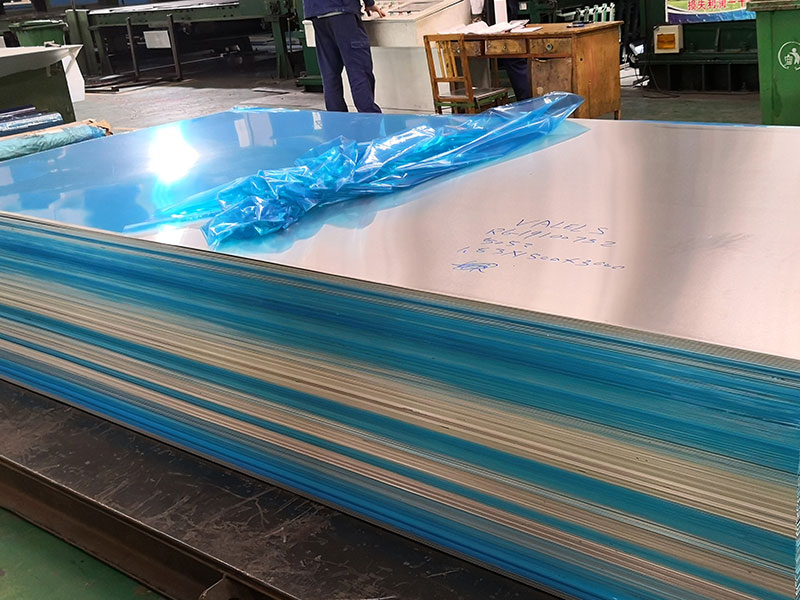
Marine Grade Building Material Aluminium Sheet
Marine grade building material aluminium sheet is designed for projects that need a strong balance of corrosion resistance, strength, workability, and long-term appearance.
View Details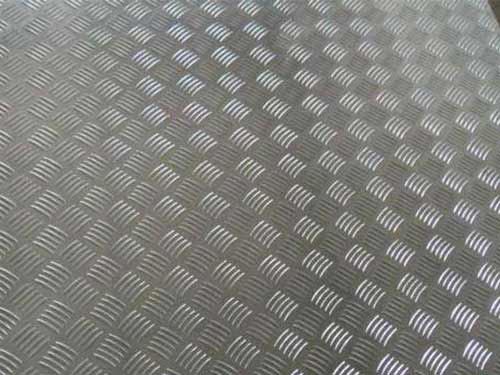
6061 Marine Aluminum Tread Sheets
6061 Marine Aluminum Tread Sheets (often called 6061 aluminum diamond plate or tread plate) are engineered to deliver a practical blend of corrosion resistance, structural strength, and slip-resistant surface performance in wet, abrasive.
View Details
6061 6063 7071 5083 7075 alloy aluminum sheet for boat
Boat builders choose aluminum sheet when they need a hull or structure that stays light, resists corrosion, and remains workable in fabrication. This product range-6061, 6063, 7071, 5083.
View Details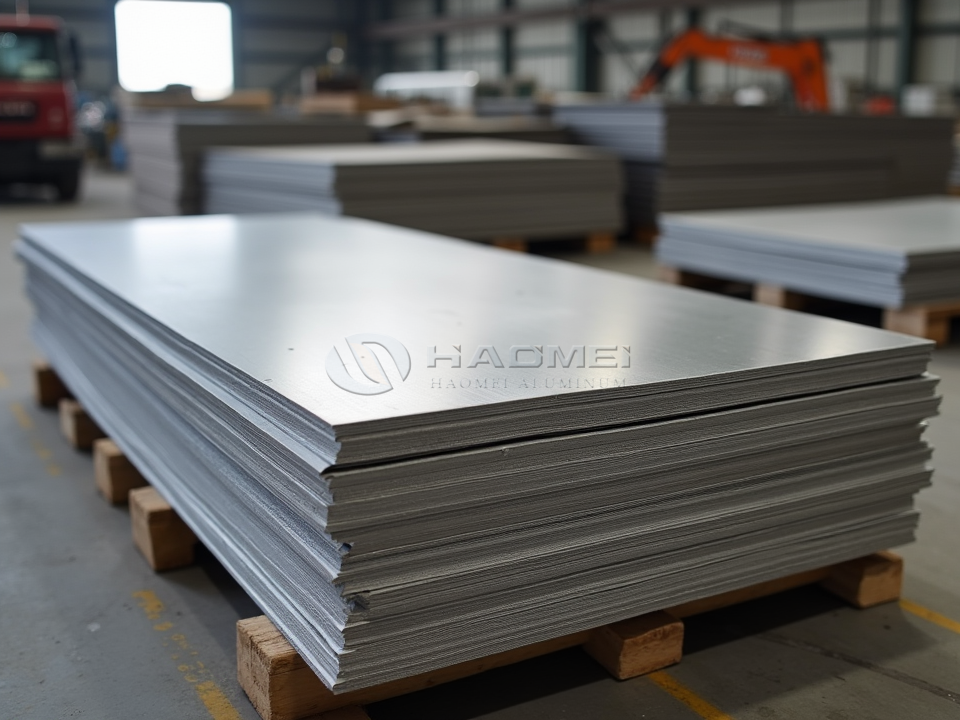
5059 Marine Aluminum Sheet
Learn how 5059 marine aluminum sheet supports lighter hulls, welded structures, corrosion resistance, class-approved fabrication, and long service life.
View Details
Aluminum Sheet A5083 H116 H321 for Marine Ship
Aluminum Sheet A5083 in tempers H116 and H321 is a primary material choice for manufacturing marine vessels and shipbuilding components. It combines exceptional mechanical properties with strong corrosion resistance.
View Details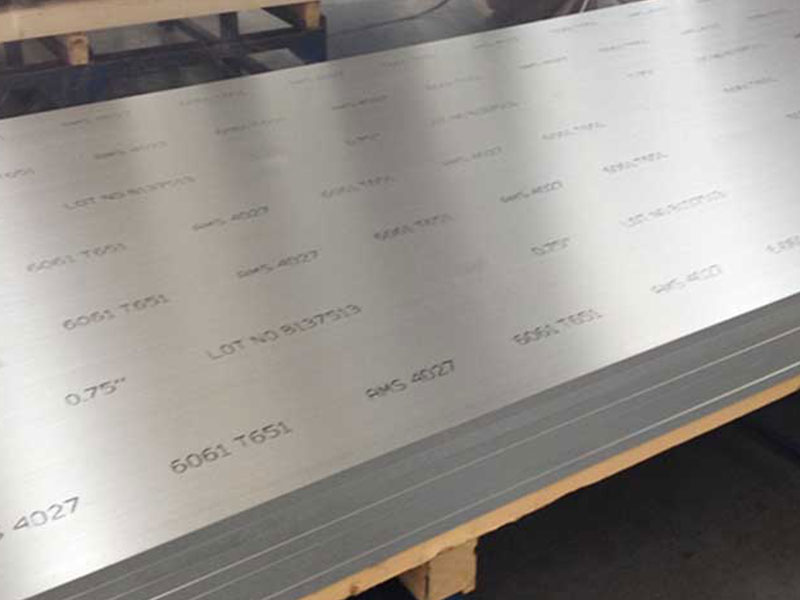
5083 H116 H321 Aluminum sheet for Ship or boat 5083
When it comes to marine applications, having sturdy and corrosion-resistant materials is essential for durability and safety. Aluminum, specifically the alloy grades 5083 in temper states H116 and H321.
View Details
Leave a Message