
Marine Aluminum Heat Sink Profile for Cooling Solutions for Coastal Engineering
Coastal engineering sites demand cooling hardware that can survive salt spray, high humidity, rapid temperature swings, and limited maintenance access. A Marine aluminum heat sink profile is purpose-built for these conditions: it combines high thermal conductivity, excellent corrosion resistance, and extrusion-friendly geometry that enables cost-effective, scalable thermal management for coastal infrastructure and nearshore equipment.
Why Coastal Engineering Needs Marine-Grade Heat Sink Profiles
Coastal systems place electronics and power components under constant stress:
- Chloride-rich atmosphere accelerates pitting and crevice corrosion.
- Condensation cycles drive galvanic couples and surface contamination.
- Vibration and wind loading challenge mechanical interfaces and fin integrity.
- Restricted service windows make long-life materials and finishes essential.
A Marine aluminum heat sink profile addresses these realities through alloy selection, optimized fin design, and protective surface treatments that resist salt deposition while maintaining thermal performance.
Marine aluminum heat sink profile is an extruded aluminum profile with engineered fin arrays for natural or forced convection. It is commonly produced in 6xxx-series marine-capable alloys and supplied in standard mill lengths for machining into custom heat sink bodies.
value for coastal projects: a balance of thermal efficiency, corrosion resistance, and manufacturing practicality-ideal for repeatable builds like shoreline monitoring stations, harbor electrification cabinets, and offshore-adjacent power conversion systems.
Material Options and Chemical Composition (Typical)
Marine heat sink profiles typically use Al-Mg-Si alloys due to their combination of extrudability, strength, and corrosion behavior. Below are common options.
Typical Chemical Composition (wt.%)
| Alloy | Si | Mg | Fe | Cu | Mn | Cr | Zn | Ti | Al |
|---|---|---|---|---|---|---|---|---|---|
| 6063 | 0.20–0.60 | 0.45–0.90 | ≤0.35 | ≤0.10 | ≤0.10 | ≤0.10 | ≤0.10 | ≤0.10 | Balance |
| 6061 | 0.40–0.80 | 0.80–1.20 | ≤0.70 | 0.15–0.40 | ≤0.15 | 0.04–0.35 | ≤0.25 | ≤0.15 | Balance |
| 6082 | 0.70–1.30 | 0.60–1.20 | ≤0.50 | ≤0.10 | 0.40–1.00 | ≤0.25 | ≤0.20 | ≤0.10 | Balance |
Selection note:
- 6063 favors complex fin extrusion and clean anodized appearance.
- 6061/6082 favor higher structural capability when the heat sink is also a load-bearing chassis.
Thermal and Mechanical Performance (Typical)
Thermal performance depends on fin geometry, airflow, and surface finish, but alloy properties still matter for conduction and robustness.
Typical Material Properties (T5/T6 temper, reference ranges)
| Property | 6063-T5/T6 | 6061-T6 | 6082-T6 | Test/Note |
|---|---|---|---|---|
| Thermal conductivity, W/m·K | 190–210 | 165–180 | 160–175 | Alloy/temper dependent |
| Electrical conductivity, %IACS | 45–55 | 40–45 | 38–44 | Useful for grounding design |
| Yield strength, MPa | 145–215 | 240–280 | 250–300 | Profile geometry affects design margin |
| Ultimate tensile strength, MPa | 190–250 | 290–320 | 300–340 | Typical extruded values |
| Elongation, % | 8–14 | 8–12 | 8–12 | Impacts forming tolerance |
| Density, g/cm³ | 2.70 | 2.70 | 2.70 | Comparable across 6xxx |
Profile Design Features That Matter Near the Ocean
A marine heat sink profile is not just "more fins." Coastal reliability is driven by design details that reduce corrosion sites and preserve airflow.
Feature-to-Benefit Map
| Feature | What it does | Why it matters in coastal engineering |
|---|---|---|
| High aspect-ratio fin arrays | Expands surface area | Improves convection at modest airflow levels |
| Rounded fin roots and controlled fin spacing | Reduces stress concentration and clogging | Helps resist vibration fatigue and salt/dust accumulation |
| Thick base plate options | Spreads heat laterally | Stabilizes hot spots from IGBTs/MOSFETs and drivers |
| Extrusion-friendly symmetry | Maintains straightness and repeatability | Improves machining alignment and thermal interface flatness |
| Drainage-aware geometry | Minimizes water traps | Reduces crevice corrosion and persistent condensation |
Technical Specifications (Typical Supply Range)
These are common production capabilities for extruded marine heat sink profiles. Actual limits depend on die design and alloy.
Extrusion and Dimensional Capability
| Item | Typical Range | Notes |
|---|---|---|
| Alloy options | 6063 / 6061 / 6082 | Others possible on request |
| Temper | T5 / T6 | Chosen by strength vs. conductivity needs |
| Profile width | 30–350 mm | Wider profiles may require design optimization |
| Base thickness | 4–20 mm | Based on heat spreading and mounting |
| Fin thickness | 1.2–3.5 mm | Balances extrusion feasibility and convection |
| Fin height | 10–70 mm | Taller fins benefit forced convection |
| Fin pitch | 3–12 mm | Wider pitch reduces salt fouling risk |
| Standard length | 3–6 m | Cut-to-length available |
| Straightness | ≤1.0 mm/m (typ.) | Depends on section complexity |
| Flatness (after machining) | Per drawing | Machining recommended for TIM contact areas |
Surface Protection and Coastal Durability
Salt exposure challenges bare aluminum over long periods. Surface finishing is selected to slow corrosion while keeping thermal resistance low.
Common Finishes for Marine Heat Sink Profiles
| Finish | Typical thickness | Strengths | Considerations |
|---|---|---|---|
| Clear anodizing | 10–15 μm | Good general corrosion resistance, clean appearance | Slight thermal penalty; best with good airflow |
| Hard anodizing | 25–50 μm | Higher wear and corrosion resistance | Higher thermal resistance than thin anodize |
| Seawater-resistant conversion coating | Thin film | Good under paint, conductive variants available | Usually needs topcoat for harsh splash zones |
| Powder coating (marine grade) | 60–120 μm | Strong barrier protection | Not ideal on fin surfaces if maximum heat transfer is required |
| Black anodizing | 10–20 μm | Improved radiative heat transfer | Color matching and sealing quality matter |
Practical coastal approach: anodize for general shore exposure; use a barrier topcoat strategy for splash zones; keep fin surfaces optimized for convection and serviceability.
Applications in Coastal Engineering Cooling Solutions
Marine aluminum heat sink profiles are widely used where compact, passive reliability is valued and corrosion cannot be an afterthought.
Typical Use Cases and Thermal Targets
| Application area | Typical heat sources | Cooling goal | Why extruded marine profile fits |
|---|---|---|---|
| Harbor power distribution cabinets | DC busbars, rectifiers, control drives | Stable junction temps under variable load | High heat spreading, scalable fin area |
| Coastal monitoring stations | Edge computers, radios, PoE injectors | Quiet cooling with minimal service | Passive convection, corrosion-resistant finish |
| Desalination auxiliaries | VFDs, motor drives, power supplies | Long-life thermal stability in humid air | Robust base for device mounting, durability |
| Breakwater lighting and signage | LED drivers, converters | Reduce driver temperature to extend lifetime | Extrusion enables tailored footprints |
| Tide gate and pump controls | PLCs, I/O modules, braking resistors | Predictable performance in sealed enclosures | Works with enclosure conduction paths |
| Nearshore renewable systems | Inverters, DC-DC stages, sensors | Salt fog tolerance, vibration resistance | Strong mechanical section with thermal capacity |
Integration Notes for Fast Project Adoption
Mounting and Interfaces (Typical)
| Item | Recommended practice | Benefit |
|---|---|---|
| Heat source contact area | Machine the base for flatness | Lowers interface thermal resistance |
| TIM selection | Silicone-free pads or greases for sensitive electronics | Reduces contamination risk |
| Fasteners | Stainless steel with isolation strategy | Limits galvanic corrosion in chloride environments |
| Electrical bonding | Dedicated ground points | Improves EMC and safety compliance |
| Airflow planning | Align fins with flow path; avoid dead zones | Maximizes convection efficiency |
Environmental Design Considerations
| Coastal factor | Design response | Outcome |
|---|---|---|
| Salt deposition | Slightly larger fin pitch, easy-clean access | Maintains airflow over time |
| Condensation | Drain-friendly orientation, avoid water traps | Reduces corrosion initiation points |
| Mixed metals in enclosure | Insulating washers, compatible coatings | Limits galvanic couples |
| Maintenance constraints | Durable finish and repeatable parts | Extends service intervals |
What Customers Gain with This Profile
A well-designed Marine aluminum heat sink profile provides:
- Predictable cooling capacity with extrusion-based repeatability
- Coastal corrosion resilience through alloy choice and marine-capable finishes
- Design flexibility for cabinets, frames, and equipment housings
- Cost-effective scalability from prototype to volume builds
For coastal engineering projects where downtime is expensive and access is difficult, a marine-grade heat sink profile becomes a reliability component-not just a thermal accessory.
Quick Specification Snapshot (Procurement-Friendly)
| Parameter | Typical offering |
|---|---|
| Alloy | 6063 / 6061 / 6082 |
| Temper | T5 / T6 |
| Finish | Anodized (clear/black), conversion coat, optional topcoat |
| Supply form | Extruded profiles, cut-to-length, CNC-ready |
| Best-fit environments | Coastal air, salt mist, humid cabinets, nearshore infrastructure |

Related Products
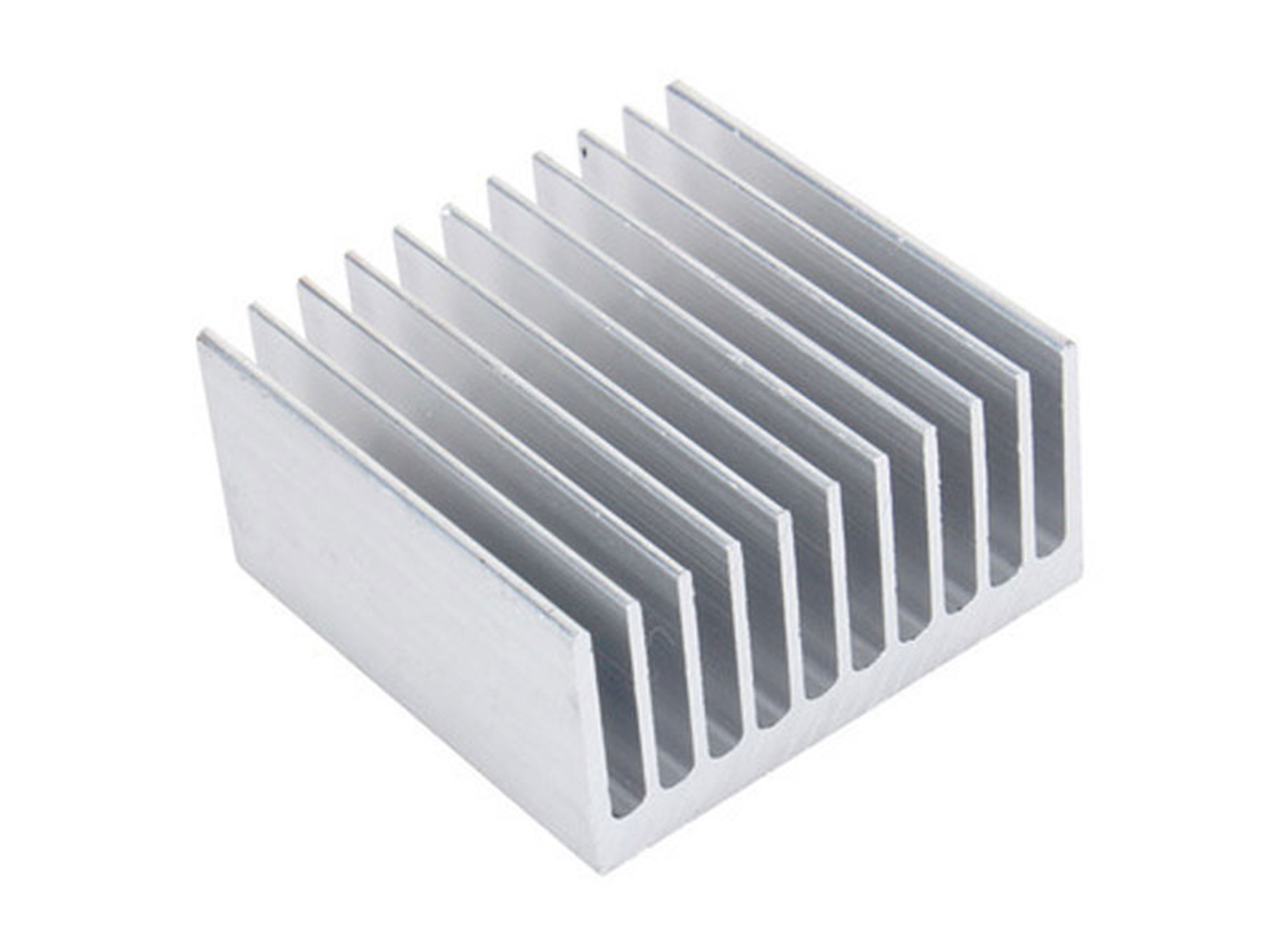
Marine aluminum heat sink profile
Marine Grade Aluminum Heat Sink Profiles utilize alloys such as 6061 and 6063 that not only exhibit high thermal conductivity but also possess excellent corrosion resistance required for saltwater exposure.
View Details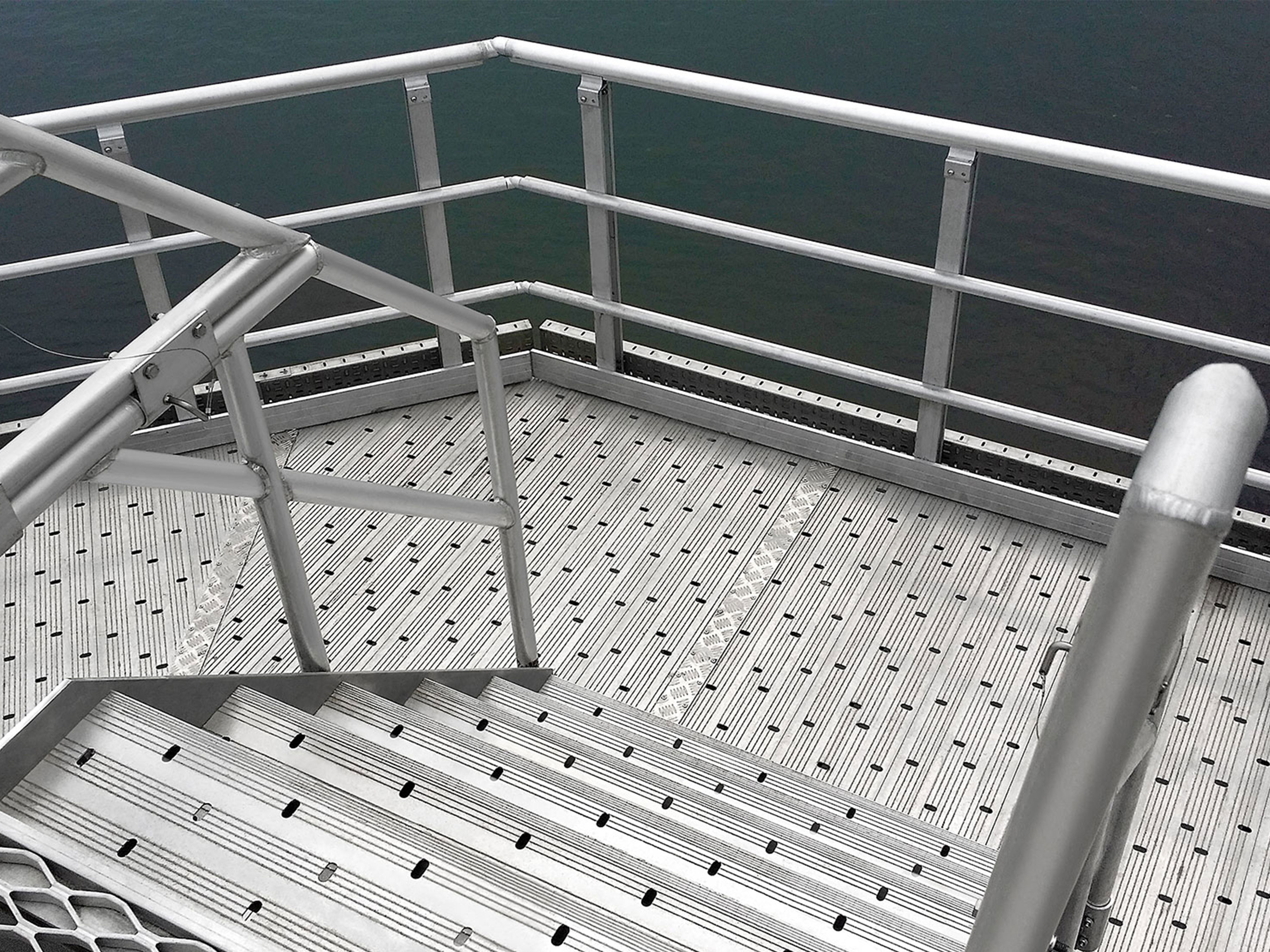
Marine aluminum customized shapes
Marine Grade Aluminum Customized Shapes encompass a broad range of aluminum extrusions and fabrications engineered beyond standard profiles—such as channels, angles, tubes, and beams—into complex, project-specific geometries.
View Details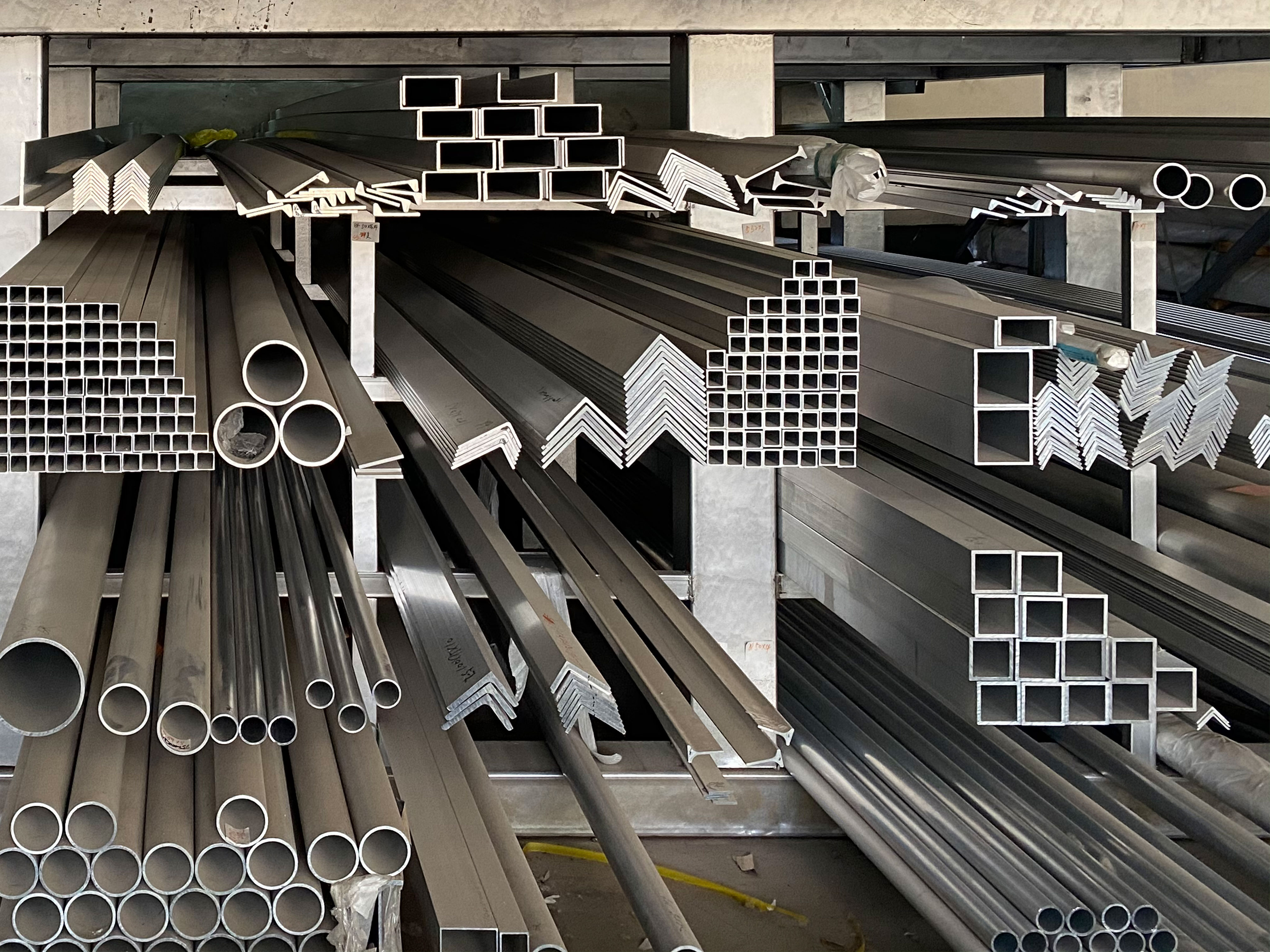
Marine aluminum fencing and railings
Marine Grade Aluminum Fencing and Railings are fabricated using marine-grade aluminum alloys such as 5083, 5052, and 6061, which are engineered specifically for protection against saltwater corrosion and marine atmospheric conditions.
View DetailsRelated Blog
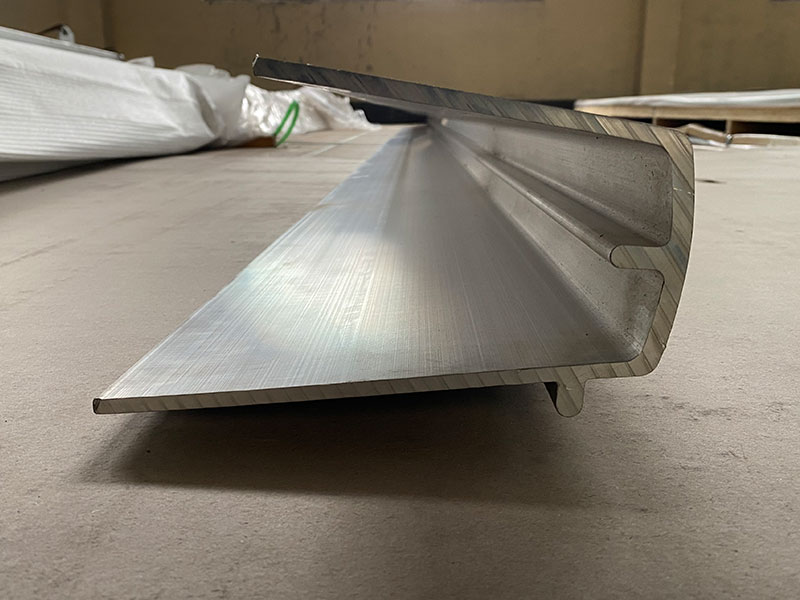
5083 Marine Aluminum Fencing and Railings for High Strength Coastal Railings
When it comes to constructing fencing and railings along coastal environments, the material choice plays a significant role in long-term performance, strength, and resistance to harsh conditions.
View Details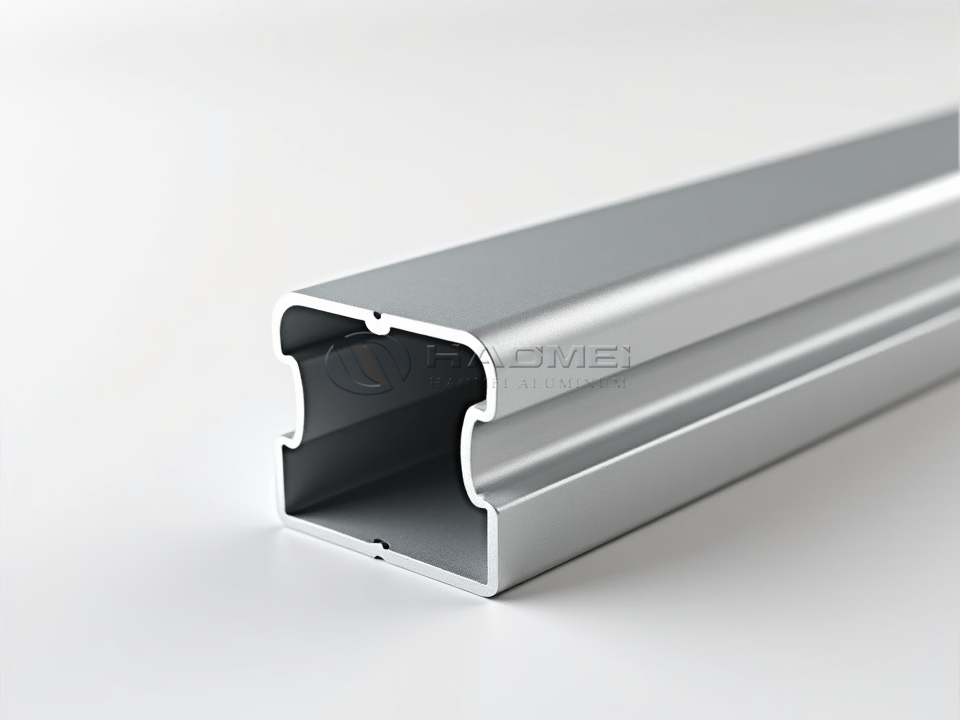
6063 Marine Aluminum Heat Sink Profile for Cooling Solutions for Offshore Platforms
Explore 6063 marine aluminum heat sink profiles for offshore platforms, including thermal performance, corrosion control, tempers, standards, and design data.
View Details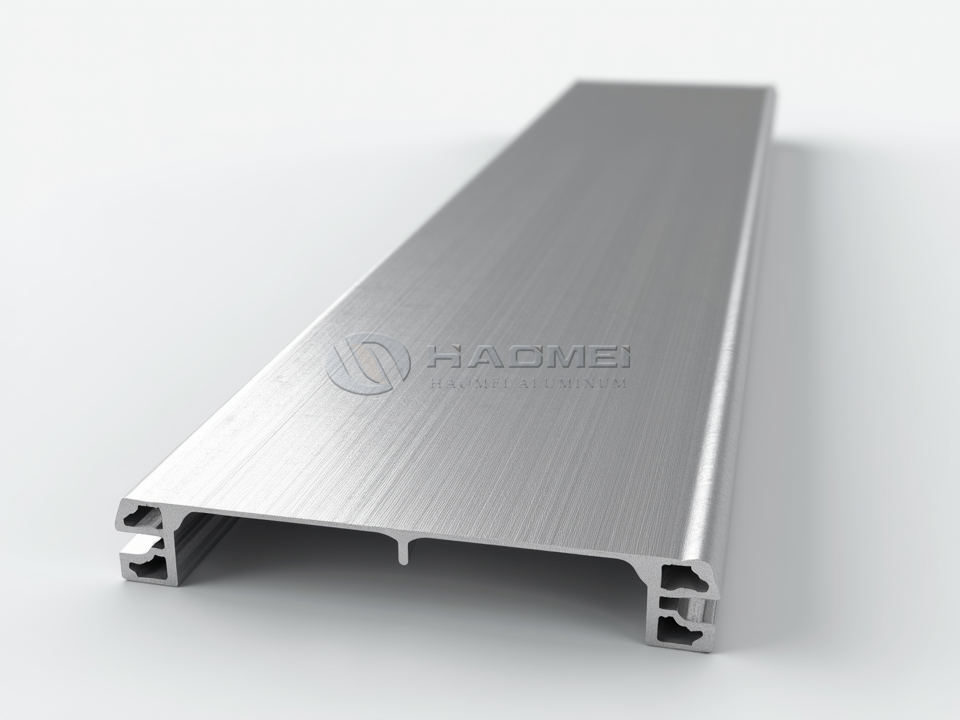
6061 Marine Aluminum Heat Sink Profile for Lightweight Cooling Systems for Boat Engines
6061 marine aluminum heat sink profiles reduce engine-bay weight while managing heat through fin design, corrosion control, mounting, and airflow.
View Details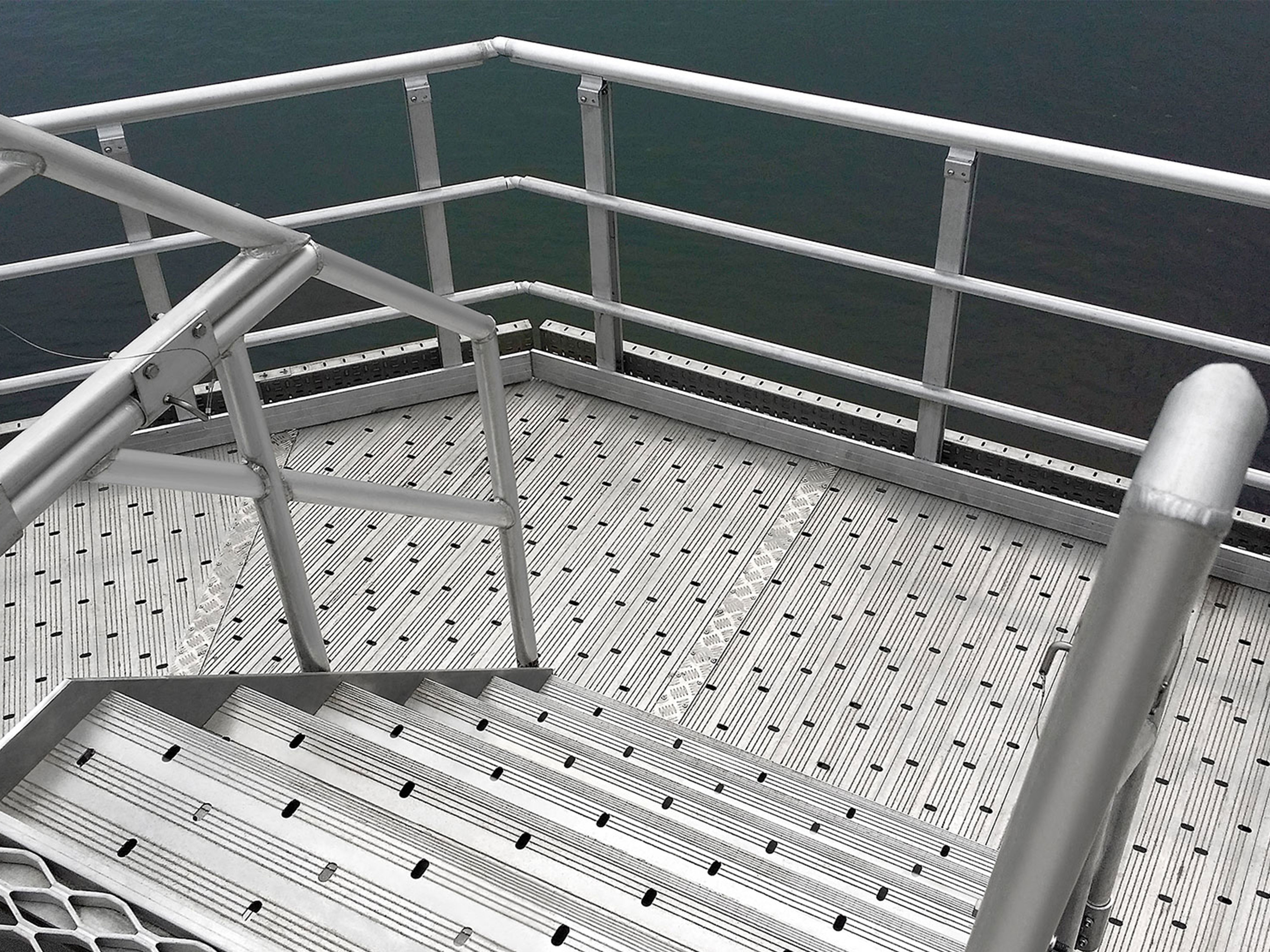
6061 Marine Aluminum Fencing and Railings for Custom Marine Deck Safety Solutions
6061 marine aluminum fencing and railings are a practical, high-strength choice for deck safety systems in saltwater and coastal environments. Built from a heat-treatable Al-Mg-Si alloy, 6061 combines corrosion resistance, structural reliability.
View Details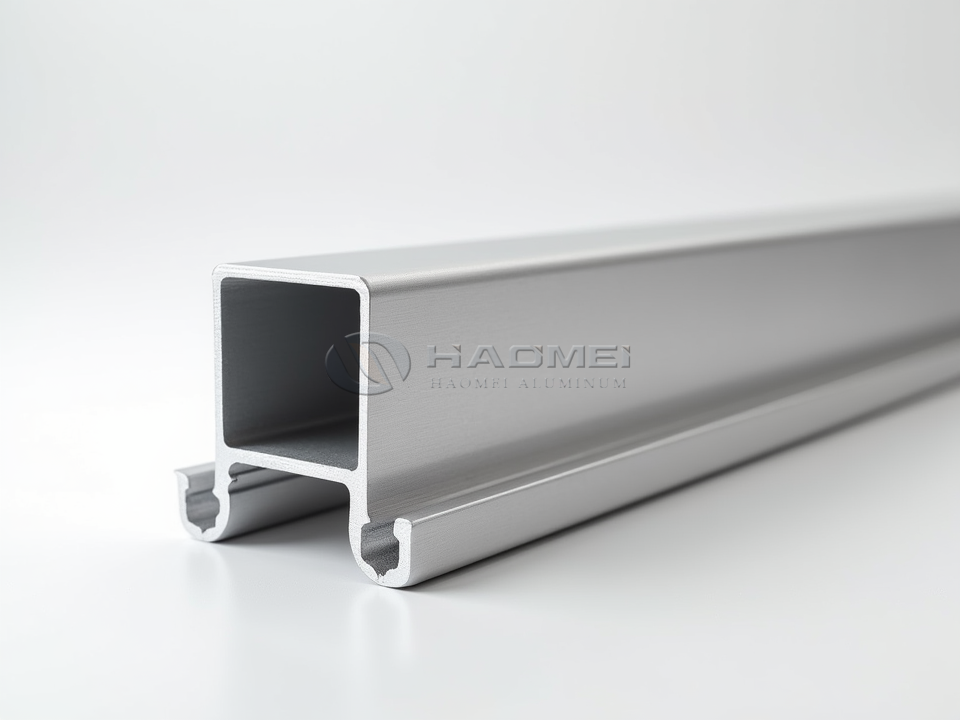
5083 Marine Aluminum Fencing and Railings for Offshore Vessel Deck Safety Barriers
5083 marine aluminum fencing and railings for offshore vessel deck barriers, with data on corrosion resistance, weldability, design options, and vessel uses.
View Details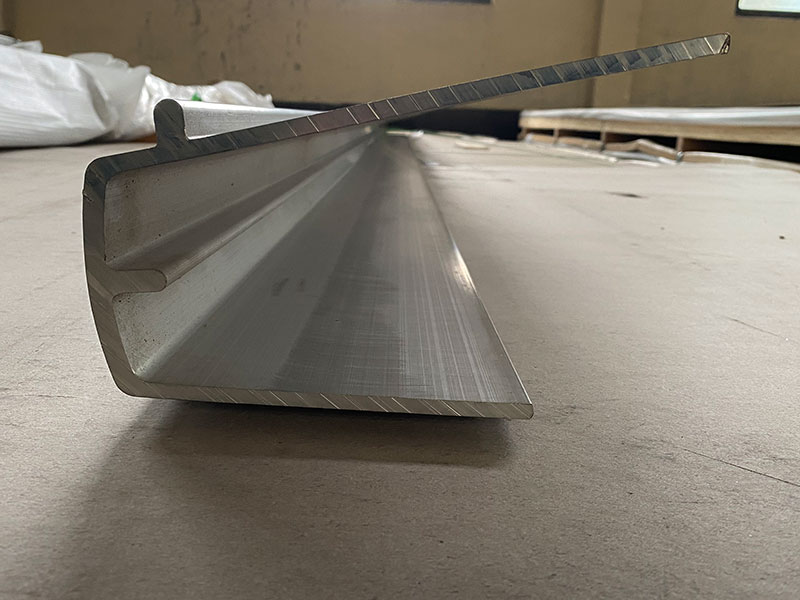
Marine Aluminum Heat Sink Profile for Lightweight Boat Engine Cooling Systems
Marine Aluminum Heat Sink Profile for Lightweight Boat Engine Cooling Systems: Excellence in Functionality and Technical PrecisionIn the evolving sphere of marine engineering, optimizing boat engine cooling systems for lightness, durability.
View Details
Leave a Message