
6061 Marine Aluminum Hollow Bars for Marine Hull and Deck Reinforcement
6061 marine aluminum hollow bars are widely used where boats, work vessels, pontoons, yachts, and offshore service platforms need rigid reinforcement without excessive weight. Produced from heat-treatable Al-Mg-Si alloy, 6061 offers a practical balance of strength, machinability, weldability, and surface finishing performance. For hull stiffeners, deck framing, rail supports, hatch structures, and equipment bases, hollow bar profiles reduce mass while maintaining a high moment of inertia, helping marine builders create lighter and stronger assemblies.
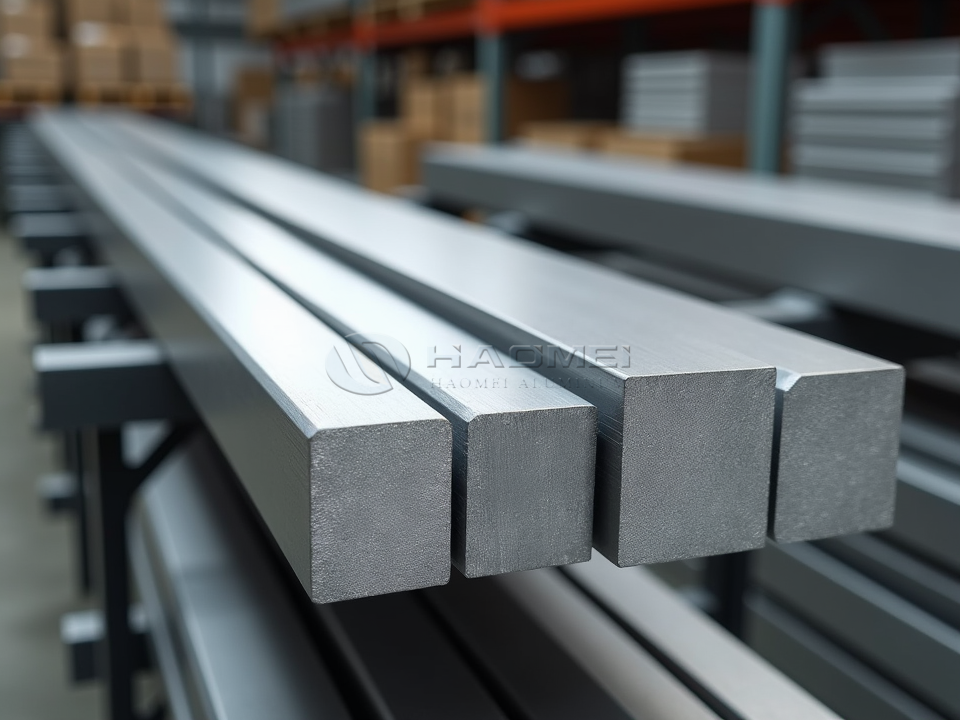
Product Character
6061 hollow bars are typically supplied as square, rectangular, or round hollow extrusions. The hollow geometry makes the section efficient: material is positioned away from the neutral axis, giving better stiffness per unit weight than many solid bar alternatives. In marine fabrication, this matters because every kilogram saved can improve payload capacity, fuel economy, trim response, and handling.
For customers comparing related products, Marine aluminum hollow bars are often selected for frame reinforcement, while solid bars are usually preferred for heavily machined brackets, pins, and compact load-bearing parts.
Main Advantages for Marine Reinforcement
| Advantage | Practical Value in Hull and Deck Structures |
|---|---|
| High strength-to-weight ratio | Reinforces frames, decks, and rails without adding unnecessary mass |
| Heat-treatable performance | T6 temper provides dependable structural strength for demanding service |
| Good machinability | Easy drilling, cutting, slotting, tapping, and CNC processing |
| Weldable construction | Suitable for MIG and TIG welding with appropriate filler and procedure |
| Stable extrusion quality | Consistent wall thickness supports accurate fit-up and predictable assembly |
| Surface finishing flexibility | Can be anodized, painted, powder coated, or mechanically polished |
| Efficient hollow design | Improves stiffness while lowering total material weight |
Chemical Composition
6061 aluminum gains its strength mainly from magnesium and silicon, which form Mg2Si strengthening phases during heat treatment. Copper and chromium support mechanical performance and grain control, while aluminum remains the base element.
| Element | Typical Range, % | Function in 6061 Marine Hollow Bars |
|---|---|---|
| Aluminum, Al | Balance | Base metal, lightweight structure, corrosion resistance |
| Magnesium, Mg | 0.80-1.20 | Strengthening phase formation, improved hardness |
| Silicon, Si | 0.40-0.80 | Heat treatment response, extrusion performance |
| Iron, Fe | Max 0.70 | Controlled impurity level |
| Copper, Cu | 0.15-0.40 | Adds strength, requires surface protection in harsh seawater |
| Chromium, Cr | 0.04-0.35 | Grain control, stress corrosion resistance support |
| Zinc, Zn | Max 0.25 | Controlled residual element |
| Manganese, Mn | Max 0.15 | Minor strengthening and structure control |
| Titanium, Ti | Max 0.15 | Grain refinement |
| Other elements | Max 0.05 each, 0.15 total | Controlled residuals |
Mechanical Performance
The most common marine structural temper is 6061-T6, selected for its high yield strength and good dimensional stability. For parts requiring improved stress relief after stretching, T651 may also be specified depending on product form and processing route.
| Property | 6061-T6 Typical Value | Customer Benefit |
|---|---|---|
| Tensile strength | 290 MPa minimum typical | Resists pulling and frame loads |
| Yield strength | 240 MPa minimum typical | Helps maintain shape under deck and hull stress |
| Elongation | 8-12% typical | Supports forming tolerance and fabrication safety margin |
| Brinell hardness | About 95 HB | Better wear resistance than softer marine alloys |
| Density | 2.70 g/cm3 | Around one-third the density of steel |
| Elastic modulus | 69 GPa | Predictable stiffness for structural design |
| Fatigue strength | About 95 MPa typical | Useful for vibration-prone marine assemblies |
Technical Specifications
6061 hollow bars can be produced in multiple shapes to suit different reinforcement layouts. Square and rectangular hollow bars are favored for deck grids and frame members, while round hollow bars are common in rails, ladders, guard structures, and tubular brackets.
| Parameter | Common Options |
|---|---|
| Alloy | 6061 |
| Temper | T5, T6, T651, custom tempers on request |
| Shapes | Square hollow bar, rectangular hollow bar, round hollow bar |
| Outer size range | 10-250 mm typical, project sizes available |
| Wall thickness | 1.0-20 mm typical |
| Length | 3 m, 5.8 m, 6 m, or cut-to-length |
| Surface | Mill finish, anodized, powder coated, brushed, polished |
| Processing | Saw cutting, drilling, milling, bending within limits, welding preparation |
| Standards | ASTM B221, EN 755, EN 573, customer drawings |
| Tolerance | Commercial extrusion tolerance or precision tolerance by agreement |
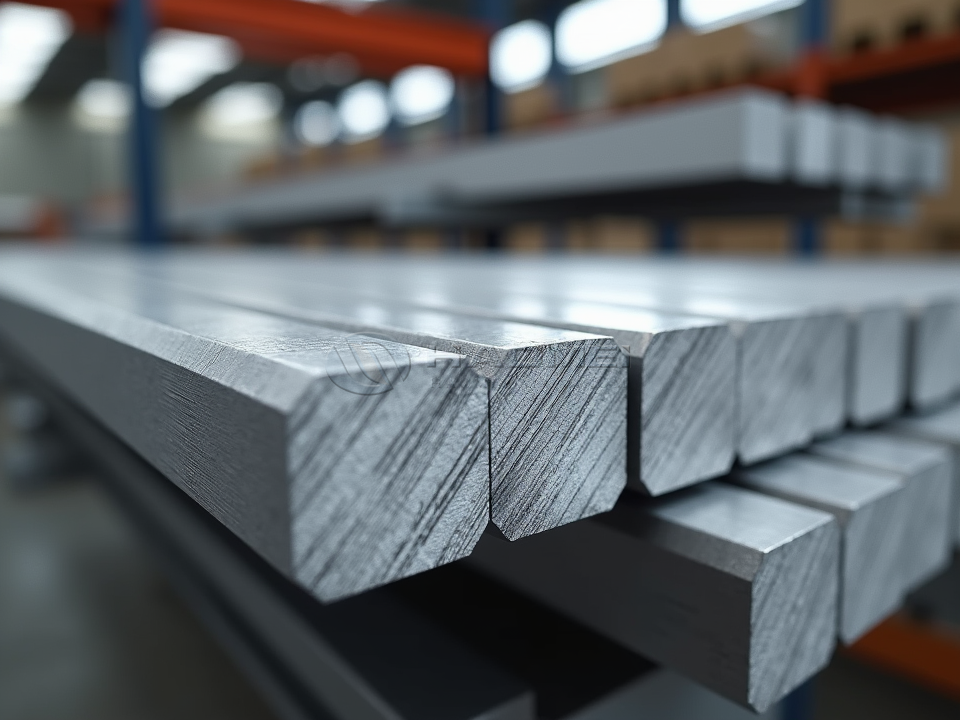
Marine Hull Reinforcement Uses
In hull structures, 6061 hollow bars are used where stiffness, alignment, and repeatable assembly matter. They can serve as longitudinal stiffeners, transverse support members, bulkhead edge reinforcements, and local strengthening profiles around openings. Their lower weight helps reduce stress concentration from heavy reinforcement and supports better balance in small and medium-sized vessels.
| Hull Area | Recommended Hollow Bar Form | Reason for Selection |
|---|---|---|
| Longitudinal stringers | Rectangular hollow bar | High bending stiffness along hull length |
| Transverse frames | Square or rectangular hollow bar | Easy joint fit-up and stable section geometry |
| Bulkhead reinforcement | Square hollow bar | Clean edge support and simple welding layout |
| Hatch and access openings | Rectangular hollow bar | Strong perimeter support with low weight |
| Engine room auxiliary frames | Thick-wall hollow section | Supports equipment loads and vibration control |
Deck Reinforcement Uses
Decks face concentrated loads from people, equipment, cleats, winches, seats, cranes, tanks, and impact. 6061 hollow bars create a rigid support grid under plates or composite panels. Their flat faces make them easier to clamp, weld, bolt, and align than many irregular sections.
| Deck Application | Performance Requirement | 6061 Hollow Bar Benefit |
|---|---|---|
| Deck beams | Deflection control | High stiffness with reduced mass |
| Seat and console bases | Local load support | Easy machining and bolting |
| Rail and guard supports | Strength plus appearance | Good anodizing and coating response |
| Hatch frames | Dimensional stability | Straight extrusion supports sealing surfaces |
| Gangways and platforms | Lightweight durability | Good fatigue and machining performance |
Corrosion and Surface Protection
6061 performs well in many marine atmospheres, splash-zone components, and deck structures, but it is not as naturally seawater-resistant as 5xxx alloys such as 5083 or 5086. For direct saltwater exposure, protective finishing and correct design practice are strongly recommended.
| Protection Method | Suitable Situation | Notes |
|---|---|---|
| Clear or hard anodizing | Rails, deck fittings, exposed frames | Improves surface hardness and appearance |
| Marine paint system | Hull-adjacent structures, deck supports | Best with proper pretreatment and primer |
| Powder coating | Visible deck structures | Durable finish, many color choices |
| Isolation pads or sleeves | Contact with stainless steel or carbon steel | Reduces galvanic corrosion risk |
| Drainage holes | Hollow sections in wet areas | Prevents trapped water and crevice corrosion |
Welding, Machining, and Fabrication
6061 hollow bars are highly machinable, making them suitable for prefabricated marine kits. Slots, drainage holes, threaded inserts, mounting patterns, and connection plates can be processed before delivery. Welding should be controlled because the heat-affected zone loses part of the T6 strength. Designers should consider joint location, reinforcement length, and load path rather than relying only on parent-metal properties.
Common filler choices include 5356 for better marine color match and strength, and 4043 where crack sensitivity and fluidity are priorities. After welding, surface cleaning, passivation-compatible pretreatment, and coating should be applied for long service life.
For projects requiring a wider range of marine profiles, Marine Grade Aluminum Bars can be combined with hollow sections to create complete reinforcement systems.
Comparison with Other Marine Aluminum Choices
| Alloy | Strength | Corrosion Resistance | Weldability | Best Use |
|---|---|---|---|---|
| 6061-T6 | High | Good with protection | Good | Deck frames, rails, machined supports |
| 5083 | Medium-high | Excellent | Excellent | Hull plating, tanks, high seawater exposure |
| 5086 | Medium | Excellent | Excellent | Workboat hulls, welded marine structures |
| 6063 | Medium | Good | Good | Decorative rails, light frames, anodized parts |
| 6082-T6 | High | Good | Good | Heavy-duty fittings and structural bars |
Selection Guide
| Design Requirement | Suggested Choice |
|---|---|
| Maximum stiffness with low weight | Rectangular 6061-T6 hollow bar with taller section height |
| Balanced strength in two directions | Square 6061-T6 hollow bar |
| Handrails or tubular guards | Round 6061-T6 hollow bar |
| Wet bilge or constant immersion | Consider 5xxx alloy or fully protected 6061 design |
| High cosmetic finish | Anodized or powder coated 6061 hollow bar |
| Heavy bolted equipment base | Thick-wall 6061 hollow bar with backing plates |
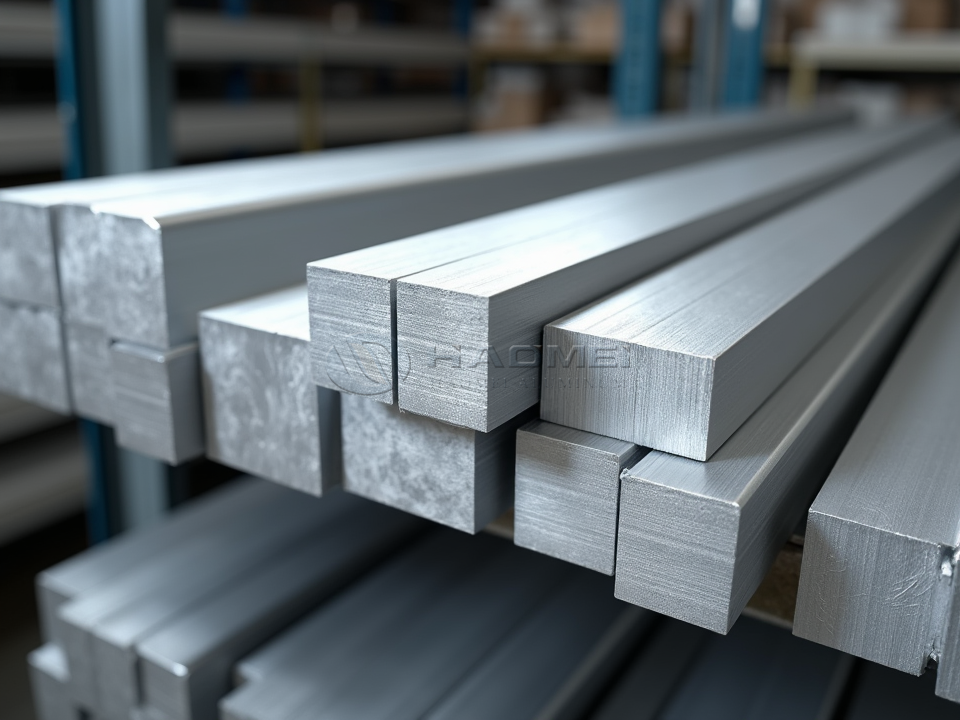
Value for Boatbuilders and Marine Fabricators
6061 marine aluminum hollow bars give fabricators a versatile reinforcement material that can be cut, welded, drilled, coated, and assembled with excellent efficiency. For hull and deck reinforcement, the hollow section helps reduce vessel weight while preserving structural stiffness. This combination supports faster production, easier installation, lower operating weight, and cleaner design execution.
When specified with the correct temper, wall thickness, coating system, and drainage details, 6061 hollow bars provide durable performance for modern marine construction, from small craft and pontoons to commercial vessel deck modules and offshore service structures.

Related Products
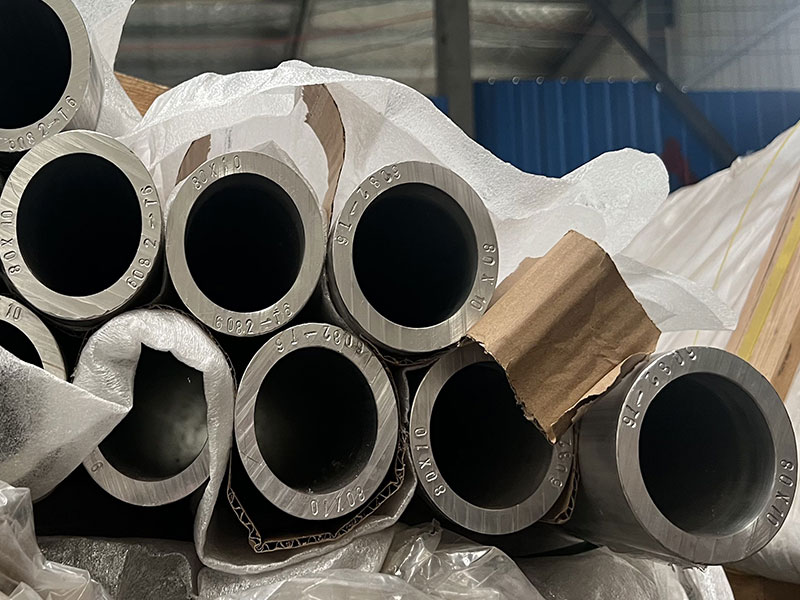
Marine aluminum hollow bars
Marine Grade Aluminum Hollow Bars are fabricated from high-quality alloys such as 5083, 5052, 6061, and 6082, all known for their exceptional resistance to seawater corrosion, salt spray, and marine atmospheres.
View Details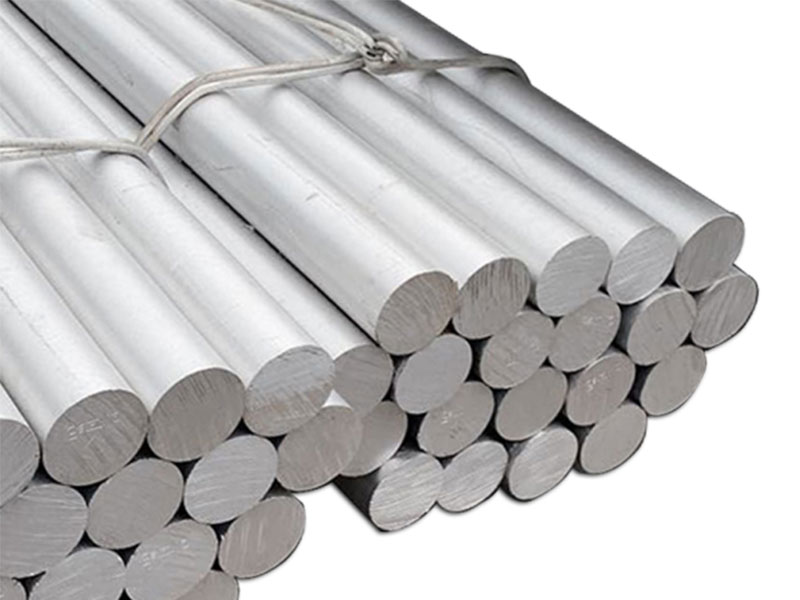
Marine grade aluminum solid bar
Marine Grade Aluminum Solid Bars are produced from premium aluminum alloys optimized for saltwater exposure, such as 5083, 5052, 6061, and 6082. These alloys offer unparalleled resistance to corrosion caused by seawater, salt spray, and marine atmospheres, while maintaining excellent mechanical strength and toughness.
View Details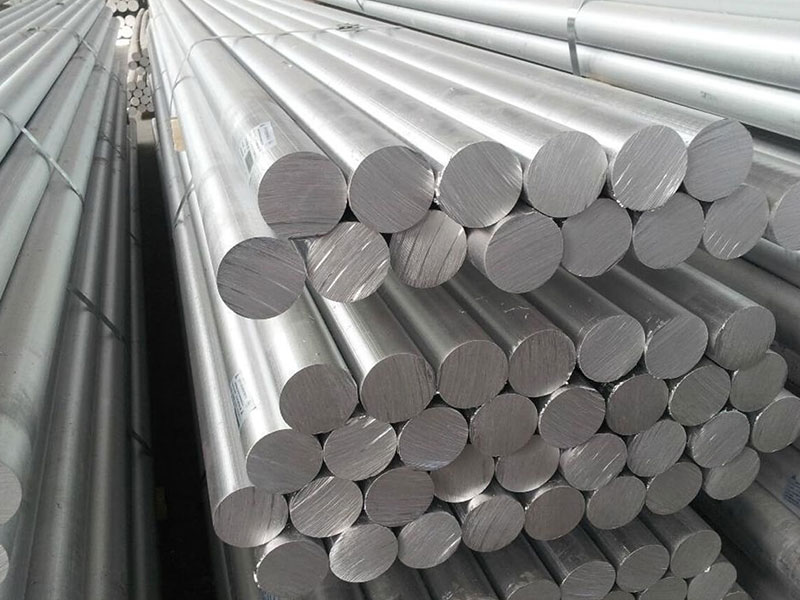
6082 marine aluminum rod & bar
6082 Aluminum Rods & Bars are extruded or rolled products manufactured from 6082 aluminum alloy — a thermally treated (typically T6 temper) aluminum-magnesium-silicon alloy that balances high tensile strength, good weldability, and excellent corrosion resistance.
View Details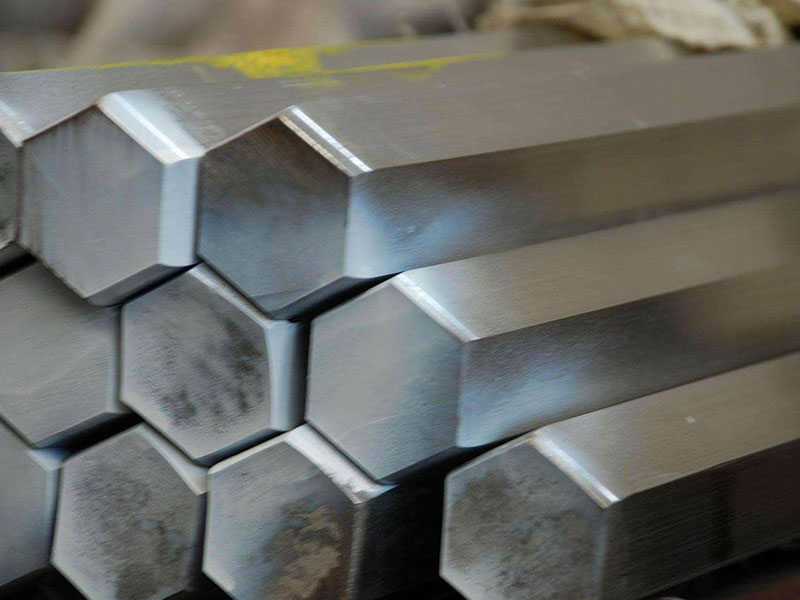
Marine aluminum hexagonal bars
Marine Grade Aluminum Hexagonal Bars are produced from premium corrosion-resistant aluminum alloys such as 5083, 5052, 6061, and 6082.
View DetailsRelated Blog
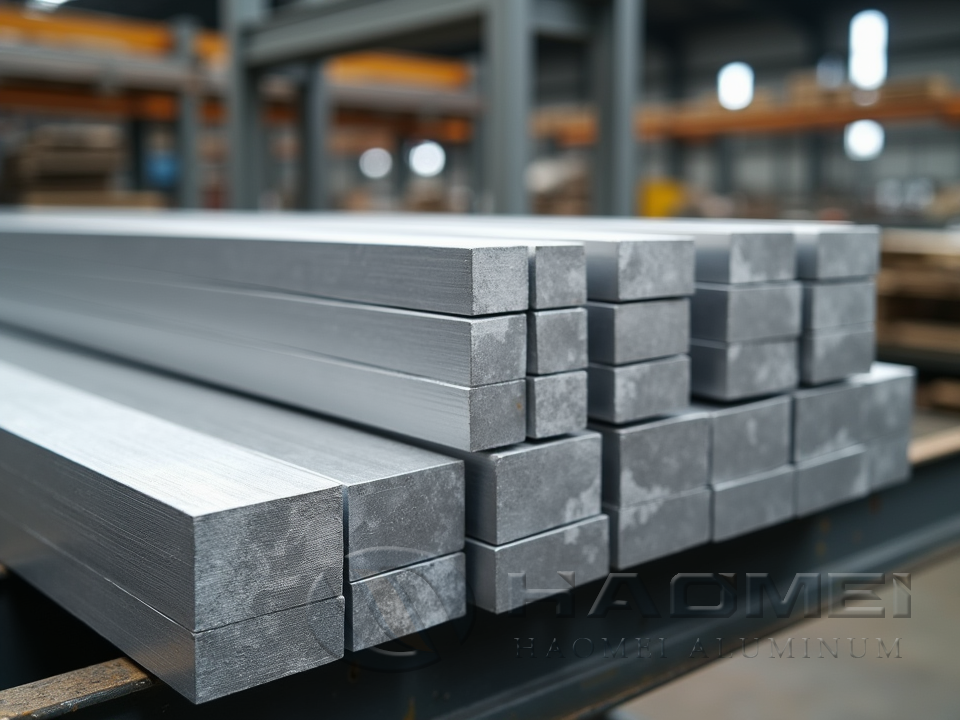
5052 Marine Aluminum Hexagonal Bars for Industrial Marine Fabrication
Practical guide to 5052 marine aluminum hexagonal bars, covering corrosion resistance, specifications, fabrication behavior, and industrial marine uses.
View Details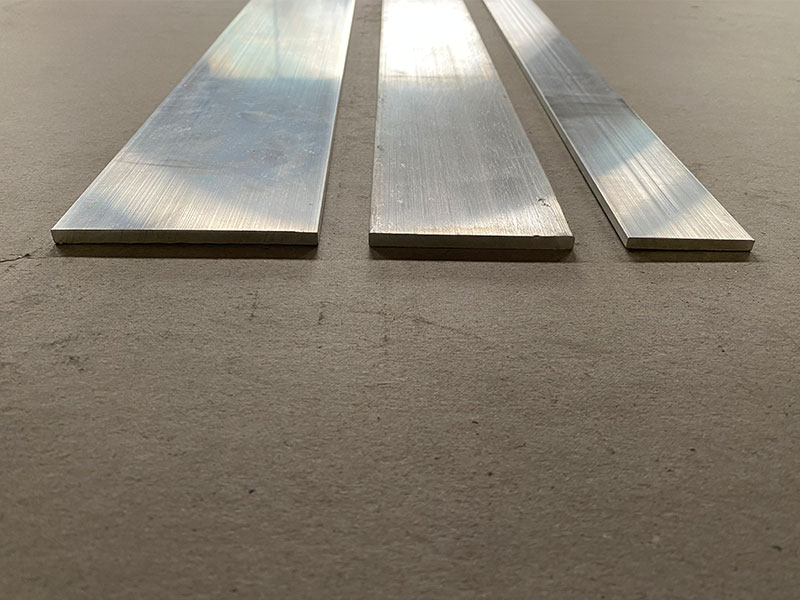
Marine Aluminum Hollow Bars for Custom Marine Equipment Reinforcement
Marine environments punish materials in quiet, relentless ways: salt spray creeps into joints, vibration works fasteners loose, and cyclic wave loading turns small stress risers into cracks.
View Details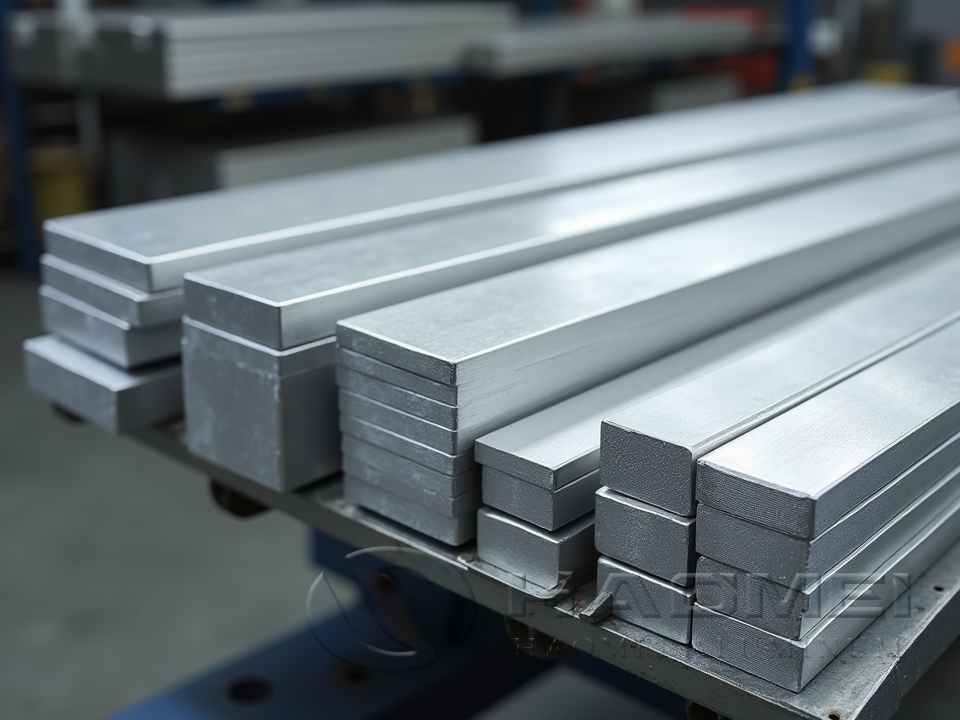
5052 Marine Aluminum Hollow Bars for Saltwater Proof Boat Reinforcements
5052 marine aluminum hollow bars provide corrosion-resistant, lightweight reinforcement for saltwater boat frames, decks, rails, and fittings.
View Details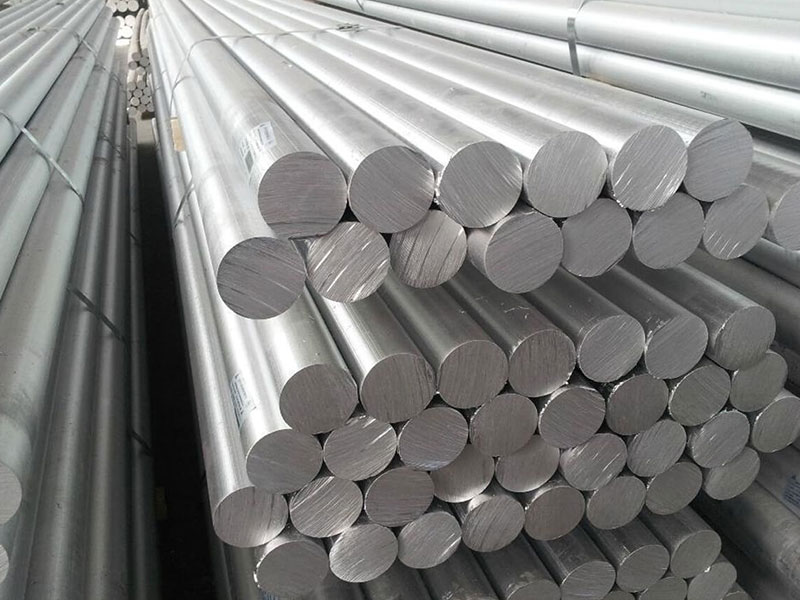
6082 Marine Grade Aluminum Solid Bar for Boat Deck Reinforcements
When it comes to marine vessel construction and refurbishment, selecting the right materials is vital for ensuring durability, performance, and safety. Among various options.
View Details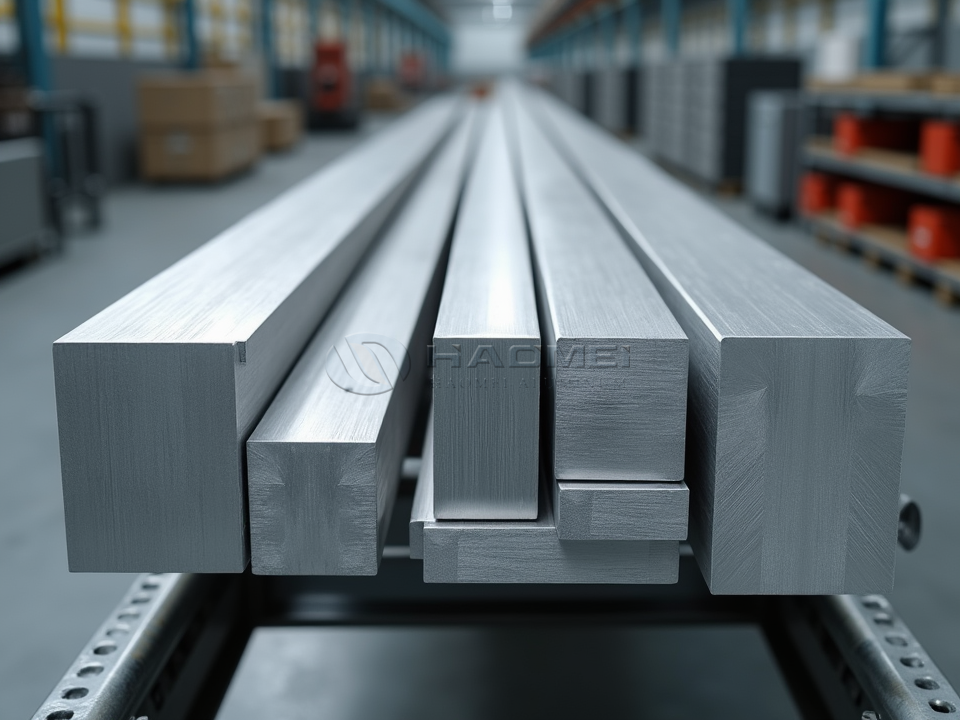
5083 Marine Aluminum Hollow Bars for High Strength Marine Engineering
Explore how 5083 marine aluminum hollow bars deliver strength, corrosion resistance, weldability, and weight savings for demanding sea structures.
View Details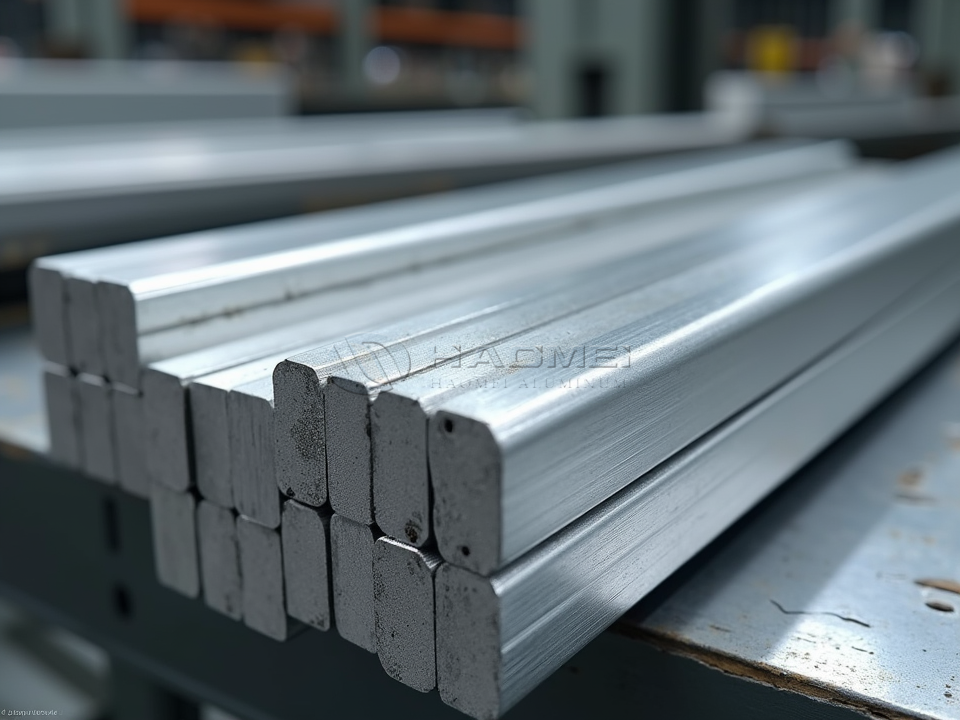
Marine Aluminum Hollow Bars for Custom Offshore Vessel Construction
Learn how marine aluminum hollow bars support lightweight, corrosion-resistant offshore vessel structures, fittings, piping supports, and custom machined parts.
View Details
Leave a Message