
5052 Marine Aluminum Hollow Bars for Offshore Structural Support
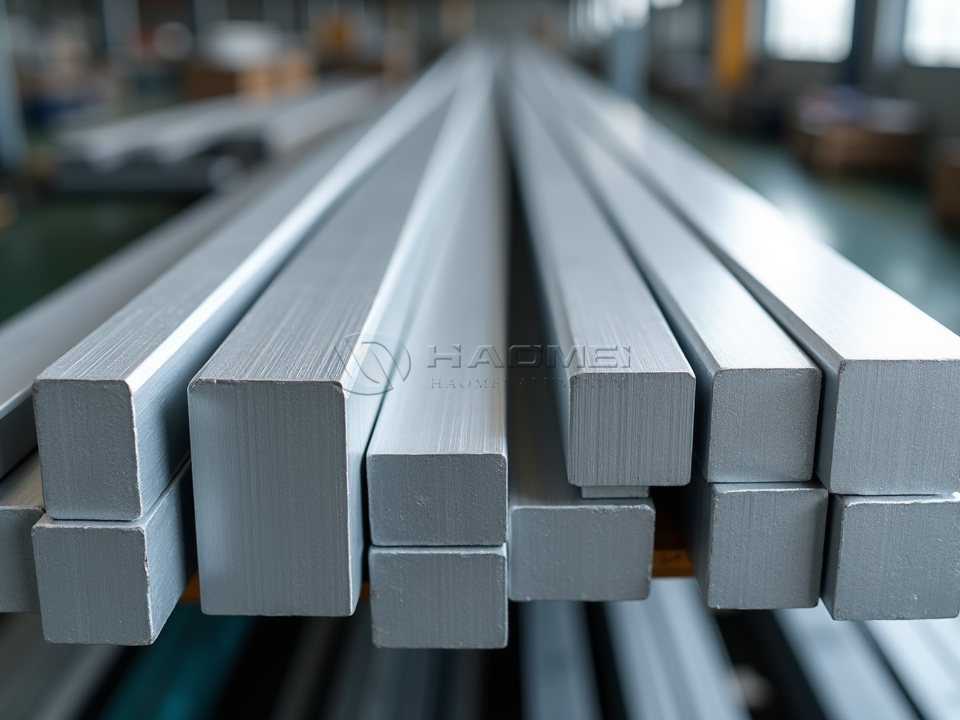
5052 marine aluminum hollow bars are engineered for offshore structures that need dependable strength, lower weight, and long-term resistance to saltwater exposure. Made from an Al-Mg alloy with excellent marine corrosion performance, these hollow bars are widely used in support frames, platform bracing, boat structures, access systems, and equipment mounting assemblies.
Unlike solid bars, hollow sections provide better stiffness-to-weight efficiency. This makes them practical for offshore projects where every kilogram affects lifting, installation, fuel use, and structural load planning. For designers working with coastal and ocean environments, 5052 hollow aluminum bars offer a balanced combination of formability, weldability, and seawater durability.
Product Profile
| Item | Description |
|---|---|
| Product name | 5052 marine aluminum hollow bar |
| Alloy | 5052 aluminum magnesium alloy |
| Common shapes | Square hollow bar, rectangular hollow bar, round hollow bar |
| Main temper options | O, H32, H34, H36, H38 |
| Surface condition | Mill finish, brushed, anodized, coated, cut-to-length |
| Primary environment | Marine, offshore, coastal, shipyard, dockside structures |
| Joining methods | MIG welding, TIG welding, riveting, bolting, mechanical fastening |
| Main benefit | Corrosion-resistant structural support with reduced weight |
5052 belongs to the 5xxx aluminum alloy family, where magnesium is the main strengthening element. It is not heat treatable, but it gains strength through strain hardening. This allows customers to select softer tempers for forming or harder tempers for improved strength.
For related profiles and alternative marine bar products, our Marine aluminum hollow bars range can support different offshore fabrication requirements.
Material Advantages for Offshore Use
Offshore structures face constant exposure to salt spray, humidity, wave impact, vibration, and temperature changes. 5052 aluminum hollow bars are suitable for these conditions because the alloy forms a stable oxide layer that helps protect the metal surface from corrosion.
| Advantage | Customer Value |
|---|---|
| High corrosion resistance | Performs well in seawater, salt spray, and coastal air |
| Lightweight structure | Reduces dead load on platforms, decks, vessels, and modules |
| Good weldability | Supports efficient fabrication in shipyards and offshore workshops |
| Strong fatigue behavior | Suitable for vibration-prone frames and support members |
| Excellent formability | Easier bending, cutting, drilling, and assembly than many harder alloys |
| Non-magnetic material | Useful for marine instruments, electrical housings, and sensitive systems |
| Clean surface finish | Suitable for anodizing, coating, or direct installation after fabrication |
5052 is often selected when corrosion resistance is more important than maximum tensile strength. For heavy-load applications requiring higher strength, engineers may compare it with 5083, 5086, 6061, or 6082. However, for many support frames, guard structures, lightweight bracing, and equipment bases, 5052 hollow bars provide an efficient and economical marine solution.
Chemical Composition
Typical chemical composition of 5052 aluminum is shown in the table. Actual values may vary slightly according to applicable standards and customer specifications.
| Element | Content, % |
|---|---|
| Aluminum, Al | Balance |
| Magnesium, Mg | 2.20-2.80 |
| Chromium, Cr | 0.15-0.35 |
| Iron, Fe | Max 0.40 |
| Silicon, Si | Max 0.25 |
| Manganese, Mn | Max 0.10 |
| Copper, Cu | Max 0.10 |
| Zinc, Zn | Max 0.10 |
| Other each | Max 0.05 |
| Other total | Max 0.15 |
The magnesium content gives 5052 its marine-grade corrosion resistance and moderate strength. Chromium helps improve resistance to stress corrosion and contributes to stable performance in demanding environments.
Mechanical Properties by Temper
| Temper | Tensile Strength, MPa | Yield Strength, MPa | Elongation, % | Typical Use |
|---|---|---|---|---|
| O | 170-215 | 65-90 | 14-22 | Bending, forming, complex fabrication |
| H32 | 210-260 | 150-190 | 8-14 | General marine frames and supports |
| H34 | 230-280 | 180-220 | 6-12 | Stronger brackets, rails, light bracing |
| H36 | 250-300 | 200-240 | 4-10 | Higher stiffness structural members |
| H38 | 260-320 | 220-260 | 3-8 | Rigid supports with limited forming |
The best temper depends on the fabrication process and service load. H32 and H34 are commonly used for offshore structural support because they provide a practical balance between strength, weldability, and workability.
Technical Specifications
| Parameter | Available Range or Option |
|---|---|
| Outside dimension | 10 mm-300 mm, depending on shape |
| Wall thickness | 1 mm-30 mm or custom design |
| Length | 1,000 mm-6,000 mm standard, custom lengths available |
| Shape tolerance | According to EN, ASTM, or project drawing |
| Straightness | Commonly less than 1.5 mm/m, tighter tolerance by request |
| Cut tolerance | ±0.5 mm to ±3 mm depending on length and section |
| Surface roughness | Mill finish or improved finish after processing |
| Density | Approx. 2.68 g/cm³ |
| Melting range | Approx. 607-650°C |
| Electrical conductivity | Approx. 33-35% IACS |
| Thermal conductivity | Approx. 138 W/m·K |
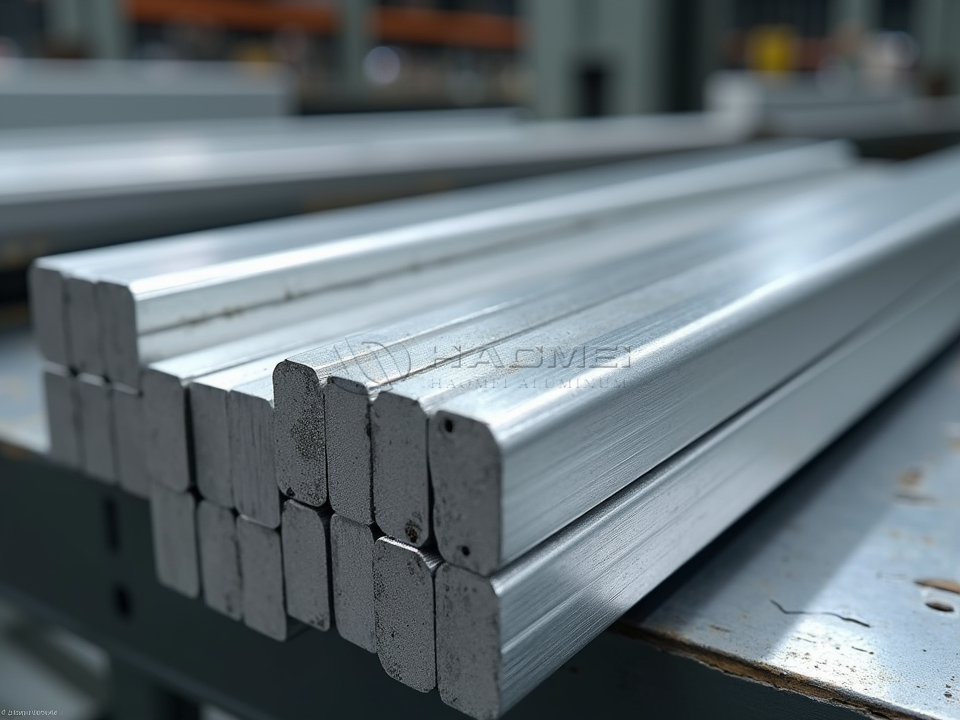
Hollow bars can be supplied as extruded, drawn, precision cut, deburred, or surface treated. For offshore support frames, rectangular and square hollow bars are often preferred because they provide flat mounting surfaces and easier alignment during welding.
Common Shapes and Structural Behavior
| Shape | Structural Benefit | Typical Offshore Use |
|---|---|---|
| Square hollow bar | Balanced stiffness in both axes | Deck frames, equipment bases, guard supports |
| Rectangular hollow bar | Higher stiffness in one direction | Longitudinal beams, side rails, bracing members |
| Round hollow bar | Smooth stress distribution and clean appearance | Handrails, pipe guards, marine ladders |
| Custom hollow profile | Optimized installation geometry | Modular offshore assemblies and special brackets |
The hollow geometry helps resist bending while reducing weight compared with solid aluminum bars. This can simplify lifting operations and reduce stress on connected structures.
Offshore and Marine Applications
5052 marine aluminum hollow bars are used in a wide range of saltwater and coastal engineering projects.
| Application Area | Typical Components |
|---|---|
| Offshore platforms | Secondary supports, access frames, cable tray supports |
| Boat and vessel construction | Deck framing, cabin supports, rail structures, hatch reinforcement |
| Floating docks | Structural rails, connector frames, gangway supports |
| Marine equipment | Mounting bases, protective guards, equipment enclosures |
| Coastal infrastructure | Walkways, service platforms, corrosion-resistant support members |
| Aquaculture systems | Floating cage frames, net support structures, maintenance platforms |
| Shipyard fabrication | Temporary frames, jigs, lightweight structural assemblies |
Because 5052 aluminum performs well in marine atmospheres, it can reduce maintenance frequency compared with unprotected carbon steel. When used with proper design practices, drainage, compatible fasteners, and suitable coatings, it can deliver long service life in harsh offshore conditions.
Fabrication and Welding Guidance
5052 hollow bars are easy to cut, drill, machine, and weld. MIG and TIG welding are commonly used. Suitable filler metals include 5356 and 5554, depending on design requirements and corrosion considerations.
| Fabrication Process | Recommendation |
|---|---|
| Cutting | Use carbide saws, CNC cutting, or abrasive cutting with burr removal |
| Drilling | Apply sharp tools and proper chip evacuation |
| Welding | Use clean surfaces and marine-compatible filler wire |
| Bending | Select O or H32 temper for improved forming behavior |
| Fastening | Use stainless steel or aluminum-compatible fasteners with isolation if needed |
| Surface protection | Anodizing, powder coating, or marine paint can improve appearance and service life |
To prevent galvanic corrosion, aluminum should be isolated from copper, carbon steel, and other dissimilar metals in wet service. Non-conductive washers, sealants, or barrier coatings are often used in offshore assemblies.
Quality Inspection Items
| Inspection Item | Purpose |
|---|---|
| Chemical analysis | Confirms alloy grade and marine suitability |
| Dimension inspection | Verifies outside size, wall thickness, and length |
| Surface check | Detects dents, scratches, oxidation, and handling marks |
| Mechanical testing | Confirms tensile strength, yield strength, and elongation |
| Straightness testing | Ensures easy alignment during fabrication |
| Packaging inspection | Protects bars during transport and storage |
Products can be supplied with mill test certificates, dimensional reports, and traceability records according to project requirements.
Why Choose 5052 Hollow Bars for Offshore Support
5052 marine aluminum hollow bars are a practical choice for projects requiring corrosion resistance, moderate strength, and efficient structural weight. They are especially suitable for secondary support systems, modular marine frames, walkways, brackets, and equipment protection structures.
By combining marine-grade chemistry with hollow-section efficiency, 5052 aluminum helps offshore builders create lighter, cleaner, and longer-lasting structures. For customers seeking dependable performance in saltwater environments, 5052 hollow bars offer a strong balance of durability, fabrication flexibility, and lifecycle value.

Related Products
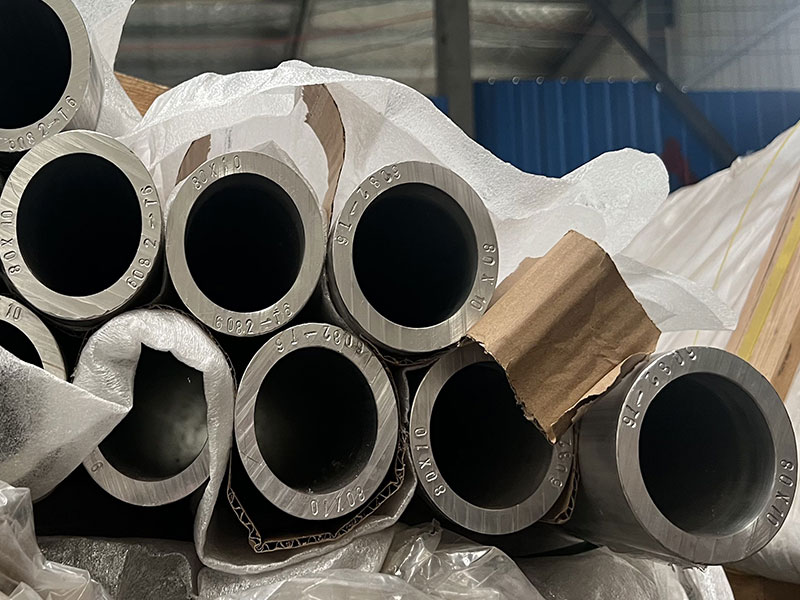
Marine aluminum hollow bars
Marine Grade Aluminum Hollow Bars are fabricated from high-quality alloys such as 5083, 5052, 6061, and 6082, all known for their exceptional resistance to seawater corrosion, salt spray, and marine atmospheres.
View Details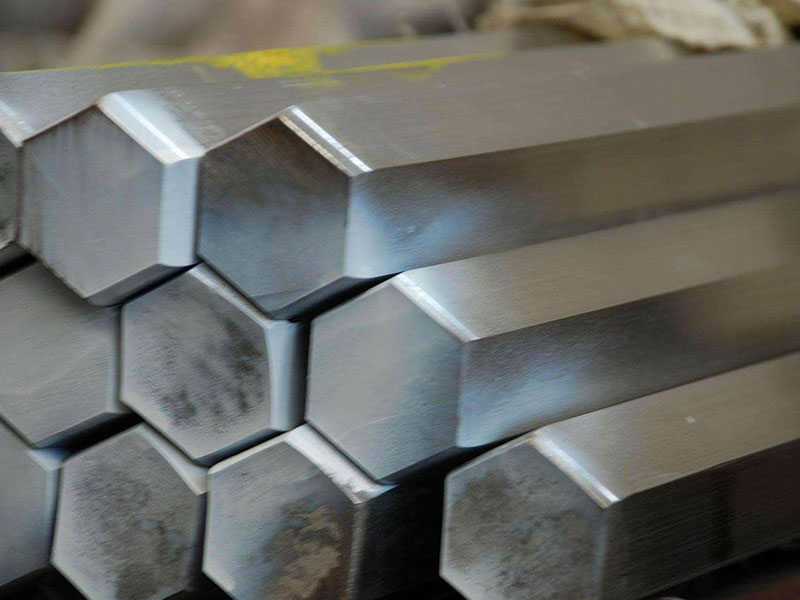
Marine aluminum hexagonal bars
Marine Grade Aluminum Hexagonal Bars are produced from premium corrosion-resistant aluminum alloys such as 5083, 5052, 6061, and 6082.
View Details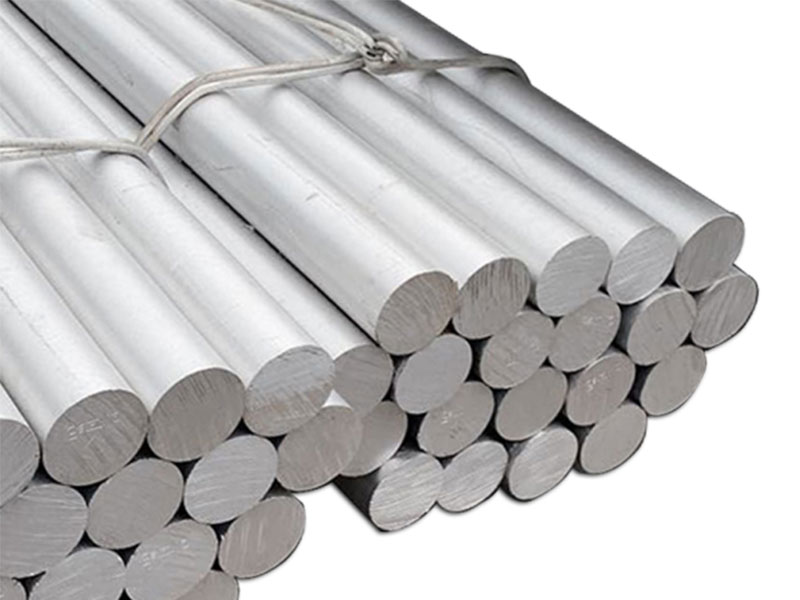
Marine grade aluminum solid bar
Marine Grade Aluminum Solid Bars are produced from premium aluminum alloys optimized for saltwater exposure, such as 5083, 5052, 6061, and 6082. These alloys offer unparalleled resistance to corrosion caused by seawater, salt spray, and marine atmospheres, while maintaining excellent mechanical strength and toughness.
View Details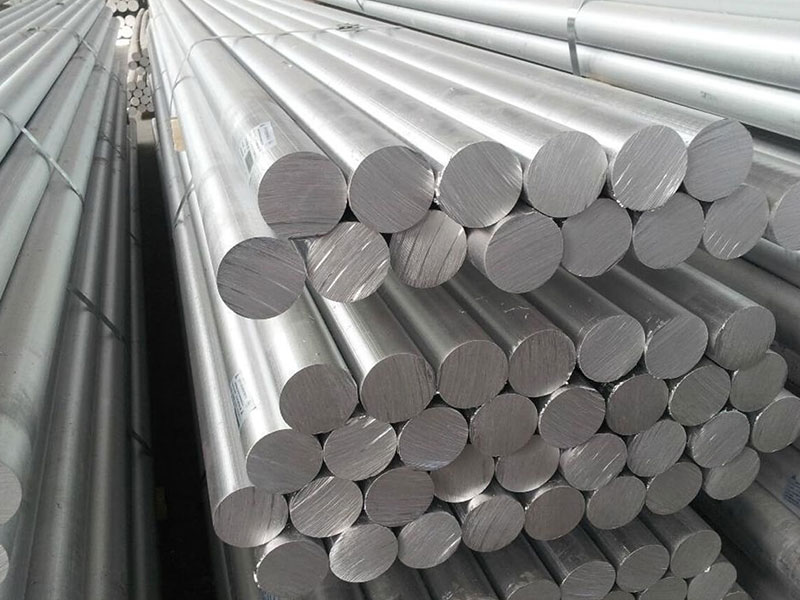
6082 marine aluminum rod & bar
6082 Aluminum Rods & Bars are extruded or rolled products manufactured from 6082 aluminum alloy — a thermally treated (typically T6 temper) aluminum-magnesium-silicon alloy that balances high tensile strength, good weldability, and excellent corrosion resistance.
View DetailsRelated Blog
5083 Marine Grade Aluminum Solid Bar for Offshore Vessel Frame Parts
In the demanding environment of offshore vessels, structural integrity, durability, and corrosion resistance are critical factors that determine overall vessel performance and safety.
View Details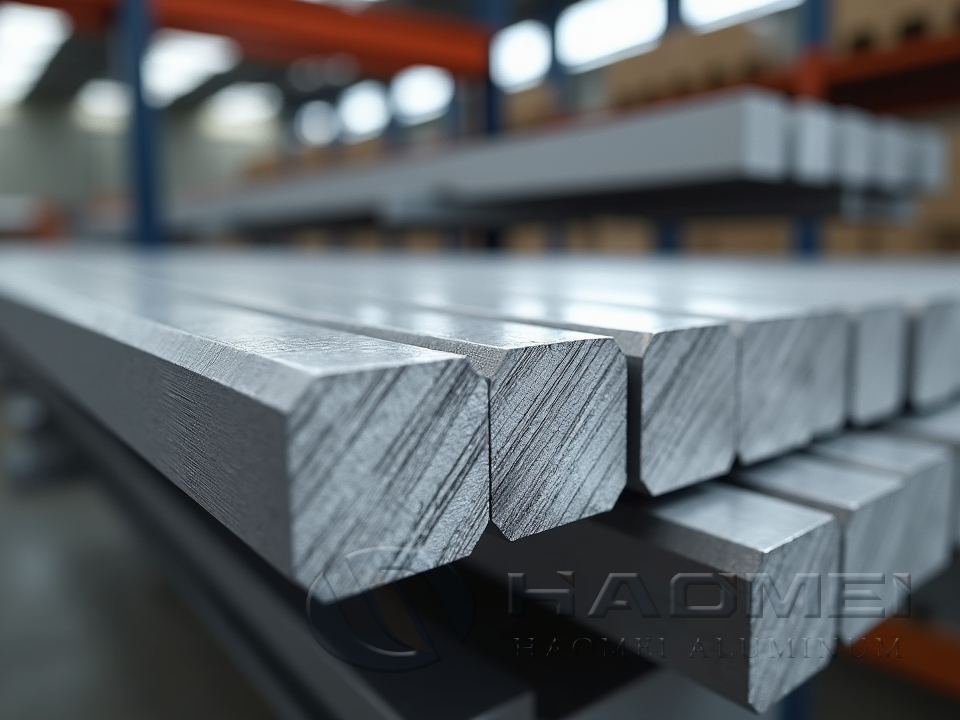
6061 Marine Aluminum Hexagonal Bars for Lightweight Marine Equipment Parts
Technical guide to 6061 marine aluminum hexagonal bars for lightweight boat parts, covering standards, tempers, corrosion data, and uses.
View Details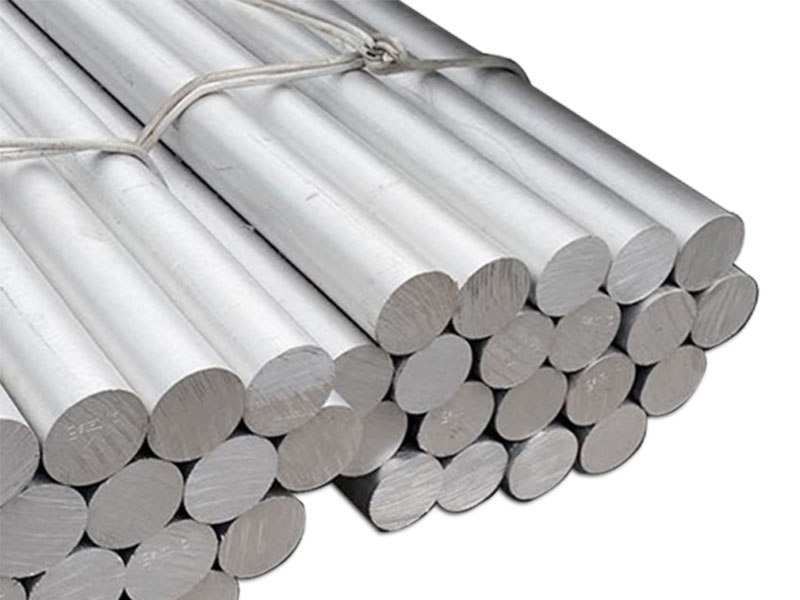
5083 Marine Aluminum Bar for Saltwater Corrosion Resistant Boat Frames
In the demanding marine environment, selecting the right materials for boat frames is vital to ensuring longevity, performance, and safety. Among the myriad of alloys.
View Details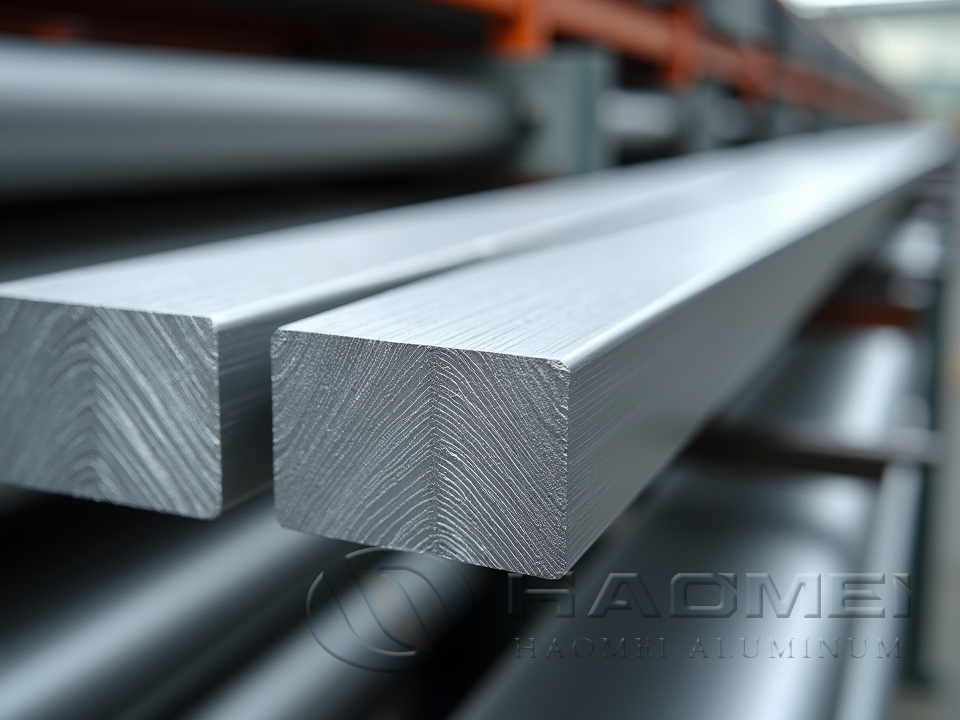
5083 Marine Aluminum Hexagonal Bars for Durable Marine Engineering Parts
5083 marine aluminum hexagonal bars deliver seawater resistance, machinability, and stable strength for boat fittings, shafts, brackets, and deck parts.
View Details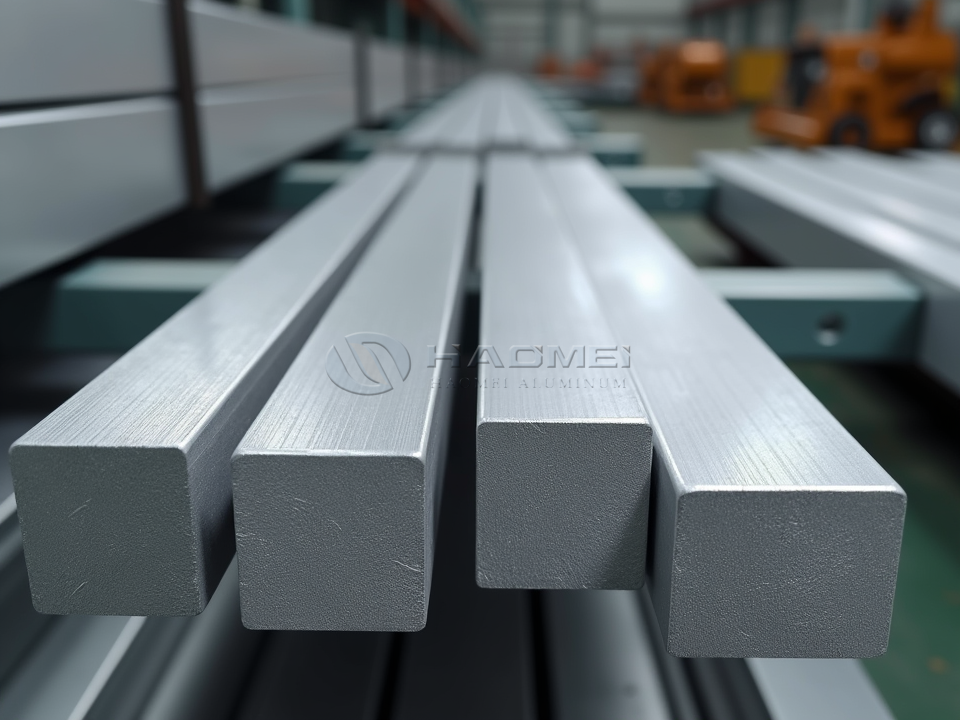
Marine Aluminum Hollow Bars for Boat Frame and Deck Reinforcement
Marine aluminum hollow bars provide lightweight, corrosion-resistant strength for reinforced boat frames, deck beams, rails, and structural supports.
View Details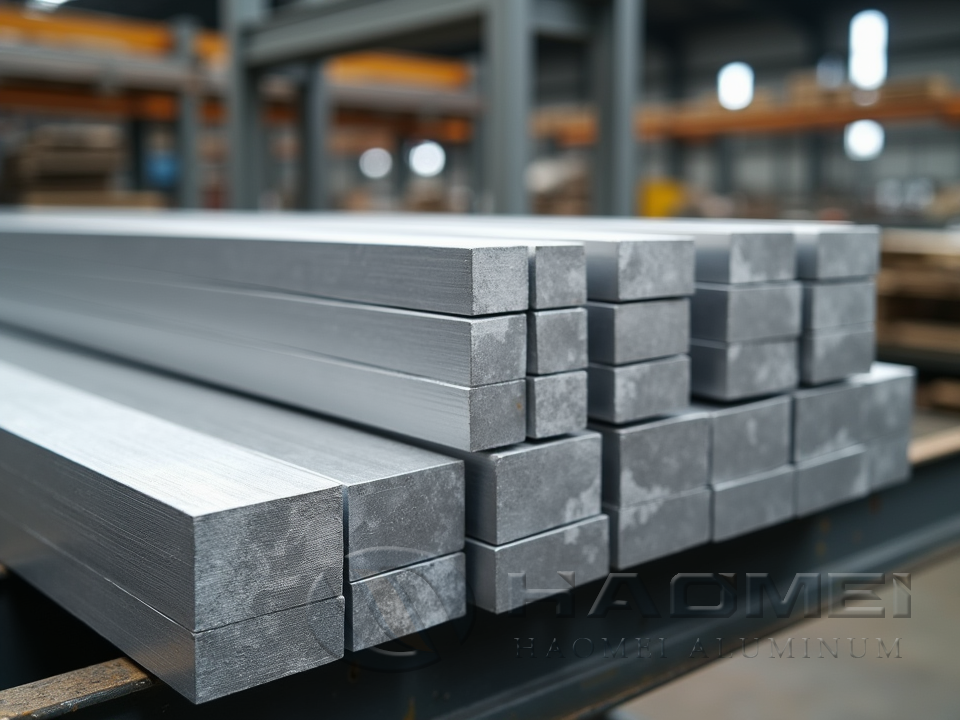
5052 Marine Aluminum Hexagonal Bars for Industrial Marine Fabrication
Practical guide to 5052 marine aluminum hexagonal bars, covering corrosion resistance, specifications, fabrication behavior, and industrial marine uses.
View Details
Leave a Message