
5083 Marine Aluminum Hollow Bars for High Strength Marine Engineering
In marine engineering, strength is not only about making a part thicker. On a vessel, every kilogram has a job. Extra weight raises fuel use, changes trim, slows handling, and makes installation harder. This is where 5083 marine aluminum hollow bars deserve serious attention. They are not simply bars with a hole through the center; they are a smart use of metal, placing material where stress is highest while removing mass where it contributes less.
For designers, fabricators, and boatyards, that difference can influence everything from deck hardware to support frames, access platforms, guard structures, lifting components, and custom marine fittings. A hollow section made from 5083 aluminum can provide a valuable balance of strength, corrosion resistance, and fabrication efficiency in saltwater environments.
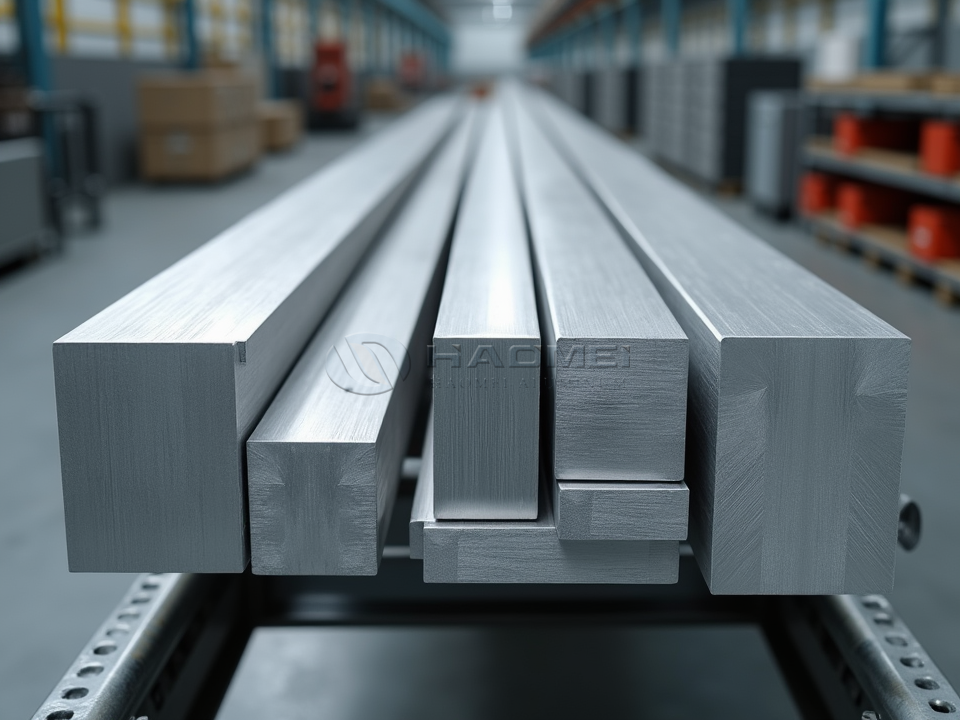
The Value Is in the Empty Space
A solid bar feels reassuring in the hand, but marine structures do not work by feeling. They work through load paths, bending resistance, fatigue behavior, and long-term exposure. In many applications, a hollow bar can resist bending and torsion very effectively because the metal is positioned away from the centerline, where it contributes more to stiffness.
This matters in boatbuilding and offshore work. A handrail post, frame support, spacer sleeve, hinge tube, steering component, or protective structure may need to resist bending without adding unnecessary deadweight. When 5083 marine aluminum hollow bars are specified correctly, the hollow center becomes an engineering advantage rather than a compromise.
The result is a part that can be easier to handle, easier to install, and better suited for weight-sensitive marine assemblies. For customers ordering cut lengths or machined parts, this can also reduce processing time when the final component already needs an internal bore.
Why 5083 Performs So Well at Sea
5083 aluminum is an aluminum-magnesium alloy with manganese additions. It is widely respected in marine service because it combines high strength for a non-heat-treatable alloy with excellent resistance to seawater corrosion. Unlike many heat-treated aluminum grades, 5083 does not depend on a T6 temper to provide its practical performance.
That is important near welds. In marine fabrication, welding is everywhere: brackets, frames, ladders, supports, hull-related structures, deck fittings, and repair assemblies. Some heat-treated alloys lose a noticeable amount of strength in the heat-affected zone after welding. 5083 generally retains useful welded strength and remains a trusted choice for fabricated marine structures.
Common tempers such as H111, H112, H116, and H321 may be selected depending on forming, strength, and corrosion-resistance requirements. For harsh seawater duty, H116 and H321 are often considered when resistance to exfoliation and stress corrosion behavior is a concern. Customers should confirm the temper, standard, and test requirements before ordering, especially for classed vessels or offshore projects.
Hollow Bars as Problem Solvers, Not Just Stock Shapes
Many buyers think of bar products as raw material waiting to become something else. A more practical view is to see 5083 hollow bar as a near-shape starting point. If the finished part needs a bore, sleeve, passage, pivot, standoff, roller core, or tubular connector, using hollow stock can reduce machining waste and shorten production.
For example, a solid round bar may need deep drilling before it becomes a bushing or spacer. That drilling consumes tool life, time, coolant, and metal. A hollow bar begins closer to the final geometry. The fabricator can focus on facing, boring to tolerance, turning the outer diameter, grooving, welding preparation, or surface finishing.
This is especially helpful for small batches and repair work, where speed matters and full custom extrusion may not be practical. For broader product selection, buyers often compare hollow products with Marine Grade Aluminum Bars to match the best form to the actual load and machining plan.
Where 5083 Hollow Bars Fit in Marine Engineering
5083 marine aluminum hollow bars are suitable for demanding sea-facing parts where corrosion resistance and weight control must work together. They can be used in deck structures, ladder and platform systems, marine frames, hatch and door mechanisms, davit support parts, pontoon components, equipment mounts, pipe-like structural members, and heavy-duty sleeves.
They are also valuable in welded assemblies where strength after fabrication matters. In shipyards, practical material choice is often about reducing surprises. 5083 is familiar to many marine fabricators, welders, and inspectors, which helps communication during production.
The hollow format also suits parts exposed to repeated handling or vibration. The section can resist torsion well, and the reduced weight is easier on surrounding fasteners and welded joints. For hardware systems that include pins, supports, and connectors, related products such as Marine grade aluminum solid bar may be used alongside hollow bars where full-section bearing strength is required.
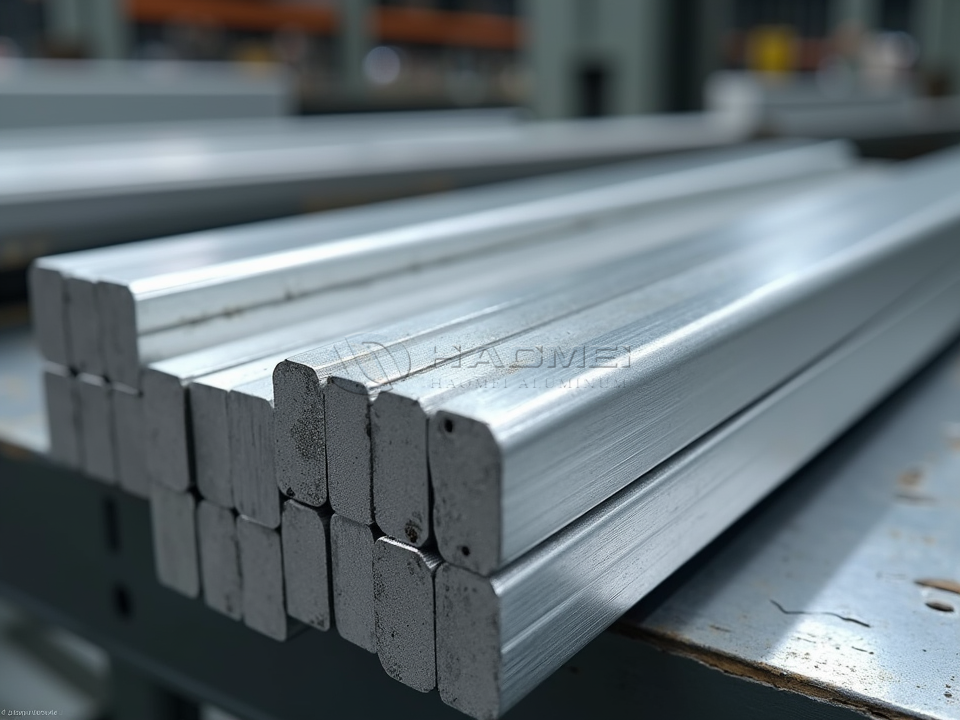
Comparing 5083 with 6061, 6082, and 5086
Marine buyers often ask why they should choose 5083 instead of 6061 or 6082. The answer depends on exposure, welding, and required mechanical behavior. 6061-T6 and 6082-T6 are strong and machine well, making them popular for fittings and precision parts. However, welded zones can lose T6 strength unless proper post-weld treatment is possible, which is not always convenient for large marine assemblies.
5083 is different. It is not chosen because it is the easiest alloy for every machining job. It is chosen because it gives strong marine performance in welded, saltwater-exposed structures. It also has higher strength than 5052 in many comparable conditions, making it a better candidate for heavier-duty engineering.
5086 is another respected marine alloy, also known for corrosion resistance and weldability. In many projects, 5083 may be preferred when higher strength is desired, while 5086 may be selected for certain forming or fabrication preferences. The final selection should be based on drawings, loading, fabrication route, and inspection requirements.
Practical Buying Details Customers Should Check
When ordering 5083 marine aluminum hollow bars, dimensions are only the starting point. Outer diameter, inner diameter, wall thickness, straightness, length tolerance, surface condition, and temper all affect performance and processing cost. A small mismatch in wall thickness can change machining allowance or load capacity, especially for sleeves, rollers, or structural supports.
Customers should also consider whether the part will be welded, anodized, painted, polished, or left as mill finish. 5083 can be protected further with suitable marine coatings, but many applications value its natural corrosion resistance. If the part is installed near stainless steel, copper alloys, or carbon steel, galvanic corrosion prevention should be planned with insulation, sealants, washers, or coating systems.
For cut-to-size orders, it is helpful to specify whether saw-cut ends are acceptable or whether facing is required. If the part will be CNC machined, leave enough stock for final finishing. If the hollow bar will be welded into a sealed assembly, drainage and ventilation holes may be necessary to prevent trapped moisture or pressure buildup during welding.
Fabrication Notes from the Workshop Floor
5083 welds well with proper filler selection and procedure. Common filler choices may include 5183, 5356, or 5556, depending on design requirements and service conditions. Cleanliness is essential. Marine aluminum surfaces should be free from oil, oxide, marking fluid, and shop contamination before welding.
Machining 5083 is manageable, though it behaves differently from free-machining alloys. Sharp tools, suitable cutting speeds, stable clamping, and proper chip control improve finish quality. Because hollow bars can deform if clamped too aggressively, soft jaws, mandrels, or balanced fixturing may be useful for precision work.
For bending or forming, the wall thickness, radius, temper, and equipment capability must be considered. Not every hollow bar is intended to be bent after purchase. If forming is part of the plan, discuss it before ordering rather than discovering limits on the shop floor.
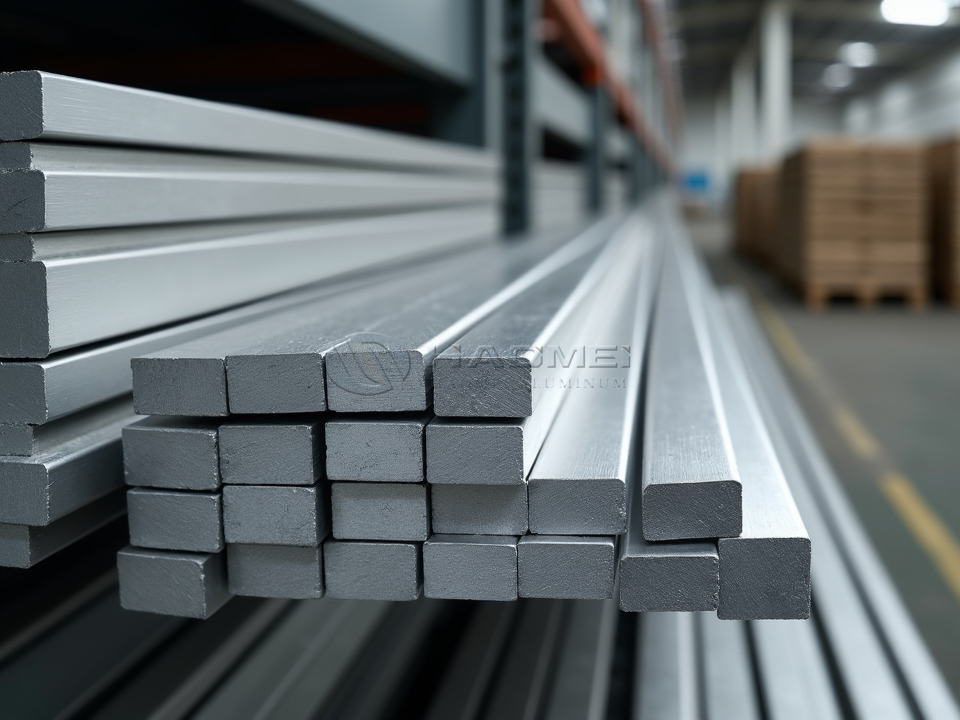
A Material Choice That Supports Better Boats
The best marine components often look simple after installation. A support tube, spacer, railing post, sleeve, or frame member may not attract attention, but it helps the vessel stay safe, serviceable, and efficient. 5083 marine aluminum hollow bars are valuable because they support that quiet reliability.
They reduce weight without giving up useful strength. They resist saltwater better than many general-purpose materials. They weld into marine assemblies with confidence. They also help fabricators save time when the final component already needs a hollow center.
For customers, the right question is not only whether 5083 is strong enough. It is whether the material form, temper, wall thickness, and fabrication route match the real conditions at sea. When those details are aligned, 5083 marine aluminum hollow bars become more than stock metal. They become a practical route to stronger, lighter, longer-lasting marine engineering.

Related Products
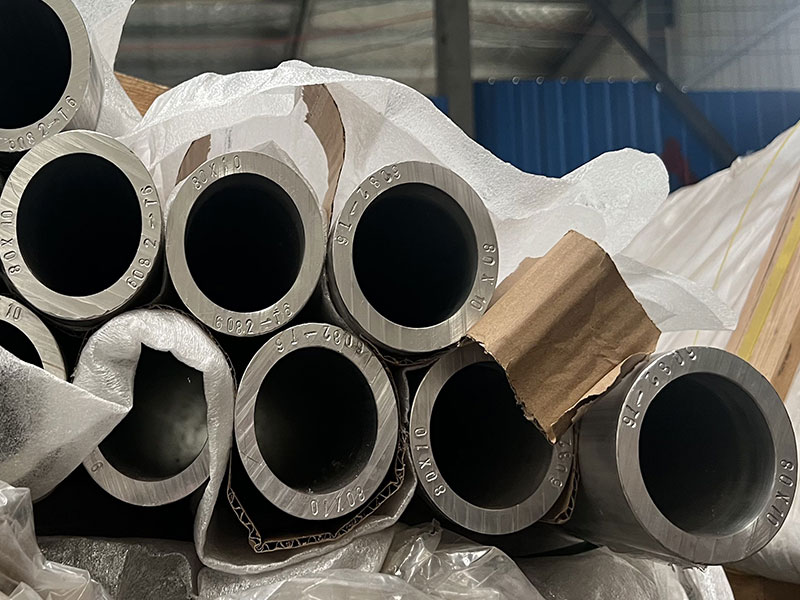
Marine aluminum hollow bars
Marine Grade Aluminum Hollow Bars are fabricated from high-quality alloys such as 5083, 5052, 6061, and 6082, all known for their exceptional resistance to seawater corrosion, salt spray, and marine atmospheres.
View Details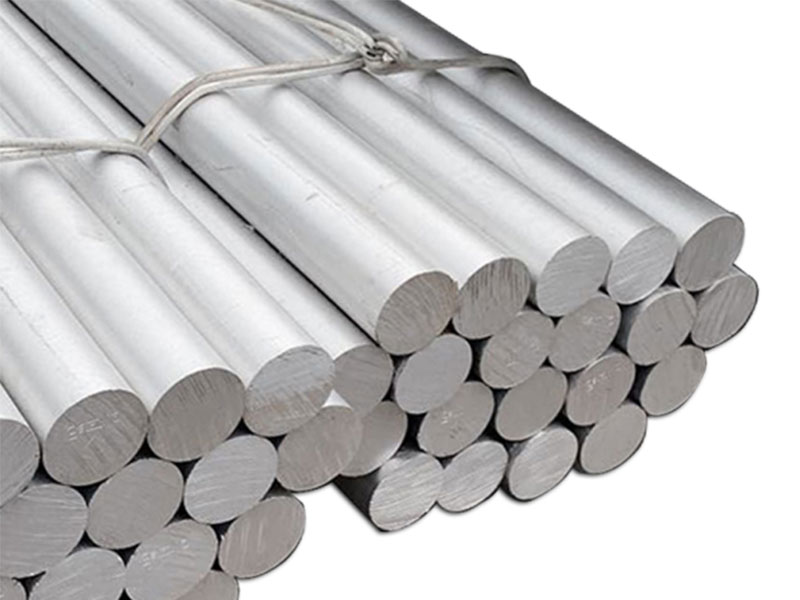
Marine grade aluminum solid bar
Marine Grade Aluminum Solid Bars are produced from premium aluminum alloys optimized for saltwater exposure, such as 5083, 5052, 6061, and 6082. These alloys offer unparalleled resistance to corrosion caused by seawater, salt spray, and marine atmospheres, while maintaining excellent mechanical strength and toughness.
View Details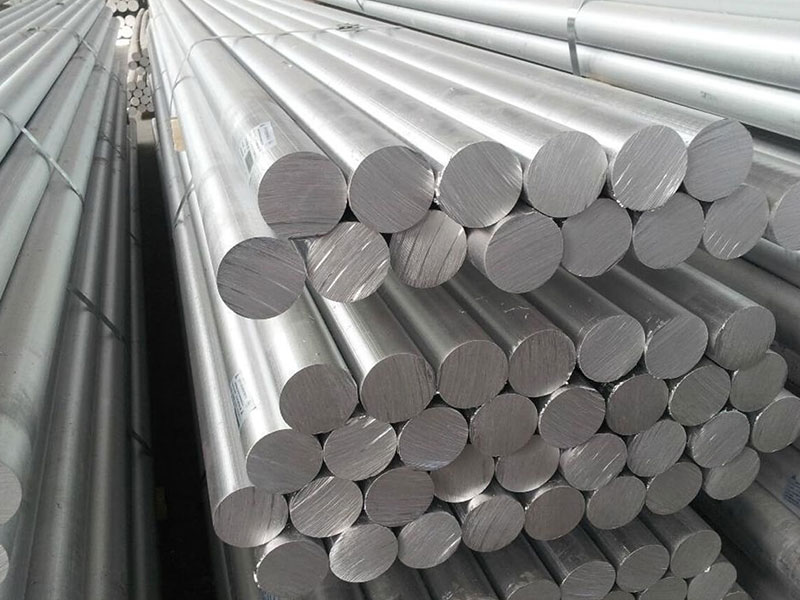
6082 marine aluminum rod & bar
6082 Aluminum Rods & Bars are extruded or rolled products manufactured from 6082 aluminum alloy — a thermally treated (typically T6 temper) aluminum-magnesium-silicon alloy that balances high tensile strength, good weldability, and excellent corrosion resistance.
View Details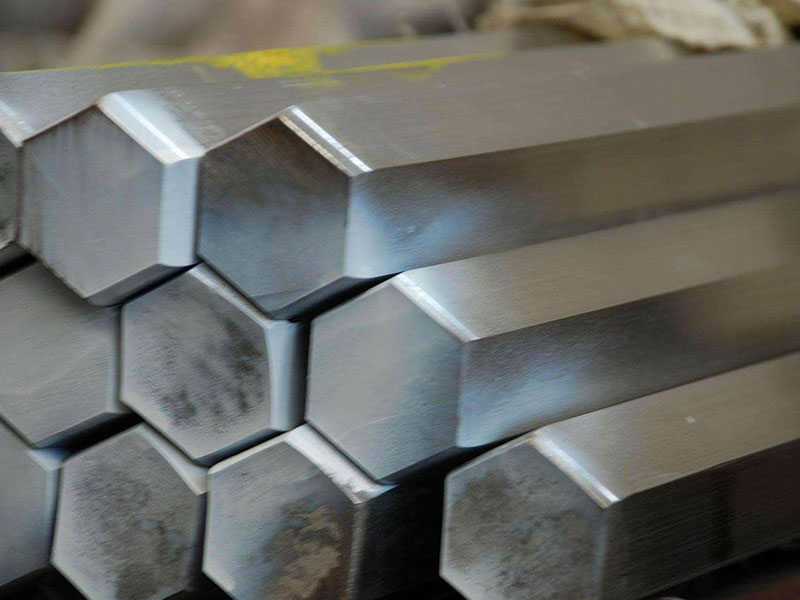
Marine aluminum hexagonal bars
Marine Grade Aluminum Hexagonal Bars are produced from premium corrosion-resistant aluminum alloys such as 5083, 5052, 6061, and 6082.
View DetailsRelated Blog
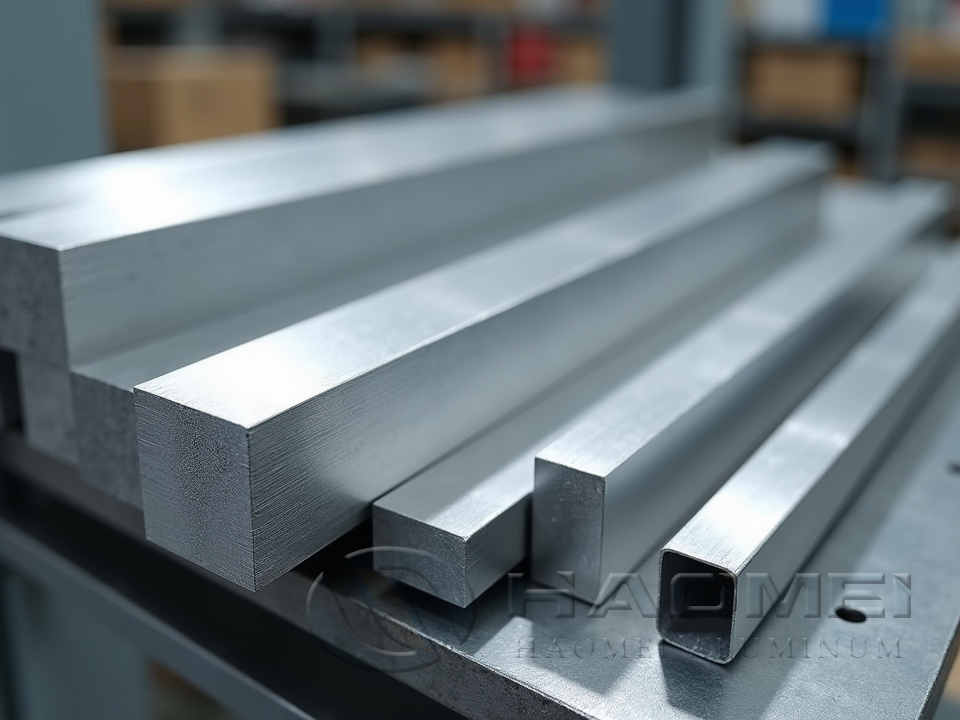
6082 Marine Aluminum Hexagonal Bars for Offshore Platform Construction
Explore 6082 marine aluminum hexagonal bars for offshore platforms, with T6 strength, corrosion resistance, machining data, uses, and specs.
View Details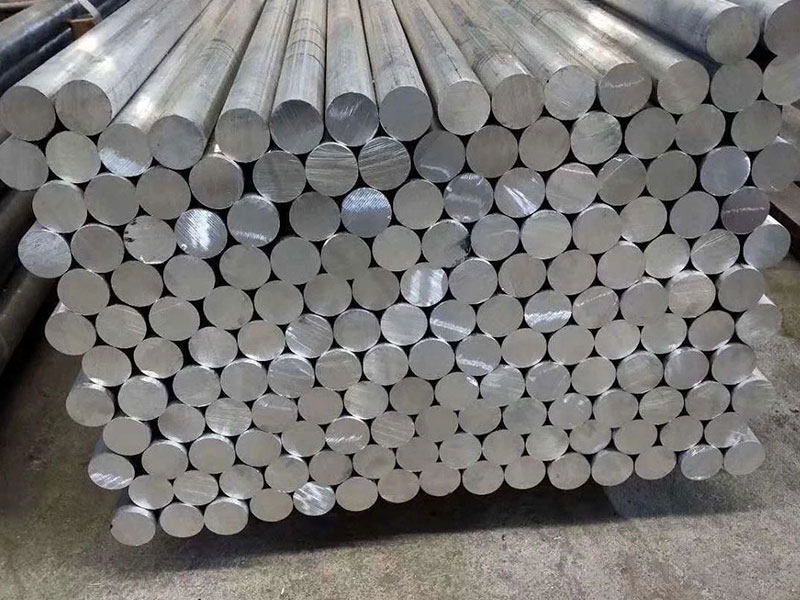
5083 Marine Grade Aluminum Solid Bar for Custom Marine Construction
The 5083 Marine Grade Aluminum Solid Bar is a highly regarded alloy, specifically designed to meet the stringent demands of the marine environment. Renowned for its exceptionally high resistance to corrosion, strength, and weldability.
View Details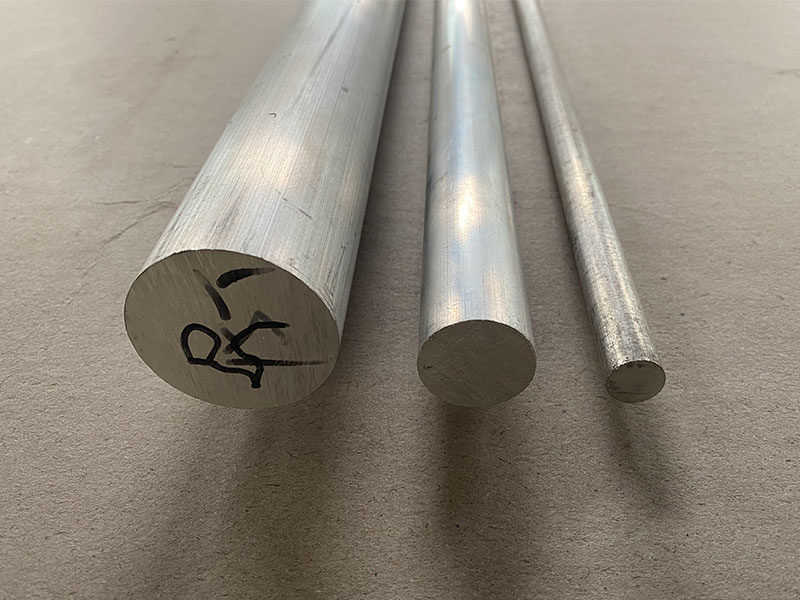
6082 Marine Grade Aluminum Solid Bar for High Performance Ship Design
In the world of high-performance shipbuilding, selecting materials that combine strength, durability, corrosion resistance, and ease of fabrication is crucial.
View Details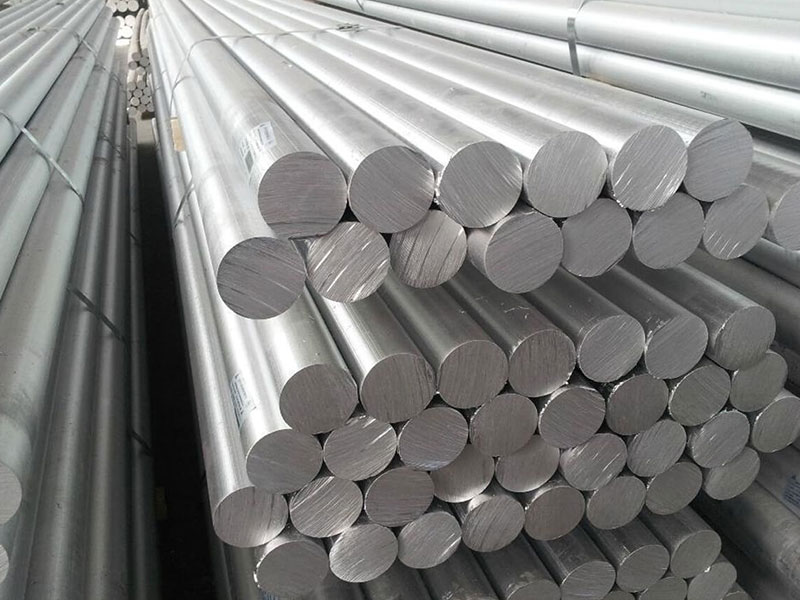
5083 Marine Aluminum Hexagonal Bars for Boat Design and Engineering
5083 marine aluminum hexagonal bars offer outstanding corrosion resistance, high strength-to-weight ratio, and excellent weldability for boat design and marine engineering.
View Details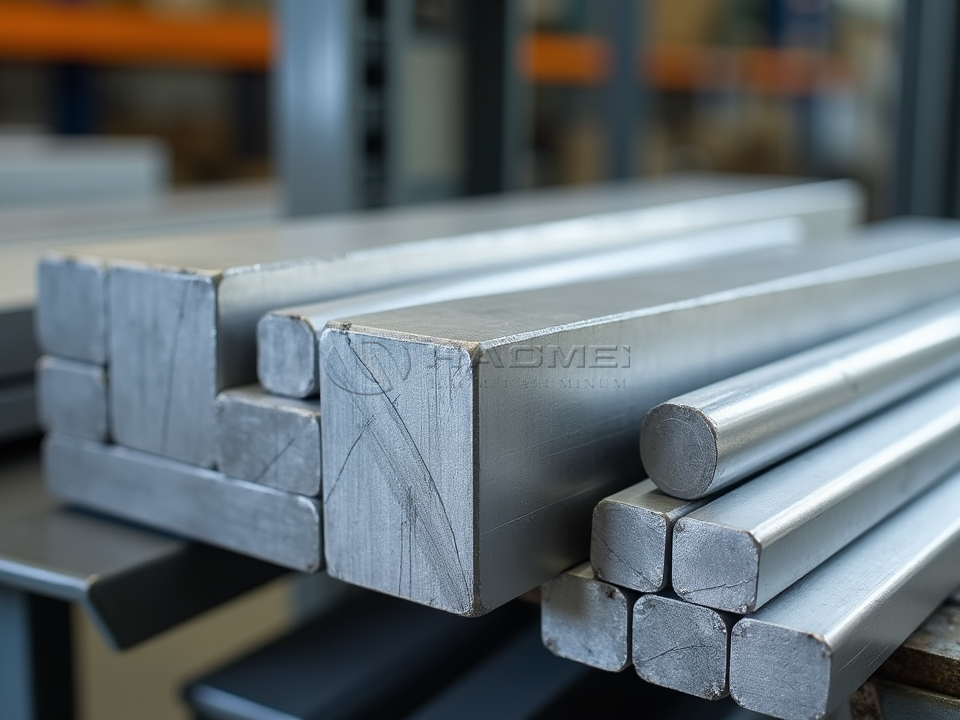
6061 Marine Grade Aluminum Solid Bar for Marine Equipment Customization
6061 marine grade aluminum solid bar offers strength, machinability, and corrosion control for custom boat fittings, frames, shafts, and deck hardware parts.
View Details
5083 Marine Aluminum Hollow Bars for Custom Marine Engineering Parts
5083 marine aluminum hollow bars provide corrosion resistance, weldable strength, and efficient machining for vessel, offshore, and dock components.
View Details
Leave a Message