
6082 Marine Grade Aluminum Solid Bar for Industrial Marine Support
6082 Marine grade aluminum solid bar for Industrial Marine Support: The "Quiet Backbone" of Working Vessels
In marine engineering, the most important parts are rarely the loudest. Industrial marine support structures-brackets, stanchions, frames, ladders, rail supports, equipment mounts, gangway components, and offshore handling fixtures-need material that stays dimensionally stable, resists corrosion, machines cleanly, and holds strength under cyclic loading. 6082 Marine grade aluminum solid bar often fills that role with a practical balance that feels almost invisible when it's working correctly.
From a distinctive viewpoint, think of 6082 solid bar as the alloy chosen not to impress in a spec sheet showdown, but to keep industrial marine systems boringly reliable: less rework, fewer seized fasteners, fewer stress-crack surprises, and better predictability across production batches.
Why 6082 Solid Bar Makes Sense in Industrial Marine Support
Strength that suits real marine loads without becoming difficult to fabricate
6082 is a heat-treatable Al-Mg-Si alloy (6xxx series). In the marine environment, designers often need strength beyond "general purpose" aluminum while keeping welding and machining straightforward. 6082 delivers higher mechanical performance than many common 6xxx alloys and is widely used across marine frameworks, support arms, and structural bar-based assemblies.
Corrosion behavior: practical resistance in coastal and splash-zone realities
No aluminum alloy is invincible in every marine condition, but 6082 is valued for good resistance in marine atmospheres, especially when coupled with sensible design details such as drainage, isolation from dissimilar metals, and protective finishes where appropriate.
Solid bar as a structural "truth source"
Extruded solid bar brings consistency. In industrial marine support, solid bar is often used where designers want predictable section properties, reliable machining allowances, and robust threaded features. Compared with thin-walled sections, a solid bar can tolerate localized machining, drilled holes, tapped threads, and stress concentrations with more margin.
Typical Applications: Where 6082 Solid Bar "Earns Its Keep"
Industrial marine support is about function and uptime. 6082 marine grade aluminum bar is commonly selected for:
- Structural supports and reinforcement members on vessels and workboats
- Deck equipment mounts, winch bases, and bearing blocks (where aluminum is appropriate)
- Rail stanchions, ladder components, hinges, pins, and clevis-type fittings
- Offshore platform brackets and secondary structural elements
- Machined parts requiring stable tolerances and clean chip formation
The standout advantage is not a single superpower-it's the alloy's balanced performance across fabrication, corrosion exposure, and service stress.
Core Parameters and Product Characteristics for 6082 Solid Bar
When sourcing 6082 Marine grade aluminum solid bar, these parameters matter in industrial marine support projects:
Alloy designation: EN AW-6082 / AlSi1MgMn (common European naming)
Product form: Solid bar (extruded, and in some cases drawn/precision finished)
Common bar profiles: Round bar, square bar, flat bar (availability varies by mill)
Typical size range: Depends on supplier; industrial projects often use mid-to-large diameters for round bar and robust thicknesses for flats
Density: approximately 2.70 g/cm³
Thermal conductivity: typical for 6xxx alloys, useful where heat dissipation is a secondary benefit
Machinability: generally good, especially in T6/T651 conditions, with stable tool behavior and surface finish potential
In marine support fabrication, the practical "parameter" that often matters most is how the bar behaves after machining and welding-which brings us to temper.
Alloy Tempering and Service Conditions: Choosing the Right 6082 Temper
6082 is heat-treatable, and temper selection is a quiet lever that changes performance and shop behavior.
T6 is solution heat-treated and artificially aged. It is commonly specified when higher strength and stiffness are desired. For many industrial marine support brackets and load-bearing machined parts, 6082-T6 is a frequent choice.
T651 is similar to T6 but includes stress relieving by stretching. Where straightness, reduced residual stress, and improved stability during machining are important, 6082-T651 can help reduce distortion, particularly on larger machined components.
T4 is solution heat-treated and naturally aged. It is sometimes chosen when forming is required prior to final aging, though industrial marine support using solid bar typically leans toward T6/T651 for final parts.
If welding is involved, it's important to view strength like a map rather than a single number. Heat from welding can locally reduce strength in the heat-affected zone. In marine support designs, engineers frequently compensate through joint design, thickness, or post-weld considerations, and by selecting suitable filler wire consistent with marine corrosion realities.
Implementation Standards and Common Specifications
Industrial marine procurement often depends on recognized standards so every stakeholder-from design to QA to shipyard-shares the same material "language." 6082 solid bar is commonly supplied in alignment with standards such as:
EN 573 for chemical composition of wrought aluminum alloys
EN 755 for extruded rod/bar/tube profiles, including tolerances and mechanical properties requirements
ASTM B221 for aluminum and aluminum-alloy extruded bars, rods, wire, profiles, and tubes (often used in international supply chains)
ISO and regional marine fabrication practices for welding procedures and quality control, depending on project and classification requirements
In practice, the most important implementation detail is making sure the order specifies the alloy, temper, dimensions/tolerances, inspection documentation, and intended service environment so the supplied bar matches the real-world duty cycle.
Chemical Composition: 6082 Aluminum Alloy Table
6082's performance comes from the balance of magnesium and silicon (forming Mg₂Si strengthening phases) with manganese contributing to structure and strength. Composition limits can vary slightly by standard; the table below reflects commonly cited EN AW-6082 ranges.
Typical Chemical Composition for EN AW-6082 (wt.%)
| Element | Content (wt.%) |
|---|---|
| Silicon (Si) | 0.70 – 1.30 |
| Magnesium (Mg) | 0.60 – 1.20 |
| Manganese (Mn) | 0.40 – 1.00 |
| Iron (Fe) | ≤ 0.50 |
| Copper (Cu) | ≤ 0.10 |
| Chromium (Cr) | ≤ 0.25 |
| Zinc (Zn) | ≤ 0.20 |
| Titanium (Ti) | ≤ 0.10 |
| Others (each) | ≤ 0.05 |
| Others (total) | ≤ 0.15 |
| Aluminum (Al) | Remainder |
This chemistry is the reason 6082 feels so "industrial-friendly": it reaches meaningful strength after heat treatment without becoming overly difficult to machine or prohibitively sensitive in general marine exposure conditions.
Technical Details from a Distinctive Viewpoint: "Designing for the In-Between"
Marine support components live in the in-between spaces of engineering: between salt spray and crevice moisture, between impact and vibration, between clean CAD assumptions and the reality of shipyard alignment.
From that angle, 6082 solid bar excels because it supports the decisions engineers actually make:
Threading and fastening confidence
Solid bar gives more engagement length and margin for tapped holes and threaded studs. 6082 in T6/T651 tends to cut crisp threads and hold them well when proper anti-galling practices and isolation measures are used.
Predictable machining and dimensional stability
Stress-relieved tempers reduce the "banana effect" when removing material. This matters when marine support parts need to fit existing structures, match drilling templates, or align across welded assemblies.
Balanced corrosion strategy
6082 is rarely the only defense. Good marine support design pairs alloy selection with surface preparation, drainage, coating/anodizing where appropriate, and galvanic isolation. 6082 fits neatly into that multi-layer defense system.
Practical Notes for Marine Fabrication and Longevity
In industrial marine support, the part usually fails at the details, not the alloy name. 6082 solid bar performs best when:
- Dissimilar metals are isolated to reduce galvanic corrosion risk
- Crevices are minimized and drainage is designed in
- Weld procedures are qualified for marine service, with attention to heat input and joint geometry
- Surface treatments are selected based on zone exposure, such as marine atmosphere vs. splash zone vs. intermittent immersion
- Documentation is aligned with standards so compliance is clear at inspection time
Why 6082 Marine grade aluminum solid bar Is a Smart "Industrial Marine Support" Choice
If your goal is an alloy that behaves like a reliable structural employee-strong, consistent, machinable, and resilient in coastal environments-6082 Marine grade aluminum solid bar is difficult to ignore. It is not a boutique choice; it is a pragmatic one. And in marine industry terms, pragmatism is performance.
For industrial marine support applications where uptime matters, 6082 bar often becomes the material that keeps systems aligned, brackets intact, and structural interfaces dependable-quietly doing the job in salt air, vibration, and daily service.

Related Products
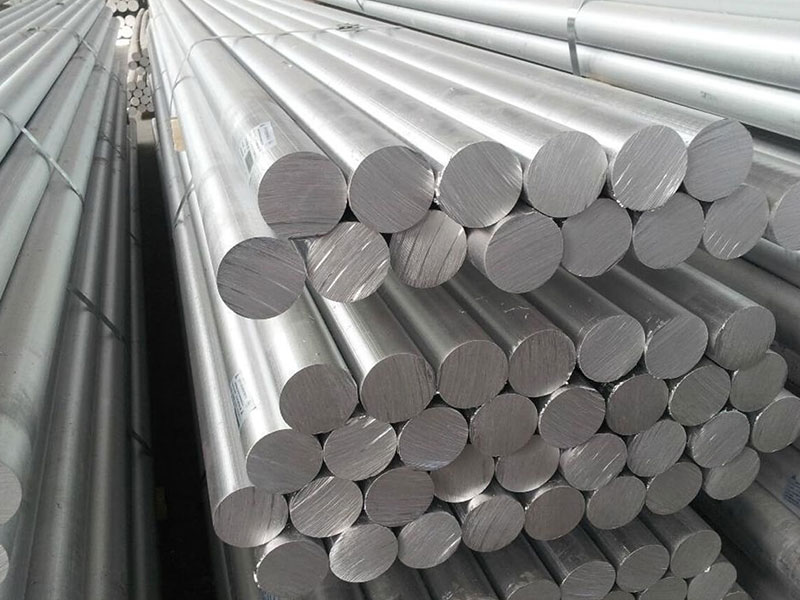
6082 marine aluminum rod & bar
6082 Aluminum Rods & Bars are extruded or rolled products manufactured from 6082 aluminum alloy — a thermally treated (typically T6 temper) aluminum-magnesium-silicon alloy that balances high tensile strength, good weldability, and excellent corrosion resistance.
View Details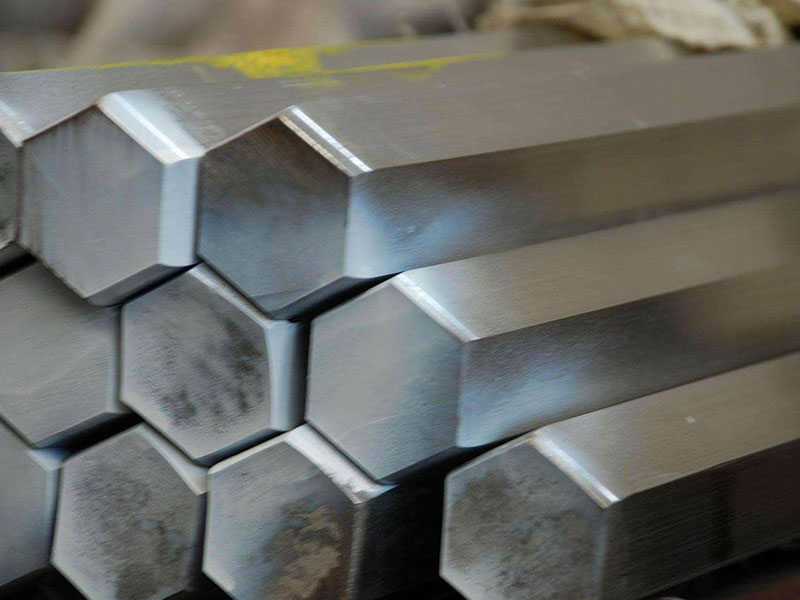
Marine aluminum hexagonal bars
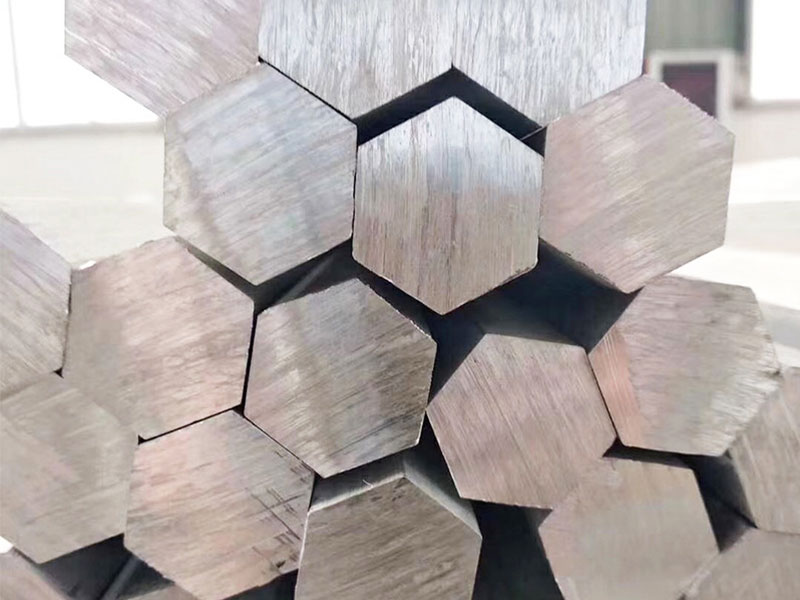
Marine Grade Aluminum Hexagonal Bars are produced from premium corrosion-resistant aluminum alloys such as 5083, 5052, 6061, and 6082.
View Details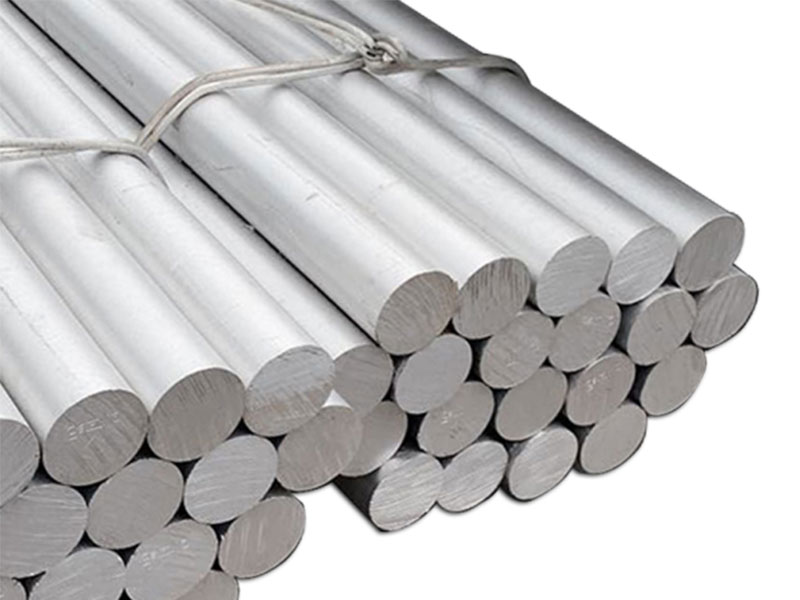
Marine grade aluminum solid bar
Marine Grade Aluminum Solid Bars are produced from premium aluminum alloys optimized for saltwater exposure, such as 5083, 5052, 6061, and 6082. These alloys offer unparalleled resistance to corrosion caused by seawater, salt spray, and marine atmospheres, while maintaining excellent mechanical strength and toughness.
View Details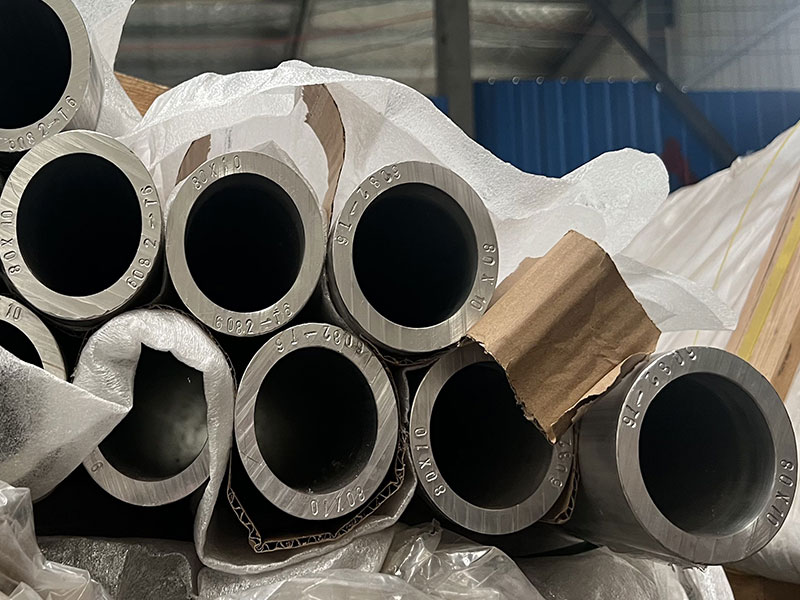
Marine aluminum hollow bars
Marine Grade Aluminum Hollow Bars are fabricated from high-quality alloys such as 5083, 5052, 6061, and 6082, all known for their exceptional resistance to seawater corrosion, salt spray, and marine atmospheres.
View DetailsRelated Blog
6082 Marine Grade Aluminum Solid Bar for Offshore Equipment Design
In the ever-evolving world of offshore equipment design, the demand for materials that showcase excellent mechanical properties, corrosion resistance, and weldability continues to rise.
View Details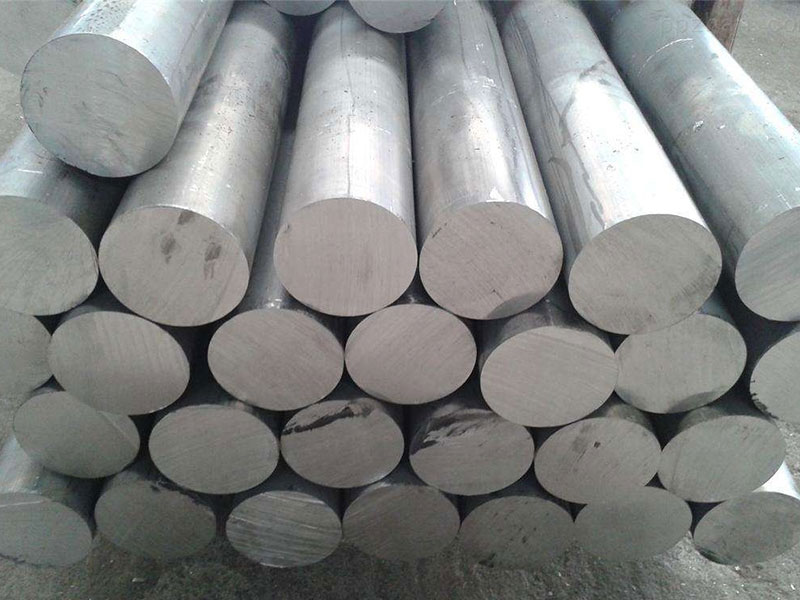
6082 Marine Grade Aluminum Solid Bar for Industrial Marine Support
6082 Marine Grade Aluminum Solid Bar for Industrial Marine Support: The "Quiet Backbone" of Working VesselsIn marine engineering, the most important parts are rarely the loudest.
View Details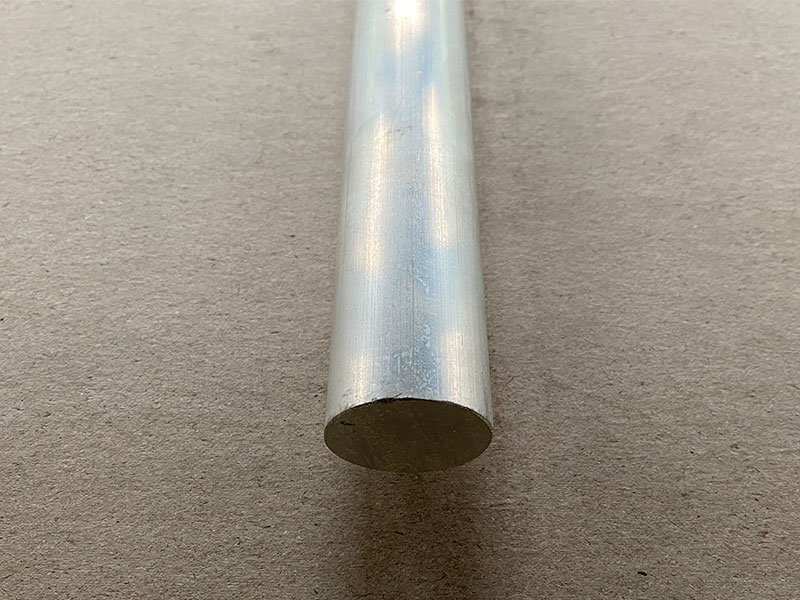
6082 Marine Grade Aluminum Solid Bar for Marine Hull Strengthening
The 6082 marine grade aluminum solid bar is widely used for reinforcing hull structures, decks, and load‑bearing components in ships and offshore vessels. It combines high strength, excellent corrosion resistance, and good weldability, .
View Details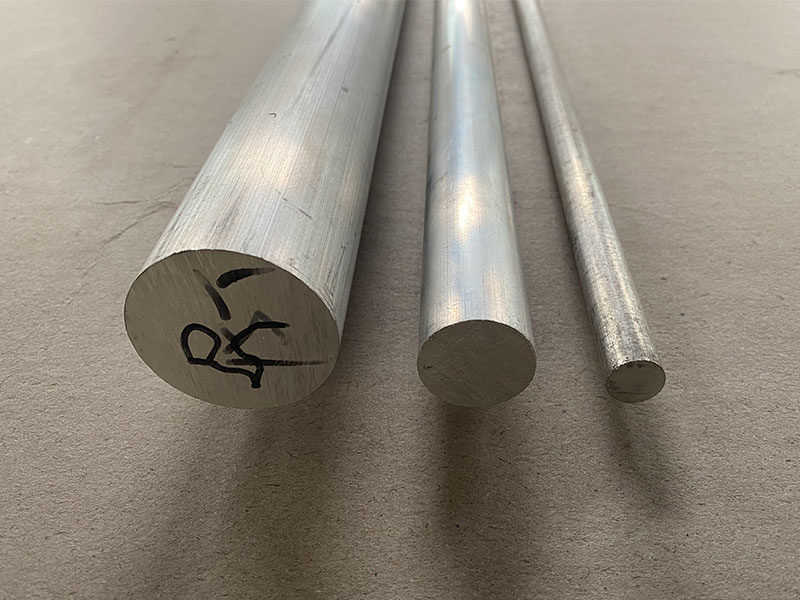
6082 Marine Grade Aluminum Solid Bar for Saltwater Resistant Marine Parts
The 6082 marine grade aluminum solid bar is a high‑strength, corrosion‑resistant alloy widely used for structural components in harsh marine environments. It offers an excellent balance of strength, workability, and long‑term durability, maki.
View Details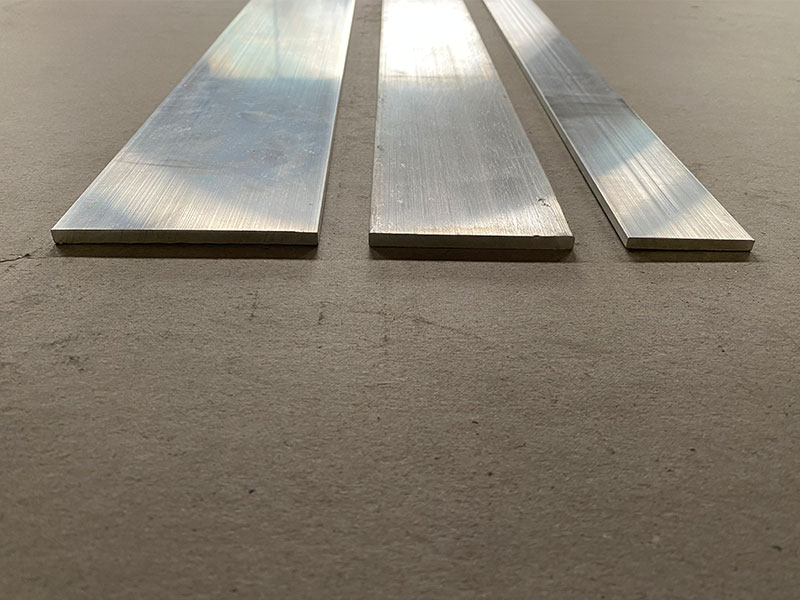
6082 Marine Aluminum Hollow Bars for Custom Boat Frame Solutions
6082 Marine Aluminum Hollow Bars for Custom Boat Frame Solutions In modern boatbuilding, frame design has evolved from heavy, overbuilt structures to lightweight, precision-engineered systems.
View Details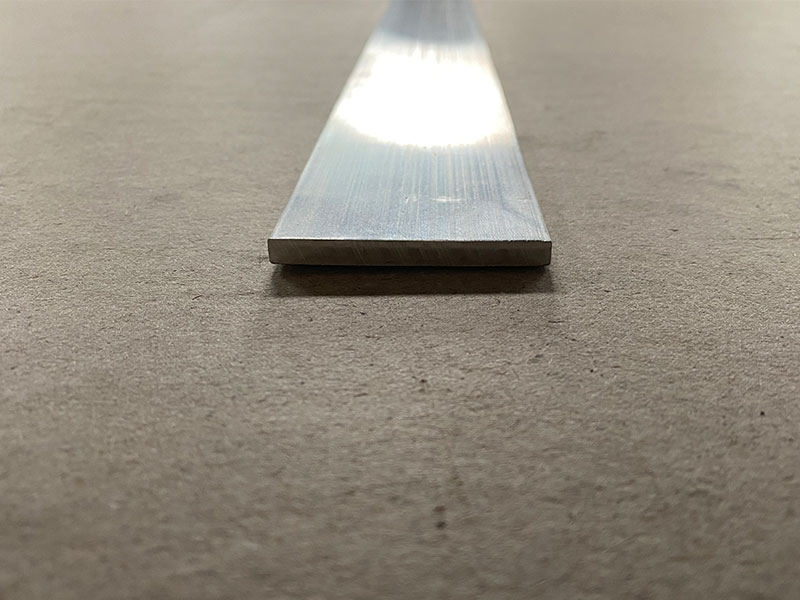
6082 Marine Aluminum Bar for Industrial Marine Design and Construction
The 6082 marine aluminum bar is a medium‑strength, heat‑treatable wrought alloy designed for demanding marine and offshore environments. Combining good corrosion resistance, excellent machining performance, and reliable weldability, it.
View Details
Leave a Message