
6061 Marine Aluminum Channels for Offshore Structural Support Beams
6061 Marine aluminum channels are engineered for offshore structural support beams where strength, corrosion resistance, and fabrication speed must coexist. In marine and offshore environments, structural members face cyclic loading, salt spray, humidity, and crevice-prone joints. A 6061 channel profile answers those demands by combining a proven Al-Mg-Si alloy system with heat-treatable tempers that deliver reliable mechanical performance while remaining weldable and easy to machine.
For customers building or refurbishing offshore platforms, topside modules, walkways, pipe racks, skids, and auxiliary frames, 6061 channels provide an efficient beam-and-stiffener geometry: high section efficiency, clean load paths, and straightforward bolted or welded integration into larger assemblies.
Why 6061 Channels Work Offshore
6061 is widely selected for offshore support framing because it balances structural capability with practical shop and field fabrication. Channel geometry adds stiffness and simplifies connection design compared with flat bar or plate stiffeners, especially where weight reduction is a priority.
Features at a Glance
| Feature | Customer Benefit Offshore |
|---|---|
| Heat-treatable 6061 alloy (Al-Mg-Si) | Strong, predictable performance for beams and supports |
| Excellent corrosion resistance in marine atmospheres | Longer service life and reduced maintenance burden |
| High strength-to-weight ratio | Lower topside weight, easier handling and installation |
| Good weldability (MIG/TIG) | Fast fabrication and repair with common procedures |
| Machinable and drill-friendly | Clean bolt holes, brackets, and connection detailing |
| Channel profile stiffness | Efficient support beam/stiffener behavior in one profile |
Typical Offshore Applications
6061 Marine aluminum channels are commonly used where structural framing must remain light yet stiff, and where corrosion protection systems should be minimized.
| Application Area | How Channels Are Used |
|---|---|
| Offshore platforms and topside modules | Secondary beams, supports, bracing, equipment frames |
| Walkways, ladders, handrail sub-frames | Stringers, stiffeners, brackets, edge members |
| Pipe racks and cable tray supports | Cross-members, risers, mounting rails |
| Skids and modular equipment bases | Perimeter frames, lifting-point reinforcements, stiffened supports |
| Marine structures near splash zones (with design controls) | Framing members with drainage/venting and coating strategy |
| Coastal industrial facilities | Corrosion-resistant support beams and structural rails |
Alloy and Temper Options for Marine Service
6061 channels are supplied in tempers chosen to match the fabrication path and final design strength.
| Temper | Typical Use Case | Practical Notes |
|---|---|---|
| 6061-T6 | Maximum common strength for extrusions | Best for bolted assemblies and machined parts; welding reduces local strength |
| 6061-T651 | Similar to T6 with stress relief | Helps minimize distortion during machining |
| 6061-T4 | Forming and complex fabrication before final aging | Can be aged after fabrication if required |
| 6061-T5 | Extrusion-cooled and artificially aged | Used for certain extrusion runs; properties depend on producer controls |
Chemical Composition (6061 Aluminum Alloy)
Chemical limits vary slightly by governing standard and mill practice; the table below reflects widely accepted nominal ranges for 6061.
| Element | Typical Range (wt%) | Role in Performance |
|---|---|---|
| Magnesium (Mg) | 0.80–1.20 | Strengthening, corrosion performance |
| Silicon (Si) | 0.40–0.80 | Works with Mg for Mg₂Si precipitation hardening |
| Iron (Fe) | ≤0.70 | Impurity control; affects toughness if high |
| Copper (Cu) | 0.15–0.40 | Strength increase; keep controlled for corrosion balance |
| Chromium (Cr) | 0.04–0.35 | Grain structure control; improves toughness |
| Manganese (Mn) | ≤0.15 | Secondary strengthening, structure control |
| Zinc (Zn) | ≤0.25 | Impurity control |
| Titanium (Ti) | ≤0.15 | Grain refinement |
| Aluminum (Al) | Balance | Base metal |
Mechanical Performance for Structural Support
Mechanical properties depend on product thickness, extrusion practice, and temper. For quick sizing and comparison, the values below are commonly used as baseline expectations for 6061-T6 extruded shapes.
| Property | Typical 6061-T6 Value | Why It Matters Offshore |
|---|---|---|
| Ultimate tensile strength | ~290 MPa | Margin against peak loads and abnormal events |
| Yield strength (0.2% offset) | ~240 MPa | Primary driver for beam sizing |
| Elongation | ~8–12% | Ductility under shock and cyclic loading |
| Elastic modulus | ~69 GPa | Controls deflection and vibration behavior |
| Density | ~2.70 g/cm³ | Enables major weight reduction vs. steel |
| Thermal conductivity | ~167 W/m·K | Helpful near equipment generating heat |
| Electrical conductivity | ~40% IACS | Useful for grounding strategy considerations |
Channel Technical Specifications (Common Supply Range)
Because channel geometry varies by design series and producer, most offshore projects specify by alloy/temper plus critical dimensions and tolerances. Below is a practical supply snapshot used for procurement and early design.
| Parameter | Typical Range / Options |
|---|---|
| Product form | Extruded aluminum channel |
| Alloy | 6061 |
| Temper | T6, T651, T4, T5 |
| Outside height (web) | ~20–250 mm |
| Flange width | ~10–100 mm |
| Wall thickness | ~2–20 mm |
| Length | Stock lengths and cut-to-length |
| Corner radii | Per extrusion die; specify if fit-up is tight |
| Straightness / twist | Controlled by extrusion standard; tighter limits by agreement |
| Surface finish | Mill finish, brushed, anodizing-ready, coated-ready |
Corrosion Resistance in Marine Environments
6061 performs strongly in marine atmospheres and general seawater exposure compared with many structural metals, especially when designs avoid stagnant seawater traps. In offshore structures, corrosion success is often determined by joint detailing as much as alloy selection.
| Design / Exposure Factor | Recommendation for Long Life |
|---|---|
| Crevices and water traps | Provide drainage, venting, and access for rinsing/inspection |
| Galvanic contact with stainless/steel | Isolate with non-absorbing gaskets, coatings, or sleeves; manage fastener selection |
| Splash and tidal zones | Consider protective coatings/anodizing plus good detailing; avoid persistent wet crevices |
| Fastener interfaces | Seal or isolate dissimilar metals; control clamp loads to protect coatings |
| Surface preparation | Clean, deoxidize, and prime appropriately before coating |
Fabrication, Welding, and Machining Notes
6061 channels are favored offshore because they behave well across multiple fabrication steps. Welding is straightforward, but designers should account for heat-affected zone softening when using T6/T651.
| Process | What to Expect | Practical Guidance |
|---|---|---|
| MIG/TIG welding | Reliable weldability | Common fillers include 4043 or 5356 depending on strength/corrosion goals |
| Strength near welds | Local reduction from T6 condition | Design connections to carry load through geometry, gussets, or added thickness |
| Machining | Clean and predictable | Use sharp tooling; manage chip evacuation for long channels |
| Forming | Limited in T6; better in T4 | Choose temper to match forming needs |
| Cutting and drilling | Easy compared with steel | Maintain edge distance and deburr to reduce crack initiation sites |
Quality and Inspection Considerations for Offshore Projects
Offshore support beams often require traceability and consistent extrusion quality. Procurement specifications typically include alloy/temper certification, dimensional verification, and surface condition acceptance criteria.
| Control Item | Typical Customer Requirement |
|---|---|
| Material certification | Mill test certificate for chemistry and mechanical properties |
| Dimensional inspection | Verify web height, flange width, thickness, twist/straightness |
| Surface condition | Limits on dents, scratches, and extrusion lines based on finish needs |
| Cut-to-length accuracy | Tight tolerance for modular fit-up and fast installation |
| Marking and traceability | Heat/lot identification maintained through fabrication |
6061 Marine aluminum channels deliver a practical combination of corrosion resistance, structural strength, and fabrication efficiency for offshore structural support beams. The channel profile provides stiffness and connection simplicity, while 6061's heat-treatable nature offers predictable mechanical properties in common tempers like T6 and T651. With smart detailing to avoid crevices and galvanic couples, these channels help reduce topside weight, accelerate installation, and extend service life in demanding marine conditions.
6061 Marine aluminum channels for Offshore Structural Support Beams offer high strength-to-weight performance, excellent marine corrosion resistance, and reliable weldability for offshore platforms, topside modules, walkways, pipe racks, and equipment frames. Supplied as extruded channels in tempers such as 6061-T6 and 6061-T651, they provide efficient stiffness, easy machining, and fast fabrication-ideal for durable, lightweight offshore structural support in harsh saltwater environments.

Related Products
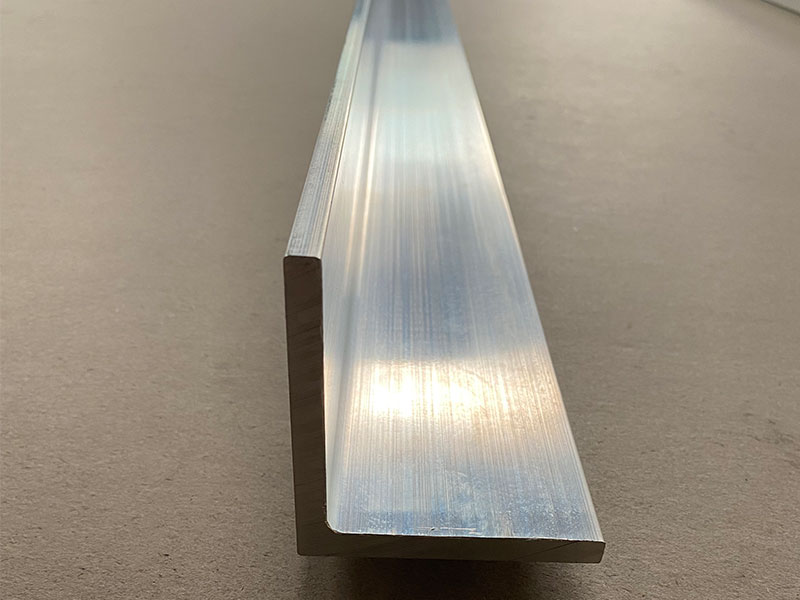
Marine aluminum angles
Marine Aluminum Angles are L-shaped cross-sectional aluminum profiles produced from marine-grade aluminum alloys such as 5083, 5052, and 6061.
View Details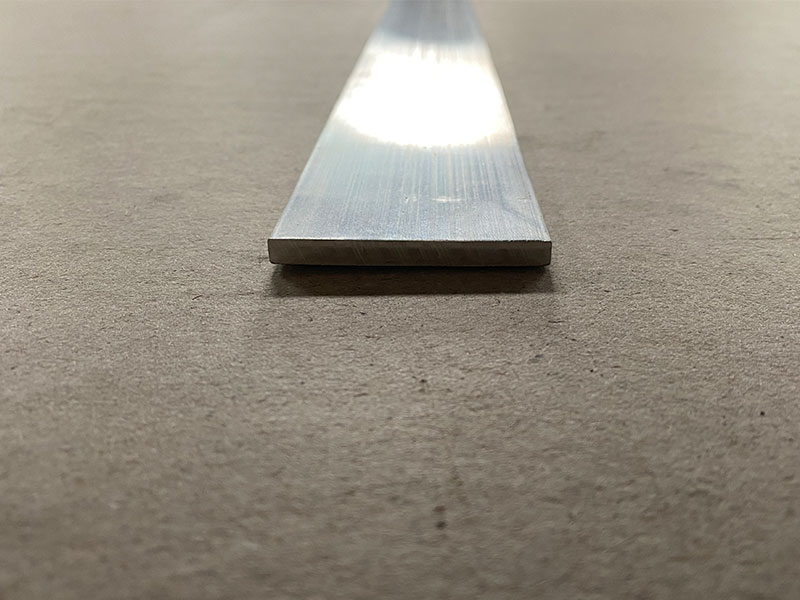
5083 marine aluminum flat bar
5083 aluminum flat bars belong to the 5xxx series of aluminum-magnesium alloys, known primarily for their superior resistance to seawater corrosion and salt spray.
View Details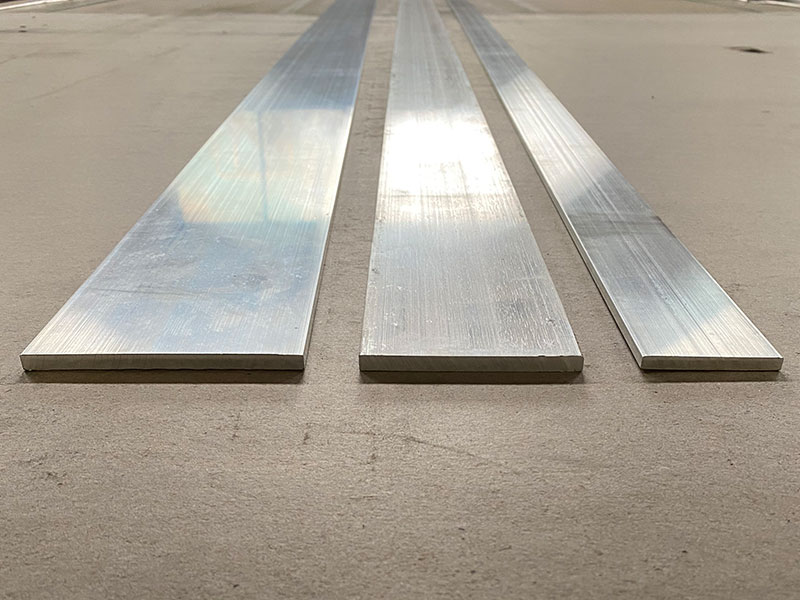
6061 T6 marine aluminum flat bar
6061 aluminum is classified as a heat-treatable 6xxx series alloy, alloyed primarily with magnesium and silicon. The T6 temper designation indicates that the flat bar has been solution heat-treated and artificially aged to achieve optimum strength and hardness.
View Details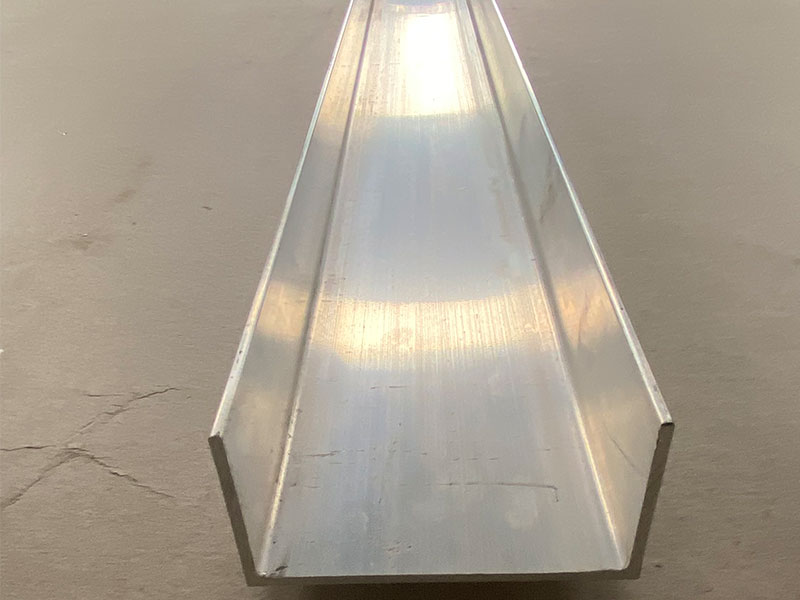
Marine aluminum channels
Marine Aluminum Channels are U-shaped aluminum profiles produced from alloys such as 5083, 5052, and 6061, known for their excellent marine corrosion resistance and superior mechanical strength.
View Details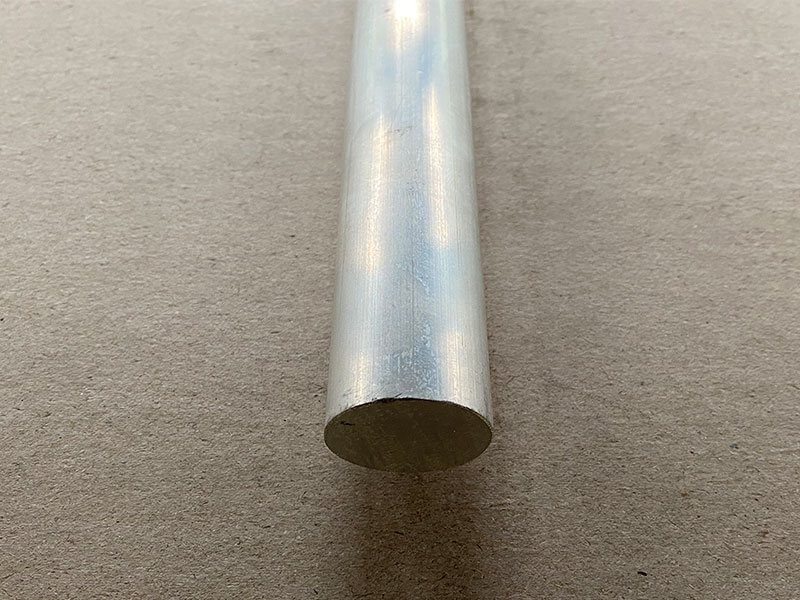
6061 marine aluminum round bar
6061 aluminum belongs to the 6xxx series alloys, alloyed primarily with magnesium and silicon. In the T6 temper, it undergoes solution heat treatment and artificial aging, resulting in enhanced mechanical properties while maintaining excellent corrosion resistance.
View Details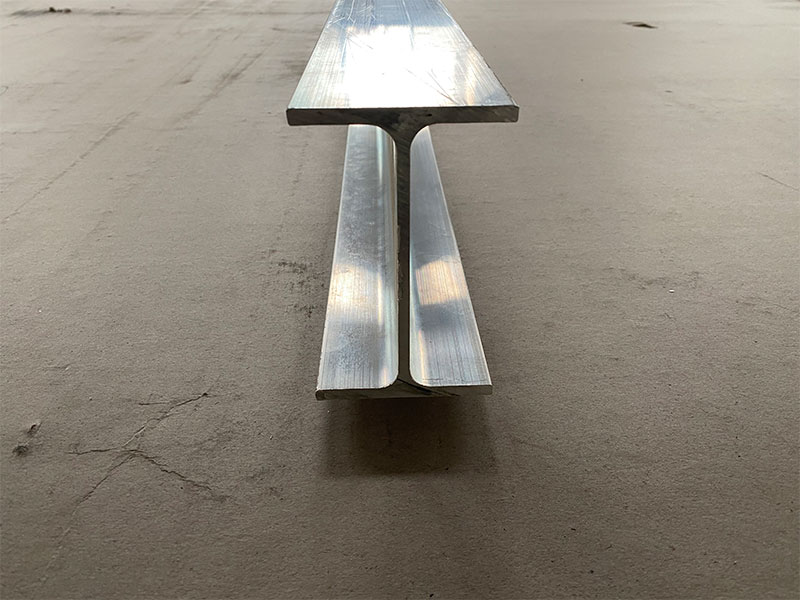
Marine aluminum Z-shaped sections
Marine Aluminum Z-shaped Sections are fabricated from premium marine-grade aluminum alloys such as 5083, 5052, and 6061. These alloys are well-regarded for their superior corrosion resistance in seawater and marine atmospheres, along with good mechanical strength and excellent weldability.
View DetailsRelated Blog
6061 Marine Aluminum Angles for High Strength Coastal Marine Parts
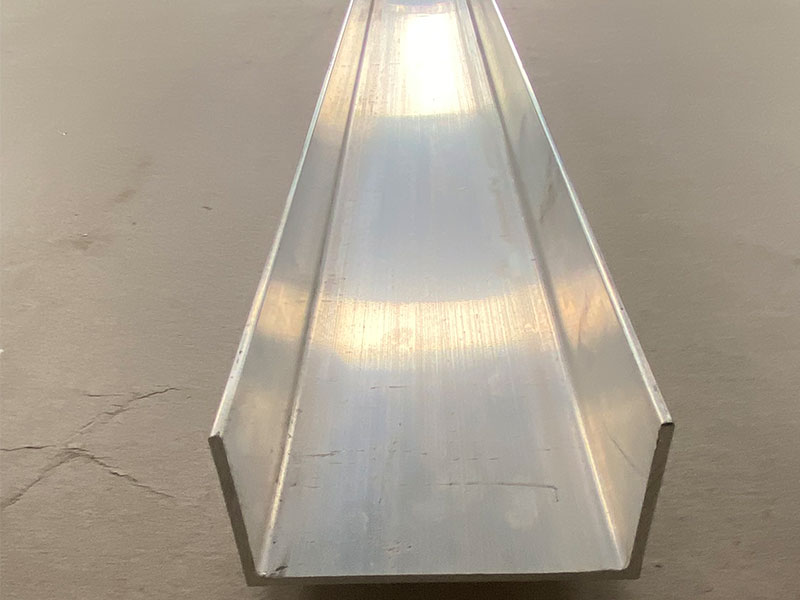
6061 Marine Aluminum Angles are premium-grade structural aluminum components widely used in the marine industry due to their exceptional strength, corrosion resistance, and versatility.
View Details
6061 Marine Aluminum Channels for Offshore Structural Support Beams
6061 marine aluminum channels are engineered for offshore structural support beams where strength, corrosion resistance, and fabrication speed must coexist. In marine and offshore environments, structural members face cyclic loading, salt spray.
View Details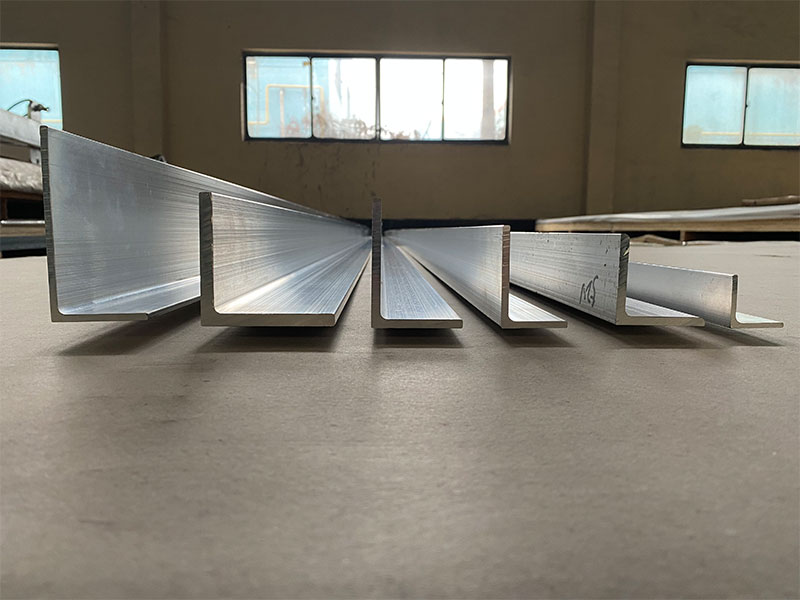
6061 Marine Aluminum Round Bar for Lightweight Coastal Shipbuilding
Superior strength, corrosion resistance, and versatility of 6061 marine aluminum round bars, expertly crafted for lightweight coastal shipbuilding applications. Explore detailed specifications, tempering options, and chemical properties tailored for marit
View Details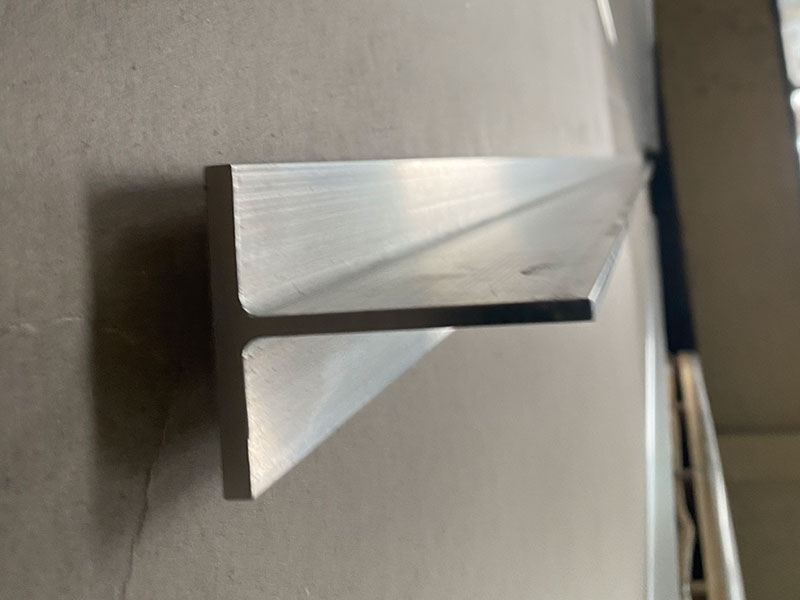
6061 Marine Aluminum Z Shaped Sections for Marine Frame Customization
In the marine industry's relentless quest for durability, corrosion resistance, and structural integrity, 6061 Marine Aluminum stands out as a premier choice—especially when customized in Z shaped sections for marine frameworks.
View Details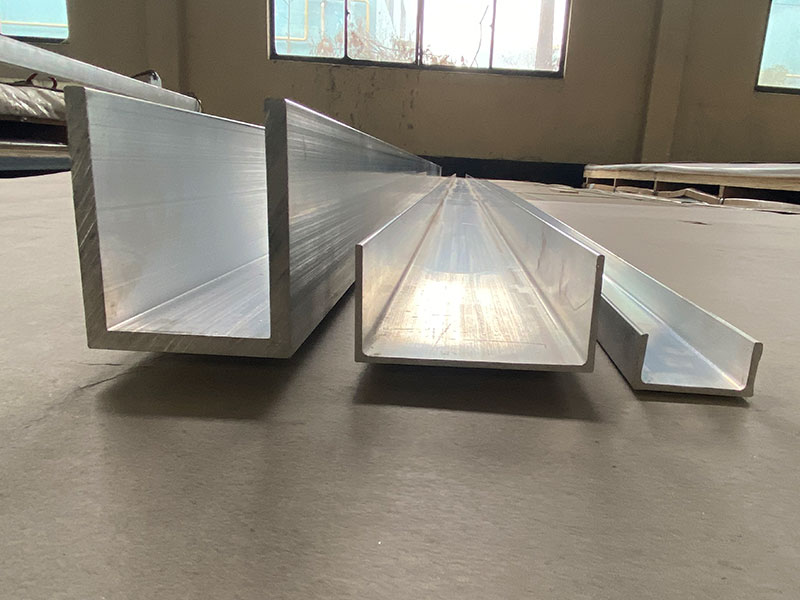
6061 Marine Aluminum I Beams for Marine Frame and Hull Customization
When it comes to marine applications, the selection of materials is critical. An imbalance can not only affect the aesthetics of a vessel but compromise its safety and functionality as well.
View Details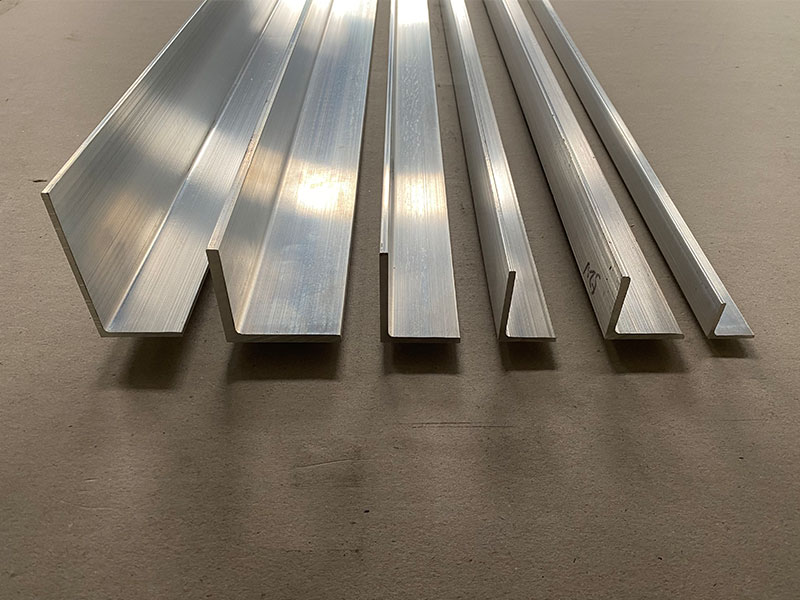
6061 Marine Aluminum Round Bar for Heavy Duty Marine Frame Reinforcements
6061 Marine Aluminum Round Bar is a premium-grade aluminum product specifically engineered for heavy-duty marine frame reinforcements. Renowned for its superior strength, corrosion resistance, and excellent machinability.
View Details
Leave a Message