
5083 Marine Aluminum Alloy Plate for Ship
In shipbuilding, it's easy to treat a metal plate as a commodity: thickness, width, temper, price, delivery date. Yet a 5083 marine aluminum alloy plate is better understood as a system component-a material that quietly coordinates corrosion behavior, weld reliability, weight distribution, fatigue response, and long-life maintenance patterns across an entire vessel. From this perspective, 5083 is not merely "strong aluminum," but a deliberately balanced alloy engineered to behave predictably in seawater, during fabrication, and under cyclic wave loading.
5083 marine aluminum plate is widely specified for ship hulls, superstructures, decks, bulkheads, ramps, and other structural parts that need high strength-to-weight ratio and robust corrosion resistance in saltwater environments. Its performance comes from a magnesium-rich Al-Mg base chemistry, controlled amounts of manganese and chromium, and carefully selected tempers that preserve ductility and toughness where it matters most: near welds, in cold-formed areas, and in long service exposures.
Why 5083 Marine Aluminum Alloy Plate Is a Shipbuilder's "Corrosion Strategy"
Many materials resist corrosion by forming a barrier. 5083 resists marine corrosion by doing something more useful in practice: it maintains a stable, protective oxide layer while the Al-Mg matrix remains relatively resistant to chloride attack compared with many other aluminum families. That is why 5083 is often chosen for hull plating and structural members that face splash zones, bilge moisture, and salt-laden air.
A distinctive advantage in real shipyard conditions is that 5083 tolerates fabrication sequences well. Cutting, forming, welding, and post-weld finishing all create micro-zones with different residual stresses and oxide conditions. A marine alloy earns its reputation by staying dependable across those real-world transitions, not only in polished lab coupons.
Implementation Standards and Typical Specification Framework
5083 marine aluminum alloy plate for ship is commonly supplied and verified under major international standards. Actual compliance depends on project requirements, class society rules, and purchase order language.
Commonly referenced standards include:
- ASTM B928/B928M for high-magnesium aluminum-alloy sheet and plate for marine service, frequently used as a go-to for marine-grade plate purchasing
- ASTM B209/B209M for general aluminum sheet and plate (often supplementary or referenced for dimensional tolerances)
- EN 485 series for aluminum sheet/plate tolerances and mechanical properties in many European supply chains
- EN 573 for chemical composition designation in Europe
- ISO and ship-class society requirements (such as DNV, ABS, LR, BV, CCS) that may specify additional testing, traceability, or approval for hull structure use
A practical procurement viewpoint is to treat "5083 marine plate" as the intersection of alloy + temper + marine-oriented plate standard + inspection regime. When those align, shipyard performance becomes repeatable.
Tempering Conditions: How 5083 "Chooses" Strength vs Formability
5083 is not heat-treatable in the precipitation-hardening sense. Its strength is mainly controlled by strain hardening and stabilization steps. That makes temper selection central to ship design and fabrication planning.
Common tempers for 5083 marine aluminum alloy plate include:
- O temper, annealed condition, used when maximum formability is needed for tight radii or deep forming; strength is lower but ductility is high
- H111 temper, lightly strain-hardened, often selected when good formability and consistent marine performance are needed with moderate strength
- H116 temper, a marine-focused temper designed to provide high strength while maintaining good resistance to exfoliation corrosion and stress corrosion cracking in seawater environments
- H321 temper, strain-hardened and stabilized, commonly used for marine structures where a balance of strength, weldability, and long-term stability is desired
From a "ship as a system" viewpoint, the temper is not only about tensile numbers. It influences welding distortion behavior, cold-forming allowance, and how the structure responds to the repeated micro-flexing that a working vessel experiences.
Typical Parameters: Dimensions, Physical Properties, and Practical Ranges
In ship construction, plate parameters affect both structural design and shop-floor efficiency. Typical supply capabilities vary by mill and stock program, but marine aluminum plate is commonly available in a wide range of thicknesses and formats for cutting and nesting.
Common supply parameters for 5083 marine aluminum alloy plate include:
- Thickness range often covering hull and structural needs, commonly from a few millimeters for lightweight structures up to several tens of millimeters for heavy-duty parts
- Standard or customized widths and lengths to suit CNC cutting tables, nesting plans, and block assembly workflow
- Flatness control suited to welding and assembly, where plate stability reduces fit-up time and rework
physical properties of 5083 that matter in vessel weight and thermal behavior:
- Density approximately 2.66 g/cm³, supporting substantial weight savings compared with steel
- Thermal conductivity on the order of about 120 W/m·K, relevant to heat flow during welding and service temperature gradients
- Good performance at low temperatures, often valued for vessels operating in cold regions where toughness is a concern
Weldability and Heat-Affected Zone Reality: The "Truth Zone" of Marine Plate
A ship is a welded object. For marine aluminum, weld performance is often the real deciding factor-not the base-metal datasheet. 5083 is well known for strong weldability using common marine practices such as MIG welding with compatible filler wires.
Typical filler alloy pairings seen in marine fabrication include:
- ER5356, commonly selected for strong, corrosion-resistant welds with good color match and marine acceptance
- ER5183, often chosen when higher weld strength is needed in demanding structural areas
In the heat-affected zone, strain-hardened tempers can locally soften. Designers and fabricators account for this by selecting appropriate temper, joint design, and welding procedures, and by focusing on quality control where it matters: fit-up, cleanliness, heat input management, and inspection.
Chemical Composition: 5083 Marine Aluminum Alloy (Typical Standard Limits)
5083's "marine personality" comes from its Al-Mg base with controlled Mn and Cr additions. The following table summarizes commonly specified composition limits for AA 5083. Actual limits can differ slightly by standard or regional designation; mill test certificates govern final compliance.
| Element | Typical Specification Range (wt.%) |
|---|---|
| Magnesium, Mg | 4.0–4.9 |
| Manganese, Mn | 0.4–1.0 |
| Chromium, Cr | 0.05–0.25 |
| Silicon, Si | ≤ 0.40 |
| Iron, Fe | ≤ 0.40 |
| Copper, Cu | ≤ 0.10 |
| Zinc, Zn | ≤ 0.25 |
| Titanium, Ti | ≤ 0.15 |
| Others (each) | ≤ 0.05 |
| Others (total) | ≤ 0.15 |
| Aluminum, Al | Balance |
A distinctive way to interpret this chemistry is to see Mg as the "strength and seawater partner," Mn as the "structure stabilizer," and Cr as the "grain-boundary manager." The low copper limit is equally important: keeping Cu low supports corrosion resistance in marine exposure.
Mechanical Property Expectations: How Designers Typically Use the Data
Mechanical properties depend strongly on thickness and temper, and marine standards often specify minimum values by thickness range. In practice, designers select 5083 plate tempers not only for peak strength but for consistent performance after welding and forming.
Typical trends shipbuilders rely on:
- H116 and H321 deliver higher yield and tensile strength than O and H111, supporting thinner plate designs or higher load capacity at similar weight
- O and H111 provide superior forming behavior for complex shapes and tight bend radii
- Marine-oriented tempers are chosen to reduce risk in aggressive seawater exposure, particularly where plate edges, welded zones, and crevices can be challenging
For project execution, the decisive document is the mill test certificate paired with the governing plate standard, because that combination confirms both mechanical results and composition compliance.
Where 5083 Marine Aluminum Alloy Plate Fits Best on a Ship
5083 marine aluminum alloy plate is commonly selected for:
- Hull plating and side shells for aluminum craft and fast ferries
- Decks, bulkheads, and structural panels where corrosion resistance and weight reduction improve stability and fuel efficiency
- Superstructures that benefit from lowering the center of gravity and increasing payload margin
- Ramps, platforms, and high-use areas where a balance of strength and durability matters
The unique advantage here is not simply "lightweight." It's operational leverage: weight saved above the waterline improves seakeeping, reduces roll inertia, and can translate into better speed-to-power performance or higher payload.
Procurement and Quality Notes That Reduce Risk
For ship projects, 5083 marine aluminum plate purchasing works best when the material is treated as a controlled input to welding and classification requirements. Common good practices include:
- Requesting plate produced and certified to ASTM B928/B928M when marine service is explicitly required
- Specifying temper explicitly, especially H116 or H321 for marine structures, aligned with design assumptions
- Ensuring traceability, heat number tracking, and consistent inspection standards across batches
- Confirming surface condition requirements if painting, anodizing, or special coatings are planned

Related Products
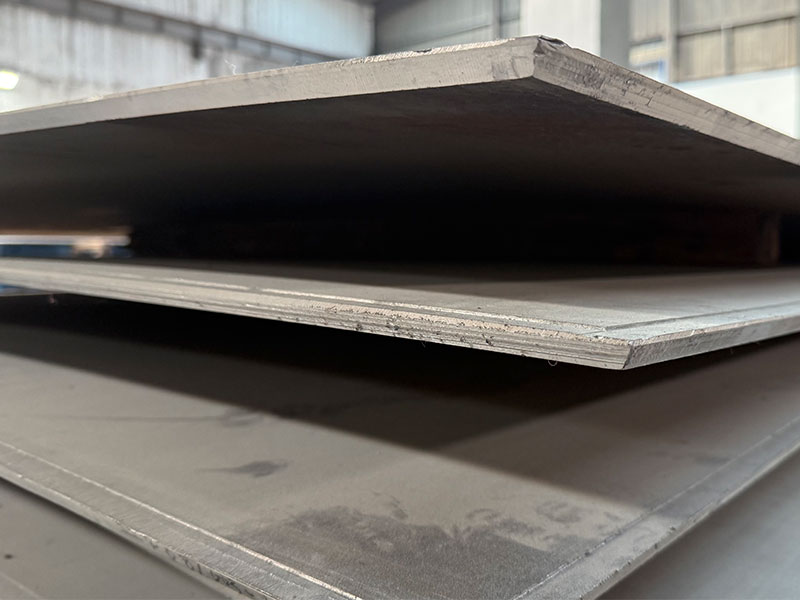
Marine aluminum steel clad plate
Aluminum / Steel Clad Plates consist of a sandwich construction in which a layer of marine-grade aluminum alloy is metallurgically bonded to a steel substrate.
View Details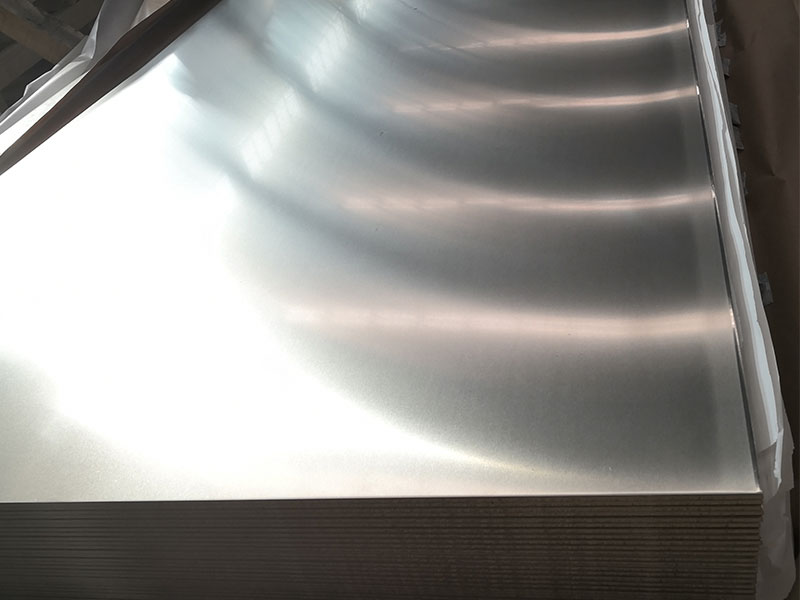
Marine 5052 aluminum plate
Marine 5052 Aluminum Plate is noted for its exceptional resistance to corrosion caused by seawater, salt spray, and marine atmospheres.
View Details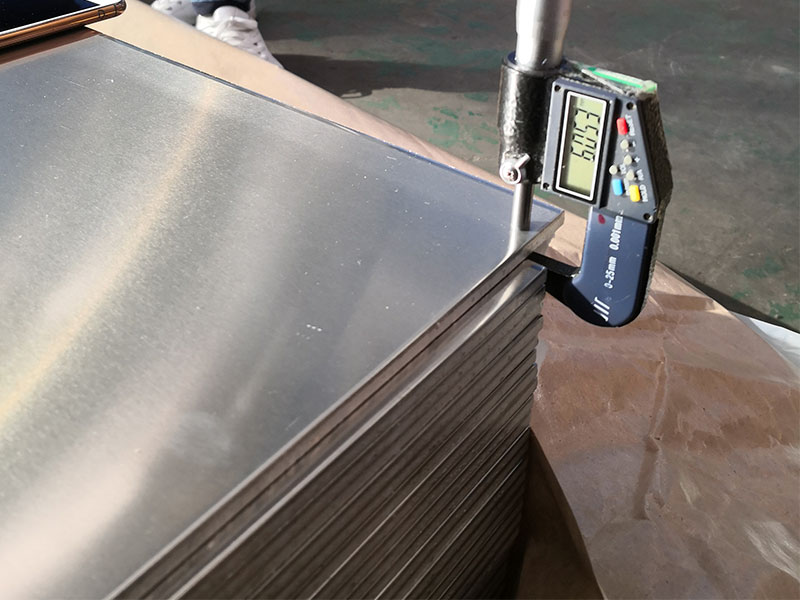
Marine 5383 aluminum plate
The 5383 aluminum alloy belongs to the 5xxx series of aluminum-magnesium alloys known for remarkable resistance to marine corrosion and high strength.
View Details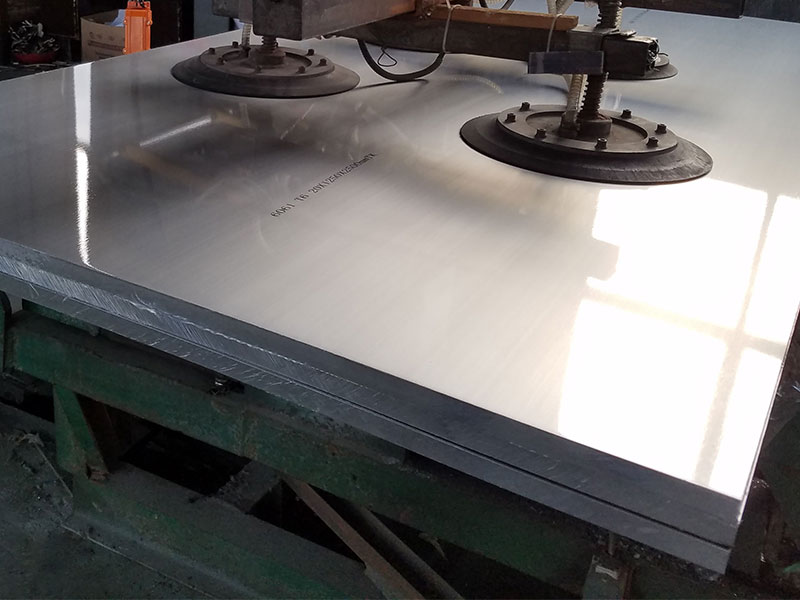
Marine heavy duty aluminum plate
Marine Heavy Duty Aluminum Plates Sheets generally refer to thick aluminum alloy plates and heavy gauge sheets produced from marine-grade alloys such as 5083, 5086, 5059, and 5383.
View Details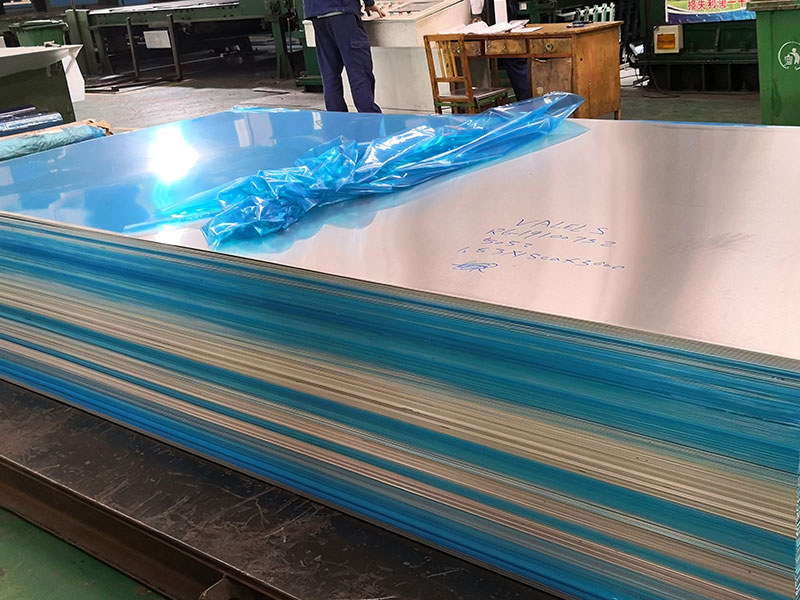
Marine 5059 aluminum plate
Marine 5059 Aluminum Plate is distinguished by its high magnesium content and carefully balanced alloying elements, designed to maximize strength without compromising corrosion resistance.
View Details
Marine 5086 aluminum plate
5086 Aluminum Plate belongs to the 5xxx series of aluminum-magnesium alloys. Its hallmark is a high magnesium content—generally between 4.0% and 4.9%—which delivers enhanced corrosion resistance, particularly against saltwater and marine atmospheric conditions.
View DetailsRelated Blog
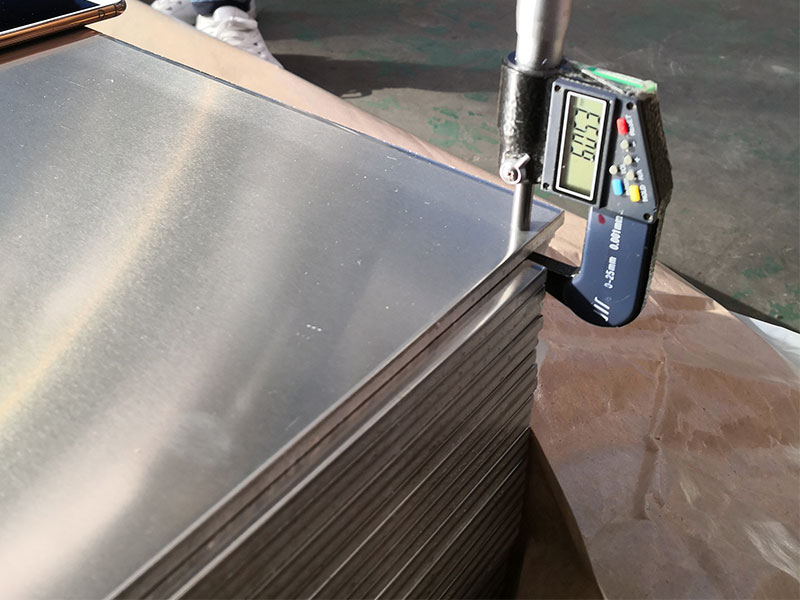
Marine grade aluminum plate 5083 h116
Marine grade aluminum plate 5083 H116 is one of the most widely used aluminum products for shipbuilding, offshore structures, and other harsh saltwater environments.
View Details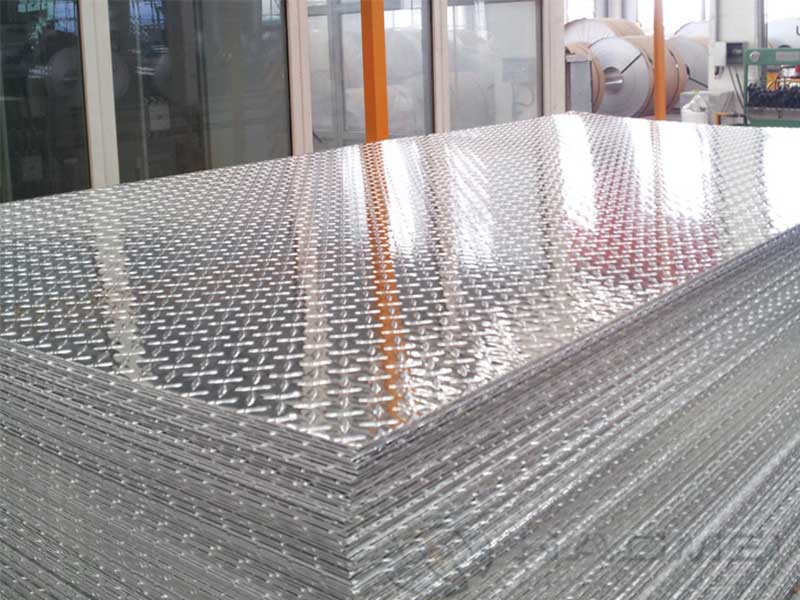
Aluminum Sheet Plate alloy 5083 H111 for boat application
When it comes to manufacturing high-performance boats that demand strength, corrosion resistance, and long-lasting durability, Aluminum Sheet Plate Alloy 5083 H111 stands out as a superior material.
View Details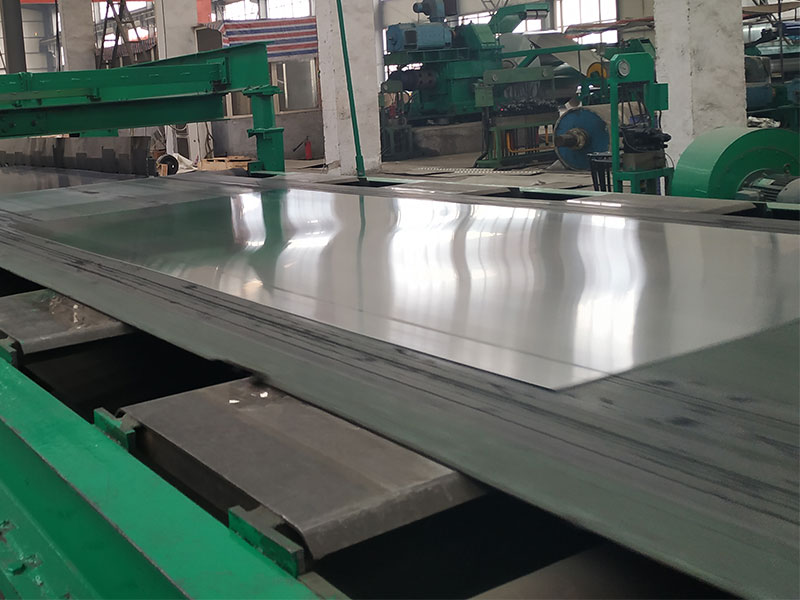
Manufactures aluminum marine alloy plate 5083 5086 o h111 h321
Aluminum marine alloy plates such as 5083 and 5086 are extensively used in maritime applications due to their exceptional corrosion resistance, high strength, and excellent workability.
View Details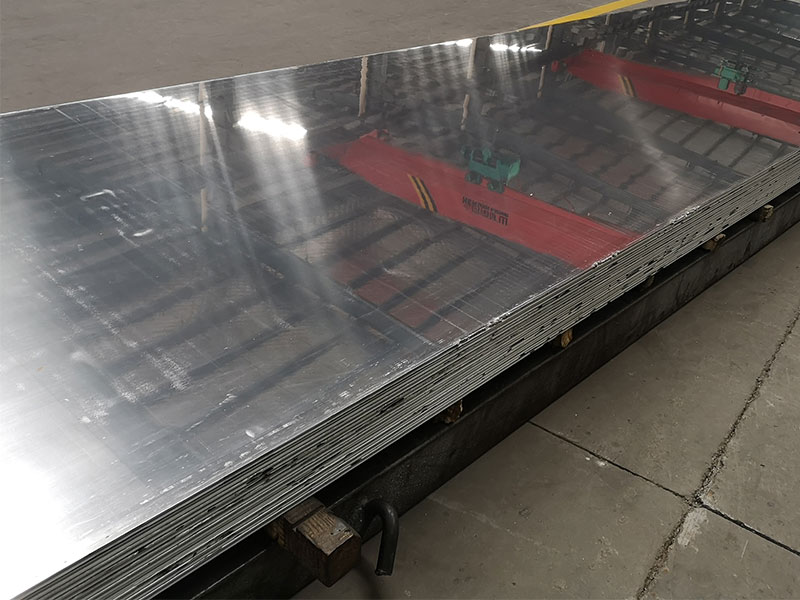
Marine grade aluminum 5083 sheet aluminum plate for boat using
When salt spray, wave impact, and long service hours meet a hull or deck structure, the material choice becomes the difference between "works on day one" and "keeps working for years.
View Details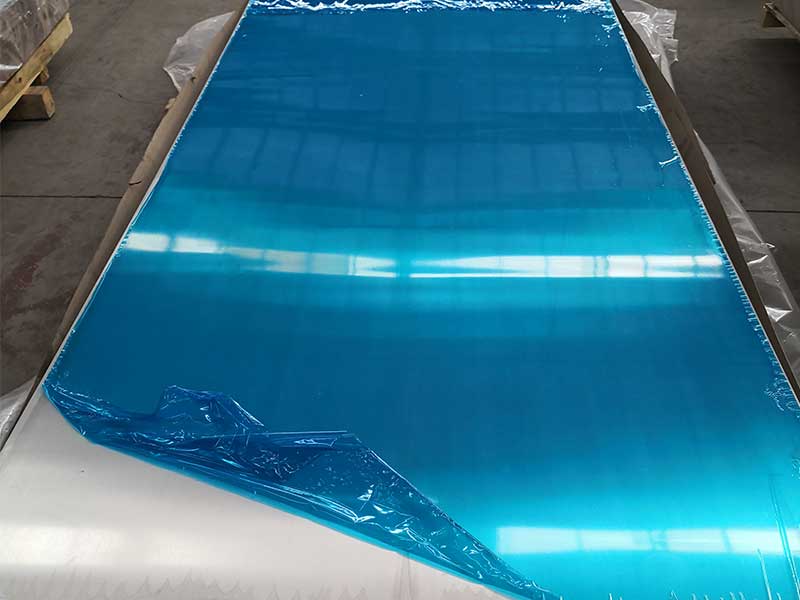
Marine Grade Aluminum Alloy Plate 5083 H111 H112
When we think of maritime applications, the materials we choose are of utmost importance, and few fulfill the criteria for durability, resistance, and lightweight characteristics better than Marine Grade Aluminum Alloy 5083 H111 and H112.
View Details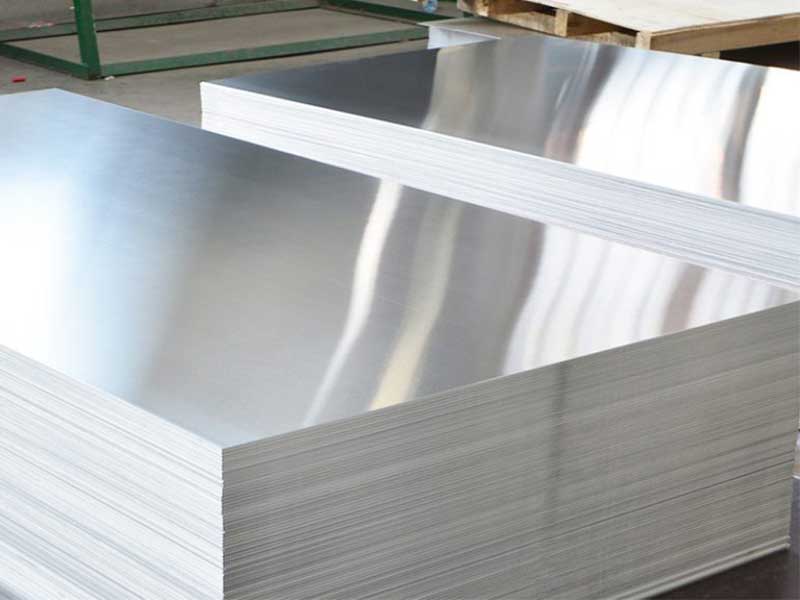
5083 h116 h321 5mm 10mm marine grade aluminum sheet plate for boat
Why 5083 Is a "Hull Alloy," Not Just an Aluminum GradeAA 5083 is an Al-Mg-Mn alloy designed to hold strength in the environments that punish most metals.
View Details
Leave a Message