
4mm thick 8x4 feet alloy 5083 aluminum sheet for ships
4mm Thick 8x4 Feet Alloy 5083 Aluminum Sheet for Ships
A Technical Deep Dive from the Hulls Perspective
When naval architects choose a material for modern ship hulls, they are not just comparing alloys on paper. They are imagining what the hull experiences every day. Salt spray, constant flexing in waves, stray impacts from cargo and equipment, and the relentless electrochemical attack of seawater. From that viewpoint, the 4mm thick 8x4 feet 5083 aluminum sheet is not just a flat product; it is a structural skin designed to survive the ocean.
The 4mm 8x4 format: a structural module, not just a dimension
A sheet that is 4mm thick and 8x4 feet in size, which is approximately 2440 mm by 1220 mm, behaves in a very particular way when incorporated into a ships side shell, deckhouse, or superstructure. At this gauge and size, it becomes a primary skin module that:
- Offers enough stiffness when supported by frames, stringers, or stiffeners at typical marine spacing, limiting deflection under wave and wind loads.
- Remains light enough to handle easily in fabrication workshops, bending lines, and shipyards, with manageable weight for manual and semi-automatic positioning.
- Reduces scrap and cutting loss because the 8x4 sheet nests well into common panel layouts for bulkheads, decks, cabins, and small hull sections.
For the hull, each 4mm 5083 sheet is like a flexible armor plate. Thin enough to conform to curvature after rolling or forming, yet robust enough to resist denting from minor contact and to cooperate with the surrounding structure.
Why alloy 5083 is favored in marine environments
From the oceans perspective, aluminum alloy 5083 is known less by its designation and more by its resistance to attack. When immersed or splashed in seawater, an aluminum magnesium alloy such as 5083 rapidly forms a tough oxide and hydroxide film. This invisible barrier is backed up by the alloys chemistry: relatively high magnesium content, controlled manganese, and very low copper.
In practical shipbuilding terms, 5083 aluminum sheet in 4mm thickness and 8x4 feet size offers:
- Outstanding resistance to general corrosion and pitting in marine atmospheres and splash zones.
- High as-welded strength, which is crucial because ship structures are full of long weld seams.
- Excellent performance in cryogenic and low temperature waters compared to many steel grades.
Instead of relying on post heat treatment like heat treatable alloys, 5083 derives its strength from strain hardening and its carefully balanced, non heat treatable composition. This makes it far more predictable during fabrication and welding.
Typical chemical composition of 5083 marine aluminum sheet
The corrosion resistance and strength of 5083 arise from its alloying elements. A typical composition range, in weight percent, is shown below. Values may vary slightly by producer but remain within established standards.
Chemical composition of alloy 5083, typical ranges:
| Element | Content, wt. percent |
|---|---|
| Magnesium Mg | 4.0 to 4.9 |
| Manganese Mn | 0.40 to 1.0 |
| Chromium Cr | 0.05 to 0.25 |
| Iron Fe | up to 0.40 |
| Silicon Si | up to 0.40 |
| Copper Cu | up to 0.10 |
| Zinc Zn | up to 0.25 |
| Titanium Ti | up to 0.15 |
| Other, each | up to 0.05 |
| Other, total | up to 0.15 |
| Aluminum Al | Balance |
From the hulls viewpoint, the critical detail is that copper is kept extremely low. Copper rich phases can act as galvanic hot spots in seawater. The Mg and Mn content supports solid solution and dispersion hardening that improve strength without sacrificing weldability or corrosion resistance.
Mechanical properties and temper: how the sheet feels under load
The 4mm 8x4 5083 sheet is commonly supplied in different tempers such as H111, H116, and H321, particularly for marine applications. These temper conditions are not abstract codes; they define how the sheet will respond when the ship flexes in waves or endures repeated loading cycles.
Common marine tempers and their implications:
5083 H111
Lightly strain hardened. This condition is slightly stronger than fully annealed material but retains excellent ductility and formability. Ideal for plates that must be formed into complex curvature and then welded. In service, the hull experiences smooth load distribution with good resistance to cracking during vibration and flexing.5083 H116
Specially processed for marine service with controlled strain hardening, targeted for high resistance to exfoliation and stress corrosion in marine environments. The hull skin in H116 behaves as a tougher, more resilient armor that resists delamination and pitting in splash zones and along waterlines.5083 H321
Strain hardened and then stabilized. This temper controls the stress state in the sheet so that after welding and in-service temperature fluctuations, further unwanted changes are minimized. The ship feels this as dimensional stability over time, limiting distortion and residual stress buildup.
Typical mechanical properties for 5083 H116 marine sheets around 4mm thickness are as follows. These values are illustrative and may vary with specification and producer.
| Property | Typical value for 5083 H116, 4mm sheet |
|---|---|
| Tensile strength, Rm | approximately 305 MPa |
| Yield strength, Rp0.2 | approximately 215 MPa |
| Elongation, A50 | approximately 12 to 16 percent |
| Brinell hardness | approximately 88 HB |
In the real world, that means a hull plate that is firm under impact but not brittle, able to stretch locally rather than crack when overloaded by swell or collision with small floating objects.
Standards and implementation: the rules the ocean expects you to follow
Marine aluminum sheet does not exist outside of regulations. For a 4mm 5083 sheet to be accepted in shipbuilding, it must be produced, tested, and certified according to recognized international and classification society standards. These standards define composition, mechanical properties, dimensional tolerances, and testing protocols that ensure each sheet behaves in a predictable way when welded into the hull.
Relevant standards and references often include:
- EN 573 series for chemical composition of wrought aluminum alloys.
- EN 485 series for mechanical properties and tolerances of rolled aluminum sheets and plates.
- ASTM B928 or equivalent for high magnesium aluminum alloy plates for marine service, addressing stress corrosion and exfoliation resistance.
- Classification society rules from organizations such as DNV, ABS, LR, BV, CCS, and others, which specify approved alloys, tempers, and inspection requirements for hull and deck structures.
From the hulls perspective, compliance with these standards is the guarantee that each adjoining sheet will respond consistently to waves, welding, and long term exposure. It is the difference between a patchwork of unknown materials and a unified, engineered shell.
Dimensional precision: why flatness and tolerance matter for the hull
A 4mm 5083 sheet may look perfectly flat, but the hull feels every small deviation. Local waviness or inaccurate thickness can translate into uneven load paths, extra stress at weld toes, or difficulties in fairing and alignment. Typical dimensional requirements for high quality marine 5083 sheets include:
- Thickness tolerance tightly controlled around the nominal 4mm, often within a small fraction of a millimeter.
- Width and length tolerances that align with shipyard nesting plans, minimizing trimming and reshaping.
- Flatness and shape control to ensure proper fit up, reducing forced alignment that can introduce residual stress before the vessel ever touches the water.
A sheet that is precise in thickness also ensures that theoretical strength calculations used by designers match the real structure that the sea interacts with.
Weldability and heat affected behavior: the hulls invisible joints
A ship is a network of welds. For 4mm 5083 sheets, weldability is a defining characteristic, not a side note. Since 5083 is non heat treatable, it retains a significant portion of its strength in and near the weld zone, especially in suitable tempers like H116 or H321.
From the hulls point of view, the weld line is where loads concentrate and shift. 5083 offers:
- Compatibility with standard marine filler wires such as 5183 or 5356, which match both strength and corrosion resistance in seawater.
- Good resistance to weld cracking due to its balanced composition and magnesium level.
- Acceptable reduction in mechanical strength in the heat affected zone without catastrophic loss of integrity.
This is critical for thin 4mm panels, where overpenetration, distortion, and heat input must be controlled. A well welded 4mm 5083 sheet behaves as a near continuous skin, with the weld seam acting as a safe bridge rather than a weak seam.
Corrosion behavior in seawater: the silent negotiation
Every second the ship is at sea, its aluminum hull is engaged in a chemical negotiation with its environment. The 5083 alloy, combined with proper design and surface preparation, manages this dialogue gracefully.
In splash and tidal zones, where oxygen supply is high, the protective oxide film on 5083 is continuously renewed. The magnesium rich solid solution and low copper content reduce the driving force for localized pitting and galvanic attack. When carefully isolated from dissimilar metals and combined with suitable coatings or anodic protection strategies, 4mm 5083 sheets maintain their integrity over many years.
From the hulls viewpoint, this translates into:
- Gradual, predictable surface weathering rather than sudden pitting or perforation.
- Stable stiffness and strength over the vessel life, so that structural calculations remain valid.
- Reduced maintenance downtime caused by plate replacement or heavy repair welding.
Formability and shaping: making a complex hull from flat sheets
Ships are not built from flat geometric panels alone. They require smooth curvature, chines, and transitions. Alloy 5083 in 4mm thickness offers an excellent balance between formability and strength.
- In H111 condition, the sheet can be cold bent and rolled into hull curvature without cracking, while keeping adequate strength after forming.
- In H116 and H321, the temper still allows necessary bending radii, particularly when proper tooling and bending practices are applied.
From the viewpoint of the assembled hull, good formability ensures fewer cut and weld operations, smoother external lines, and more continuous load transfer. A well formed 4mm 5083 panel conforms to the intended hydrodynamic shape with minimal residual stress.
Thermal behavior and service temperatures
Ships frequently operate in cold waters and can see significant temperature differentials between sun baked decks and cool hull sections below the waterline. 5083 alloy maintains ductility at low temperatures, making the 4mm sheets particularly suitable for vessels that may encounter near freezing or even subzero conditions.
For the hull, this means that at low temperatures the material does not become brittle. Impact resistance remains acceptable, and cyclic stresses from waves and ice contact can be absorbed safely. At higher temperatures within normal marine service, the microstructure remains stable in the non heat treatable 5083 alloy, so no unexpected softening or embrittlement occurs in the long term.
Surface preparation and finishing: how the sheet presents itself to the sea
Bare 5083 already has good corrosion resistance, but when used as a ships skin, additional measures enhance durability. Common practices include:
- Mechanical or chemical cleaning before painting or coating to ensure good adhesion.
- Application of marine grade primers and topcoats tailored for aluminum substrates.
- Careful isolation from more noble metals to minimize galvanic coupling.
From the hulls perspective, these finishes are not just aesthetic. They are layered defenses that slow down the oceans attempts to reclaim the metal.
The role of a 4mm 8x4 5083 sheet in different ship zones
Different parts of a ship ask different things of a 4mm 5083 sheet.
Side shell and topsides
The sheet faces wave slap, green water, UV exposure, and occasional mechanical impacts. Here, H116 or H321 tempers offer a resilient skin with good flatness, strong weld seams, and resistance to exfoliation.Superstructure and deckhouses
Weight saving is crucial above the main deck. A 4mm 5083 panel reduces top weight, improving stability and fuel efficiency. The sheet also withstands wind loads, thermal gradients, and deck equipment attachments.Internal bulkheads and partitions
The alloy provides consistent stiffness and easy weldability for non watertight and watertight bulkheads, with good fire behavior for aluminum and compatibility with insulation and lining systems.
In each of these locations, the sheet plays a different structural role, but the core properties of 5083 remain consistent.
Sustainability and lifecycle: how the hull thinks about its future
At the end of its service life, a ships hull is not waste; it is a stock of valuable, recyclable metal. 5083 aluminum alloy can be remelted and reused with far less energy than primary production. The 4mm sheets that once formed the hull skin can become new marine plates, automotive panels, or industrial components.
From an environmental and economic standpoint, the use of 5083 marine aluminum supports:
- Lower vessel weight, which directly improves fuel efficiency and reduces emissions over decades of service.
- High recyclability, closing the material loop at the end of the ships life.
From the hulls own imagined perspective, this means that its material story does not end when it is scrapped; the alloy moves on to new applications, carrying its marine proven characteristics forward.
Bringing it all together
When you look at a 4mm thick 8x4 feet 5083 aluminum sheet from the hulls point of view, you see more than a flat product. You see a carefully engineered balance of chemistry, temper, and processing, aligned with strict implementation standards to ensure predictable performance in one of the harshest environments on earth.
The balanced Mg Mn Cr alloying delivers corrosion resistance and strength without complex heat treatment. Marine tempers like H111, H116, and H321 tune the material response to forming, welding, and long term service. International standards and classification rules ensure each panel is trustworthy before it ever meets seawater.
In the end, a ship is only as reliable as the skin that meets the ocean. A 4mm 8x4 5083 marine aluminum sheet is that skin, designed from the atomic scale up to satisfy the demands of waves, welds, and time.

Related Products
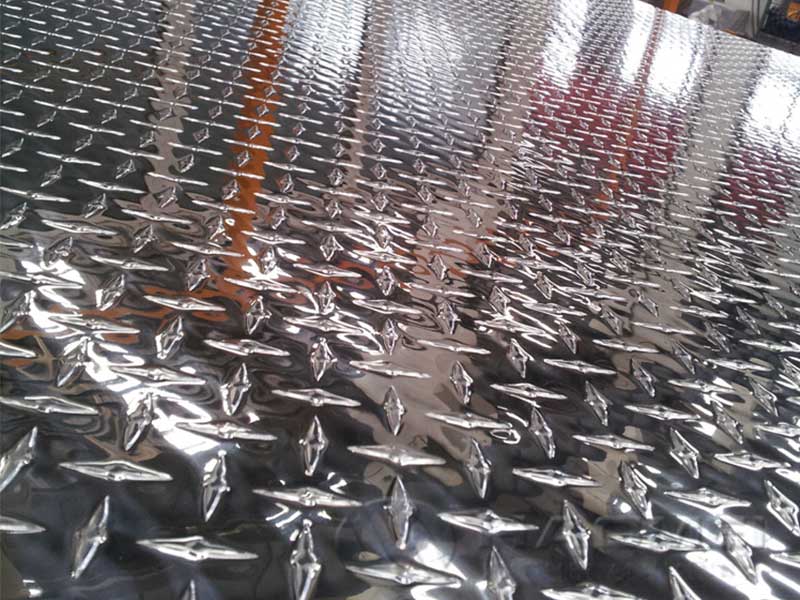
Marine Aluminum Tread Sheets
Marine Aluminum Tread Sheets are aluminum alloy plates featuring a raised surface pattern, commonly referred to as a tread design or diamond plate.
View Details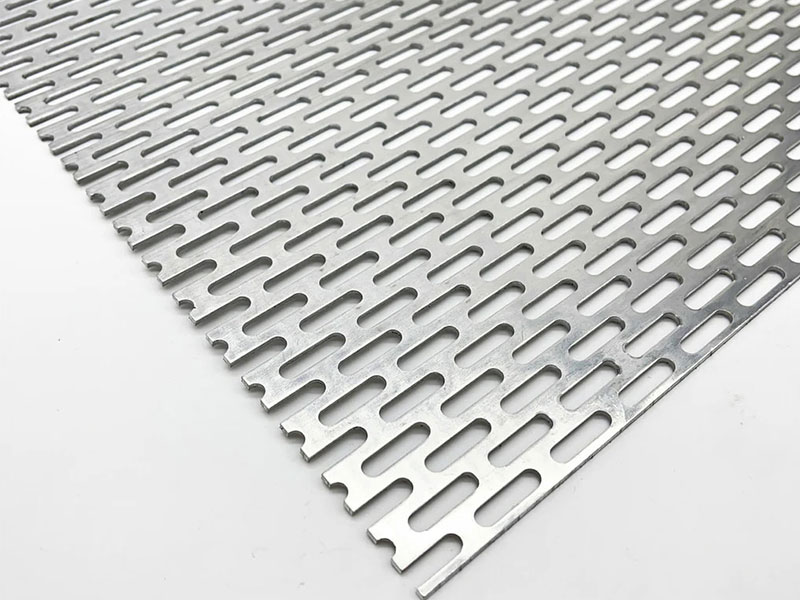
Marine perforated aluminum sheets
Marine Perforated Aluminum Sheets feature a series of uniform holes or shapes punched through the aluminum surface. These perforations can vary in size, pattern, and open area to tailor the sheets for specific applications.
View Details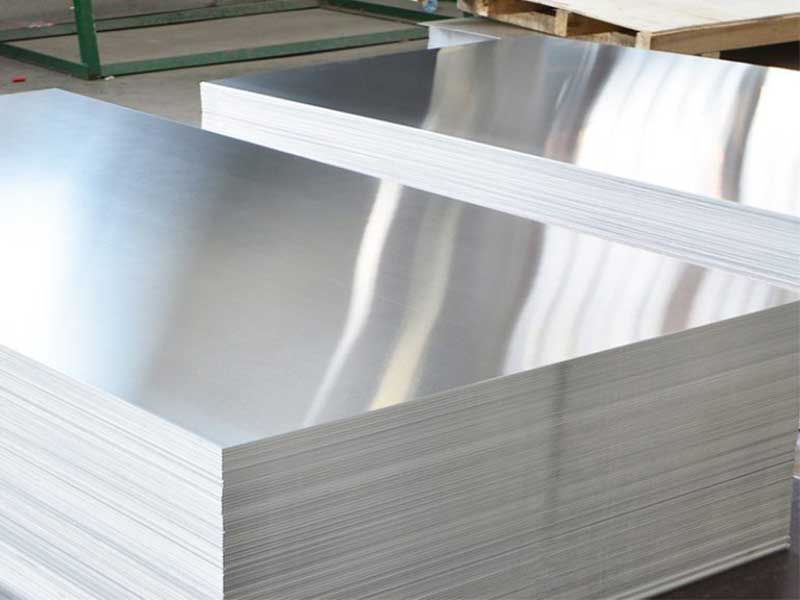
Marine anodized aluminum sheets
Marine Anodized Aluminum Sheets start with premium marine-grade aluminum alloys such as 5000 and 6000 series (typically 5083, 5052, and 6061).
View Details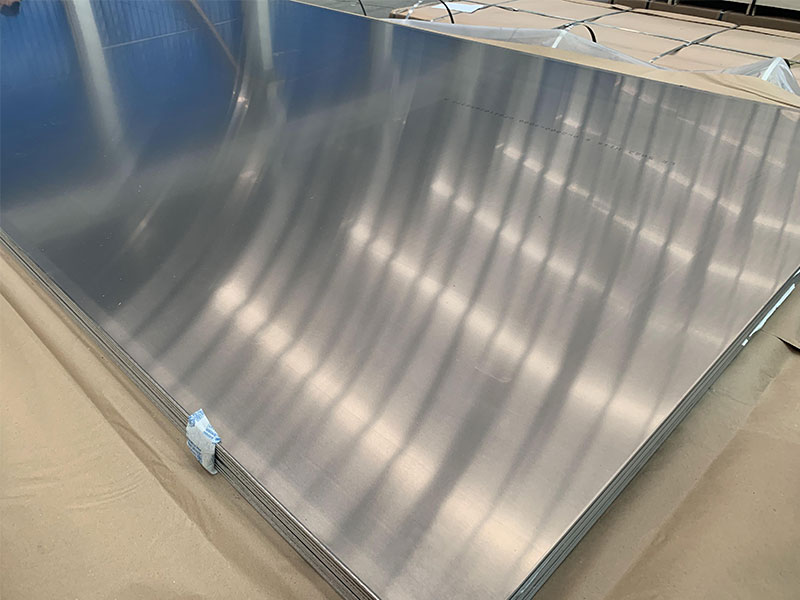
Marine 5052 aluminum sheet
Aluminum alloy 5052 is a non-heat-treatable, strain-hardened alloy with magnesium as the primary alloying element. It is designed to offer superior corrosion resistance in marine and saline environments, making it a dependable choice for components exposed directly to seawater or coastal atmospheric conditions.
View Details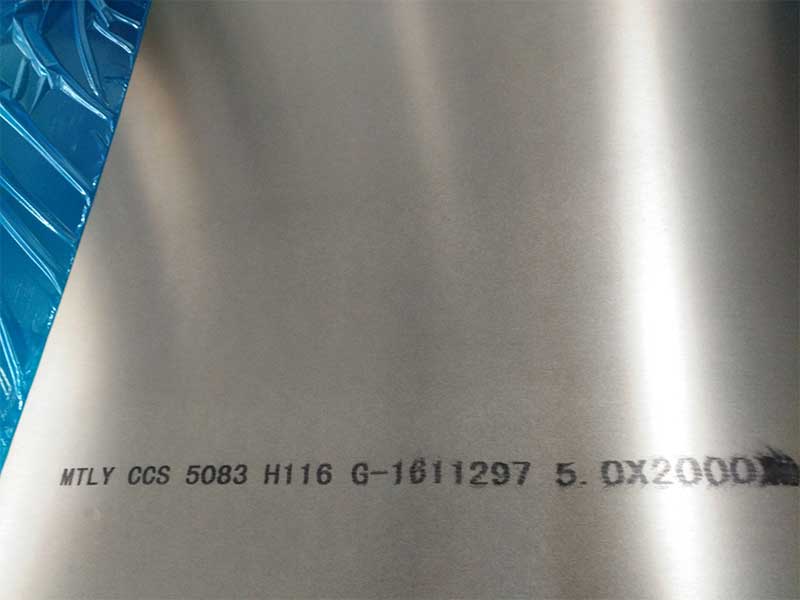
Marine 5083 aluminum sheet
Aluminum alloy 5083 is a non-heat-treatable alloy primarily composed of magnesium and trace elements that deliver outstanding protection against corrosion, particularly in seawater and saline atmospheres.
View Details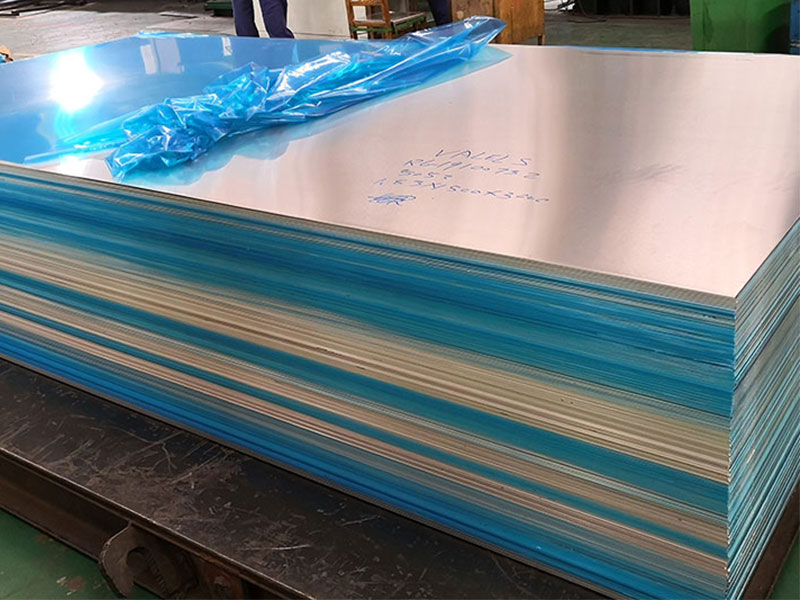
Marine 5059 aluminum sheet
5059 aluminum alloy is a strain-hardened material with a unique addition of magnesium and chromium, which provides outstanding resistance to localized corrosion like pitting and stress corrosion cracking.
View DetailsRelated Blog
5083 marine grade anodized aluminum sheets coils
In the marine industry, where durability, corrosion resistance, and lightweight materials are quintessential, 5083 marine grade anodized aluminum sheets and coils stand as a pinnacle product.
View Details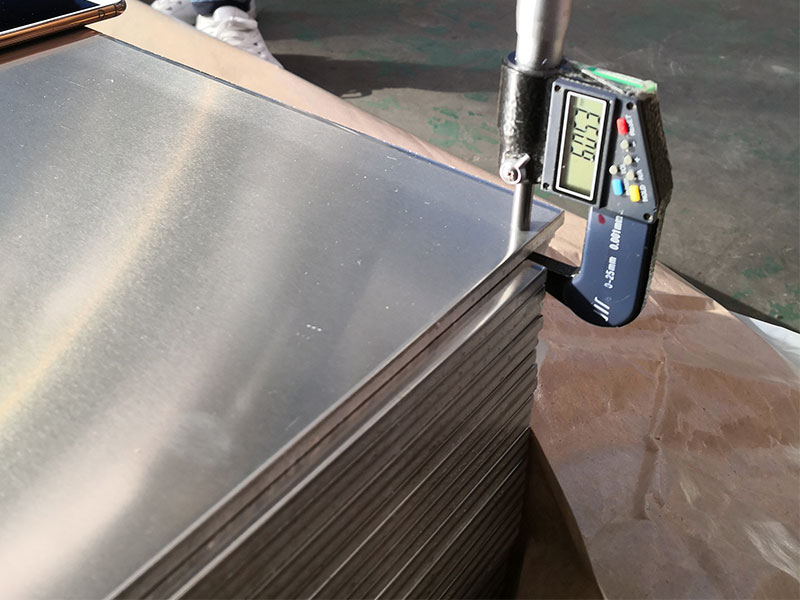
5083 aluminium marine grade 3.2 mm thick aluminium sheet
5083 Aluminium Marine Grade 3.2 mm Thick Aluminium Sheet: Unveiling Its Functional Excellence and Versatile ApplicationsIn the realm of marine engineering, material selection determines durability, safety, and performance.
View Details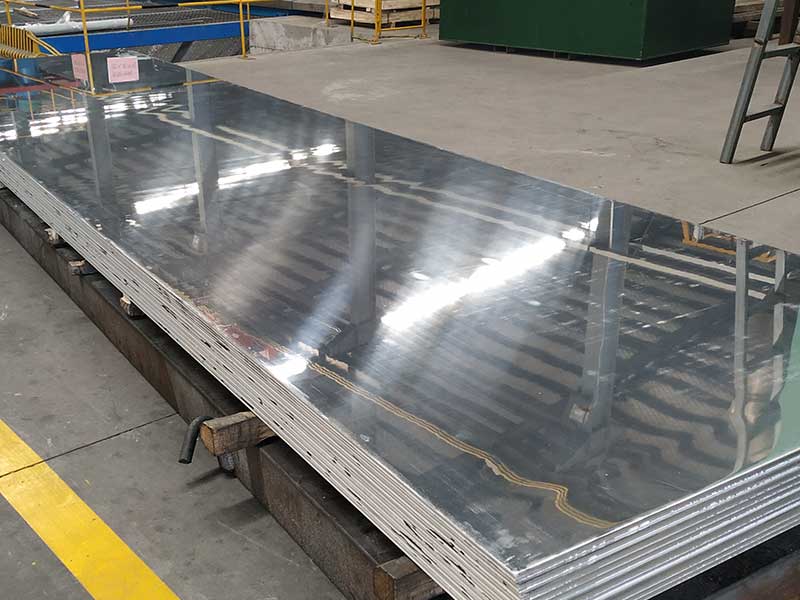
5083 marine aluminium sheet
Aluminum has emerged as a material in marine applications, primarily due to its excellent resistance to corrosion and lightweight properties. Among the various grades of aluminum.
View Details
Aluminum Sheet for Boat 5083 H111 H112 H116 H32
The Aluminum Sheet 5083 series is notably recognized in marine and industrial applications, particularly aluminum sheets used for boat construction. Among the temper designations, H111, H112, H116.
View Details
Marine Uses 5083 Aluminum Sheet for Boat
When the sapphire waves beckon—whether for pleasure, transport, or industry—choosing the right materials for constructing boats and marine vessels becomes pivotal.
View Details
ASTM B209 aluminum sheet 5083 for ship
ASTM B209 Aluminum Sheet 5083 for Shipbuilding: A Functional View from the Waterline Up When ship designers choose materials, they are not just selecting metal; they are choosing how a vessel behaves at sea over decades.
View Details
Leave a Message