
5052 Marine Aluminum Angles for Seawater Resistant Offshore Equipment
5052 Marine aluminum angles are purpose-built structural shapes for offshore and nearshore environments where salt spray, seawater splash zones, and humid, corrosive atmospheres quickly degrade ordinary metals. Produced from Al-Mg alloy 5052 and commonly supplied in H32/H34 tempers, these angles combine strong corrosion resistance with practical strength, excellent formability, and reliable weldability-making them a go-to choice for frames, brackets, supports, and protective structures used on offshore equipment.
For customers designing compact structures in limited spaces, aluminum angles offer a high stiffness-to-weight solution with clean edges, predictable geometry, and easy fabrication. With 5052, the advantage is durability in chloride-rich environments without relying on heavy coatings or constant repainting schedules.
Why 5052 Works So Well in Offshore Conditions
5052 is a magnesium-bearing aluminum alloy with inherently strong resistance to marine corrosion. In seawater-related service, the alloy forms a stable oxide layer and resists many common corrosion mechanisms that attack carbon steel, low-grade stainless, and non-marine aluminum grades.
benefits in offshore use
- Excellent seawater and salt-spray resistance for splash-zone and deck-level structures
- High strength among non-heat-treatable marine alloys, especially in H32/H34 tempers
- Weldable with common marine filler wires and robust post-weld performance
- Good formability for fabrication of clips, corner reinforcements, and gussets
- Lightweight for easier handling, reduced crane loads, and improved system efficiency
Typical Applications for 5052 Marine aluminum angles
5052 angles are frequently selected where structural support is needed but the component must remain corrosion resistant, light, and easy to install.
Common offshore and marine applications
- Skid frames, auxiliary equipment frames, and instrument supports
- Brackets, corner reinforcements, stiffeners, and mounting rails
- Cable tray supports, ladder and handrail substructures (non-decorative)
- Enclosures, covers, HVAC and ventilation supports in coastal installations
- Dock hardware, gangway structural elements, and boat-building components
- ROV and offshore sensor mounting structures where weight matters
Alloy and Temper Options for Marine Angles
5052 is not heat-treatable; strength is achieved mainly through strain hardening. For angles used in offshore equipment, the most requested tempers balance strength and bendability.
| Temper | Description | Typical Use Notes |
|---|---|---|
| O | Annealed (soft) | Best for tight forming; lowest strength |
| H32 | Strain hardened and stabilized | Common marine choice; good strength + formability |
| H34 | Higher strain hardening than H32 | Higher strength; reduced forming margin |
| H112 | As fabricated (often extruded) | Used for extrusions; properties depend on process |
Chemical Composition (AA 5052)
Composition ranges may vary slightly by standard and mill practice; the table below reflects widely used limits for AA 5052.
| Element | Content (wt%) |
|---|---|
| Magnesium (Mg) | 2.2–2.8 |
| Chromium (Cr) | 0.15–0.35 |
| Silicon (Si) | ≤ 0.25 |
| Iron (Fe) | ≤ 0.40 |
| Copper (Cu) | ≤ 0.10 |
| Manganese (Mn) | ≤ 0.10 |
| Zinc (Zn) | ≤ 0.10 |
| Titanium (Ti) | ≤ 0.10 |
| Aluminum (Al) | Balance |
Mechanical Properties (Typical)
Actual values depend on thickness, production route, and inspection standard. Use project specifications for acceptance criteria.
| Property | 5052-H32 (Typical) | 5052-H34 (Typical) |
|---|---|---|
| Tensile Strength, UTS (MPa) | 228–260 | 248–290 |
| Yield Strength, 0.2% (MPa) | 170–200 | 190–230 |
| Elongation (%) | 8–12 | 6–10 |
| Brinell Hardness (HBW) | ~60–70 | ~65–75 |
| Density (g/cm³) | 2.68 | 2.68 |
| Modulus of Elasticity (GPa) | 69–70 | 69–70 |
Product Forms and Dimensional Specifications (Angles)
5052 angles are supplied as equal-leg or unequal-leg profiles. Dimensional tolerances depend on the governing standard and the supplier's extrusion/drawing practice. The ranges below represent common commercial supply for offshore fabrication.
| Parameter | Common Range / Notes |
|---|---|
| Leg length (A × B) | 20–200 mm typical availability |
| Thickness (t) | 2–12 mm typical; thicker available by request |
| Length | 3–6 m standard; cut-to-length available |
| Corner radius | Per die design; important for fit-up in tight assemblies |
| Straightness | Controlled for assembly alignment; specify if critical |
| Surface finish | Mill finish standard; anodized or coated optional |
Selection tip: offshore brackets and frames often prioritize a practical thickness that supports welding and fastener pull-out resistance. When corrosion allowance is needed, 5052's performance usually reduces the need for excessive thickness "just in case," compared to carbon steel.
Corrosion Resistance in Seawater Exposure
5052's performance is particularly strong in marine atmospheres and splash-zone conditions, where chloride deposition is frequent. While no aluminum alloy is immune to every corrosion mode, 5052 is widely regarded as a safe, proven choice for structural angles when properly designed and fabricated.
| Environment | Expected Performance | Notes |
|---|---|---|
| Marine atmosphere (salt spray) | Excellent | Minimal maintenance when kept clean and drained |
| Seawater splash zone | Excellent to very good | Avoid crevices that trap saltwater |
| Immersion (static seawater) | Good | Design to reduce deposits and biofouling |
| Galvanic contact with steel | Risk if unisolated | Use isolators, coatings, and correct fasteners |
| Crevice zones (tight overlaps) | Risk increases | Prefer sealed joints or drainage gaps |
Fabrication and Welding Notes (Offshore-Friendly)
5052 angles are easy to cut, drill, and weld using standard shop tooling. The most important offshore consideration is controlling crevices and galvanic couples, which can undermine even the best alloy choice.
| Process | Guidance for 5052 Angles |
|---|---|
| Cutting | Sawing and shearing are common; deburr edges to reduce corrosion initiation sites |
| Bending/Forming | H32 forms well; tighter radii may require O temper or larger bend radius |
| Welding | MIG/TIG compatible; common fillers include ER5356 for marine service |
| Fastening | Prefer marine-grade isolation where dissimilar metals meet; avoid bare carbon steel contact |
| Surface protection | Mill finish works in many cases; consider anodizing, marine paint, or powder coat for aesthetics and extra barrier protection |
Standards, Quality, and Ordering Information
For offshore projects, consistent documentation matters as much as alloy choice. When requesting quotes, specify the governing standard, temper, inspection requirements, and whether angles are extruded or formed.
| Item to Specify | Typical Options |
|---|---|
| Alloy | AA 5052 |
| Temper | H32, H34, O, H112 |
| Shape | Equal angle, unequal angle |
| Dimensions | A × B × t × L |
| Tolerances | Standard mill tolerances or project-specific |
| Certification | Mill test certificate, heat/lot traceability |
| Surface | Mill finish, anodized, coated, protective film |
Choosing 5052 Angles vs Other Marine Materials
5052 angles sit in a practical sweet spot: more corrosion resistant than many general-purpose alloys, strong enough for many structural brackets and frames, and easier to fabricate than heavier corrosion-resistant metals.
| Material | Relative Strength | Marine Corrosion Resistance | Typical Trade-Off |
|---|---|---|---|
| 5052 (Al-Mg) | Medium | Excellent | Not heat-treatable; strength limited vs 6xxx/7xxx |
| 5083/5086 (Al-Mg) | Medium-high | Excellent | Often higher cost; may be chosen for heavier structural plates |
| 6061-T6 | High | Good | Strength is excellent; marine corrosion resistance typically lower than 5xxx |
| Stainless steel (316) | High | Very good | Heavier, higher cost; risk of crevice corrosion in stagnant seawater |
| Galvanized steel | High | Fair to good initially | Coating damage leads to fast corrosion; heavy and maintenance-prone |
Practical Design Notes for Offshore Reliability
Good marine performance comes from the alloy plus smart detailing. 5052 angles deliver long life when assemblies are designed to shed water, avoid trapped salts, and minimize galvanic pairing.
| Design Consideration | Recommendation |
|---|---|
| Drainage | Provide weep holes and avoid water traps in angle corners |
| Crevices | Seal overlaps or leave drainage gaps; avoid tight, unsealed lap joints |
| Fasteners | Use compatible fasteners and isolating washers where needed |
| Coatings | Add barrier coatings for aesthetics, chemical exposure, or mixed-metal assemblies |
| Cleaning | Periodic fresh-water rinse reduces salt deposits and extends appearance life |

Related Products
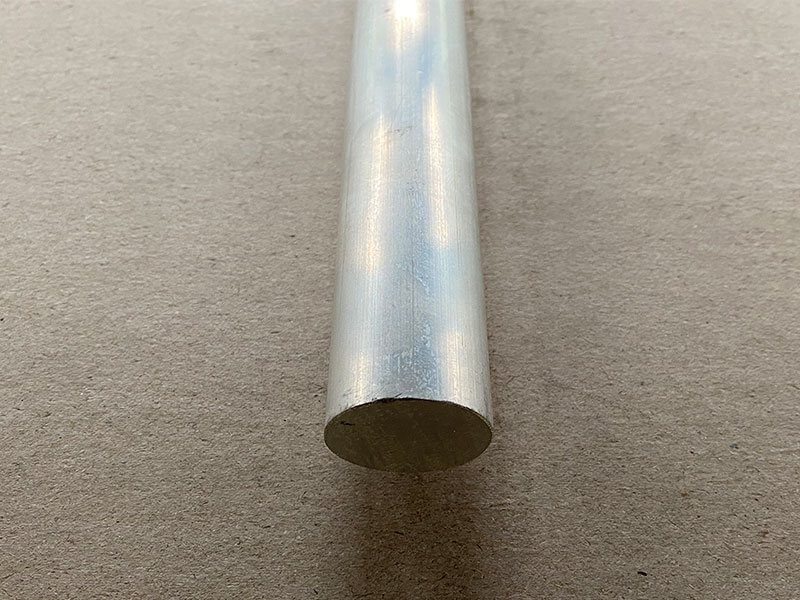
6061 marine aluminum round bar
6061 aluminum belongs to the 6xxx series alloys, alloyed primarily with magnesium and silicon. In the T6 temper, it undergoes solution heat treatment and artificial aging, resulting in enhanced mechanical properties while maintaining excellent corrosion resistance.
View Details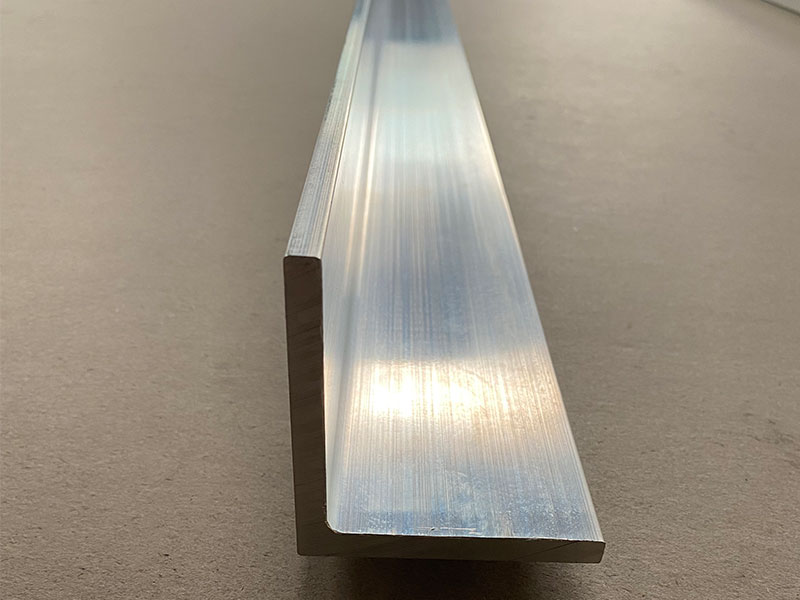
Marine aluminum angles
Marine Aluminum Angles are L-shaped cross-sectional aluminum profiles produced from marine-grade aluminum alloys such as 5083, 5052, and 6061.
View Details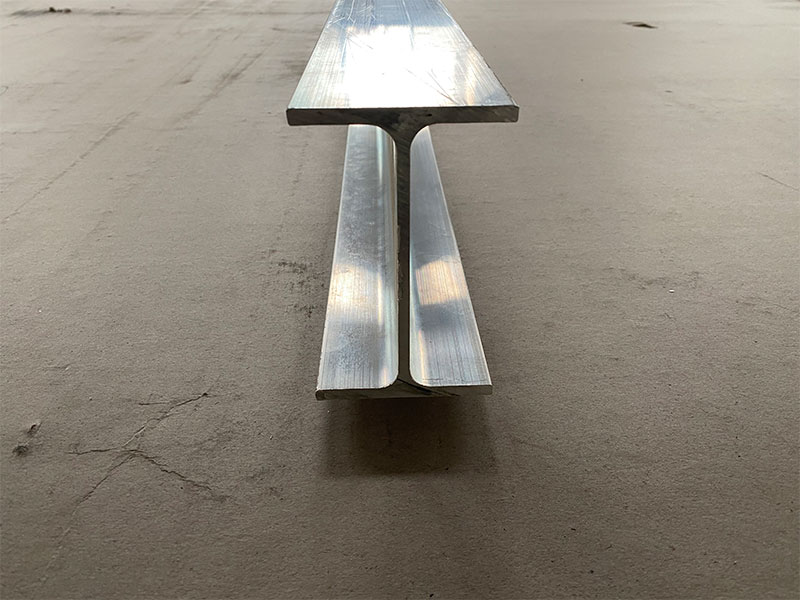
Marine aluminum Z-shaped sections
Marine Aluminum Z-shaped Sections are fabricated from premium marine-grade aluminum alloys such as 5083, 5052, and 6061. These alloys are well-regarded for their superior corrosion resistance in seawater and marine atmospheres, along with good mechanical strength and excellent weldability.
View Details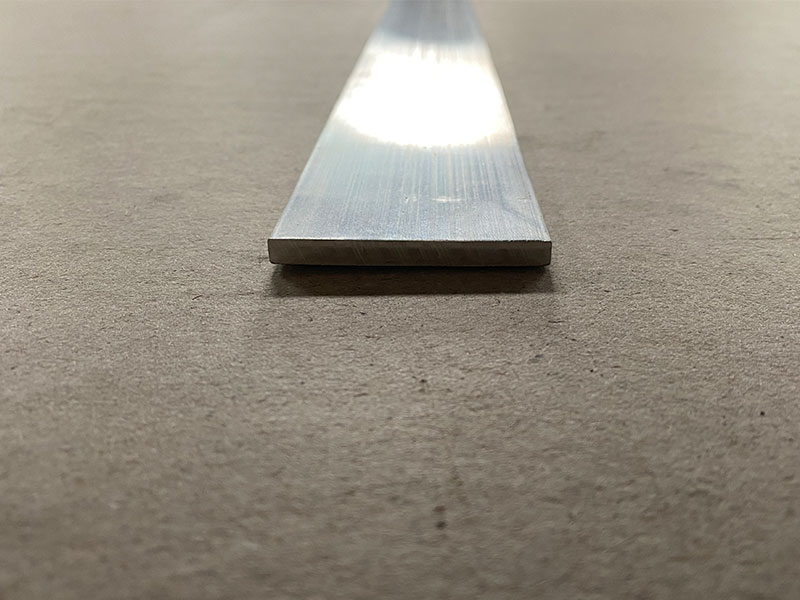
5083 marine aluminum flat bar
5083 aluminum flat bars belong to the 5xxx series of aluminum-magnesium alloys, known primarily for their superior resistance to seawater corrosion and salt spray.
View Details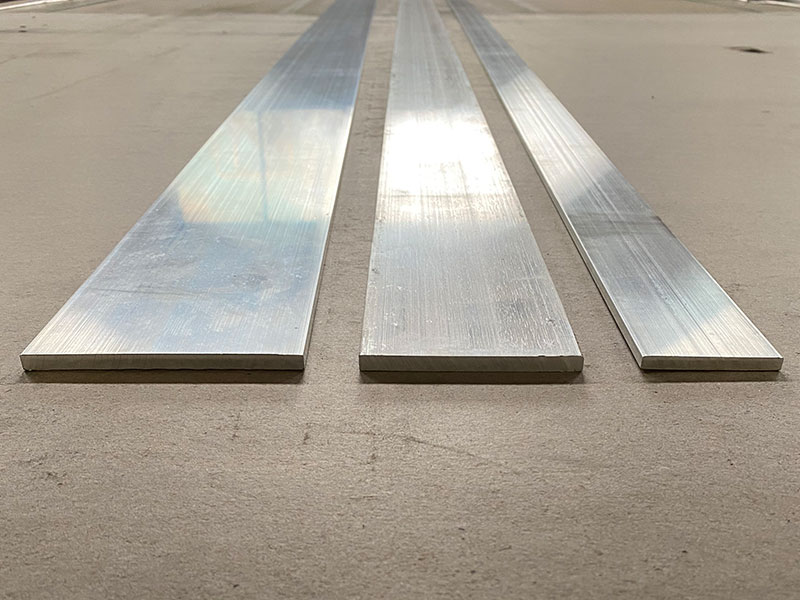
6061 T6 marine aluminum flat bar
6061 aluminum is classified as a heat-treatable 6xxx series alloy, alloyed primarily with magnesium and silicon. The T6 temper designation indicates that the flat bar has been solution heat-treated and artificially aged to achieve optimum strength and hardness.
View Details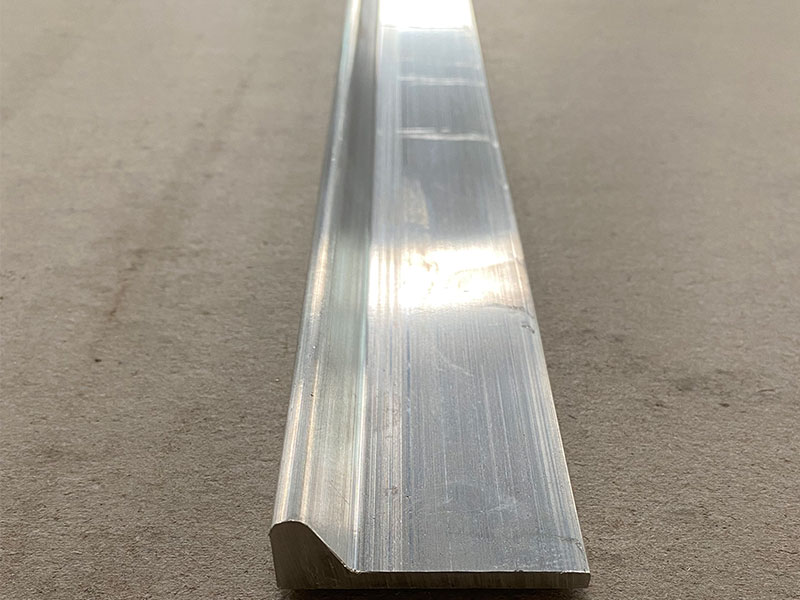
Marine aluminum I-beams
Marine Aluminum I-Beams feature the traditional “I” cross-sectional profile fabricated from marine-grade aluminum alloys like 5083, 5086, and 6061. These alloys are renowned for their outstanding corrosion resistance, especially in saltwater and marine atmospheres, making them ideal for offshore and naval construction.
View DetailsRelated Blog
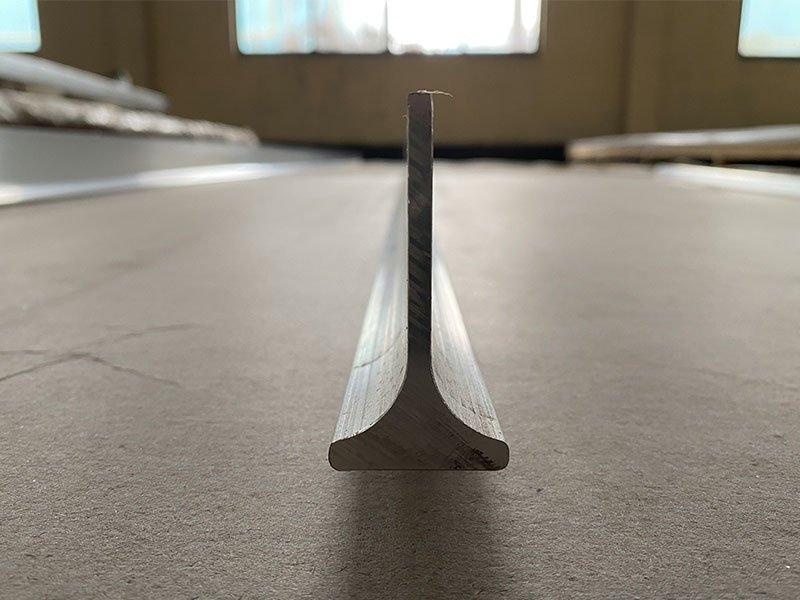
5052 Marine Aluminum Angles for Offshore Engineering and Shipbuilding
5052 marine aluminum angles are structural L-shaped extrusions (or brake-formed profiles) designed for saltwater exposure, cyclic loading, and weight-sensitive structures.
View Details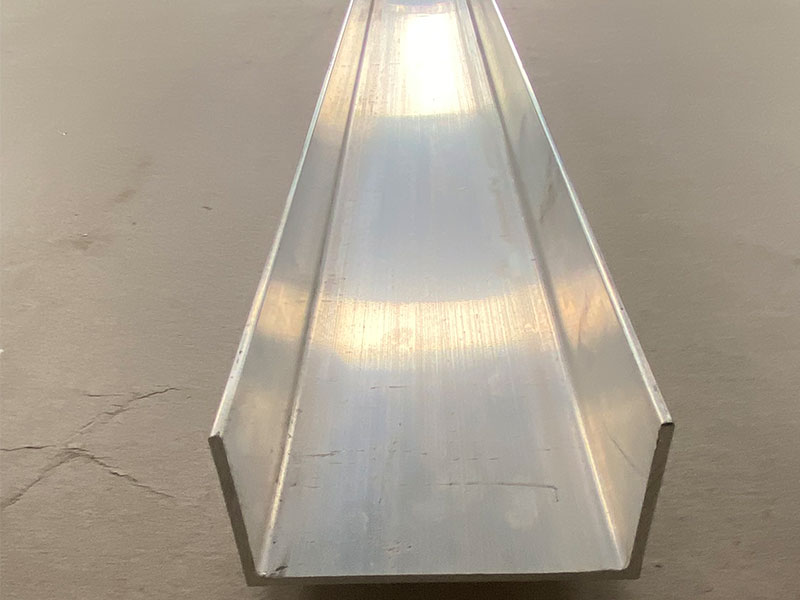
5052 Marine Aluminum Angles for Durable Marine Frame Solutions
5052 Marine Aluminum Angles for Durable Marine Frame SolutionsA technical, application‑driven perspective5052 marine aluminum angles are a backbone material in modern shipbuilding and offshore structures—quietly underpinning decks, bulkheads, ra.
View Details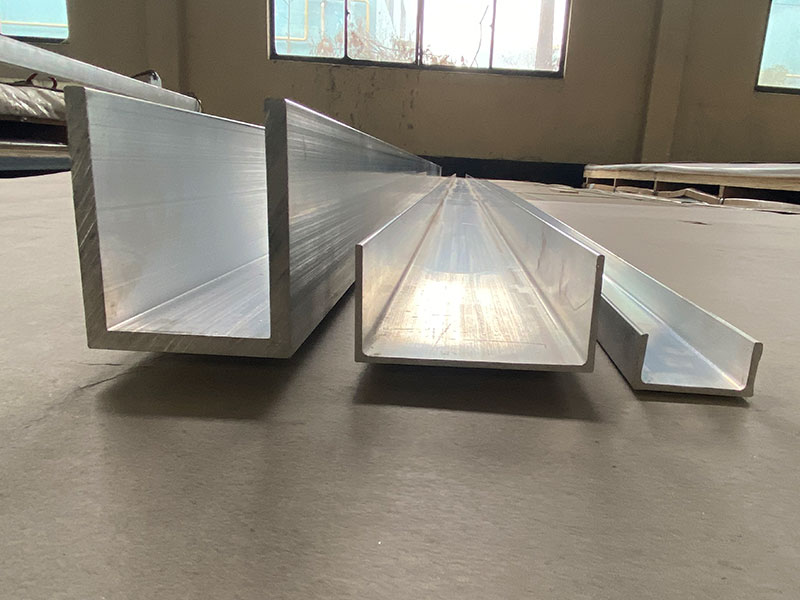
5052 Marine Aluminum Angles for Custom Boat Deck Engineering
5052 marine aluminum angles are a go-to structural shape for boat deck builds where corrosion resistance, weldability, and dependable strength matter more than flashy specs.
View Details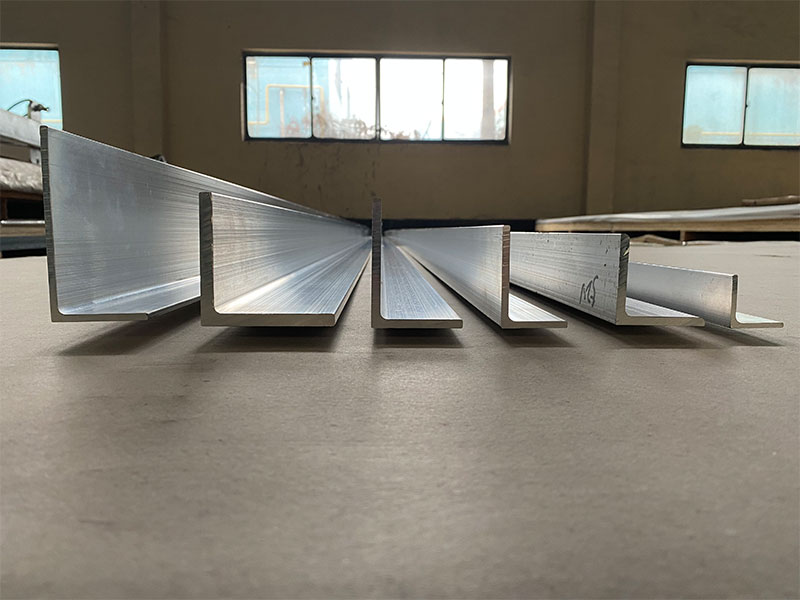
5052 Marine Aluminum Z Shaped Sections for Corrosion Resistant Marine Frames
5052 aluminum alloy is widely recognized in the marine industry for its excellent corrosion resistance, formability, and weldability. This lightweight alloy is particularly suitable for marine applications.
View Details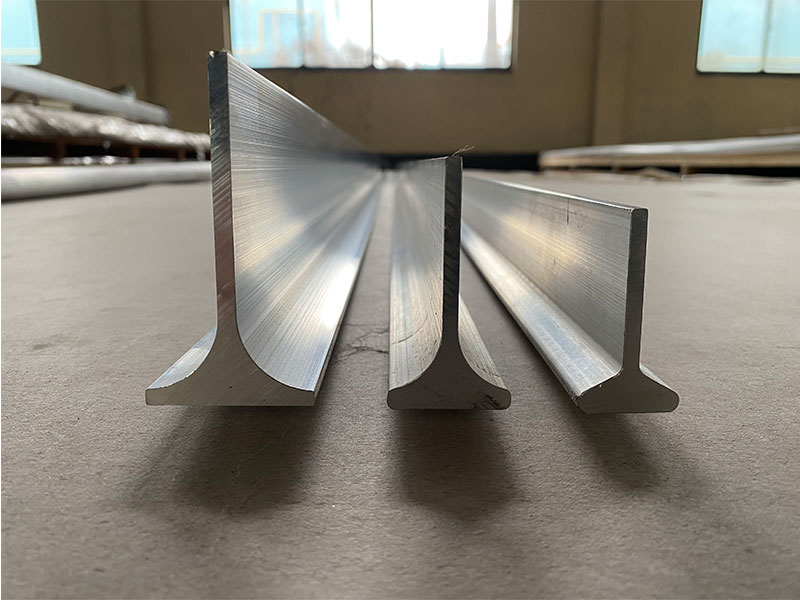
5052 Marine Aluminum Z Shaped Sections for Heavy Duty Offshore Design
Marine aluminum plays a crucial role in the formation of innovative and dependable solutions within the maritime industry due to its lightweight and excellent resilience to corrosion.
View Details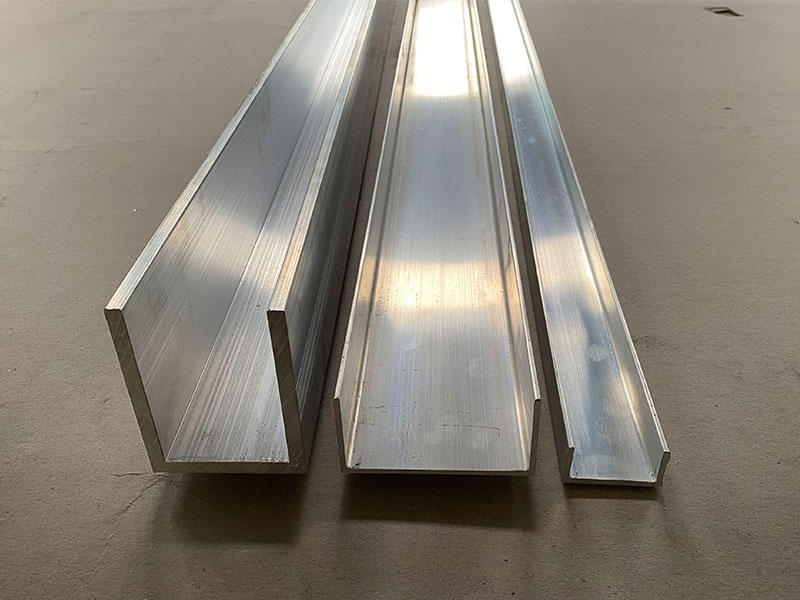
5052 Marine Aluminum Channels for Custom Boat Frame Design
Marine aluminum is renowned for its corrosion resistance, lightweight properties, and strength, making it an ideal material for boat construction. Among the various series of aluminum alloys, the 5052 alloy stands out.
View Details
Leave a Message