
5052 Marine Aluminum Fencing and Railings for Custom Boat Deck Barriers and Safety Rails
5052 marine aluminum fencing and railings are built for boat owners, yards, refit teams, and marine fabricators who need strong deck protection without adding unnecessary weight. On passenger boats, fishing vessels, pontoon craft, workboats, docks, and custom leisure decks, the barrier system must resist saltwater, vibration, impact, and daily handling. 5052 aluminum performs well in this environment because it combines magnesium alloy strength with excellent corrosion resistance and clean forming behavior.
For custom boat deck barriers and safety rails, 5052 is often selected for guard panels, formed railing sections, kick plates, gate frames, boarding barriers, coaming guards, deck partitions, and welded safety structures. It accepts bending, shearing, punching, riveting, and welding with dependable results, making it practical for both new construction and refit projects.
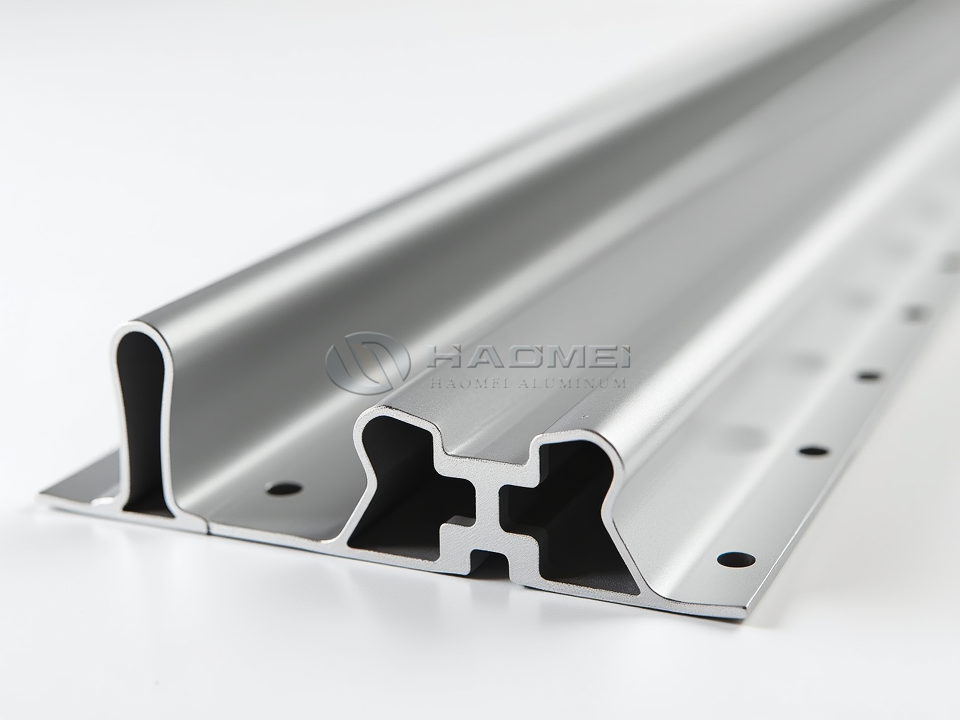
Why 5052 Aluminum Fits Marine Safety Rail Systems
Marine railing is not just a visual detail. It is a contact surface, a fall-prevention feature, a crew support point, and sometimes a load-bearing barrier during docking, boarding, or rough-water movement. 5052 aluminum is valued because it remains stable in wet, salty, and humid conditions where ordinary metals may stain, rust, or require frequent coating repair.
The alloy contains magnesium as its main strengthening element, giving it better marine corrosion resistance than many general-purpose aluminum grades. It also has good fatigue performance, which matters on boats exposed to vibration from engines, wave slap, deck flex, and repeated passenger contact. Unlike carbon steel, 5052 does not form red rust, and unlike heavier stainless systems, it helps keep the vessel light and fuel efficient.
Many builders use marine aluminum fencing and railings when they need a balance between safety, corrosion control, and attractive deck styling. With suitable surface finishing, 5052 rail components can deliver a clean satin, brushed, powder-coated, or anodized appearance.
Material Data for 5052 Marine Aluminum
| Property | Typical Value | Benefit for Fencing and Railings |
|---|---|---|
| Density | 2.68 g/cm3 | Lightweight deck barriers and reduced top-side load |
| Elastic modulus | About 70 GPa | Good stiffness for formed panels and guard sections |
| Melting range | About 607-650°C | Suitable for standard marine fabrication processes |
| Corrosion resistance | Excellent in marine atmosphere | Long service life near saltwater spray |
| Weldability | Excellent | Reliable welded rail joints and mounting brackets |
| Formability | Very good | Smooth bends, curves, and custom safety shapes |
| Typical tempers | O, H32, H34, H112 | Options for forming, stiffness, and strength balance |
For most boat deck barrier work, H32 and H34 tempers are common choices when a stronger semi-hard condition is preferred. Annealed O temper is easier to form into tight bends or curved panels, while H112 is often used in thicker plate or structural marine components.
Chemical Composition
| Element | Typical Range or Limit |
|---|---|
| Aluminum | Balance |
| Magnesium | 2.2-2.8% |
| Chromium | 0.15-0.35% |
| Iron | Max 0.40% |
| Silicon | Max 0.25% |
| Manganese | Max 0.10% |
| Copper | Max 0.10% |
| Zinc | Max 0.10% |
| Others, each | Max 0.05% |
| Others, total | Max 0.15% |
The magnesium content is the main reason 5052 has such strong resistance to seawater exposure. The low copper level is also important, because copper-rich aluminum alloys are generally less suitable for saltwater service.
Mechanical Performance for Rail and Barrier Design
| Temper | Tensile Strength | Yield Strength | Elongation | Typical Use |
|---|---|---|---|---|
| 5052-O | 170-215 MPa | 65-90 MPa | 18-25% | Deep forming, curved panels, complex bends |
| 5052-H32 | 210-260 MPa | 160-200 MPa | 8-12% | General marine railing, deck barriers, guard panels |
| 5052-H34 | 230-280 MPa | 180-220 MPa | 6-10% | Stiffer rail parts, reinforced fencing sections |
| 5052-H112 | Varies by thickness | Varies by thickness | Moderate | Plate-based brackets, base plates, heavy guards |
These values are typical and may vary by thickness, production route, and standard. For safety-critical railings, final design should confirm load requirements, mounting distance, welding method, and local marine safety rules.
Design Features Customers Notice Fast
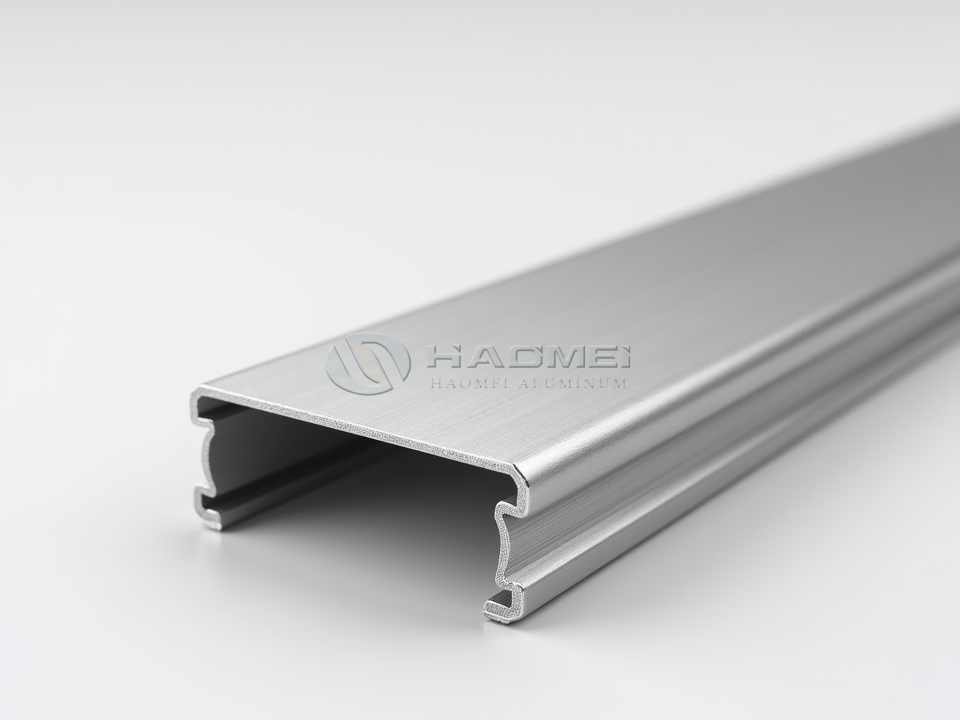
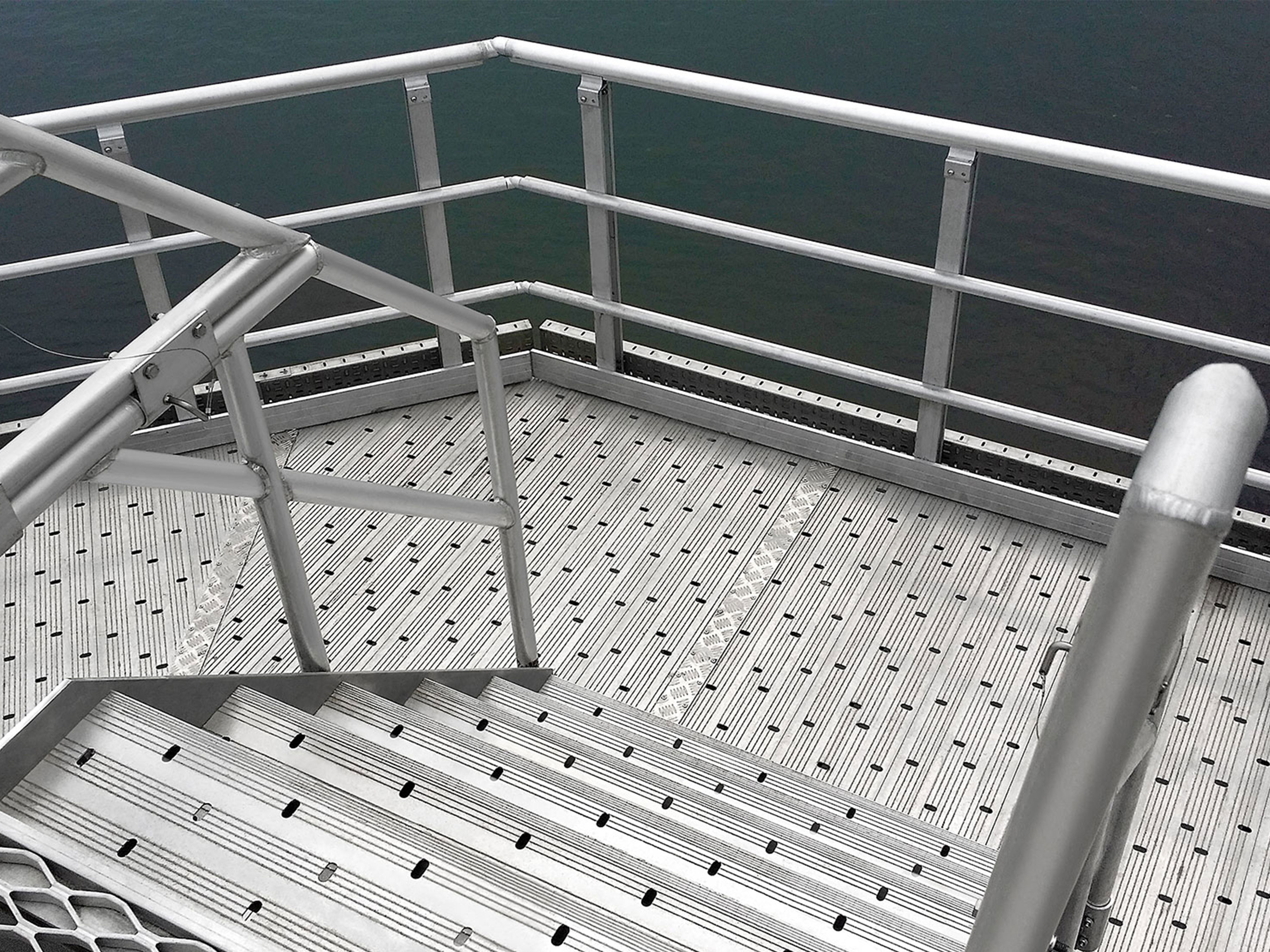
5052 marine aluminum fencing and railings can be made with smooth edges, rounded tops, slotted patterns, perforated panels, tube-style rails, formed sheet guards, or hybrid combinations. The material is easy to cut and shape, so builders can match the deck layout rather than forcing the boat to fit a standard barrier.
A good rail system normally includes a comfortable hand-contact surface, strong stanchions, secure base plates, drainage-friendly details, and anti-snag corners. For passenger decks, the spacing between rails or infill panels should reduce fall risk. For fishing boats, rail height and rod-holder clearance may matter more. For workboats, impact zones and tool contact should be considered early in the design.
5052 is also friendly to finishing. Brushing creates a practical marine look. Powder coating adds color and extra surface protection. Anodizing improves wear resistance and gives a clean metallic appearance, although coating selection should account for welding areas, bending radius, and expected abrasion.
Fabrication and Joining
5052 aluminum is one of the easier marine alloys to fabricate. It welds well by MIG or TIG methods, commonly with 5356 filler wire for marine applications. Weld zones should be cleaned properly to remove oxide, oil, marking fluid, and salt contamination. After welding, sharp edges should be dressed, and drainage paths should remain open so water does not sit inside joints.
For removable railing sections, mechanical fastening is often used. Stainless steel bolts may be paired with isolation washers, sealants, or non-conductive barriers to reduce galvanic reaction. Mounting plates should spread loads into the deck structure, especially on thin decks or cored panels.
Custom work may include laser-cut infill panels, bent kick rails, formed safety gates, and deck-edge guards. Many boatbuilders combine 5052 sheet or plate with Marine aluminum customized shapes to create barrier systems that fit curved gunwales, hatch openings, stair landings, and boarding platforms.
Common Applications on Boats and Marine Decks
5052 marine aluminum fencing and railings are used across many vessel types. On pontoon boats, they form perimeter fencing that protects passengers while keeping the deck light. On fishing boats, they create leaning rails, bow barriers, transom guards, and side safety rails that tolerate salt spray and gear contact. On patrol boats and workboats, 5052 parts are used for rugged deck partitions, equipment guards, and protective fencing around machinery zones.
Passenger vessels often need clean, low-maintenance railings with smooth surfaces and dependable strength. 5052 suits boarding areas, upper decks, stair openings, and observation platforms. For custom yachts, the alloy can be shaped into refined guard panels that match modern deck styling without the weight penalty of heavy steel.
Dockside structures also benefit from 5052 aluminum. Gangway guards, marina access rails, floating dock barriers, and platform fencing all face similar corrosion challenges. In these areas, the alloy helps reduce repainting work while keeping the structure easy to handle during installation.
Selecting the Right Rail Configuration
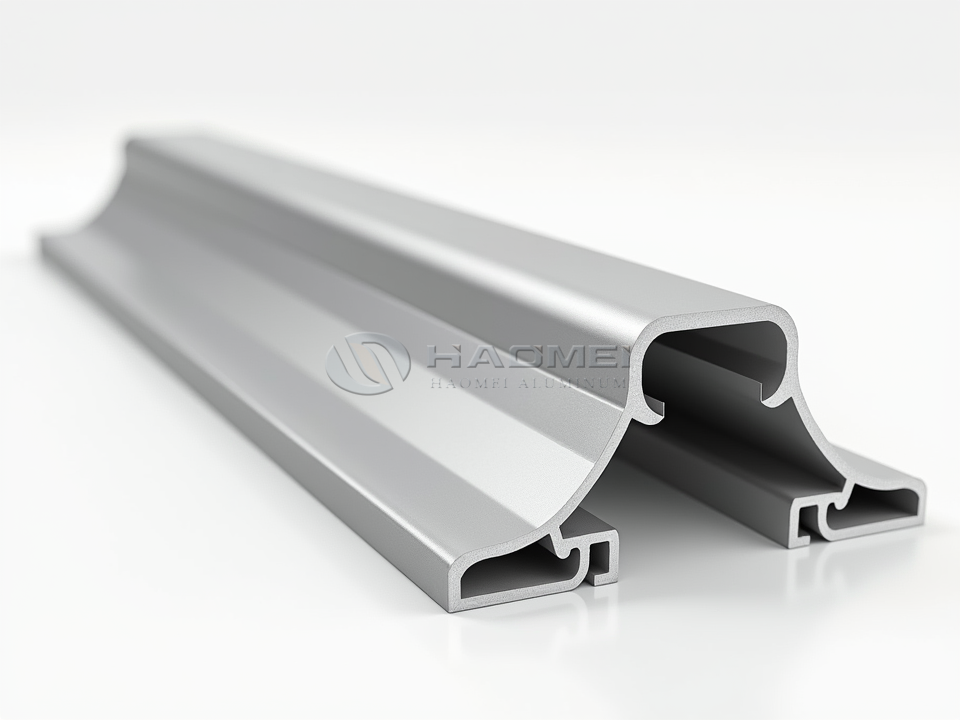
The best configuration depends on vessel use, passenger movement, deck height, and installation space. A low-profile rail may be enough for equipment separation, while passenger zones usually need taller barriers with safe spacing. Solid or perforated panels offer better protection from dropped objects and spray, while open rail designs reduce wind load and improve visibility.
Thickness selection is another practical decision. Thin sheet is light and easy to form, but may need stiffening ribs or closer support spacing. Thicker plate improves rigidity at gates, base plates, and high-contact areas. For long rail runs, thermal expansion should be considered so the system does not warp or bind over time.
Surface contact should feel safe in wet conditions. Rounded profiles, smooth weld transitions, and deburred cutouts improve comfort and reduce injury risk. Drain holes and open-bottom details help avoid trapped seawater, which is especially important in folded or boxed sections.
Care and Service Life
5052 aluminum requires less maintenance than painted steel, but marine care still matters. Regular freshwater rinsing removes salt crystals. Mild detergents can remove fish residue, fuel film, and dock grime. Abrasive cleaners should be avoided on anodized or coated surfaces. If scratches occur, they should be inspected, cleaned, and touched up when a coating system is used.
Well-designed 5052 marine aluminum fencing and railings can remain attractive and dependable through years of saltwater exposure. The strongest results come from proper alloy selection, good drainage, clean welding, compatible fasteners, and surface finishing matched to the vessel environment.
For custom boat deck barriers and safety rails, 5052 offers a smart mix of corrosion resistance, light weight, formability, and marine-grade durability. It supports practical fabrication while giving designers the freedom to build safer, cleaner, and longer-lasting deck protection systems.

Related Products
Marine aluminum customized shapes
Marine Grade Aluminum Customized Shapes encompass a broad range of aluminum extrusions and fabrications engineered beyond standard profiles—such as channels, angles, tubes, and beams—into complex, project-specific geometries.
View Details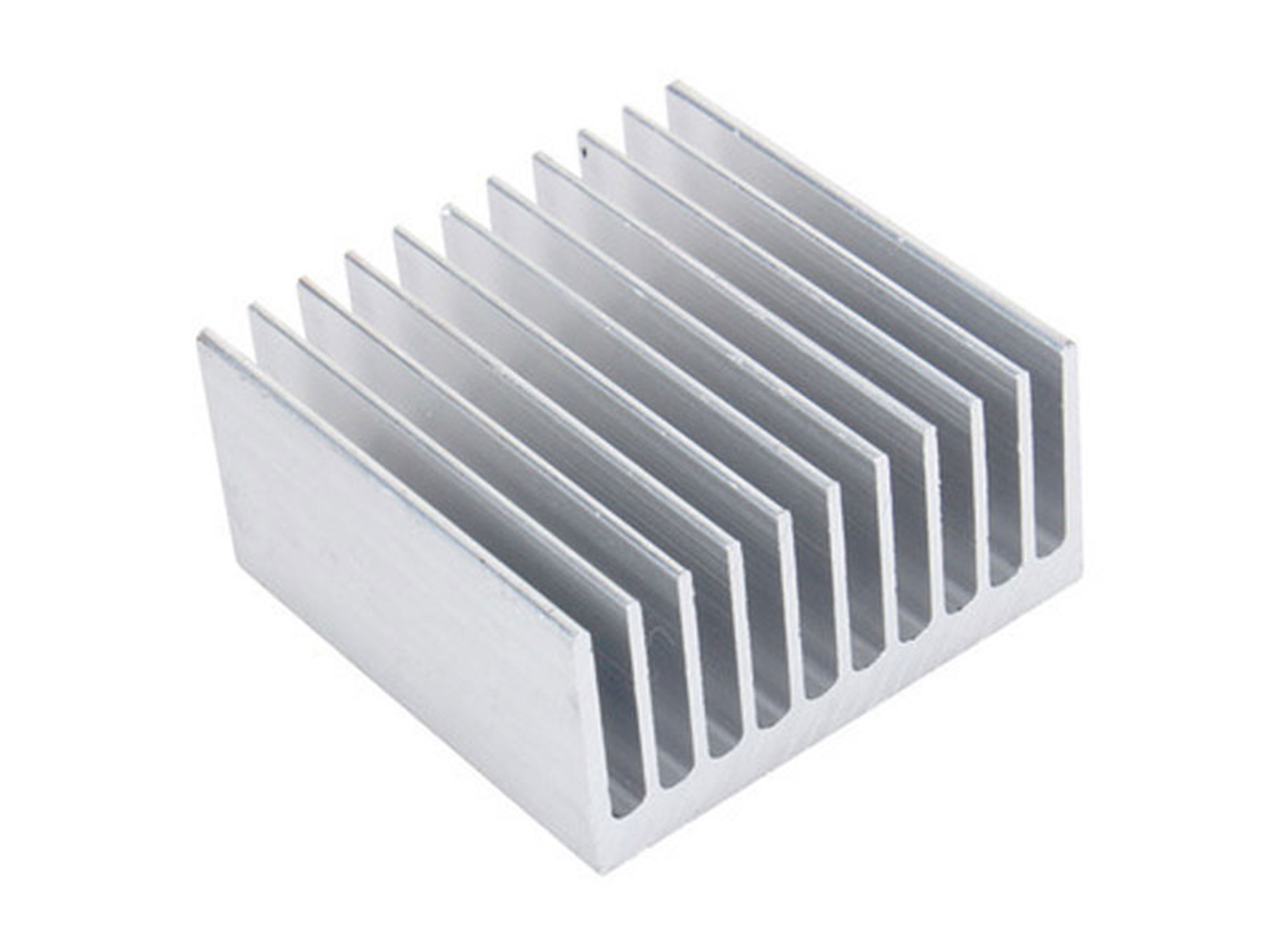
Marine aluminum heat sink profile
Marine Grade Aluminum Heat Sink Profiles utilize alloys such as 6061 and 6063 that not only exhibit high thermal conductivity but also possess excellent corrosion resistance required for saltwater exposure.
View Details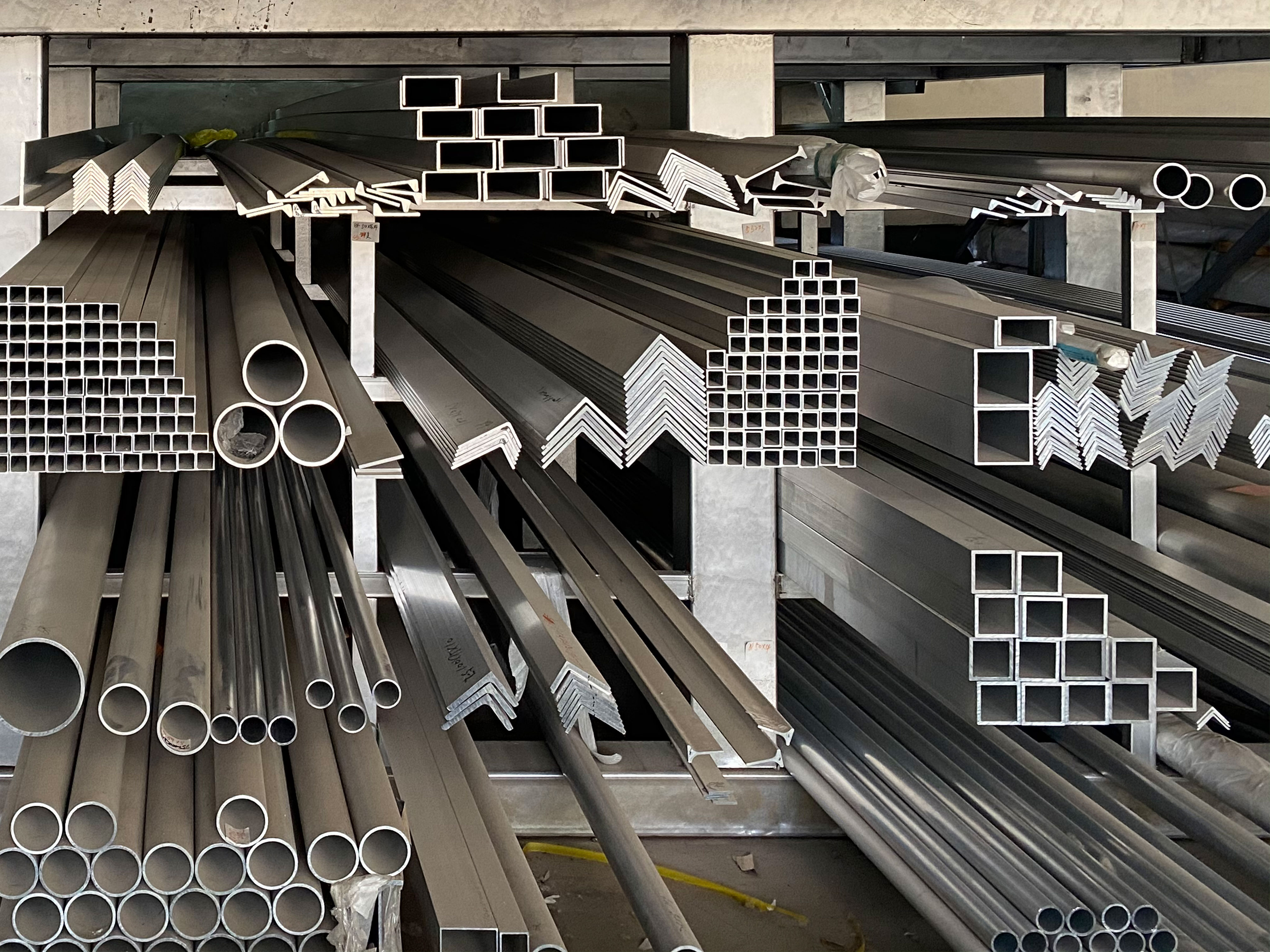
Marine aluminum fencing and railings
Marine Grade Aluminum Fencing and Railings are fabricated using marine-grade aluminum alloys such as 5083, 5052, and 6061, which are engineered specifically for protection against saltwater corrosion and marine atmospheric conditions.
View DetailsRelated Blog
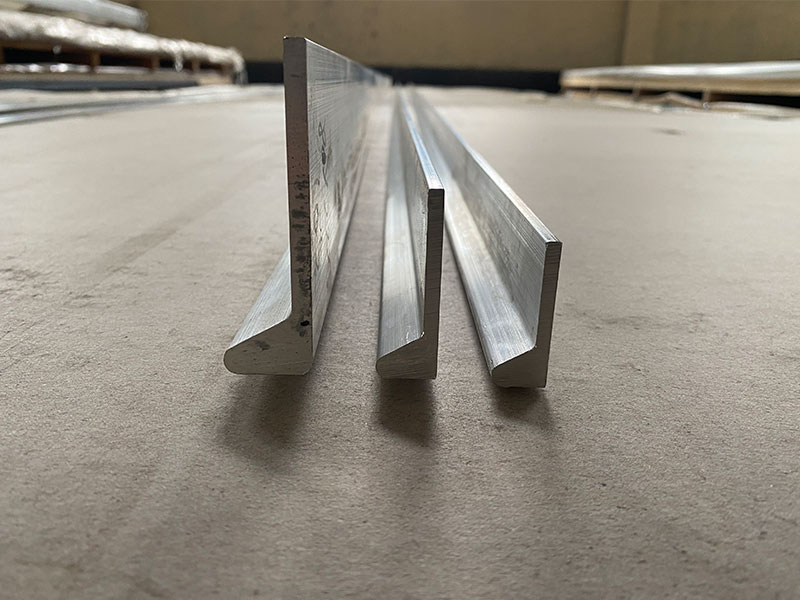
5083 Marine Aluminum Customized Shapes for Saltwater Resistant Boat Deck Frames
When it comes to boat deck frames that endure the relentless challenge of saltwater environments, the choice of materials is paramount. Among all options.
View Details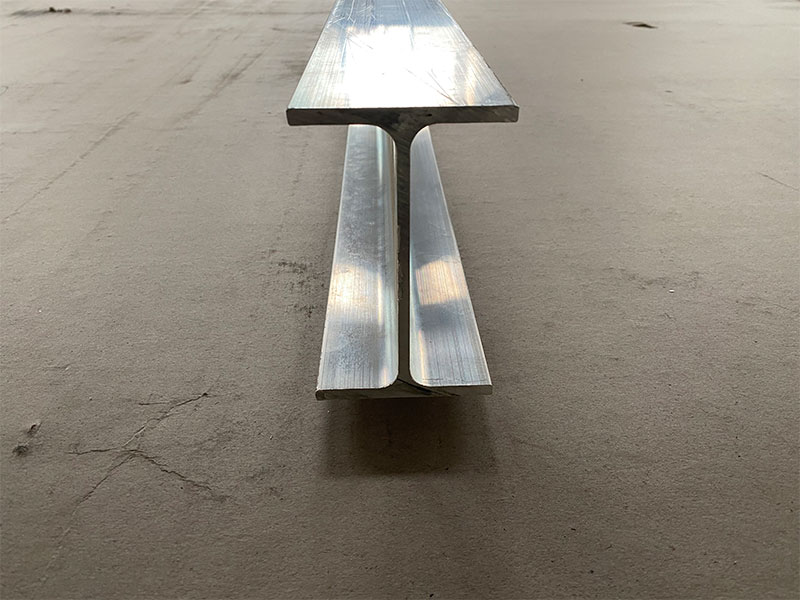
5083 Marine Aluminum Customized Shapes for Coastal Infrastructure Design and Build
When it comes to the demanding environments of coastal infrastructure design and build, 5083 Marine Aluminum continues to solidify its leadership with exceptional strength and corrosion resistance.
View Details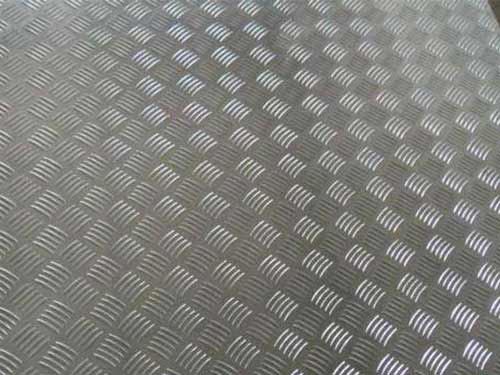
Marine Aluminum Fencing and Railings for Custom Boat Deck Guardrails
Marine Aluminum Fencing and Railings: The Ultimate Choice for Custom Boat Deck GuardrailsWhen it comes to constructing custom boat deck guardrails, marine aluminum fencing and railings are emerging as the industry’s top choice.
View Details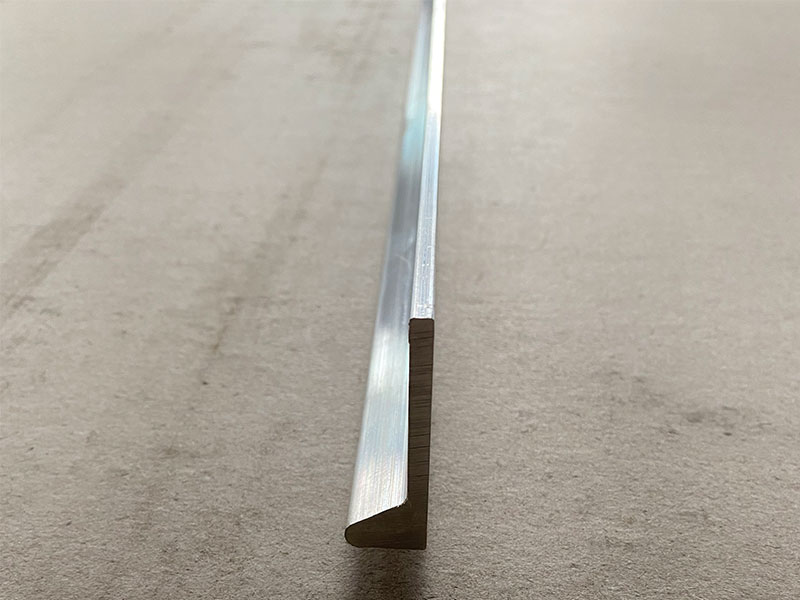
6061 Marine Aluminum Heat Sink Profile for Lightweight Boat Engine Heat Dissipation
Modern marine propulsion systems-whether compact outboards, inboard auxiliaries, electric drives, or hybrid gensets-are increasingly power-dense. That pushes more thermal load into smaller spaces.
View Details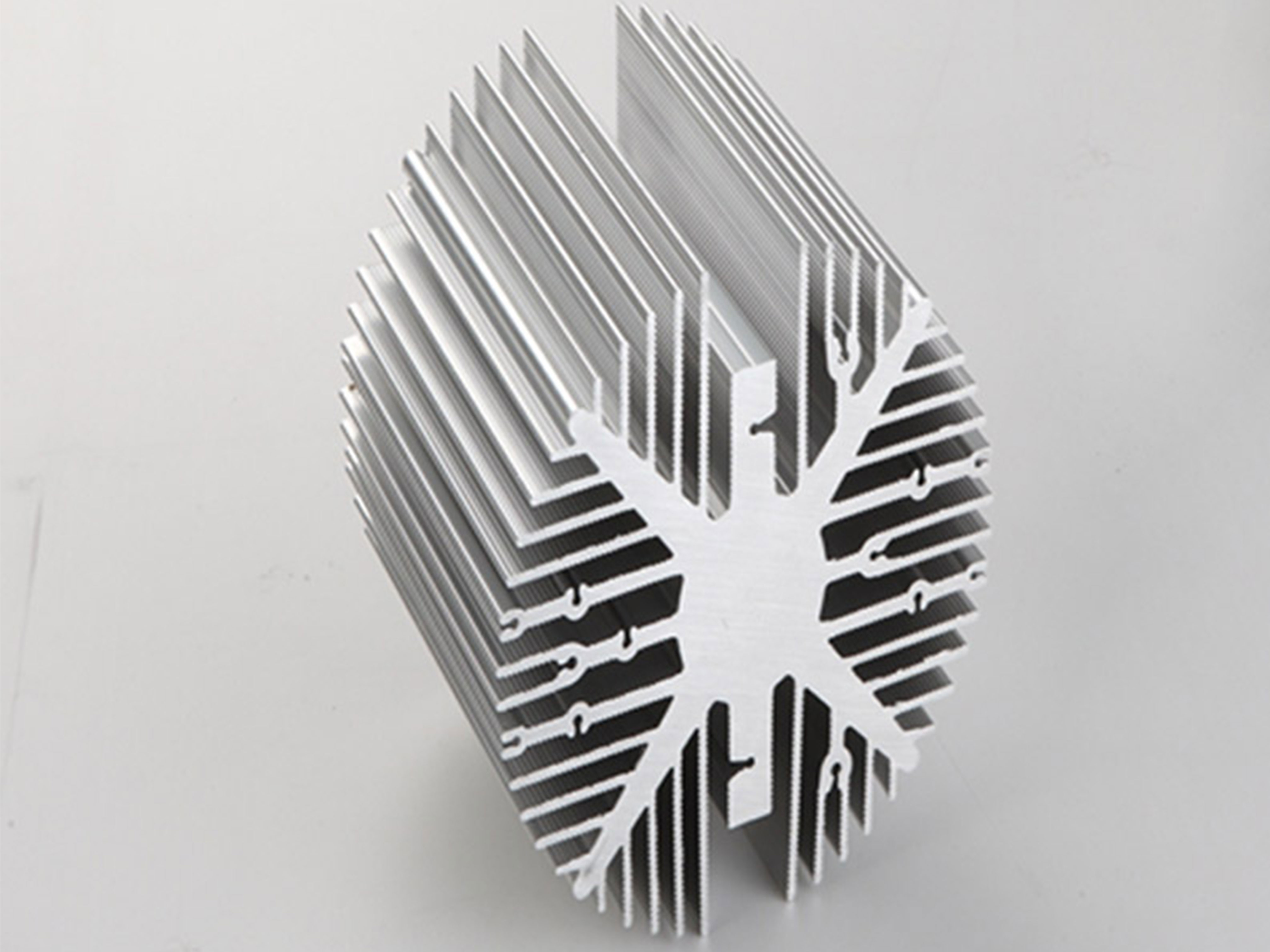
6061 Marine Aluminum Customized Shapes for Lightweight Offshore Deck Solutions
In the realm of offshore engineering, performance materials dramatically impact the longevity, safety, and efficiency of marine structures. 6061 Marine Aluminum alloys, particularly when fabricated into customized shapes.
View Details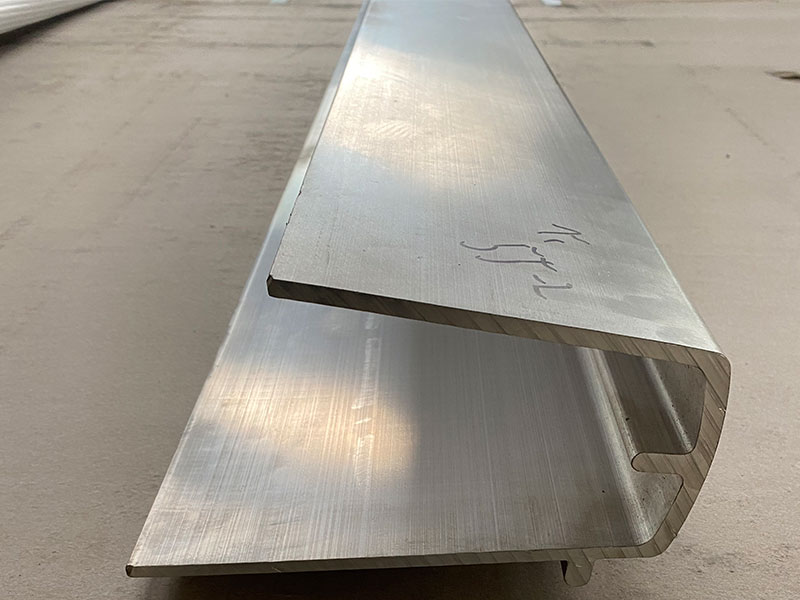
Marine Aluminum Fencing and Railings for Custom Boat Deck Safety Barriers
On a boat deck, a fence or railing is more than a boundary-it's a working safety system that has to perform while the platform beneath it is constantly moving, wet, salty, and sun-baked.
View Details
Leave a Message