
5052 Marine Aluminum Hexagonal Bars for Custom Boat Hull Reinforcement
A custom boat hull is not only a shell. It is a moving structure that absorbs slamming loads, vibration, torsion, docking impact, engine thrust, and the small repeated stresses that come from thousands of wave cycles. In this environment, 5052 marine aluminum hexagonal bars work like compact load translators. Their six flat faces make them easy to clamp, align, weld, drill, and machine into reinforcement details that standard round or flat stock may not handle as conveniently.
For builders designing patrol boats, fishing boats, workboats, pontoons, tenders, and customized aluminum hulls, 5052 hexagonal bar offers a practical combination of seawater corrosion resistance, moderate strength, excellent formability, and strong weld compatibility. It is not usually selected as the main hull plate, but it performs extremely well in localized reinforcement where shape control and fabrication efficiency matter.
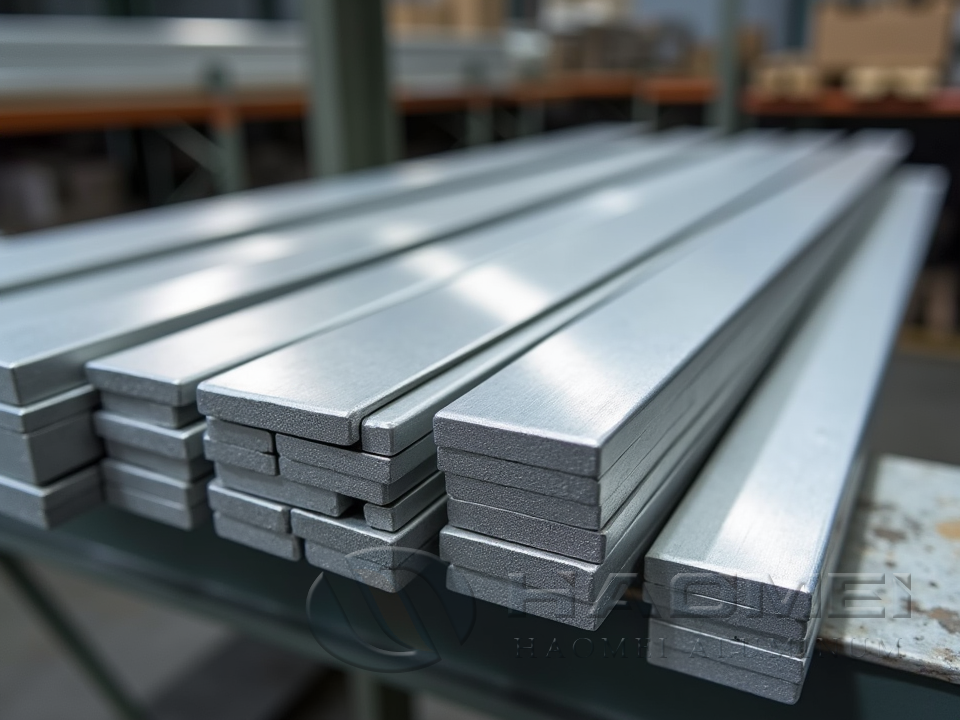
Why the Hexagonal Shape Matters in a Hull
The value of a hexagonal bar is not only in the alloy. The geometry changes how the material behaves during fabrication. Six flats allow the bar to sit securely in a fixture without rolling, which helps maintain alignment when welding reinforcement nodes, brackets, keel support inserts, transom fittings, or frame connection blocks. When the bar is machined into threaded spacers, standoffs, bushings, or mounting bosses, the flats provide built-in wrench surfaces and anti-rotation behavior.
In a custom hull, that can save time. A round bar may require additional jigs or milled flats. A square bar may create sharper corner stress concentrations in certain pocketed assemblies. A 5052 hex bar sits between these two options: easy to hold like square stock, but with a more distributed perimeter that can reduce abrupt contact points when fitted into curved or angled reinforcement layouts.
For yards sourcing Marine aluminum hexagonal bars, the most important question is not only diameter across flats. It is how the bar will transfer load into the surrounding plate, stringer, frame, or bracket.
Functional Roles in Custom Boat Hull Reinforcement
5052 marine aluminum hexagonal bars are commonly used as localized strengthening parts rather than long primary stiffeners. They can be cut into short sections for hull hardware backing, machined into load-spreading inserts, or welded into frame intersections where repeatable alignment is needed.
In keel and chine zones, short hex sections may be used as reinforcement plugs or support pieces inside fabricated assemblies. Near transoms, they can serve as machined mounting points for ladders, brackets, steering hardware, and auxiliary equipment. Around deck-to-hull transitions, they may act as hidden reinforcement where repeated foot traffic and vibration could fatigue thinner material.
The alloy also suits marine hardware integration. Because 5052 has good resistance to saltwater and marine atmosphere, it is suitable for supports around bilge zones, cockpit framing, hatch systems, baitwell structures, and console bases. When combined with proper design and sealing, it helps limit galvanic and crevice corrosion problems that often appear in mixed-metal assemblies.
5052 Alloy Character from a Boatbuilder Viewpoint
5052 is an aluminum-magnesium alloy. Its magnesium content gives it better marine corrosion resistance than many general-purpose aluminum alloys, while chromium helps improve stability against stress corrosion and grain growth. It is a non-heat-treatable alloy, meaning its strength is mainly developed through strain hardening rather than solution heat treatment and artificial aging.
This matters during welding. Alloys such as 6061-T6 can lose a noticeable amount of strength in the heat-affected zone after welding. 5052 also softens locally when welded, but it has more forgiving behavior in many marine fabrication operations because it is already valued for corrosion resistance, ductility, and weldability rather than very high heat-treated strength.
For broader material matching, builders often compare 5052 hex bar with other Marine Grade Aluminum Bars used in hull structures, including 5083, 5086, 6061, and 6082. The final choice depends on whether the part must prioritize bending, machining, welding, tensile strength, or long-term saltwater exposure.
Typical Supply Parameters
| Item | Common Range or Condition |
|---|---|
| Product form | Hexagonal bar, cut length, precision cut blanks, machined parts |
| Alloy | 5052 marine aluminum, Al-Mg series |
| Temper options | O, H32, H34, H112, custom strain-hardened conditions on request |
| Size reference | Across flats commonly customized; typical small to medium marine hardware sizes available by order |
| Length | Mill length, cut-to-size, or project-specific nesting length |
| Density | About 2.68 g/cm3 |
| Melting range | About 607-650 deg C |
| Modulus of elasticity | About 70 GPa |
| Weldability | Excellent with suitable marine filler selection |
| Machinability | Fair to good; best results with sharp tooling and proper lubrication |
| Surface options | Mill finish, brushed, polished, passivated, anodized where applicable |
Because hexagonal bars are often used for machined details, dimensional tolerance should be confirmed at the quotation stage. Across-flats tolerance, straightness, corner definition, surface finish, and ultrasonic or visual inspection requirements may vary according to production route and final application.
Chemical Composition of 5052 Marine Aluminum
| Element | Typical Requirement, wt percent |
|---|---|
| Aluminum | Balance |
| Magnesium | 2.20-2.80 |
| Chromium | 0.15-0.35 |
| Iron | Max 0.40 |
| Silicon | Max 0.25 |
| Copper | Max 0.10 |
| Manganese | Max 0.10 |
| Zinc | Max 0.10 |
| Other each | Max 0.05 |
| Other total | Max 0.15 |
The low copper content is important in marine use. Copper-rich aluminum alloys can be more vulnerable in saltwater environments, while 5052 keeps corrosion resistance high through its magnesium-based chemistry.
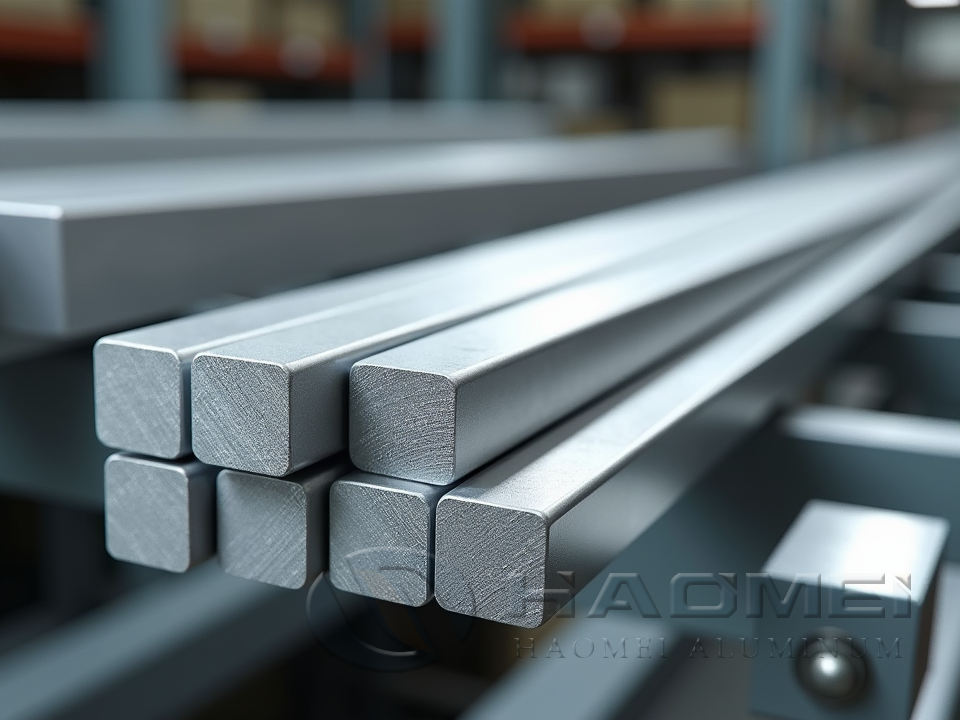
Tempering Choices and What They Mean
The O temper is annealed and highly workable. It is useful when the bar will be heavily formed or when maximum ductility is needed before final fabrication. For hull reinforcement components that require more stiffness and strength, H32 and H34 are more common. H32 is strain-hardened and stabilized to a quarter-hard condition, giving a balanced mix of strength and ductility. H34 is strain-hardened further, offering higher strength but slightly less formability.
H112 is often used for products that have gained some strength from hot working or controlled fabrication, while retaining good performance for marine structural parts. For welded hull reinforcement, the designer should consider the softened heat-affected zone and avoid placing welds where peak cyclic stress is expected without proper load spreading.
| Temper | General Character | Typical Use in Hull Reinforcement |
|---|---|---|
| O | Soft, high ductility | Formed inserts, complex machining before bending |
| H32 | Balanced strength and formability | General reinforcement blocks, brackets, supports |
| H34 | Higher strain-hardened strength | Stiffer mounting points and compact load pads |
| H112 | Stable fabricated condition | Marine structural components requiring good weld behavior |
Mechanical properties depend on size and standard, but typical tensile strength for 5052-H32 is around 210-260 MPa, with yield strength commonly around 160 MPa or higher. 5052-H34 can provide higher tensile strength, often around 235-285 MPa. Final certified values should always come from the mill test certificate.
Implementation Standards and Quality Control
Common reference standards include ASTM B211 for aluminum and aluminum-alloy rolled or cold-finished bar, rod, and wire; ASTM B221 for extruded aluminum bars and profiles; EN 573 for chemical composition; EN 754 for cold drawn rod and bar; EN 755 for extruded rod, bar, tube, and profiles; and GB/T 3191 for extruded aluminum alloy bars where applicable.
For marine projects requiring class approval, documentation may also need to align with ABS, DNV, LR, BV, CCS, or other classification society requirements. In that case, certificates should confirm alloy, temper, heat number, dimensions, mechanical properties, chemical composition, and inspection status.
Quality checks should include surface inspection for cracks, laps, heavy scratches, and corrosion marks. Straightness matters when the bar is used in long alignment fixtures. For machined reinforcement parts, consistent across-flats dimension helps reduce CNC setup variation and improves repeatability across production batches.
Welding, Fastening, and Installation Notes
5052 is commonly welded with 5356 filler metal in marine fabrication. Joint design should avoid sharp notches and isolated hard points. A reinforcement part should spread force into the hull skin or frame over a reasonable area instead of creating a rigid spot that concentrates stress.
When fasteners are installed through 5052 hex bar reinforcement, isolation from stainless steel hardware is recommended. Marine sealant, insulating washers, suitable coatings, and proper drainage reduce galvanic risk. In enclosed cavities, avoid trapping saltwater. Even corrosion-resistant aluminum needs oxygen access and clean drainage to maintain its protective oxide film.
For machining, 5052 may feel softer and more gummy than free-machining alloys. Sharp carbide tools, controlled feed, coolant, and chip evacuation improve hole quality and thread consistency. If the part will be anodized or polished, machining marks should be planned early because the hex geometry makes flats easy to finish but corners more sensitive to uneven abrasion.
Where 5052 Hex Bar Performs Best
This material is well suited for custom hull reinforcement where corrosion resistance, weldability, and practical shaping are more valuable than maximum strength. It fits reinforcement pads, mounting bosses, bracket cores, frame junction details, deck hardware bases, transom accessories, rail supports, hatch structures, and serviceable fittings that may need future removal.
It is also useful in repair yards. When an older aluminum hull needs a localized upgrade, a short hex bar section can be machined quickly into a replacement support or backing element. The flats help technicians hold the part securely in portable equipment, which is helpful when work must be done near the boat rather than in a full production line.
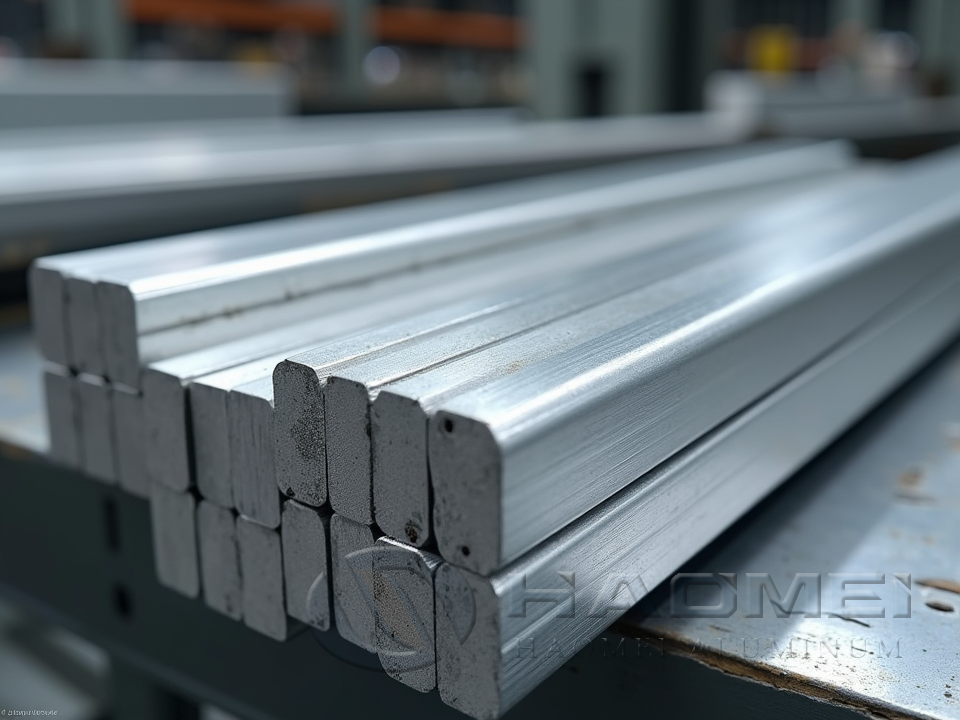
Choosing the Right 5052 Hexagonal Bar
A good purchase specification should state alloy 5052, required temper, across-flats dimension, length, tolerance, surface condition, applicable standard, certificate requirements, and whether the part will be welded, machined, anodized, or installed with stainless fasteners. If the bar will become a classified structural component, request traceable mill documentation before fabrication begins.
5052 marine aluminum hexagonal bar is a small component with a large influence on build quality. In custom boat hull reinforcement, its value comes from the meeting point of alloy chemistry and six-sided geometry: corrosion resistance for the sea, weldability for the yard, flat faces for fabrication, and dependable performance for long service on the water.

Related Products
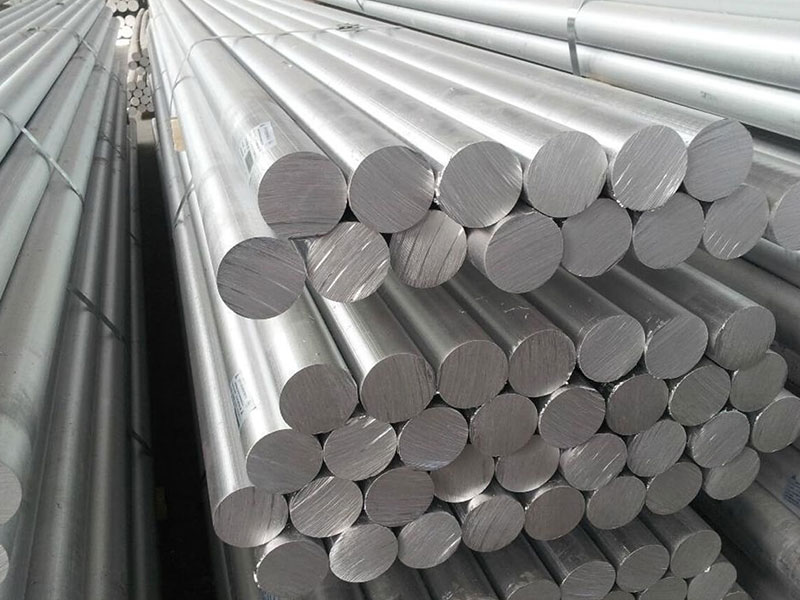
6082 marine aluminum rod & bar
6082 Aluminum Rods & Bars are extruded or rolled products manufactured from 6082 aluminum alloy — a thermally treated (typically T6 temper) aluminum-magnesium-silicon alloy that balances high tensile strength, good weldability, and excellent corrosion resistance.
View Details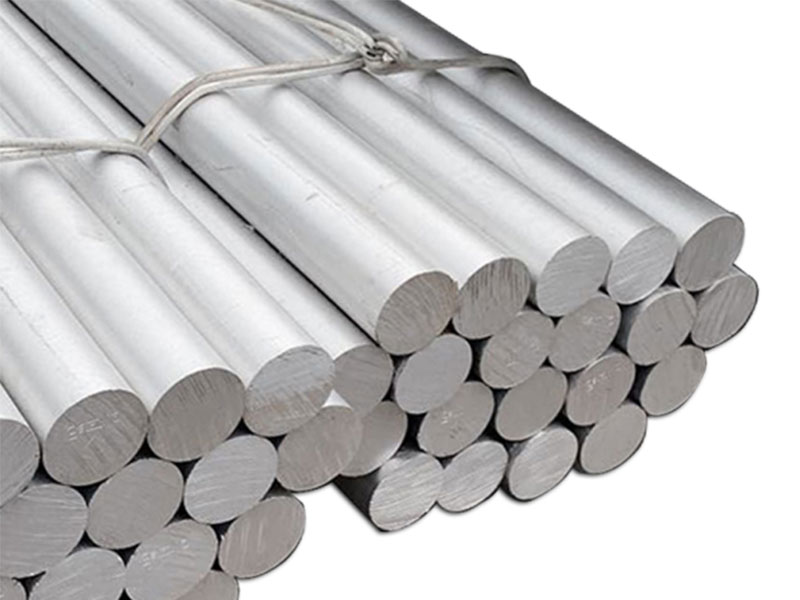
Marine grade aluminum solid bar
Marine Grade Aluminum Solid Bars are produced from premium aluminum alloys optimized for saltwater exposure, such as 5083, 5052, 6061, and 6082. These alloys offer unparalleled resistance to corrosion caused by seawater, salt spray, and marine atmospheres, while maintaining excellent mechanical strength and toughness.
View Details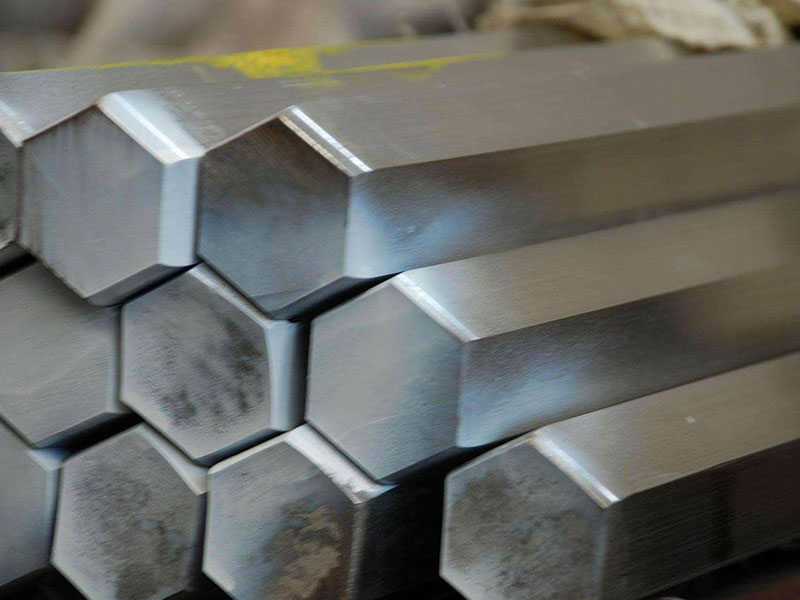
Marine aluminum hexagonal bars
Marine Grade Aluminum Hexagonal Bars are produced from premium corrosion-resistant aluminum alloys such as 5083, 5052, 6061, and 6082.
View Details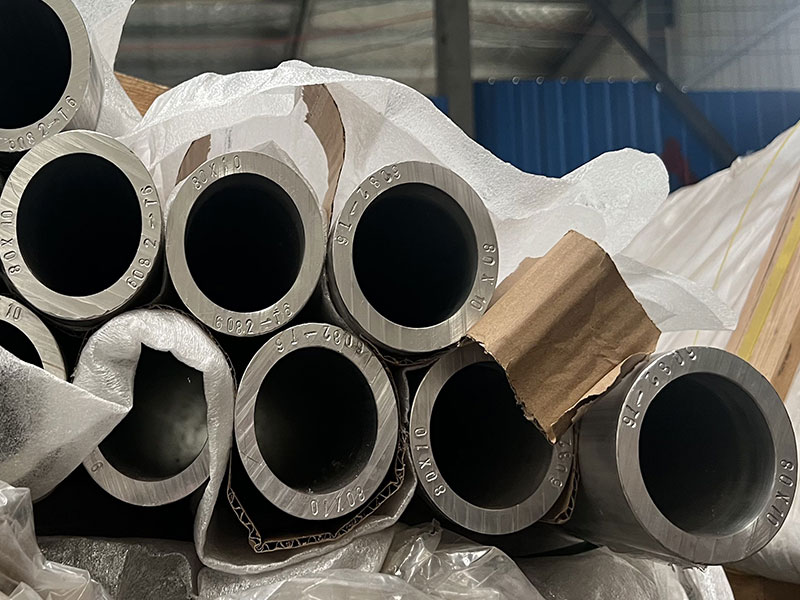
Marine aluminum hollow bars
Marine Grade Aluminum Hollow Bars are fabricated from high-quality alloys such as 5083, 5052, 6061, and 6082, all known for their exceptional resistance to seawater corrosion, salt spray, and marine atmospheres.
View DetailsRelated Blog
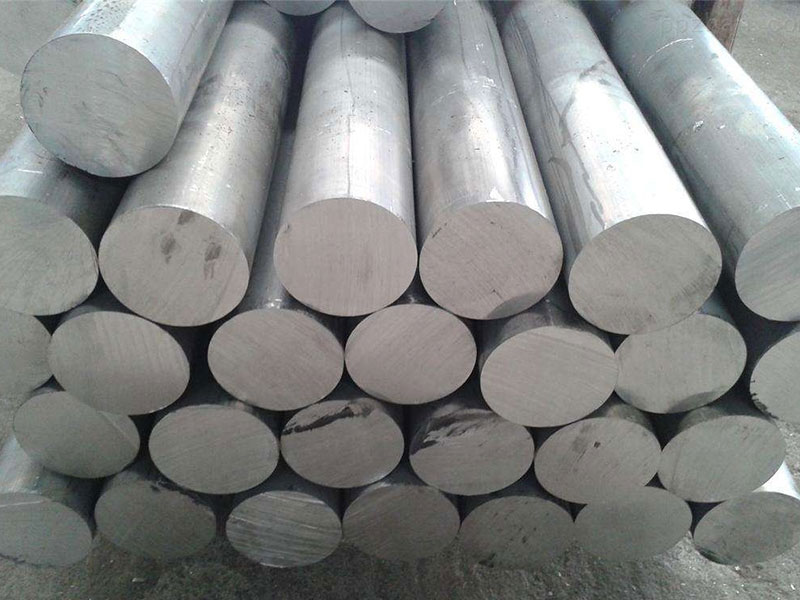
6082 Marine Grade Aluminum Solid Bar for Industrial Marine Support
6082 Marine Grade Aluminum Solid Bar for Industrial Marine Support: The "Quiet Backbone" of Working VesselsIn marine engineering, the most important parts are rarely the loudest.
View Details
5052 Marine Grade Aluminum Solid Bar for Marine Component Durability
5052 Marine Grade Aluminum Solid Bar: A Durability Mindset, Not Just a Material ChoiceShipbuilders rarely talk about aluminum as “just metal.” In modern marine engineering, 5052 marine grade aluminum solid bar is more like a design philosophy: a .
View Details
6082 Marine Grade Aluminum Solid Bar for Boat Deck Reinforcements
When it comes to marine vessel construction and refurbishment, selecting the right materials is vital for ensuring durability, performance, and safety. Among various options.
View Details
6061 Marine Aluminum Hollow Bars for Custom Marine Platform Solutions
6061 Marine Aluminum Hollow Bars for Custom Marine Platform Solutions: The "Quiet Engineering" Inside Every Deck, Frame, and WalkwayWhen people picture a marine platform, they usually see the surface: the deck plates, the railings, the tidy weld beads.
View Details
6082 Marine Aluminum Hollow Bars for High Performance Marine Frames
Explore 6082 marine aluminum hollow bars for lightweight, durable marine frames, with alloy data, tempers, standards, fabrication guidance, and uses.
View Details
6082 Marine Aluminum Bar for Industrial Marine Design and Construction
The 6082 marine aluminum bar is a medium‑strength, heat‑treatable wrought alloy designed for demanding marine and offshore environments. Combining good corrosion resistance, excellent machining performance, and reliable weldability, it.
View Details
Leave a Message