
Marine Aluminum Hollow Bars for Boat Frame Customization
A boat frame is not just a skeleton. It is the hidden rhythm of the vessel, carrying deck loads, console vibration, canopy movement, grab-rail stress, and the constant push of saltwater air. This is where Marine aluminum hollow bars become valuable: they deliver stiffness without unnecessary weight, leaving more payload for fuel, equipment, passengers, and performance.
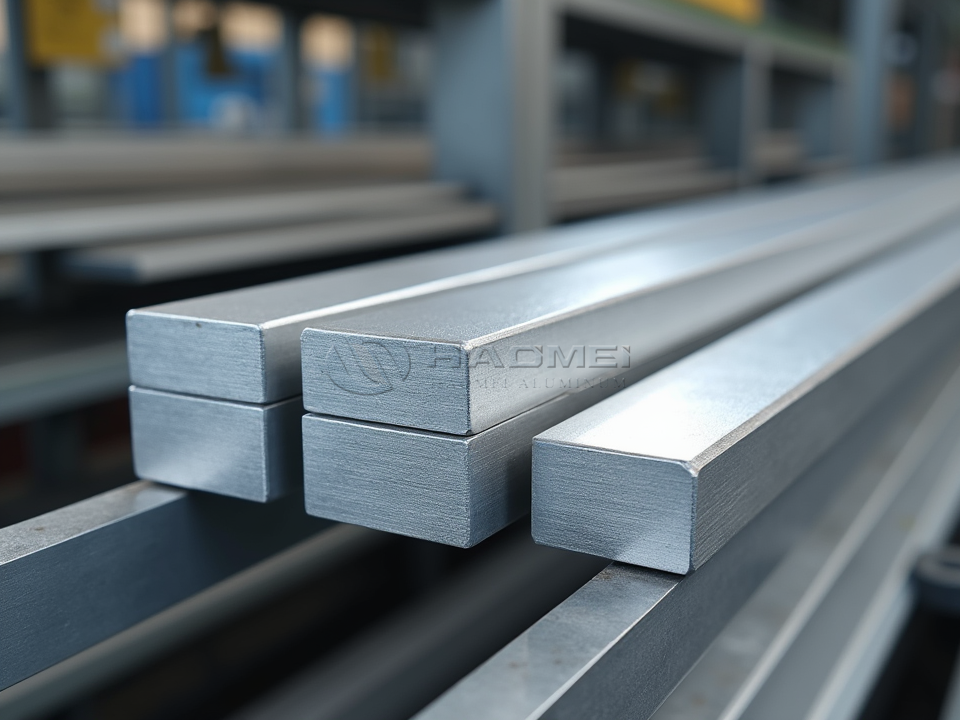
Unlike solid bars, hollow bars use geometry as part of the strength design. A square, rectangular, or round hollow section moves material away from the center and toward the outer edges, where it resists bending more efficiently. For boat frame customization, that means cleaner fabrication, easier handling, and better control over the balance between strength, weight, and corrosion resistance.
Why Hollow Bars Fit Custom Boat Frames
Boat frames rarely follow a perfect factory drawing. A fishing boat may need a raised casting deck. A patrol craft may require reinforced rails and equipment brackets. A pontoon boat may use hollow aluminum sections for canopy supports, seat bases, and cross members. Customization depends on material that can be cut, welded, drilled, bent within limits, and finished without losing its marine behavior.
Marine aluminum hollow bars are well suited for T-tops, leaning posts, radar arches, cabin frames, swim platform supports, hatch frames, deck stiffeners, and lightweight bulkhead reinforcement. Their clean surfaces are friendly to anodizing, powder coating, brushing, and polishing. Their hollow cores also allow hidden routing for cables, drainage paths, or weight reduction in non-critical spans.
For buyers comparing Marine Grade Aluminum Bars, the main decision is not only alloy grade. It is the relation between alloy, wall thickness, span length, joining method, surface finish, and the water environment. A frame used in freshwater leisure boats does not face the same exposure as a welded offshore structure near warm saltwater.
Common Alloys and Temper Conditions
The marine market often uses 5xxx and 6xxx series aluminum for hollow bars. The 5xxx series offers excellent resistance to seawater because magnesium improves corrosion performance. The 6xxx series adds magnesium and silicon, allowing heat treatment for higher mechanical strength and better extrusion formability.
5052 is valued for corrosion resistance and good formability. It is often selected for light-duty frames, covers, interior support structures, and parts that may require bending. Typical tempers include H32, H34, and H112, depending on production route and final mechanical targets.
5083 and 5086 are stronger marine choices, especially when welded structures face harsher exposure. They are frequently used in H111, H112, H116, or H321 conditions. These tempers help control strength, work hardening, and corrosion behavior, especially for structures near seawater.
6061-T6 is a common choice when strength, machining, and availability matter. It performs well in boat hardware, frames, brackets, and modular assemblies, though welded zones lose some T6 strength and may require design compensation. 6063-T5 and 6063-T6 are popular for visible frames because of their smooth extrusion quality and anodizing appearance. 6082-T6 is often selected for fittings and loaded parts where higher strength is preferred.
Typical Product Parameters for Custom Fabrication
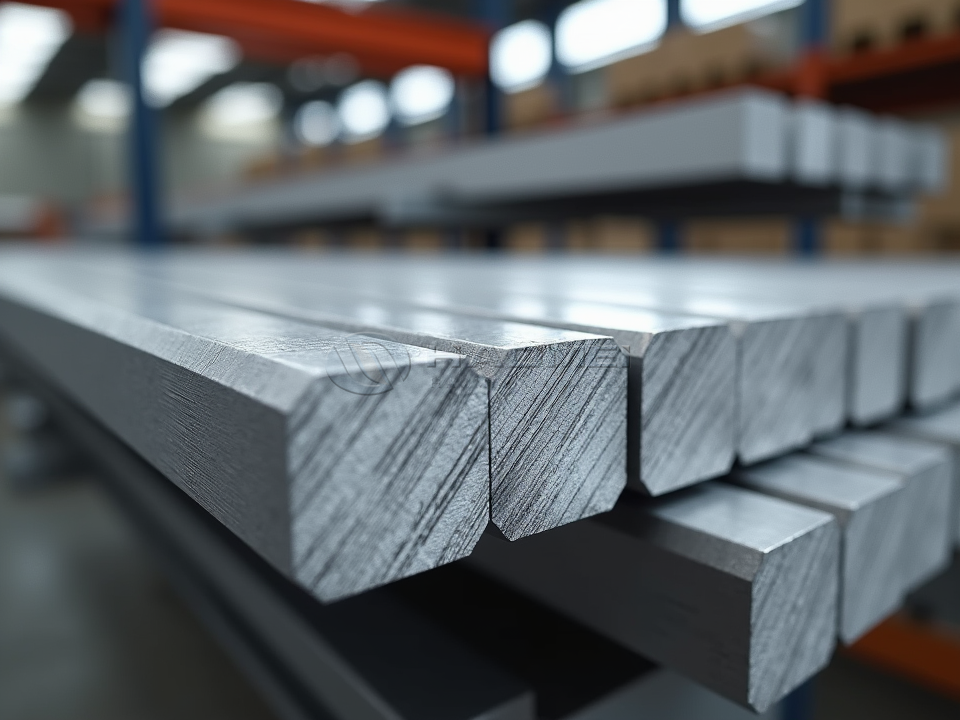
Dimensions vary by project, but marine aluminum hollow bars are commonly supplied as square hollow bars, rectangular hollow bars, and round hollow sections. Custom extrusion is possible when the frame requires a special profile, internal ribs, corner radius control, or decorative surfaces.
| Parameter | Typical Range or Condition | Boat Frame Use |
|---|---|---|
| Outside size for square hollow bar | 10 mm x 10 mm to 200 mm x 200 mm | Rails, canopy legs, deck frames |
| Rectangular hollow bar size | 20 mm x 10 mm to 250 mm x 150 mm | Cross beams, hatch frames, console supports |
| Round hollow section outside diameter | 10 mm to 180 mm | Handrails, arches, T-top frames |
| Wall thickness | 1 mm to 15 mm | Weight and stiffness control |
| Standard length | 3 m, 5.8 m, 6 m, or custom cut | Container loading and fabrication flow |
| Surface finish | Mill finish, anodized, brushed, polished, powder coated | Corrosion protection and appearance |
| Corner radius | Sharp, standard extrusion radius, or custom radius | Welding access and visual style |
| Cutting tolerance | Commonly +/-0.5 mm to +/-2 mm | Assembly accuracy |
| Straightness | Controlled by extrusion and stretching process | Long frame alignment |
For thin-wall hollow bars, designers should check local buckling, dent resistance, and fastener pull-out strength. For heavy-wall sections, the concern shifts toward weld heat input, distortion control, and total structure weight. A practical boat frame uses enough wall thickness to resist service loads, but not so much that the vessel becomes slow, stern-heavy, or difficult to trailer.
Chemical Composition Reference
Chemical composition has a direct influence on corrosion resistance, weldability, anodizing response, and strength. The following values are typical reference ranges by weight percent. Final supply should follow the agreed standard and mill certificate.
| Alloy | Si | Fe | Cu | Mn | Mg | Cr | Zn | Ti | Al |
|---|---|---|---|---|---|---|---|---|---|
| 5052 | 0.25 max | 0.40 max | 0.10 max | 0.10 max | 2.2-2.8 | 0.15-0.35 | 0.10 max | 0.15 max | Balance |
| 5083 | 0.40 max | 0.40 max | 0.10 max | 0.40-1.0 | 4.0-4.9 | 0.05-0.25 | 0.25 max | 0.15 max | Balance |
| 5086 | 0.40 max | 0.50 max | 0.10 max | 0.20-0.7 | 3.5-4.5 | 0.05-0.25 | 0.25 max | 0.15 max | Balance |
| 6061 | 0.40-0.8 | 0.70 max | 0.15-0.40 | 0.15 max | 0.8-1.2 | 0.04-0.35 | 0.25 max | 0.15 max | Balance |
| 6063 | 0.20-0.6 | 0.35 max | 0.10 max | 0.10 max | 0.45-0.9 | 0.10 max | 0.10 max | 0.10 max | Balance |
| 6082 | 0.7-1.3 | 0.50 max | 0.10 max | 0.40-1.0 | 0.6-1.2 | 0.25 max | 0.20 max | 0.10 max | Balance |
Magnesium-rich 5xxx alloys are often preferred for welded saltwater frames because they maintain strong corrosion resistance after welding. Heat-treatable 6xxx alloys provide higher yield strength in T6 temper, but welded areas soften unless re-heat treatment is practical, which is uncommon for large boat frames.
Implementation Standards and Inspection Points
Marine aluminum hollow bars may be produced and inspected according to ASTM B221 for extruded aluminum bars and profiles, ASTM B241 for aluminum pipe and tube where applicable, EN 755 for extruded bars and profiles, EN 573 for alloy designation and chemistry, EN 515 for temper designation, and ISO 6362 for wrought aluminum extruded products. For classed vessels, documentation can be aligned with ABS, DNV, LR, BV, or CCS requirements when the project specification demands it.
Inspection should cover chemical composition, temper verification, dimensional tolerance, surface quality, straightness, wall thickness, mechanical properties, and traceability. For marine projects, surface defects deserve special attention because scratches, deep die lines, or contamination can become corrosion starting points after exposure to salt and moisture.
Fabrication Notes from the Workshop Floor
Good customization begins before cutting. The frame should allow drainage so seawater does not sit inside the hollow section. Ends can be sealed, vented, or fitted with drain holes depending on the structure. If stainless steel fasteners are used, isolation washers, sealants, or anti-galvanic compounds help reduce galvanic corrosion.
Welding filler selection matters. 5356 filler is widely used for 5xxx alloys and many marine assemblies. 4043 is common with 6061 in some applications, but it may not match anodized color as well as 5356. Weld design should avoid sharp stress risers, and heat input should be controlled to limit distortion in thin-wall sections.
For anodized or powder coated frames, fabrication should be planned before finishing whenever possible. Cutting or welding after finishing exposes raw metal and creates repair work. If a bright decorative finish is important, 6063 is often attractive. If the frame must fight harsh seawater exposure, 5083 or 5086 may be the stronger long-term choice.
Choosing the Right Hollow Bar for the Boat
A light canopy frame may use 6063-T5 or 6061-T6 hollow sections for clean appearance and easy assembly. A welded workboat frame may favor 5086-H112 or 5083-H111 for saltwater durability. A loaded bracket or hinge support may combine a hollow bar frame with 6082-T6 or 6061-T6 machined inserts.
The best material choice comes from matching the alloy to the boat's job. Think about where the frame sits, what loads it carries, how it will be joined, whether it will be anodized, and how often it will meet seawater spray. When these details are handled early, marine aluminum hollow bars become more than raw material. They become a lightweight, corrosion-aware framework for safer, cleaner, and more personal boat construction.

Related Products
Marine grade aluminum solid bar
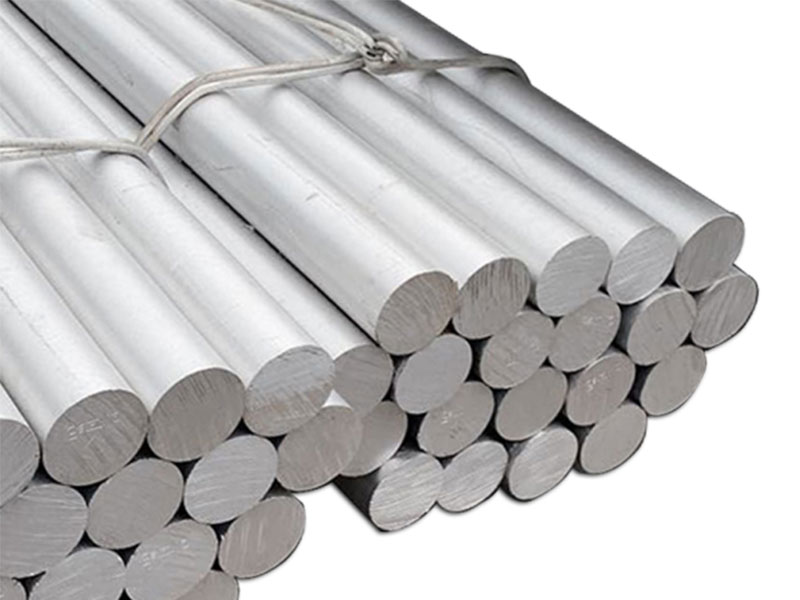
Marine Grade Aluminum Solid Bars are produced from premium aluminum alloys optimized for saltwater exposure, such as 5083, 5052, 6061, and 6082. These alloys offer unparalleled resistance to corrosion caused by seawater, salt spray, and marine atmospheres, while maintaining excellent mechanical strength and toughness.
View Details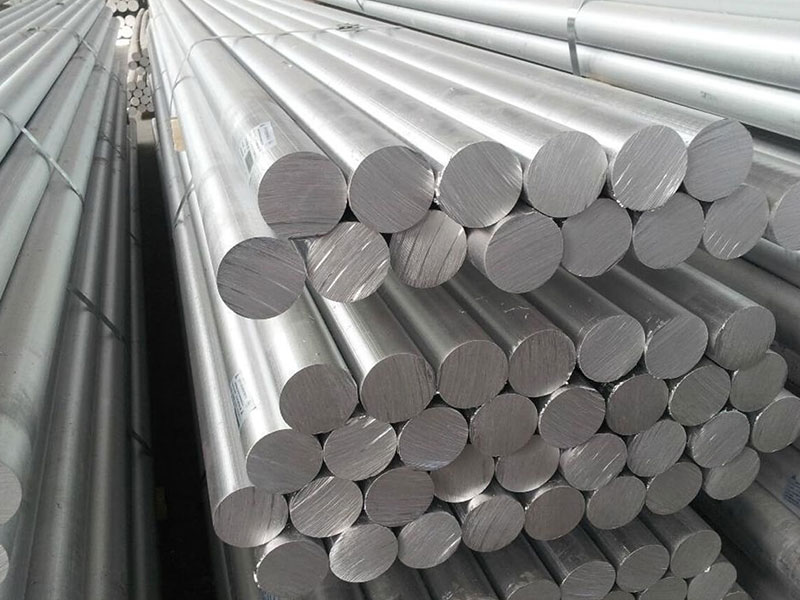
6082 marine aluminum rod & bar
6082 Aluminum Rods & Bars are extruded or rolled products manufactured from 6082 aluminum alloy — a thermally treated (typically T6 temper) aluminum-magnesium-silicon alloy that balances high tensile strength, good weldability, and excellent corrosion resistance.
View Details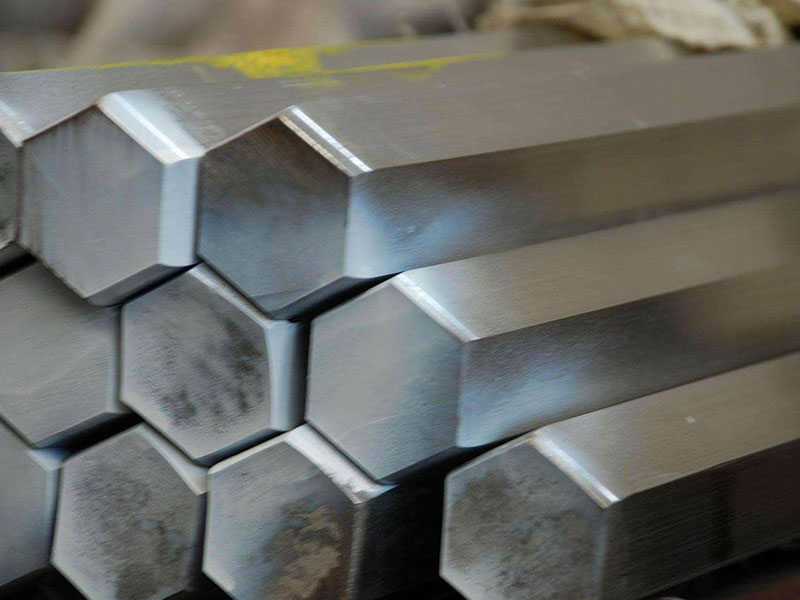
Marine aluminum hexagonal bars
Marine Grade Aluminum Hexagonal Bars are produced from premium corrosion-resistant aluminum alloys such as 5083, 5052, 6061, and 6082.
View Details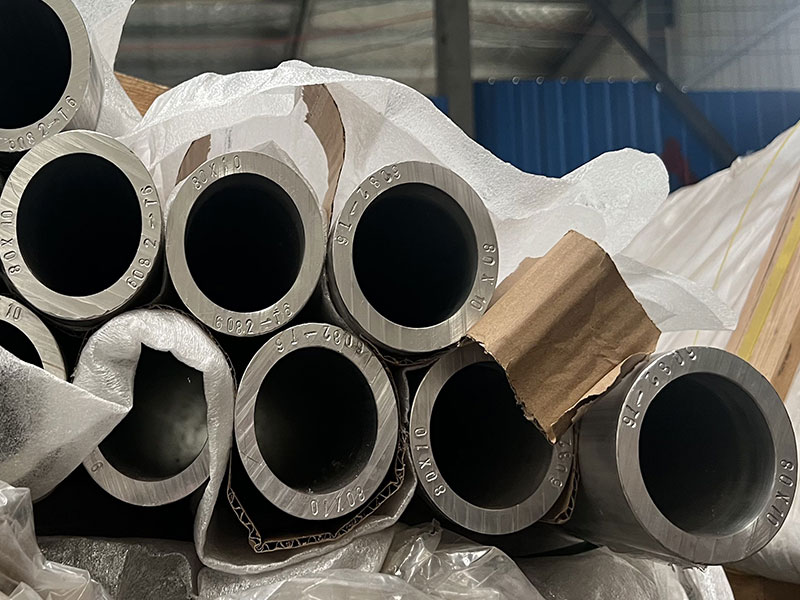
Marine aluminum hollow bars
Marine Grade Aluminum Hollow Bars are fabricated from high-quality alloys such as 5083, 5052, 6061, and 6082, all known for their exceptional resistance to seawater corrosion, salt spray, and marine atmospheres.
View DetailsRelated Blog
6061 Marine Aluminum Hexagonal Bars for Marine Hull and Deck Support
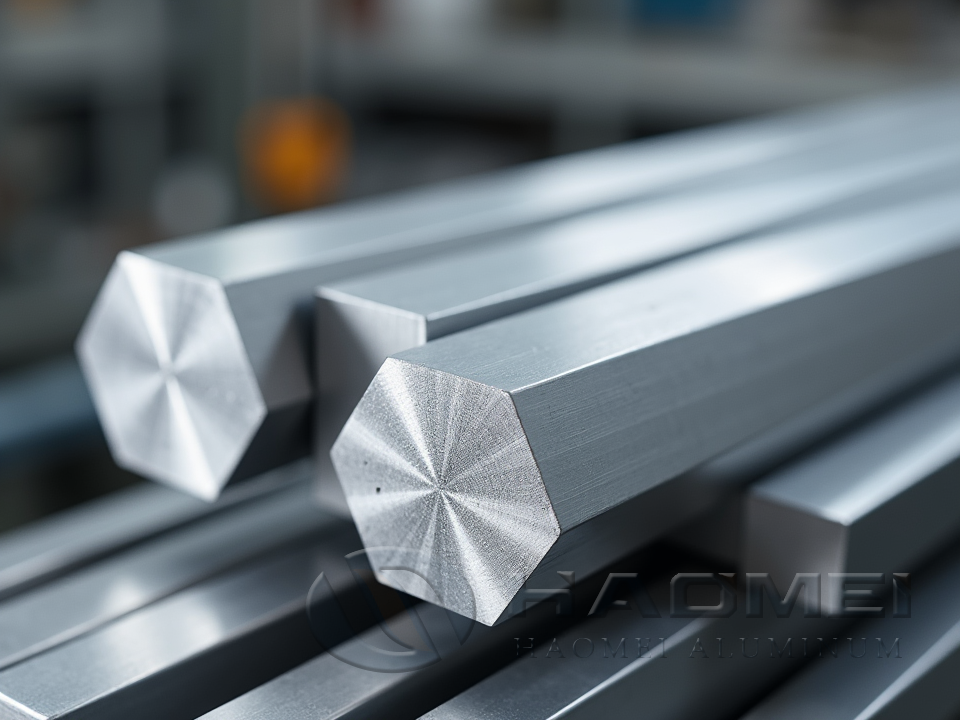
A practical look at 6061 marine aluminum hexagonal bars, covering strength, corrosion control, machining, and deck or hull support use for builders and buyers.
View Details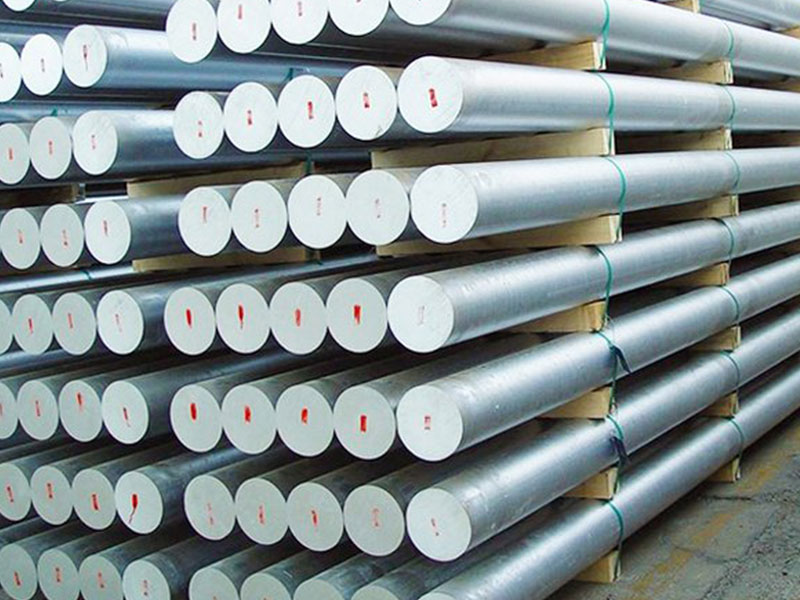
5052 Marine Grade Aluminum Solid Bar for Saltwater Proof Marine Structures
Superior corrosion resistance and mechanical properties of 5052 Marine Grade Aluminum Solid Bar, engineered for durable and reliable saltwater-proof marine structures. Learn about its chemical composition, alloy tempering, implementation standards, and ke
View Details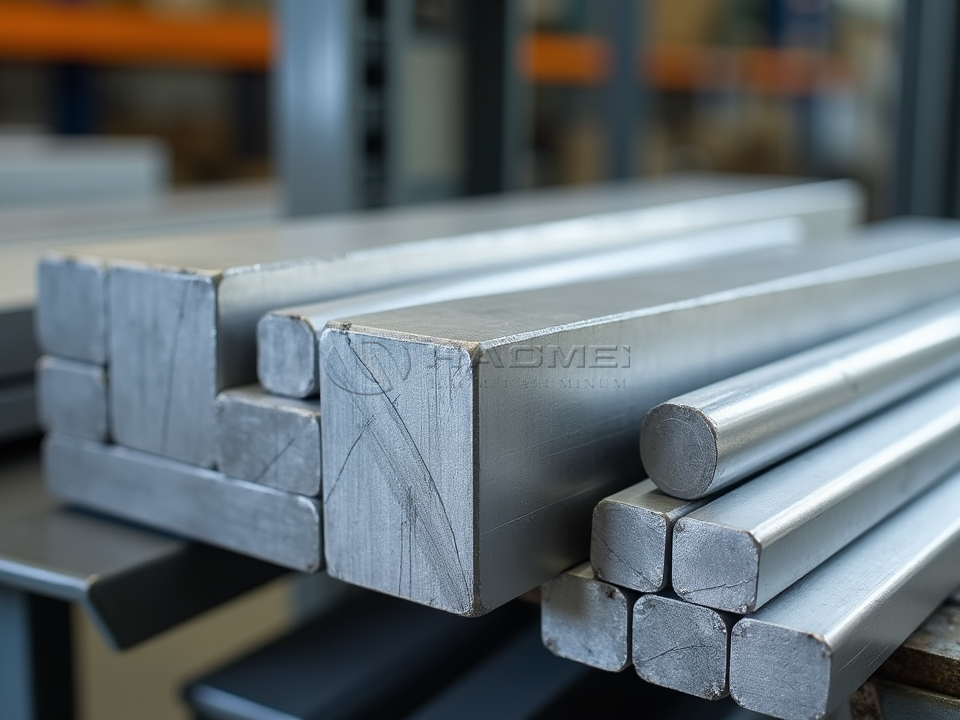
6061 Marine Grade Aluminum Solid Bar for Marine Equipment Customization
6061 marine grade aluminum solid bar offers strength, machinability, and corrosion control for custom boat fittings, frames, shafts, and deck hardware parts.
View Details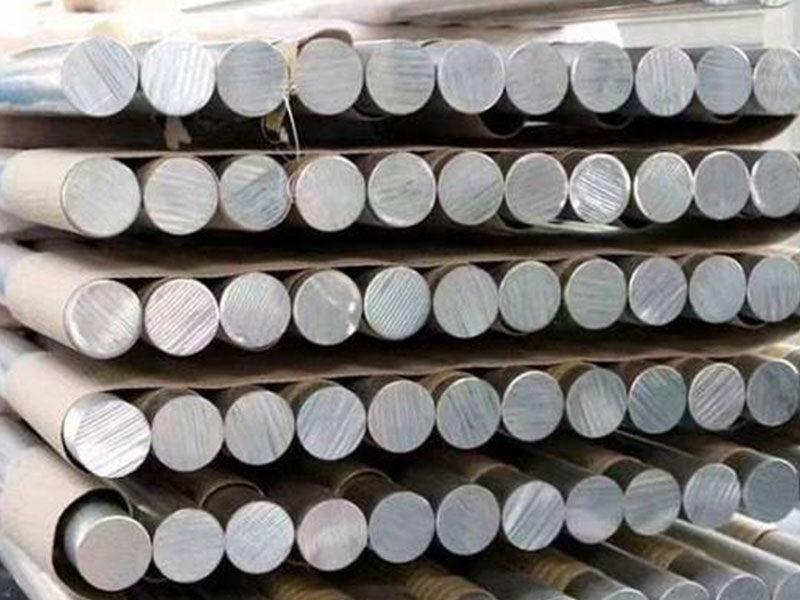
6061 Marine Aluminum Hexagonal Bars for Boat Hull and Frame Assembly
6061 Marine Aluminum Hexagonal Bars are engineered to deliver exceptional strength, corrosion resistance, and machinability for marine applications. Used widely in boat hull and frame assembly.
View Details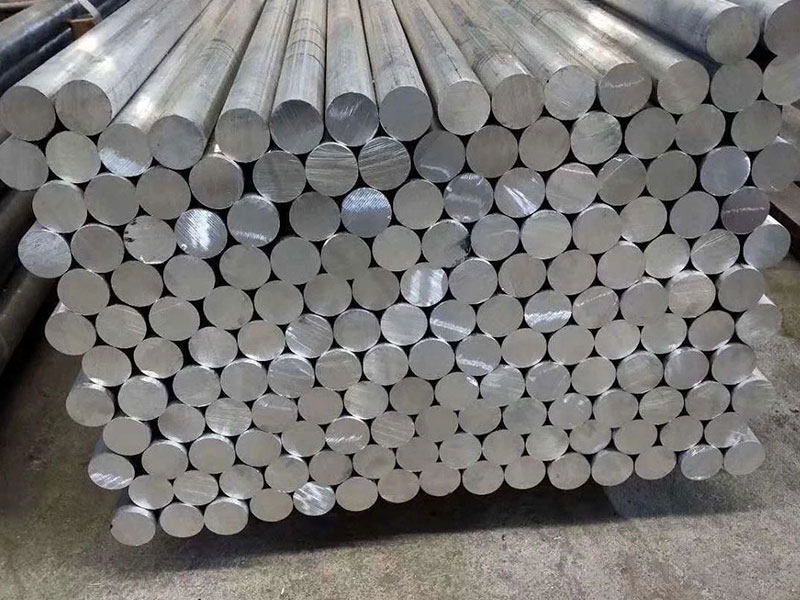
6082 Marine Aluminum Hollow Bars for Boat Hull and Deck Strengthening
6082 Marine Aluminum Hollow Bars for Boat Hull and Deck StrengtheningIn modern boatbuilding, strength is no longer measured only by how thick a plate looks or how heavy a frame feels.
View Details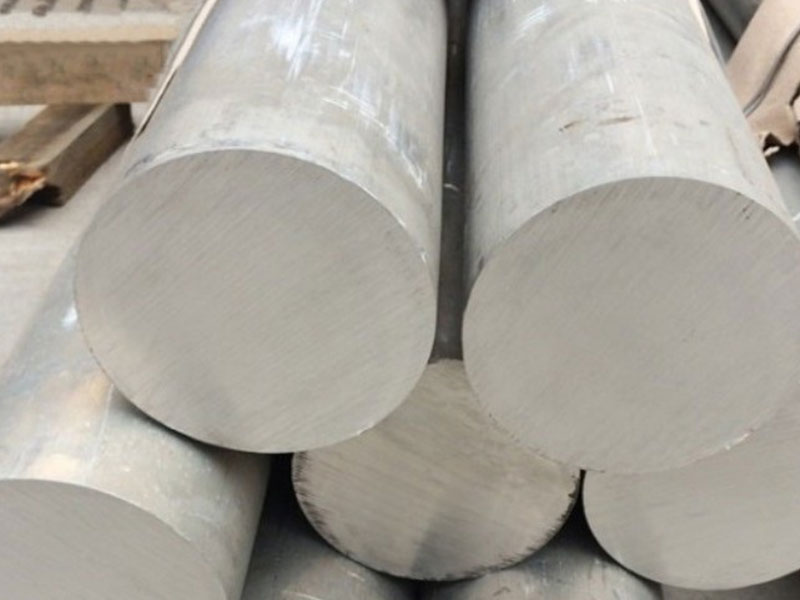
6082 Marine Aluminum Bar for Custom Boat Fabrication and Reinforcement
When it comes to custom boat fabrication and structural reinforcement in marine environments, material choice is paramount. The 6082 Marine Aluminum Bar stands out as a superior solution that combines strength, corrosion resistance.
View Details
Leave a Message