
5052 Marine aluminum hexagonal bars
5052 Marine aluminum hexagonal bars are a practical choice when you need corrosion resistance in saltwater, reliable strength, and good machinability-all in a shape that naturally suits fasteners, shafts, standoffs, couplings, valve parts, and marine hardware. Based on the widely used Al-Mg (aluminum–magnesium) family, 5052 is valued for staying stable and attractive in humid, coastal, and splash-zone environments where many general-purpose metals degrade quickly.
Hexagonal bars add an extra advantage: the six-flat geometry provides strong wrenching surfaces, improved anti-rotation behavior in fixtures, and efficient material usage for turned parts that would otherwise start from round bar with more waste.
Why 5052 Is a Marine Favorite
5052 is known as one of the most seawater-capable non-heat-treatable aluminum alloys. Its performance comes from a balanced magnesium content and tight control of impurities, delivering excellent resistance to pitting and general corrosion in marine atmospheres.
strengths of 5052 Marine aluminum hexagonal bars include:
- Outstanding corrosion resistance in marine air, splash exposure, and industrial humidity
- Good weldability with common aluminum filler metals, supporting brackets, frames, and assemblies
- Solid fatigue behavior for components exposed to vibration on boats and offshore equipment
- Good formability when secondary forming is needed after machining
- Reliable machinability for hex-driven components, spacers, and precision fittings
- Low density for weight reduction versus stainless steel or bronze parts
Typical Applications
5052 hex bars are used wherever corrosion resistance and "tool-friendly" geometry matter. Common marine and coastal applications include:
- Marine fasteners and hardware: nuts, spacers, standoffs, deck fittings, cleat accessories
- Boat and ship outfitting: brackets, mounting blocks, sensor housings, antenna supports
- Dock and pier components: corrosion-resistant connectors, structural accessory parts
- Offshore and coastal equipment: covers, clamps, adapters, valve and pump accessory parts
- Electrical and electronic housings in salty air: supports, stand-offs, grounding-friendly hardware
- General manufacturing: jigs, fixtures, machine parts needing corrosion resistance and low weight
Chemical Composition (Typical, wt.%)
5052 belongs to the aluminum-magnesium series. Magnesium provides the core corrosion resistance and strength; chromium helps stabilize the microstructure and improves corrosion performance.
| Element | Typical Range (wt.%) | Role in the Alloy |
|---|---|---|
| Al | Balance | Base metal, light weight, conductivity |
| Mg | 2.2–2.8 | Strength + marine corrosion resistance |
| Cr | 0.15–0.35 | Grain structure control, corrosion support |
| Si | ≤ 0.25 | Controlled for consistency |
| Fe | ≤ 0.40 | Controlled to protect ductility/corrosion behavior |
| Cu | ≤ 0.10 | Kept low to preserve corrosion resistance |
| Mn | ≤ 0.10 | Minor strengthening, controlled |
| Zn | ≤ 0.10 | Impurity control |
| Ti | ≤ 0.10 | Grain refinement in processing |
| Others (each) | ≤ 0.05 | Trace control |
| Others (total) | ≤ 0.15 | Trace control |
Note: Final chemistry depends on mill practice and applicable standards. For seawater-facing parts, low copper content is especially important.
Available Temper Options and What They Mean
5052 is non-heat-treatable; strength is mainly adjusted through cold work. For hex bars, common tempers are selected based on machining needs and mechanical requirements.
| Temper | Typical Characteristics | Where It Fits Best |
|---|---|---|
| O (Annealed) | Softest condition, highest ductility | Forming operations, tight bending, low-load parts |
| H32 | Strain-hardened and stabilized, balanced properties | General marine hardware, machined parts with good strength |
| H34 | Higher strength than H32, slightly reduced ductility | Higher-load components, stiffer spacers, structural accessories |
If your part will be welded, it's normal for strength near the weld zone to drop compared with the base temper; design accordingly.
Mechanical Performance (Typical Values)
Mechanical properties vary with temper, section size, and processing route. The values below are representative and useful for quick selection.
| Property | 5052-O (Typical) | 5052-H32 (Typical) | 5052-H34 (Typical) |
|---|---|---|---|
| Ultimate tensile strength | ~190 MPa | ~230 MPa | ~260 MPa |
| Yield strength (0.2%) | ~90 MPa | ~160 MPa | ~200 MPa |
| Elongation (A50) | ~20% | ~12% | ~10% |
| Brinell hardness | ~47 HB | ~60 HB | ~68 HB |
Hex Bar Technical Specifications (Common Supply Range)
Hexagonal bar geometry is usually specified by across flats (AF) dimension. Tighter tolerances and special sizes can be supplied by agreement.
| Parameter | Typical Offering |
|---|---|
| Alloy | 5052 |
| Form | Hexagonal bar (extruded / drawn depending on size) |
| Across flats (AF) | Commonly 6–80 mm (other sizes by inquiry) |
| Length | Commonly 1–6 m (cut-to-length available) |
| Temper | O, H32, H34 |
| Surface finish | Mill finish; optional anodizing-ready; optional polishing |
| Dimensional tolerance | Standard commercial tolerances; precision tolerances available |
| Straightness | Controlled for machining and feeding stability |
| Marking | Heat/lot traceability available |
Corrosion Resistance in Real Marine Use
In marine service, 5052 performs strongly because it forms a stable oxide film and resists many common corrosion modes seen in coastal environments. It is particularly effective in:
- Marine atmosphere exposure: salt-laden air, fog, humid storage
- Splash and spray zones: periodic wet/dry cycling
- Contact with many marine construction materials when good design practice is followed
For best durability, consider these practical points:
- Avoid long-term contact with strong alkalis and aggressive chemical cleaners not compatible with aluminum.
- Reduce galvanic corrosion risk by isolating aluminum from copper-rich alloys or carbon steel in wet conditions using coatings, isolating washers, or sealants.
- For high-aesthetic or added protection, specify anodizing or marine-grade coating systems; 5052 is generally anodizing-friendly.
Machining and Fabrication Notes for Hex Bars
Hex bars are often chosen specifically to improve manufacturing efficiency:
| Topic | What to Expect with 5052 Hex Bars |
|---|---|
| Turning and milling | Clean cutting, good chip formation with proper tooling |
| Threading | Works well; use sharp tools and appropriate lubrication |
| Feeding in automatics | Hex shape reduces spinning, improves grip in collets |
| Welding | Excellent weldability; choose filler based on strength/corrosion goals |
| Forming after machining | Possible in softer tempers; consult for tight radii |
| Surface treatment | Suitable for anodizing and coating; prep matters for best appearance |
Where 5052 Hex Bars Outperform Alternatives
Material selection in marine hardware often comes down to performance per cost and weight:
| Comparison | Advantage of 5052 Marine Hex Bar |
|---|---|
| Versus 6061 | Often better corrosion resistance in marine exposure; 6061 may be preferred when higher structural strength is required |
| Versus stainless steel | Much lighter, easier to machine in many cases; stainless may win in abrasion or high-temperature service |
| Versus brass/bronze | Lower density and typically lower cost; copper alloys may offer better bearing properties in certain wear applications |
Ordering Guidance for the Best Fit
To receive the most suitable 5052 Marine aluminum hexagonal bars, align the purchase specification with the end use.
| What to Specify | Why It Matters |
|---|---|
| Across flats (AF) and tolerance | Determines wrench fit, machining allowance, and consistency |
| Temper (O/H32/H34) | Controls strength, ductility, and machining behavior |
| Required length and cut plan | Reduces scrap and speeds production |
| Surface and appearance needs | Important for exposed marine hardware |
| Traceability or certification | Useful for marine projects, audits, and quality systems |
| Secondary processing | Anodizing, coating, precision straightening, custom packing |
5052 Marine aluminum hexagonal bars combine marine-grade corrosion resistance, efficient hex geometry, and manufacturing-friendly performance. They are ideal for marine hardware, coastal fixtures, offshore accessories, and any machined component that benefits from low weight and dependable durability in salty, humid environments. When paired with the right temper and smart corrosion design practices, 5052 hex bars deliver long service life with excellent value for marine and near-marine applications.

Related Products
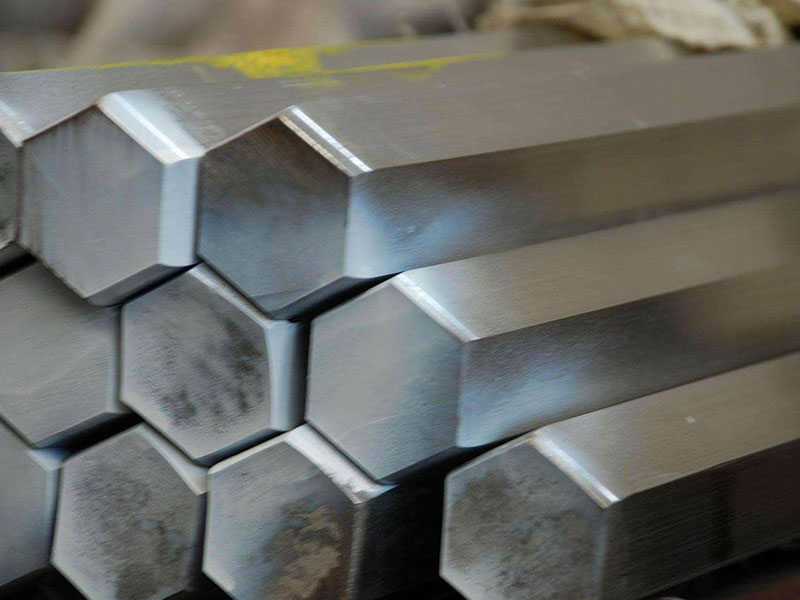
Marine aluminum hexagonal bars
Marine Grade Aluminum Hexagonal Bars are produced from premium corrosion-resistant aluminum alloys such as 5083, 5052, 6061, and 6082.
View Details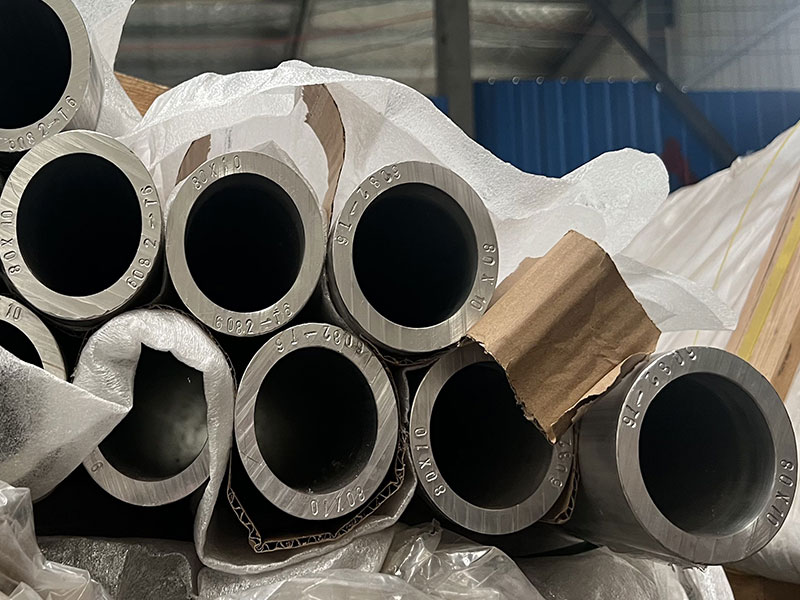
Marine aluminum hollow bars
Marine Grade Aluminum Hollow Bars are fabricated from high-quality alloys such as 5083, 5052, 6061, and 6082, all known for their exceptional resistance to seawater corrosion, salt spray, and marine atmospheres.
View Details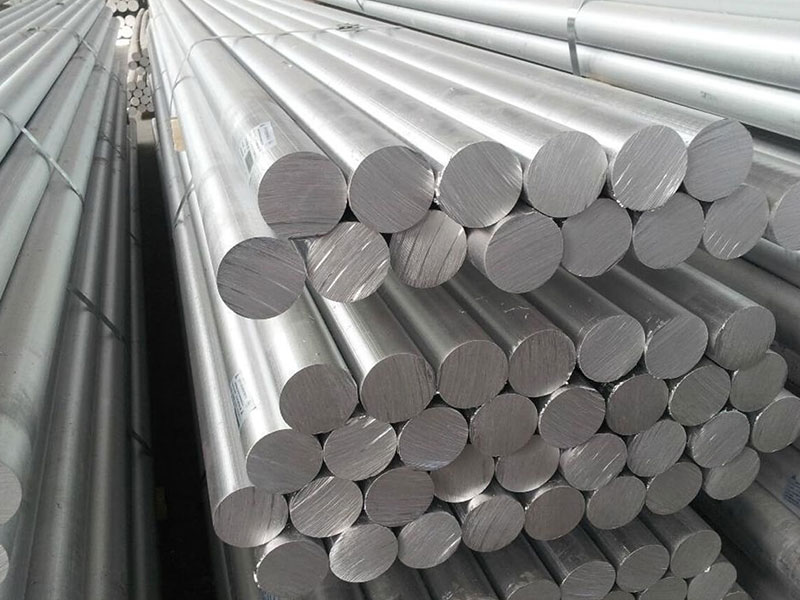
6082 marine aluminum rod & bar
6082 Aluminum Rods & Bars are extruded or rolled products manufactured from 6082 aluminum alloy — a thermally treated (typically T6 temper) aluminum-magnesium-silicon alloy that balances high tensile strength, good weldability, and excellent corrosion resistance.
View Details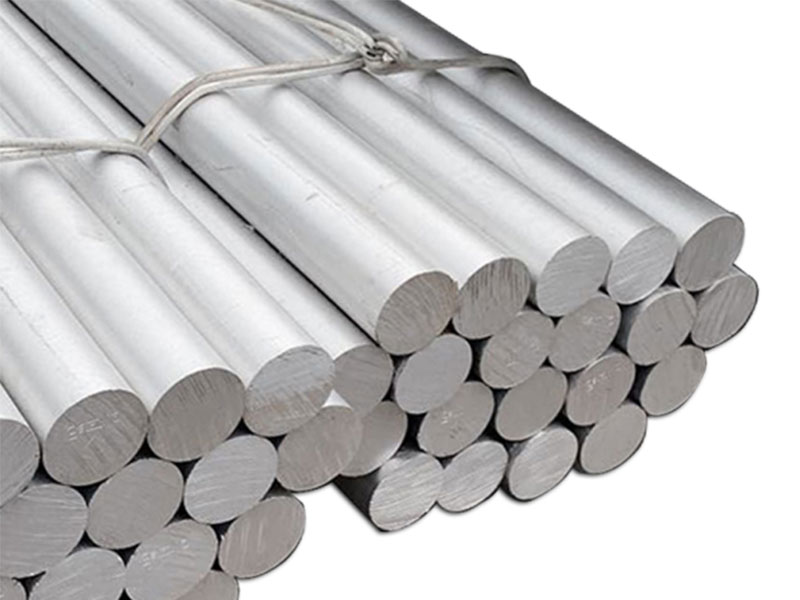
Marine grade aluminum solid bar
Marine Grade Aluminum Solid Bars are produced from premium aluminum alloys optimized for saltwater exposure, such as 5083, 5052, 6061, and 6082. These alloys offer unparalleled resistance to corrosion caused by seawater, salt spray, and marine atmospheres, while maintaining excellent mechanical strength and toughness.
View DetailsRelated Blog
5052 Marine Aluminum Bar for Coastal Marine Engineering Projects
The 5052 marine aluminum bar is a premium product dedicated to the scrupulous requirements of coastal marine engineering projects. It stands out due to its excellent corrosion resistance, weldability, and formability.
View Details
5052 Marine Grade Aluminum Solid Bar for Lightweight Offshore Components
As the maritime industry continues to evolve toward efficiency and performance optimization, the choice of materials plays a pivotal role in determining the success of marine designs.
View Details
5052 Marine Aluminum Hollow Bars for High Strength Marine Frame Parts
Marine structures demand a material that holds up to saltwater corrosion, cyclic loading, and fabrication realities (forming, welding, machining) without turning maintenance into a constant expense.
View Details
5052 Marine Aluminum Bar for High Performance Marine Structural Parts
When marine structures demand long service life, low maintenance, and consistent mechanical performance, 5052 marine aluminum bar is a proven solution. Built around a magnesium-strengthened alloy system.
View Details
5052 Marine Aluminum Hexagonal Bars for High Durability Marine Parts
5052 marine aluminum hexagonal bars combine strong corrosion resistance, good strength-to-weight ratio, and excellent workability in a geometry that’s ideal for precision marine components.
View Details
5052 Marine Grade Aluminum Solid Bar for Saltwater Tolerant Boat Parts
High-performance 5052 marine grade aluminum solid bar, engineered for superior corrosion resistance and durability in saltwater environments. Ideal for boat parts and marine applications demanding long-lasting strength and reliability.
View Details
Leave a Message