
6082 Marine Aluminum Hollow Bars
6082 marine aluminum hollow bars are engineered for marine parts that need stiffness, load capacity, and reduced mass at the same time. Rather than placing material across a solid cross-section, a hollow bar concentrates aluminum around the outside diameter, where it contributes most effectively to bending and torsional resistance. This makes it an efficient choice for marine shafts, structural sleeves, spacer tubes, railing joints, hydraulic housings, and machined fittings.
In practical boatbuilding, a hollow bar is more than a tube with thick walls. It is often a machining blank designed to become a precise component with threaded ends, bored passages, flange seats, or bearing locations. Alloy 6082 is especially suited to this role because it combines medium-to-high strength with good machinability and dependable response to anodizing and fabrication.
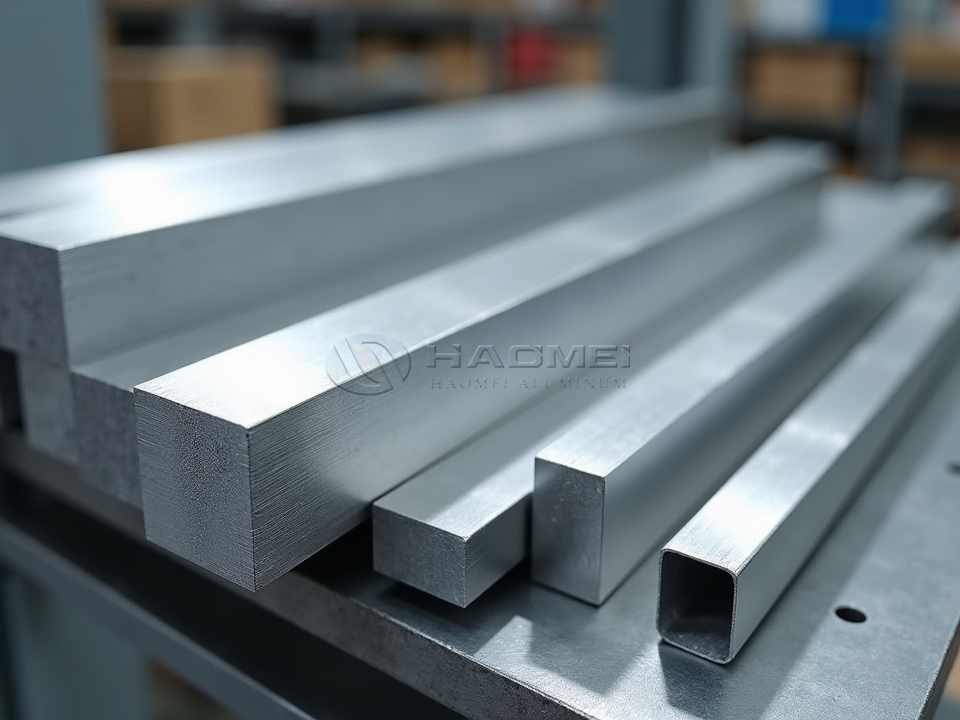
Why the Hollow Section Changes the Design
The advantage of 6082 hollow bar comes from geometry. When a component must resist bending, much of the stress occurs near its outer surface. Removing less-stressed material from the center can significantly lower weight while retaining a large portion of the section's stiffness. This is valuable on vessels where lower topside weight, easier manual installation, and reduced fuel demand all matter.
A thick-wall hollow section can also create useful internal space. It may carry wiring, control lines, hydraulic fluid, drainage paths, or fastening hardware. On deck equipment, hollow 6082 sections are regularly machined into pedestal sleeves, davit components, T-top supports, antenna mounts, and structural connector bodies.
For projects needing a broader selection of forms, Marine Grade Aluminum Bars can be compared by alloy, temper, cross-section, and corrosion requirement before the final component design is confirmed.
Alloy 6082 Chemistry and Its Marine Relevance
6082 belongs to the 6xxx aluminum-magnesium-silicon family. Magnesium and silicon form strengthening phases during heat treatment, while manganese supports grain structure and improves resistance to certain forms of corrosion. Compared with 6061, 6082 commonly offers higher strength in thicker sections. It is often selected for load-bearing fabricated and machined marine hardware.
The following composition limits are commonly referenced from EN 573-3. Actual mill test certificates should always be checked for project-specific compliance.
| Element | Typical Specification Range or Maximum, % by Weight |
|---|---|
| Silicon, Si | 0.70-1.30 |
| Iron, Fe | 0.50 max |
| Copper, Cu | 0.10 max |
| Manganese, Mn | 0.40-1.00 |
| Magnesium, Mg | 0.60-1.20 |
| Chromium, Cr | 0.25 max |
| Zinc, Zn | 0.20 max |
| Titanium, Ti | 0.10 max |
| Other elements, each | 0.05 max |
| Other elements, total | 0.15 max |
| Aluminum, Al | Balance |
This chemistry gives 6082 good general atmospheric and splash-zone corrosion performance when surfaces are properly finished and isolated from dissimilar metals. However, it should not automatically replace 5xxx marine plate alloys in permanently immersed, highly creviced, or aggressively saline service. Design details such as drainage, sealant selection, fastener isolation, and regular freshwater washing remain essential.
Tempers for Hollow Marine Components
Temper selection controls the balance between strength, formability, straightness, and residual stress. Most 6082 marine aluminum hollow bars are supplied in heat-treated conditions after extrusion.
| Temper | Condition | Typical Use in Marine Hollow Bars |
|---|---|---|
| T4 | Solution heat-treated and naturally aged | Forming or further shaping before final aging |
| T6 | Solution heat-treated and artificially aged | General high-strength machined fittings and structural components |
| T651 | Solution heat-treated, stress-relieved by stretching, artificially aged | Precision-machined heavy sections where distortion control is important |
| T6511 | Stress-relieved by stretching and minor straightening after extrusion | Extruded hollow bars requiring good straightness and stable machining |
Typical T6 tensile properties vary with wall thickness and applicable product standard. For many extruded 6082-T6 sections, tensile strength may be around 290-340 MPa, proof strength around 250 MPa or higher, and elongation commonly around 8-10% or more. These values are guidance only; the certified values for a particular size should govern engineering decisions.
T651 and T6511 are valuable when the hollow bar will be heavily machined. Removing material from one side of an unstabilized section can release internal stress and cause movement. Stress-relieved material reduces this risk, helping maintain concentricity between the outside diameter, bore, threads, and bearing seats.
Dimensions, Tolerances, and Supply Conditions
6082 hollow bars are commonly produced as round sections, although square, rectangular, and custom profile hollows may also be available. Procurement specifications normally define outside diameter, inside diameter, wall thickness, length, straightness, concentricity, surface condition, temper, and cutting allowance.
Typical production parameters may include outside diameters from approximately 20 mm to more than 300 mm, wall thicknesses from 3 mm upward, and stock lengths commonly near 3 m to 6 m. Larger or thicker extrusions are subject to press capability and alloy availability. For close-tolerance parts, buyers should specify whether the bore is extrusion-finish, pre-machined, or fully machined after delivery.
Relevant implementation standards can include EN 573-3 for chemical composition, EN 755-2 for mechanical properties of extruded rods, bars, tubes, and profiles, EN 755-8 for dimensional and form tolerances, and ASTM B221 for aluminum-alloy extruded bars, rods, wire, profiles, and tubes. When a hollow bar is intended for pressure piping rather than structural machining, the applicable tube or pipe standard should be confirmed separately.
For stock and custom forms made specifically for this purpose, Marine aluminum hollow bars provide a practical starting point for selecting the right wall thickness and temper.
Machining, Welding, and Surface Protection
6082-T6 machines cleanly with sharp tools, suitable coolant, and controlled clamping. Its hollow shape needs proper support during turning or milling to prevent vibration and out-of-round deformation. A modest machining allowance is advisable where tight bore concentricity or flange-face flatness is required.
Welding is possible using suitable filler metals such as 5356 or 5183 where the joint design and corrosion exposure support that choice. Yet, welded zones lose the full T6 strength because welding heat alters the precipitation-hardened structure. Engineers should size welded 6082 components according to heat-affected-zone properties, not parent-metal T6 values. If maximum welded strength is the governing requirement, a 5xxx-series marine alloy may deserve consideration.
For seawater exposure, anodizing can improve surface durability and appearance. Powder coating or a marine paint system may be added where visual consistency is needed. Avoid direct, wet contact with stainless steel, carbon steel, copper alloys, or carbon fiber without compatible isolators. Use non-absorbent washers, sealants, sleeves, and drainage paths to reduce galvanic corrosion and trapped-salt attack.
Marine Applications That Benefit Most
6082 marine aluminum hollow bars perform particularly well in components that are loaded, machined, and exposed to weather rather than continuously submerged. Common applications include radar and antenna mast sleeves, canopy and hardtop supports, hatch-frame connectors, steering pedestals, boarding-ladder parts, deck equipment bushes, davit arms, equipment brackets, rail fittings, and structural spacers.
The best result comes from treating the hollow bar as an engineered section, not simply a lighter substitute for solid stock. Correct wall thickness, temper, machining allowance, drainage, and corrosion isolation turn 6082 hollow bar into a durable marine component that delivers strength without carrying unnecessary weight.

Related Products
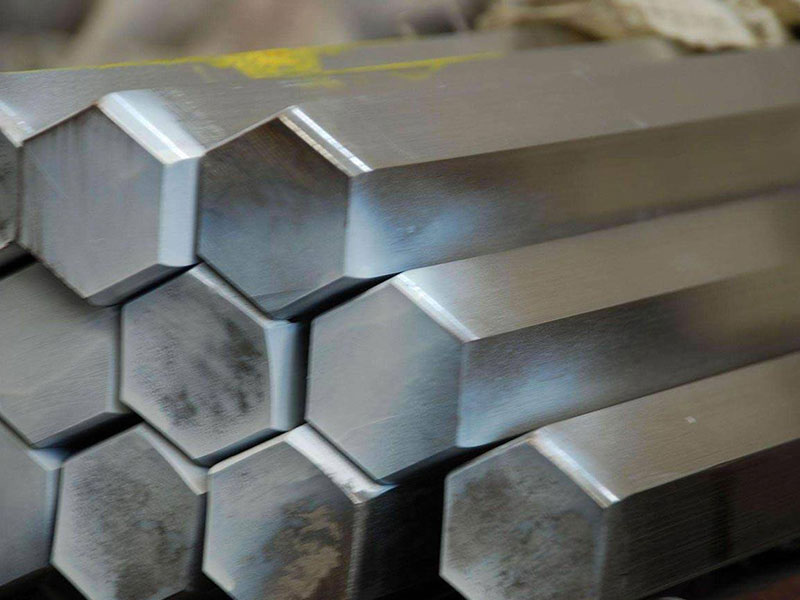
Marine aluminum hexagonal bars
Marine Grade Aluminum Hexagonal Bars are produced from premium corrosion-resistant aluminum alloys such as 5083, 5052, 6061, and 6082.
View Details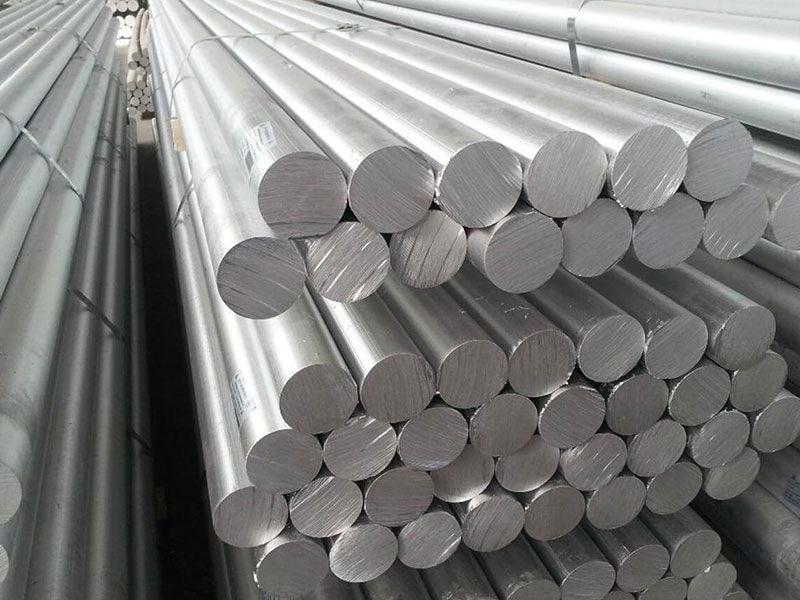
6082 marine aluminum rod & bar
6082 Aluminum Rods & Bars are extruded or rolled products manufactured from 6082 aluminum alloy — a thermally treated (typically T6 temper) aluminum-magnesium-silicon alloy that balances high tensile strength, good weldability, and excellent corrosion resistance.
View Details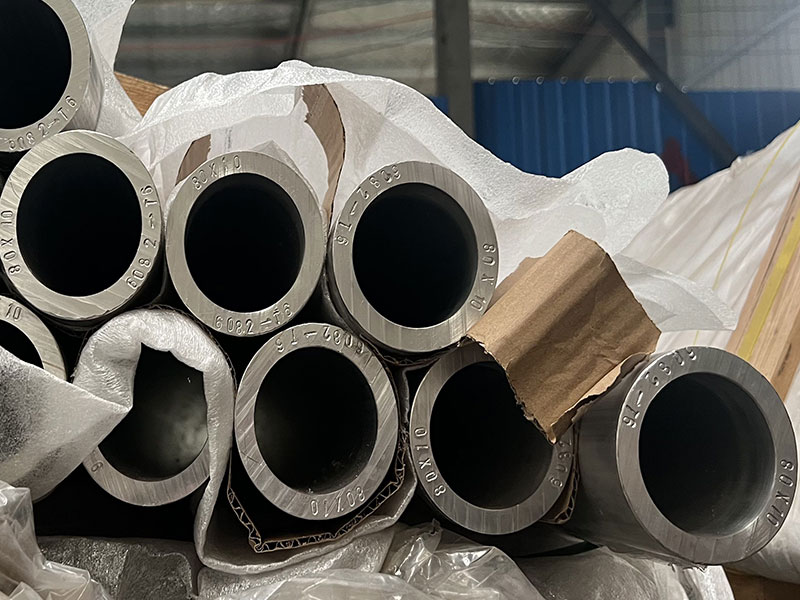
Marine aluminum hollow bars
Marine Grade Aluminum Hollow Bars are fabricated from high-quality alloys such as 5083, 5052, 6061, and 6082, all known for their exceptional resistance to seawater corrosion, salt spray, and marine atmospheres.
View Details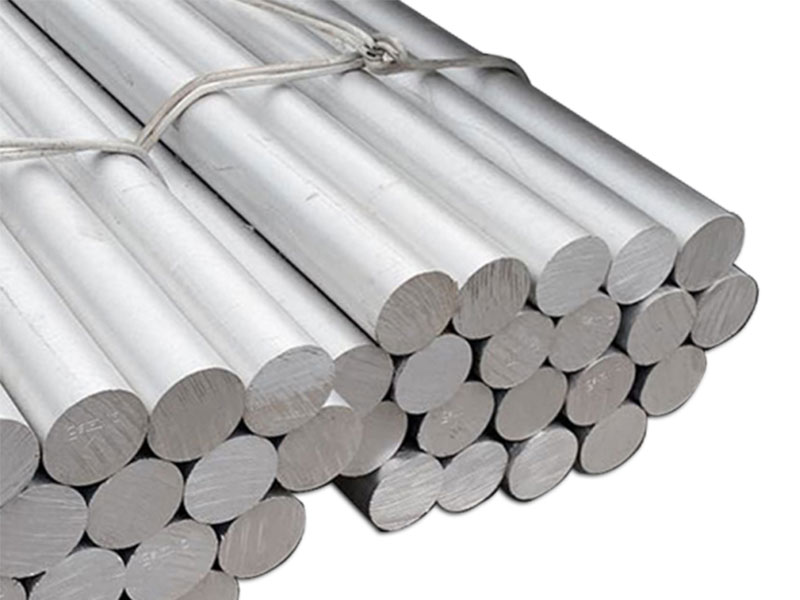
Marine grade aluminum solid bar
Marine Grade Aluminum Solid Bars are produced from premium aluminum alloys optimized for saltwater exposure, such as 5083, 5052, 6061, and 6082. These alloys offer unparalleled resistance to corrosion caused by seawater, salt spray, and marine atmospheres, while maintaining excellent mechanical strength and toughness.
View DetailsRelated Blog
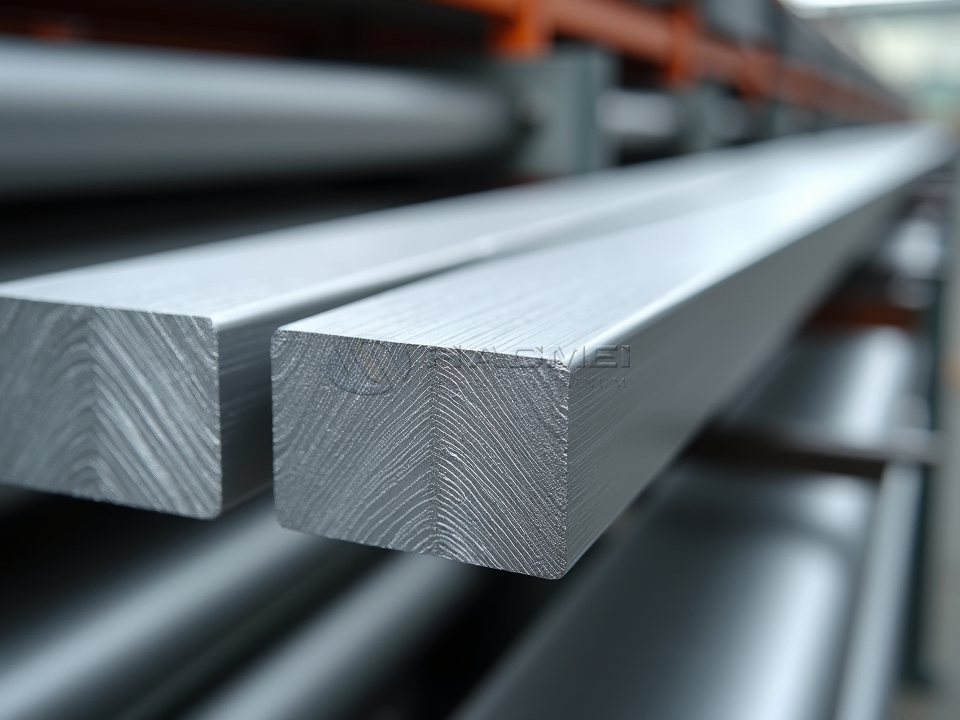
5083 Marine Grade Aluminum Solid Bar
Explore 5083 marine grade aluminum solid bar properties, tempers, standards, chemistry, and practical uses in seawater-exposed structures.
View Details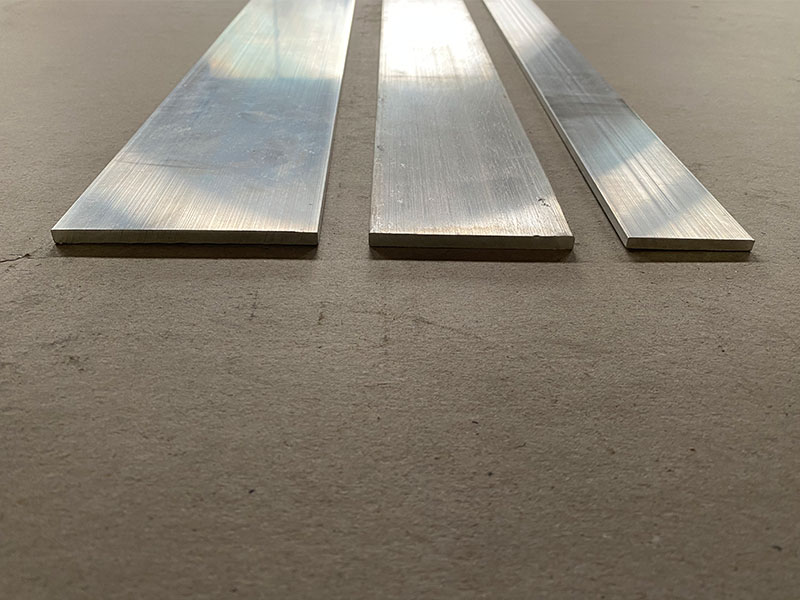
Marine Aluminum Hollow Bars for Custom Marine Equipment Reinforcement
Marine environments punish materials in quiet, relentless ways: salt spray creeps into joints, vibration works fasteners loose, and cyclic wave loading turns small stress risers into cracks.
View Details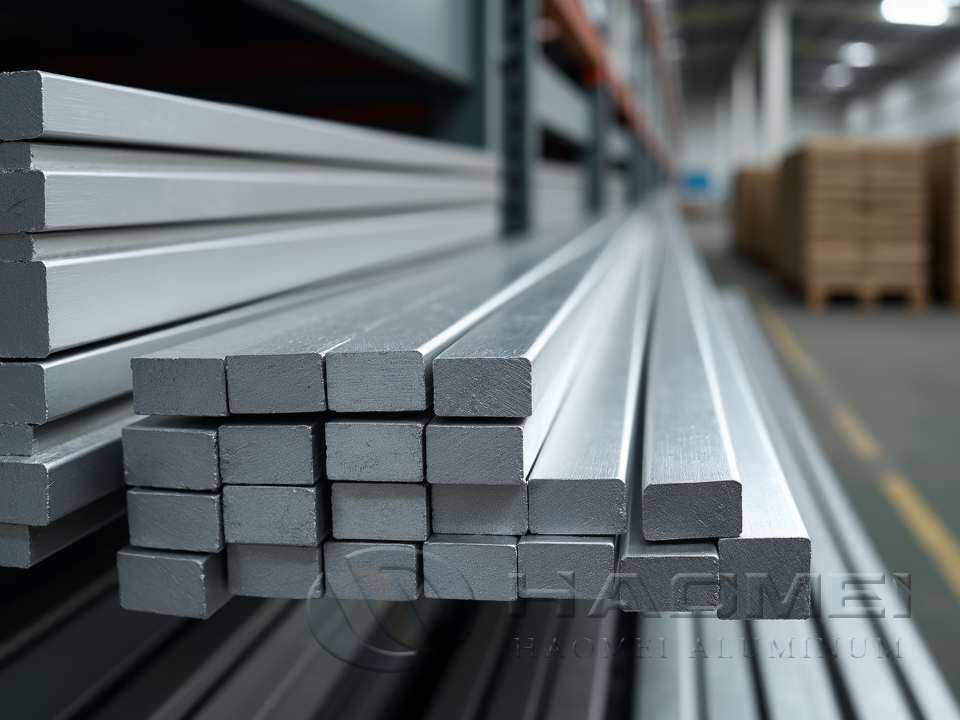
5052 Marine Aluminum Hexagonal Bars For Seawater Tolerant Marine Frames
Practical guidance on 5052 marine aluminum hexagonal bars for corrosion-resistant frames, fittings, bracing, and seawater exposed boat structures.
View Details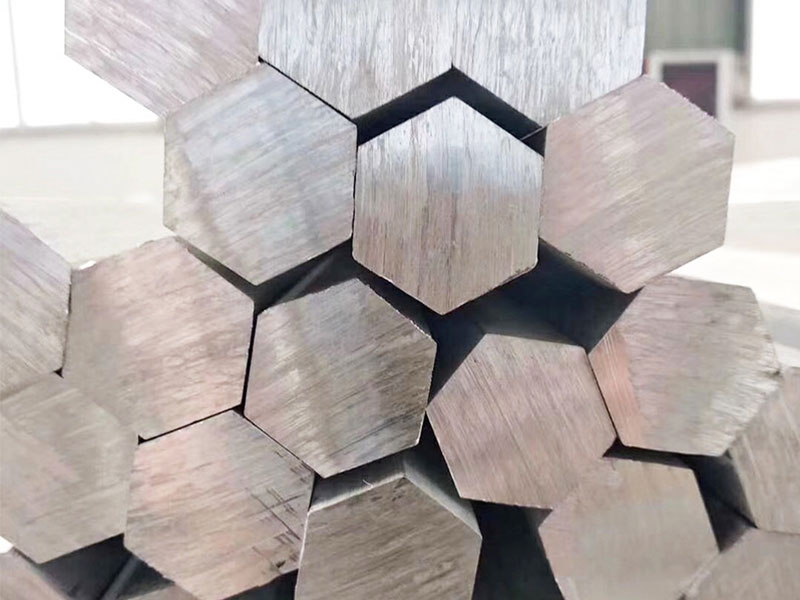
5083 Marine Aluminum Hexagonal Bars for High Strength Shipbuilding Materials
When it comes to constructing robust, lightweight, and corrosion-resistant components in the marine industry, 5083 marine aluminum hexagonal bars are an indispensable material.
View Details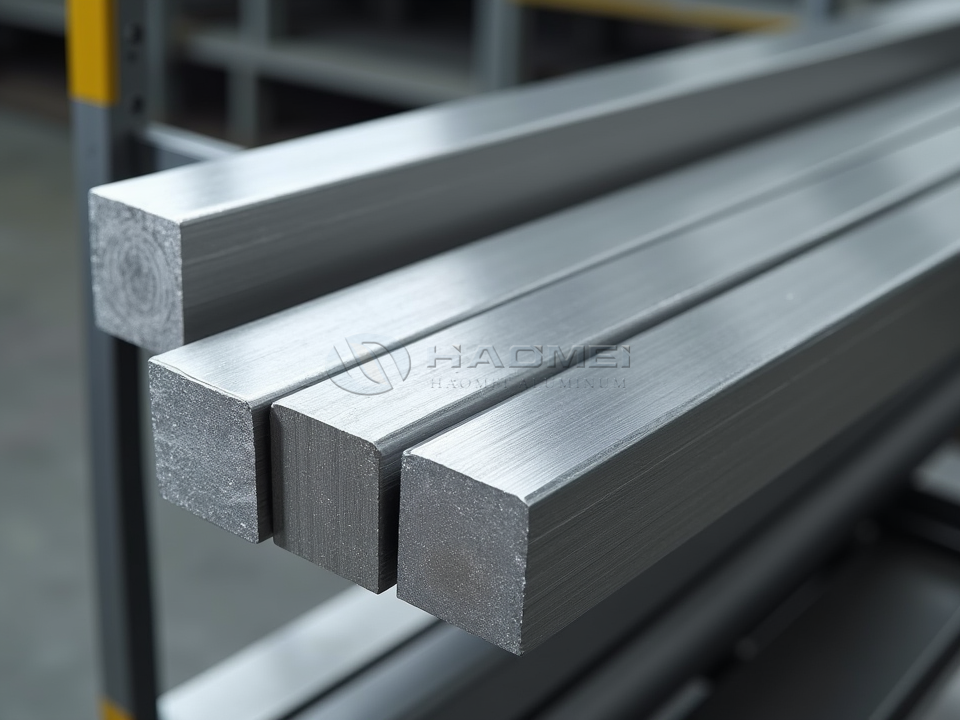
6082 Marine Aluminum Hollow Bars for High Performance Marine Frames
Explore 6082 marine aluminum hollow bars for lightweight, durable marine frames, with alloy data, tempers, standards, fabrication guidance, and uses.
View Details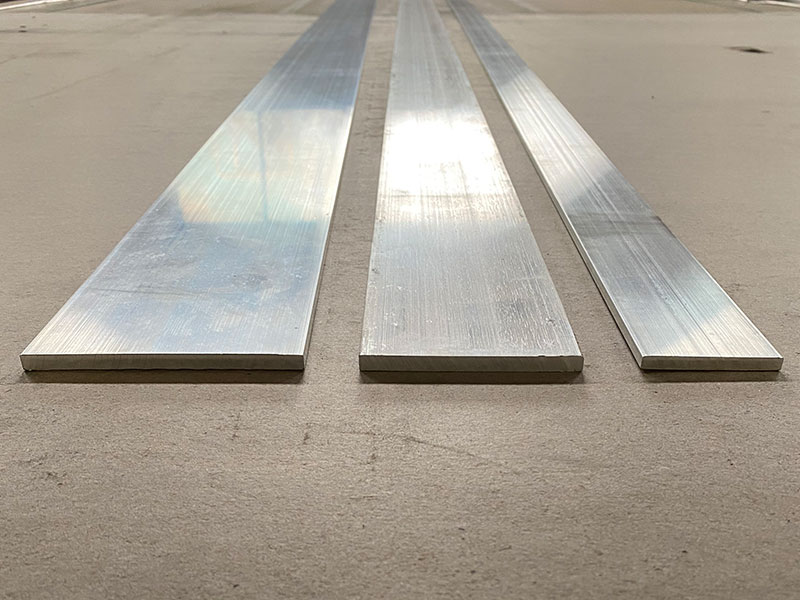
5083 Marine Aluminum Bar for Marine Equipment Reinforcements
Superior strength, corrosion resistance, and reliability of 5083 Marine Aluminum Bars, specifically engineered for marine equipment reinforcements. Ideal for harsh sea environments, these aluminum bars offer exceptional mechanical properties and long-term
View Details
Leave a Message