
6061 Marine Aluminum Hollow Bars
6061 marine aluminum hollow bars are high-strength extruded profiles designed for marine structures where weight control, rigidity, clean fabrication, and long-term service matter. With a hollow center and accurately formed outside profile, these bars deliver excellent stiffness without the unnecessary mass of a solid section. They are widely used in boat rails, T-tops, cabins, seat frames, consoles, boarding equipment, davits, trailer components, and lightweight support structures.
Most marine hollow bars are supplied in the 6061-T6 temper. This heat-treated condition gives the alloy strong mechanical performance and dependable machining behavior, making it a practical material for builders who need parts that can be cut, drilled, welded, bent within suitable limits, and assembled efficiently. For projects requiring a lighter structural alternative to steel, 6061 hollow bar offers a highly effective balance between strength and weight.
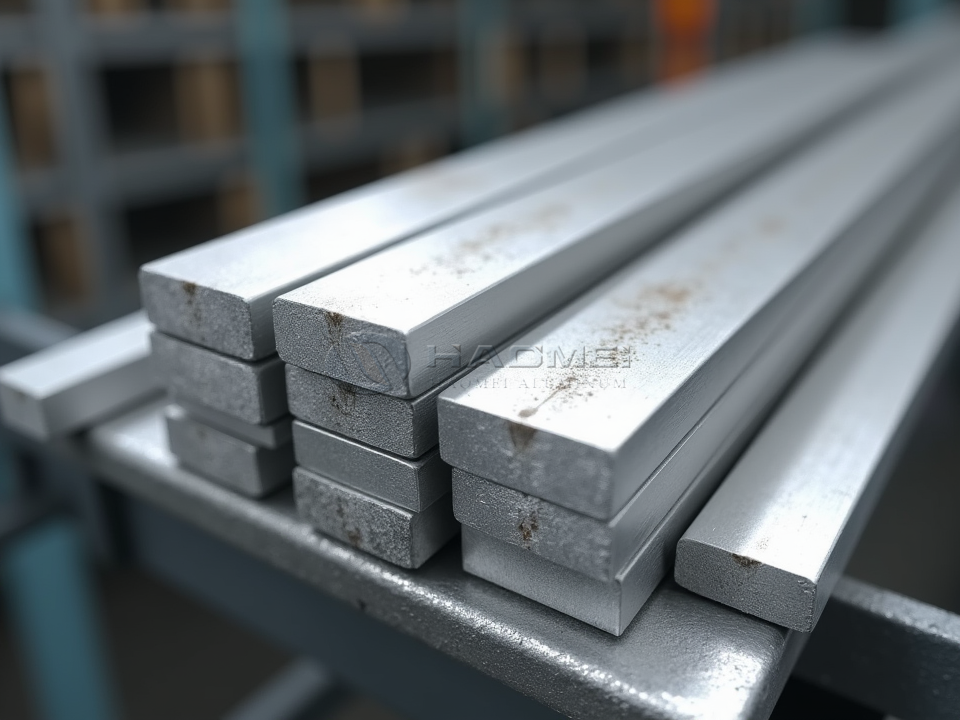
Why 6061 Works Well in Marine Fabrication
6061 is an aluminum-magnesium-silicon alloy. Magnesium and silicon combine to form magnesium silicide during heat treatment, helping the material achieve its familiar T6 strength level. The alloy has good dimensional stability, a smooth extruded surface, and consistent performance during CNC machining. It also accepts anodizing, powder coating, and marine paint systems well when correct surface preparation is used.
The hollow design is especially valuable in vessel construction. Material is concentrated around the perimeter, where it contributes most effectively to bending resistance. This means a properly selected tube or hollow bar can carry structural loads while reducing the overall weight of the vessel. Lower topside weight can improve handling, fuel efficiency, trailer load, and installation convenience.
Compared with round pipe, hollow bars may be supplied in round, square, rectangular, or custom structural shapes. Square and rectangular sections are frequently selected for frames because their flat faces simplify mounting plates, brackets, panels, and fasteners. Round hollow bars are commonly used for rails, handholds, canopy supports, and polished visible structures.
Typical Chemical Composition
The composition of 6061 aluminum is controlled to support heat treatment response, corrosion resistance, and fabrication quality. Values may vary within the applicable standard limits.
| Element | Typical Specification Range, % |
|---|---|
| Silicon | 0.40-0.80 |
| Iron | 0.00-0.70 |
| Copper | 0.15-0.40 |
| Manganese | 0.00-0.15 |
| Magnesium | 0.80-1.20 |
| Chromium | 0.04-0.35 |
| Zinc | 0.00-0.25 |
| Titanium | 0.00-0.15 |
| Aluminum | Balance |
Magnesium provides solid-solution strengthening and contributes to the alloy's marine suitability. Silicon enables precipitation hardening in the T6 temper. Chromium improves resistance to stress-corrosion cracking and helps control grain structure. Copper is kept at a moderate level to support strength without excessively reducing corrosion performance.
Mechanical and Physical Properties
6061-T6 hollow bars provide substantially higher strength than many general-purpose aluminum alloys. The exact properties depend on wall thickness, extrusion dimensions, specification, and testing direction, but typical values are shown here.
| Property | Typical Value for 6061-T6 |
|---|---|
| Tensile strength | 290 MPa minimum, typical around 310 MPa |
| Yield strength | 240 MPa minimum, typical around 275 MPa |
| Elongation | 8-12%, dependent on section size |
| Brinell hardness | Approximately 95 HB |
| Density | 2.70 g/cm³ |
| Elastic modulus | Approximately 69 GPa |
| Melting range | Approximately 582-652°C |
| Thermal conductivity | Approximately 167 W/m·K |
These figures show why 6061 hollow bars are favored for load-bearing assemblies. Aluminum weighs about one-third as much as carbon steel, yet 6061-T6 provides sufficient strength for many marine frame, fitting, and equipment-support applications. Designers should select wall thickness and profile dimensions according to expected bending loads, fastening locations, vibration exposure, and safety requirements.
Corrosion Resistance in Saltwater Service
6061 offers good general corrosion resistance in atmospheric and marine environments. Its natural oxide layer provides an initial barrier against oxidation, while anodizing or coating can extend appearance retention and environmental durability. It performs particularly well in above-waterline structures such as rails, platforms, roof frames, radar mounts, ladders, and cabin assemblies.
For permanently immersed hull structures or highly exposed welded areas, 5xxx series alloys such as 5083, 5086, or 5052 may be considered because they are often preferred for severe seawater exposure. Still, 6061 remains an excellent choice for structural members, machined fittings, and extruded marine components where strength and precision are required.
Attention to galvanic corrosion is essential. Aluminum should be electrically isolated from stainless steel, copper alloys, carbon steel, and other dissimilar metals when moisture and saltwater can create an electrolytic path. Non-conductive washers, sealants, protective coatings, drainage provisions, and compatible fasteners help protect the assembly during long-term marine operation.
For alternative shapes and stock forms, buyers may also compare Marine Grade Aluminum Bars used in deck hardware, brackets, structural supports, and custom fabricated components.
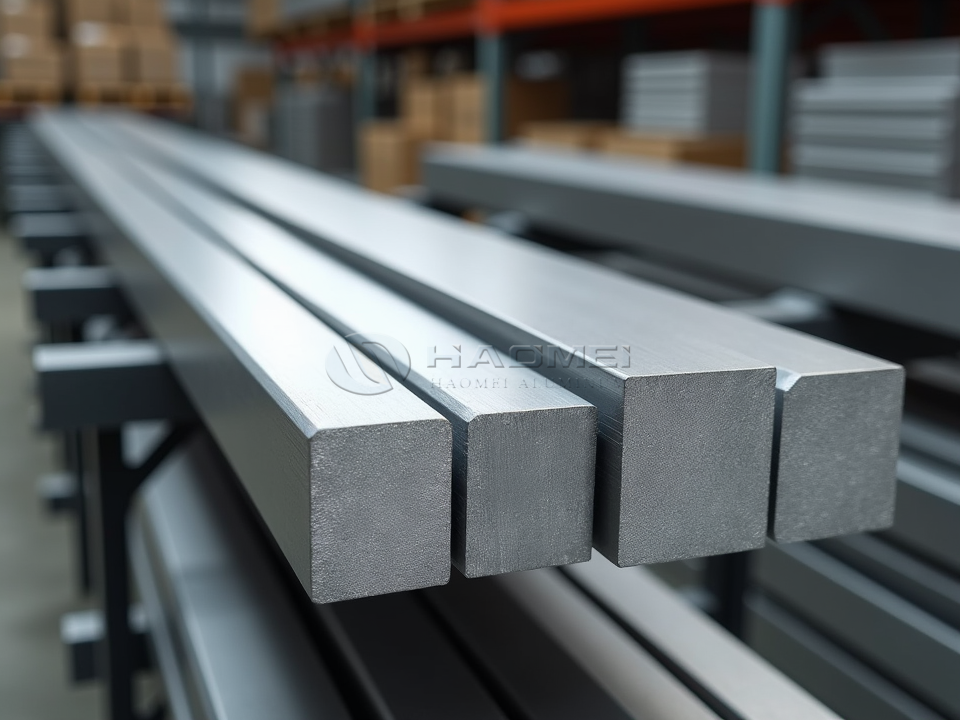
Fabrication, Welding, and Finishing
6061 marine aluminum hollow bars machine cleanly with conventional aluminum-cutting tools. Their stable T6 temper supports accurate drilling, turning, milling, tapping, slotting, and end shaping. Using sharp tooling, suitable lubricant, and proper chip evacuation helps prevent built-up edge and surface marking.
The alloy can be welded by TIG or MIG processes, commonly with 4043 or 5356 filler metal selected according to service conditions, joint design, coating plans, and welding procedure requirements. Fabricators should remember that welding locally reduces the strength of 6061-T6 in the heat-affected zone. The material adjacent to a weld will not retain the full T6 strength unless the assembly receives an appropriate post-weld heat-treatment cycle. Structural designs should therefore account for the reduced welded-zone properties rather than assuming base-metal values throughout the finished component.
Cold bending is possible when adequate bend radii are used, but T6 material is less forgiving than softer tempers. Where tight bends are needed, forming before heat treatment or selecting an alternative temper may be preferable. Hollow sections also require careful support during bending to avoid flattening, wrinkling, or wall collapse.
Anodizing is a popular finish for visible marine structures because it improves surface hardness and provides a clean metallic appearance. Clear anodizing maintains the aluminum look, while black or colored anodizing can complement modern boat styling. Powder coating offers wider color choice and can provide another protective layer when applied over properly prepared material.
Common Marine Applications
6061 hollow bars support a broad range of recreational, commercial, and workboat designs. Their low mass and strength make them especially useful where a structure must resist vibration, wind loading, passenger use, or equipment weight without making the vessel top-heavy.
| Marine Component | How 6061 Hollow Bar Contributes |
|---|---|
| T-top and hardtop frames | Supports canvas, electronics, lights, antennas, and grab rails |
| Boat railings and handholds | Provides rigid, lightweight safety support |
| Boarding ladders | Combines strength with corrosion-resistant finishing options |
| Console and seating frames | Creates durable frameworks with reduced weight |
| Radar and antenna mounts | Offers stiffness for elevated electronic equipment |
| Deck equipment supports | Suitable for brackets, rod holders, winch frames, and housings |
| Pontoon and small craft structures | Helps reduce total craft mass while maintaining rigidity |
| Marine trailers | Used for crossmembers, guides, supports, and accessory frames |
Hollow profiles are also useful when internal routing is desirable. Electrical wiring, LED cables, small hydraulic lines, or fastening hardware may be concealed within larger hollow sections, provided drainage and service access are designed into the assembly.
For projects requiring tubular stock tailored for marine fabrication, Marine aluminum hollow bars provide practical options in multiple shapes, wall thicknesses, and dimensional ranges.
Selecting the Right Hollow Bar
Selection begins with the outside profile, wall thickness, temper, and intended load path. A larger outside dimension generally improves stiffness, while thicker walls improve local strength around drilled holes, welded joints, and bolted connections. However, adding unnecessary thickness increases weight and cost. A balanced section should be chosen through engineering calculations or proven fabrication practice.
Surface condition is also important. Mill-finish material is suitable for fabricated parts that will be painted, powder coated, or anodized. Brushed, polished, or pre-finished surfaces may be preferred for handrails and exposed yacht fittings. Cut ends should be deburred and sealed or drained where water could collect inside the hollow cavity.
6061 marine aluminum hollow bars provide a dependable material solution for builders seeking strong, lightweight, attractive structural components. With thoughtful profile selection, sound welding practice, proper isolation from dissimilar metals, and a suitable finish, they can deliver many years of reliable service in demanding marine environments.

Related Products
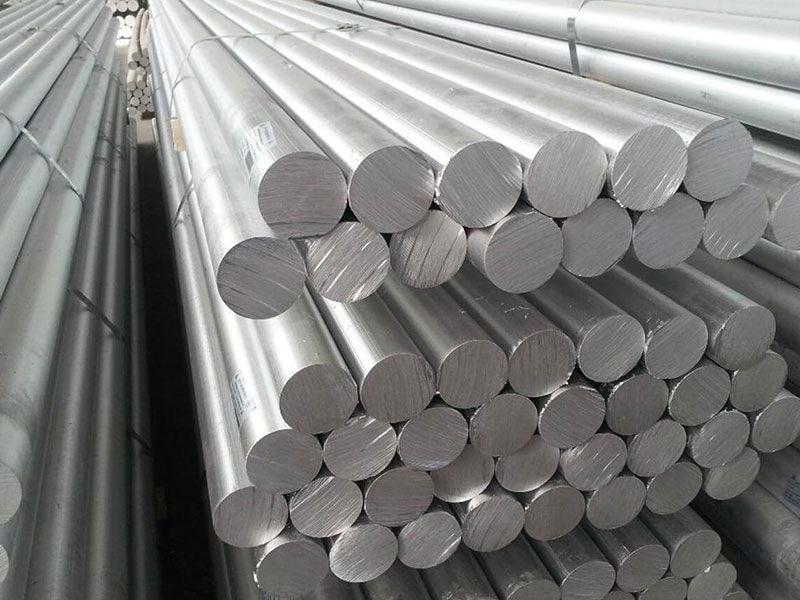
6082 marine aluminum rod & bar
6082 Aluminum Rods & Bars are extruded or rolled products manufactured from 6082 aluminum alloy — a thermally treated (typically T6 temper) aluminum-magnesium-silicon alloy that balances high tensile strength, good weldability, and excellent corrosion resistance.
View Details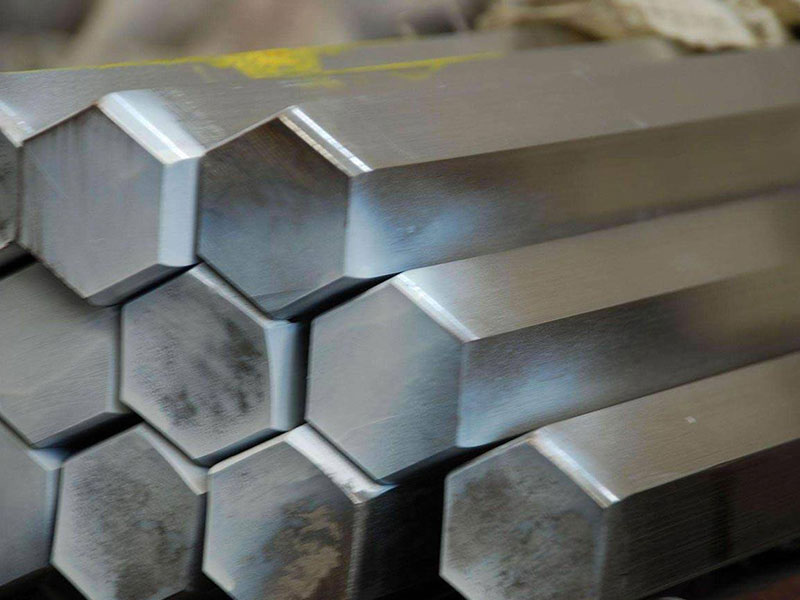
Marine aluminum hexagonal bars
Marine Grade Aluminum Hexagonal Bars are produced from premium corrosion-resistant aluminum alloys such as 5083, 5052, 6061, and 6082.
View Details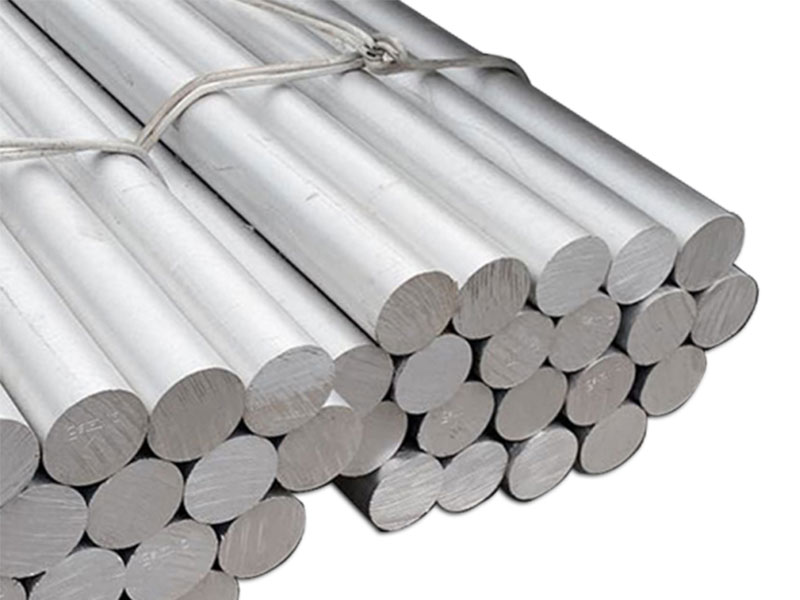
Marine grade aluminum solid bar
Marine Grade Aluminum Solid Bars are produced from premium aluminum alloys optimized for saltwater exposure, such as 5083, 5052, 6061, and 6082. These alloys offer unparalleled resistance to corrosion caused by seawater, salt spray, and marine atmospheres, while maintaining excellent mechanical strength and toughness.
View Details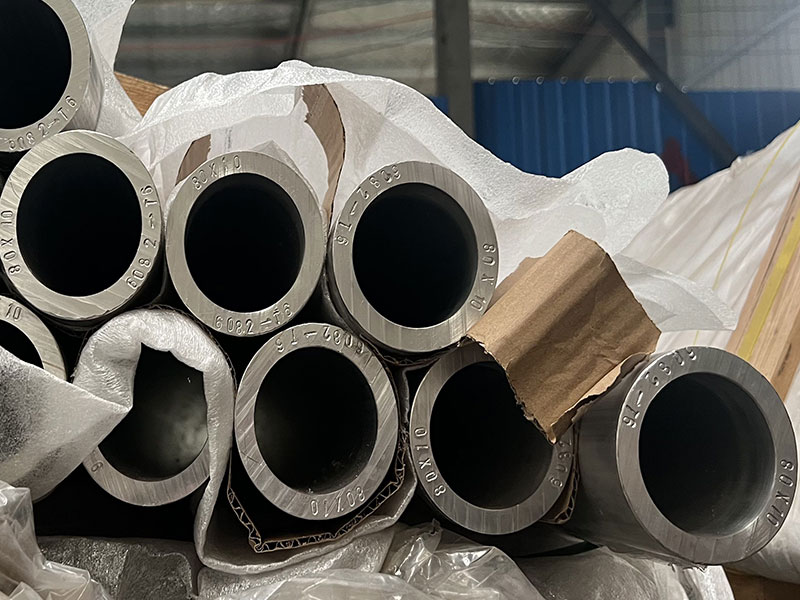
Marine aluminum hollow bars
Marine Grade Aluminum Hollow Bars are fabricated from high-quality alloys such as 5083, 5052, 6061, and 6082, all known for their exceptional resistance to seawater corrosion, salt spray, and marine atmospheres.
View DetailsRelated Blog
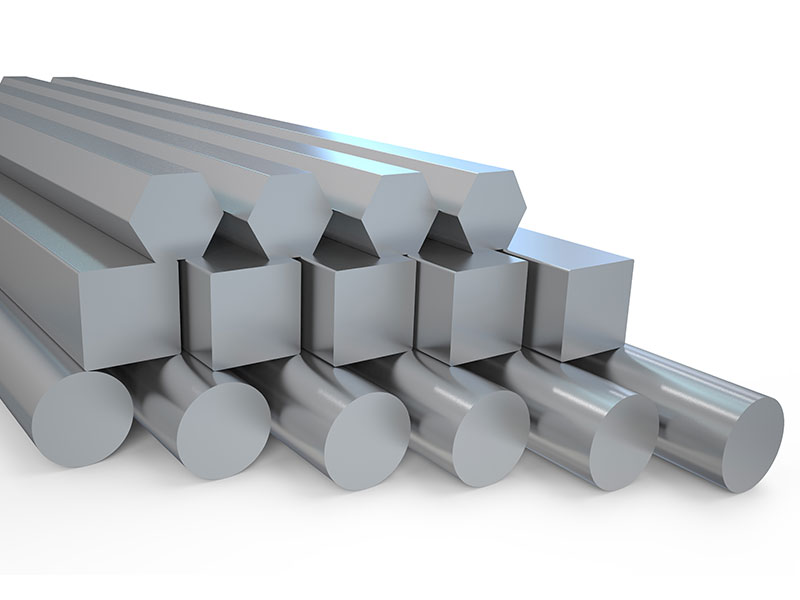
Marine Aluminum Hexagonal Bars for Boat Deck and Hull Reinforcement
Superior strength and corrosion resistance of Marine Aluminum Hexagonal Bars designed specifically for boat deck and hull reinforcement. Detailed specifications, alloy tempering conditions, chemical properties, and industry standards explained.
View Details
5083 Marine Grade Aluminum Solid Bar for Marine Equipment Reinforcements
5083 marine grade aluminum solid bar provides weldable, corrosion-resistant reinforcement material for vessels, brackets, decks, and marine structures.
View Details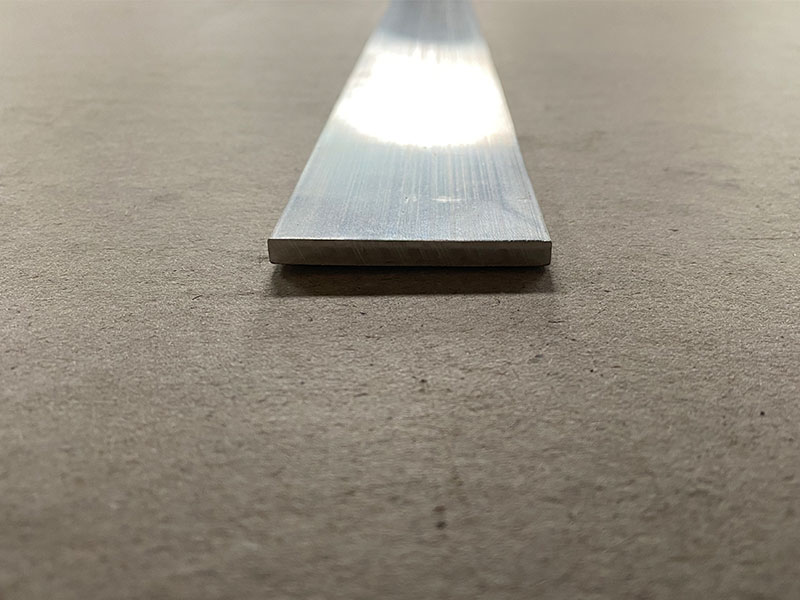
6082 Marine Aluminum Bar for Industrial Marine Design and Construction
The 6082 marine aluminum bar is a medium‑strength, heat‑treatable wrought alloy designed for demanding marine and offshore environments. Combining good corrosion resistance, excellent machining performance, and reliable weldability, it.
View Details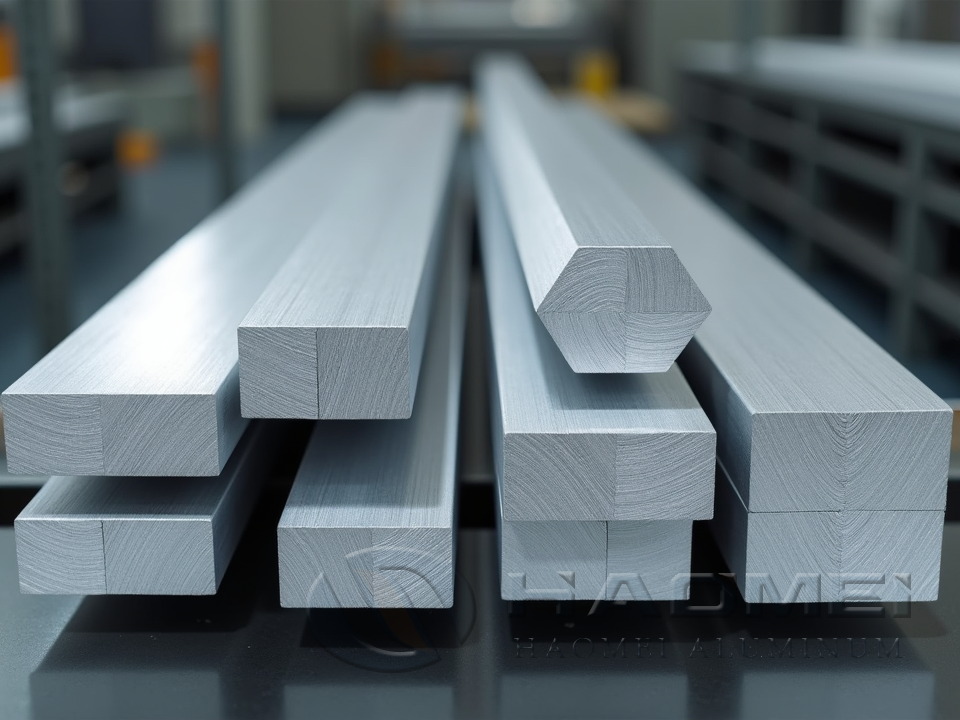
6082 Marine Aluminum Hexagonal Bars for Custom Boat Hull Engineering
6082 marine aluminum hexagonal bars deliver T6 strength, corrosion resistance, and precise machinability for custom boat hull fittings and frames projects.
View Details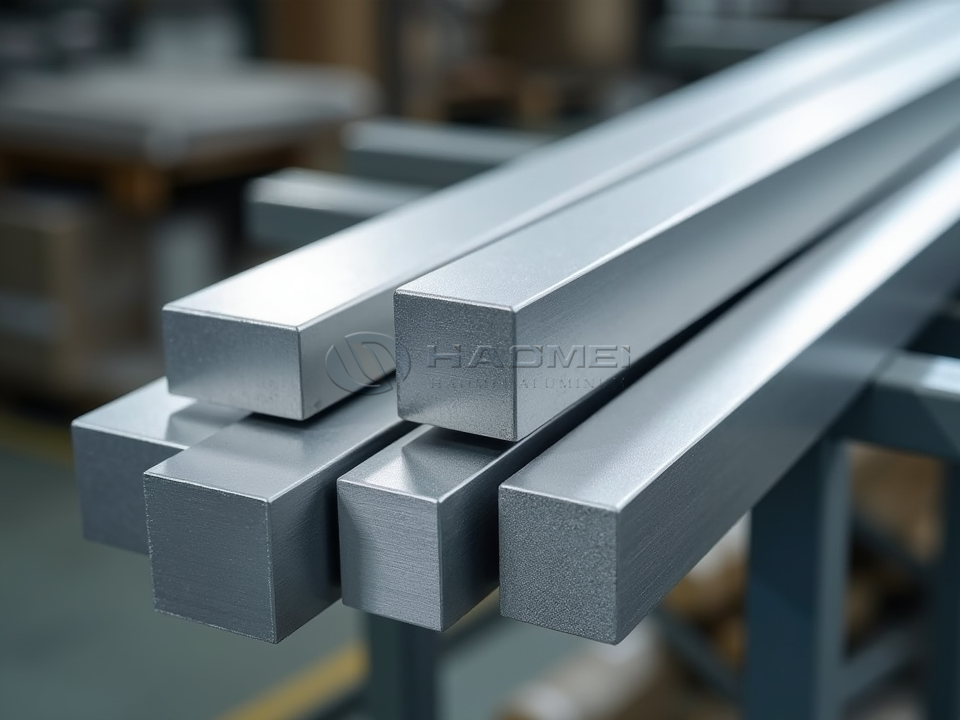
5083 Marine Aluminum Hollow Bars for Custom Marine Engineering Parts
5083 marine aluminum hollow bars provide corrosion resistance, weldable strength, and efficient machining for vessel, offshore, and dock components.
View Details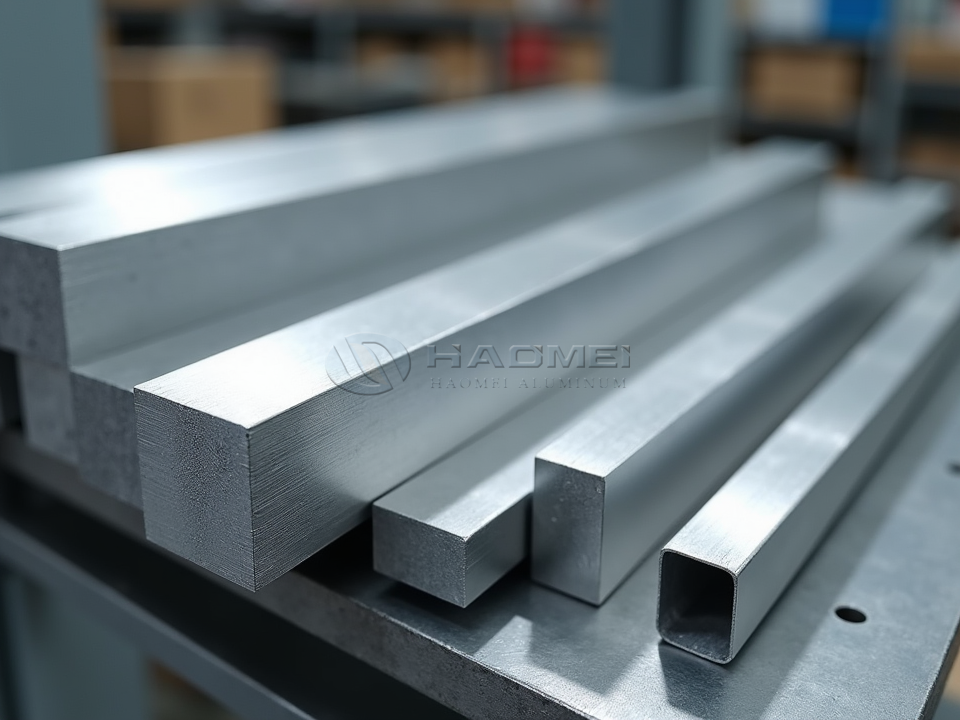
6082 Marine Aluminum Bar for Marine Vessel Strengthening Components
Learn how 6082 marine aluminum bar supports strong, lightweight vessel brackets, frames and fittings, with temper data, chemistry, standards and design guidance.
View Details
Leave a Message