
Marine Aluminum Hexagonal Bars
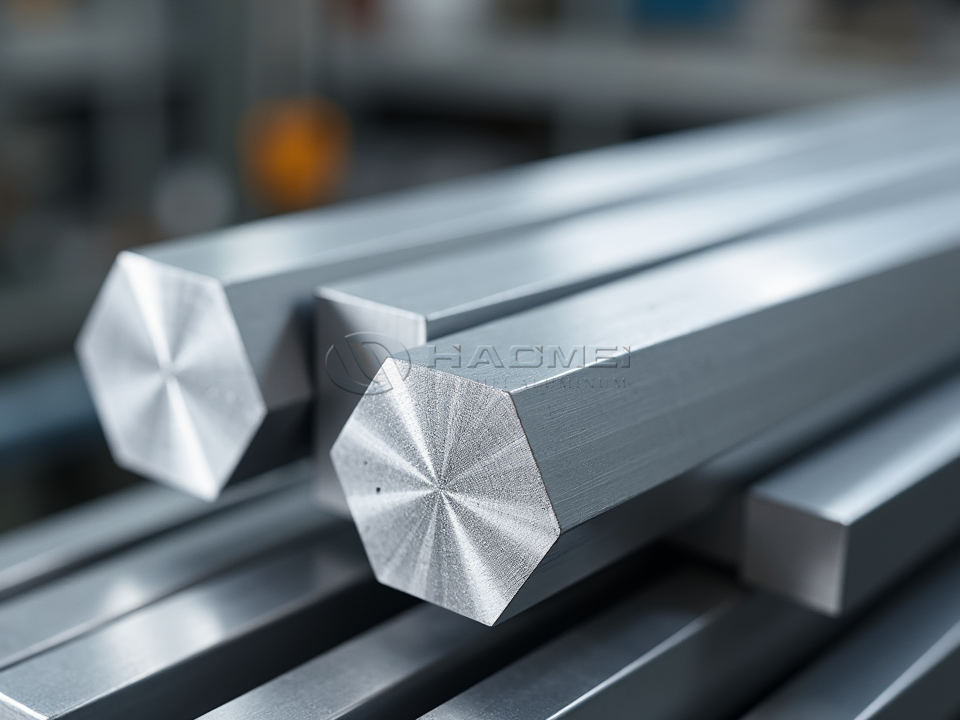
Marine aluminum hexagonal bars are solid extruded bars with six flat sides, designed for parts that need dependable grip, precise wrench engagement, low weight, and lasting resistance in wet or saltwater service. Their hexagonal profile reduces machining time for nuts, threaded adapters, couplings, valve components, deck fittings, standoffs, and custom boat hardware.
For vessel builders and marine equipment fabricators, aluminum hex bar provides a practical balance between mechanical performance and corrosion behavior. Correct alloy and temper selection matters: 5xxx-series alloys are preferred where saltwater exposure and welding dominate, while heat-treatable 6xxx-series grades are widely selected for accurately machined hardware and structural accessories.
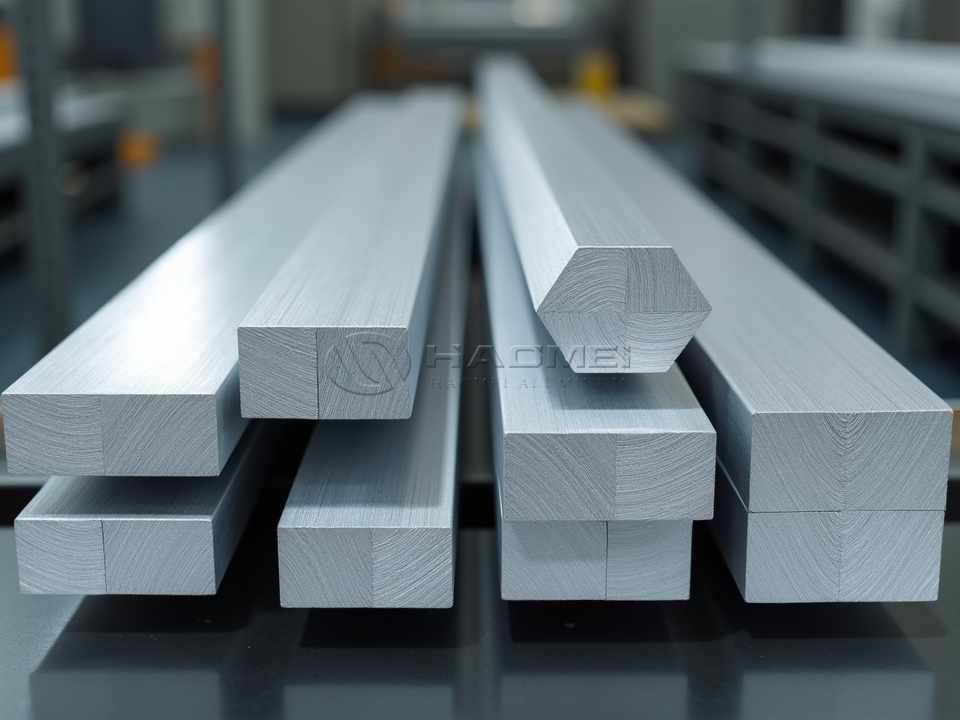
Why the Hexagonal Profile Works at Sea
The six flats provide a ready-made drive surface. Machinists can hold the bar securely in a collet or chuck, and finished components can be tightened with standard spanners without milling flats onto round stock. This geometry can reduce material removal, cycle time, and chip waste when producing hex nuts, threaded terminals, hose connectors, sensor housings, and marine fasteners.
Aluminum also weighs roughly one-third as much as carbon steel. Replacing heavier hardware with properly specified marine aluminum can support lower vessel mass while retaining suitable strength for non-critical and engineered structural components. A naturally formed aluminum oxide film contributes to corrosion resistance, but design details such as drainage, insulation from dissimilar metals, and suitable finishing remain essential in seawater environments.
| Functional advantage | Practical value in marine fabrication |
|---|---|
| Six wrench flats | Direct engagement for installation, removal, and torque transfer |
| Low density | Helps reduce hardware and assembly weight |
| Good machinability | Efficient turning, drilling, tapping, milling, and threading |
| Corrosion-resistant alloys | Better durability in humid, splash-zone, and salt-laden atmospheres |
| Extruded solid section | Consistent profile for repeat production of fittings and connectors |
| Recyclable material | Supports material recovery at end of service life |
Common Marine Applications
Marine aluminum hexagonal bars are commonly cut to length and machined into small, high-value parts. 6061-T6 is frequently used for deck equipment, brackets, instrument mounts, threaded bushings, cleats, and dry-to-intermittently wet hardware. 5083, 5086, and 5052 alloys are suited to corrosion-focused components, especially where welding is required or where a non-heat-treatable alloy is preferred.
Typical applications include:
- Threaded nuts, bolts, studs, spacers, and locking collars
- Hydraulic and pneumatic adapters, fittings, and manifolds
- Deck fittings, rail connectors, canopy hardware, and hatch components
- Steering, propulsion, pump, and instrumentation parts
- Electrical enclosure standoffs and cable-routing hardware
- Fishing vessel equipment, dock assemblies, and offshore accessories
For projects that require alternative solid profiles, Marine Grade Aluminum Bars are also available in round, square, flat, and customized extruded forms.
Alloy and Temper Selection
The alloy should match the service environment, manufacturing route, and strength target. Temper describes the metallurgical condition of the bar and has a direct effect on hardness, formability, and mechanical properties.
| Alloy | Common tempers | Marine suitability | Typical selection reason |
|---|---|---|---|
| 5052 | H32, H34 | Very good atmospheric and seawater resistance | Formed and welded hardware, moderate-strength parts |
| 5083 | O, H111, H112 | Excellent resistance in marine service | Welded, corrosion-critical components and heavy sections |
| 5086 | O, H111, H112 | Excellent resistance in marine environments | Boat structures, fittings, and welded assemblies |
| 6061 | T6, T6511 | Good, with coating or isolation where needed | Machined fittings, structural hardware, threaded parts |
| 6082 | T6, T6511 | Good, often used with protective finishing | Higher-strength machined or structural components |
| Temper | Condition | Fabrication guidance |
|---|---|---|
| O | Annealed, softest condition | Best for forming; lower strength |
| H111 | Strain-hardened slightly, with controlled properties | Common for marine plate and extruded products requiring workability |
| H112 | Strain-hardened from hot working | Suitable for structural marine applications |
| H32/H34 | Strain-hardened and stabilized | Better strength than O temper with useful corrosion performance |
| T6 | Solution heat-treated and artificially aged | High strength and good machinability; reduced strength in weld heat-affected zones |
| T6511 | T6 condition with stress relief by stretching and straightening | Preferred for stable machining and dimensional control |
Chemical Composition Reference
Composition limits vary slightly by governing standard and product form. The values shown are commonly used maximum or specified ranges in percent by weight; aluminum is the balance.
| Alloy | Mg | Mn | Si | Fe | Cu | Cr | Zn | Ti | Other elements |
|---|---|---|---|---|---|---|---|---|---|
| 5052 | 2.2-2.8 | 0.10 max | 0.25 max | 0.40 max | 0.10 max | 0.15-0.35 | 0.10 max | - | 0.05 each, 0.15 total |
| 5083 | 4.0-4.9 | 0.40-1.0 | 0.40 max | 0.40 max | 0.10 max | 0.05-0.25 | 0.25 max | 0.15 max | 0.05 each, 0.15 total |
| 5086 | 3.5-4.5 | 0.20-0.7 | 0.40 max | 0.50 max | 0.10 max | 0.05-0.25 | 0.25 max | 0.15 max | 0.05 each, 0.15 total |
| 6061 | 0.8-1.2 | 0.15 max | 0.4-0.8 | 0.70 max | 0.15-0.40 | 0.04-0.35 | 0.25 max | 0.15 max | 0.05 each, 0.15 total |
| 6082 | 0.6-1.2 | 0.4-1.0 | 0.7-1.3 | 0.50 max | 0.10 max | 0.25 max | 0.20 max | 0.10 max | 0.05 each, 0.15 total |
Typical Technical Data
Mechanical values depend on bar size, temper, testing direction, and specification. Use certified mill test data for final engineering calculations and contractual acceptance.
| Property | 5052-H32 | 5083-H111 | 5086-H111 | 6061-T6 | 6082-T6 |
|---|---|---|---|---|---|
| Density, g/cm³ | 2.68 | 2.66 | 2.66 | 2.70 | 2.70 |
| Tensile strength, MPa | 210-260 | 270-350 | 250-330 | 290-350 | 310-360 |
| Yield strength, MPa | 130-195 | 125-215 | 110-200 | 240-310 | 250-320 |
| Elongation, % | 8-15 | 12-20 | 12-20 | 8-12 | 8-12 |
| Elastic modulus, GPa | 70 | 70 | 70 | 69 | 69 |
| Melting range, °C | 605-650 | 570-640 | 575-640 | 582-652 | 555-650 |
| Electrical conductivity, % IACS, approximate | 35 | 29 | 29 | 43 | 42 |
| Standard or document | Relevance to hexagonal bar supply |
|---|---|
| ASTM B221 / B221M | Aluminum and aluminum-alloy extruded bars, rods, wire, profiles, and tubes |
| EN 755 | Extruded aluminum and aluminum alloy bars, tubes, and profiles |
| EN 573 | Chemical composition and alloy designation system |
| EN 515 | Temper designation system |
| EN 754 | Cold-drawn aluminum alloy rod and bar requirements |
| ASTM B209 / B209M | Reference for related rolled aluminum product requirements when applicable |
Manufacturing, Finish, and Corrosion Control
Hex bars are generally produced by hot extrusion, then cut, straightened, and optionally cold finished or machined to meet dimensional requirements. Ordering should define the across-flats dimension, length tolerance, straightness, edge condition, alloy, temper, certification level, and surface expectations.
A mill finish is suitable for many internal or protected applications. For visible deck hardware or enhanced protection, anodizing, powder coating, or a marine-grade paint system may be specified. 6xxx alloys anodize well and are popular for decorative machined parts. In permanently wet, crevice-prone, or highly saline locations, 5xxx alloys often offer a more favorable corrosion margin.
Avoid direct, wet contact between aluminum and stainless steel, carbon steel, copper alloys, or carbon fiber without an isolation system. Non-conductive washers, sealants, sleeves, coatings, and drainage gaps help reduce galvanic corrosion. Salt deposits should be rinsed away during routine vessel maintenance.
Procurement Notes for Custom Parts
Specify the finished application rather than selecting material by strength alone. A threaded deck fitting may favor 6061-T6 for crisp threads and machining economy, while a welded seawater-exposed bracket may favor 5083 or 5086 in an H temper. For safety-critical load paths, confirm design stresses, fatigue performance, corrosion allowance, joining method, inspection requirements, and applicable class rules with the responsible engineer.
Marine aluminum hexagonal bars combine efficient fabrication with dependable field performance when alloy, temper, finish, and isolation practices are selected as one system. This makes them an effective raw material for durable marine hardware that is lighter, easier to machine, and prepared for demanding coastal and offshore conditions.

Related Products
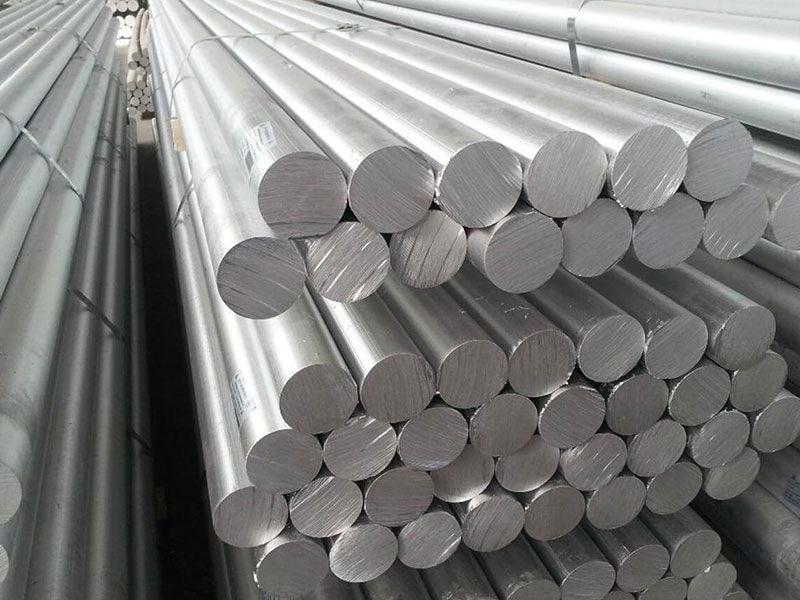
6082 marine aluminum rod & bar
6082 Aluminum Rods & Bars are extruded or rolled products manufactured from 6082 aluminum alloy — a thermally treated (typically T6 temper) aluminum-magnesium-silicon alloy that balances high tensile strength, good weldability, and excellent corrosion resistance.
View Details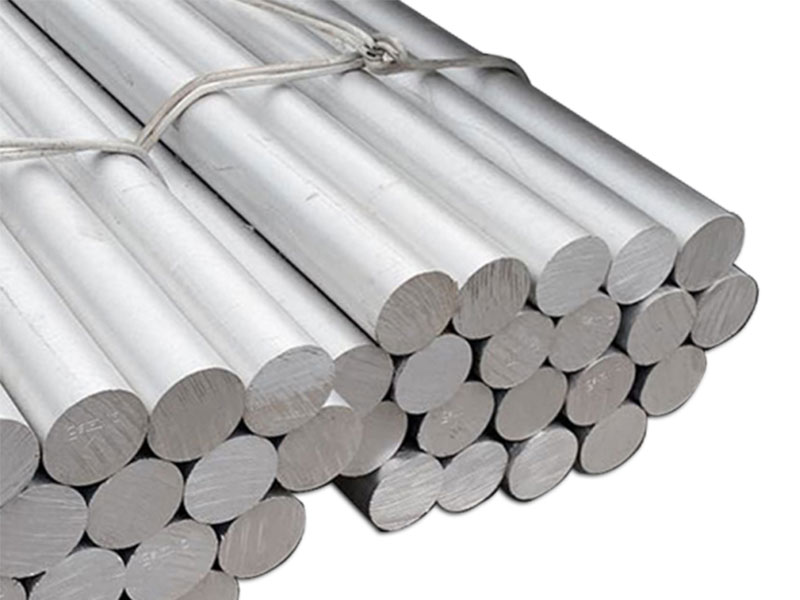
Marine grade aluminum solid bar
Marine Grade Aluminum Solid Bars are produced from premium aluminum alloys optimized for saltwater exposure, such as 5083, 5052, 6061, and 6082. These alloys offer unparalleled resistance to corrosion caused by seawater, salt spray, and marine atmospheres, while maintaining excellent mechanical strength and toughness.
View Details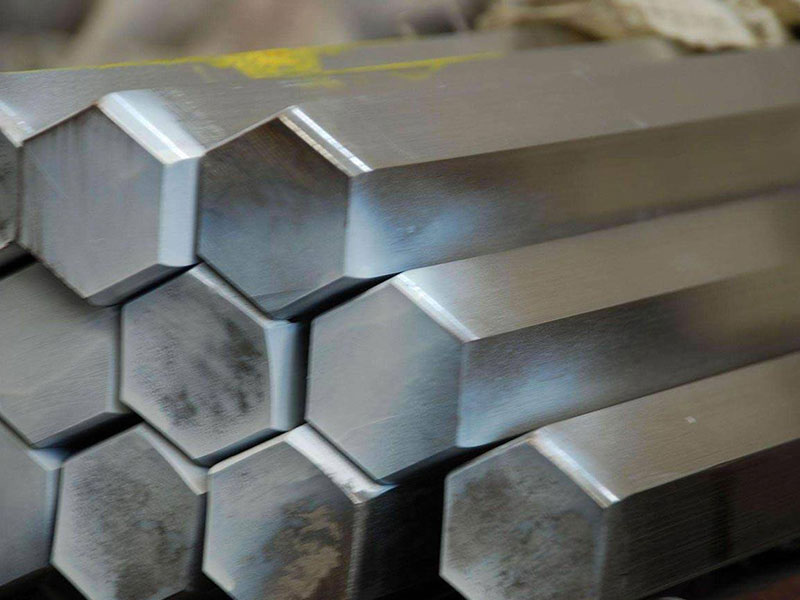
Marine aluminum hexagonal bars
Marine Grade Aluminum Hexagonal Bars are produced from premium corrosion-resistant aluminum alloys such as 5083, 5052, 6061, and 6082.
View Details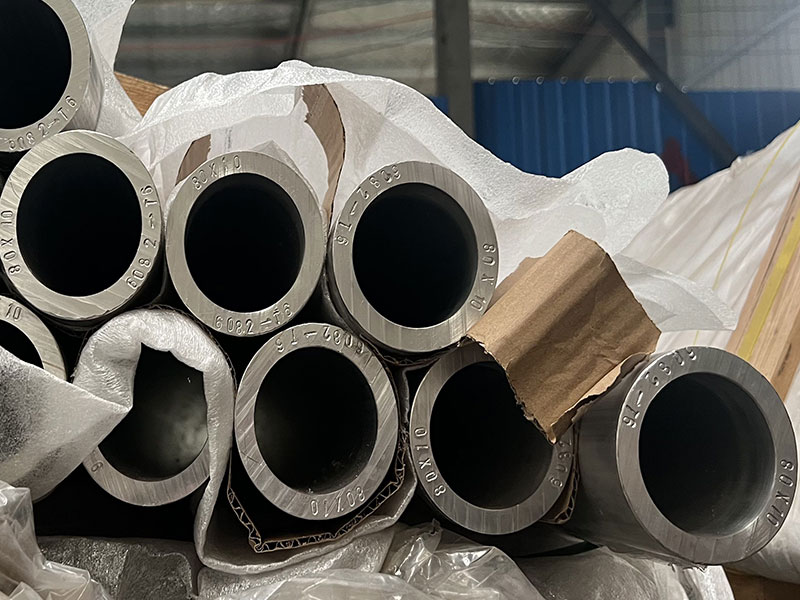
Marine aluminum hollow bars
Marine Grade Aluminum Hollow Bars are fabricated from high-quality alloys such as 5083, 5052, 6061, and 6082, all known for their exceptional resistance to seawater corrosion, salt spray, and marine atmospheres.
View DetailsRelated Blog
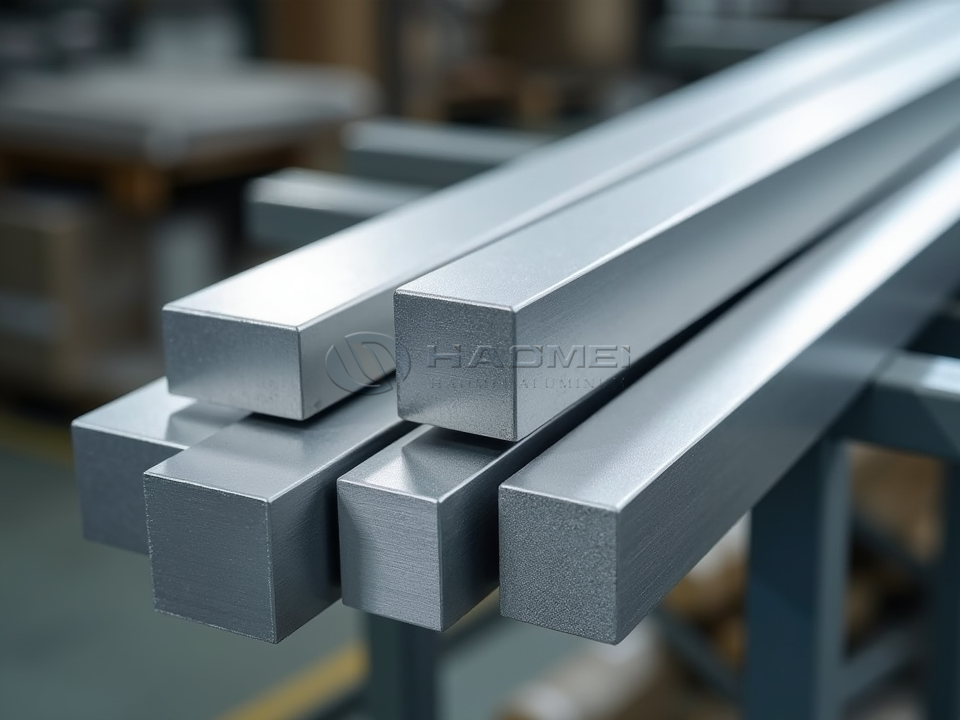
5083 Marine Aluminum Hollow Bars for Custom Marine Engineering Parts
5083 marine aluminum hollow bars provide corrosion resistance, weldable strength, and efficient machining for vessel, offshore, and dock components.
View Details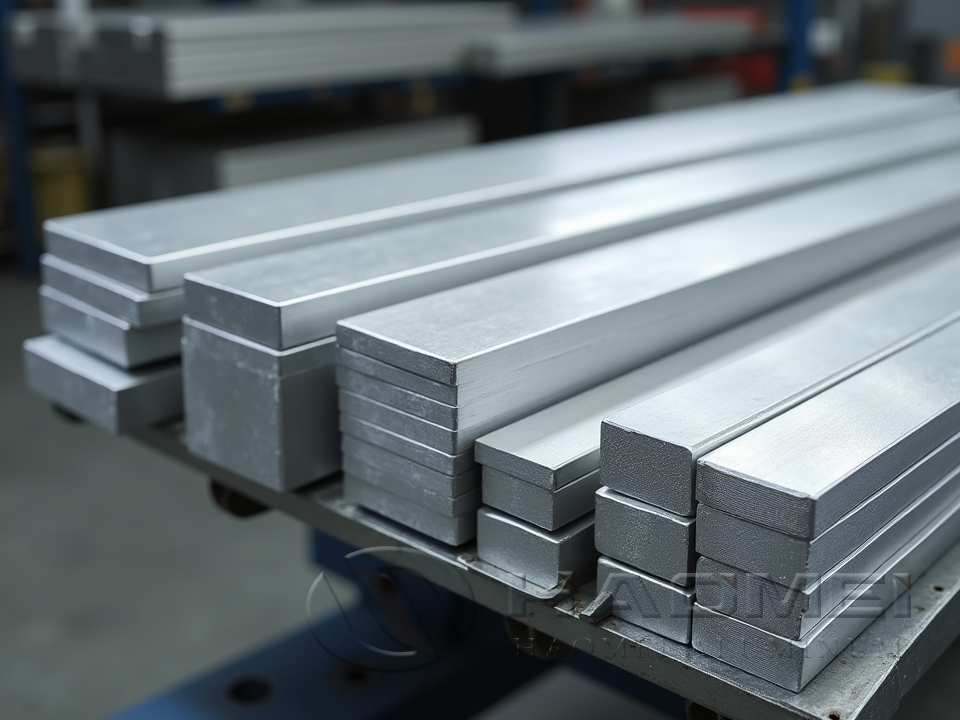
5052 Marine Aluminum Hollow Bars for Saltwater Proof Boat Reinforcements
5052 marine aluminum hollow bars provide corrosion-resistant, lightweight reinforcement for saltwater boat frames, decks, rails, and fittings.
View Details
5083 Marine Aluminum Hexagonal Bars for Ship Hull and Deck Fabrication
In the demanding world of marine construction and shipbuilding, material performance defines safety, durability, and operational efficiency. 5083 Marine Aluminum Hexagonal Bars have emerged as a premium solution for ship hull and deck fabrication.
View Details
6061 Marine Aluminum Hollow Bars for Lightweight Marine Frame Fabrication
Learn how 6061 marine aluminum hollow bars help fabricators create lighter, rigid boat frames with practical welding, corrosion, and design guidance.
View Details
6061 Marine Aluminum Hexagonal Bars for Corrosion Resistant Marine Applications
6061 Marine Aluminum Hexagonal Bars for Corrosion Resistant Marine Applications: Unveiling the Technical Backbone of Modern Maritime EngineeringIn the demanding world of marine engineering.
View Details
Marine Grade Aluminum Solid Bar for Shipbuilding Reinforcements
In modern shipbuilding, material selection is paramount to ensure strength, durability, corrosion resistance, and lightweight design. One of the most critical materials used in this domain is the Marine Grade Aluminum Solid Bar.
View Details
Leave a Message