
5052 Marine Aluminum Hollow Bars
5052 marine aluminum hollow bars are lightweight, corrosion-resistant aluminum sections designed for demanding saltwater environments. Their tubular profile delivers useful stiffness while reducing material weight, making them an efficient choice for marine fabrication, boat hardware, structural sleeves, rail systems, and fluid-handling assemblies.
Made from a non-heat-treatable aluminum-magnesium alloy, 5052 performs especially well where humidity, spray, bilge water, and intermittent seawater contact are expected. The alloy develops a stable natural oxide film that helps protect the surface from atmospheric and marine corrosion. With proper design, welding practice, and drainage, 5052 hollow bars can provide long service life with modest maintenance requirements.
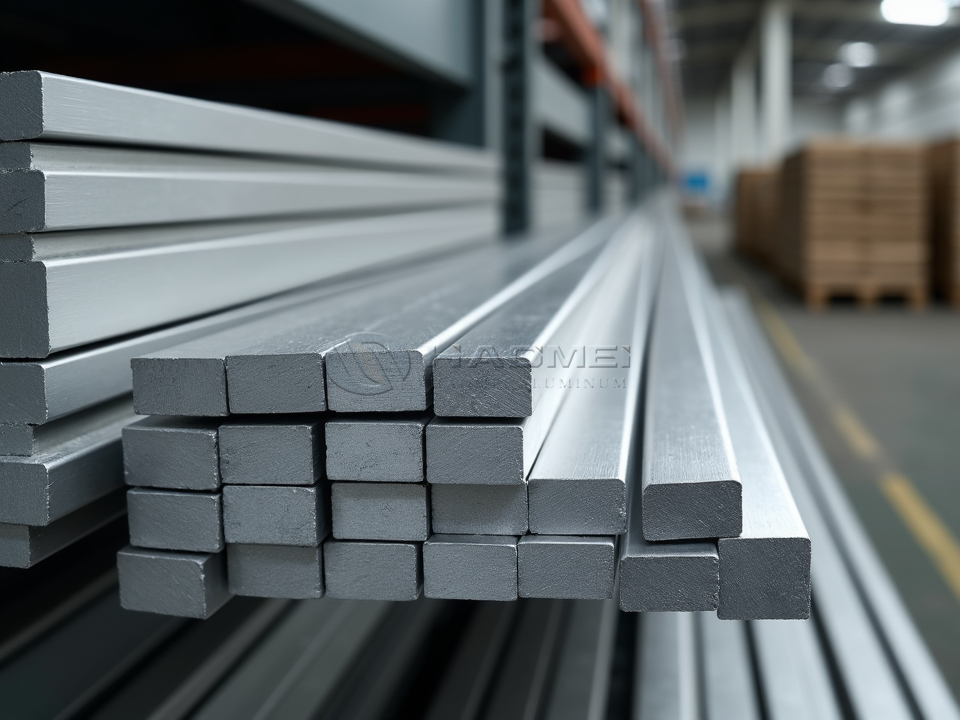
Why 5052 Hollow Bars Suit Marine Fabrication
The hollow-bar format combines the corrosion behavior of 5052 alloy with a material-efficient cross-section. Compared with a solid bar of the same outside diameter, a hollow bar reduces dead weight, lowers handling effort, and can create a ready-made passage for wiring, hydraulic lines, drainage, fasteners, or mechanical interfaces.
5052 is valued for its excellent formability and welding response. It can be cut, drilled, machined, bent within appropriate radii, and welded using common marine aluminum processes. Its magnesium content contributes to strength and marine durability without relying on heat treatment, helping fabricators maintain practical performance after forming and welding.
| Performance characteristic | 5052 marine aluminum hollow bar benefit | Value in service |
|---|---|---|
| Saltwater corrosion resistance | Strong resistance to atmospheric and marine exposure | Supports long-term use on decks, cabins, rails, and fittings |
| Low density | Approximately one-third the density of steel | Reduces vessel mass and improves handling efficiency |
| Weldability | Suitable for MIG and TIG welding with compatible filler alloys | Simplifies fabrication of frames, brackets, and assemblies |
| Formability | Responds well to bending and shaping | Useful for custom boat components and curved structures |
| Hollow cross-section | Material is concentrated around the outside diameter | Provides efficient stiffness-to-weight performance |
| Non-magnetic behavior | Does not interfere with magnetic equipment in the same manner as ferrous metals | Useful near navigation and specialized onboard systems |
Chemical Composition
5052 is an aluminum-magnesium alloy with chromium added to improve corrosion resistance and structural stability. The composition ranges shown are commonly associated with 5052 alloy requirements. Actual mill certificates should be reviewed for project-specific compliance.
| Element | Typical specified content, % by weight | Function in the alloy |
|---|---|---|
| Aluminum | Balance | Lightweight metallic base |
| Magnesium | 2.2-2.8 | Improves strength and corrosion resistance |
| Chromium | 0.15-0.35 | Supports corrosion performance and grain structure control |
| Iron | 0.40 max | Controlled residual element |
| Silicon | 0.25 max | Controlled residual element |
| Copper | 0.10 max | Kept low to preserve marine corrosion behavior |
| Manganese | 0.10 max | Minor residual element |
| Zinc | 0.10 max | Minor residual element |
| Other elements | 0.05 max each, 0.15 max total | Controlled residuals |
Technical Specifications and Supply Options
5052 marine aluminum hollow bars can be produced as round, square, rectangular, or custom-profile sections. Round hollow bars are commonly selected for rails, sleeves, spacers, pipe supports, and machined fittings. Square and rectangular forms are often used in lightweight frames, deck structures, equipment supports, and architectural marine trim.
| Specification item | Typical range or option | Notes |
|---|---|---|
| Alloy | 5052 | Aluminum-magnesium marine alloy |
| Common tempers | O, H32, H34 | Temper choice balances formability and strength |
| Cross-section | Round, square, rectangular, custom profile | Subject to tooling and dimensional requirements |
| Outside diameter or width | Customizable | Selected according to load and connection design |
| Wall thickness | Customizable | Must account for welding, machining, and buckling resistance |
| Standard lengths | Random mill length or cut-to-length | Cut lengths reduce shop preparation time |
| Surface finish | Mill finish, brushed, polished, anodized, coated | Finish should suit exposure and appearance requirements |
| Production route | Extruded, drawn, or machined from tube | Route depends on tolerance, profile, and order volume |
| Typical standards | ASTM, EN, or customer drawing | Confirm applicable material and dimensional standard before ordering |
For applications requiring other shapes or diameters, Marine aluminum hollow bars can also be specified in alternative alloys and dimensional configurations to match structural, machining, or corrosion demands.
Mechanical and Physical Performance
Mechanical values depend on temper, wall thickness, product form, and applicable standard. The figures in this table are practical reference values for 5052 material and should not replace certified inspection data.
| Property | 5052-O, typical | 5052-H32, typical | Design relevance |
|---|---|---|---|
| Tensile strength | 170-230 MPa | 210-260 MPa | Indicates resistance to pulling loads |
| Yield strength | 65 MPa min | 130 MPa min | Important for frame and fitting design |
| Elongation | 12-25% | 8-15% | Shows ductility during forming and service |
| Density | 2.68 g/cm³ | 2.68 g/cm³ | Supports vessel weight reduction |
| Elastic modulus | 70 GPa | 70 GPa | Used for stiffness and deflection calculations |
| Melting range | 605-650°C | 605-650°C | Relevant to welding and thermal processing |
| Thermal conductivity | Approx. 138 W/m·K | Approx. 138 W/m·K | Assists heat transfer in marine equipment |
Marine Uses and Fabrication Value
5052 hollow bars are suited to components that benefit from low mass, corrosion resistance, and accessible internal space. They can serve as structural members or as functional housings within a larger marine system.
| Marine application | How 5052 hollow bars contribute |
|---|---|
| Handrails and guardrails | Lightweight tubular construction with good weather resistance |
| Bimini and canopy frames | Reduces top-side weight while allowing formed frame sections |
| Deck equipment supports | Provides corrosion-resistant support members for mounted hardware |
| Sleeves and bush housings | Can be machined to form protective or locating components |
| Mast, antenna, and radar supports | Offers a practical balance of mass, stiffness, and environmental durability |
| Cable and hose routing | Hollow interior can protect electrical wiring or small lines |
| Boarding ladders and swim platforms | Enables strong, lightweight tubular assemblies |
| Interior yacht furniture frames | Supports clean fabrication with low weight and attractive finishing options |
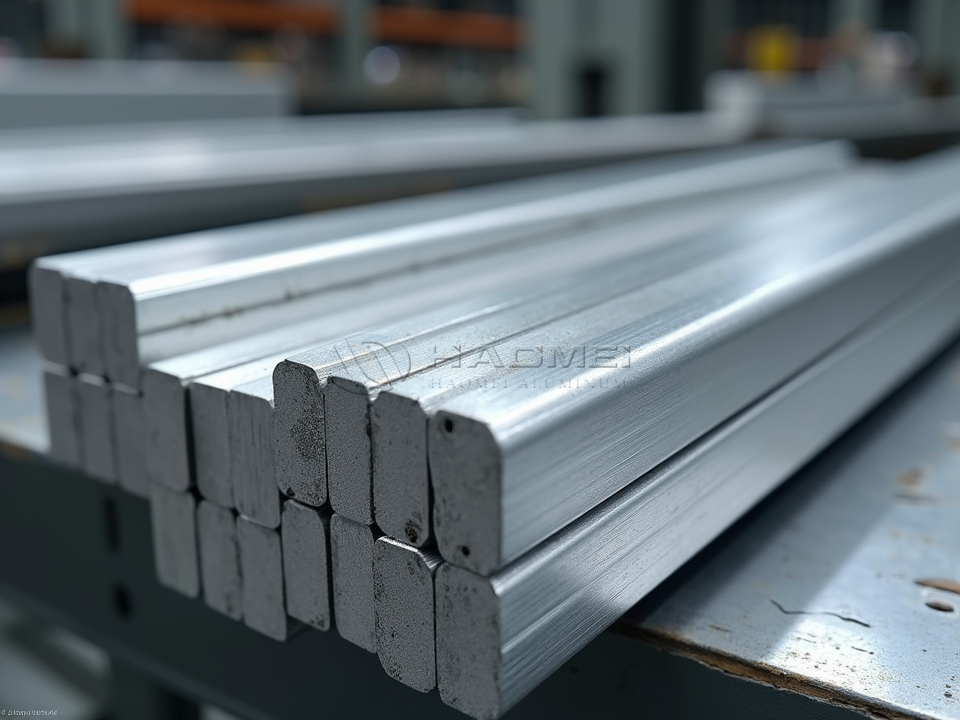
Where a project needs greater strength for heavily loaded machined fittings, a 6082 marine aluminum rod & bar may be considered alongside 5052. In contrast, 5052 remains a strong option when corrosion resistance, weldability, and forming flexibility take priority.
Welding, Machining, and Surface Care
5052 hollow bars are readily welded by MIG or TIG methods using suitable aluminum filler metals, commonly 5356 or 5183 when compatible with the weld design and service requirement. Clean joint preparation is essential. Oil, moisture, oxide contamination, and embedded steel particles can reduce weld appearance and corrosion performance.
The alloy machines well with sharp tooling, stable workholding, and cutting conditions selected for aluminum. Because hollow sections can distort if clamped aggressively, internal supports or soft jaws may be helpful for precision machining. Deburring cut edges and drilled holes is particularly important in marine service, where rough edges can retain moisture and contaminants.
For exposed decorative parts, brushed, polished, anodized, or marine coating systems can improve appearance and ease of cleaning. Anodizing may provide an additional protective finish, while painted systems should use compatible pretreatment and primers. Avoid direct contact with copper-rich alloys, carbon steel, or stainless steel in continuously wet locations unless electrical isolation and drainage are provided.
Selection Considerations
A successful hollow-bar selection starts with outside dimensions, wall thickness, temper, fabrication route, and service exposure. Thicker walls improve resistance to local crushing, fastener pull-through, and welding distortion. Larger outside dimensions improve bending stiffness, while a carefully chosen bore reduces weight without unnecessarily sacrificing structural capacity.
5052 marine aluminum hollow bars offer a practical material solution for boatbuilders, repair yards, marine equipment producers, and custom fabricators. Their blend of corrosion resistance, weldability, low density, and adaptable hollow geometry helps create marine components that are durable, efficient, and easier to fabricate.

Related Products
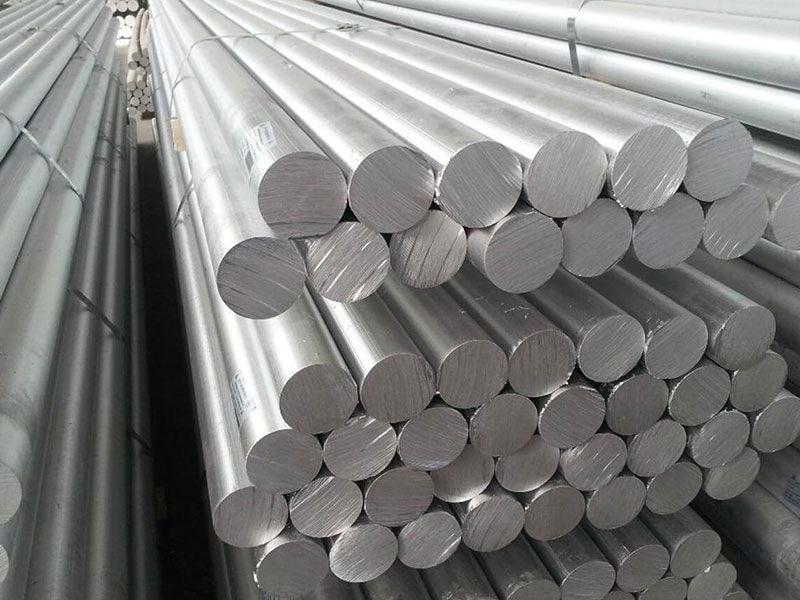
6082 marine aluminum rod & bar
6082 Aluminum Rods & Bars are extruded or rolled products manufactured from 6082 aluminum alloy — a thermally treated (typically T6 temper) aluminum-magnesium-silicon alloy that balances high tensile strength, good weldability, and excellent corrosion resistance.
View Details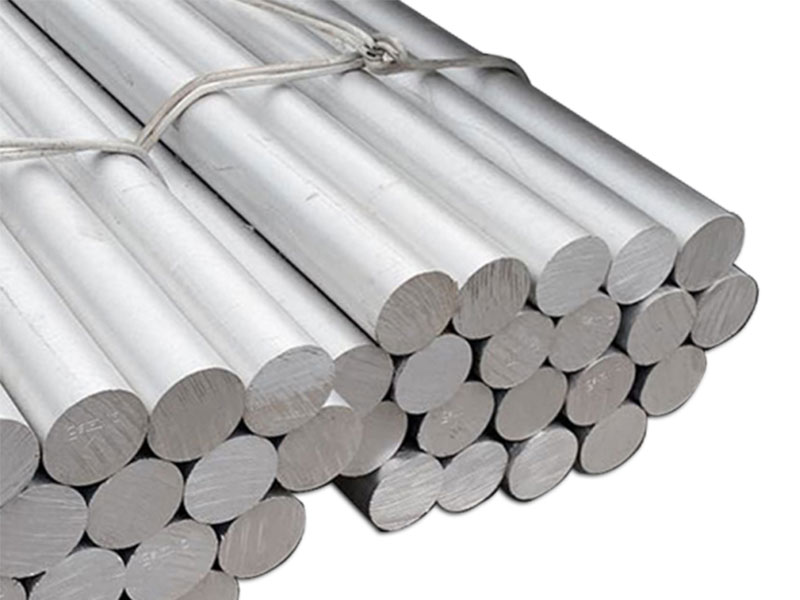
Marine grade aluminum solid bar
Marine Grade Aluminum Solid Bars are produced from premium aluminum alloys optimized for saltwater exposure, such as 5083, 5052, 6061, and 6082. These alloys offer unparalleled resistance to corrosion caused by seawater, salt spray, and marine atmospheres, while maintaining excellent mechanical strength and toughness.
View Details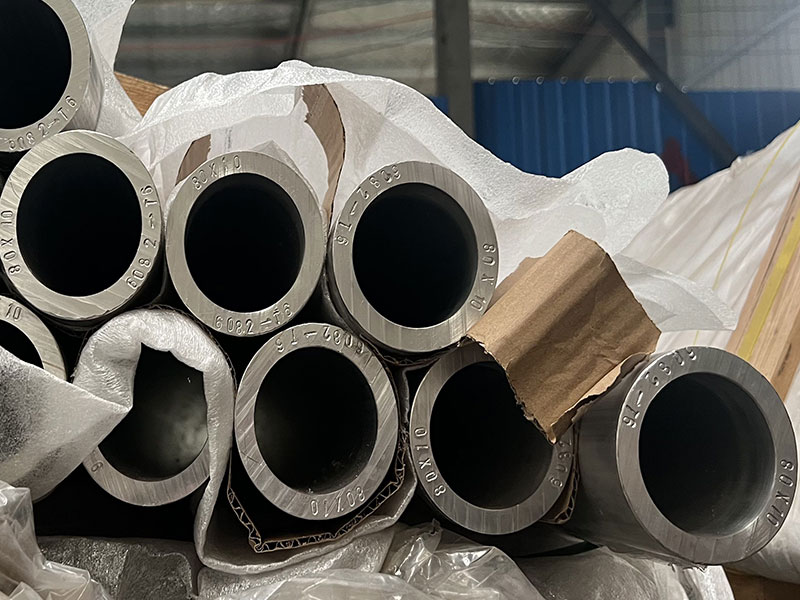
Marine aluminum hollow bars
Marine Grade Aluminum Hollow Bars are fabricated from high-quality alloys such as 5083, 5052, 6061, and 6082, all known for their exceptional resistance to seawater corrosion, salt spray, and marine atmospheres.
View Details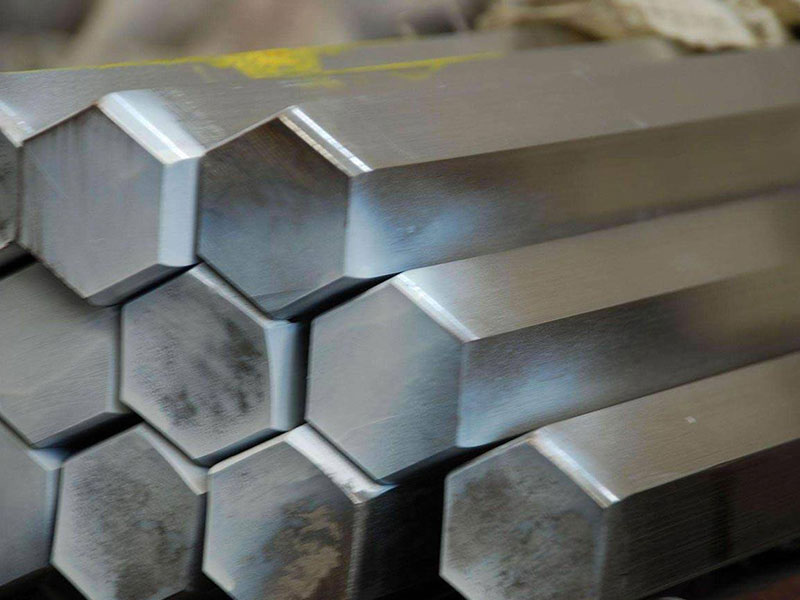
Marine aluminum hexagonal bars
Marine Grade Aluminum Hexagonal Bars are produced from premium corrosion-resistant aluminum alloys such as 5083, 5052, 6061, and 6082.
View DetailsRelated Blog
6082 Marine Aluminum Bar for Custom Boat Fabrication and Reinforcement
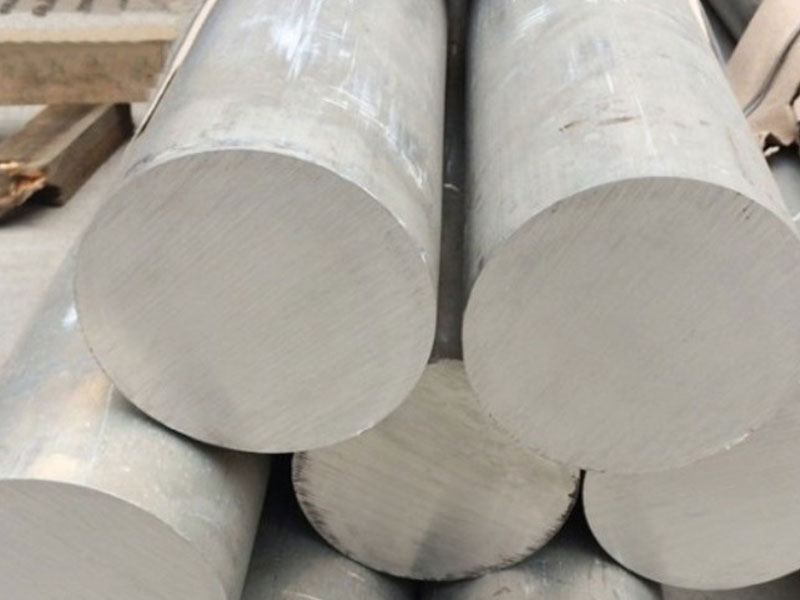
When it comes to custom boat fabrication and structural reinforcement in marine environments, material choice is paramount. The 6082 Marine Aluminum Bar stands out as a superior solution that combines strength, corrosion resistance.
View Details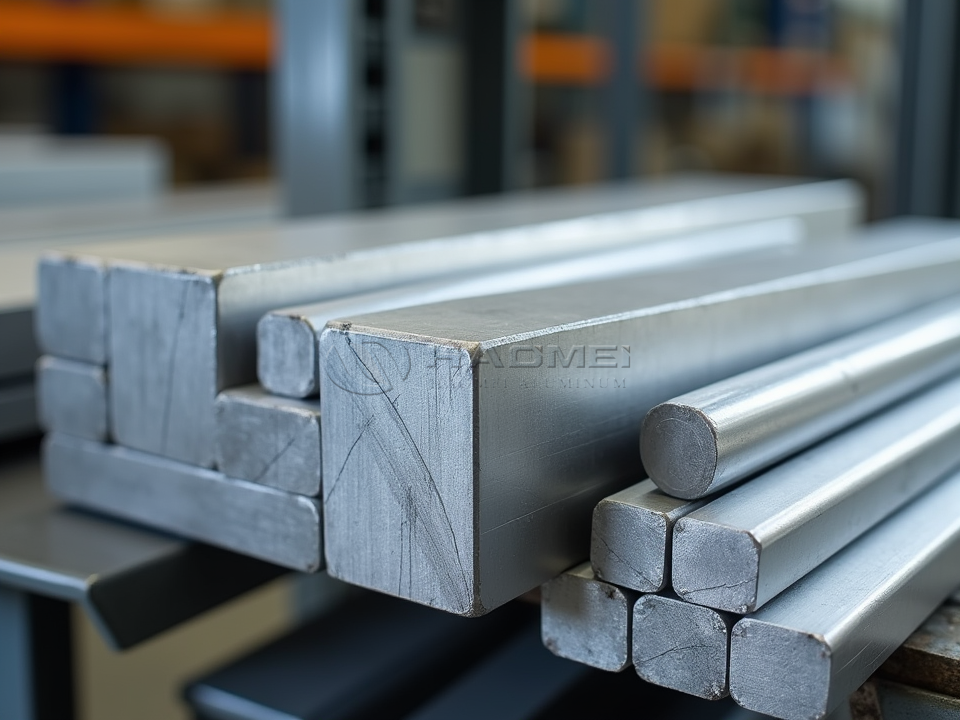
6061 Marine Grade Aluminum Solid Bar for Marine Equipment Customization
6061 marine grade aluminum solid bar offers strength, machinability, and corrosion control for custom boat fittings, frames, shafts, and deck hardware parts.
View Details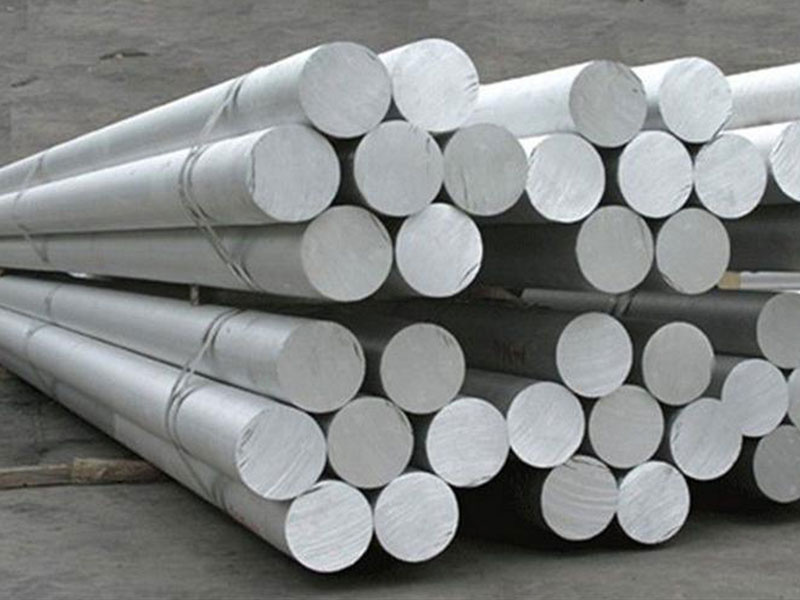
6082 Marine Aluminum Bar for High Strength Marine Components
In the demanding world of marine engineering, the choice of materials defines not only the longevity but also the safety and performance of vessels. Among the plethora of metal options.
View Details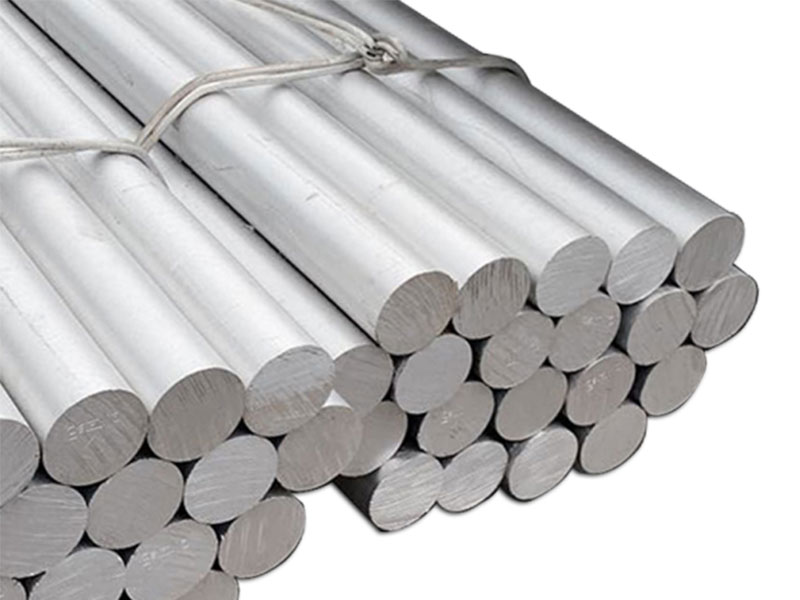
5052 Marine aluminum hexagonal bars
5052 marine aluminum hexagonal bars are a practical choice when you need corrosion resistance in saltwater, reliable strength, and good machinability-all in a shape that naturally suits fasteners, shafts, standoffs, couplings, valve parts.
View Details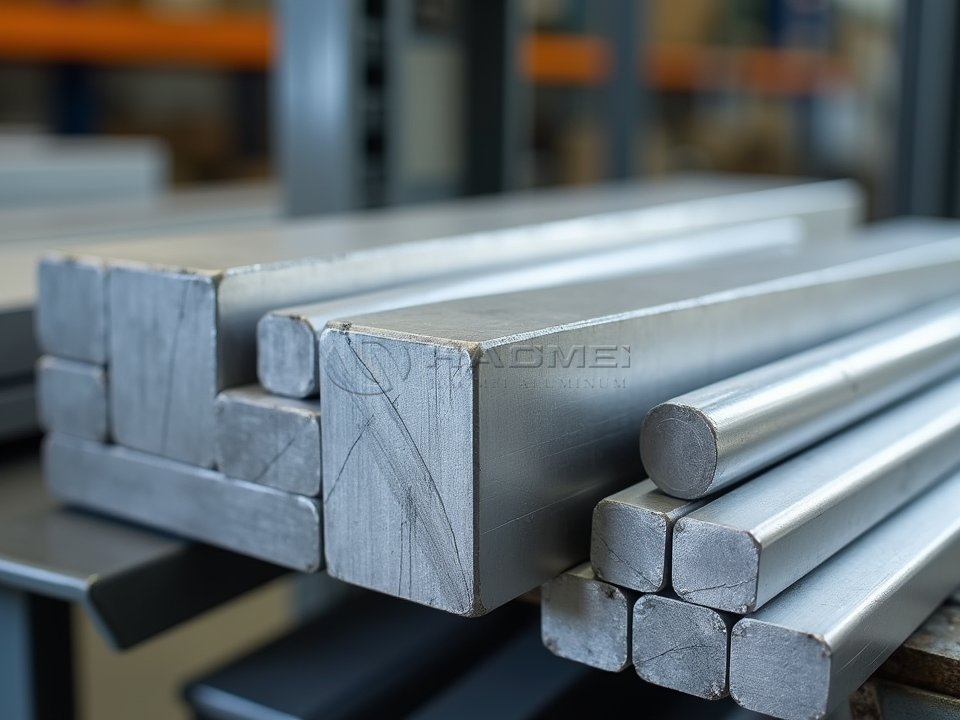
Marine Grade Aluminum Solid Bar
Discover marine grade aluminum solid bar grades, properties, corrosion performance, machining benefits, and practical uses in boats and offshore equipment.
View Details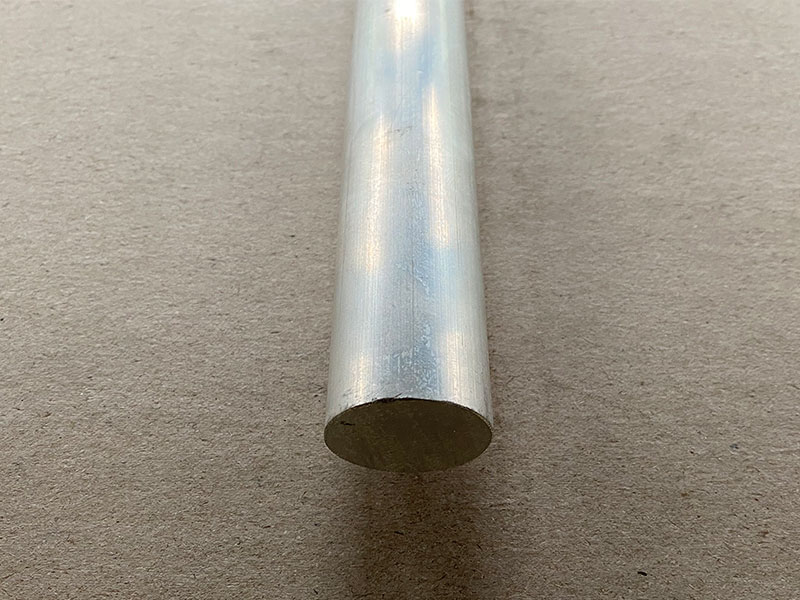
5083 5052 H32 60mm aluminum bar for boat
High-performance 5083 and 5052 H32 60mm aluminum bars tailored for marine applications. Ideal for boat building with excellent corrosion resistance, superior strength, and formability.
View Details
Leave a Message