
5052 Marine Aluminum Hollow Bars for High Strength Marine Frame Parts
Marine structures demand a material that holds up to saltwater corrosion, cyclic loading, and fabrication realities (forming, welding, machining) without turning maintenance into a constant expense. 5052 Marine aluminum hollow bars are a practical, high-performance choice for marine frame parts where designers want a strong, lightweight section with excellent corrosion resistance and reliable weldability.
Hollow bar geometry provides a favorable strength-to-weight ratio and simplifies routing for cables, fasteners, drainage, or integrated stiffening-making it ideal for frames, supports, brackets, racks, and modular marine assemblies.
Why 5052 for Marine Hollow Bars?
Alloy 5052 (Al-Mg) is widely recognized for its excellent resistance to seawater and marine atmospheres, especially compared with many general-purpose aluminum alloys. It also provides:
- High fatigue and vibration tolerance for boat and offshore structures
- Strong weld performance (MIG/TIG), with stable mechanical properties
- Good formability for bending and rolling where needed
- Low density for weight-sensitive platforms and vessels
5052 is not a heat-treatable alloy; its strength is achieved by work hardening (H tempers). That makes it predictable during fabrication-no post-weld heat treatment cycles required.
5052 Marine aluminum hollow bars are typically supplied in round, square, or rectangular hollow sections, produced via extrusion and precision sizing. For frame parts, the hollow design offers a balance of stiffness and mass efficiency, helping reduce overall structure weight while maintaining rigidity.
Common frame-driven advantages include:
- Higher section modulus per unit weight than solid bars
- Improved buckling resistance vs. thin flat sections
- Cleaner integration into modular frames (bolting, gusseting, corner joining)
- Reduced material cost vs. equivalent solid sections for similar stiffness targets
Chemical Composition (Typical)
5052's marine performance comes primarily from its magnesium content, with controlled limits on copper and other elements that can negatively influence corrosion behavior.
| Element | Typical / Limit (wt.%) |
|---|---|
| Magnesium (Mg) | 2.2 – 2.8 |
| Chromium (Cr) | 0.15 – 0.35 |
| Silicon (Si) | ≤ 0.25 |
| Iron (Fe) | ≤ 0.40 |
| Copper (Cu) | ≤ 0.10 |
| Manganese (Mn) | ≤ 0.10 |
| Zinc (Zn) | ≤ 0.10 |
| Titanium (Ti) | ≤ 0.15 |
| Aluminum (Al) | Balance |
Note: Composition limits may vary slightly by standard (ASTM/EN/JIS). Material certifications (MTC/COC) should be provided per batch.
Mechanical Properties (Typical)
For marine frame parts, 5052 is commonly selected in H32 / H34 tempers, balancing strength and formability.
| Temper | Tensile Strength (MPa) | Yield Strength (MPa) | Elongation (%) |
|---|---|---|---|
| 5052-O (annealed) | ~190 | ~65 | ~20–25 |
| 5052-H32 | ~230 | ~180 | ~10–14 |
| 5052-H34 | ~260 | ~215 | ~8–12 |
Values shown are typical; exact results depend on product form, thickness, and processing route.
Performance Features for Marine Frames
1) Corrosion Resistance in Saltwater Service
5052 performs strongly in splash zones, deck hardware areas, and humid bilge-adjacent locations, especially when paired with appropriate finishing and isolation practices. Compared with copper-bearing alloys, it generally provides a more forgiving corrosion profile in chloride-rich environments.
Recommended protection practices
- Use marine-grade coatings (anodizing, epoxy primer + topcoat) where appearance or long-term exposure demands it
- Avoid direct contact with stainless fasteners without isolation; use nylon/phenolic washers or barrier pastes
- Design for drainage and airflow to reduce crevice corrosion risks
2) Strength-to-Weight Efficiency of Hollow Geometry
Hollow bars allow designers to keep stiffness while cutting weight-critical for:
- boat speed and fuel economy
- payload improvements
- lower center of gravity in elevated frame assemblies
- easier handling during installation and maintenance
3) Fabrication-Friendly: Welding, Forming, Machining
5052 is known for excellent weldability, supporting production of modular or custom marine frames.
| Fabrication Aspect | 5052 Hollow Bar Performance | Practical Notes |
|---|---|---|
| MIG/TIG welding | Excellent | Use suitable filler (commonly ER5356 for Al-Mg systems) |
| Bending/Forming | Good (best in H32 vs H34) | Larger radii reduce risk of cracking in higher tempers |
| Machining | Fair | Use sharp tools, stable fixturing; hollow sections benefit from internal support during machining |
| Joining | Very good | Works well with rivets/bolts; isolate dissimilar metals |
4) Consistent Quality for Frame Fit-Up
Marine frames often involve repetitive parts, jig assembly, and tight alignment. Extruded hollow bars can be supplied with controlled:
- straightness
- squareness (for square/rectangular sections)
- surface finish
- length tolerances
This reduces time lost to rework, shimming, or forced alignment.
Technical Specifications (Typical Supply Range)
Actual availability depends on press capacity, die set, and order volume. Below is a practical reference range used for marine frame components.
| Parameter | Typical Options |
|---|---|
| Alloy | 5052 |
| Temper | O, H32, H34 (H32 most common for structural fabrication) |
| Shapes | Round hollow, square hollow, rectangular hollow |
| Outer size range | ~20–200 mm (shape-dependent) |
| Wall thickness | ~2–12 mm (shape/size-dependent) |
| Length | Standard 3–6 m; cut-to-length available |
| Surface | Mill finish; brushed; anodizing-ready |
| Standards (common) | ASTM B221 (extrusions), EN 755 (where applicable) |
| Certification | EN 10204 3.1 / Mill Test Certificate on request |
| Typical inspections | Chemistry, tensile test (by lot), dimensional checks, visual surface inspection |
Where These Hollow Bars Excel: Marine Use Cases
5052 Marine aluminum hollow bars are especially effective for frame parts where corrosion resistance and weldability matter more than maximum heat-treat strength.
Typical applications
- Boat T-top frames, canopy frames, radar arches
- Console and seat support structures
- Deck racks, storage frames, tender/jet ski cradles
- Gangway and handrail sub-frames (when designed to applicable codes)
- Instrument frames, antenna mounts, electronics enclosures (structural members)
- Offshore platform non-pressure structural supports and service frames
Design note: for highly loaded primary hull structural members, designers may evaluate 5083/5086 plate or 6061/6082 profiles depending on class rules and loading modes. For fabrication-forward frames exposed to saltwater, 5052 remains a highly reliable workhorse.
Customer Benefits (What You Get in Real Projects)
| Benefit | What It Means on Site |
|---|---|
| Longer service life in marine air | Less pitting risk, fewer coating failures when properly finished |
| Lower assembly weight | Easier install, better vessel performance, reduced handling costs |
| Faster fabrication | Weld-friendly alloy and hollow geometry simplify frame build |
| Cleaner design integration | Internal routing, hidden fasteners, modular joints |
| Stable supply & repeatability | Consistent extrusion quality reduces fit-up problems |
Selection Tips: Getting the Best Outcome
Choose temper by fabrication plan
- More forming/bending: H32 (or O for extreme forming)
- Higher rigidity with limited forming: H34
Confirm joining strategy early
- If using stainless hardware, specify isolation and sealing to minimize galvanic coupling.
Specify tolerances for frame systems
- For modular marine frames, request tighter controls on straightness and twist to reduce jig time.
Finish for environment, not just appearance
- Anodizing and paint systems can significantly extend service life, especially in crevices and splash zones.
5052 Marine aluminum hollow bars provide an excellent combination of saltwater corrosion resistance, fabrication-friendly strength, and lightweight structural efficiency-making them an ideal base material for high strength marine frame parts. With the right temper selection, sound welding practice, and proper corrosion isolation, these hollow bars support durable, clean, and cost-effective marine structures across recreational, commercial, and offshore environments.

Related Products
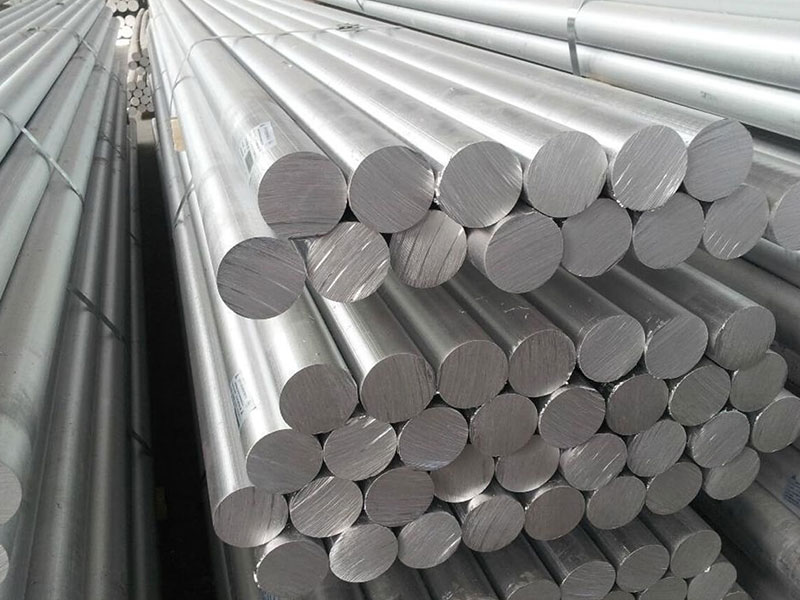
6082 marine aluminum rod & bar
6082 Aluminum Rods & Bars are extruded or rolled products manufactured from 6082 aluminum alloy — a thermally treated (typically T6 temper) aluminum-magnesium-silicon alloy that balances high tensile strength, good weldability, and excellent corrosion resistance.
View Details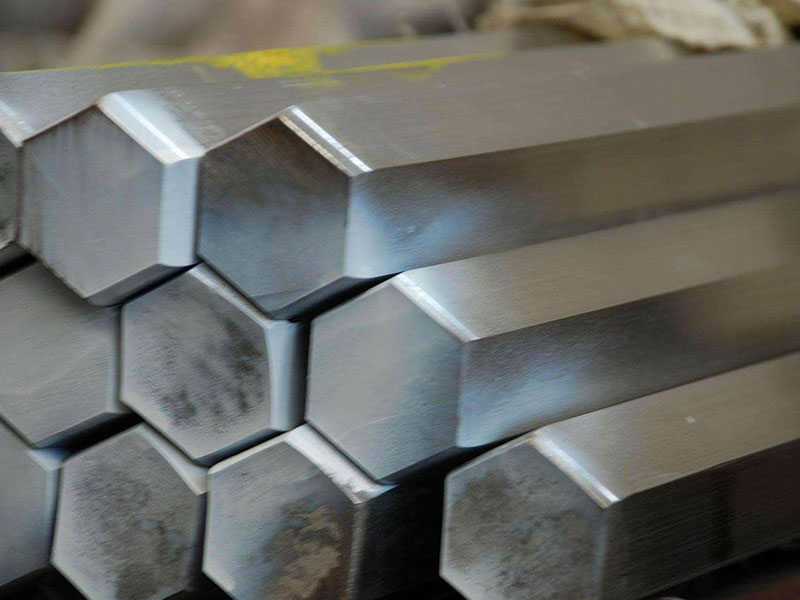
Marine aluminum hexagonal bars
Marine Grade Aluminum Hexagonal Bars are produced from premium corrosion-resistant aluminum alloys such as 5083, 5052, 6061, and 6082.
View Details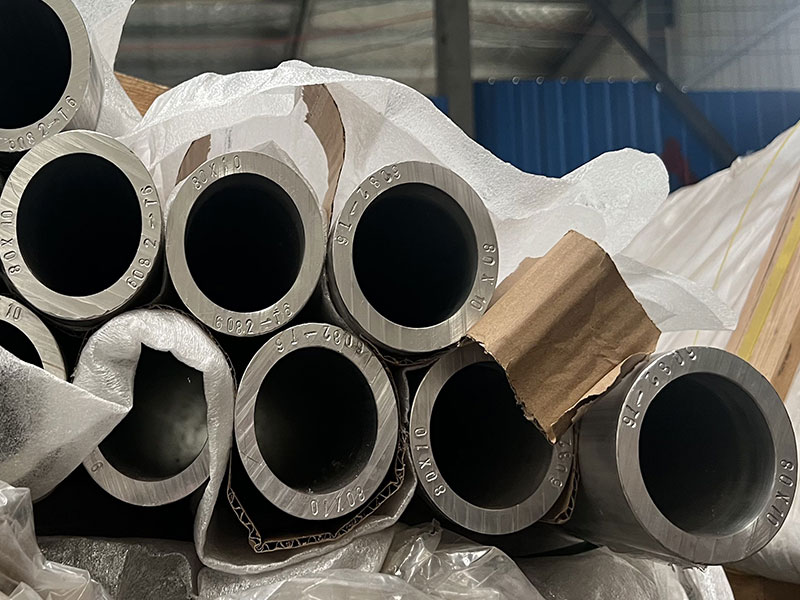
Marine aluminum hollow bars
Marine Grade Aluminum Hollow Bars are fabricated from high-quality alloys such as 5083, 5052, 6061, and 6082, all known for their exceptional resistance to seawater corrosion, salt spray, and marine atmospheres.
View Details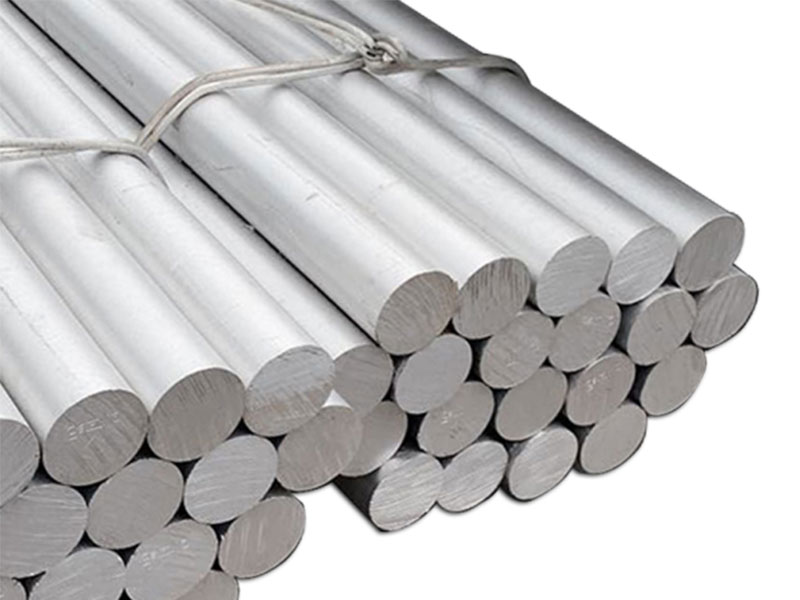
Marine grade aluminum solid bar
Marine Grade Aluminum Solid Bars are produced from premium aluminum alloys optimized for saltwater exposure, such as 5083, 5052, 6061, and 6082. These alloys offer unparalleled resistance to corrosion caused by seawater, salt spray, and marine atmospheres, while maintaining excellent mechanical strength and toughness.
View DetailsRelated Blog
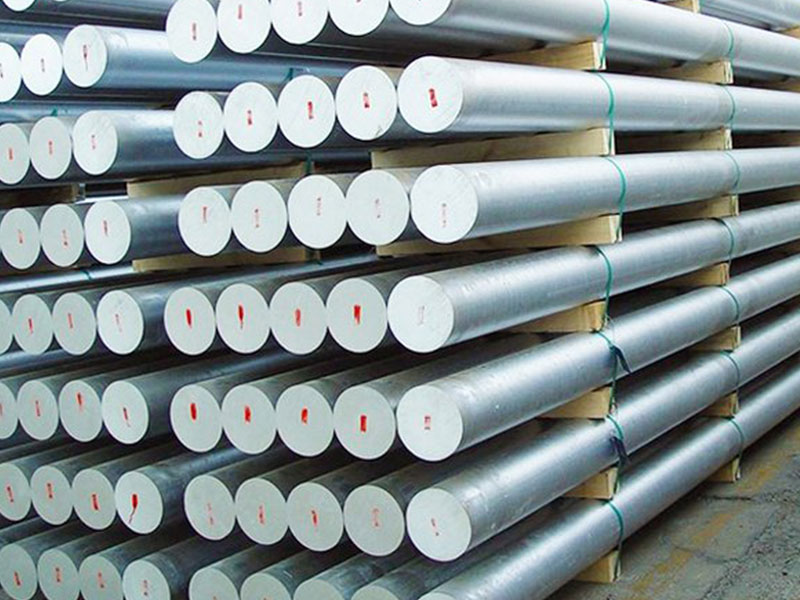
5052 Marine Grade Aluminum Solid Bar for Saltwater Proof Marine Structures
Superior corrosion resistance and mechanical properties of 5052 Marine Grade Aluminum Solid Bar, engineered for durable and reliable saltwater-proof marine structures. Learn about its chemical composition, alloy tempering, implementation standards, and ke
View Details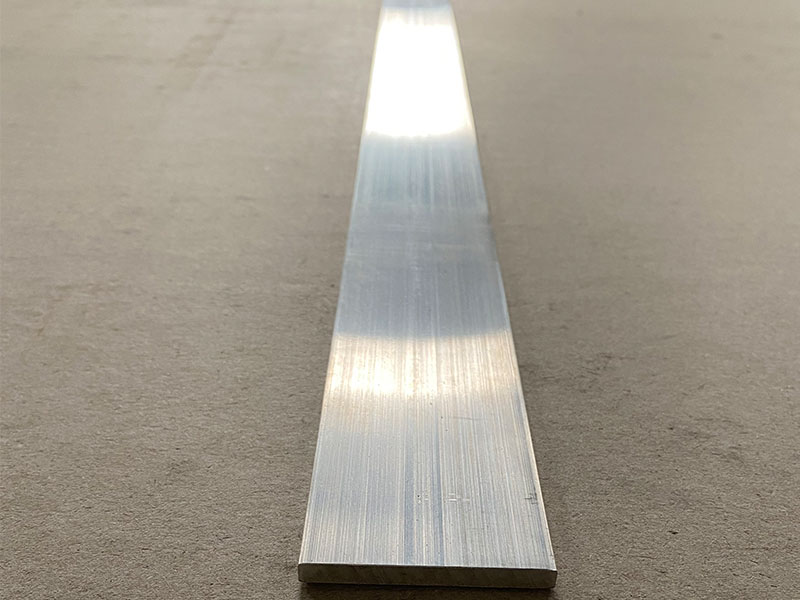
5052 Marine Grade Aluminum Solid Bar for Lightweight Offshore Components
As the maritime industry continues to evolve toward efficiency and performance optimization, the choice of materials plays a pivotal role in determining the success of marine designs.
View Details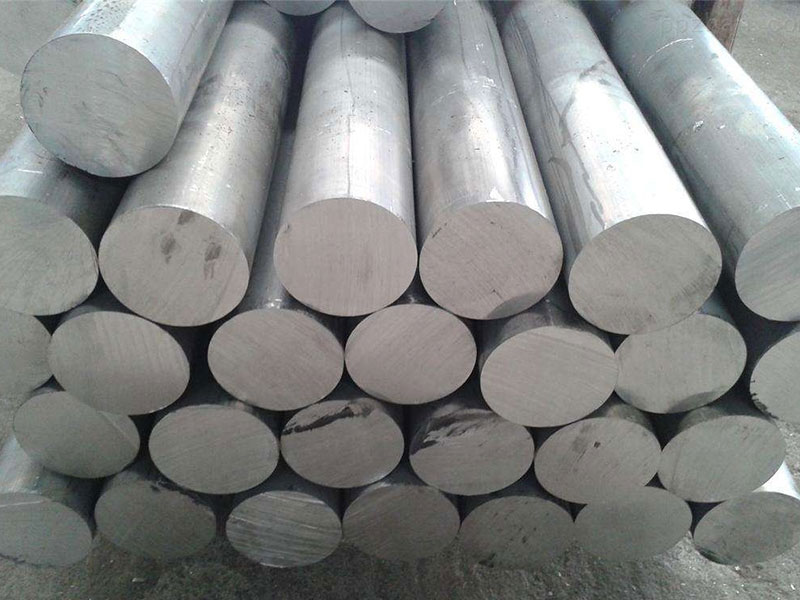
5052 Marine Aluminum Hollow Bars for Offshore Engineering Solutions
In the domain of offshore engineering, material selection is critical to ensure the resilience, functionality, and longevity of maritime structures. Among various alloys.
View Details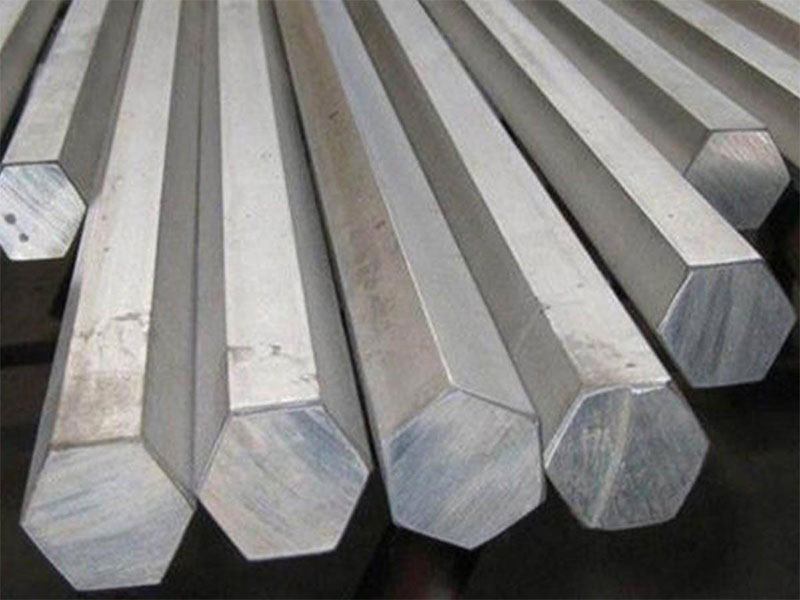
5052 Marine Aluminum Hollow Bars for Saltwater Proof Marine Frames
When it comes to the maritime industry, choosing the right materials for constructing robust marine frames is imperative. Among various alloys, 5052 marine aluminum hollow bars have made a significant mark due to their superior properties.
View Details
5052 Marine Aluminum Hexagonal Bars for Marine Hull Strengthening Parts
5052 marine aluminum hexagonal bars are a dedicated structural material for high‑strength, corrosion‑resistant hull reinforcement and outfitting in marine environments.
View Details
5052 Marine Aluminum Hollow Bars for High Strength Marine Frame Parts
Marine structures demand a material that holds up to saltwater corrosion, cyclic loading, and fabrication realities (forming, welding, machining) without turning maintenance into a constant expense.
View Details
Leave a Message