
5052 Marine Aluminum Hexagonal Bars for Industrial Marine Fabrication
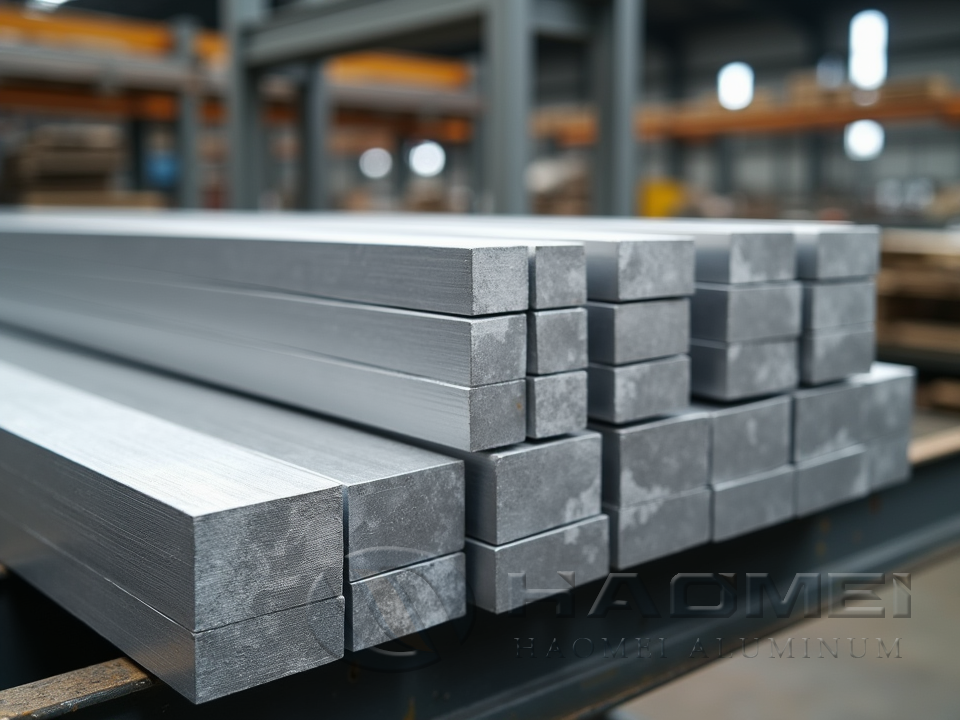
5052 marine aluminum hexagonal bars are engineered for shipyard fabrication, offshore structures, deck equipment, marine hardware, and corrosion-sensitive industrial assemblies. As an Al-Mg alloy, 5052 combines strong seawater resistance, dependable formability, low weight, and clean machining behavior. The hexagonal profile adds practical value for parts that require wrench flats, indexed positioning, anti-rotation surfaces, or efficient conversion into nuts, fittings, spacers, shafts, and custom marine components.
For buyers comparing Marine aluminum hexagonal bars with round, square, or flat profiles, 5052 is often selected when corrosion performance and fabrication reliability matter more than heat-treated strength. It is especially suitable for welded structures and components exposed to salt spray, bilge moisture, humid air, and coastal service.
Material Character and Marine Value
5052 aluminum belongs to the 5xxx series, where magnesium is the primary strengthening element. It is not heat treatable, but it gains strength through strain hardening, which makes tempers such as H32, H34, and H112 useful for different production routes. In marine fabrication, this behavior is valuable because strength is stable, welding is straightforward, and corrosion resistance remains excellent in chloride-rich environments.
The hexagonal bar shape is also production-friendly. Six flat sides improve grip during machining, simplify clamping, and reduce slippage in bolted or threaded assemblies. Compared with round bar, hex bar can reduce milling time when flats are required. Compared with square bar, it offers more balanced load distribution around the centerline and a more compact profile for turned parts.
Chemical Composition
The chemical balance of 5052 is designed for corrosion resistance, moderate strength, and weldability. Actual mill certificates should be checked for project compliance, but common composition ranges are shown here.
| Element | Typical Range, wt.% | Function in 5052 Marine Bar |
|---|---|---|
| Aluminum, Al | Balance | Base metal, low density, high corrosion resistance |
| Magnesium, Mg | 2.2-2.8 | Primary strengthening element, improves marine corrosion resistance |
| Chromium, Cr | 0.15-0.35 | Grain control, stress corrosion resistance support |
| Iron, Fe | ≤0.40 | Controlled impurity affecting finish and ductility |
| Silicon, Si | ≤0.25 | Controlled impurity, affects workability |
| Copper, Cu | ≤0.10 | Kept low to preserve seawater corrosion resistance |
| Manganese, Mn | ≤0.10 | Minor strengthening and structure influence |
| Zinc, Zn | ≤0.10 | Controlled impurity |
| Other, each | ≤0.05 | Trace elements |
| Other, total | ≤0.15 | Total residual control |
Technical Specifications
5052 hexagonal bars are normally specified by across-flats dimension, length, temper, tolerance, finish, and certification requirement. For industrial marine fabrication, customers often request material traceability, mill test reports, and surface inspection suitable for machining or visible hardware.
| Parameter | Common Supply Range | Notes for Marine Fabricators |
|---|---|---|
| Alloy | 5052 | Marine-grade Al-Mg alloy |
| Product form | Hexagonal solid bar | Six-sided profile measured across flats |
| Temper options | O, H32, H34, H112 | Selection depends on forming, machining, and strength needs |
| Across-flats size | 6 mm-80 mm typical | Custom sizes may be produced by agreement |
| Standard length | 1 m-6 m typical | Cut-to-length service supports fabrication efficiency |
| Density | 2.68 g/cm³ | Around one-third the density of steel |
| Surface condition | Mill finish, brushed, polished, anodizing-ready | Finish depends on appearance and corrosion plan |
| Certification | EN 10204 3.1, ASTM or customer standard | Available when project documentation is required |
| Processing options | Saw cutting, chamfering, drilling, threading, CNC machining | Reduces downstream workload |
Mechanical Performance
Mechanical properties depend strongly on temper and section size. 5052 is not as strong as 6061-T6 or 6082-T6, but it provides a highly practical balance of toughness, ductility, corrosion resistance, and weldability. This makes it a strong candidate for fabricated marine parts that must survive long service intervals.
| Temper | Tensile Strength, MPa | Yield Strength, MPa | Elongation, % | Typical Use |
|---|---|---|---|---|
| O | 170-215 | 65-95 | 18-25 | Severe forming, bending, swaging |
| H32 | 210-260 | 160-195 | 8-14 | General marine hardware and brackets |
| H34 | 240-280 | 180-220 | 6-12 | Higher-strength machined parts |
| H112 | 190-240 | 80-130 | 10-16 | Larger sections and stress-relieved stock |
These values are typical reference ranges and should be confirmed against the applicable standard, bar diameter, and supplier test report.
Corrosion Resistance in Marine Environments
Marine environments attack metals through salt spray, standing water, galvanic contact, crevice zones, and cyclic wet-dry exposure. 5052 performs well because of its stable aluminum oxide film and low copper content. In many deck, hull-adjacent, and equipment applications, it offers better chloride resistance than more copper-sensitive aluminum grades.
| Exposure Condition | 5052 Performance | Design Guidance |
|---|---|---|
| Salt spray | Excellent | Suitable for exposed fittings with proper drainage |
| Seawater splash | Excellent | Avoid stagnant crevices where deposits collect |
| Bilge humidity | Very good | Use compatible fasteners and periodic cleaning |
| Galvanic contact with stainless steel | Manageable with isolation | Use washers, sealants, or coatings |
| Anodized service | Very good | Improves appearance and surface durability |
| Welded assemblies | Strong corrosion retention | Clean weld zones and remove contaminants |
Fabrication and Machining Behavior
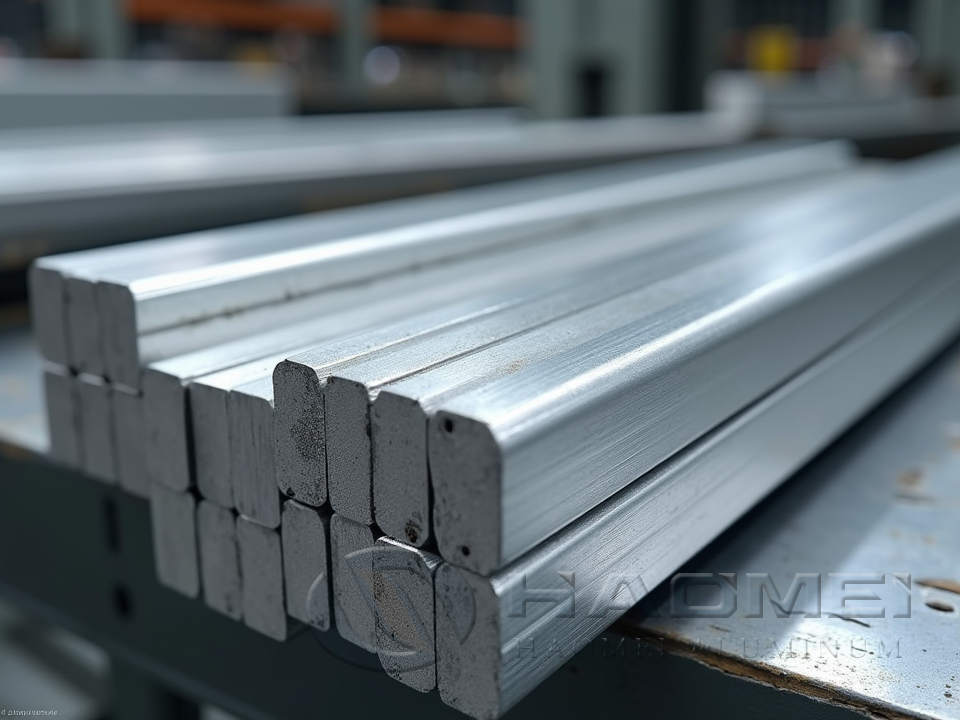
5052 hexagonal bars are friendly to common marine shop processes. The alloy cuts cleanly with carbide tooling, especially in strain-hardened tempers. It can be drilled, tapped, knurled, chamfered, and turned into custom fittings. The hex shape helps machinists grip the stock securely in collets or chucks, reducing setup time for small components.
Welding performance is another advantage. 5052 is commonly welded using 5356 filler metal for marine structures, offering a good match for strength and corrosion resistance. Where cosmetic finish matters, weld preparation and post-weld cleaning are important because embedded abrasives, steel contamination, or chloride residue can reduce surface quality.
For formed parts, O temper or lower strain-hardened tempers should be considered. For parts requiring improved stiffness and wear resistance at edges, H32 or H34 may be preferred. This gives designers flexibility when balancing bendability, machining stability, and final service load.
Industrial Marine Applications
5052 marine aluminum hexagonal bars are used where corrosion resistance, practical geometry, and moderate strength intersect. They are common in both vessel manufacturing and coastal industrial systems.
| Application Area | Example Parts | Why 5052 Hex Bar Works |
|---|---|---|
| Boat and ship hardware | Nuts, spacers, threaded connectors, handle bodies | Hex flats simplify wrench engagement and machining |
| Deck equipment | Standoffs, brackets, hinge pins, clevis-related parts | Light weight and salt spray resistance |
| Offshore platforms | Instrument supports, small fittings, access hardware | Good corrosion behavior in humid marine air |
| Marina systems | Dock hardware, ladder components, railing connectors | Low maintenance and clean appearance |
| Pump and piping assemblies | Valve handles, adapters, gland components | Machinable, weldable, corrosion resistant |
| Electrical enclosures | Grounding lugs, mounting posts, cable support parts | Non-sparking, conductive, easy to fabricate |
| Custom CNC parts | Hex shafts, collars, sleeves, precision spacers | Less milling required for flat surfaces |
For projects that require a wider selection of bar shapes and marine alloys, Marine Grade Aluminum Bars can be specified alongside 5052 hexagonal stock to match strength, corrosion, and machining requirements across the full assembly.
Comparison with Other Marine Bar Alloys
Selecting the right alloy depends on the component's operating load, exposure, joining method, and finish requirement. 5052 is often chosen for corrosion-intensive service, while heat-treatable alloys may be selected when higher mechanical strength is the main driver.
| Alloy | Strength Level | Marine Corrosion Resistance | Weldability | Best Fit |
|---|---|---|---|---|
| 5052 | Medium | Excellent | Excellent | Marine fittings, brackets, hardware, fabricated parts |
| 5086 | Medium-high | Excellent | Very good | Hull-related structures, heavy marine fabrication |
| 6061-T6 | High | Good | Good, strength reduced near welds | Structural parts, machined components, frames |
| 6082-T6 | High | Good | Good | High-load bars, precision-machined marine parts |
| 6063 | Medium | Good | Good | Anodized trim, rails, architectural marine parts |
5052 is not always the strongest option, but it is one of the most dependable choices where chloride resistance, welding, and shop flexibility are priorities.
Benefits for Buyers and Fabricators
The value of 5052 marine aluminum hexagonal bars is found in day-to-day production efficiency as much as in material properties. The hex profile reduces secondary operations for wrench-ready parts. The alloy's corrosion resistance lowers maintenance risk. Its weldability and machinability help shops move from stock bar to finished component with fewer complications.
| Benefit | Practical Result |
|---|---|
| Lightweight metal | Easier handling, reduced vessel weight, lower transport load |
| Excellent seawater resistance | Longer service life in salt-rich environments |
| Hexagonal geometry | Faster machining for flats, nuts, adapters, and anti-rotation parts |
| Good weldability | Suitable for fabricated assemblies and repair work |
| Stable non-heat-treatable alloy | Predictable performance after forming and welding |
| Attractive finish potential | Can be brushed, polished, or anodized for visible hardware |
| Recyclable material | Supports sustainable marine manufacturing programs |
Purchasing and Quality Considerations
When ordering 5052 marine aluminum hexagonal bars, specify across-flats size, temper, length, tolerance, surface requirement, packaging method, and inspection documents. For machined components, confirm straightness and dimensional tolerance. For exposed hardware, request clean surface condition and protection against handling marks. For welded marine assemblies, match filler metal and fabrication procedure to the intended service condition.
Packaging also matters. Bars should be separated, bundled securely, and protected from moisture during transit. Although 5052 resists corrosion, storage stains can appear if wet packaging remains in contact with the metal surface for long periods.
Final Perspective
5052 marine aluminum hexagonal bars offer a dependable material solution for industrial marine fabrication. They combine strong resistance to saltwater environments, practical six-sided geometry, reliable weldability, and efficient machining performance. For shipyards, offshore equipment builders, marina hardware manufacturers, and coastal industrial fabricators, 5052 hex bar provides a balanced route to lighter, cleaner, and longer-lasting components.

Related Products
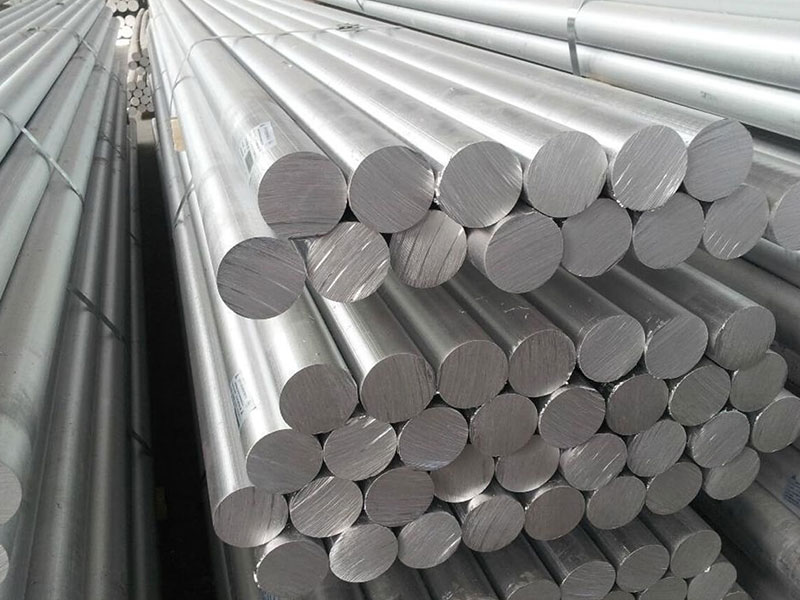
6082 marine aluminum rod & bar
6082 Aluminum Rods & Bars are extruded or rolled products manufactured from 6082 aluminum alloy — a thermally treated (typically T6 temper) aluminum-magnesium-silicon alloy that balances high tensile strength, good weldability, and excellent corrosion resistance.
View Details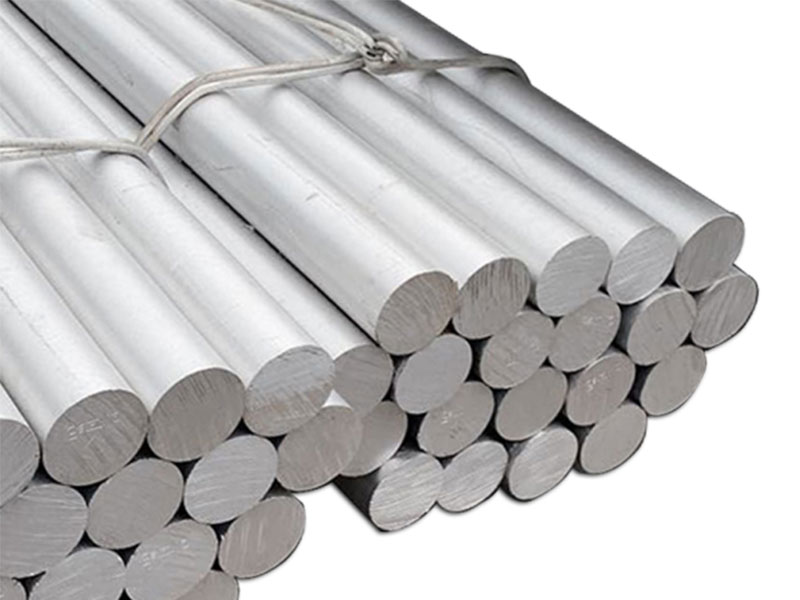
Marine grade aluminum solid bar
Marine Grade Aluminum Solid Bars are produced from premium aluminum alloys optimized for saltwater exposure, such as 5083, 5052, 6061, and 6082. These alloys offer unparalleled resistance to corrosion caused by seawater, salt spray, and marine atmospheres, while maintaining excellent mechanical strength and toughness.
View Details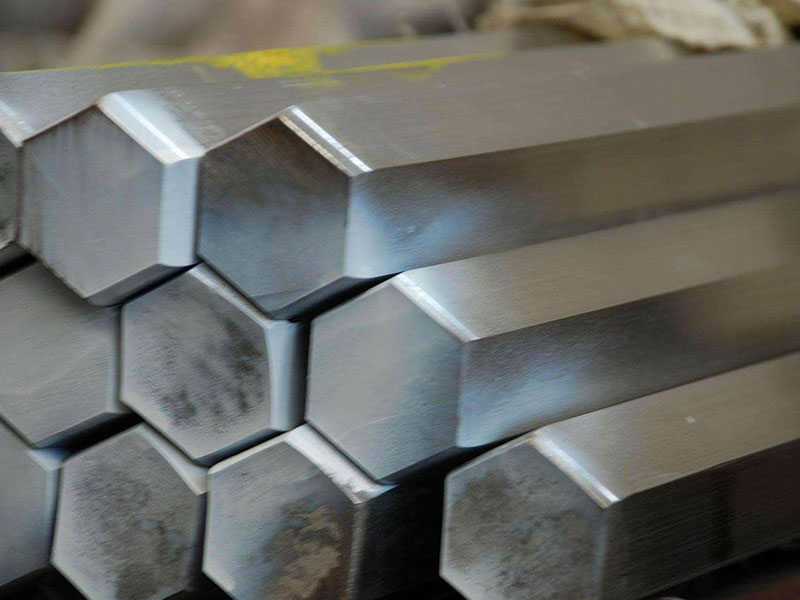
Marine aluminum hexagonal bars
Marine Grade Aluminum Hexagonal Bars are produced from premium corrosion-resistant aluminum alloys such as 5083, 5052, 6061, and 6082.
View Details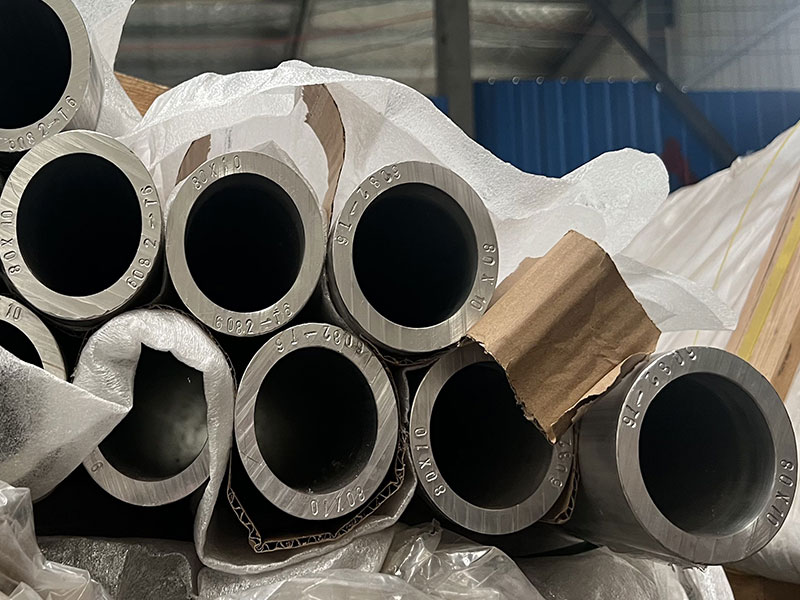
Marine aluminum hollow bars
Marine Grade Aluminum Hollow Bars are fabricated from high-quality alloys such as 5083, 5052, 6061, and 6082, all known for their exceptional resistance to seawater corrosion, salt spray, and marine atmospheres.
View DetailsRelated Blog
5083 Marine Aluminum Hollow Bars for Offshore Vessel Support Parts
Concise guide to 5083 marine aluminum hollow bars for offshore vessel support parts, covering specs, corrosion resistance, fabrication, uses, and buying notes.
View Details
5083 Marine Aluminum Hexagonal Bars for Ship Hull and Deck Fabrication
In the demanding world of marine construction and shipbuilding, material performance defines safety, durability, and operational efficiency. 5083 Marine Aluminum Hexagonal Bars have emerged as a premium solution for ship hull and deck fabrication.
View Details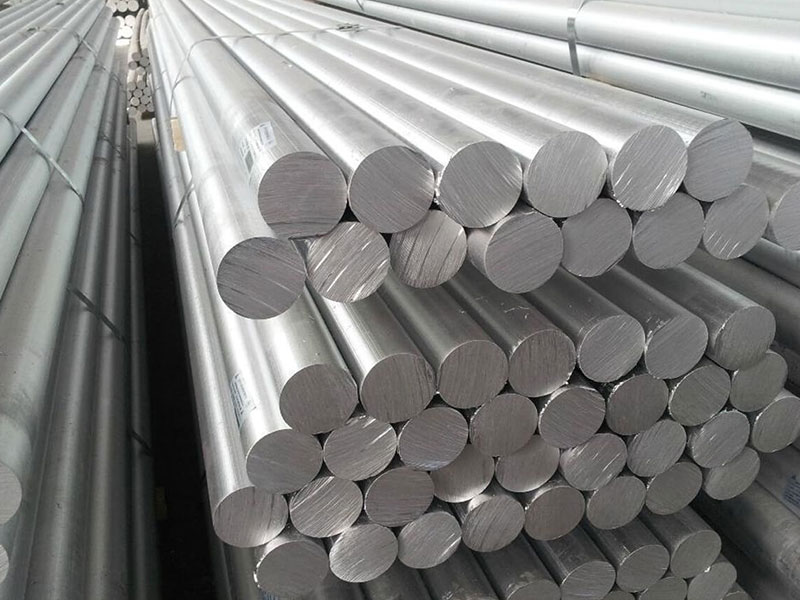
5083 Marine Aluminum Hexagonal Bars for High Strength Shipbuilding Components
FeaturesHigh Strength: 5083 aluminum hexagonal bars offer superior strength-to-weight ratios, essential for maximizing load-bearing capabilities in marine applications.
View Details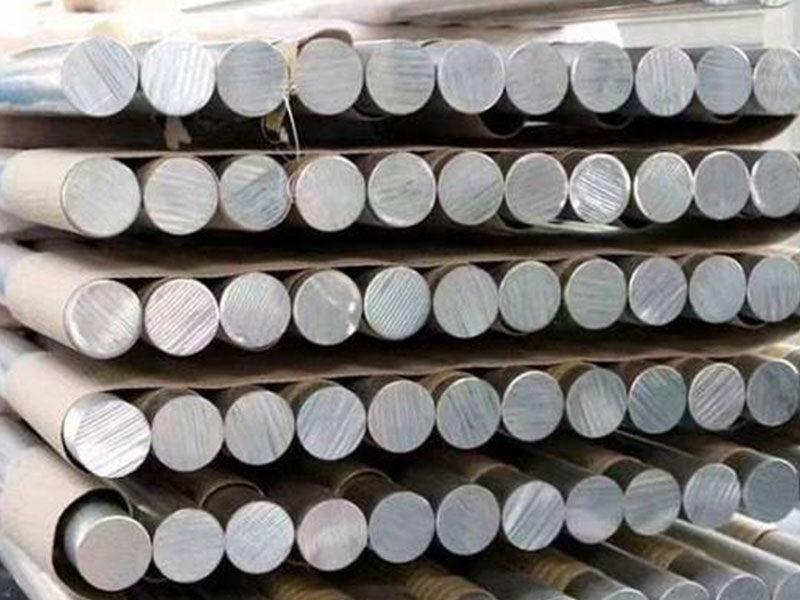
6061 Marine Aluminum Hexagonal Bars for Boat Hull and Frame Assembly
6061 Marine Aluminum Hexagonal Bars are engineered to deliver exceptional strength, corrosion resistance, and machinability for marine applications. Used widely in boat hull and frame assembly.
View Details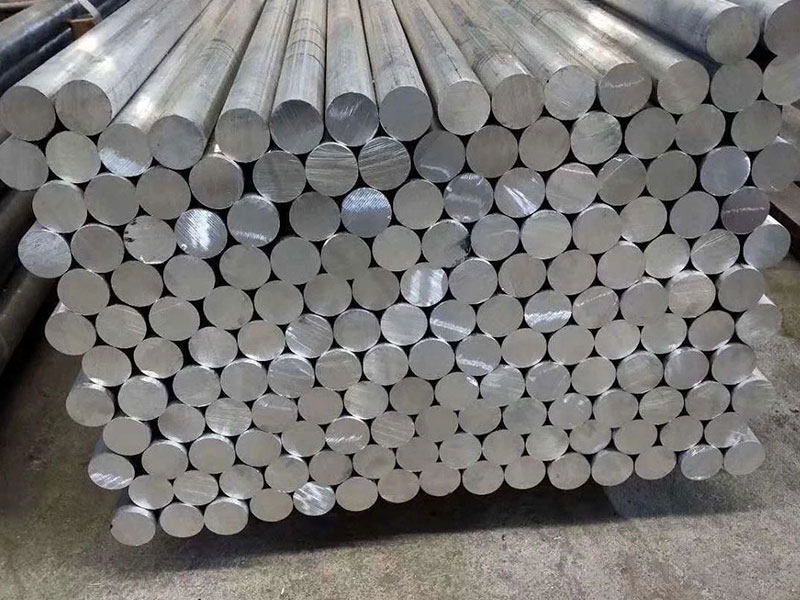
6061 Marine Grade Aluminum Solid Bar for Marine Vessel Frame Parts
The 6061 Marine Grade Aluminum Solid Bar is a premium-quality aluminum alloy widely recognized for its exceptional strength, corrosion resistance, and versatility.
View Details
5083 Marine Grade Aluminum Solid Bar for Offshore Vessel Frame Parts
In the demanding environment of offshore vessels, structural integrity, durability, and corrosion resistance are critical factors that determine overall vessel performance and safety.
View Details
Leave a Message