
Mill Finish Plate Aluminum Sheet 5083 H116 For Boat
Mill Finish Plate Aluminum Sheet 5083 H116 For Boat: A Deep-Dive From The Hull’s Point Of View
When naval architects choose materials, they are not merely reading charts; they are imagining how a plate of metal will live its entire life in salt water. Mill finish plate aluminum sheet 5083 H116 is a material that “thinks like a boat”: it resists corrosion from the inside out, absorbs dynamic wave loads, and carries welds without losing its structural integrity.
Looking at 5083 H116 from the viewpoint of a working hull rather than just as a product datasheet reveals why this alloy-temper combination has become a backbone material for modern marine construction.
Why 5083 H116 Is “Tuned” For Marine Hulls
Not all 5xxx series alloys behave the same way when immersed in seawater and constantly flexed by wave action. Alloy 5083 stands apart because it is designed around magnesium as the strengthening element. Magnesium increases strength, but much more importantly for marine use, it shifts the corrosion behavior of the alloy into a safer, more stable zone for long-term immersion and splash conditions.
The H116 temper is not just a hardness label; it is a carefully controlled thermo-mechanical condition specifically developed for marine environments. While many people casually equate H116 with being “just stronger,” its true value lies in:
- Controlled strain hardening for higher yield strength without brittleness
- Enhanced resistance to exfoliation corrosion and stress corrosion cracking
- Stable behavior in continuously wet and cyclic wet–dry zones on the hull
The “H116” stamp tells a shipyard that this plate has passed a specific set of corrosion and mechanical performance checks, not only that it has been worked to a certain hardness level.
Mill Finish: Uncoated, Honest Metal For Real Marine Work
From the outside, “mill finish” sounds basic or unfinished. From the boat’s perspective, though, mill finish plate aluminum sheet 5083 H116 is the most honest state of the alloy. No paint is hiding surface quality. No cladding is masking weld behavior. What you see is what you get:
- Direct weldability without needing to grind off coatings
- Clean surface for later application of marine paint systems or anti-fouling coatings
- True representation of the plate’s flatness and surface condition
Shipbuilders often prefer to receive 5083 H116 in mill finish because it grants full freedom to apply their own coating system tailored to the operating region and service profile. Arctic patrol vessels, tropical ferries, and fast aluminum workboats can all start from the same mill finish plate and then be customized in the paint shop.
Mechanical Properties In Context: How The Hull “Feels” Loads
The hull of a boat experiences repeated bending, impact, vibration, and localized loads from slamming seas. From that perspective, the raw numbers on the datasheet are really descriptors of how the hull will “feel” under service loads.
Typical mechanical properties for 5083 H116 marine aluminum plate (reference values, dependent on thickness and standard):
- Tensile strength (Rm): approximately 275–345 MPa
- Yield strength (Rp0.2): approximately 215–260 MPa
- Elongation (A50): approximately 10–16% for thicker plates
- Brinell hardness: roughly 75–100 HB
Higher yield strength allows the hull panels and stringers to resist permanent deformation after wave slamming. Sufficient elongation is essential for energy absorption and crack resistance, giving designers the confidence to use large, thin panels in high-speed craft without creating a “tin can” effect.
The balance between yield strength and elongation in 5083 H116 is what makes it particularly suitable for side shell, bottom plating, and deck structures exposed to dynamic loads. It can flex with the sea without suffering catastrophic cracking.
Chemical Composition: Why 5083 Behaves Like A Marine Alloy
The marine performance of 5083 is embedded in its chemistry. While exact limits can vary slightly depending on the standard (ASTM, EN, GB), a typical composition range for 5083 marine-grade aluminum is outlined below.
Typical Chemical Composition of 5083 Aluminum Alloy (mass fraction, %)
| Element | Typical Range (%) | Functional Role in Marine Service |
|---|---|---|
| Mg | 4.0 – 4.9 | Primary strengthening element; improves strength and corrosion resistance in saltwater |
| Mn | 0.4 – 1.0 | Enhances strength and contributes to grain refinement, improving toughness |
| Cr | 0.05 – 0.25 | Improves resistance to stress corrosion cracking and sensitization |
| Si | ≤ 0.4 | Controlled at low levels to maintain weldability and toughness |
| Fe | ≤ 0.4 | Impurity control; excessive Fe can reduce ductility and formability |
| Cu | ≤ 0.1 | Kept very low to avoid pitting and galvanic corrosion in seawater |
| Zn | ≤ 0.25 | Limited to protect corrosion performance |
| Ti | ≤ 0.15 | Grain refiner; helps obtain uniform mechanical properties |
| Others, each | ≤ 0.05 | Minor controlled impurities |
| Others, total | ≤ 0.15 | Sum of all minor elements |
| Al | Balance | Aluminum matrix providing low density and natural oxide protection |
From a corrosion standpoint, the very low copper content is crucial. Copper tends to set up galvanic cells in chloride-rich environments like seawater. By keeping Cu at trace levels, 5083 avoids the localized corrosion that can tear through non-marine aluminum alloys.
Magnesium and manganese work together to create a microstructure that is both strong and stable. Chromium adds insurance against intergranular attack, which is known to cause problems in welded zones on lesser alloys.
The H116 Temper: More Than Just “Work-Hardened”
In marine service, temper is as important as composition. The 5083 alloy can appear as O (annealed), H111, H112, H116, or H321, among others, but H116 is specifically engineered for seawater performance.
aspects of the H116 temper include:
- Controlled amount of cold work after hot rolling to reach a designated strength range
- Additional qualification for resistance to exfoliation corrosion and intergranular attack
- Surface and through-thickness properties tuned for hull applications
Unlike simple strain-hardened tempers, H116 is tied to marine testing protocols. Plate designated as H116 must meet corrosion resistance requirements that are not demanded for general engineering tempers. This makes H116 plates a safer choice for shell plating and bottom structures, where failures are unacceptable.
In practice, this means an H116 plate is not just stronger; it is verified to perform under long-term seawater immersion and splash conditions.
Implementation Standards And Classification Society Expectations
For shipyards and designers, materials must be readable not just by engineers, but also by classification societies and auditors. Mill finish plate aluminum sheet 5083 H116 is commonly supplied in accordance with international standards such as:
- ASTM B928 / B928M, specifying high magnesium marine sheet and plate with extra emphasis on exfoliation and stress corrosion resistance
- EN 485 / EN 573 / EN 1386 family of standards for wrought aluminum and aluminum alloy plate in European markets
- GB/T and related Chinese marine aluminum standards for domestic and export shipbuilding
In addition to product standards, classification societies such as ABS, DNV, LR, BV, and CCS often have their own material approvals. Plates for hull construction might carry:
- Material approval certificates referencing 5083 H116 under a specific rule set
- Mill test certificates documenting heat number, plate dimensions, mechanical properties, and chemical composition
- Confirmation of compliance with marine-specific requirements such as corrosion testing or ultrasonic testing for thickness and internal integrity, where required
When a ship or high-speed craft is being classed, these documents confirm that the metal skin of the vessel meets both design and regulatory expectations.
Typical Parameter Ranges For Marine 5083 H116 Plate
Certain physical and dimensional parameters define how this alloy behaves on the shop floor and at sea. Common parameter ranges include:
- Thickness range: often from about 3 mm up to 50 mm or more, depending on hull area and design pressure
- Width: commonly up to 2000–2600 mm, enabling large panels for fewer weld seams on decks and hull sides
- Length: standard lengths around 6000 mm, with options for custom cut-to-length plates to reduce waste and welding
- Density: about 2.65–2.70 g/cm³, which is roughly one-third the weight of steel, giving a advantage in high-speed and fuel-efficient vessels
- Thermal conductivity: on the order of 120–130 W/m·K, helping manage localized heat during welding and dissipating heat from deck surfaces exposed to the sun
- Coefficient of thermal expansion: roughly 23–24 × 10⁻⁶ /K, a factor designers must consider in long hulls and large deck plates
Designers exploit these parameters to build lighter hulls with lower fuel consumption and better payload capacity. The higher specific strength of 5083 H116 compared to many steels allows for thinner plating at equal performance, especially in smaller craft and ferries.
Weldability: How 5083 H116 “Accepts” The Joint
The strength of a marine structure is not just in the plate; it is in the connections. 5083 H116 is known for:
- Excellent weldability with common marine filler wires such as 5183 or 5356
- Good retention of properties in the heat-affected zone compared to many other aluminum alloys
- Compatibility with MIG and TIG welding processes widely used in shipbuilding
From the hull’s standpoint, a welded seam is a potential weak point. But with 5083 H116, the carefully controlled magnesium content and the marine-oriented temper reduce susceptibility to hot cracking and minimize loss of strength near the weld.
Choice of filler alloy allows designers to fine-tune the balance between strength and corrosion performance in the welded joint. For heavily loaded structural seams, 5183 is often preferred; for more general purpose, 5356 is widely used.
Corrosion Resistance: Living Permanently In Salt Water
The defining quality of 5083 H116 as a marine aluminum is its ability to co-exist with seawater over decades. Its corrosion resistance arises from several converging factors:
- Stable aluminum oxide film on the surface, naturally self-healing when scratched
- Magnesium levels in a range that boost strength without significantly undermining corrosion behavior
- Very low copper content, dramatically reducing galvanic corrosion risks
- Temper and microstructure tuned to limit exfoliation corrosion and stress corrosion cracking
In real-world service, mill finish 5083 H116 typically receives a complete coating system: surface preparation, primer, intermediate coats, and anti-fouling or abrasion-resistant topcoats. The underlying alloy’s job is to act as a tolerant, robust base metal that does not develop hidden exfoliation or deep pitting that could eventually compromise the hull.
Even in areas where paint systems are damaged or locally removed, 5083 H116 usually develops a stable corrosion layer rather than rapidly progressing attack. This gives operators time for maintenance instead of facing sudden structural issues.
Design Applications: Where 5083 H116 Mill Finish Plate Excels
From fast patrol craft to passenger ferries, from workboats to luxury yachts, mill finish plate aluminum sheet 5083 H116 finds its way into:
- Bottom and side shell plating exposed to continuous seawater contact
- Main decks, vehicle decks, and working platforms subject to rolling loads and impacts
- Bulkheads and superstructures where weight savings directly translate to stability and speed
- Ramps, transom plates, and structural members in catamarans and monohulls
By starting with mill finish plate, designers can inspect, form, cut, and weld the alloy in its purest state before applying sophisticated marine coating systems.
From Mill To Marina: A Continuous Performance Story
What makes 5083 H116 fascinating is that its story runs in a straight line from the mill to the marina. Its composition is written with seawater in mind. Its temper is validated for marine corrosion and mechanical endurance. Its mill finish surfaces leave nothing hidden from the builder.
Seen from the hull’s point of view, mill finish plate aluminum sheet 5083 H116 is not just a raw material; it is a carefully balanced marine partner. It flexes with waves, endures chlorides, holds welds, and carries coatings—all while helping designers achieve lighter, faster, and more efficient vessels.
For any boat or ship that intends to live its whole life in salt water, choosing 5083 H116 in mill finish is essentially choosing an alloy that has already been “trained” to think like a hull before it ever touches the sea.

Related Products
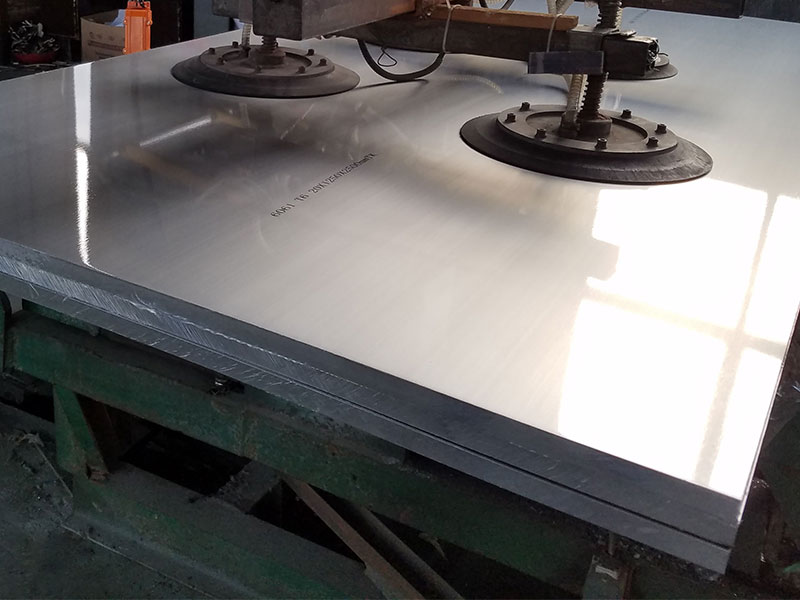
Marine heavy duty aluminum plate
Marine Heavy Duty Aluminum Plates Sheets generally refer to thick aluminum alloy plates and heavy gauge sheets produced from marine-grade alloys such as 5083, 5086, 5059, and 5383.
View Details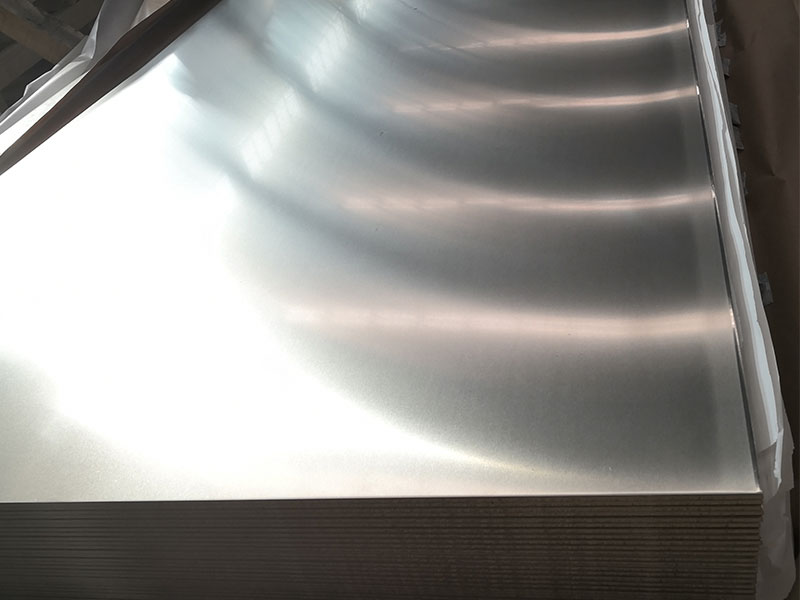
Marine 5052 aluminum plate
Marine 5052 Aluminum Plate is noted for its exceptional resistance to corrosion caused by seawater, salt spray, and marine atmospheres.
View Details
Marine 5086 aluminum plate
5086 Aluminum Plate belongs to the 5xxx series of aluminum-magnesium alloys. Its hallmark is a high magnesium content—generally between 4.0% and 4.9%—which delivers enhanced corrosion resistance, particularly against saltwater and marine atmospheric conditions.
View Details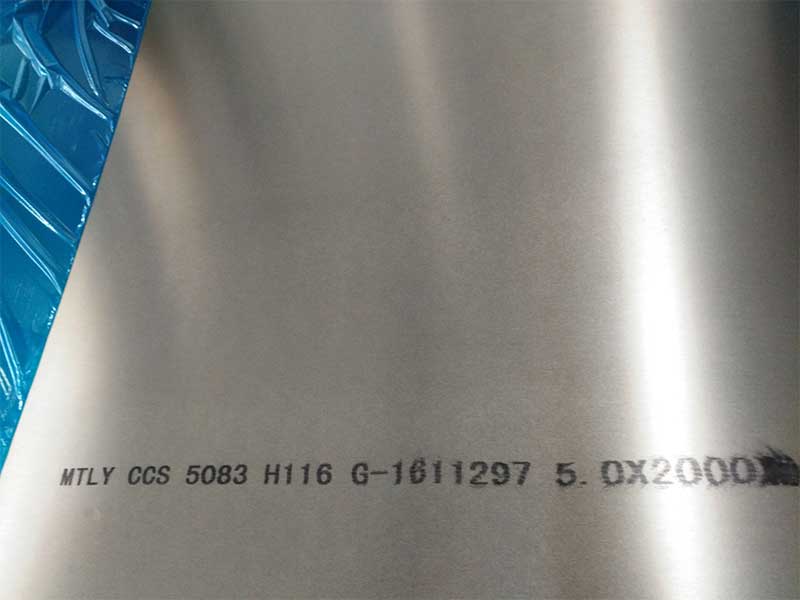
Marine 5083 aluminum plate
Marine 5083 Aluminum Plate belongs to the 5xxx series of aluminum-magnesium alloys and is classified as a non-heat-treatable alloy. Its high magnesium content (typically 4.0–4.9%) enhances its corrosion resistance, especially against seawater-related degradation such as pitting and stress corrosion cracking.
View Details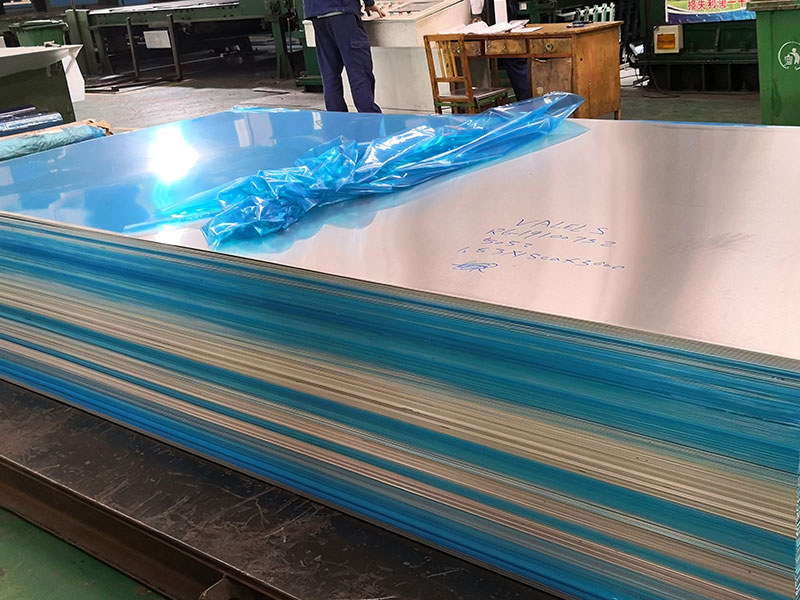
Marine 5059 aluminum plate
Marine 5059 Aluminum Plate is distinguished by its high magnesium content and carefully balanced alloying elements, designed to maximize strength without compromising corrosion resistance.
View Details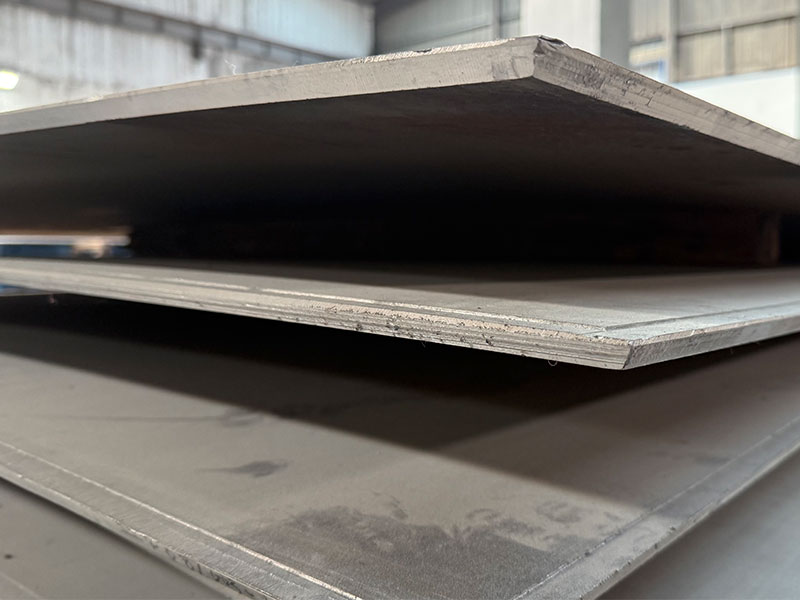
Marine aluminum steel clad plate
Aluminum / Steel Clad Plates consist of a sandwich construction in which a layer of marine-grade aluminum alloy is metallurgically bonded to a steel substrate.
View DetailsRelated Blog
Marine aluminum plate 5083 h116
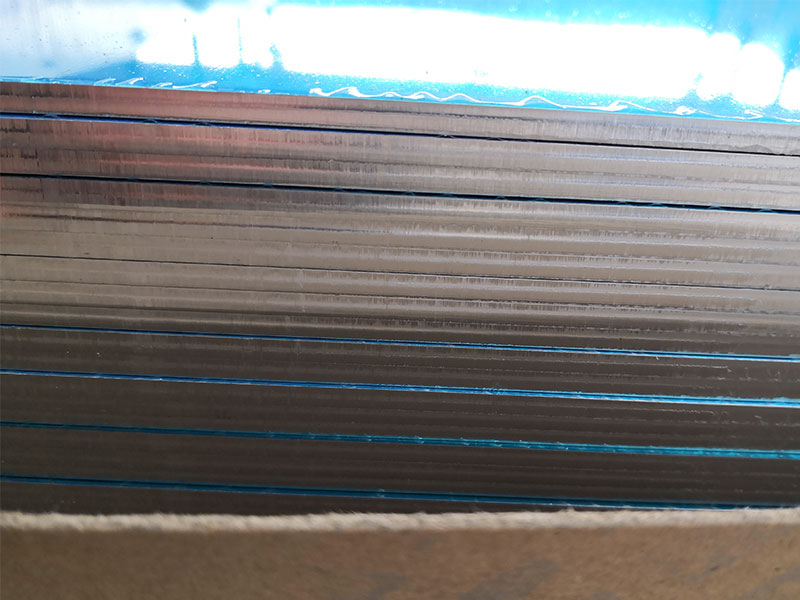
Marine aluminum isn't just "metal that doesn't rust." In real seawater service, the winning materials are those that can live comfortably in a world of chloride ions, cyclic wet/dry exposure, vibration, and welding heat.
View Details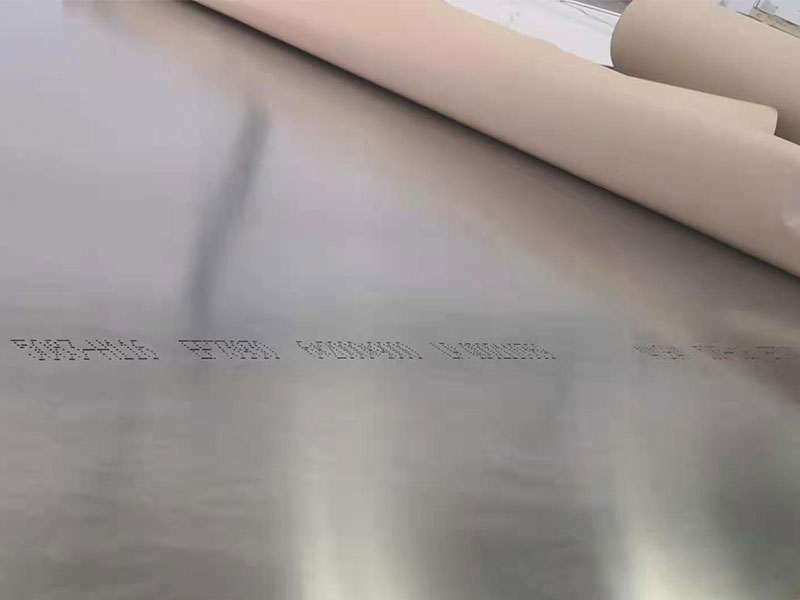
5083 hot rolled aluminium sheet plate for shipbuilding
5083 hot rolled aluminium sheet plate is a premium-grade aluminum product tailored specifically for shipbuilding applications. Renowned for its exceptional resistance to seawater corrosion, high strength, and easily weldable nature.
View Details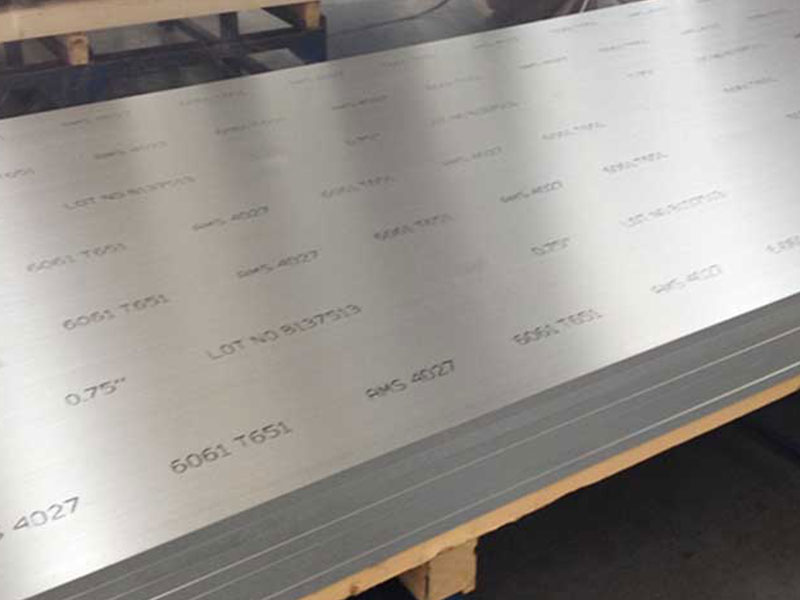
AA 5083 505 5754 aluminum sheet plate for ship building
Marine aluminum alloys such as AA 5083, 5052, and 5754 have become the backbone of modern shipbuilding due to their exceptional strength, corrosion resistance, and lightweight nature.
View Details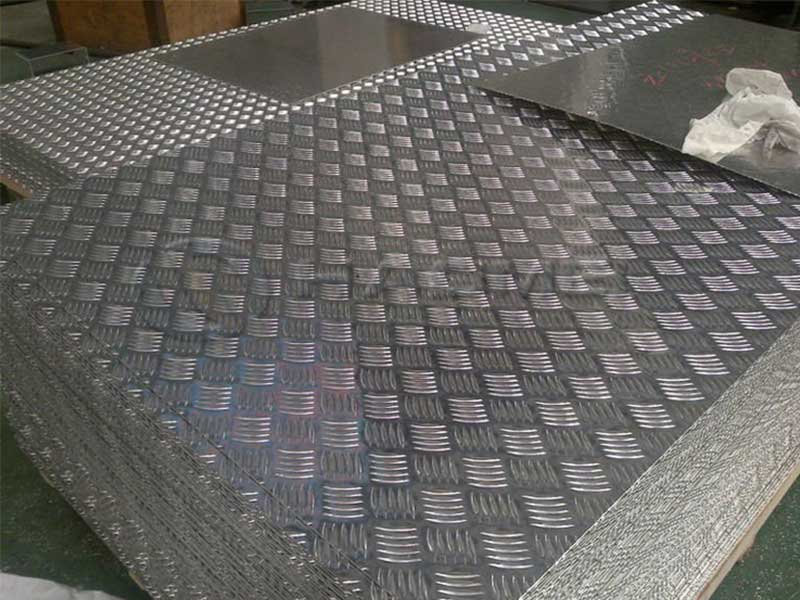
5083 H111 H112 Aluminium Alloy plate untuk Boat
Temukan keunggulan pelat aluminium 5083 H111 dan H112 untuk aplikasi kapal. Pelajari spesifikasi teknis, sifat kimia, tempering, standar implementasi, serta alasan utama pemilihannya di industri laut.
View Details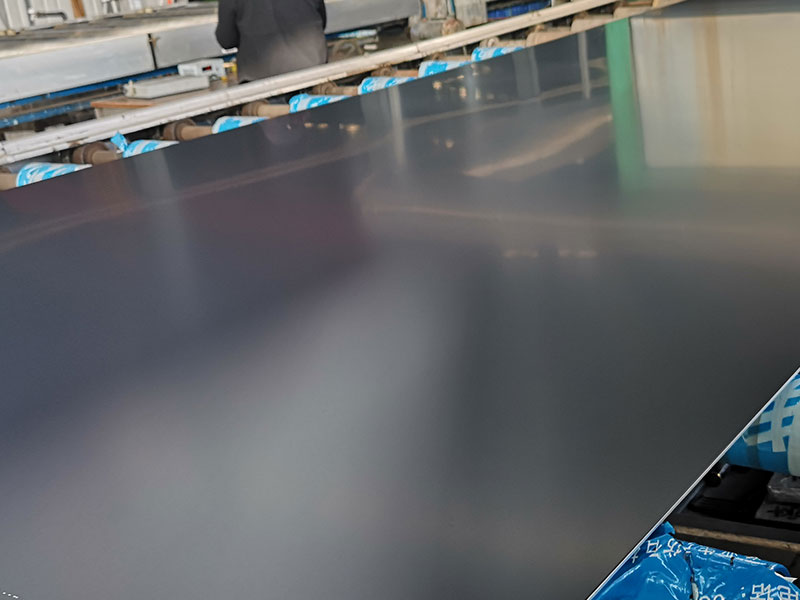
Hot Rol 5052 5083 Aluminum Plate Sheet for Boat
When it comes to marine aluminum, hot rolled 5052 and 5083 aluminum plate sheets hold a distinguished place, primarily due to their impeccable blend of strength, corrosion resistance, and formability — factors crucial for boat manufacturing.
View Details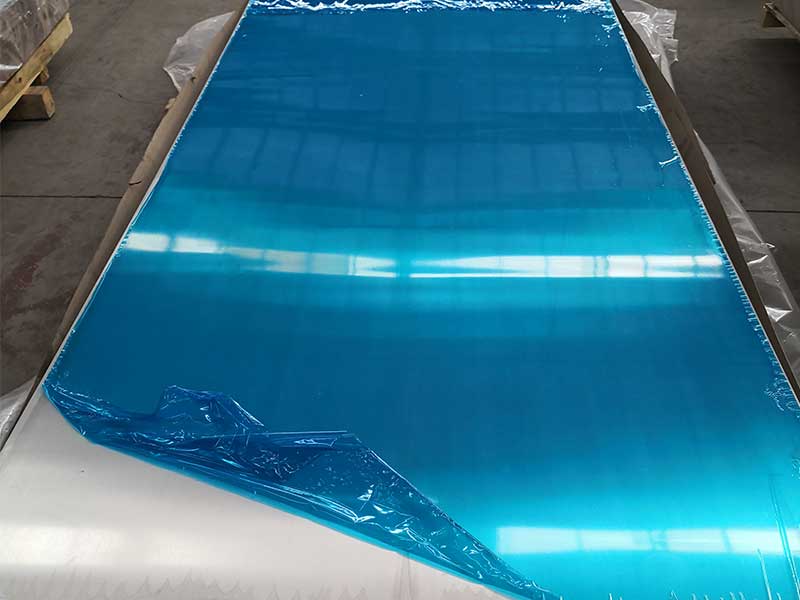
11 mm thick marine aluminium plate 5083
Marine industries demand materials that offer exceptional strength, corrosion resistance, and durability under harsh environmental conditions. The 11 mm thick marine aluminium plate 5083 is specifically designed to meet these rigorous standards.
View Details
Leave a Message