
5083 Marine Aluminum Angles
5083 marine aluminum angles are L-shaped structural profiles designed for saltwater service, welded fabrication, and long-term exposure to coastal weather. Built around an aluminum-magnesium chemistry, 5083 offers excellent resistance to seawater corrosion, strong fatigue performance, and dependable strength without heat treatment. It is a preferred choice for boat builders, shipyards, dock fabricators, and offshore equipment manufacturers that need rigid corner reinforcement, framing members, brackets, edge protection, and structural supports.
Unlike general-purpose aluminum angles, 5083 marine aluminum angles are selected where corrosion behavior matters as much as mechanical strength. The alloy performs especially well in hull structures, deck framing, bulkhead supports, marine platforms, and wet-area assemblies where spray, humidity, vibration, and welding are part of daily service.
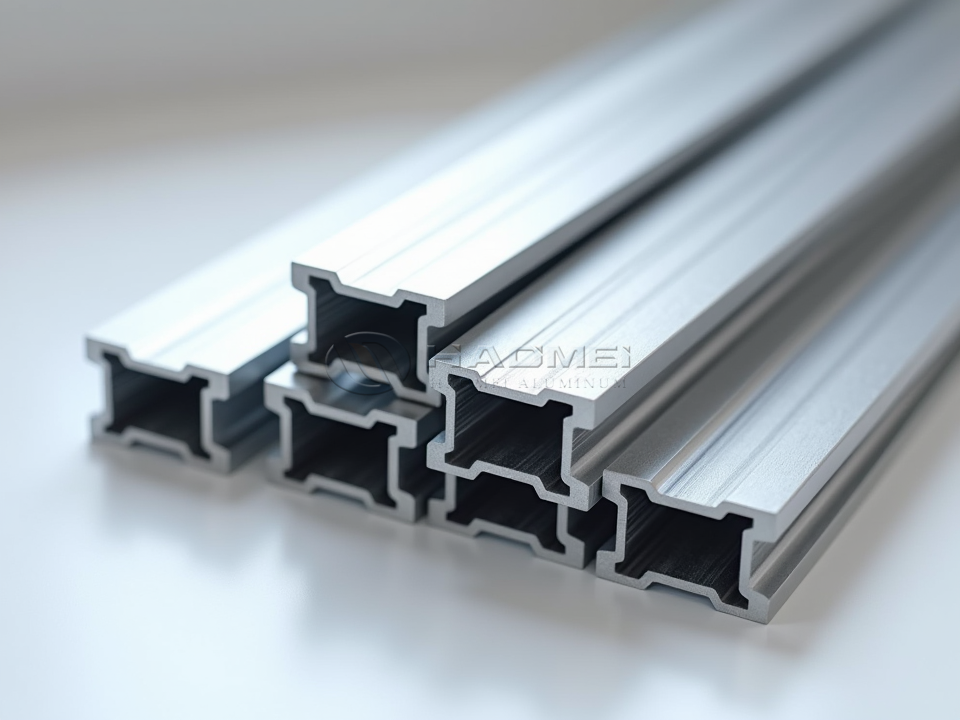
Product Characteristics
5083 belongs to the 5xxx series of non-heat-treatable aluminum alloys. Its strength comes mainly from magnesium solid-solution strengthening and controlled work hardening. Because the alloy is not strengthened by solution heat treatment, it retains good stability after welding and is easier to fabricate into robust marine structures.
| Attribute | Customer Benefit |
|---|---|
| High magnesium content | Excellent seawater and industrial atmosphere corrosion resistance |
| Non-heat-treatable alloy | Stable performance after welding and forming |
| Strong welded joint efficiency | Suitable for hulls, frames, supports, and brackets |
| Good fatigue resistance | Reliable under vibration, wave impact, and cyclic loading |
| Low density | Reduces vessel weight compared with steel structures |
| Good machinability in harder tempers | Supports drilling, cutting, countersinking, and assembly work |
| Attractive mill finish | Can be brushed, anodized, painted, or powder coated |
For related L-shaped marine sections, customers can also review Marine aluminum angles used across boat frames, deck edging, and coastal structural assemblies.
Common Shapes and Supply Forms
5083 aluminum angles can be supplied as equal-leg or unequal-leg sections. Equal-leg angles are commonly used for corner framing and general reinforcement, while unequal-leg angles are helpful where one side needs a wider fastening surface or greater load-bearing contact area.
| Profile Type | Typical Use | Common Size Range |
|---|---|---|
| Equal angle | General marine framing, brackets, corner protection | 20 x 20 mm to 150 x 150 mm |
| Unequal angle | Deck supports, bulkhead transitions, equipment bases | 30 x 20 mm to 200 x 100 mm |
| Heavy-wall angle | Structural supports, offshore walkways, load-bearing frames | 5 mm to 20 mm wall thickness |
| Light-wall angle | Trim, edge guards, small boat fittings, covers | 2 mm to 5 mm wall thickness |
| Custom cut length | Fabrication-ready shipyard components | 500 mm to 6000 mm or project length |
Chemical Composition
The corrosion resistance of 5083 comes from its balanced magnesium, manganese, and chromium content. These elements improve strength and help the alloy resist marine pitting, stress-related deterioration, and harsh atmospheric exposure.
| Element | Typical Range, % |
|---|---|
| Aluminum | Balance |
| Magnesium | 4.0-4.9 |
| Manganese | 0.40-1.00 |
| Chromium | 0.05-0.25 |
| Iron | Max 0.40 |
| Silicon | Max 0.40 |
| Zinc | Max 0.25 |
| Titanium | Max 0.15 |
| Copper | Max 0.10 |
| Other elements, each | Max 0.05 |
| Other elements, total | Max 0.15 |
Low copper content is especially important for marine service because it supports better resistance to seawater attack compared with many general structural aluminum alloys.
Technical Specifications
The values shown are typical reference data for 5083 marine aluminum angles. Final values depend on temper, section thickness, standard, inspection requirement, and production route.
| Property | Typical Value |
|---|---|
| Density | 2.66 g/cm³ |
| Elastic modulus | 70-71 GPa |
| Thermal conductivity | About 117 W/m·K |
| Electrical conductivity | About 29% IACS |
| Melting range | 570-640°C |
| Coefficient of thermal expansion | 23.8 x 10⁻⁶ /K |
| Corrosion resistance in seawater | Excellent |
| Weldability | Excellent |
| Formability | Good, temper dependent |
| Surface finish | Mill finish, brushed, anodized, coated, painted |
| Typical standards | ASTM B221, EN 755, EN 573, EN 485, project marine rules |
Temper Options
5083 marine aluminum angles are commonly ordered in tempers selected according to forming need, structural load, and marine corrosion requirements. H116 and H321 are widely recognized for marine applications because they are controlled to resist exfoliation and intergranular corrosion in aggressive environments.
| Temper | Condition Description | Typical Application |
|---|---|---|
| O | Annealed, softest condition | Forming, bending, low-stress parts |
| H111 | Slightly strain hardened during fabrication | General marine angles and welded structures |
| H112 | As-fabricated with controlled mechanical properties | Extruded or shaped sections for structural use |
| H116 | Strain hardened and stabilized for marine corrosion resistance | Hull members, offshore structures, seawater exposure |
| H321 | Strain hardened and stabilized after thermal treatment | Marine structures requiring enhanced corrosion control |
Mechanical Properties
Mechanical properties vary with thickness and temper. The table gives practical design references for commonly requested marine conditions.
| Temper | Tensile Strength, MPa | Yield Strength, MPa | Elongation, % | Notes |
|---|---|---|---|---|
| O | 275-350 | 125-200 | 12-20 | Best forming behavior |
| H111 | 275-350 | 150 min | 10-16 | Good balance of strength and fabrication |
| H112 | 270-345 | 125 min | 8-14 | Common for structural profiles |
| H116 | 305-385 | 215 min | 8-12 | Preferred for severe marine exposure |
| H321 | 305-385 | 215 min | 8-12 | Stable marine-grade performance |
Marine Applications
5083 aluminum angles are used wherever an L-shaped section can add stiffness, protect an edge, or create a secure connection between panels and frames.
| Application Area | Typical Use of 5083 Angle |
|---|---|
| Boat hulls | Stringer connections, internal frames, chine reinforcement |
| Deck systems | Deck supports, hatch frames, coaming edges, access covers |
| Bulkheads | Corner reinforcement, panel joining, structural edging |
| Offshore equipment | Walkway frames, ladder supports, equipment guards |
| Docks and pontoons | Side rails, bracing, gangway frames, mooring hardware supports |
| Marine containers | Corner supports, floor edges, corrosion-resistant framing |
| Workboats and ferries | Engine-room brackets, seat bases, utility frames |
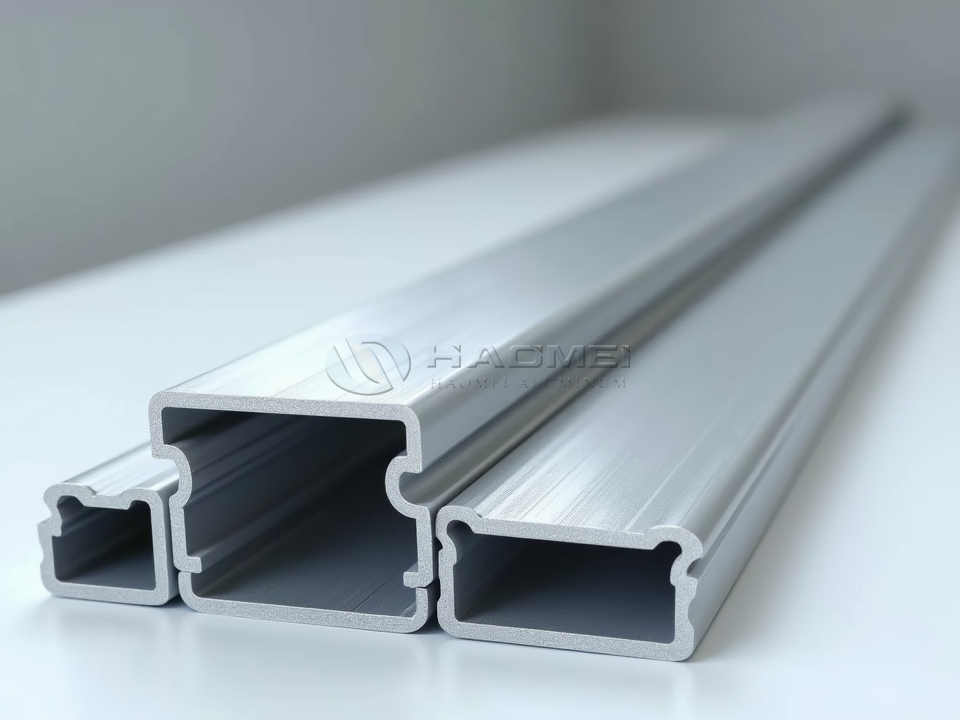
Fabrication and Welding Guidance
5083 marine aluminum angles are well suited to MIG and TIG welding. Common filler metals include 5183, 5356, and 5556, depending on strength requirement, color match, corrosion resistance, and classification approval. For heavy sections, clean joint preparation and correct heat input are important to limit distortion and preserve corrosion performance.
| Fabrication Process | Performance Guidance |
|---|---|
| Cutting | Saw cutting, CNC cutting, and abrasive cutting are suitable |
| Drilling | Use sharp tools, stable clamping, and proper lubrication |
| Welding | Excellent with correct filler and joint cleaning |
| Bending | Best in softer tempers; minimum radius depends on thickness |
| Surface treatment | Degrease and remove oxide before coating or welding |
| Fastening | Isolate from carbon steel to reduce galvanic corrosion |
For assemblies using stainless steel fasteners, insulating washers, sealants, or compatible coatings are recommended. In wet bilge areas or splash zones, drainage design and crevice avoidance help extend service life.
Surface Finish and Corrosion Protection
5083 already provides strong marine corrosion resistance in mill finish, but surface treatment can improve appearance, cleanability, and long-term protection. Brushed or polished finishes are common for visible boat hardware, while painting and powder coating are preferred where color matching or extra barrier protection is required.
| Finish Option | Purpose |
|---|---|
| Mill finish | Practical, economical, suitable for hidden structures |
| Brushed finish | Decorative marine trim and visible edges |
| Anodized finish | Improved surface hardness and appearance |
| Powder coating | Color control and added barrier protection |
| Marine paint system | Best for harsh exterior and offshore exposure |
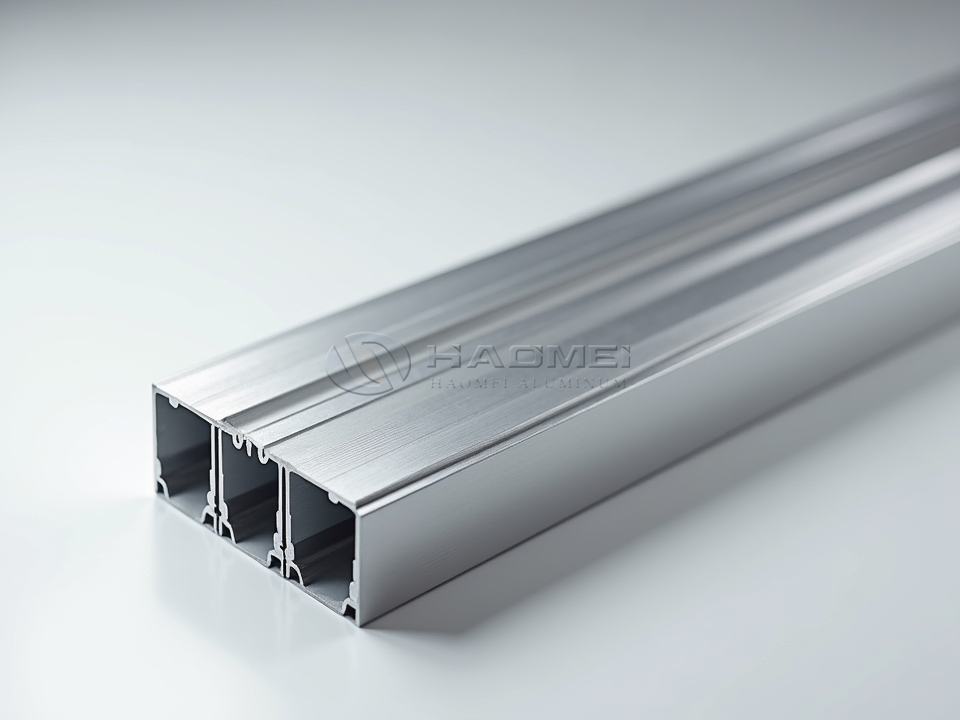
Selection Guide
Choosing the right 5083 marine aluminum angle depends on load, exposure level, welding plan, and installation method.
| Selection Factor | Recommended Consideration |
|---|---|
| Leg size | Match contact area, fastening space, and structural span |
| Wall thickness | Increase thickness for vibration, impact, or heavy equipment loads |
| Temper | Use H116 or H321 for more demanding seawater exposure |
| Length tolerance | Specify cut-to-length requirements for efficient fabrication |
| Certification | Request mill test certificates or marine class documents if needed |
| Surface finish | Select coating or anodizing based on visibility and corrosion zone |
Why Choose 5083 Marine Aluminum Angles
5083 marine aluminum angles offer a strong combination of weight savings, corrosion resistance, weldability, and structural durability. They are especially valuable in shipbuilding and coastal fabrication because they keep working in wet, salty, vibrating environments where ordinary metals may corrode quickly or require frequent maintenance.
For customers building boats, pontoons, docks, offshore platforms, or marine equipment, 5083 aluminum angles provide dependable reinforcement in a simple, easy-to-install profile. With the right temper, thickness, finish, and fabrication practice, they deliver long service life and clean structural performance in demanding marine conditions.

Related Products
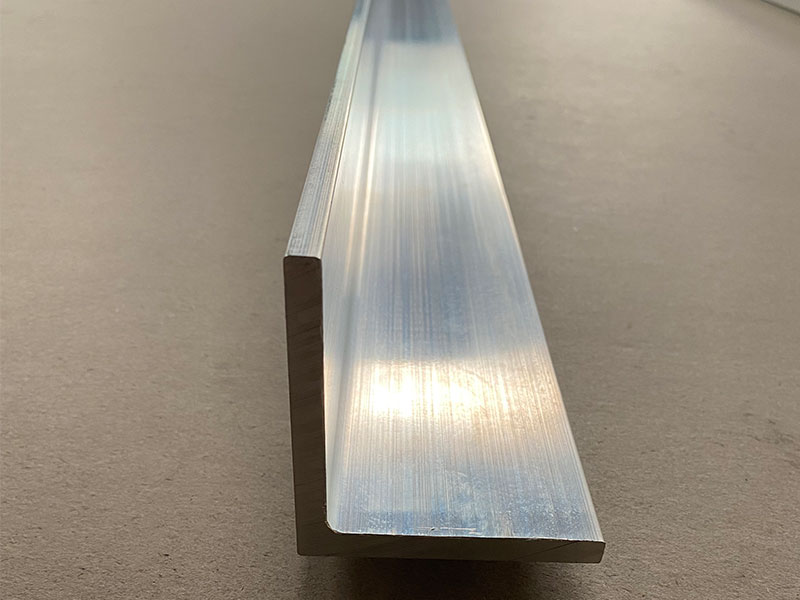
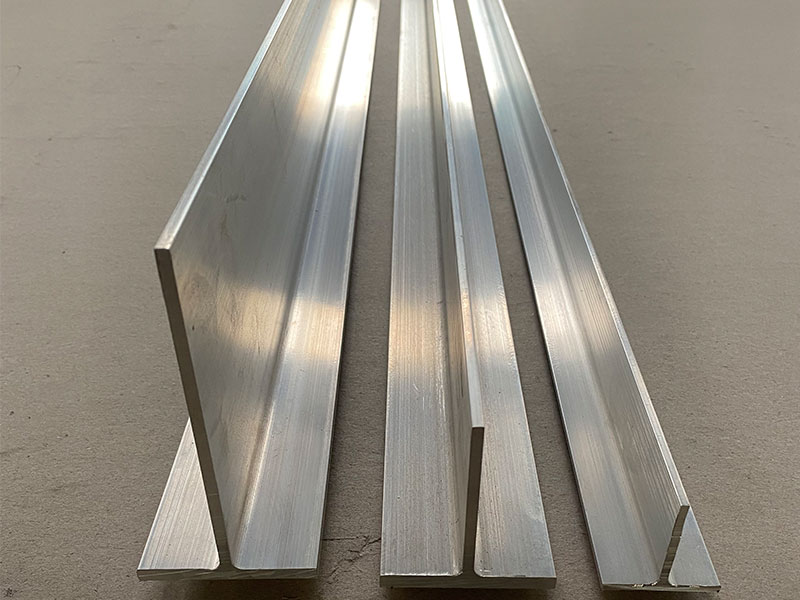
Marine aluminum angles
Marine Aluminum Angles are L-shaped cross-sectional aluminum profiles produced from marine-grade aluminum alloys such as 5083, 5052, and 6061.
View Details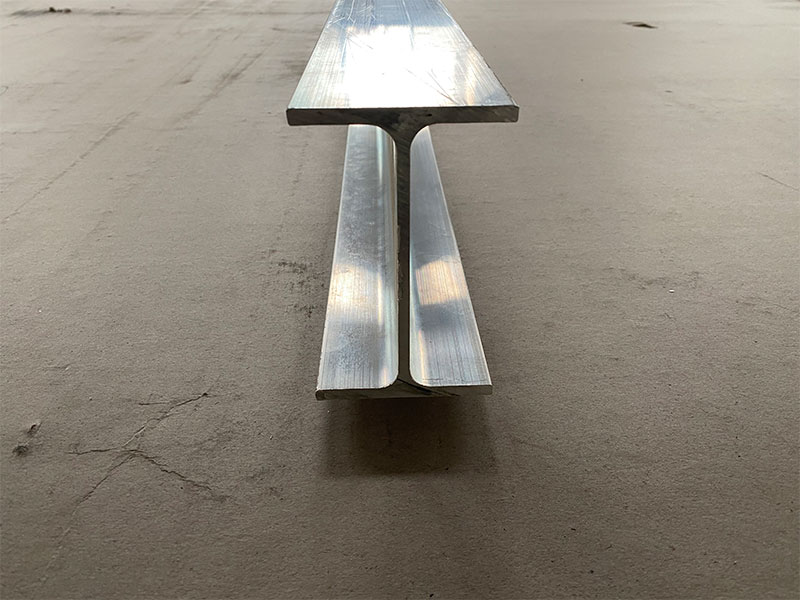
Marine aluminum Z-shaped sections
Marine Aluminum Z-shaped Sections are fabricated from premium marine-grade aluminum alloys such as 5083, 5052, and 6061. These alloys are well-regarded for their superior corrosion resistance in seawater and marine atmospheres, along with good mechanical strength and excellent weldability.
View Details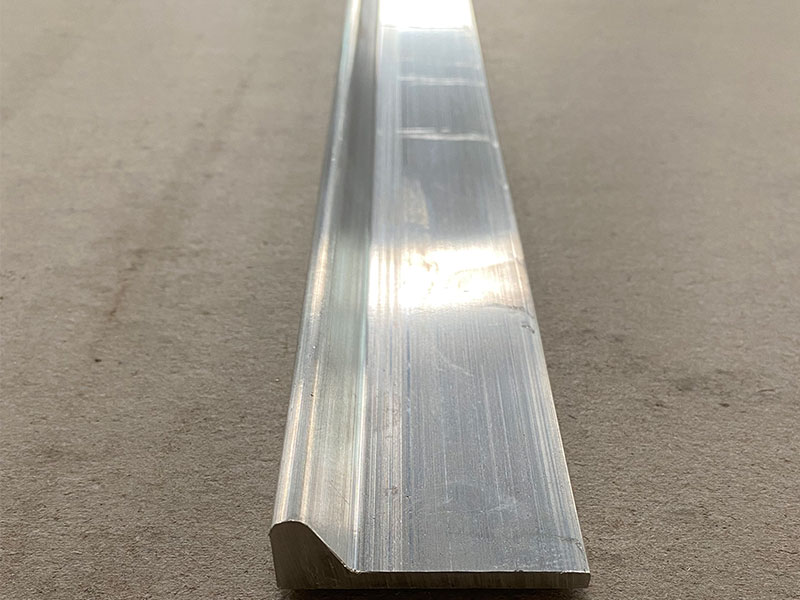
Marine aluminum I-beams
Marine Aluminum I-Beams feature the traditional “I” cross-sectional profile fabricated from marine-grade aluminum alloys like 5083, 5086, and 6061. These alloys are renowned for their outstanding corrosion resistance, especially in saltwater and marine atmospheres, making them ideal for offshore and naval construction.
View Details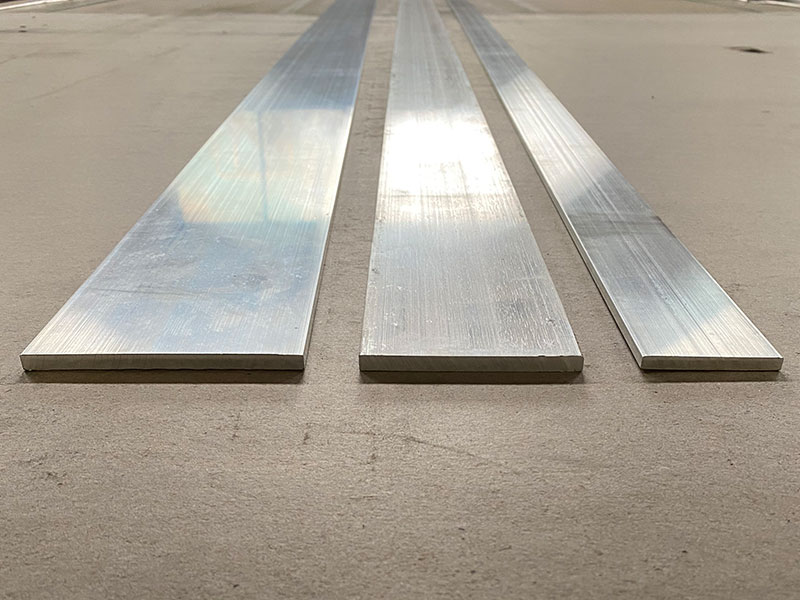
6061 T6 marine aluminum flat bar
6061 aluminum is classified as a heat-treatable 6xxx series alloy, alloyed primarily with magnesium and silicon. The T6 temper designation indicates that the flat bar has been solution heat-treated and artificially aged to achieve optimum strength and hardness.
View Details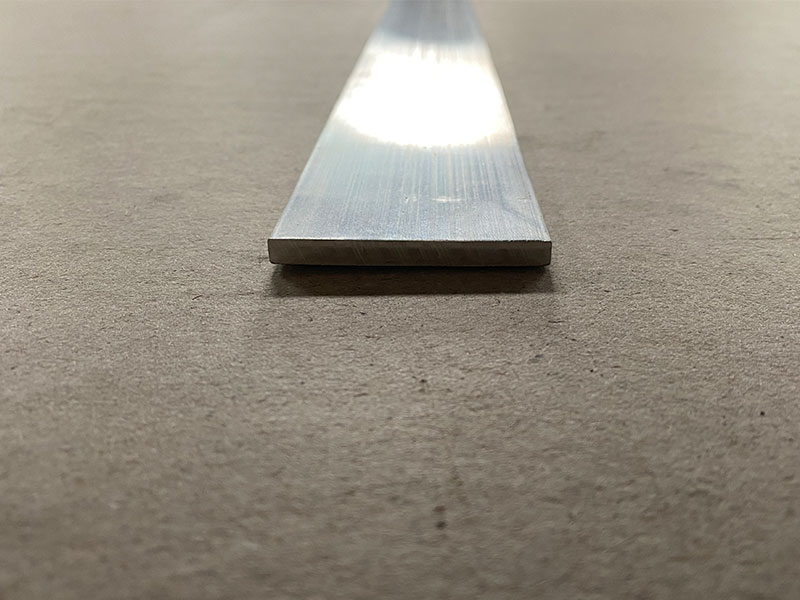
5083 marine aluminum flat bar
5083 aluminum flat bars belong to the 5xxx series of aluminum-magnesium alloys, known primarily for their superior resistance to seawater corrosion and salt spray.
View Details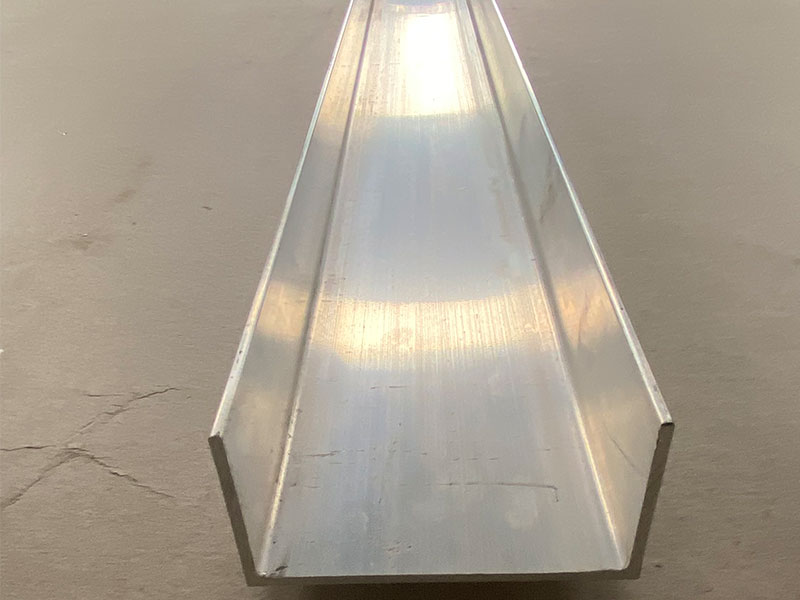
Marine aluminum channels
Marine Aluminum Channels are U-shaped aluminum profiles produced from alloys such as 5083, 5052, and 6061, known for their excellent marine corrosion resistance and superior mechanical strength.
View DetailsRelated Blog
6061 Marine Aluminum Round Bar for Custom Marine Frame Fabrication
Marine environments are unforgiving — they demand resilience, lightweight strength, and excellent corrosion resistance from the materials we use in boat and frame fabrication.
View Details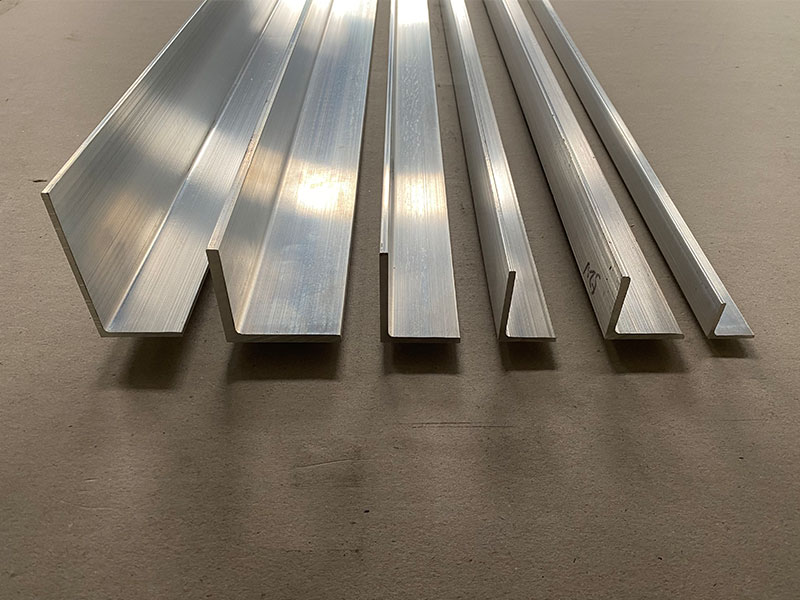
Marine Aluminum Round Bar for Custom Offshore Platform Fabrication
In the realm of offshore engineering, material selection is critical to ensuring the longevity, safety, and performance of marine structures.
View Details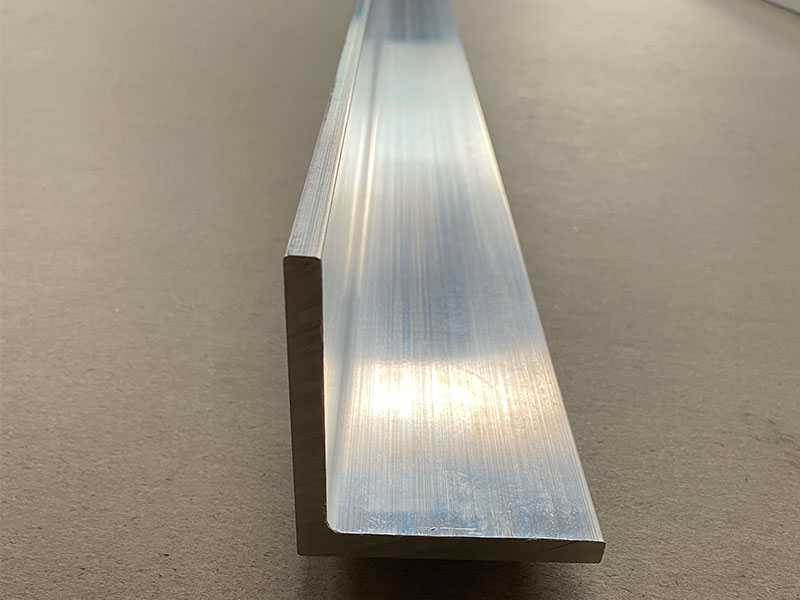
6061 Marine Aluminum Z Shaped Sections for Custom Boat Deck Parts
6061 marine aluminum Z shaped sections are engineered profiles used to build strong, lightweight deck structures-especially where you need a step, offset, or flange for fastening.
View Details
6061 Marine Aluminum Z Shaped Sections for Marine Frame Customization
In the marine industry's relentless quest for durability, corrosion resistance, and structural integrity, 6061 Marine Aluminum stands out as a premier choice—especially when customized in Z shaped sections for marine frameworks.
View Details
6061 Marine Aluminum I Beams for Marine Frame and Hull Customization
When it comes to marine applications, the selection of materials is critical. An imbalance can not only affect the aesthetics of a vessel but compromise its safety and functionality as well.
View Details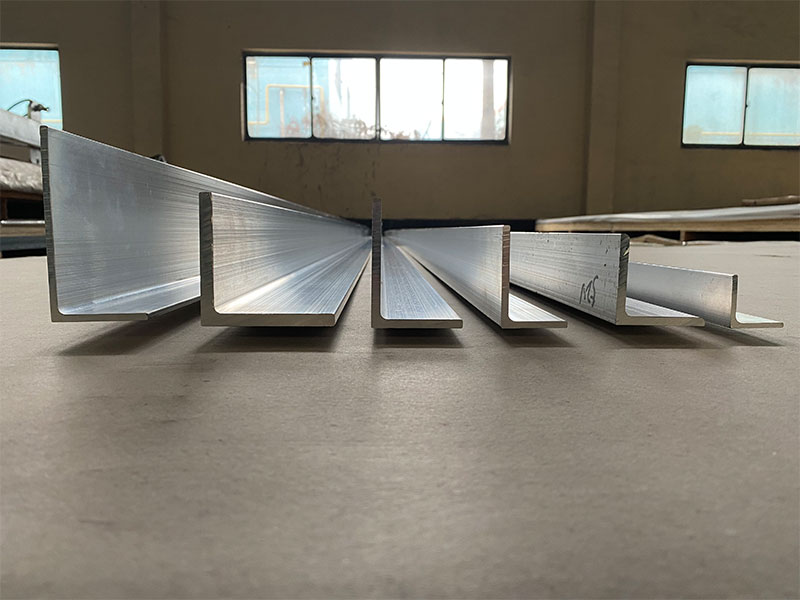
Marine Aluminum Rod & Bar for High Performance Boat Construction
In the demanding field of high performance boat construction, material selection is critical to achieving the perfect balance of strength, weight, corrosion resistance, and durability.
View Details
Leave a Message