
Marine Aluminum Plate
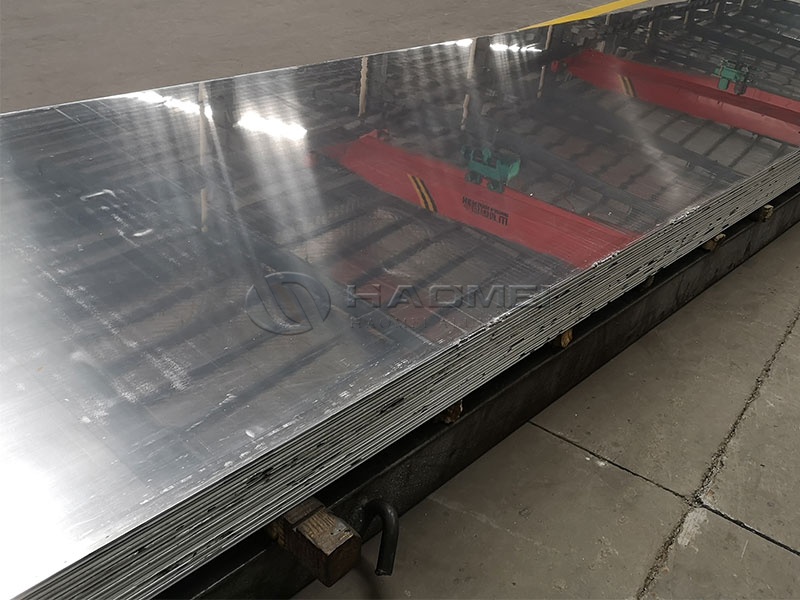
Marine aluminum plate is a high-performance aluminum product engineered for long-term service in saltwater, humid, and coastal environments. It is widely used in shipbuilding, fishing vessels, yachts, patrol boats, workboats, offshore platforms, docks, and marine equipment. Compared with conventional steel, marine-grade aluminum reduces structural weight while providing excellent corrosion resistance, fabrication efficiency, and dependable welded performance.
The most commonly selected marine alloys belong to the 5xxx aluminum-magnesium series, especially 5052, 5083, 5086, 5383, and 5454. These alloys are non-heat-treatable and gain strength through controlled strain hardening. Their magnesium content creates strong resistance to seawater corrosion, making them suitable for hull plating and other exposed structural components.
Performance Advantages
Marine aluminum plate offers a practical balance of strength, low density, corrosion resistance, and workability. Its density is approximately one-third that of steel, enabling lighter vessels with improved payload capacity, fuel efficiency, acceleration, and draft control. A lower-weight structure can also simplify lifting, installation, and transport during vessel fabrication.
| Property | Marine Aluminum Plate Benefit |
|---|---|
| Seawater corrosion resistance | Performs reliably in salt spray, marine atmosphere, and wet service conditions |
| Lightweight construction | Reduces vessel mass and supports greater cargo or passenger capacity |
| Weldability | Compatible with common MIG and TIG welding processes |
| Strength-to-weight ratio | Supports durable hull and deck structures without excessive weight |
| Low-temperature performance | Retains toughness in cold marine environments |
| Formability | Can be bent, cut, machined, and formed for complex vessel components |
| Recyclability | Aluminum scrap retains high recovery value after service life |
Unlike carbon steel, aluminum does not require heavy paint systems solely to prevent rust. Protective coatings, anodizing, or marine paint may still be used where appearance, abrasion resistance, antifouling performance, or galvanic isolation is required.
Common Marine Alloys and Tempers
Alloy choice depends on structural loading, plate thickness, forming requirements, corrosion exposure, and welding design. 5083 and 5086 are preferred for highly loaded welded structures, while 5052 is frequently chosen for interior panels, tanks, trims, and moderately loaded components.
| Alloy | Typical Tempers | Main Characteristics | Common Marine Uses |
|---|---|---|---|
| 5052 | O, H32, H34 | Good corrosion resistance and excellent forming ability | Fuel tanks, interior panels, cabinets, deck fittings |
| 5083 | O, H111, H116, H321 | High strength and outstanding seawater resistance | Hulls, bottoms, side plating, bulkheads, offshore structures |
| 5086 | O, H32, H111, H116 | Strong welded performance and marine corrosion resistance | Hull plates, decks, superstructures, workboats |
| 5383 | H116, H321 | Higher strength option for demanding structures | High-speed vessels, large hull panels, naval applications |
| 5454 | O, H32, H34 | Good strength with elevated-temperature stability | Tanks, pressure vessels, marine vehicle components |
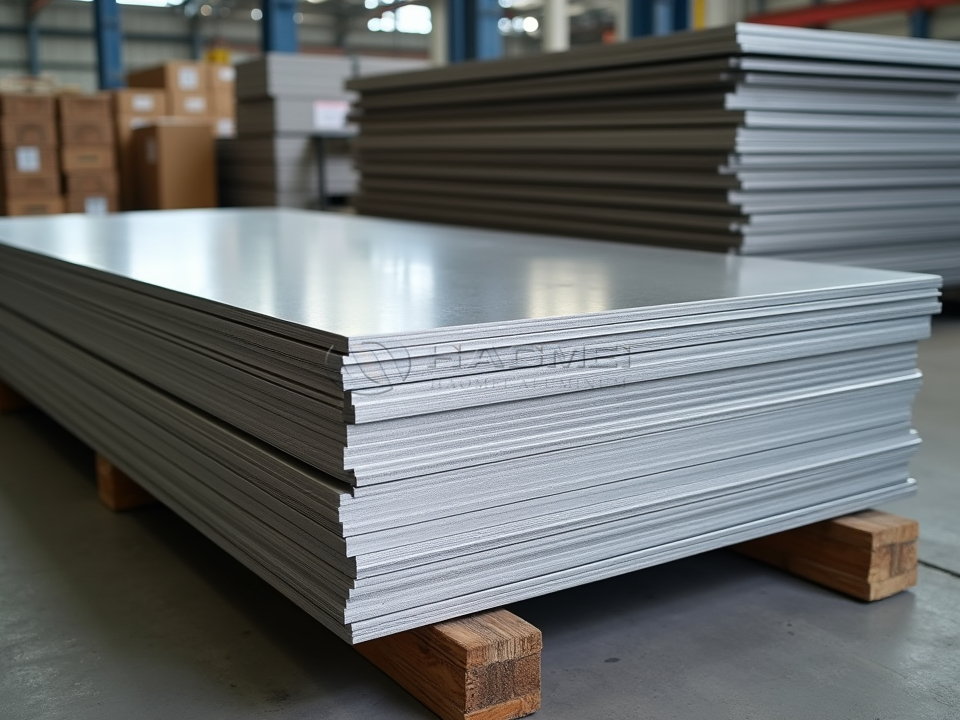
For heavy-duty boat hull fabrication, Marine 5083 aluminum sheet is often specified because it provides an excellent combination of strength, weldability, and resistance to exfoliation corrosion in marine service.
Chemical Composition
The chemical composition of 5xxx marine aluminum plate is controlled to achieve corrosion resistance and mechanical stability. Magnesium is the primary strengthening element, while manganese supports strength and grain structure control. Values shown are typical composition limits in percent by weight.
| Alloy | Mg | Mn | Si | Fe | Cu | Cr | Zn | Ti | Al |
|---|---|---|---|---|---|---|---|---|---|
| 5052 | 2.2-2.8 | 0.10 max | 0.25 max | 0.40 max | 0.10 max | 0.15-0.35 | 0.10 max | 0.10 max | Balance |
| 5083 | 4.0-4.9 | 0.40-1.0 | 0.40 max | 0.40 max | 0.10 max | 0.05-0.25 | 0.25 max | 0.15 max | Balance |
| 5086 | 3.5-4.5 | 0.20-0.7 | 0.40 max | 0.50 max | 0.10 max | 0.05-0.25 | 0.25 max | 0.15 max | Balance |
| 5454 | 2.4-3.0 | 0.50-1.0 | 0.25 max | 0.40 max | 0.10 max | 0.05-0.20 | 0.25 max | 0.20 max | Balance |
Mechanical Properties
Mechanical values vary with alloy, temper, thickness, and applicable standard. The figures in this table provide general reference data for commonly supplied plate conditions.
| Alloy and Temper | Tensile Strength, MPa | Yield Strength, MPa | Elongation, % | Typical Structural Role |
|---|---|---|---|---|
| 5052-H32 | 210-260 | 130 minimum | 10-12 | Panels, tanks, light deck components |
| 5052-H34 | 230-280 | 160 minimum | 8-10 | Formed marine sheet parts |
| 5083-O | 270-350 | 125 minimum | 16 minimum | Formed heavy plate and welded hull sections |
| 5083-H116 | 305-385 | 215 minimum | 10 minimum | Hull plating and offshore structures |
| 5083-H321 | 305-385 | 215 minimum | 10 minimum | High-strength welded marine structures |
| 5086-H116 | 290-360 | 205 minimum | 10 minimum | Hulls, decks, and superstructures |
Dimensions and Supply Range
Marine aluminum plate can be supplied in standard sizes or cut-to-length formats for efficient nesting and reduced fabrication scrap. Wider plates are useful for hull sections because fewer welded seams can improve fabrication productivity and reduce distortion risk.
| Parameter | Typical Supply Range |
|---|---|
| Thickness | 1.0 mm to 200 mm |
| Width | 1,000 mm to 2,600 mm |
| Length | 2,000 mm to 12,000 mm or custom cut length |
| Surface | Mill finish, brushed, PVC-coated, treated surface |
| Plate form | Hot-rolled plate, cold-rolled sheet, cut plate |
| Temper options | O, H111, H112, H116, H32, H34, H321 |
| Standards | ASTM B928, ASTM B209, EN 485, EN 573, EN 10204 |
| Certification options | Mill test certificate, third-party inspection, classification documentation |
Marine Applications
Marine aluminum plate is used wherever low weight and resistance to saltwater exposure are essential. 5083-H116 and 5086-H116 are commonly applied to external hull structures because these tempers are designed for enhanced resistance to intergranular and exfoliation corrosion.
| Application Area | Recommended Alloys | Typical Components |
|---|---|---|
| Boat hulls | 5083, 5086, 5383 | Bottom plating, side shells, bow sections |
| Deck systems | 5083, 5086, 5052 | Walkways, deck plates, hatches, platforms |
| Superstructures | 5052, 5083, 5086 | Wheelhouses, cabin walls, roofs, rail supports |
| Tanks | 5052, 5083, 5454 | Fuel tanks, water tanks, storage tanks |
| Offshore equipment | 5083, 5086 | Access platforms, ladders, frames, enclosures |
| Docks and gangways | 5052, 5083, 6061 | Floating dock structures, ramps, boarding systems |
Fabrication and Service Considerations
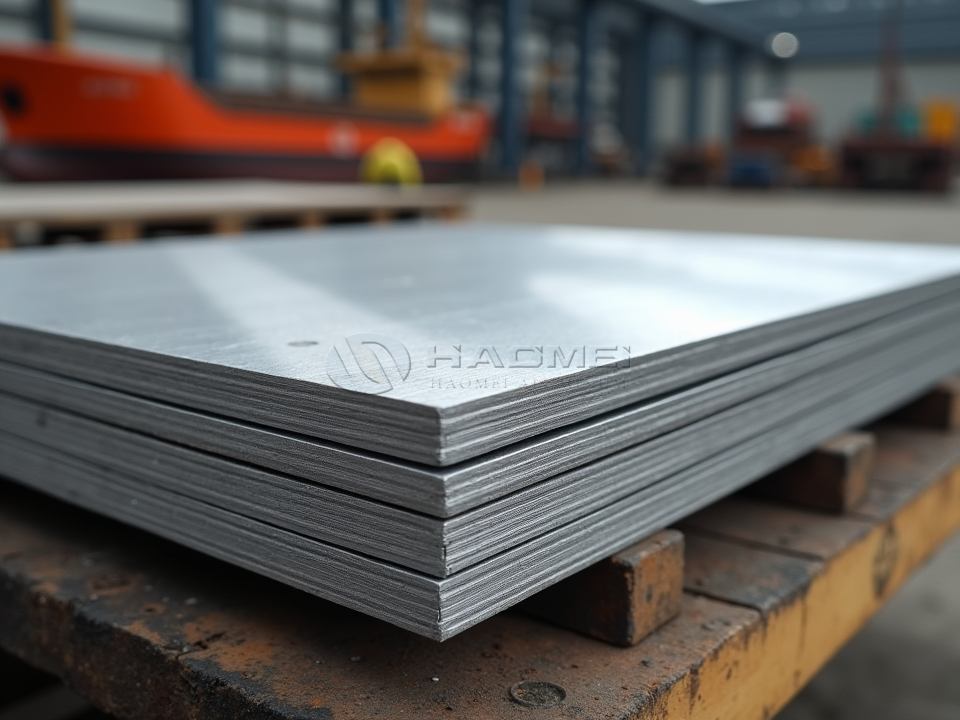
Marine aluminum plate is readily processed by sawing, CNC machining, waterjet cutting, plasma cutting, bending, and rolling. MIG welding is frequently selected for thick plate production, while TIG welding is often used for detailed components and thinner material. Filler alloys such as 5183, 5356, and 5556 are commonly matched with 5083 and 5086 base metals according to joint design and service requirements.
Welded areas should be cleaned carefully to remove moisture, chloride deposits, oil, and oxide contamination. Galvanic corrosion must also be controlled when aluminum contacts stainless steel, copper alloys, or carbon steel. Insulating tapes, gaskets, sealants, coated fasteners, and proper drainage design help protect the assembly in long-term marine service.
Marine aluminum plate provides a durable foundation for lightweight vessels and corrosion-resistant offshore equipment. Selecting the appropriate alloy, temper, thickness, and surface condition ensures dependable fabrication performance and a long operating life in demanding saltwater environments.

Related Products
Marine anodized aluminum sheets
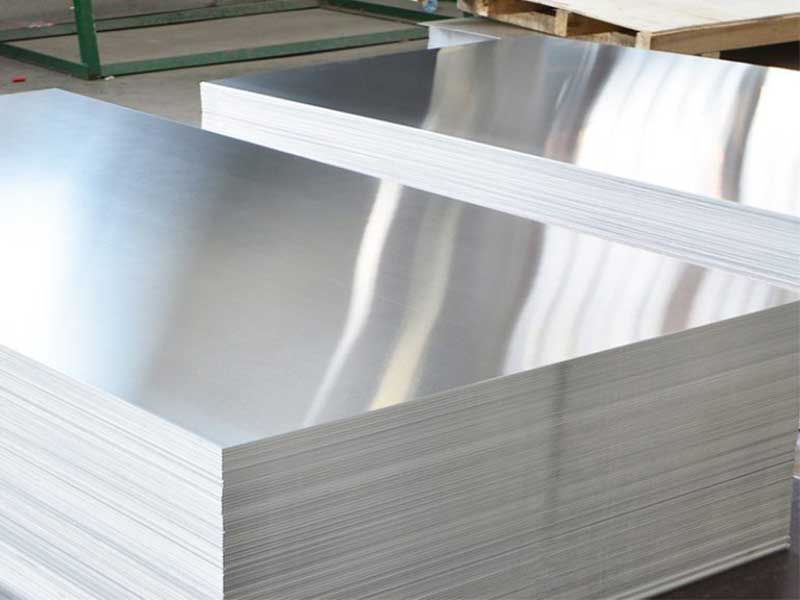
Marine Anodized Aluminum Sheets start with premium marine-grade aluminum alloys such as 5000 and 6000 series (typically 5083, 5052, and 6061).
View Details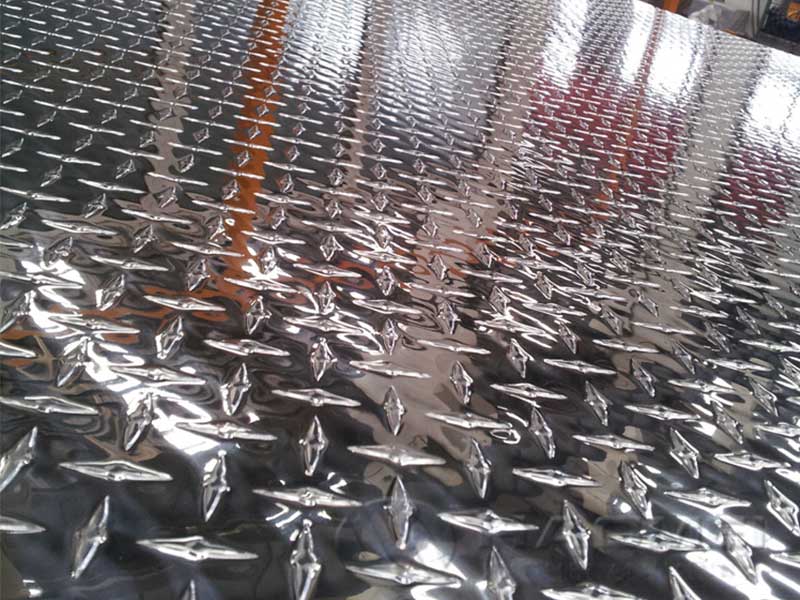
Marine Aluminum Tread Sheets
Marine Aluminum Tread Sheets are aluminum alloy plates featuring a raised surface pattern, commonly referred to as a tread design or diamond plate.
View Details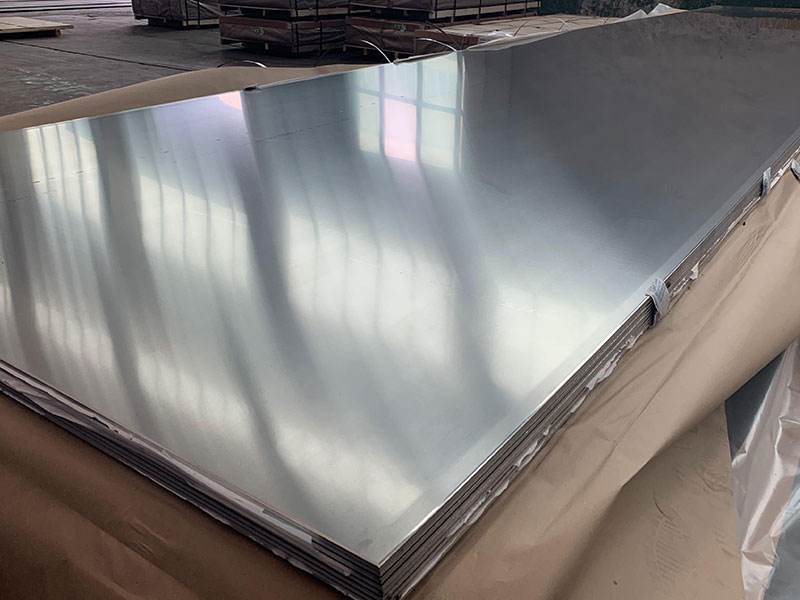
Marine 5086 aluminum sheet
This product article provides an in-depth and comprehensive understanding of Marine 5086 Aluminum Sheets, including their chemical composition, mechanical properties, corrosion resistance, fabrication capabilities, and typical marine applications.
View Details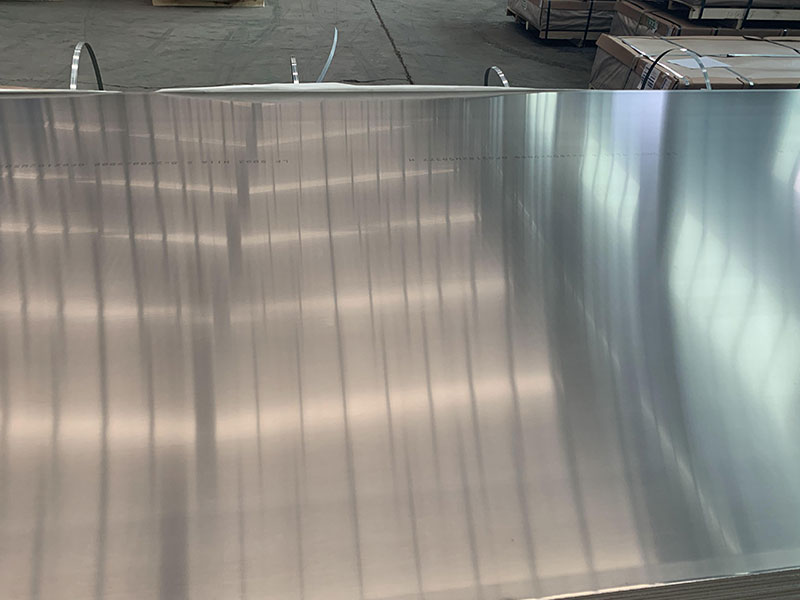
Marine 5383 aluminum sheet
5383 aluminum is a strain-hardened, non-heat-treatable alloy from the 5xxx series primarily alloyed with magnesium. It exhibits a unique balance of corrosion resistance and mechanical properties particularly suited for marine applications.
View Details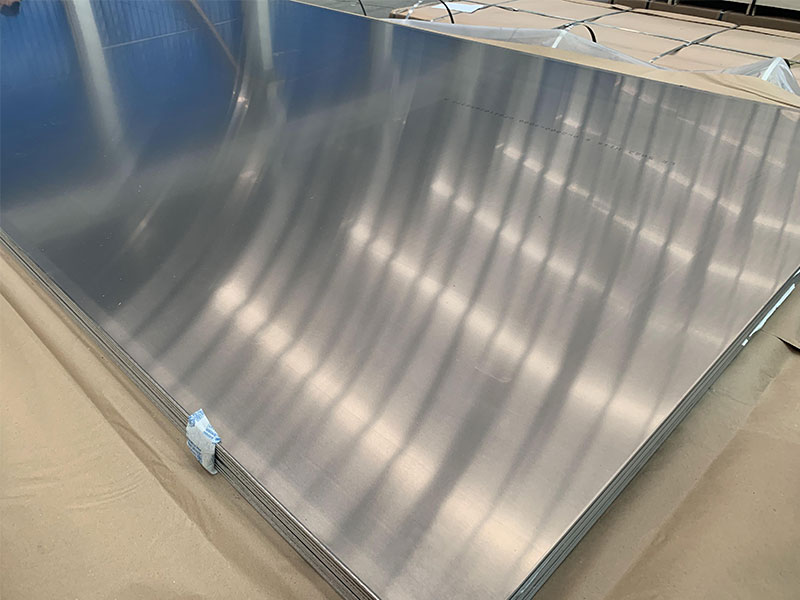
Marine 5052 aluminum sheet
Aluminum alloy 5052 is a non-heat-treatable, strain-hardened alloy with magnesium as the primary alloying element. It is designed to offer superior corrosion resistance in marine and saline environments, making it a dependable choice for components exposed directly to seawater or coastal atmospheric conditions.
View Details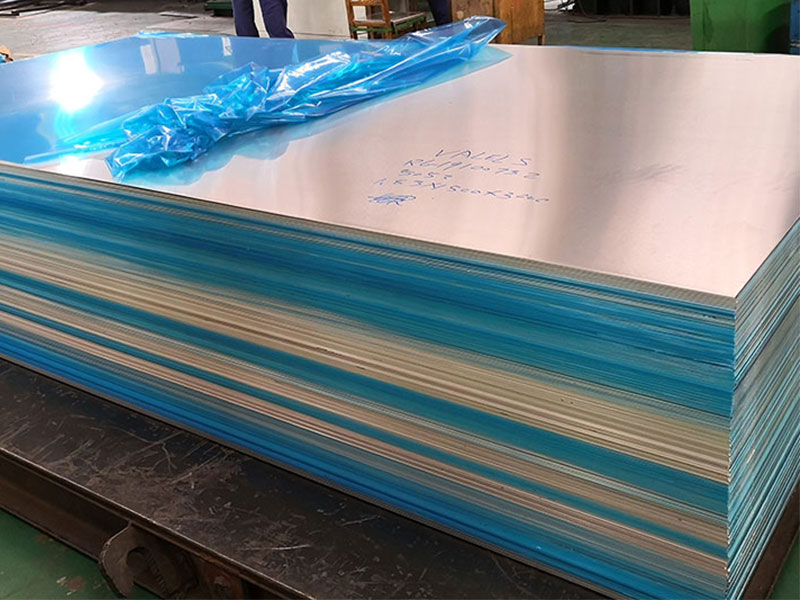
Marine 5059 aluminum sheet
5059 aluminum alloy is a strain-hardened material with a unique addition of magnesium and chromium, which provides outstanding resistance to localized corrosion like pitting and stress corrosion cracking.
View DetailsRelated Blog
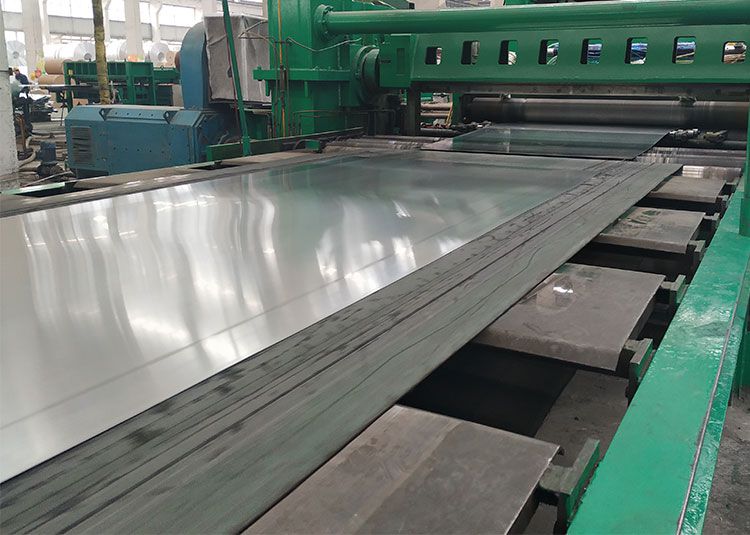
Marine grade aluminum for ship building aluminium sheet 5052 h111
Superior strength, corrosion resistance, and durability of marine grade aluminum 5052 H111 aluminum sheets, ideal for shipbuilding applications requiring high fatigue strength and excellent seawater performance.
View Details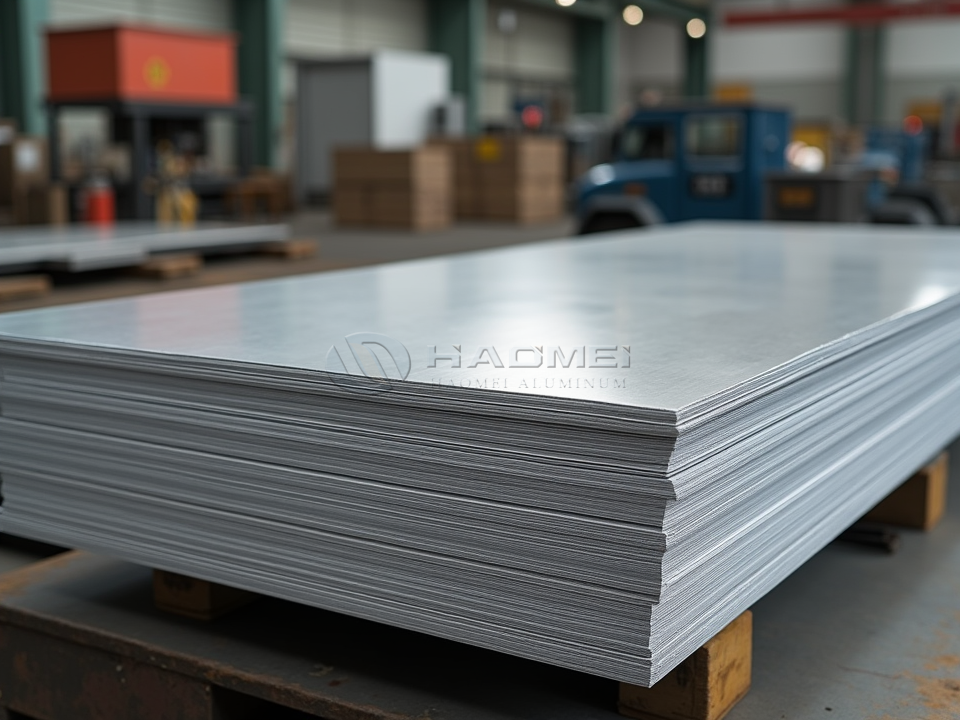
Marine Anodized Aluminum Sheet 5086 5052 H34
Marine anodized 5086 and 5052 H34 aluminum sheets deliver corrosion resistance, durable finishes, and dependable performance for boats.
View Details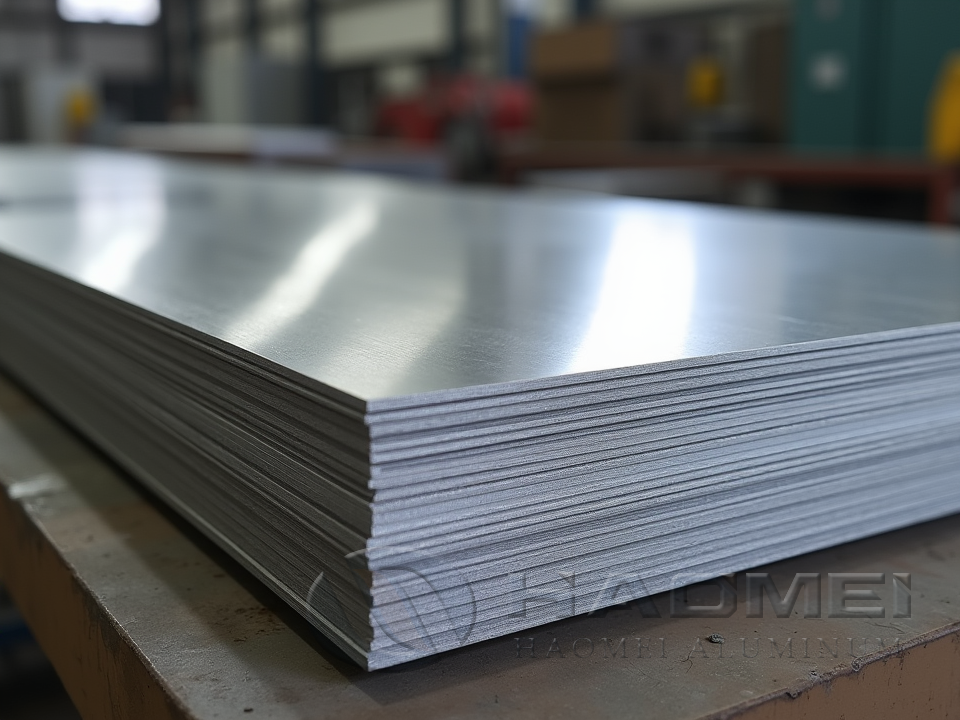
5083 Marine Heavy Duty Aluminum Plate
Practical guidance on 5083 marine heavy duty aluminum plate, covering strength, corrosion behavior, tempers, welding, sizing, and purchase checks for shipyards.
View Details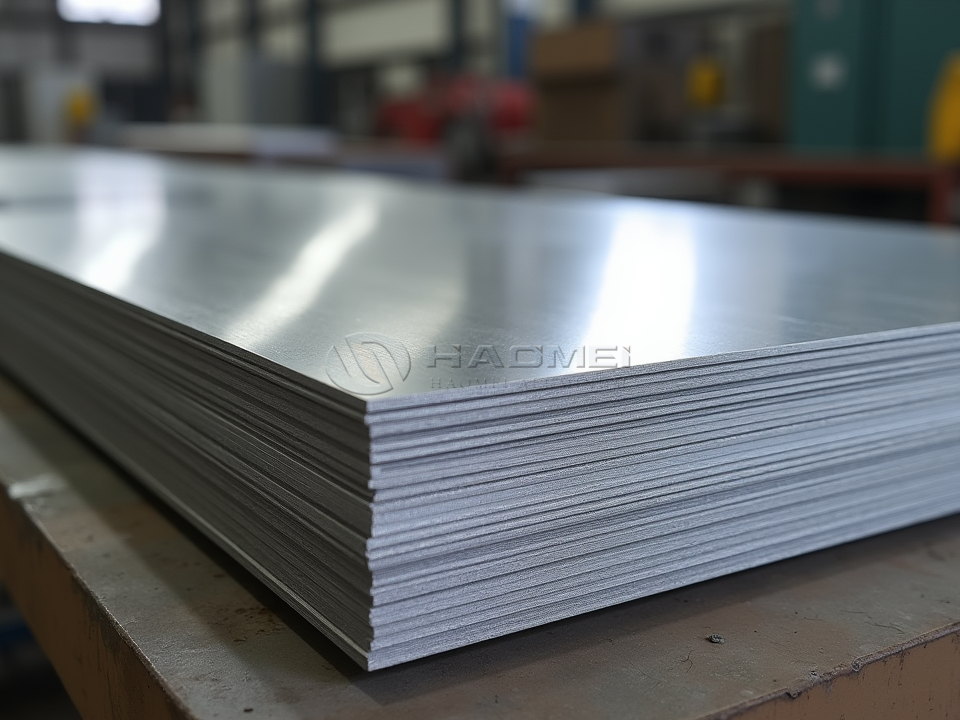
Ship Building Aluminum Plate 5083 H116 For Boat
5083 H116 ship building aluminum plate for boat hulls, covering standards, temper, properties, chemical composition, sizes, welding, corrosion and use.
View Details
Marine 5059 aluminum sheet
Marine applications demand materials that can withstand harsh environmental conditions while providing exceptional performance. Among the multitude of aluminum alloys available, the Marine 5059 aluminum sheet stands out as a premier choice.
View Details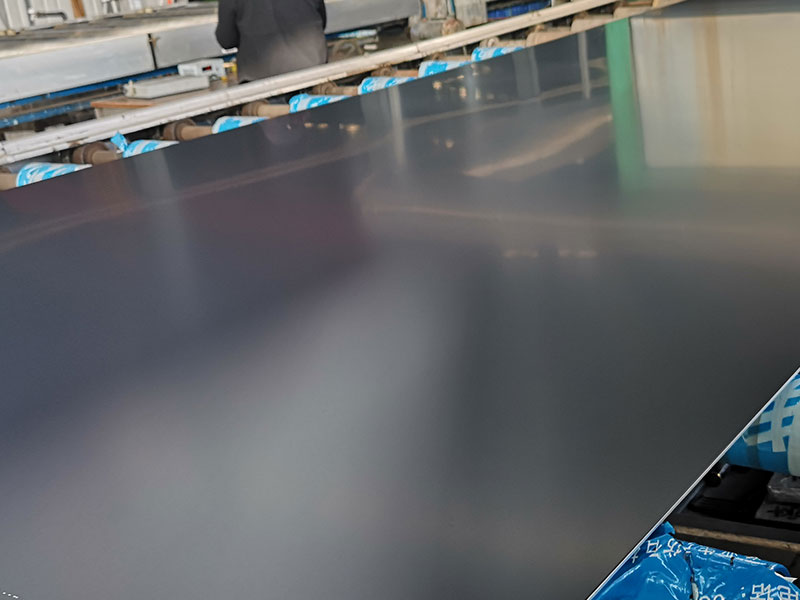
1060 aluminum sheet for boat
When it comes to selecting materials for boat manufacturing, durability, corrosion resistance, and lightweight properties are paramount. 1060 aluminum sheet is an excellent choice widely used in marine environments.
View Details
Leave a Message