
Marine Grade 5083 Aluminum Plate
A boat is not judged only on launch day. Its real test begins after thousands of hours in salt spray, vibration, wet bilges, thermal cycling, impacts, and repeated loading. From this practical viewpoint, marine grade 5083 aluminum plate is valued not simply as a strong alloy, but as a material that remains dependable throughout the working life of a vessel.
5083 belongs to the 5xxx aluminum-magnesium family. Its magnesium-rich composition gives it high strength among non-heat-treatable aluminum alloys, together with excellent resistance to seawater corrosion. These qualities make it a familiar choice for commercial workboats, fishing vessels, patrol craft, ferries, landing craft, yachts, offshore structures, and tank applications.

Think Beyond Plate Thickness
When customers specify aluminum for a hull, the first question is often thickness. Thickness matters, but it tells only part of the story. A plate that is thick enough but poorly suited to saltwater exposure, welding, or fatigue can create expensive problems later. Marine grade 5083 aluminum plate is selected because it balances several demands that operate at the same time.
It provides substantial mechanical strength for bottom plating, side shells, bulkheads, decks, frames, and structural members. It is also far lighter than steel, helping builders reduce displacement or use the saved weight for payload, fuel, equipment, insulation, and comfort features. Less weight can improve acceleration, draft, fuel economy, and handling, depending on vessel design.
More importantly, 5083 performs well in the places where boats spend their lives: wet, salty, poorly ventilated, and mechanically active environments. Its natural oxide layer provides durable protection, while the alloy's composition supports strong resistance to general seawater attack.
Corrosion Resistance Is a System, Not a Promise
Marine grade does not mean corrosion-proof under every condition. Even 5083 needs intelligent design and responsible fabrication. Standing water, deposits of salt and dirt, contact with copper-bearing metals, inadequate drainage, and poorly insulated stainless-steel fittings can all increase corrosion risk.
The most successful aluminum vessels treat corrosion control as a system. Drainage paths should be clear. Bilges should be accessible for cleaning. Dissimilar metals need proper isolation. Water-trapping overlaps and unsealed crevices should be avoided whenever possible. Protective coatings may be appropriate in splash zones, bilges, or areas exposed to abrasive cargo.
For hull plating, tempers such as H116 and H321 are frequently specified because they are designed for marine exposure and provide resistance to exfoliation corrosion. The selected temper should match the intended plate thickness, forming requirements, welding plan, and certification standard.
A quality Marine 5083 aluminum sheet program should provide clear traceability, including alloy, temper, dimensions, applicable standard, test documentation, and surface condition. This paperwork is not merely administrative. It helps shipyards confirm that the material placed on the cutting table matches the vessel's engineering requirements.
Welding Changes the Material Conversation
For welded aluminum boats, the alloy should be judged by what happens after welding, not just by the properties printed for the parent plate. Heat from welding softens work-hardened material adjacent to the weld. This heat-affected zone must be considered in structural calculations and joint design.
5083 has a strong reputation for weldability. Common filler alloys include 5183, 5356, and, in selected applications, 5556. The best choice depends on the base metal, service temperature, required joint properties, corrosion considerations, and the welding procedure used by the fabricator.
Good welding practice includes clean plate edges, dry consumables, controlled heat input, correctly prepared joints, and protection from contamination. Steel grinding dust, oily handling surfaces, and moisture can undermine the appearance and performance of aluminum welds. A clean fabrication environment is one of the most affordable ways to protect a marine project.

Choosing Between H116, H321, and O Temper
Temper selection is where a plate order becomes a vessel-building decision. H116 and H321 are popular for marine structural plate because they combine useful strength with corrosion performance in seawater service. They are commonly used in hull sides, bottom plating, decks, superstructures, and major structural panels.
The O temper is fully annealed and comparatively soft. It is often preferred where substantial forming is required, such as curved sections, pressed parts, or components with tight radii. Its lower strength means that designers must account for this condition, but its forming behavior can save time and reduce cracking risk during fabrication.
H116 generally suits plate intended for marine applications where corrosion resistance and stable mechanical properties are essential. H321 is stabilized after strain hardening and is also widely used for welded marine structures. Neither temper is automatically better in every case. Vessel geometry, classification requirements, expected service environment, and fabrication method should guide the decision.
Plate Flatness Affects More Than Appearance
A flat plate can make cutting, nesting, bending, and welding more predictable. Poor flatness creates fit-up gaps, increases clamping time, and can contribute to distortion during welding. For builders producing large hull panels or precision-cut kits, consistent dimensions and plate flatness can influence labor cost as much as material price.
Customers should clarify required width, length, thickness tolerance, flatness expectations, and surface finish before placing an order. Standard mill surfaces are appropriate for many structural uses, while protective film or careful interleaving can be useful for visible architectural or interior marine panels.
Large formats may reduce welded seams and simplify panel construction, but they also require suitable handling equipment. Consider crane capacity, storage racks, cutting-bed dimensions, and the safe movement of plates through the workshop. The right plate size is the one that supports efficient production without creating unnecessary handling risks.
Where 5083 Fits Best on a Vessel
Marine grade 5083 aluminum plate is especially suitable for components where structural strength and seawater resistance meet. Typical uses include hull bottoms, side plating, transoms, bulkheads, decks, engine-room boundaries, deckhouses, fuel tanks, fish holds, ramps, and offshore access structures.
It is not necessary to use 5083 for every aluminum part on board. Lighter-duty interior panels, trim, or non-structural covers may be better served by other alloys. For example, builders often compare 5083 with 5052 where formability and economical sheet use are priorities, or with 5086 where similar marine performance is desired in specific thicknesses and tempers. A broader range of Marine Grade Aluminum Sheets can help align each vessel zone with the right material.
Purchase for Service Life, Not Just for Today
The lowest plate price can become costly if the material arrives with uncertain temper, incomplete certificates, unsuitable dimensions, edge damage, or inconsistent surface quality. A more useful purchasing question is: will this plate help the yard build a reliable vessel with minimal rework?
Before ordering, confirm the alloy and temper, thickness range, plate size, governing standard, inspection documents, intended application, and delivery protection. If the vessel will operate in cold waters, carry heavy cargo, or face repeated impact loading, share those conditions with the material source and naval architect. These details influence both plate selection and structural design.
Marine grade 5083 aluminum plate earns its place because it is built for reality. It handles the demands of saltwater, supports efficient welded construction, reduces vessel weight, and gives designers a strong platform for durable marine structures. When alloy, temper, welding practice, and corrosion control work together, 5083 becomes more than plate stock. It becomes part of a vessel's long-term reliability.


Related Products
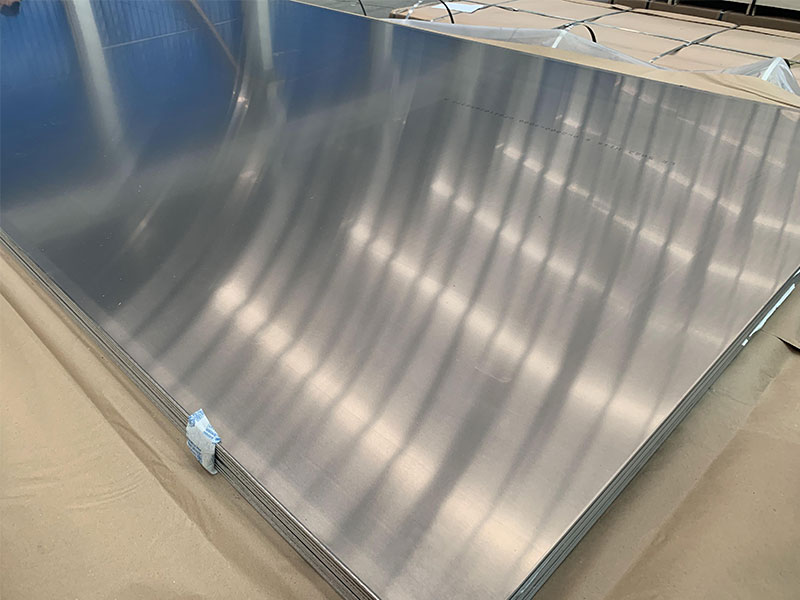
Marine 5052 aluminum sheet
Aluminum alloy 5052 is a non-heat-treatable, strain-hardened alloy with magnesium as the primary alloying element. It is designed to offer superior corrosion resistance in marine and saline environments, making it a dependable choice for components exposed directly to seawater or coastal atmospheric conditions.
View Details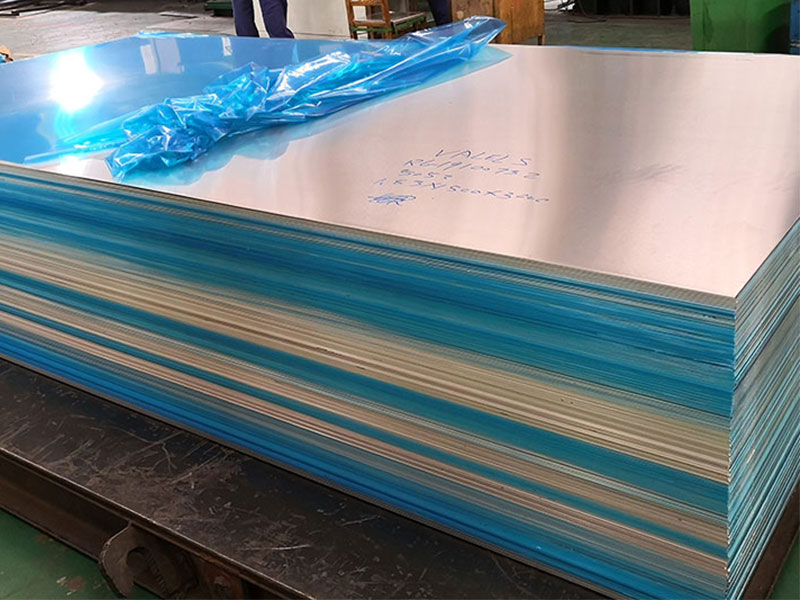
Marine 5059 aluminum sheet
5059 aluminum alloy is a strain-hardened material with a unique addition of magnesium and chromium, which provides outstanding resistance to localized corrosion like pitting and stress corrosion cracking.
View Details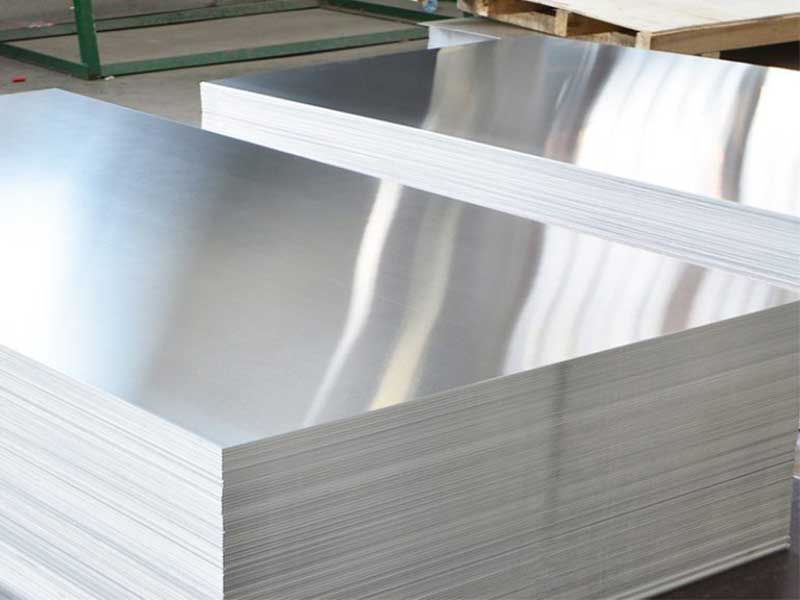
Marine anodized aluminum sheets
Marine Anodized Aluminum Sheets start with premium marine-grade aluminum alloys such as 5000 and 6000 series (typically 5083, 5052, and 6061).
View Details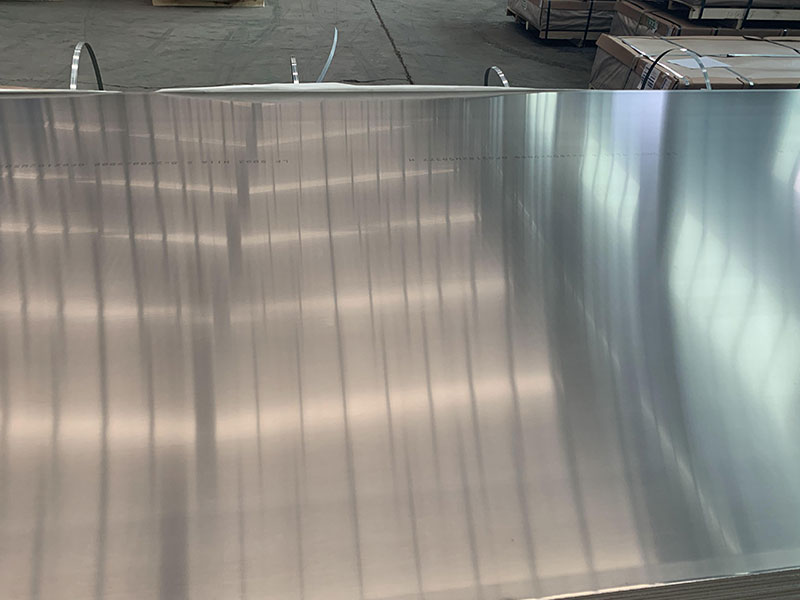
Marine 5383 aluminum sheet
5383 aluminum is a strain-hardened, non-heat-treatable alloy from the 5xxx series primarily alloyed with magnesium. It exhibits a unique balance of corrosion resistance and mechanical properties particularly suited for marine applications.
View Details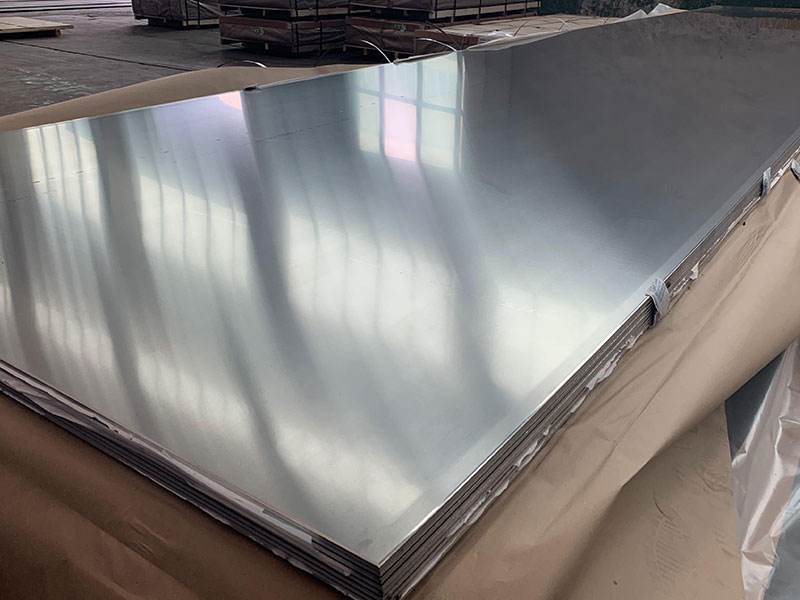
Marine 5086 aluminum sheet
This product article provides an in-depth and comprehensive understanding of Marine 5086 Aluminum Sheets, including their chemical composition, mechanical properties, corrosion resistance, fabrication capabilities, and typical marine applications.
View Details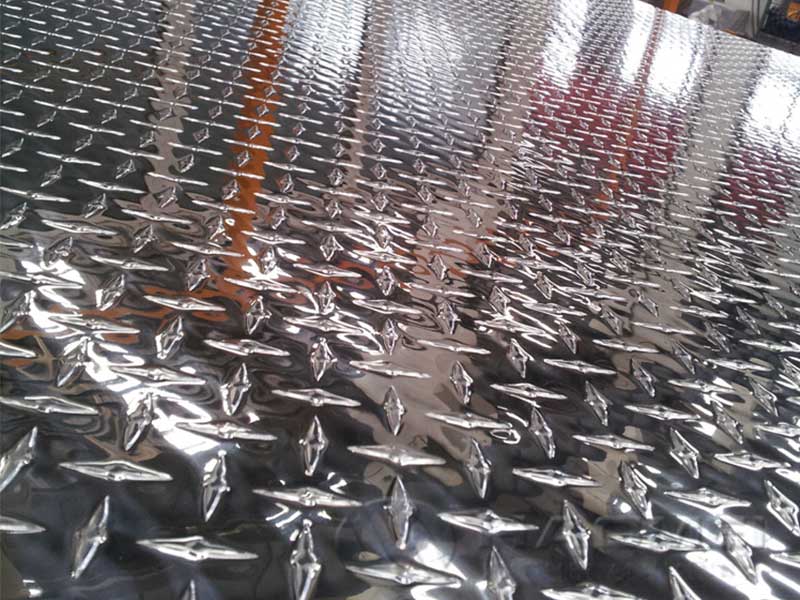
Marine Aluminum Tread Sheets
Marine Aluminum Tread Sheets are aluminum alloy plates featuring a raised surface pattern, commonly referred to as a tread design or diamond plate.
View DetailsRelated Blog
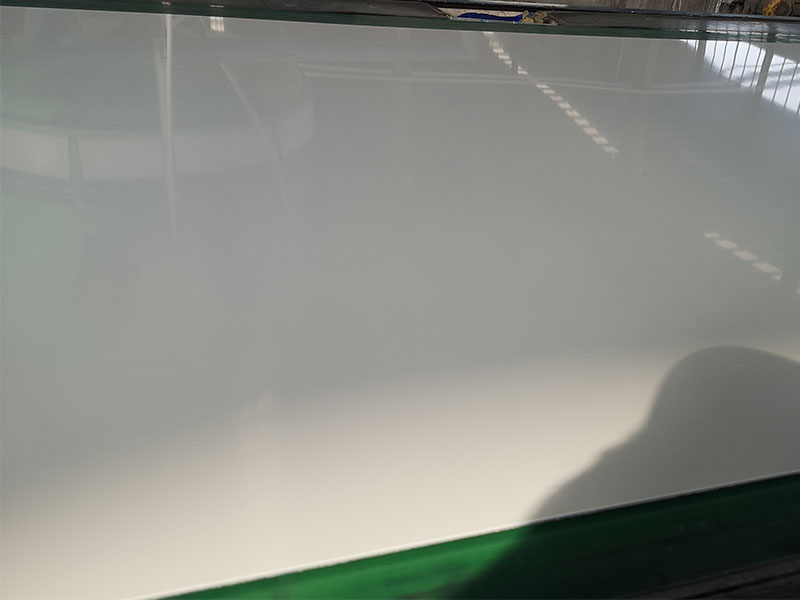
Aluminum sheet 5754 O H111 H112 Marine Grade
Aluminum sheet 5754 O H111 H112 is a high-performance marine-grade aluminum alloy widely used in the marine industry. Renowned for its excellent corrosion resistance and mechanical properties.
View Details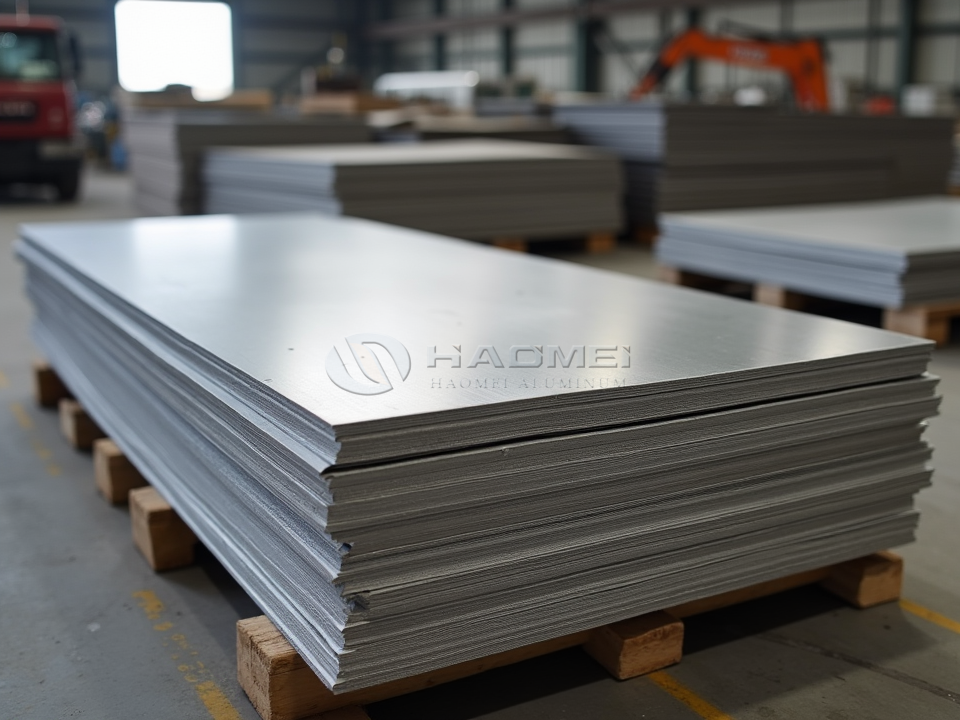
5059 Marine Aluminum Sheet
Learn how 5059 marine aluminum sheet supports lighter hulls, welded structures, corrosion resistance, class-approved fabrication, and long service life.
View Details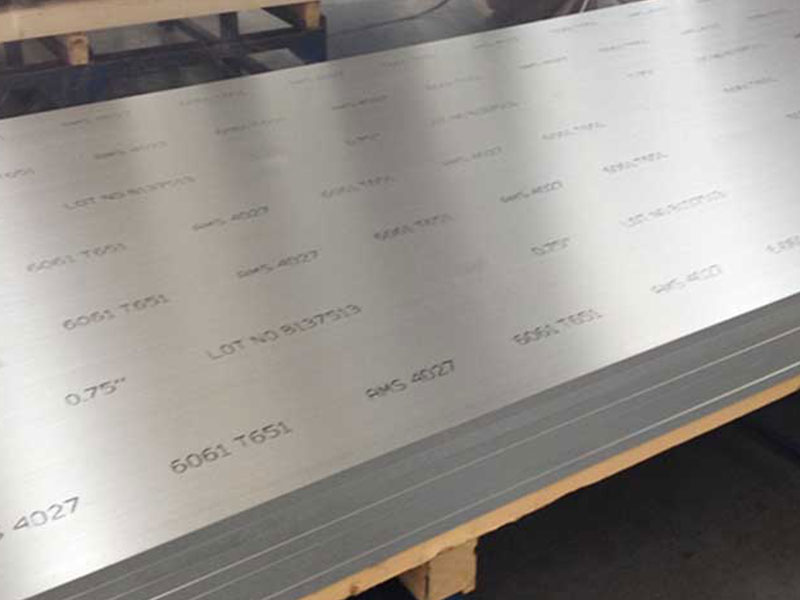
5052 5083 alloy 16 gauge aluminum sheet for boat building
5052 Aluminum Alloy5052 aluminum alloy is a non-heat treatable alloy known for its exceptional corrosion resistance, especially against saltwater, making it a popular choice for marine environments.
View Details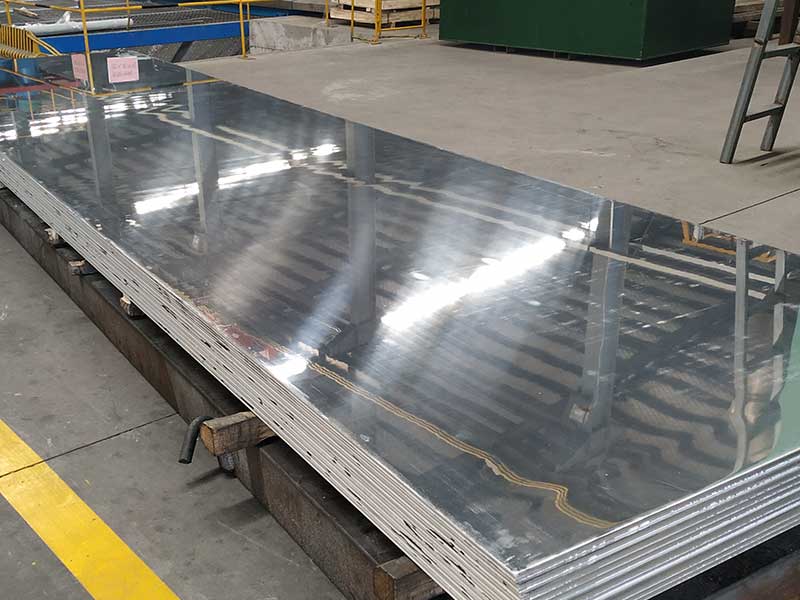
5083 marine aluminium sheet
Aluminum has emerged as a material in marine applications, primarily due to its excellent resistance to corrosion and lightweight properties. Among the various grades of aluminum.
View Details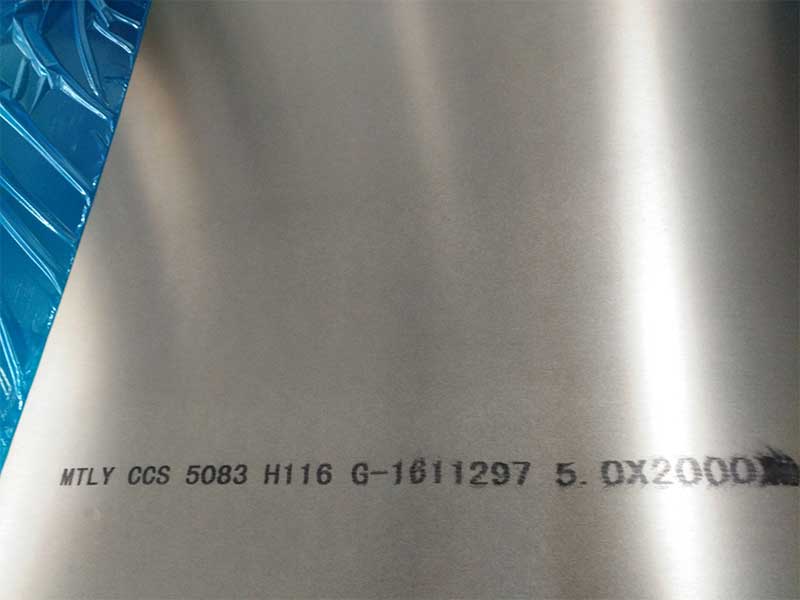
Custom shape boat aluminum sheet 5083 h22 h111 h112 h116 h321
In the maritime industry, the need for robust, lightweight, and corrosion-resistant materials is paramount. One material that consistently meets these requirements is Marine Aluminum.
View Details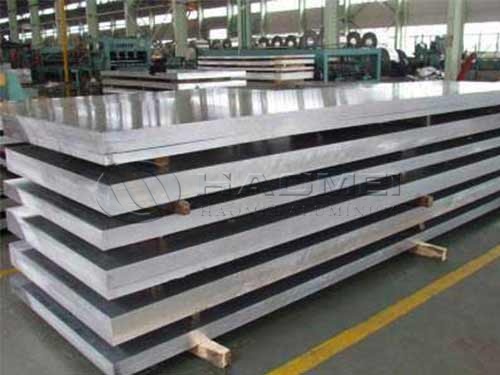
5083 Marine Grade Perforated Aluminum Sheet
Explore 5083 marine grade perforated aluminum sheet chemistry, tempers, standards, hole patterns, corrosion behavior, and marine uses in service.
View Details
Leave a Message