
5083 H321 Aluminium Alloy Plate for Marine
5083 H321 aluminium alloy plate is a high-strength marine material designed for demanding saltwater environments. As an Al-Mg alloy from the 5xxx series, it combines excellent corrosion resistance, weldability, moderate weight, and dependable structural strength. It is widely selected for boat hulls, decks, bulkheads, superstructures, offshore equipment, workboats, ferries, and naval applications.
The H321 temper gives 5083 plate a carefully controlled balance between work-hardened strength and stabilized metallurgical structure. This condition is particularly valued in marine fabrication because it supports long-term resistance to exfoliation corrosion while retaining good forming and welding performance.

Why 5083 H321 Performs Well at Sea
Marine structures face continuous exposure to seawater, humidity, spray, vibration, impact, and cyclic loading. 5083 H321 aluminium alloy plate is engineered to withstand these conditions without the rapid red-rust problems associated with carbon steel.
Magnesium is the principal alloying element, providing strength and strong resistance to chloride-rich environments. Manganese and chromium further improve grain structure and corrosion performance. The H321 condition is stabilized after strain hardening, helping reduce the risk of sensitization and intergranular corrosion during service.
| Marine function | Contribution of 5083 H321 plate |
|---|---|
| Seawater corrosion resistance | Magnesium-rich alloy chemistry forms a stable protective oxide film |
| Structural strength | Supports hull plating, frames, deck structures, and load-bearing panels |
| Weight reduction | Density is about one-third of steel, supporting fuel-efficient vessel design |
| Welded construction | Suitable for MIG and TIG welding with high joint efficiency |
| Fatigue service | Performs reliably under vibration, wave impact, and repeated loading |
| Low-temperature use | Retains toughness in cold marine and offshore conditions |
Chemical Composition of 5083 Aluminium Alloy
The chemical composition of 5083 is controlled to provide strength, weldability, and corrosion resistance. Values may vary slightly according to the applicable standard and mill certificate.
| Element | Content, % by weight |
|---|---|
| Magnesium, Mg | 4.0-4.9 |
| Manganese, Mn | 0.40-1.00 |
| Chromium, Cr | 0.05-0.25 |
| Iron, Fe | 0.40 max |
| Silicon, Si | 0.40 max |
| Copper, Cu | 0.10 max |
| Zinc, Zn | 0.25 max |
| Titanium, Ti | 0.15 max |
| Other elements, each | 0.05 max |
| Other elements, total | 0.15 max |
| Aluminium, Al | Balance |
The relatively high magnesium content makes 5083 stronger than 5052 in many structural applications. It is also well suited to thick welded marine plate construction where corrosion durability is a major design factor.
H321 Temper Condition
H321 is not simply a hardness designation. It indicates that the plate has been strain hardened and then stabilized to improve resistance to corrosion and maintain consistent properties. The temper is commonly used when marine plate must deliver strength without sacrificing reliability in a saltwater atmosphere.
| Temper designation | Meaning | Typical marine use |
|---|---|---|
| O | Annealed, soft condition | Deep forming, curved panels, fabricated parts |
| H111 | Slightly strain hardened from fabrication | General marine sheet and plate work |
| H116 | Strain hardened with controlled corrosion resistance | Hulls and exposed seawater structures |
| H321 | Strain hardened and stabilized | Hull plating, decks, bulkheads, structural panels |
Compared with annealed 5083-O, 5083 H321 provides higher yield strength and improved resistance to permanent deformation. Compared with a harder temper, it remains practical for cutting, bending, rolling, and welding during boatbuilding.
Mechanical and Physical Properties
Mechanical values depend on thickness, product standard, testing direction, and mill production route. The figures in the following table are commonly referenced values for marine-grade 5083 H321 plate.
| Property | Typical or specified value |
|---|---|
| Density | 2.66 g/cm³ |
| Melting range | 570-640°C |
| Elastic modulus | Approximately 70 GPa |
| Thermal conductivity | Approximately 117 W/m·K |
| Electrical conductivity | Approximately 29% IACS |
| Tensile strength | 305 MPa min, typical range 305-385 MPa |
| Yield strength, 0.2% proof | 215 MPa min |
| Elongation | 10-12% min, depending on thickness and direction |
| Brinell hardness | Approximately 85 HB |
| Corrosion performance | Excellent in seawater and marine atmosphere |

Product Specifications for Marine Fabrication
5083 H321 aluminium plate can be supplied in standard stock dimensions or cut to project drawings. Large-format plates reduce welded seams on hulls and decks, helping fabricators improve productivity and surface continuity.
| Parameter | Common supply range |
|---|---|
| Alloy | AA 5083 / AlMg4.5Mn0.7 |
| Temper | H321 |
| Product form | Hot-rolled plate, cut plate, marine structural plate |
| Thickness | 3 mm to 150 mm, subject to mill capability |
| Width | 1,000 mm to 2,500 mm |
| Length | 2,000 mm to 12,000 mm or custom cut length |
| Surface | Mill finish, protective film, paper interleave, or customized protection |
| Edge condition | Mill edge, trimmed edge, sawn edge, or precision-cut edge |
| Documentation | Mill test certificate, chemical analysis, mechanical test report |
For projects requiring proven marine material performance, Marine 5083 aluminum sheet options can be selected according to thickness, temper, vessel classification requirements, and fabrication method.
Applicable Standards and Marine Requirements
Material standards define chemical composition, mechanical properties, dimensional tolerance, and inspection requirements. Project specifications may also require classification society approval or third-party inspection.
| Standard or organization | Typical relevance |
|---|---|
| ASTM B209 | Aluminium and aluminium-alloy sheet and plate requirements |
| ASTM B928/B928M | High-magnesium aluminium-alloy plate for marine service and similar environments |
| EN 485-2 | Mechanical properties for wrought aluminium sheet, strip, and plate |
| EN 573-3 | Chemical composition and alloy designation |
| EN 485-4 | Dimensional and form tolerances for plate products |
| ISO 6361 | Wrought aluminium and aluminium alloy sheets, strips, and plates |
| DNV, ABS, Lloyd's Register, BV, CCS | Marine classification approval where project-required |
Marine Applications
5083 H321 plate is especially effective where strength-to-weight ratio and seawater durability influence vessel design. It is used in both commercial and recreational marine construction.
| Application | Typical component examples |
|---|---|
| Boat hulls | Bottom plating, side shell, bow sections, transoms |
| Passenger vessels | Ferry hulls, deck panels, internal structural partitions |
| Workboats | Patrol boats, pilot boats, fishing boats, landing craft |
| Yachts and leisure craft | Hull skins, decks, cabins, watertight compartments |
| Offshore structures | Access platforms, walkways, equipment housings, support panels |
| Port and harbor equipment | Gangways, pontoons, floating docks, service platforms |
| Tank and process equipment | Marine fuel tanks, water tanks, corrosion-resistant enclosures |
Fabrication Guidance
5083 H321 plate can be processed by CNC cutting, saw cutting, waterjet cutting, machining, bending, rolling, and welding. MIG welding is frequently used for thicker hull structures, while TIG welding may be preferred for thinner sections and detailed fabrication.
| Fabrication area | Recommended practice |
|---|---|
| Welding filler | 5183 or 5356 filler wire is commonly used for marine joints |
| Joint preparation | Keep edges clean, dry, and free of oil, oxide, and contaminants |
| Heat input | Use controlled heat input to limit distortion and preserve joint quality |
| Forming | Use suitable bend radii and equipment matched to plate thickness |
| Corrosion prevention | Avoid direct contact with dissimilar metals where galvanic corrosion can occur |
| Surface finishing | Apply marine coatings or anodizing where appearance or added protection is required |
Although 5083 H321 has excellent natural corrosion resistance, good vessel design remains essential. Drainage, insulation from steel fittings, sealed joints, compatible fasteners, and correct coating systems all help extend service life in severe marine exposure.
Choosing 5083 H321 Plate
5083 H321 aluminium alloy plate is a practical choice when a marine project requires durable, weldable, high-strength plate with proven seawater resistance. Its stabilized temper, low density, and dependable structural performance make it suitable for hulls and other fabricated components that must operate safely over long service periods.
When specifying material, confirm thickness, width, length, temper, standard, testing requirements, surface condition, and classification documentation before production. This ensures the plate is aligned with vessel design loads, welding procedures, and operating conditions.

Related Products
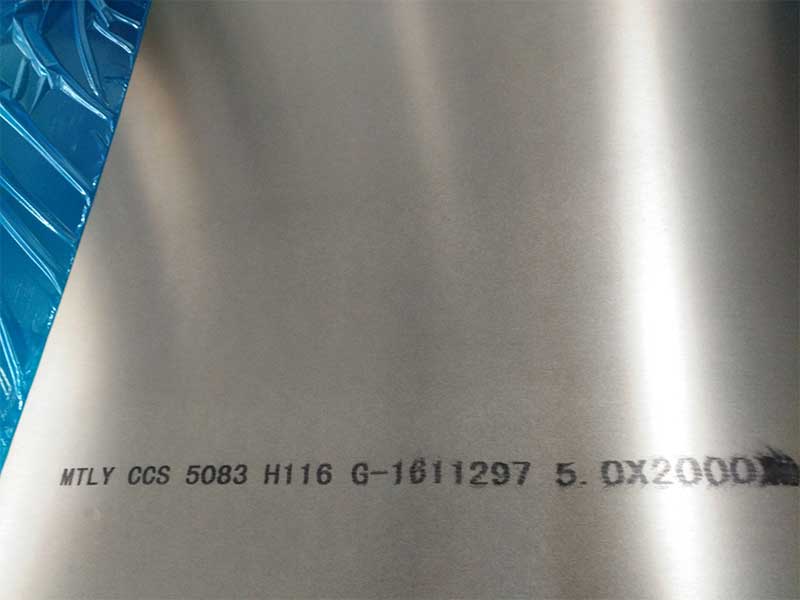
Marine 5083 aluminum sheet
Aluminum alloy 5083 is a non-heat-treatable alloy primarily composed of magnesium and trace elements that deliver outstanding protection against corrosion, particularly in seawater and saline atmospheres.
View Details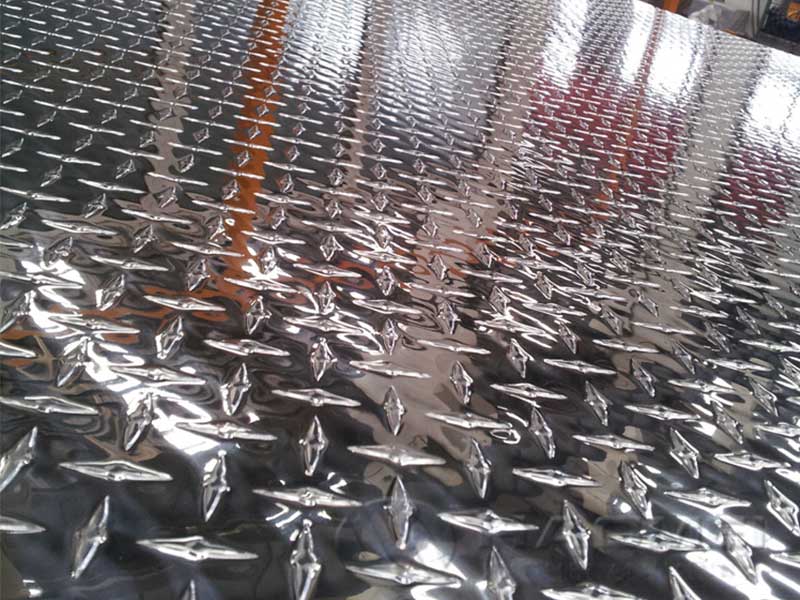
Marine Aluminum Tread Sheets
Marine Aluminum Tread Sheets are aluminum alloy plates featuring a raised surface pattern, commonly referred to as a tread design or diamond plate.
View Details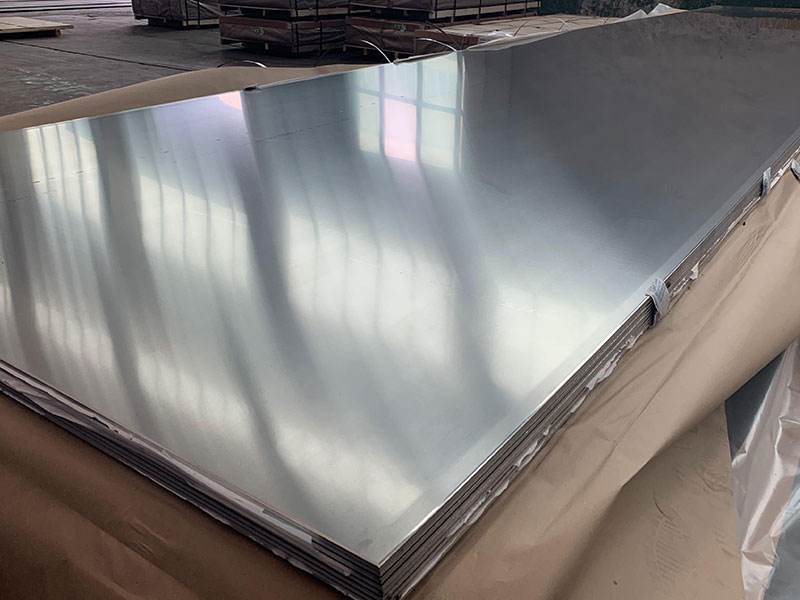
Marine 5086 aluminum sheet
This product article provides an in-depth and comprehensive understanding of Marine 5086 Aluminum Sheets, including their chemical composition, mechanical properties, corrosion resistance, fabrication capabilities, and typical marine applications.
View Details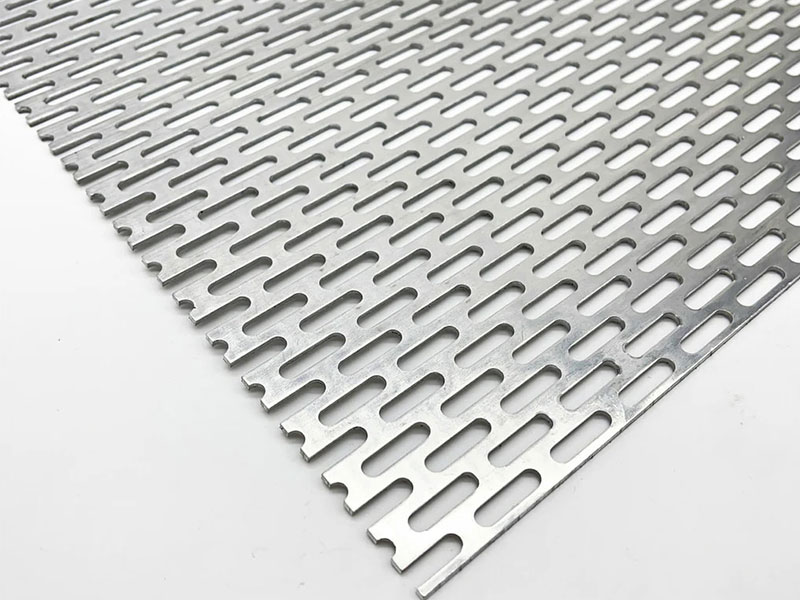
Marine perforated aluminum sheets
Marine Perforated Aluminum Sheets feature a series of uniform holes or shapes punched through the aluminum surface. These perforations can vary in size, pattern, and open area to tailor the sheets for specific applications.
View Details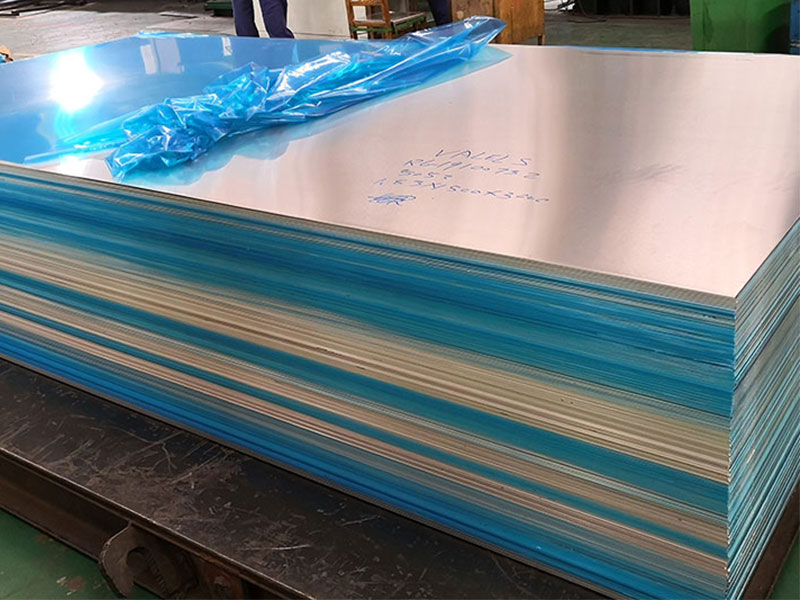
Marine 5059 aluminum sheet
5059 aluminum alloy is a strain-hardened material with a unique addition of magnesium and chromium, which provides outstanding resistance to localized corrosion like pitting and stress corrosion cracking.
View Details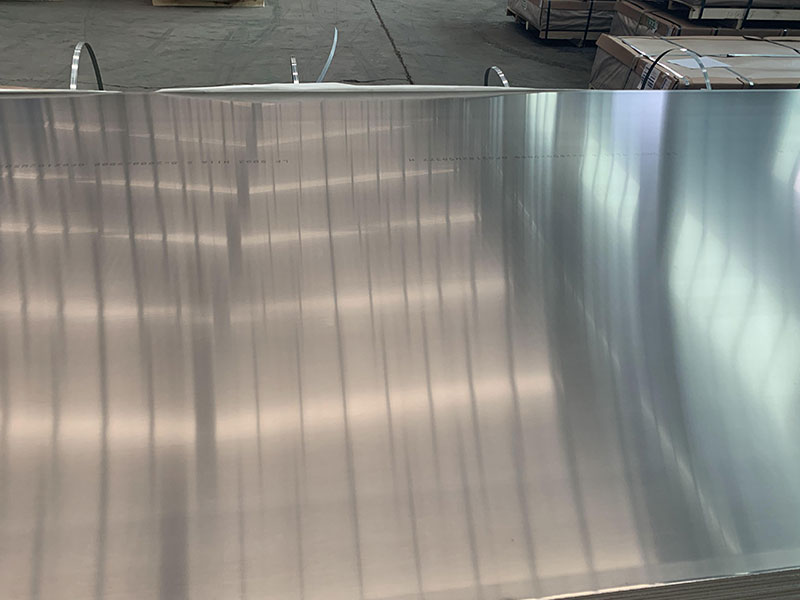
Marine 5383 aluminum sheet
5383 aluminum is a strain-hardened, non-heat-treatable alloy from the 5xxx series primarily alloyed with magnesium. It exhibits a unique balance of corrosion resistance and mechanical properties particularly suited for marine applications.
View DetailsRelated Blog
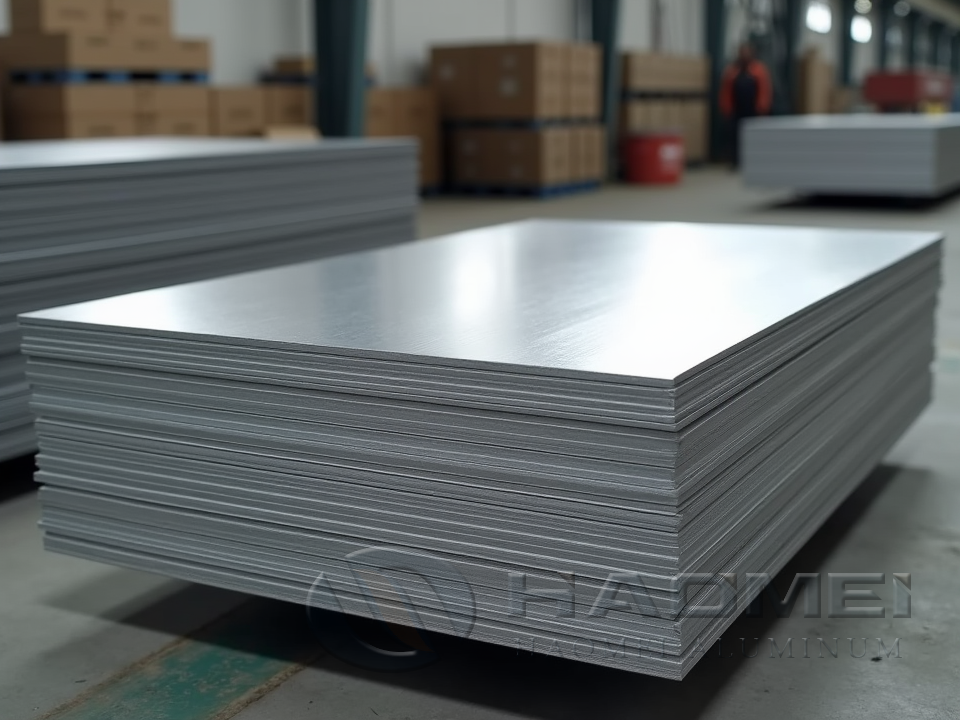
Marine 5086 Aluminum Sheet
A practical guide to Marine 5086 aluminum sheet, covering tempers, standards, chemistry, corrosion resistance, welding, and marine uses.
View Details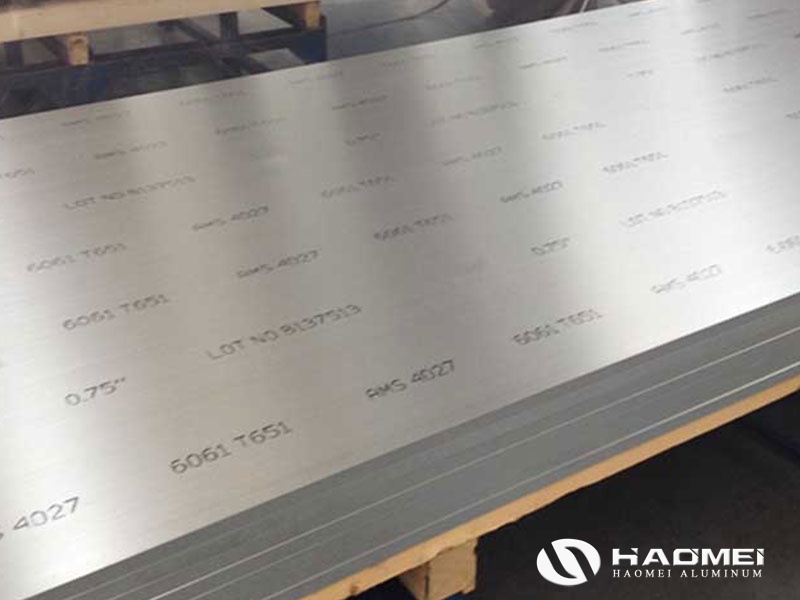
Marine 6061 Aluminum Plate
Marine 6061 aluminum plate offers high strength, excellent machinability, and good corrosion resistance for decks, frames, and marine equipment parts.
View Details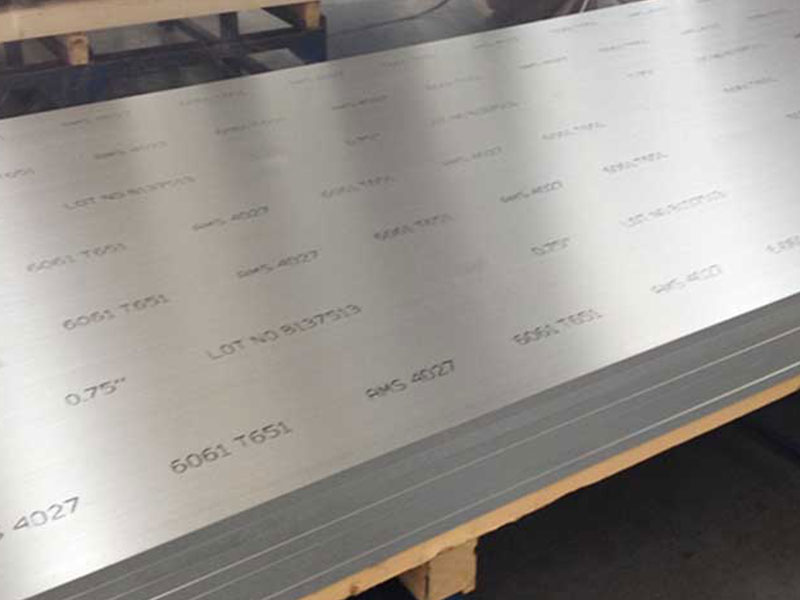
Marine aluminium sheet 5052
Marine environments demand materials that combine exceptional corrosion resistance, strength, and formability. The Marine Aluminium Sheet 5052 is one such alloy designed to withstand the harsh conditions of saltwater and marine atmospheres.
View Details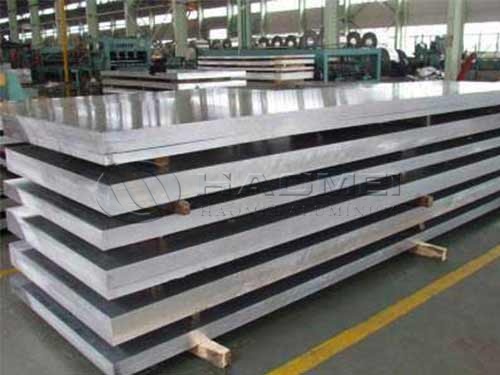
5083 Marine Grade Perforated Aluminum Sheet
Explore 5083 marine grade perforated aluminum sheet chemistry, tempers, standards, hole patterns, corrosion behavior, and marine uses in service.
View Details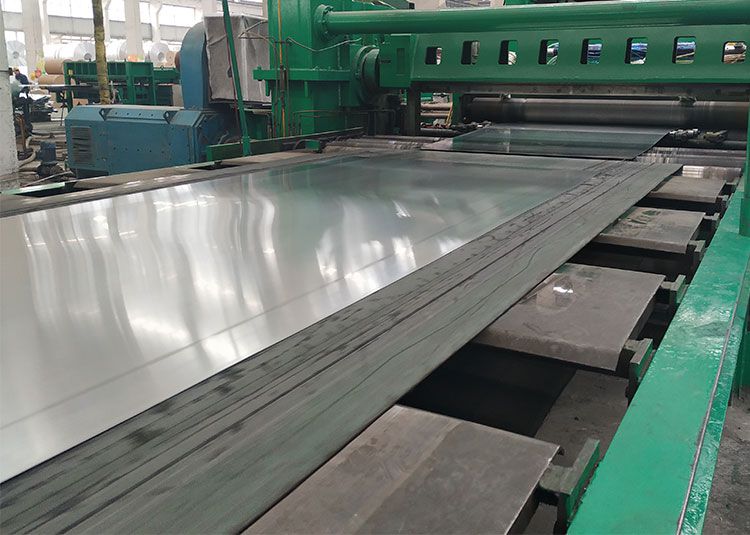
Marine 5059 aluminum sheet
Marine applications demand materials that can withstand harsh environmental conditions while providing exceptional performance. Among the multitude of aluminum alloys available, the Marine 5059 aluminum sheet stands out as a premier choice.
View Details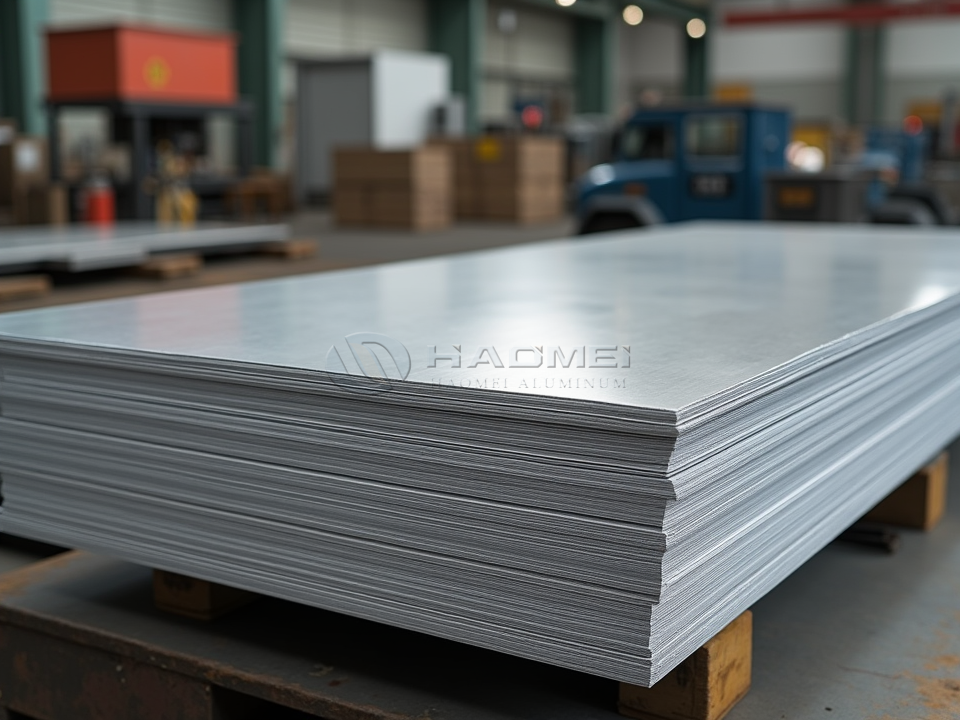
Marine Anodized Aluminum Sheet 5086 5052 H34
Marine anodized 5086 and 5052 H34 aluminum sheets deliver corrosion resistance, durable finishes, and dependable performance for boats.
View Details
Leave a Message