
5083 as Marine Aluminum Plate
A vessel is not challenged by seawater only when it is sailing. Salt spray reaches decks, humidity settles into enclosed compartments, and bilges expose metal to a persistent electrolyte. In this environment, material selection is less about choosing the strongest plate on a data sheet and more about choosing an alloy that remains dependable after years of welding, vibration, impact, and saltwater exposure.
5083 marine aluminum plate has earned its place in shipbuilding because it handles these realities with balance. It is an aluminum-magnesium alloy from the 5xxx series, developed for high strength without heat treatment and strong resistance to marine corrosion. From fast workboats and fishing vessels to patrol craft, ferry hulls, offshore platforms, LNG structures, and yacht components, 5083 supports lightweight construction without sacrificing structural confidence.

Why 5083 Performs So Well at Sea
The character of 5083 comes mainly from magnesium. With approximately 4.0% to 4.9% magnesium, the alloy develops substantially more strength than 5052 while preserving the corrosion behavior expected from marine-grade aluminum. Manganese and chromium further refine the structure and contribute to resistance against stress-corrosion cracking.
Its surface naturally forms a dense aluminum oxide film when exposed to air. This film is not a decorative coating; it is an active barrier that helps slow corrosion. In seawater service, the alloy's low copper content is also important. Copper can reduce corrosion resistance in chloride-rich conditions, so 5083 maintains it at a very low level.
Compared with steel, 5083 marine aluminum plate can reduce vessel weight significantly. This weight reduction can support higher payload capacity, lower fuel consumption, shallower draft, or faster acceleration. Unlike many high-strength aluminum alloys, 5083 also retains strong properties around welded joints, making it especially practical for large fabricated structures.
For demanding hull applications, Marine 5083 aluminum sheet is commonly specified in corrosion-resistant tempers designed for continuous saltwater exposure.
Chemical Composition of 5083 Aluminum Alloy
The following composition ranges are commonly referenced for AA 5083 and EN AW-5083 material. Actual mill certificates should always be checked against the purchase specification.
| Element | Content, % by Weight |
|---|---|
| Silicon, Si | 0.40 max |
| Iron, Fe | 0.40 max |
| Copper, Cu | 0.10 max |
| Manganese, Mn | 0.40 - 1.00 |
| Magnesium, Mg | 4.00 - 4.90 |
| Chromium, Cr | 0.05 - 0.25 |
| Zinc, Zn | 0.25 max |
| Titanium, Ti | 0.15 max |
| Other elements, each | 0.05 max |
| Other elements, total | 0.15 max |
| Aluminum, Al | Balance |
This chemistry gives 5083 its recognizable marine profile: magnesium supplies work-hardening strength, manganese supports toughness, chromium improves microstructural stability, and low copper helps preserve resistance in chloride environments.
Temper Conditions and Their Practical Meaning
5083 is a non-heat-treatable alloy. It gains strength through controlled rolling and strain hardening rather than solution heat treatment and artificial aging. Temper selection therefore affects forming behavior, strength, and the material's suitability for marine service.
5083-O is fully annealed. It offers the highest ductility and is favored where substantial bending, shaping, pressing, or curved hull fabrication is required. Its strength is lower than hardened tempers, but it can be an excellent choice for formed components and complex vessel contours.
5083-H111 is lightly strain-hardened, usually from shaping processes. It provides moderate strength with useful formability and is often selected for general fabricated parts.
5083-H116 is a marine-focused temper with controlled strain hardening and testing for exfoliation corrosion resistance. It is widely used for hull plating, superstructures, decks, side shells, and offshore structures exposed to seawater.
5083-H321 is strain-hardened and thermally stabilized. Stabilization improves resistance to sensitization, a condition that may occur when high-magnesium alloys spend long periods at elevated temperatures. H321 is frequently specified for welded hull panels and structural components requiring stable marine performance.

Typical mechanical values vary by thickness, temper, product form, and governing standard. The ranges shown here are useful for preliminary engineering comparison.
| Temper | Typical Tensile Strength | Typical Yield Strength | Typical Elongation | Common Marine Use |
|---|---|---|---|---|
| O | 275 - 350 MPa | 125 - 190 MPa | 16% - 22% | Curved panels, formed parts |
| H111 | 275 - 350 MPa | 125 - 190 MPa | 12% - 18% | General fabrication |
| H116 | 305 - 385 MPa | 215 - 290 MPa | 10% - 16% | Hulls, decks, offshore structures |
| H321 | 305 - 385 MPa | 215 - 290 MPa | 10% - 16% | Welded hull structures, side plating |
Standards Commonly Used for 5083 Marine Plate
A plate is not automatically suitable for marine construction simply because its alloy is 5083. Specification control matters. The required standard should define chemistry, mechanical properties, thickness tolerance, corrosion testing, inspection documents, and class-society requirements.
ASTM B928/B928M is widely used for high-magnesium aluminum-alloy plate intended for marine service and similar environments. It includes requirements related to exfoliation corrosion performance for applicable tempers. ASTM B209/B209M is also used for general aluminum and aluminum-alloy sheet and plate requirements.
European buyers commonly refer to EN 573-3 for chemical composition, EN 485-2 for mechanical properties of sheet, strip, and plate, and EN 485-4 for dimensional tolerances. EN 10204 3.1 certification is often requested to confirm traceable chemical and mechanical test results from the producing mill.
For classified vessels, approvals or inspection requirements from ABS, DNV, Lloyd's Register, Bureau Veritas, or CCS may be required. These requirements should be confirmed before ordering, particularly when the plate will be used in hull girder structures, pressure boundaries, or safety-critical zones.
Fabrication Considerations That Influence Service Life
5083 is valued for excellent weldability with common processes such as MIG and TIG welding. Filler alloys such as 5183, 5356, and 5556 are frequently considered, depending on joint design, service temperature, strength requirements, and applicable welding procedure qualification.
The heat-affected zone near a weld softens because strain hardening is reduced by welding heat. Designers account for this condition by using welded-joint allowable values rather than base-metal values alone. Good design is therefore not only about selecting H116 or H321 plate; it also considers weld placement, reinforcement spacing, load paths, drainage, and access for inspection.
Avoid pairing 5083 directly with more noble metals such as stainless steel, copper alloys, or carbon steel in wet saltwater environments unless electrical isolation is provided. Nonconductive gaskets, compatible sealants, coatings, and controlled drainage reduce galvanic corrosion risk. Fabrication cleanliness also matters. Carbon-steel particles embedded during grinding can create staining and local corrosion sites, so dedicated aluminum tools are preferred.
For walkways, ramps, and wet deck zones, Marine Aluminum Tread Sheets can complement smooth 5083 plate by providing a safer slip-resistant surface.
Selecting the Right 5083 Plate Specification
A useful purchase specification states more than alloy and thickness. It should identify plate dimensions, temper, governing standard, corrosion-test requirement, surface condition, allowable tolerances, certificate level, and any class approval. For example, a hull project may call for 5083-H116 plate to ASTM B928, with 3.1 certification and class-society documentation.
Typical marine plate thicknesses range from around 3 mm for smaller fabricated sections to 50 mm or more for heavy structural applications. Width and length should be chosen with nesting efficiency and weld reduction in mind. Larger plate formats can reduce longitudinal seams, but they must remain practical for handling, bending, transport, and shop equipment.
5083 marine aluminum plate succeeds because it treats seawater as a design condition rather than an afterthought. When the alloy, temper, certification, welding method, and corrosion-control details are matched to the vessel's real operating environment, 5083 becomes a durable foundation for lighter and longer-serving marine structures.

Related Products
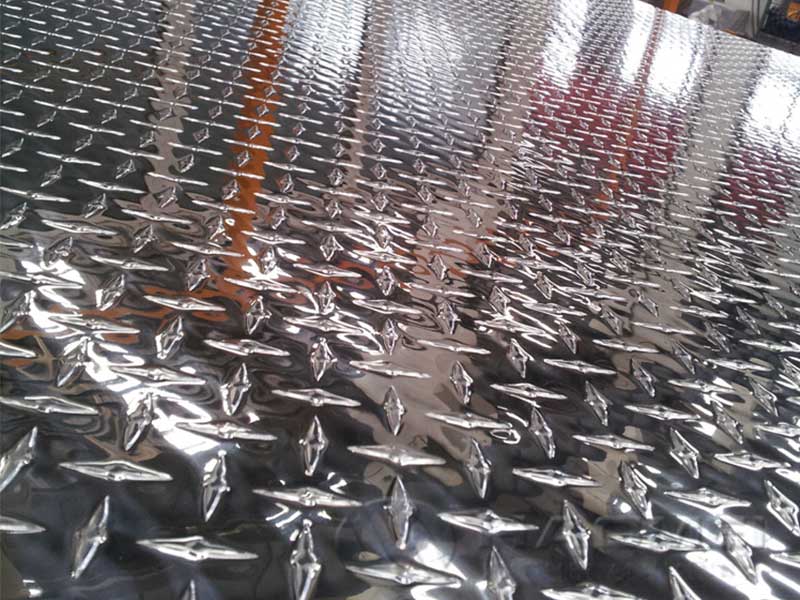
Marine Aluminum Tread Sheets
Marine Aluminum Tread Sheets are aluminum alloy plates featuring a raised surface pattern, commonly referred to as a tread design or diamond plate.
View Details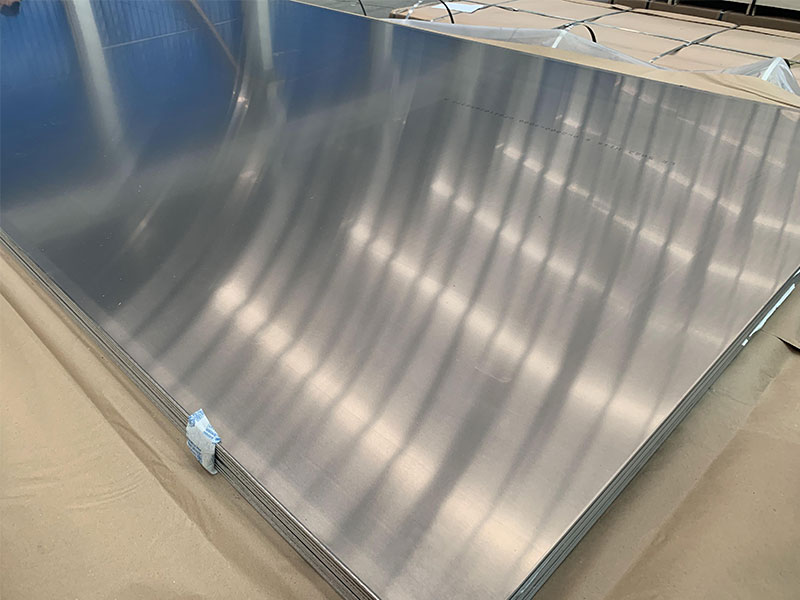
Marine 5052 aluminum sheet
Aluminum alloy 5052 is a non-heat-treatable, strain-hardened alloy with magnesium as the primary alloying element. It is designed to offer superior corrosion resistance in marine and saline environments, making it a dependable choice for components exposed directly to seawater or coastal atmospheric conditions.
View Details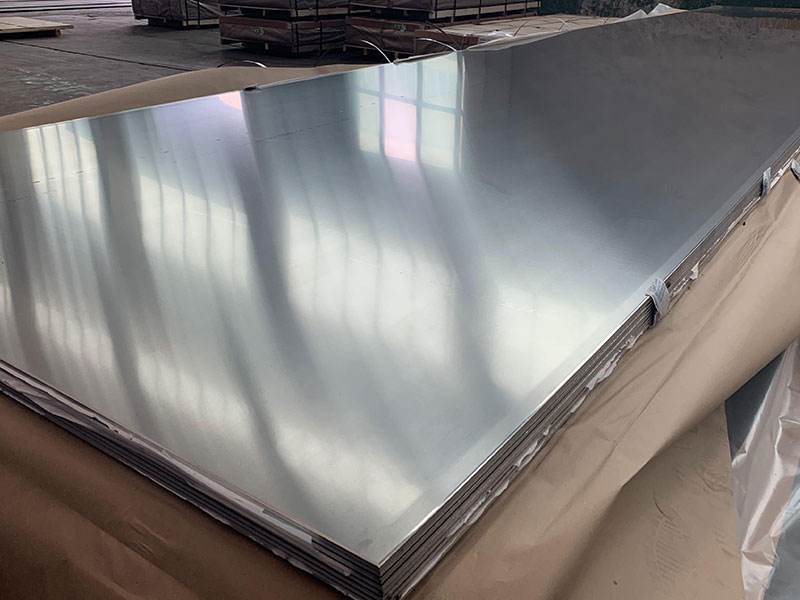
Marine 5086 aluminum sheet
This product article provides an in-depth and comprehensive understanding of Marine 5086 Aluminum Sheets, including their chemical composition, mechanical properties, corrosion resistance, fabrication capabilities, and typical marine applications.
View Details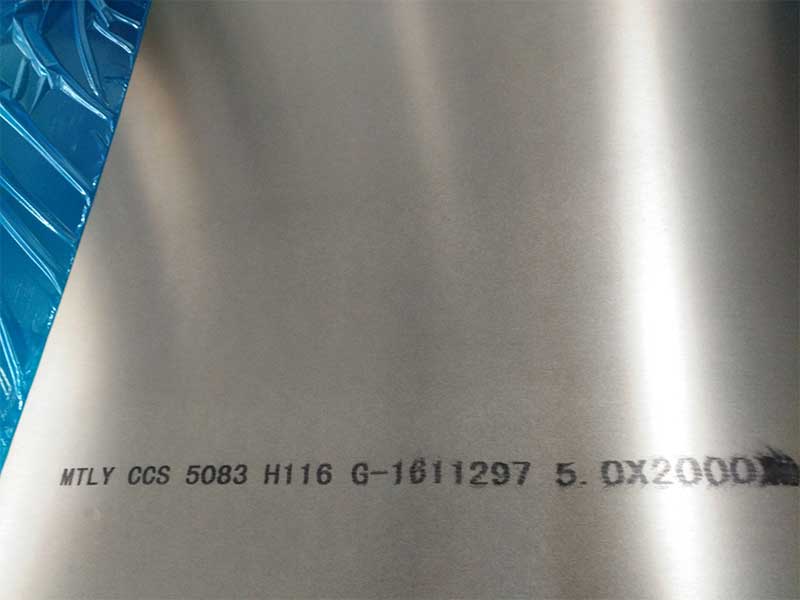
Marine 5083 aluminum sheet
Aluminum alloy 5083 is a non-heat-treatable alloy primarily composed of magnesium and trace elements that deliver outstanding protection against corrosion, particularly in seawater and saline atmospheres.
View Details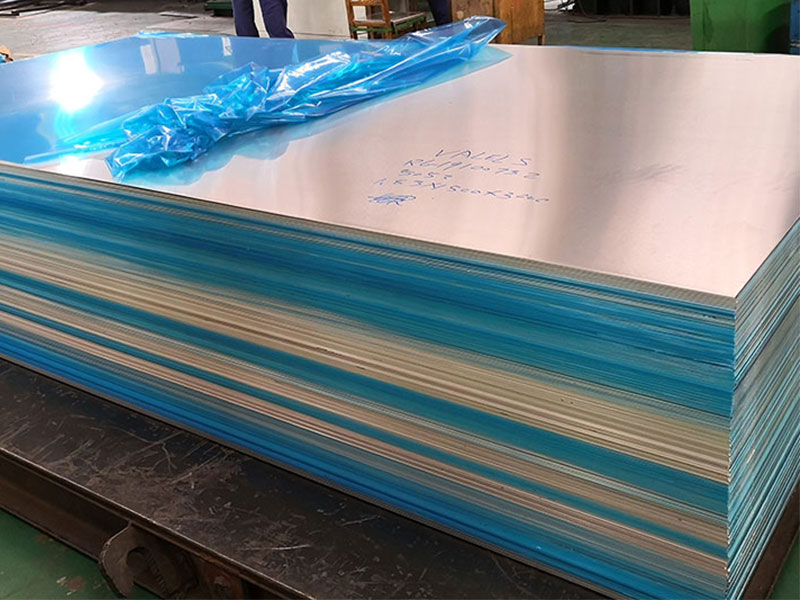
Marine 5059 aluminum sheet
5059 aluminum alloy is a strain-hardened material with a unique addition of magnesium and chromium, which provides outstanding resistance to localized corrosion like pitting and stress corrosion cracking.
View Details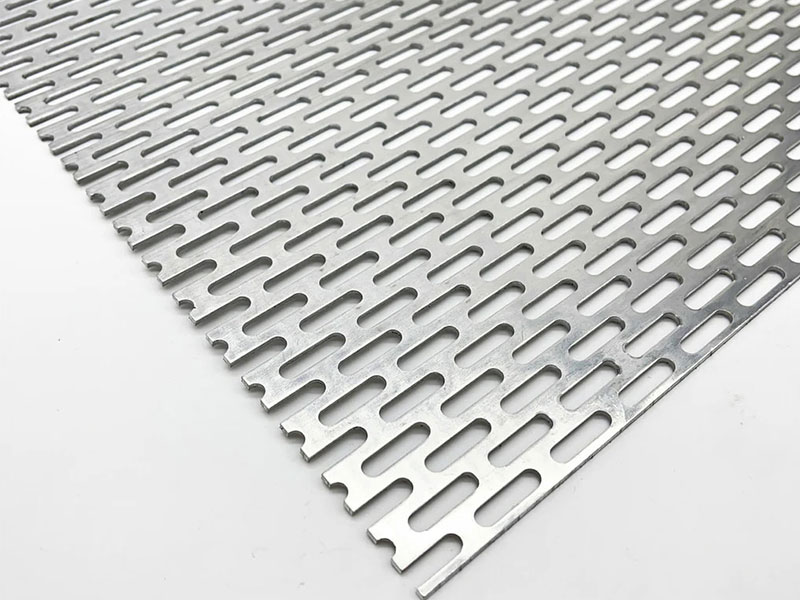
Marine perforated aluminum sheets
Marine Perforated Aluminum Sheets feature a series of uniform holes or shapes punched through the aluminum surface. These perforations can vary in size, pattern, and open area to tailor the sheets for specific applications.
View DetailsRelated Blog
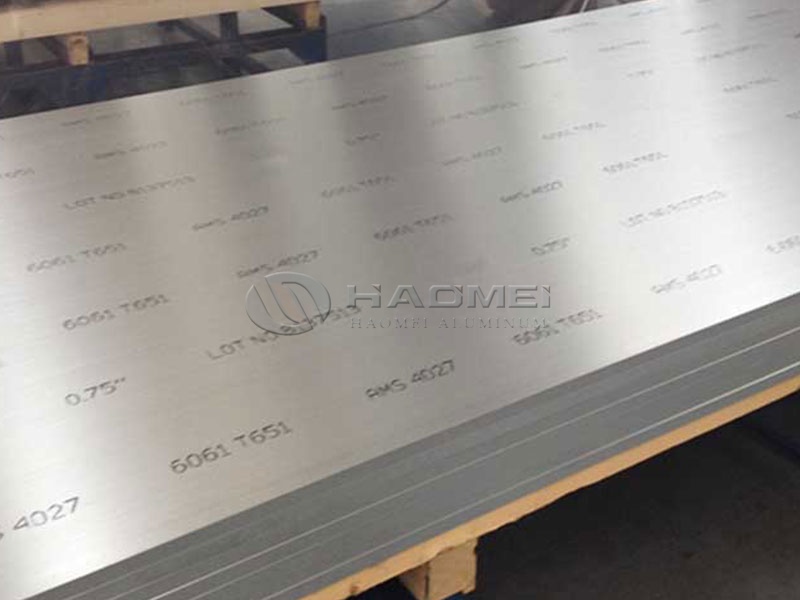
6061 Marine Anodized Aluminum Sheets
Explore 6061 marine anodized aluminum sheets, with corrosion resistance, stable strength, clean finish, fabrication data, and boat component guidance.
View Details
ASTM B209 aluminum sheet 5083 for ship
ASTM B209 Aluminum Sheet 5083 for Shipbuilding: A Functional View from the Waterline Up When ship designers choose materials, they are not just selecting metal; they are choosing how a vessel behaves at sea over decades.
View Details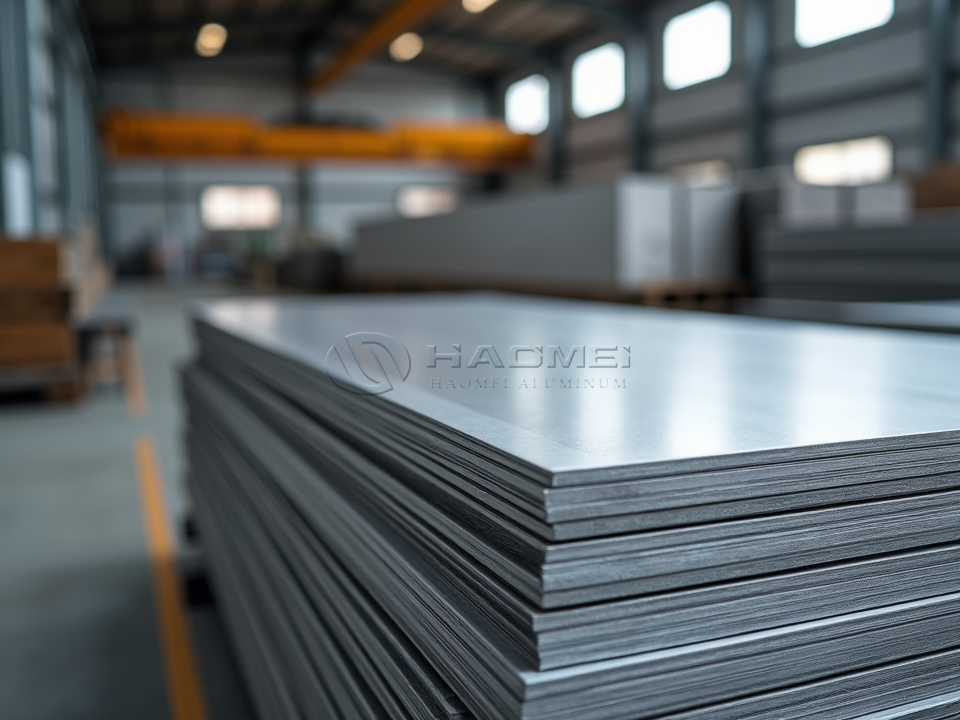
Marine Perforated Aluminum Sheets
Marine perforated aluminum sheets offer corrosion resistance, ventilation, drainage, grip, and weight savings for boats, docks, and offshore use.
View Details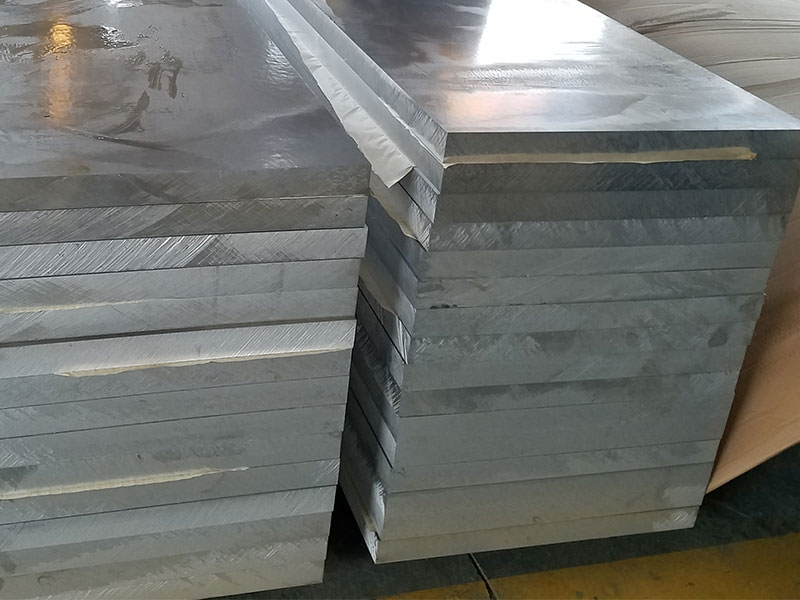
Marine grade 6063 5083 5052 H32 Aluminium Coil Roll
When engineers discuss marine aluminum coil roll, the conversation often starts with strength, corrosion resistance, or weldability. But the ocean does not read datasheets the way people do.
View Details
Marine 3 gauge 4 x 8 x 1 4 aluminum sheet
Marine 3 Gauge 4 x 8 x 1/4 Aluminum Sheet: A Seaworthy "Thickness Story" Told in MetalA marine 3 gauge 4 x 8 x 1/4 aluminum sheet is more than a size callout-it's a practical promise.
View Details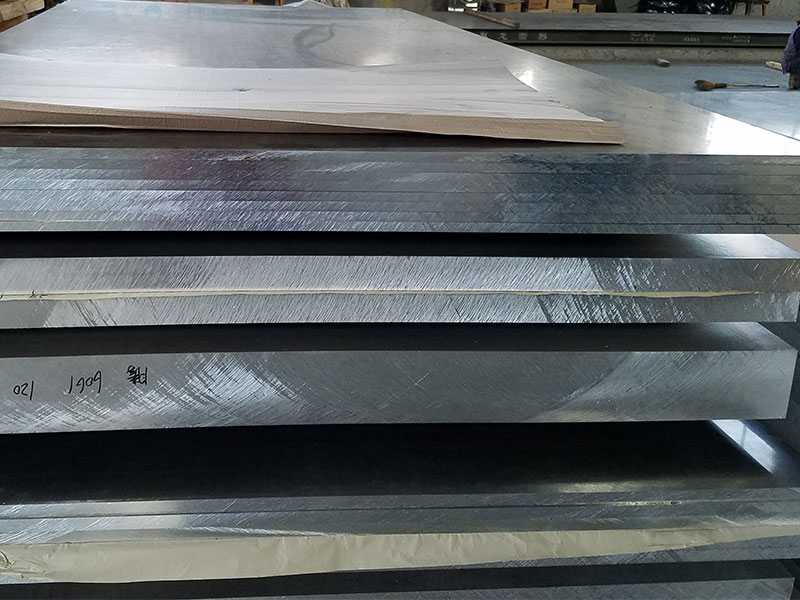
Aluminum marine grade
Marine Grade Aluminum: Capacity, Applications, and Class StandardsIn the vast expanse of the world’s oceans and waterways, the need for robust, resilient materials is manifolds greater than in conventional industries.
View Details
Leave a Message