
Marine Aluminum Angles
A boat can be read through its corners. Wherever a deck meets a bulkhead, a frame meets a panel, or a hatch opening needs a clean edge, a small L-shaped profile often decides whether the structure feels tight, quiet, and durable. That profile is the marine aluminum angle. It may not look as dramatic as a hull plate or a heavy beam, but it works like a sentence mark in metal: it connects ideas, controls direction, and keeps stress from wandering where it should not.
For customers, the value of Marine aluminum angles is not only in their shape. Their real value comes from the way alloy, temper, leg size, thickness, finish, and fastening method all work together in saltwater service.
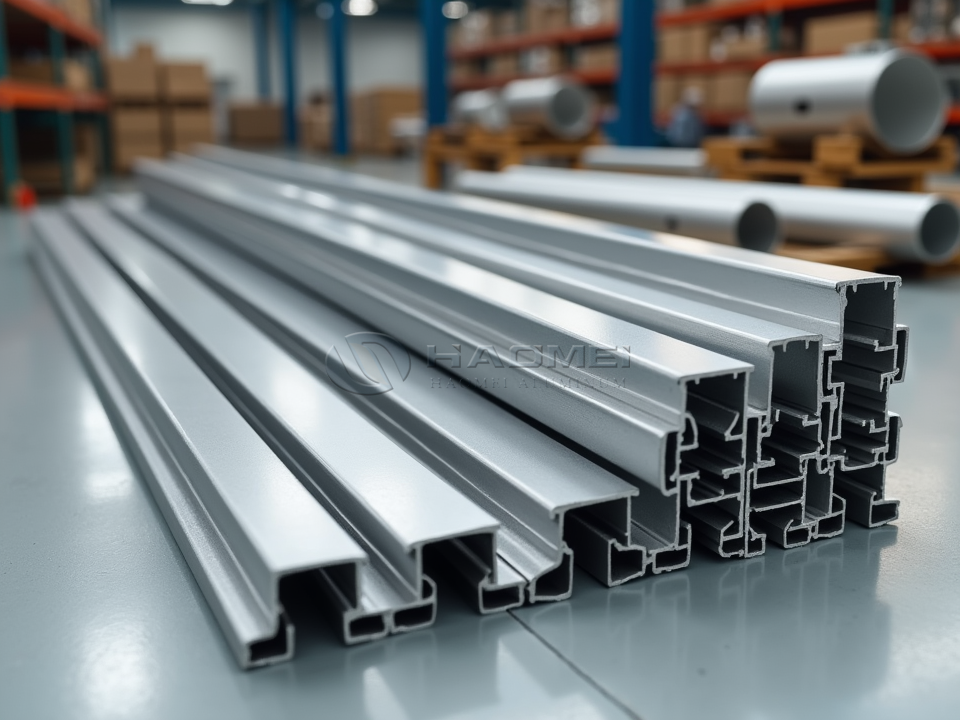
Think of an Angle as a Load Path, Not Just a Bracket
The simplest mistake is to buy an aluminum angle only by leg size. A 50 x 50 mm angle looks straightforward, but two angles with the same outside dimensions can behave very differently. Wall thickness, inside radius, alloy, and temper decide how it will carry load, resist vibration, and survive bending during installation.
In marine work, angles often perform three jobs at once. They support panels, stiffen edges, and provide a fastening face. On a workboat deck, an angle may hold flooring while resisting washdown water and foot traffic. On a cabin structure, it may align panels and reduce rattling. Around a hatch or locker, it may protect the opening while giving a clean mounting line for seals or covers.
That is why the best selection starts with a question that sounds almost too simple: what is the angle being asked to stop? Is it stopping flex, impact, twist, corrosion, noise, or water entry? The answer points toward the right alloy and section.
Alloy Choice: 6061, 6063, and the Marine Reality
Many extruded marine angles are made from 6061-T6 because it offers a strong balance of strength, machinability, weldability, and availability. It is widely used for frames, supports, deck structures, equipment mounts, and general marine fabrication. When customers need a practical structural angle that can be cut, drilled, welded, and bolted with confidence, 6061-T6 is often the first candidate.
6063 is smoother and more finish-friendly. It is commonly chosen where appearance, anodizing quality, and clean surface detail matter more than maximum strength. For trim, light supports, interior rails, cabin features, and visible edges, 6063 can be an attractive choice.
For a wider family of profiles, customers often compare angles with Marine Grade Aluminum Extrusions such as channels, T-slot sections, rub rails, and deck frame profiles. The angle may be the simplest profile in that family, but it is also one of the most adaptable.
In harsh saltwater areas, alloy is only part of the answer. Good design matters just as much. A high-quality alloy can still fail early if it traps seawater, touches incompatible metals without isolation, or holds wet debris in a crevice.
Equal Leg or Unequal Leg: The Quiet Design Decision
Equal leg angles are easy to stock, easy to understand, and useful for general bracing. They are common in boat frames, small supports, corner guards, and stiffening work. When load and fastening needs are similar on both sides, equal leg angles are convenient.
Unequal leg angles are more thoughtful. One longer leg can provide a wider bonding or bolting surface, while the shorter leg saves weight and space. This is useful where a panel needs broad support but the adjacent face has limited clearance. It can also help when fasteners must be placed farther from an edge to reduce tear-out or distortion.
The inside radius should not be ignored. A sharper inside corner may appear neat, but a generous radius helps reduce stress concentration. In marine vibration, small details become long-term details. A slightly better radius can mean fewer cracks around loaded connections.
Surface Finish Is a Service Decision
Mill finish aluminum is common, economical, and suitable for many hidden structural parts. Over time, aluminum forms a natural oxide layer that helps protect it. In practical boatbuilding, mill finish angles are often used inside frames, under decks, and in areas where appearance is secondary.
Anodized angles add a harder, more controlled surface. They are useful for visible trim, cabin parts, rails, and components that see handling or light abrasion. Clear or colored anodizing can improve appearance while adding surface durability.
Powder coating can provide strong visual appeal and additional protection, but preparation is critical. Marine powder coating should start with proper cleaning and conversion treatment. If coating is damaged during drilling or cutting, exposed edges should be protected. A beautiful coating can become a corrosion trap if water creeps underneath it through untreated scratches.
Fastening: Where Many Good Angles Are Lost
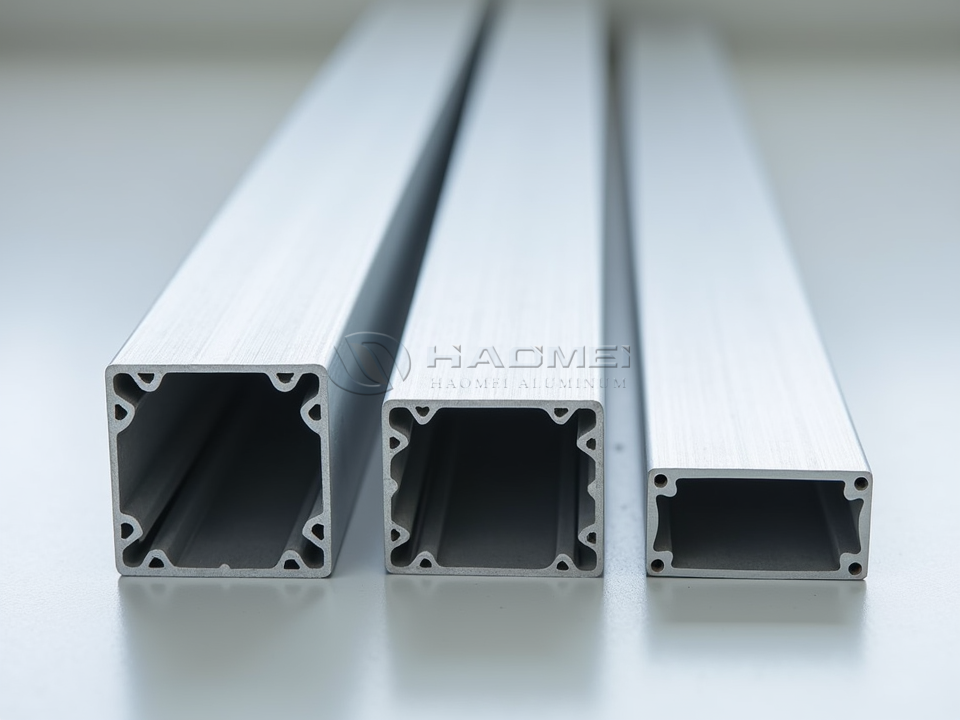
Most problems with marine aluminum angles begin at the fastener. Stainless steel bolts and screws are common on boats, but stainless and aluminum can create galvanic corrosion when saltwater acts as an electrolyte. This does not mean the combination is forbidden. It means the joint needs care.
Use isolating washers, suitable marine sealants, anti-corrosion compounds, or barrier tapes where appropriate. Avoid leaving bare stainless hardware pressed into wet aluminum without protection. Drainage is also important. If water can sit behind the angle, corrosion risk increases. A tiny drain gap or sealant strategy can add years of service life.
Hole preparation matters too. Deburr drilled holes. Avoid oversize holes that allow movement. If the angle supports dynamic loads, use proper fastener spacing rather than relying on a few large bolts. For thin panels, backing plates or larger washers may spread load and prevent local distortion.
Welding requires another level of attention. 6061-T6 loses some strength in the heat-affected zone after welding. This is normal metallurgical behavior, not a product defect. Designers should account for it by using suitable joint design, filler selection, and post-weld expectations. For many marine welds involving 6xxx series aluminum, 5356 filler is commonly used, but project requirements should guide the final choice.
Weight Saving Without False Economy
Aluminum angles are often chosen because they save weight compared with steel. But weight saving should be intelligent, not aggressive. A thinner angle may look cost-effective on a quotation, yet it can flex, vibrate, or dent too easily in service. When customers compare prices, they should compare section thickness, alloy certification, straightness, surface quality, and cutting tolerance, not just outside dimensions.
A reliable marine angle should arrive straight, clean, and protected from handling damage. Long lengths should be packaged to prevent rubbing in transit. If the angle will be visible after installation, ask about surface finish expectations before ordering. If it will be welded, confirm alloy and temper. If it will be bent or formed after delivery, discuss bend radius and cracking risk in advance.
Where Marine Aluminum Angles Fit Best
Marine aluminum angles are widely used in deck supports, seat bases, hatch frames, console structures, battery box supports, cabin interiors, rub rail backing, stair edges, storage lockers, and lightweight equipment mounts. They also help align larger assemblies during fabrication. In many shops, angles are the temporary extra hand that becomes a permanent part of the boat.
Their strength lies in their honesty. The shape is easy to inspect. The connection is visible. The load path is understandable. When something needs to be supported at a right angle in a wet, moving, corrosive world, a well-chosen aluminum angle is often the cleanest answer.
Buying With Fewer Surprises
Before ordering, prepare the working details: alloy, temper, equal or unequal legs, thickness, length, finish, tolerance, hole or cut requirements, and whether the part will be welded, anodized, painted, or used bare. Mention the installation environment as well. A freshwater pontoon, a coastal fishing boat, and an offshore service vessel do not ask the same questions of aluminum.
The smartest purchase is not always the heaviest angle or the lowest-cost angle. It is the section that carries the load, fits the space, resists the environment, and installs without forcing the fabricator to solve hidden problems on the shop floor.
Marine aluminum angles are small parts with a long memory. If selected well, they disappear into the boat and do their job silently for years. If selected poorly, they announce themselves through vibration, stains, loose fasteners, or cracked corners. For customers, the goal is simple: choose the corner once, and let the sea test something else.

Related Products
Marine aluminum channels
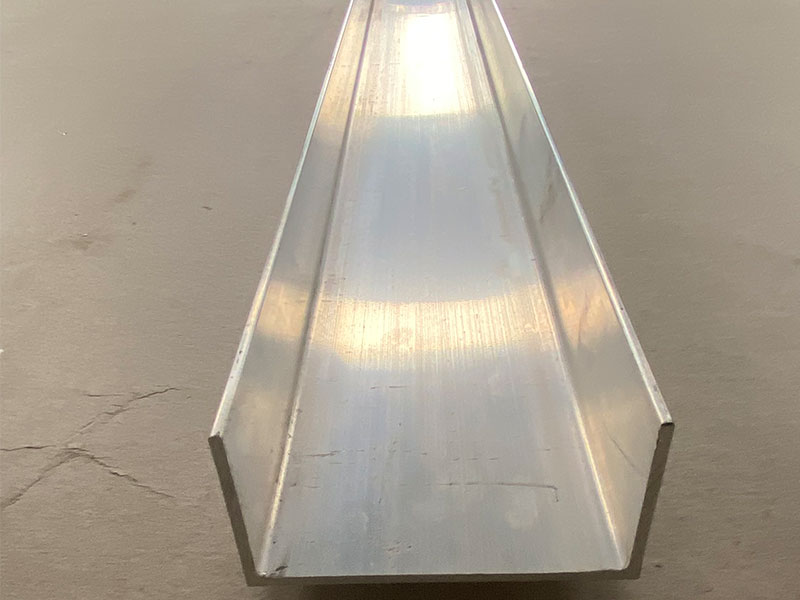
Marine Aluminum Channels are U-shaped aluminum profiles produced from alloys such as 5083, 5052, and 6061, known for their excellent marine corrosion resistance and superior mechanical strength.
View Details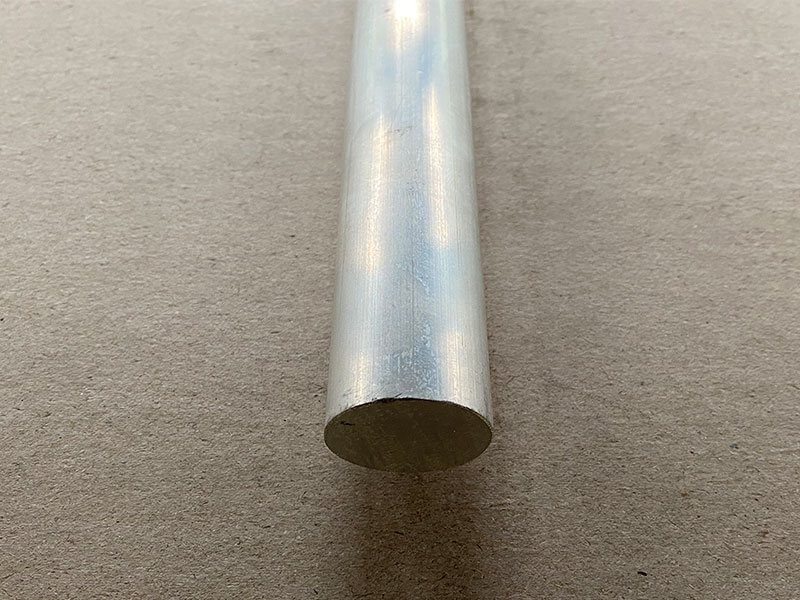
6061 marine aluminum round bar
6061 aluminum belongs to the 6xxx series alloys, alloyed primarily with magnesium and silicon. In the T6 temper, it undergoes solution heat treatment and artificial aging, resulting in enhanced mechanical properties while maintaining excellent corrosion resistance.
View Details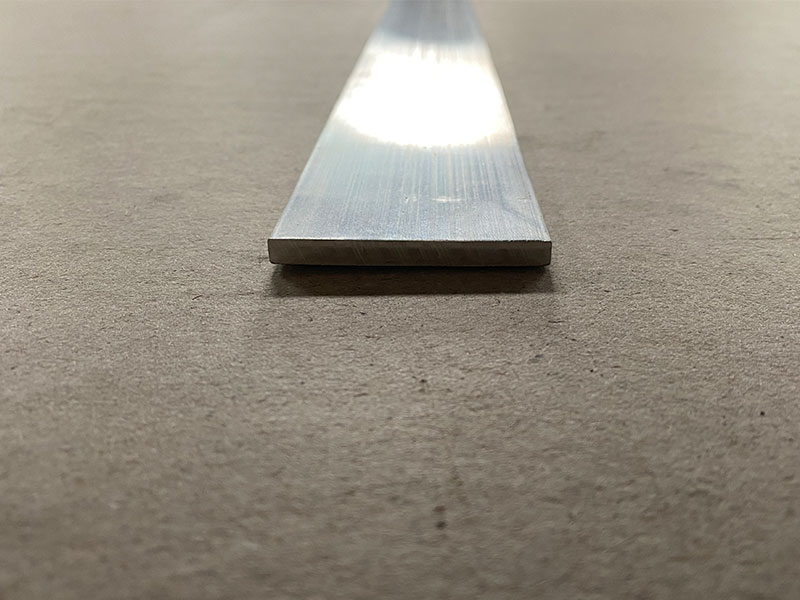
5083 marine aluminum flat bar
5083 aluminum flat bars belong to the 5xxx series of aluminum-magnesium alloys, known primarily for their superior resistance to seawater corrosion and salt spray.
View Details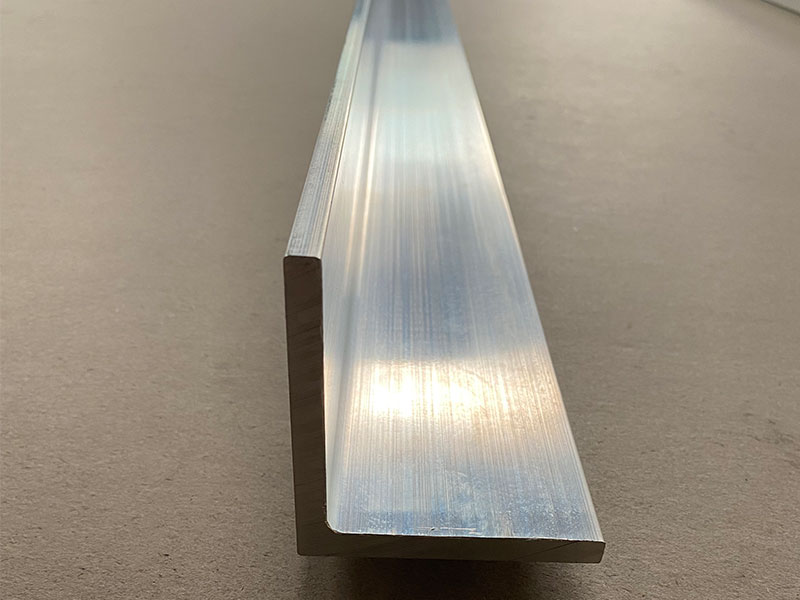
Marine aluminum angles
Marine Aluminum Angles are L-shaped cross-sectional aluminum profiles produced from marine-grade aluminum alloys such as 5083, 5052, and 6061.
View Details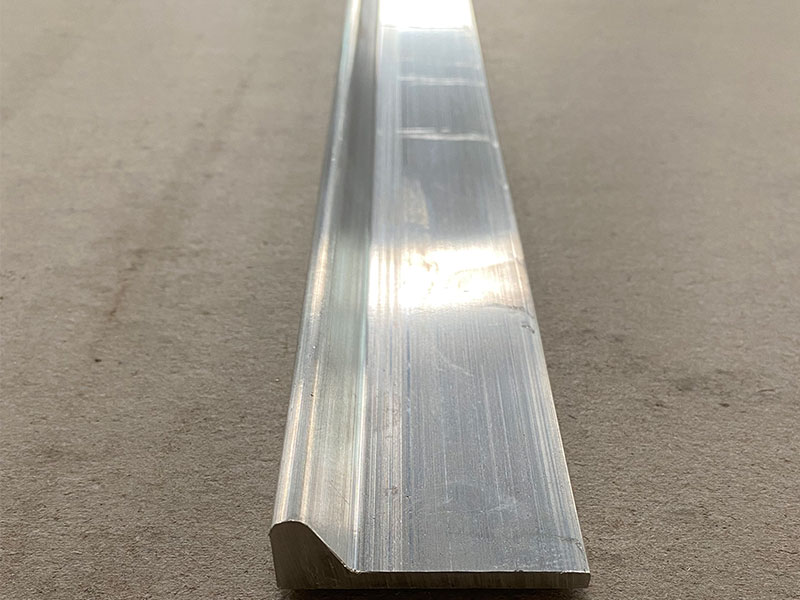
Marine aluminum I-beams
Marine Aluminum I-Beams feature the traditional “I” cross-sectional profile fabricated from marine-grade aluminum alloys like 5083, 5086, and 6061. These alloys are renowned for their outstanding corrosion resistance, especially in saltwater and marine atmospheres, making them ideal for offshore and naval construction.
View Details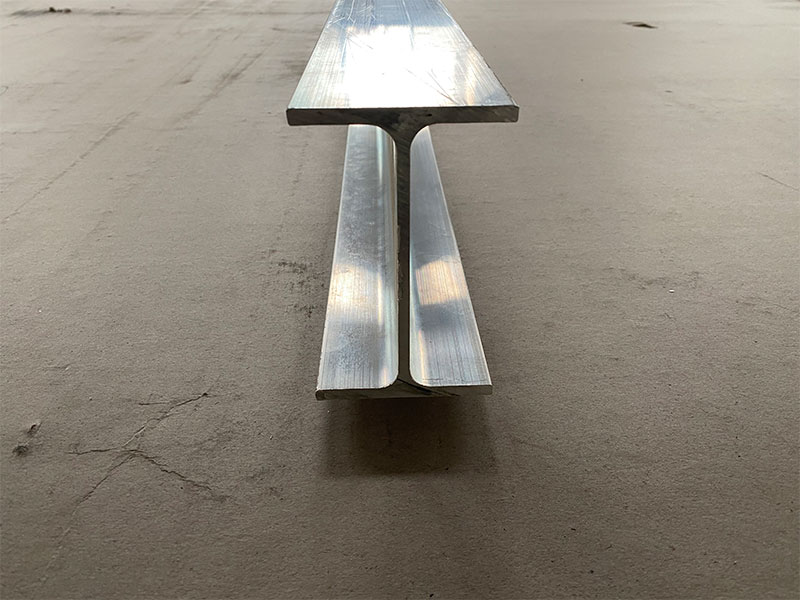
Marine aluminum Z-shaped sections
Marine Aluminum Z-shaped Sections are fabricated from premium marine-grade aluminum alloys such as 5083, 5052, and 6061. These alloys are well-regarded for their superior corrosion resistance in seawater and marine atmospheres, along with good mechanical strength and excellent weldability.
View DetailsRelated Blog
Marine Aluminum I Beams
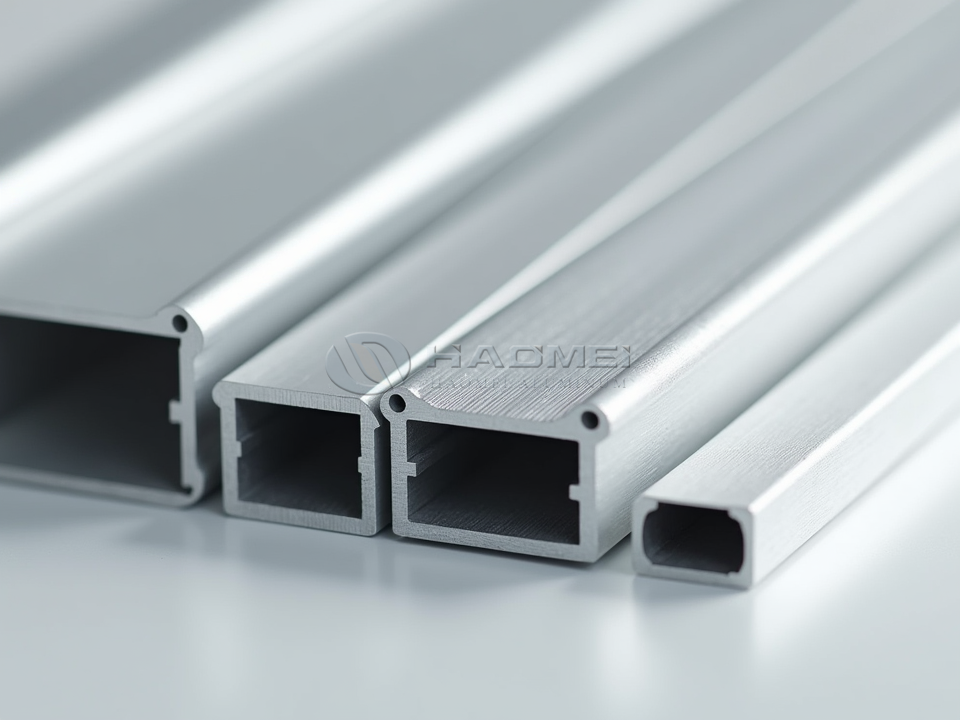
Learn how marine aluminum I beams carry real boat and dock loads, with practical guidance on alloy choice, sizing, corrosion control, and installation.
View Details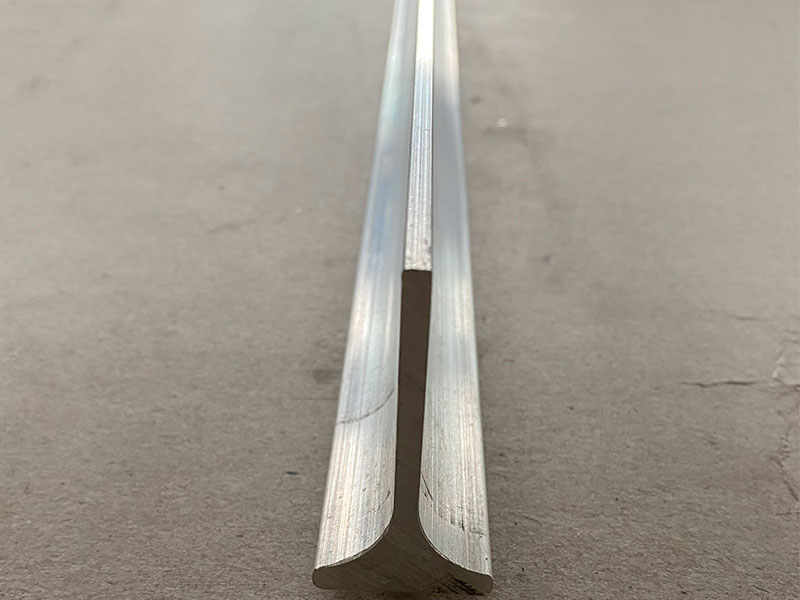
5086 Marine Aluminum I Beams for Offshore Marine Structural Design
Offshore structures live in a harsh reality: salt spray, splash zones, cyclic loading, and relentless maintenance pressure. 5086 marine aluminum I beams are engineered for exactly this environment-delivering a balance of corrosion resistance.
View Details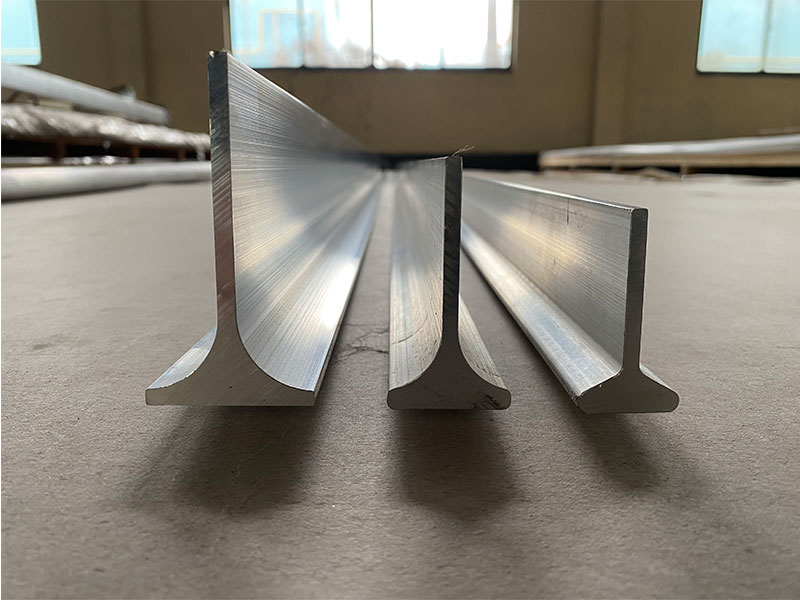
Marine Aluminum Channels for Heavy Duty Boat Frame Design
Designing a strong, lightweight, and corrosion‑resistant frame is at the heart of every reliable marine vessel. Marine aluminum channels bring all three advantages together, making them a preferred choice for boat builders, shipyards, .
View Details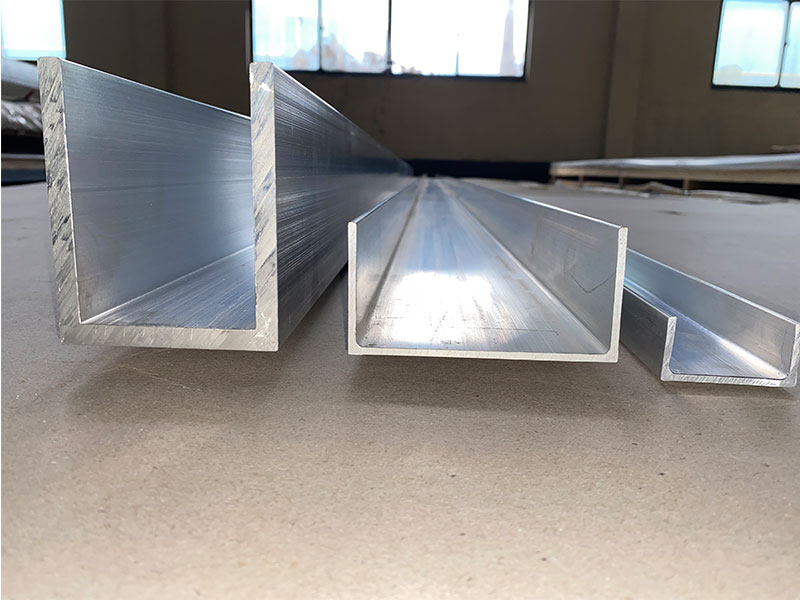
5083 Marine Aluminum Flat Bar for Offshore Platform Design
5083 marine aluminum flat bar delivers high strength, outstanding corrosion resistance, and excellent weldability, making it a preferred material choice for offshore platform design, topside structures, walkways, brackets.
View Details
5052 Marine Aluminum Angles for Seawater Resistant Offshore Equipment
5052 marine aluminum angles are purpose-built structural shapes for offshore and nearshore environments where salt spray, seawater splash zones, and humid, corrosive atmospheres quickly degrade ordinary metals.
View Details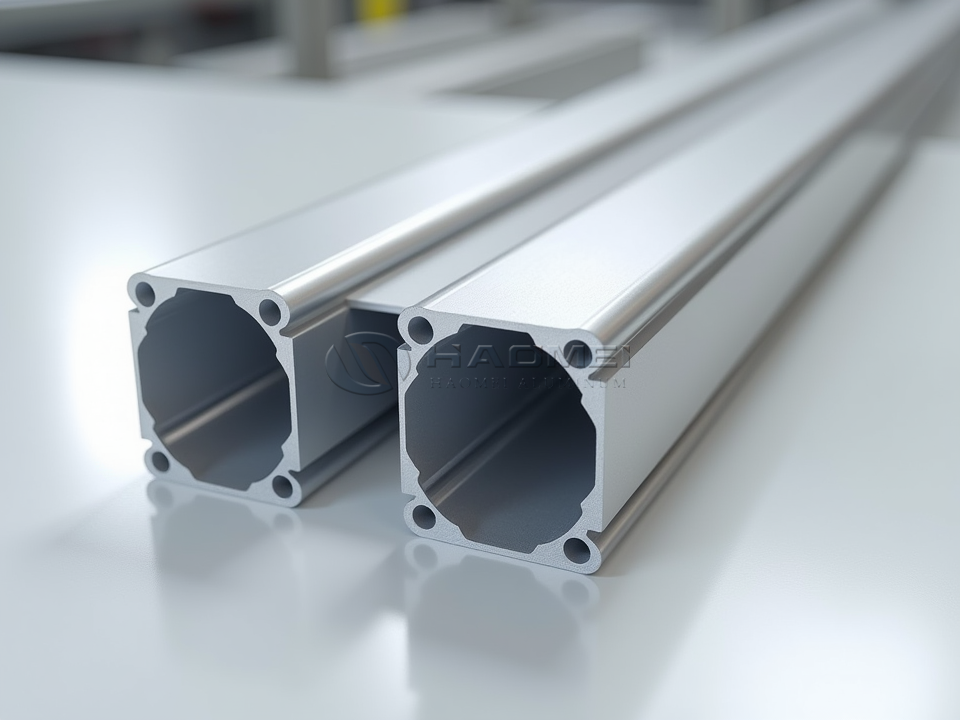
6061 Marine Aluminum I Beams
6061 marine aluminum I beams offer strong, lightweight, corrosion-resistant support for boats, docks, decks, frames, and marine structures.
View Details
Leave a Message