
5083 Marine Aluminum Customized Shapes
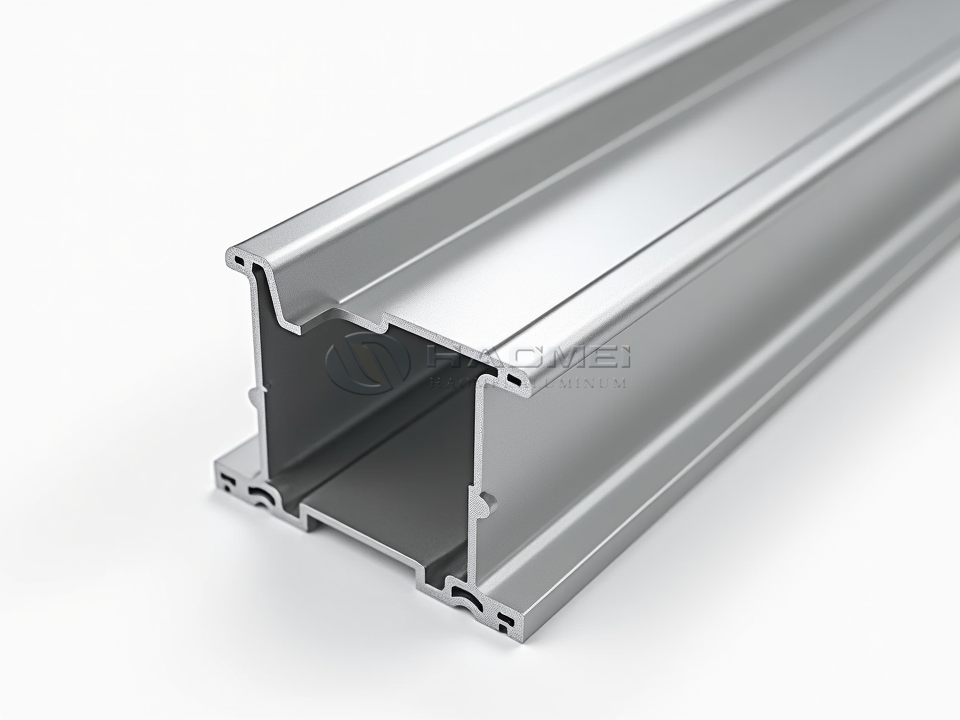
5083 marine aluminum customized shapes are engineered components made for hull structures, deck systems, gunwales, hatch surrounds, rub rails, brackets, stiffeners, and other saltwater-exposed vessel parts. This aluminum-magnesium alloy is widely specified where seawater corrosion resistance, weldability, moderate-to-high strength, and low structural weight must work together.
Unlike standard sheet or plate, customized shapes are produced to suit a vessel's drawing, load path, joining method, and installation space. They may be supplied as extruded sections, precision-cut plate forms, bent channels, welded assemblies, machined parts, or formed structural profiles. For demanding marine projects, 5083 provides a dependable material platform for commercial vessels, workboats, ferries, patrol craft, offshore equipment, and marina structures.
Why 5083 performs in marine environments
5083 belongs to the 5xxx aluminum series and gains strength mainly through magnesium alloying and strain hardening rather than heat treatment. Its magnesium content supports strong resistance to seawater and industrial marine atmospheres. The alloy also retains useful strength after welding, making it practical for fabricated structures with long seams or complex assemblies.
The material develops a protective aluminum oxide film in service. When proper drainage, coating selection, isolation from dissimilar metals, and welding practice are applied, 5083 customized shapes can deliver long service life with reduced maintenance demand.
| Performance characteristic | Benefit for customized marine shapes |
|---|---|
| Seawater corrosion resistance | Suitable for continuously humid, splash-zone, and exposed deck environments |
| High weldability | Supports MIG and TIG fabrication of frames, panels, brackets, and reinforcements |
| Strength-to-weight ratio | Reduces vessel mass while maintaining structural capability |
| Formability | Allows bending, rolling, cutting, and fabrication into non-standard geometries |
| Low-temperature toughness | Useful for vessels operating in cold marine climates |
| Non-heat-treatable alloy | Strength is selected through temper and processing control |
Chemical composition of 5083 aluminum alloy
The high magnesium level is central to 5083 performance. Manganese and chromium support strength and microstructural stability, while tight impurity control helps maintain corrosion behavior and welding consistency.
| Element | Composition, % by weight |
|---|---|
| Magnesium, Mg | 4.0-4.9 |
| Manganese, Mn | 0.40-1.0 |
| Chromium, Cr | 0.05-0.25 |
| Iron, Fe | 0.40 max |
| Silicon, Si | 0.40 max |
| Copper, Cu | 0.10 max |
| Zinc, Zn | 0.25 max |
| Titanium, Ti | 0.15 max |
| Other elements, each | 0.05 max |
| Other elements, total | 0.15 max |
| Aluminum, Al | Balance |
Typical composition limits are referenced from EN 573-3 and comparable international alloy specifications. Project requirements should define the governing edition and certification scope.
Available customized forms and functions
5083 can be converted into tailored shapes through CNC cutting, press braking, rolling, welding, machining, and, where geometry and production volume permit, specialized extrusion. Because 5083 is less extrusion-friendly than common 6xxx alloys, many intricate marine sections are more economically fabricated from 5083 plate or sheet. This approach preserves the alloy's corrosion and welding advantages while allowing broad dimensional flexibility.
| Customized shape | Typical function | Common marine location |
|---|---|---|
| Bent angle or channel | Edge reinforcement and local stiffness | Deck edges, bulkheads, engine-room supports |
| CNC-cut bracket | Transfers concentrated loads | Seating bases, equipment mounts, davits |
| Welded T or box section | Increases section modulus | Hull framing, deck beams, longitudinal members |
| Curved plate form | Matches vessel contour | Hull sides, bow sections, tanks, superstructures |
| Gunwale or rub-rail support | Protects and stiffens perimeter edges | Small craft and workboat hulls |
| Hatch and window surround | Creates durable openings and mounting faces | Cabins, wheelhouses, access hatches |
| Fender backing profile | Absorbs berth-side loads through a strong support | Docks, pontoons, vessel-side protection |
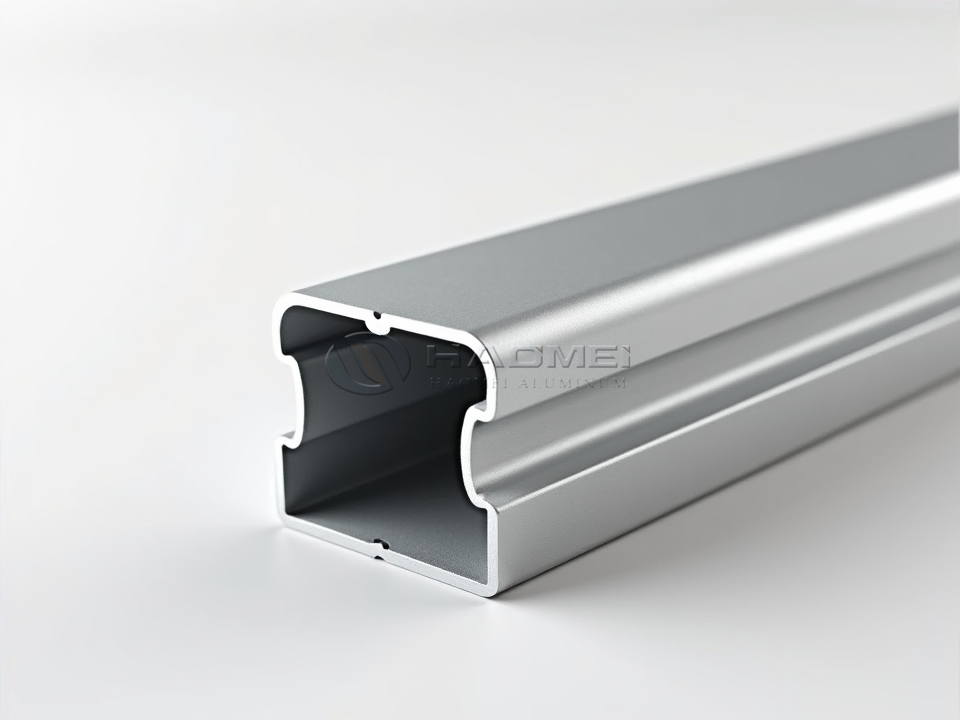
For profile-led designs, Marine aluminum customized shapes can be developed from drawings, samples, or required cross-sectional dimensions. Important inputs include wall thickness, bending radii, machining locations, welding access, drainage paths, and tolerances needed for assembly.
Temper conditions and mechanical properties
Temper selection affects strength, forming behavior, and suitability for seawater service. H116 and H321 are frequently selected for marine plate because they are processed for improved resistance to exfoliation corrosion. H111 and H112 are common where forming or fabricated structural use is more important than maximum strain-hardened strength.
| Temper | Condition | Typical use in customized shapes |
|---|---|---|
| O | Annealed, soft condition | Deep forming, complex bending, non-structural formed parts |
| H111 | Lightly strain hardened | General marine sheet, formed covers, moderate-strength parts |
| H112 | Strain hardened from hot working | Structural plate, fabricated beams, heavy formed parts |
| H116 | Strain hardened with marine corrosion control | Hull plating, decks, offshore and saltwater-exposed structures |
| H321 | Stabilized strain-hardened temper | Welded marine plate, cold-service structures, critical panels |
| Property | 5083-H116/H321 typical range* | Unit |
|---|---|---|
| Density | 2.66 | g/cm3 |
| Elastic modulus | 70 | GPa |
| Melting range | 574-638 | °C |
| Thermal conductivity | 117 | W/m·K |
| Electrical conductivity | 29 | % IACS, approximate |
| Ultimate tensile strength | 275-350 | MPa |
| Yield strength | 125-240 | MPa |
| Elongation | 10-20 | % |
Mechanical values vary with thickness, product form, temper, grain direction, and applicable standard. Certified inspection data should govern final engineering design.
Standards and inspection expectations
Marine projects often require material traceability, mechanical test results, chemical analysis, dimensional inspection, and surface-condition control. Classification requirements may also apply for ships and offshore structures.
| Standard or organization | Typical relevance |
|---|---|
| EN 573-3 | Chemical composition for aluminum alloys |
| EN 485-2 / EN 485-4 | Mechanical properties and tolerances for sheet, plate, and related products |
| ASTM B209 | Aluminum and aluminum-alloy sheet and plate |
| ASTM B928/B928M | High-magnesium marine aluminum plate and sheet with corrosion controls |
| ASTM B221 | Extruded bars, rods, wire, profiles, and tubes where applicable |
| ABS | Marine vessel material and construction approvals, when specified |
| DNV | Marine and offshore material approval requirements, when specified |
| Lloyd's Register | Classification documentation for marine construction, when specified |
Fabrication guidance for durable service
5083 customized shapes are readily welded using compatible 5xxx filler metals, commonly 5183, 5356, or 5556 depending on the joint design and service requirement. Welding reduces strain-hardened properties in the heat-affected zone, so structural calculations should consider the as-welded condition rather than parent-metal values alone.
Clean tooling and dedicated handling are recommended to prevent ferrous contamination. Sharp internal corners should be avoided where possible, particularly on heavily loaded brackets and bends. When connecting 5083 to stainless steel, carbon steel, or copper-bearing materials, electrical isolation is necessary to reduce galvanic corrosion risk. Drainage gaps, sealed crevices where appropriate, and compatible marine coatings further improve service durability.
| Fabrication item | Recommended practice |
|---|---|
| Cutting | CNC router, waterjet, laser, plasma, or saw cutting matched to thickness |
| Bending | Use suitable inside radius and grain-direction planning to reduce cracking risk |
| Welding | Use qualified procedures and compatible 5xxx filler alloy |
| Machining | Use sharp tools, controlled clamping, and chip evacuation |
| Surface finish | Mill finish, brushed, protective coating, or marine-grade paint system |
| Corrosion protection | Isolate dissimilar metals and prevent standing seawater in joints |
Marine applications that benefit from custom geometry
Custom 5083 shapes make it possible to place material only where it is structurally needed. A formed deck edge can combine stiffness and water shedding. A welded channel can replace several separate brackets. A contoured plate can follow the hull without excessive joints. These design choices can reduce fabrication steps, improve fit-up, and help control vessel weight.
Typical applications include aluminum fishing boats, passenger ferries, landing craft, fast patrol vessels, yacht structures, deckhouses, offshore walkways, dock fender supports, access platforms, tank components, and protective rail systems. With the correct temper, certified material, and fabrication plan, 5083 marine aluminum customized shapes provide an efficient and corrosion-resistant solution for long-term marine construction.

Related Products
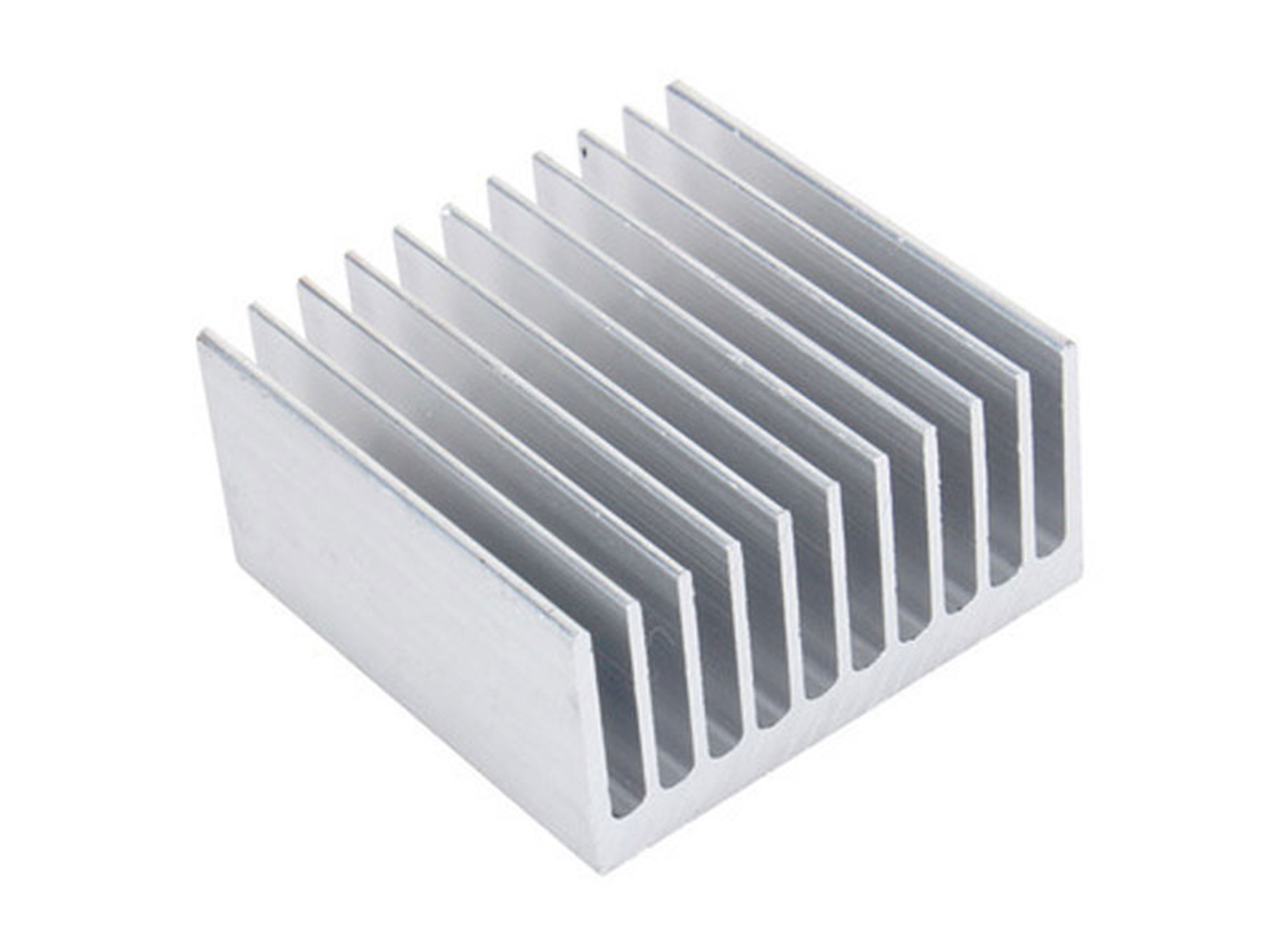
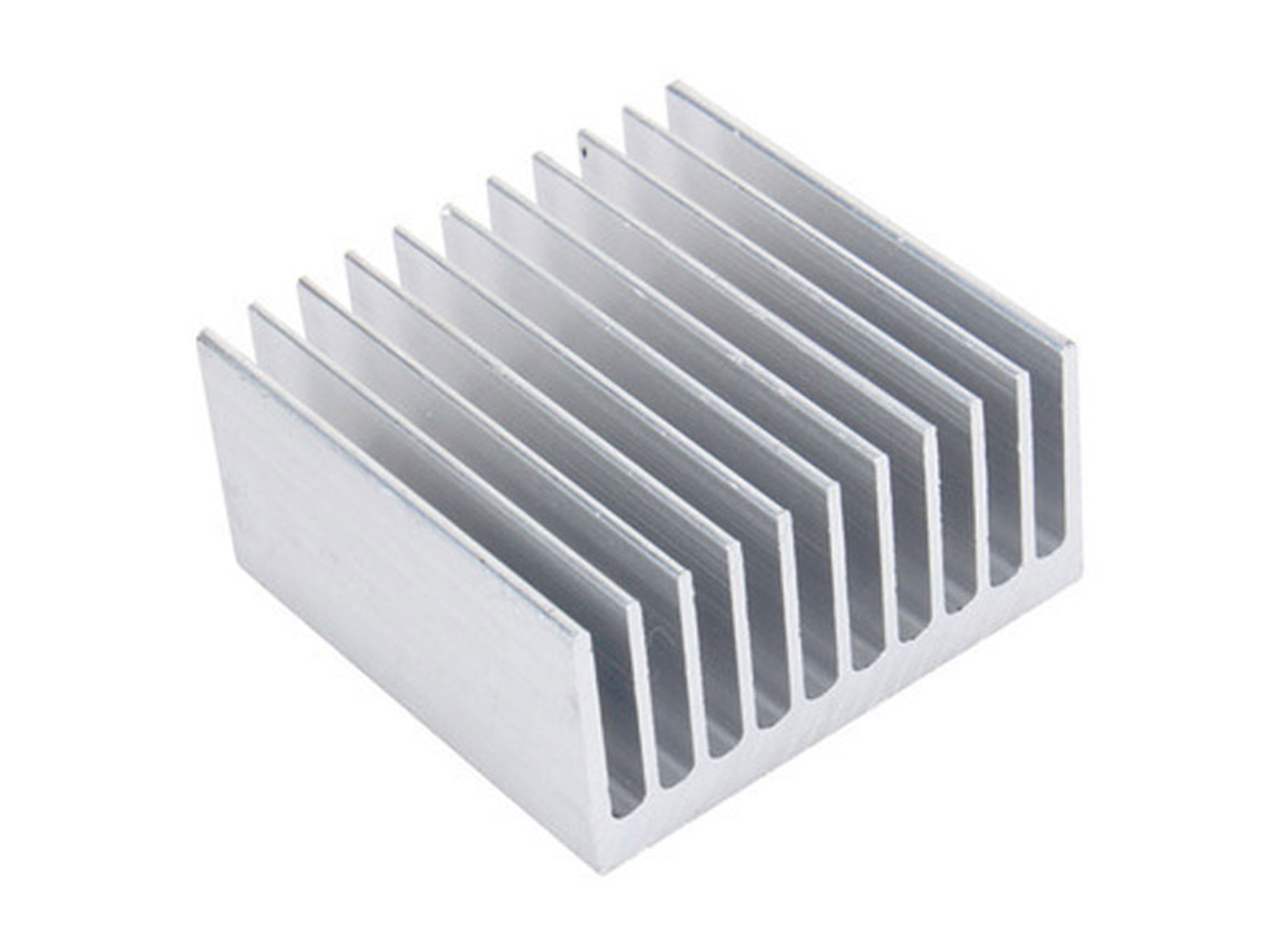
Marine aluminum heat sink profile
Marine Grade Aluminum Heat Sink Profiles utilize alloys such as 6061 and 6063 that not only exhibit high thermal conductivity but also possess excellent corrosion resistance required for saltwater exposure.
View Details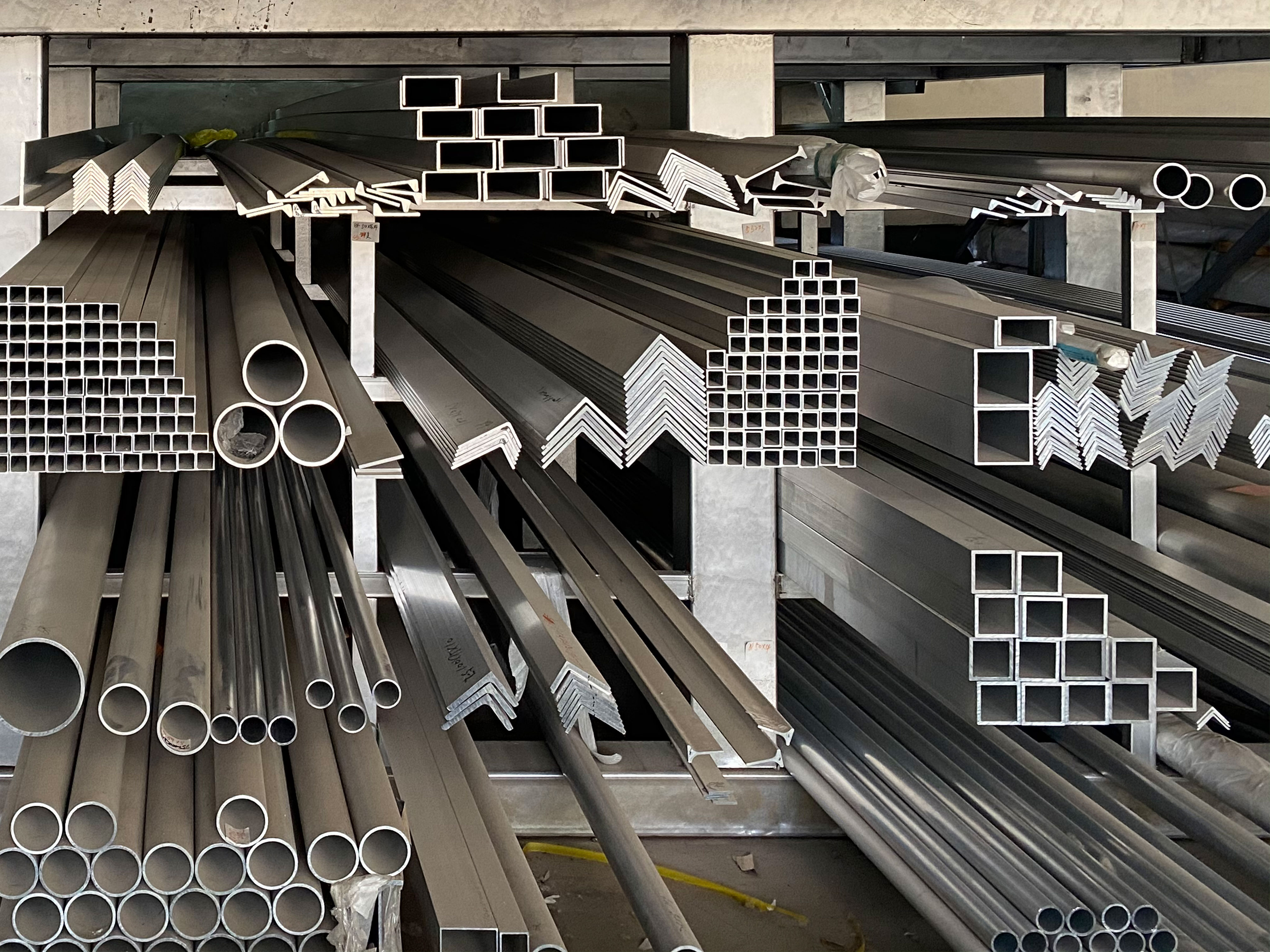
Marine aluminum fencing and railings
Marine Grade Aluminum Fencing and Railings are fabricated using marine-grade aluminum alloys such as 5083, 5052, and 6061, which are engineered specifically for protection against saltwater corrosion and marine atmospheric conditions.
View Details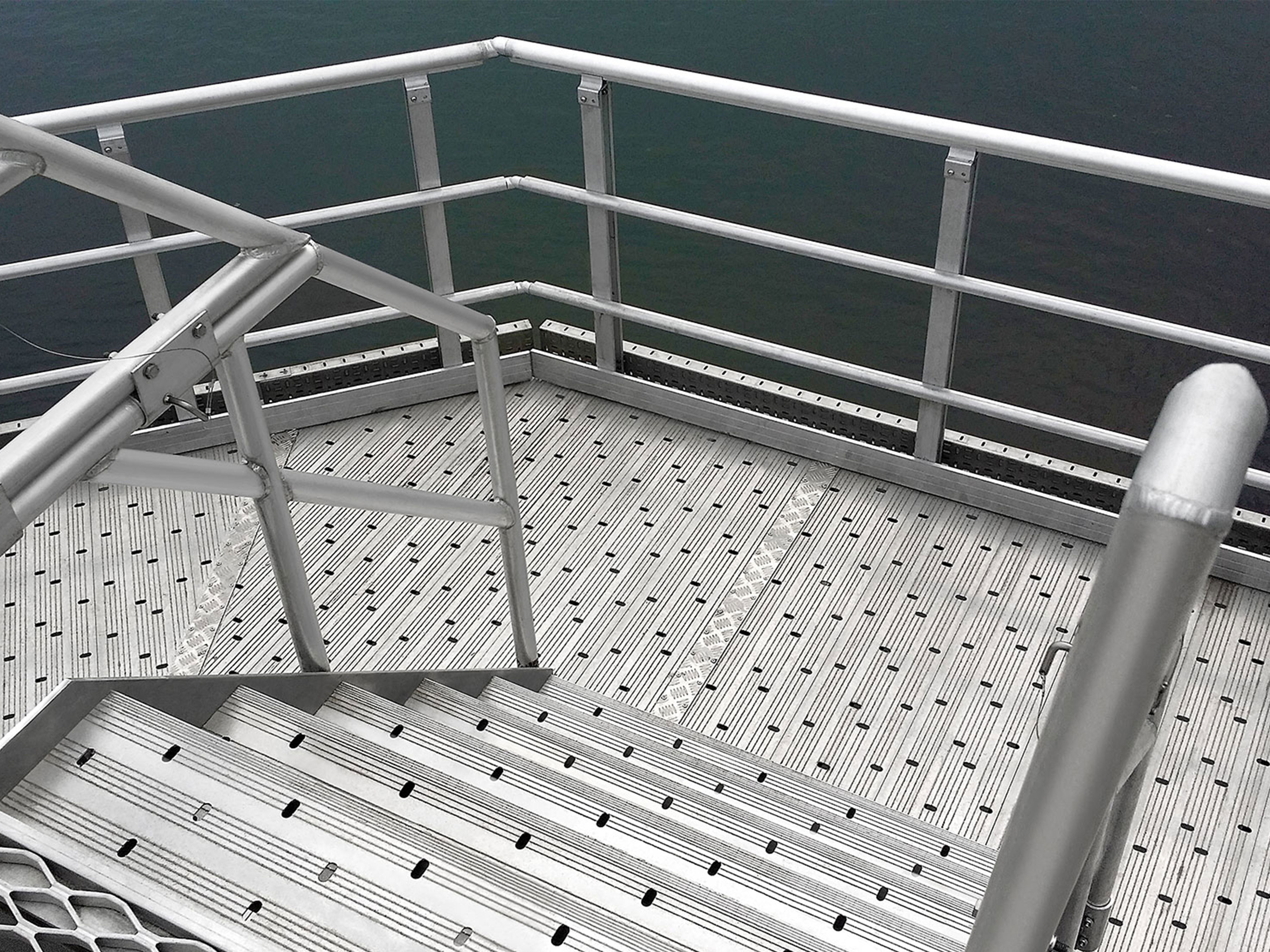
Marine aluminum customized shapes
Marine Grade Aluminum Customized Shapes encompass a broad range of aluminum extrusions and fabrications engineered beyond standard profiles—such as channels, angles, tubes, and beams—into complex, project-specific geometries.
View DetailsRelated Blog
6061 Marine Aluminum Heat Sink Profile for Cooling Solutions for Offshore Electronics
6061 Marine Aluminum Heat Sink Profile: Optimal Cooling Solutions for Offshore ElectronicsIn the demanding environment of offshore electronics, reliable thermal management is critical.
View Details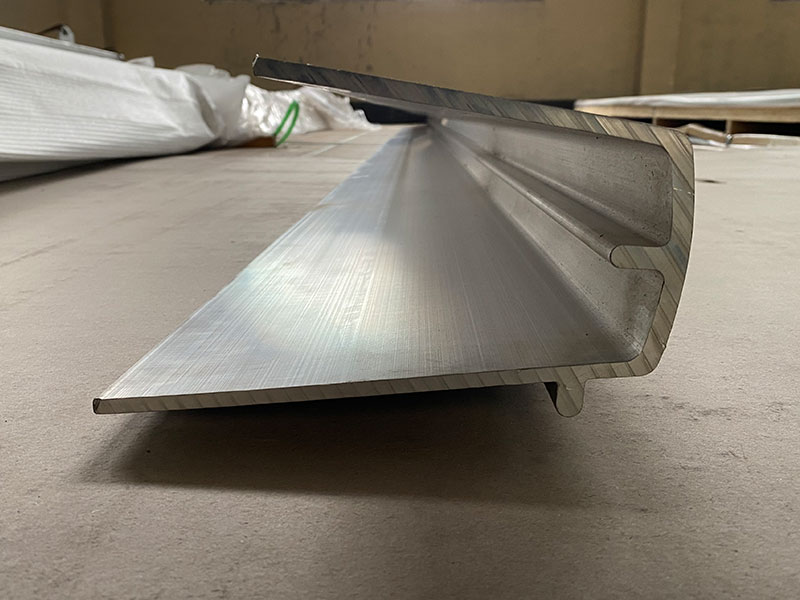
5052 Marine Aluminum Fencing and Railings for Custom Marine Deck Safety
When it comes to designing secure and durable marine environments, choosing the right material for fencing and railings is key. Among the most popular choices today is 5052 marine aluminum, which is well-regarded in the shipbuilding.
View Details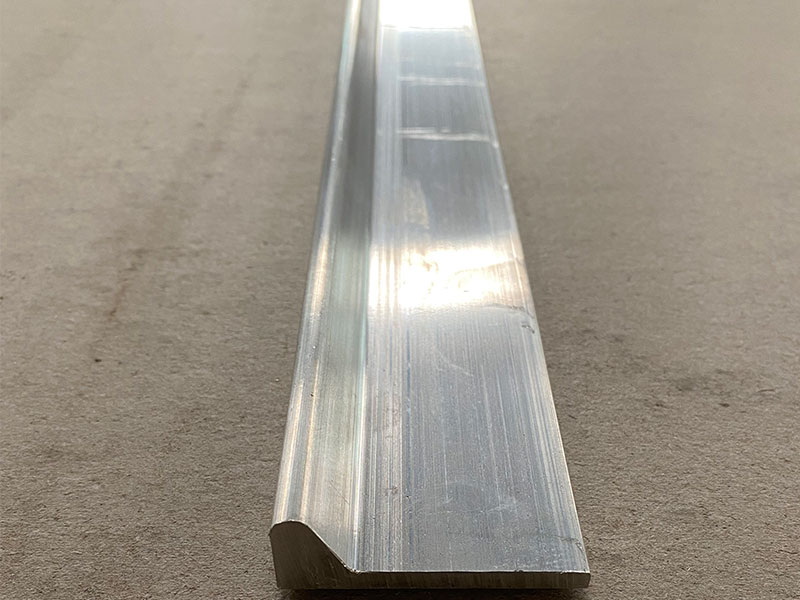
Marine Aluminum Customized Shapes for Offshore Construction and Deck Safety Solutions
Marine aluminum customized shapes are often introduced as "lightweight corrosion‑resistant metal," but offshore construction teams value them for something more specific: they turn the harshest environment into a predictable engineering problem.
View Details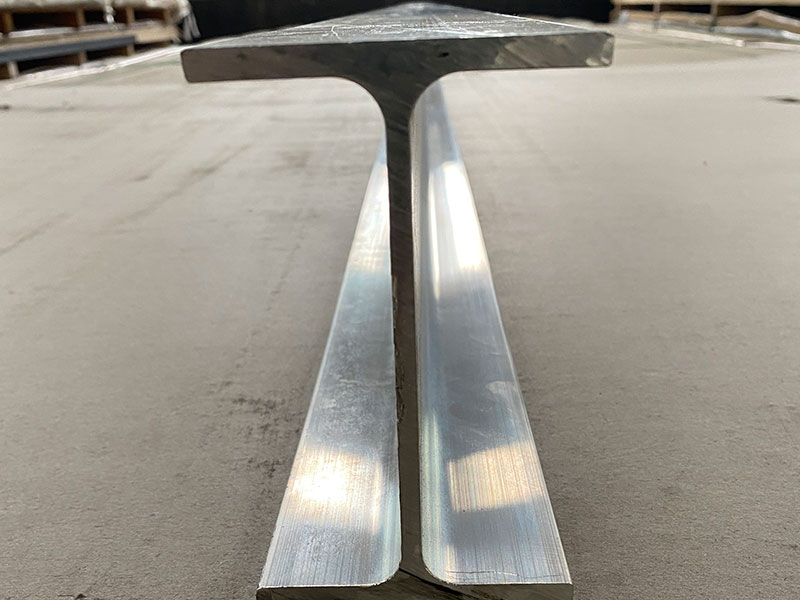
6061 Marine Aluminum Fencing and Railings for Custom Offshore Deck and Railings
6061 Marine Aluminum fencing and railings provide a lightweight, corrosion-resistant, high-strength solution for custom offshore decks and railings.
View Details
6061 Marine Aluminum Customized Shapes for Durable Boat and Vessel Frames
Marine environments demand materials that can withstand harsh conditions such as saltwater corrosion, constant exposure to moisture, and mechanical stress. Among a variety of aluminum alloys.
View Details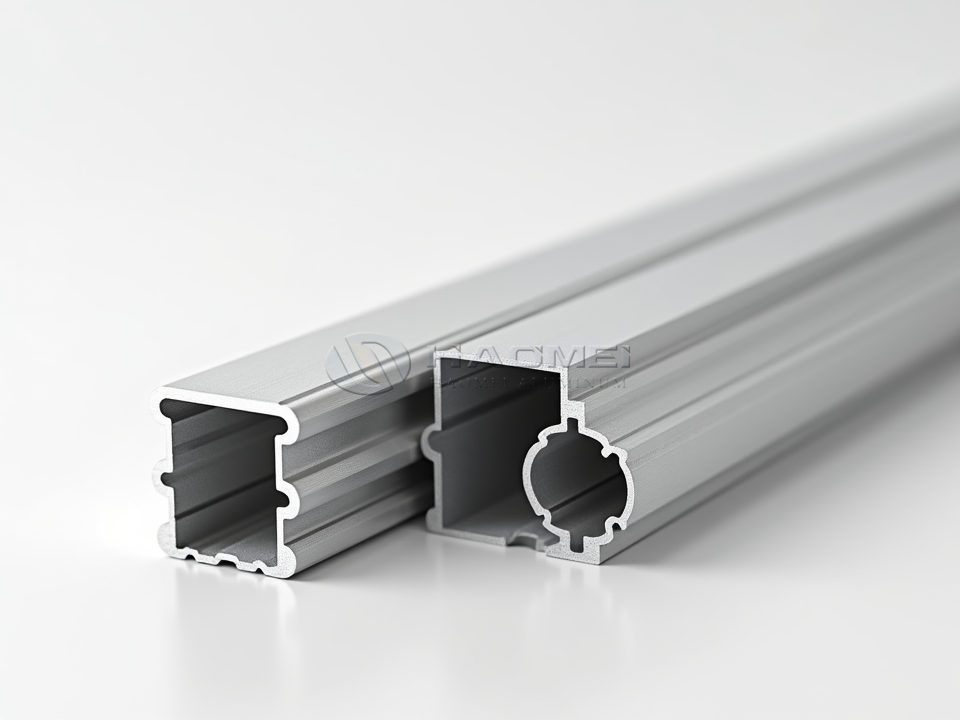
5083 Marine Aluminum Fencing and Railings for Offshore Platform Safety Fencing
5083 marine aluminum fencing for offshore platforms, covering corrosion behavior, tempers, standards, welding notes, and fast selection parameters today.
View Details
Leave a Message