
5052 Aluminium Checkered Plate for Boat
A boat deck is often chosen from drawings, thickness tables, and alloy labels. In real marine service, however, the deck is judged by boots, bare feet, wet gloves, dropped tools, fish scales, muddy anchor lines, and the hurried movement of people when the boat is rocking. From that viewpoint, 5052 aluminium checkered plate for boat is not merely a decorative sheet. It is a working surface designed to help crew and passengers move with more confidence.
5052 aluminium is widely used in marine environments because its magnesium-bearing composition offers strong resistance to corrosion in wet, salty conditions. When supplied with a raised tread pattern, commonly a five-bar or diamond pattern, it adds mechanical grip without relying on paint, abrasive tape, or coatings that can wear away. This makes it especially practical for deck panels, walkways, boarding steps, locker lids, engine-room floors, cockpit soles, and trailer-access platforms.
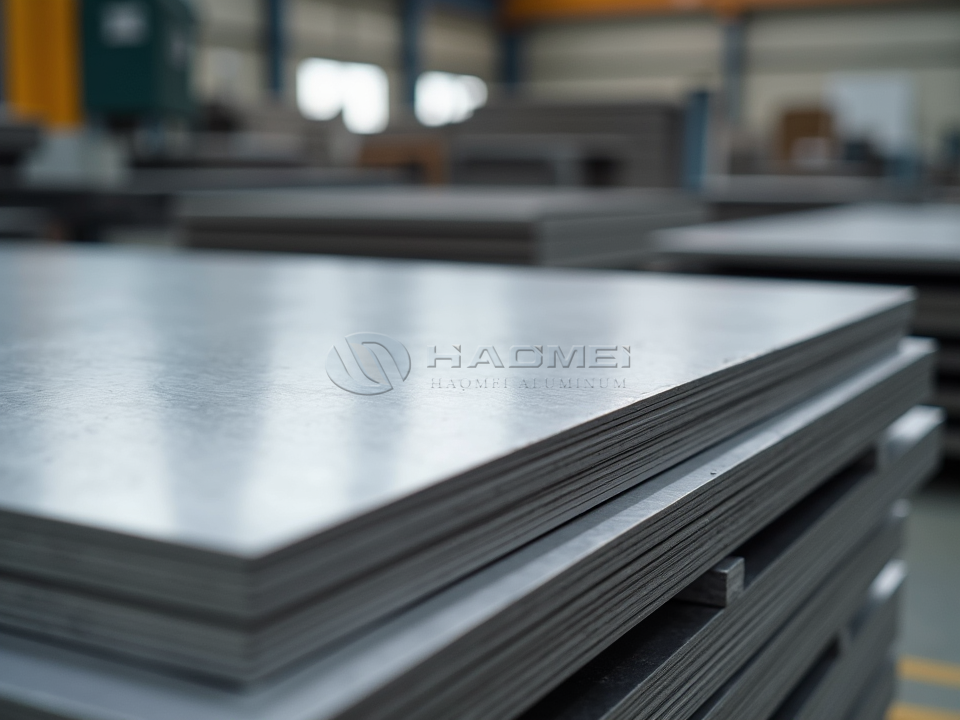
Grip Is About Water Management, Not Just Raised Pattern
The visible pattern on checkered plate is only part of its value. On a boat, water rarely stays clean. It may carry fuel residue, sunscreen, bait, sand, salt crystals, or fine mud. A properly selected tread pattern gives footwear multiple raised contact points while leaving channels around the pattern where water can move away.
For this reason, plate orientation matters. On a sloped step, gangway, or hatch cover, the bars should be arranged to support grip in the primary walking direction and help water drain rather than pool. A tread plate installed without considering drainage can still become slippery if water is trapped against a raised edge or under a loose mat.
The surface also performs differently depending on footwear. Rubber-soled deck shoes generally gain reliable traction from a moderate raised pattern. Heavy work boots may benefit from a more pronounced tread. For barefoot areas on small leisure boats, an aggressive pattern can feel uncomfortable, so a gentler tread or a mixed deck layout may be more suitable.
Why 5052 Fits Practical Boat Deck Work
5052 checkered plate offers a balance that suits many fabricated boat components. It is easier to bend and form than higher-strength hull alloys in many common tempers, while still providing the toughness needed for day-to-day deck use. H32 and H34 are frequently selected because they provide a useful combination of stiffness, formability, and surface durability.
For flat deck sections, thickness is selected according to the support spacing beneath the plate, expected point loads, panel size, and intended use. A lightly used locker lid does not require the same panel design as a commercial fishing-boat walkway carrying ice boxes, equipment carts, and crew. The raised pattern contributes grip, but it should not be treated as structural thickness. Fabricators should calculate using the base metal thickness, then allow for the added tread height when planning clearances, hinges, seals, and flush-mounted hardware.
Where a project also needs smooth panels for bulkheads, side trims, or fabricated boxes, matching Marine 5052 aluminum sheet can create a consistent alloy system across the boat. This can simplify cutting, welding, corrosion planning, and future repairs.
A Better Choice for Deck Zones Than for Every Boat Part
5052 aluminium checkered plate is highly effective for non-hull deck applications, but it should be selected according to the job rather than used everywhere. The tread pattern makes it an excellent choice for areas where people stand, climb, carry gear, or wash down the surface. It is less suitable where a perfectly smooth finish is needed, such as a painted fairing panel, a gasket sealing face, or a hull area requiring carefully controlled forming.
For heavily loaded hull plating, fast patrol craft, or vessels designed for demanding offshore operation, alloys such as 5083 or 5086 may be more appropriate based on the engineer's strength and corrosion requirements. In contrast, 5052 tread plate shines in places where the crew interacts with the vessel directly: the boarding step that is always wet, the cockpit floor after a catch, or the service platform near the outboard.
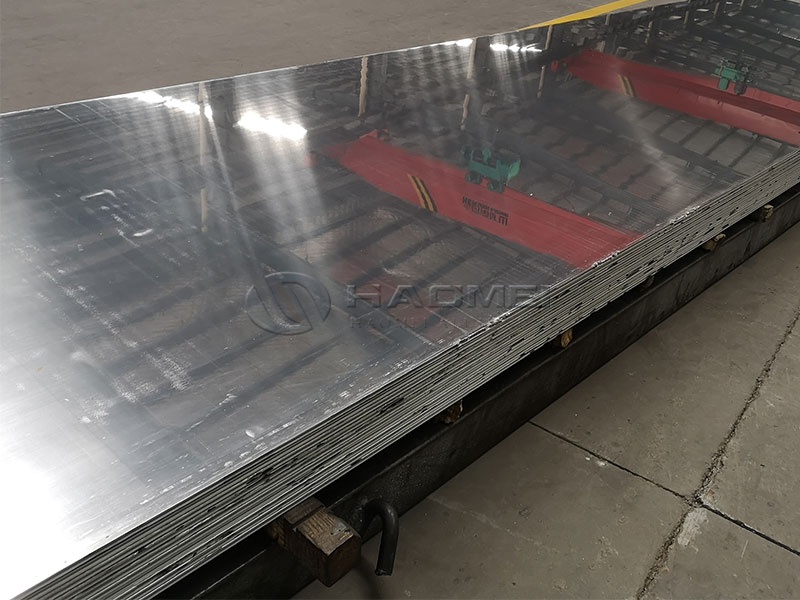
Fabrication Details That Protect Long-Term Performance
A good marine deck is not only about selecting the right alloy. The details around the plate determine whether it remains clean, quiet, and corrosion-resistant over time.
Edges should be deburred thoroughly. Sharp tread plate edges can damage footwear, cut hands during maintenance, and create stress points around folded sections. If the plate is used as a removable hatch or floor panel, allow enough edge clearance for thermal movement and easy lifting after salt deposits accumulate.
Welding should be planned with the finished walking surface in mind. Welds on the exposed face can interrupt the pattern and create hard-to-clean areas. Where possible, use framing beneath the plate, weld from the underside, or place weld seams outside major foot-traffic zones. After welding, remove residue and rinse the area properly. Aluminum does not rust like steel, but neglected weld zones can collect contaminants and become unattractive.
Fasteners deserve equal attention. Stainless steel bolts installed directly through aluminium in a wet environment can encourage galvanic corrosion. Use suitable insulating washers, sleeves, sealants, or isolation materials where the design permits. Avoid trapping moisture under rubber strips, mats, or hardware bases. A deck that drains and dries quickly generally lasts better than one with hidden wet pockets.
Selecting the Pattern and Finish for the Boat's Job
The best checkered plate pattern is usually the one that matches the activity on board. A fishing boat benefits from a tread that remains useful after washdown and offers secure footing around live wells and bait stations. A workboat may prioritize toughness, easy replacement, and dependable traction under boots. A leisure pontoon or cabin boat may prefer a cleaner, lower-profile tread that is easier on bare feet and easier to pair with carpet inserts or marine flooring.
Natural mill finish is common and practical, but it will gradually develop a duller marine patina. This is normal. Regular rinsing with fresh water removes salt and surface deposits, while mild soap handles ordinary dirt. Avoid harsh alkaline cleaners, steel wool, and abrasive products that embed foreign particles into the aluminium surface.
For projects needing ready-made tread options, Marine Aluminum Tread Sheets provide a practical starting point for comparing alloy, temper, thickness, tread design, and panel dimensions.
The Most Useful Deck Is the One People Trust
The strongest reason to choose 5052 aluminium checkered plate for a boat is not the shine of new metal. It is the confidence it can provide after the boat has been used hard. When a crew member can step aboard with wet boots, carry equipment across the cockpit, and move safely during a washdown, the deck is doing its job.
Choose the plate around real traffic routes, drainage direction, support spacing, and cleaning habits. Specify a suitable temper, use corrosion-aware fasteners, and finish the edges carefully. With those decisions made well, 5052 checkered plate becomes more than aluminium underfoot. It becomes a dependable working part of the boat.

Related Products
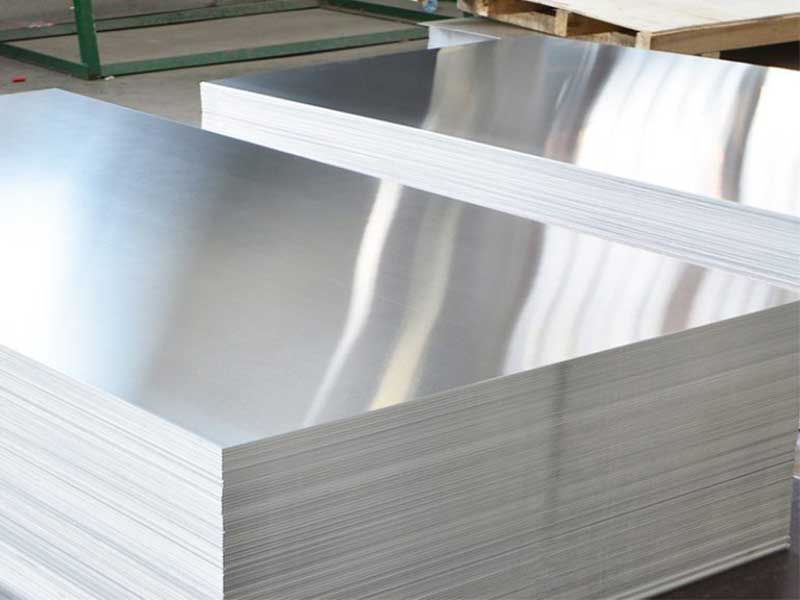
Marine anodized aluminum sheets
Marine Anodized Aluminum Sheets start with premium marine-grade aluminum alloys such as 5000 and 6000 series (typically 5083, 5052, and 6061).
View Details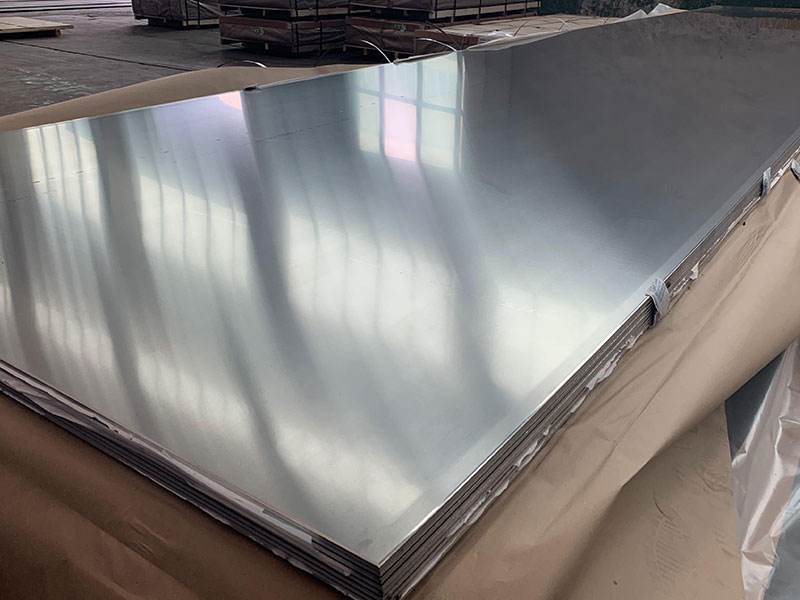
Marine 5086 aluminum sheet
This product article provides an in-depth and comprehensive understanding of Marine 5086 Aluminum Sheets, including their chemical composition, mechanical properties, corrosion resistance, fabrication capabilities, and typical marine applications.
View Details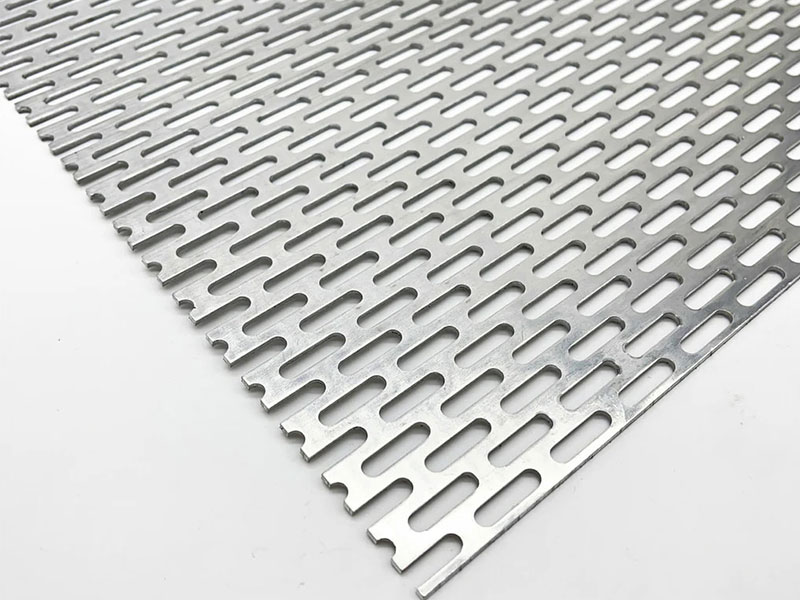
Marine perforated aluminum sheets
Marine Perforated Aluminum Sheets feature a series of uniform holes or shapes punched through the aluminum surface. These perforations can vary in size, pattern, and open area to tailor the sheets for specific applications.
View Details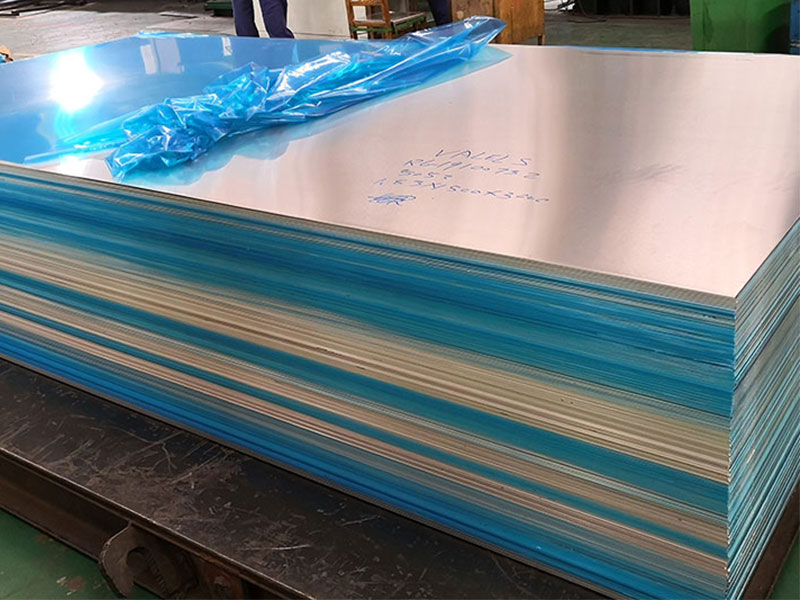
Marine 5059 aluminum sheet
5059 aluminum alloy is a strain-hardened material with a unique addition of magnesium and chromium, which provides outstanding resistance to localized corrosion like pitting and stress corrosion cracking.
View Details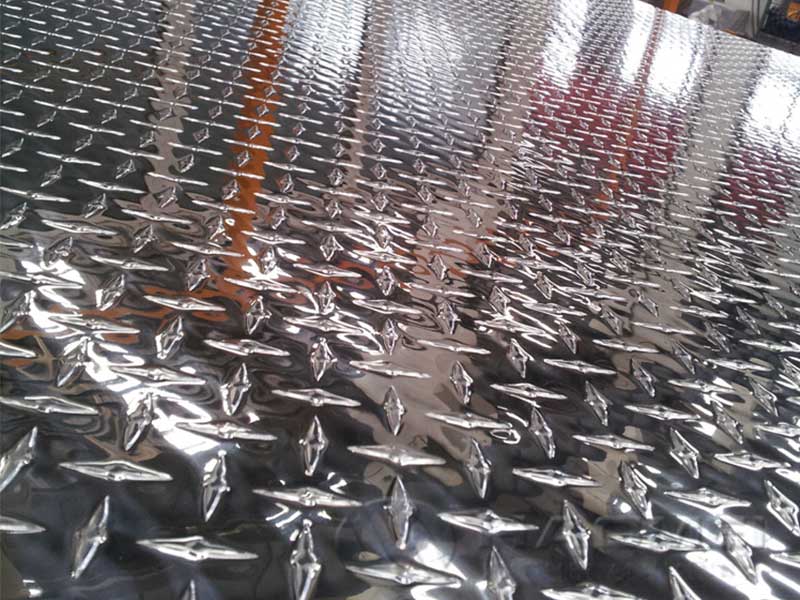
Marine Aluminum Tread Sheets
Marine Aluminum Tread Sheets are aluminum alloy plates featuring a raised surface pattern, commonly referred to as a tread design or diamond plate.
View Details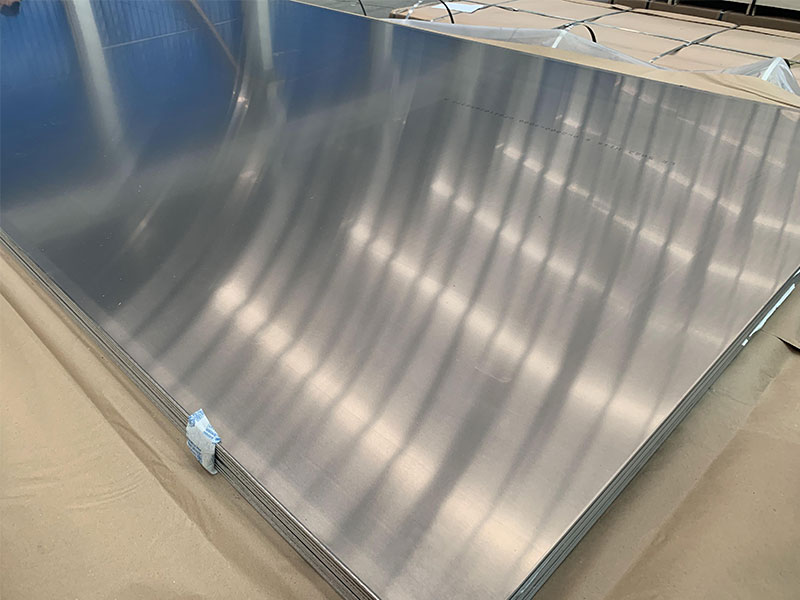
Marine 5052 aluminum sheet
Aluminum alloy 5052 is a non-heat-treatable, strain-hardened alloy with magnesium as the primary alloying element. It is designed to offer superior corrosion resistance in marine and saline environments, making it a dependable choice for components exposed directly to seawater or coastal atmospheric conditions.
View DetailsRelated Blog
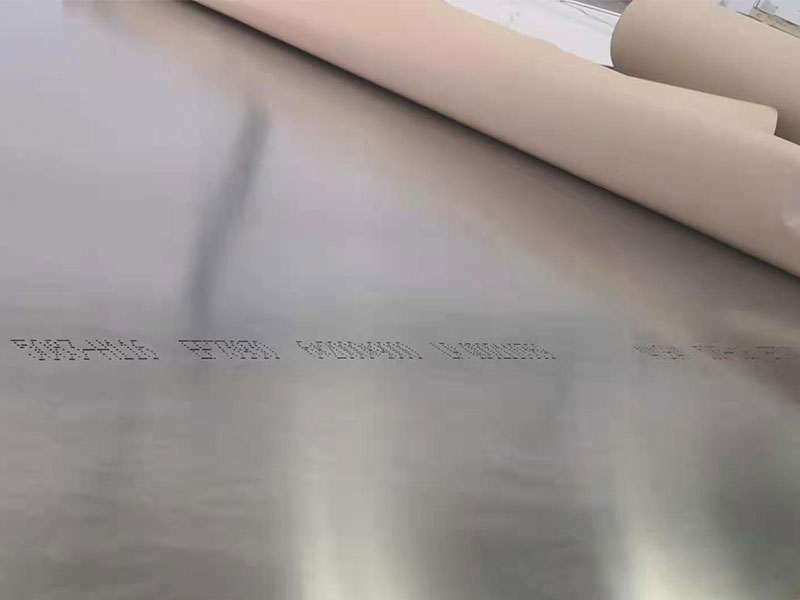
Aluminum Sheet A5083 H116 H321 for Marine Ship
Aluminum Sheet A5083 in tempers H116 and H321 is a primary material choice for manufacturing marine vessels and shipbuilding components. It combines exceptional mechanical properties with strong corrosion resistance.
View Details
5083 Marine Perforated Aluminum Sheets
5083 marine perforated aluminum sheets bring seawater resistance, strength, drainage, airflow, and custom hole patterns to boat structures.
View Details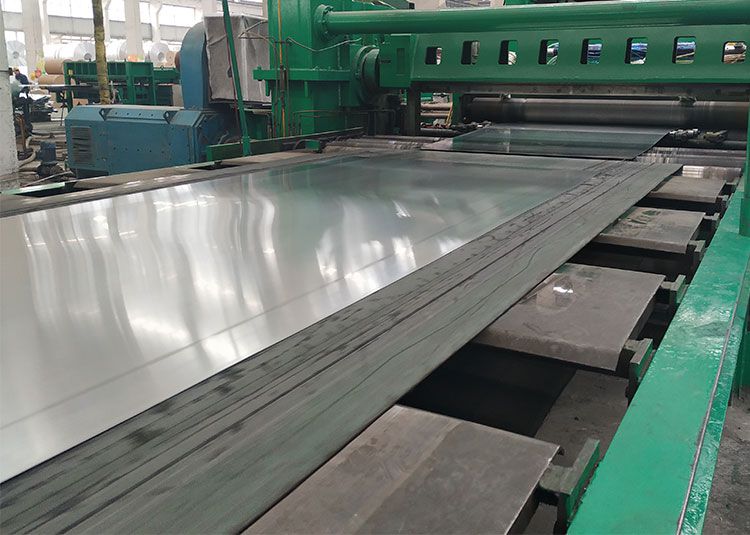
3mm Thickness 8x4 Aluminum Sheet 5083 For Boat
Marine builders choose materials that survive salt spray, wave impact, and years of cyclic loading without becoming a maintenance burden. 3mm thickness 8x4 aluminum sheet 5083 is a proven marine-grade plate/sheet option used worldwide for boat hulls.
View Details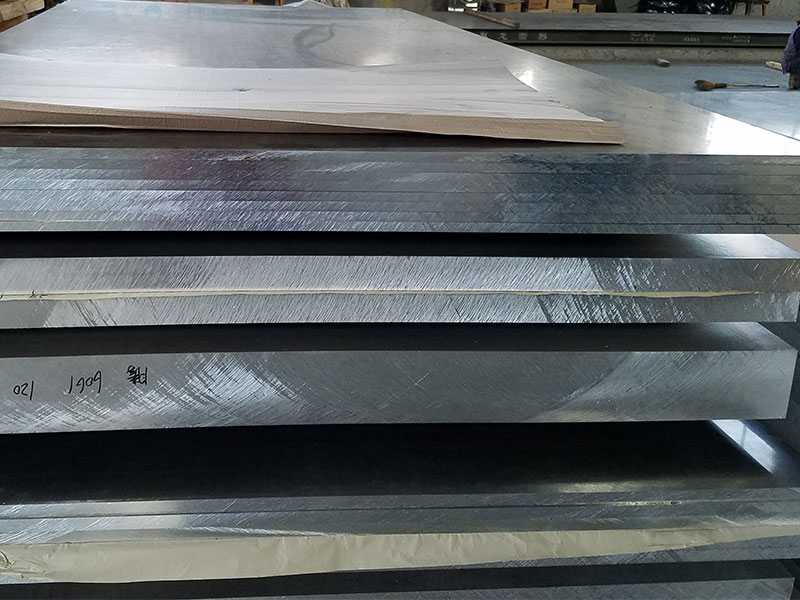
Aluminum foil 0.5mm Thick 5000 Series Marine Grade
Aluminum Foil 0.5mm Thick 5000 Series Marine Grade: A "Sealing Skin" for Real-World Marine WorkWhen people hear "aluminum foil," they often imagine thin kitchen wrap.
View Details
Aluminium sheet 8mm alloy 5052 h112 for boat
When selecting materials for marine applications, especially in boat building, the balance between strength, corrosion resistance, and workability is crucial. Aluminium sheet 8mm thick made from alloy 5052 in temper H112 epitomizes this balance.
View Details
Marine grade aluminum for ship building aluminium sheet 5052 h111
Superior strength, corrosion resistance, and durability of marine grade aluminum 5052 H111 aluminum sheets, ideal for shipbuilding applications requiring high fatigue strength and excellent seawater performance.
View Details
Leave a Message