
Aluminum Sheet 5083 Marine Grade Cold Rolled Hot
A vessel hull does not experience corrosion in a laboratory. It faces salt spray, trapped moisture, vibration, welding heat, impact, and years of changing temperatures. This is why 5083 marine grade aluminum sheet is valued in shipbuilding: it is designed around practical resistance to the marine environment rather than decorative appearance alone.
5083 is an Al-Mg-Mn alloy from the 5xxx aluminum family. Its high magnesium content provides strong natural resistance to seawater and industrial atmospheres, while manganese helps support strength and structural stability. Unlike heat-treatable alloys, 5083 gains its strength mainly through cold working and controlled stabilization. This makes temper selection especially important for a hull, deck, bulkhead, tank, or superstructure.
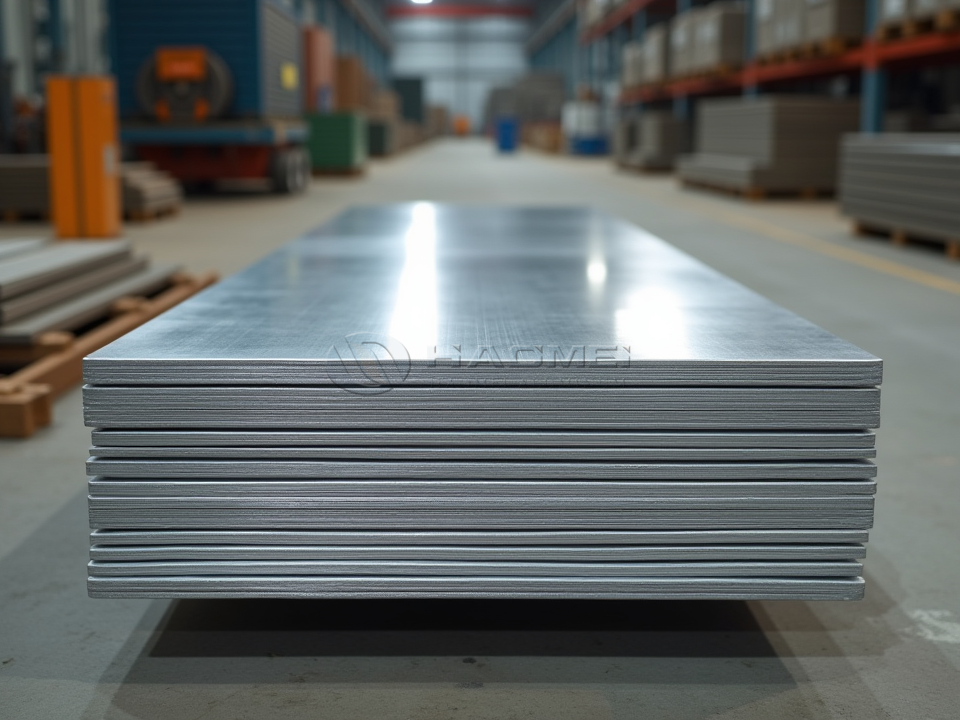
Why 5083 Performs in Marine Structures
The value of 5083 lies in its balance. It offers high strength for a non-heat-treatable aluminum alloy, excellent weldability, and reliable corrosion performance in saltwater exposure. Properly specified material can reduce vessel weight compared with steel construction while retaining the stiffness and durability required for demanding marine service.
For hull plating and welded structures, Marine 5083 aluminum sheet is frequently selected because its corrosion resistance continues to perform well around welded zones. The weld itself may lose some work-hardened strength, but the alloy remains a dependable choice where corrosion protection and fabrication efficiency matter together.
5083 is commonly used for fishing boats, workboats, patrol vessels, landing craft, yacht hulls, offshore modules, LNG tanker components, pressure vessels, cryogenic tanks, and marine transport equipment. It is also suitable for internal structural parts exposed to condensation, bilge conditions, or coastal atmospheres.
Cold Rolled Sheet Versus Hot Rolled Plate
The phrase "cold rolled hot" often appears in purchasing inquiries because both processing routes are available for 5083, but they serve different fabrication needs.
Cold rolled 5083 aluminum sheet is generally chosen for thinner gauges, consistent thickness, smoother surface quality, and precise forming work. It is practical for cabin panels, interior marine components, wall panels, smaller fabricated parts, tank covers, and lighter structural sections. Cold rolling improves dimensional control and can provide a cleaner surface for finishing or further processing.
Hot rolled 5083 aluminum plate is more often specified for thicker structural sections. It is widely used in hull plating, decks, bottoms, transverse frames, bulkheads, ramps, and heavy-duty welded assemblies. Hot rolled material is available in larger thicknesses and widths, making it appropriate when fewer welded seams and stronger large-format panels are desired.
Neither route is automatically better. Cold rolled sheet favors surface consistency and thin-gauge accuracy. Hot rolled plate favors heavy structural capacity, wider dimensions, and robust marine fabrication.
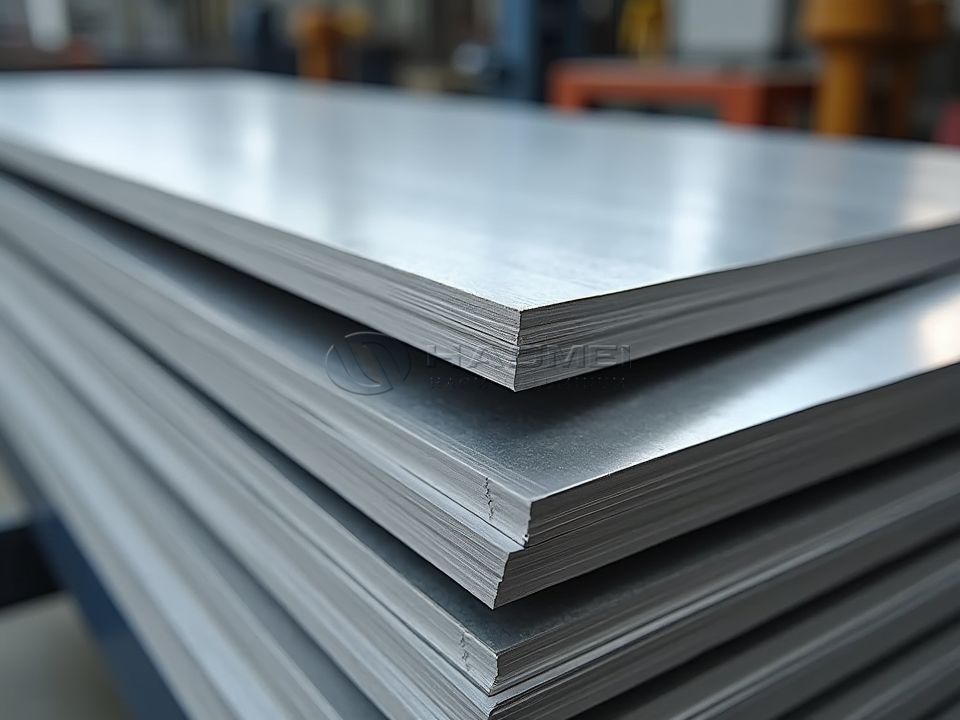
Typical Product Parameters
| Item | Typical Supply Range |
|---|---|
| Alloy | AA 5083 / EN AW-5083 / AlMg4.5Mn0.7 |
| Product form | Sheet, plate, cut-to-size panel |
| Production route | Cold rolled sheet or hot rolled plate |
| Thickness | Approximately 0.5 mm to 200 mm, depending on mill capability |
| Width | Approximately 1,000 mm to 2,600 mm |
| Length | Standard mill lengths or customer-cut lengths |
| Surface | Mill finish, PVC-coated, brushed, or pre-treatment as agreed |
| Temper options | O, H111, H112, H116, H321, H32, H34 |
| Density | About 2.66 g/cm³ |
| Melting range | Approximately 570-640°C |
Actual dimensional tolerances, flatness, mechanical properties, and surface requirements should be stated in the purchase specification. For critical hull sections, buyers should also identify the required inspection documents, classification society approval, ultrasonic testing requirements, and corrosion test expectations.
Temper Conditions for 5083 Marine Aluminum
The temper identifies the alloy's processing condition and strongly influences strength, formability, and corrosion behavior.
O temper is fully annealed material. It has the highest formability and is useful where deep bending, pressing, or complex shaping is required. Its strength is lower than work-hardened conditions.
H111 indicates a lightly strain-hardened condition. It is widely used for marine plates requiring a useful balance of formability and structural strength.
H112 is commonly supplied for hot worked products such as thicker plate. It suits structural fabrication where dimensions and plate condition are more important than a heavily work-hardened temper.
H116 is a strain-hardened and stabilized temper developed for marine exposure. It is frequently specified for hull plating because it is intended to resist exfoliation corrosion in high-magnesium 5xxx alloys.
H321 is strain-hardened and stabilized through controlled processing. It provides stable mechanical properties and strong corrosion performance, making it a common option for boat hulls, decks, and offshore structures.
H32 and H34 are more heavily strain-hardened conditions often found in thinner cold rolled sheet. They can provide higher strength, although bend radius and forming requirements must be checked before fabrication.
For heavy welded marine structures, H116 and H321 are among the most requested conditions. When exceptional forming is the priority, O or H111 may be a more suitable decision.
Chemical Composition of 5083 Aluminum Alloy
The following table shows the typical composition limits for 5083 alloy under common international specifications. Values are expressed as mass percentage.
| Element | Content, % |
|---|---|
| Silicon, Si | 0.40 max |
| Iron, Fe | 0.40 max |
| Copper, Cu | 0.10 max |
| Manganese, Mn | 0.40-1.00 |
| Magnesium, Mg | 4.00-4.90 |
| Chromium, Cr | 0.05-0.25 |
| Zinc, Zn | 0.25 max |
| Titanium, Ti | 0.15 max |
| Other elements, each | 0.05 max |
| Other elements, total | 0.15 max |
| Aluminum, Al | Balance |
Magnesium is the central contributor to 5083's strength and seawater resistance. However, high-magnesium alloys require careful control during production and service. For prolonged elevated-temperature exposure, the risk of sensitization can increase, so marine-grade plate should be supplied in an appropriate stabilized temper and supported by relevant test documentation when required.
Standards and Certification Considerations
5083 marine aluminum may be produced and inspected according to several standards, depending on the project location and vessel classification requirements.
Common references include ASTM B209 for aluminum sheet and plate, ASTM B928/B928M for high-magnesium marine aluminum plate, EN 485 for wrought aluminum sheet and plate mechanical properties and tolerances, EN 573-3 for chemical composition, and ISO 6361 for wrought aluminum sheet and strip. Marine projects may additionally require certification from DNV, ABS, Lloyd's Register, Bureau Veritas, CCS, or another approved classification body.
A good specification identifies alloy, temper, thickness, width, length, applicable standard, inspection level, certificate type, and intended application. For hull construction, buyers should request material traceability and confirm whether the plate requires ASTM G66 or ASTM G67 corrosion testing.
Fabrication Notes for Shipyards
5083 has excellent weldability with suitable filler alloys such as 5183, 5356, or 5556, subject to approved welding procedures. MIG and TIG welding are widely used. Clean joint preparation, controlled heat input, and correct filler selection help preserve corrosion resistance and weld quality.
Bending should be planned around the selected temper and sheet thickness. Softer tempers accept tighter bends, while H116, H321, H32, and H34 require an appropriate inside bend radius to avoid cracking. Avoid direct contact with untreated carbon steel during storage and fabrication, since iron contamination can create localized corrosion sites in wet marine conditions.
For broader project sourcing, Marine Grade Aluminum Sheets can be matched by alloy, temper, panel size, and structural function. Proper material selection turns 5083 from a simple aluminum sheet into a long-life marine component prepared for real seawater conditions.

Related Products
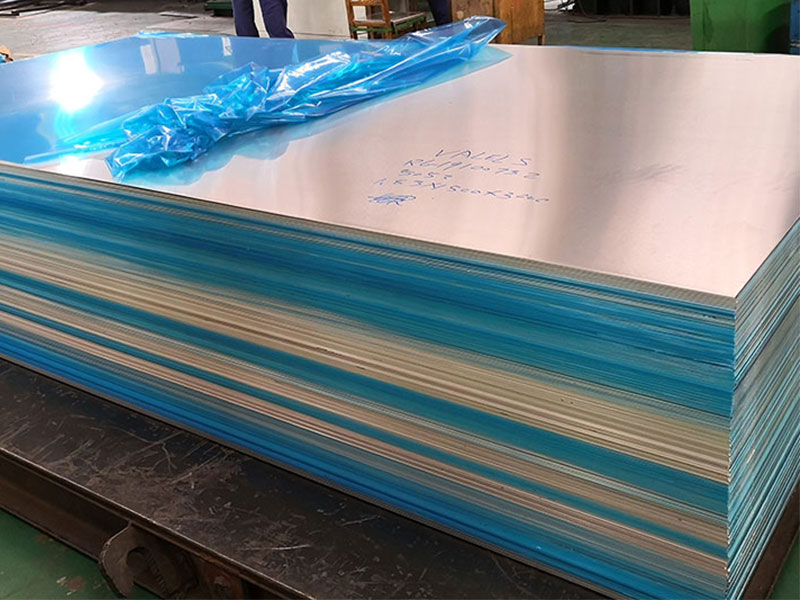
Marine 5059 aluminum sheet
5059 aluminum alloy is a strain-hardened material with a unique addition of magnesium and chromium, which provides outstanding resistance to localized corrosion like pitting and stress corrosion cracking.
View Details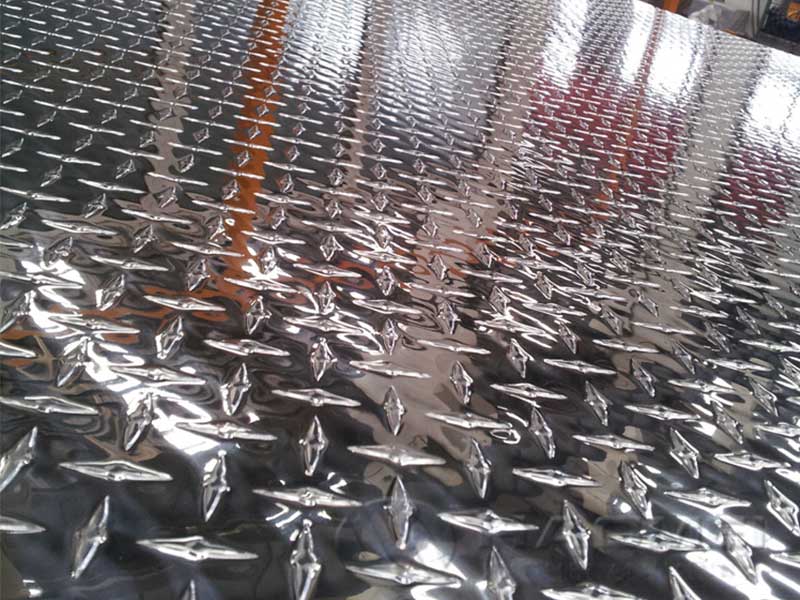
Marine Aluminum Tread Sheets
Marine Aluminum Tread Sheets are aluminum alloy plates featuring a raised surface pattern, commonly referred to as a tread design or diamond plate.
View Details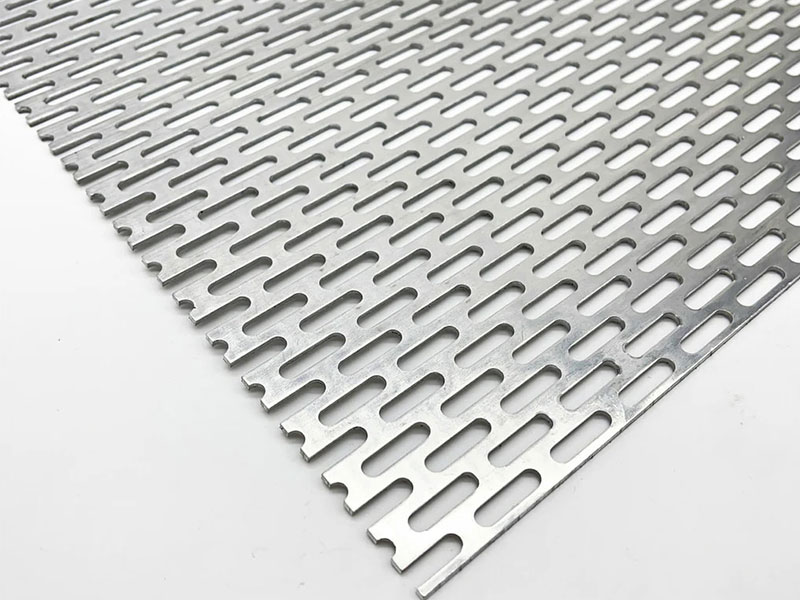
Marine perforated aluminum sheets
Marine Perforated Aluminum Sheets feature a series of uniform holes or shapes punched through the aluminum surface. These perforations can vary in size, pattern, and open area to tailor the sheets for specific applications.
View Details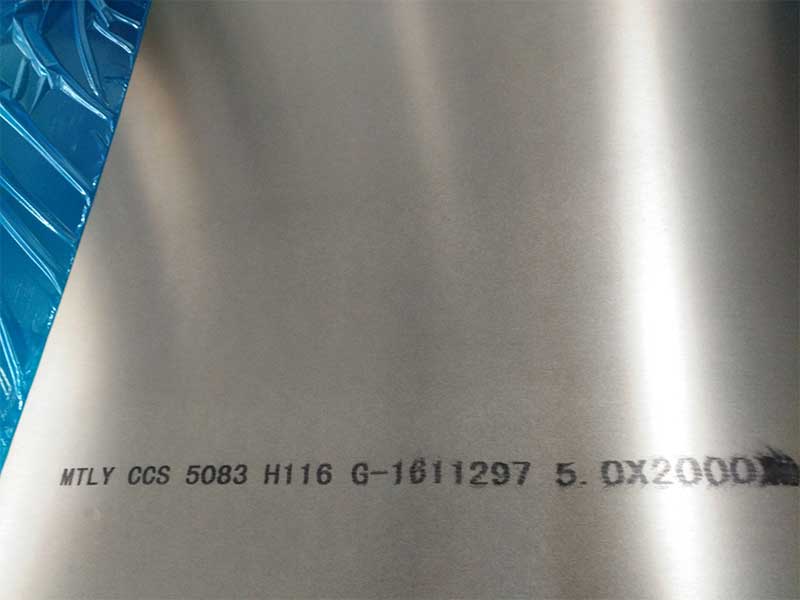
Marine 5083 aluminum sheet
Aluminum alloy 5083 is a non-heat-treatable alloy primarily composed of magnesium and trace elements that deliver outstanding protection against corrosion, particularly in seawater and saline atmospheres.
View Details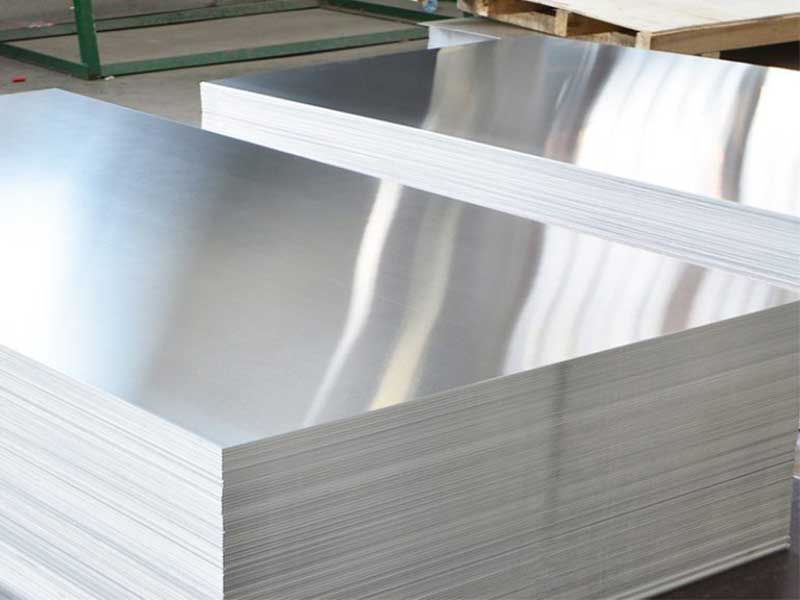
Marine anodized aluminum sheets
Marine Anodized Aluminum Sheets start with premium marine-grade aluminum alloys such as 5000 and 6000 series (typically 5083, 5052, and 6061).
View Details
Marine 5383 aluminum sheet
5383 aluminum is a strain-hardened, non-heat-treatable alloy from the 5xxx series primarily alloyed with magnesium. It exhibits a unique balance of corrosion resistance and mechanical properties particularly suited for marine applications.
View DetailsRelated Blog
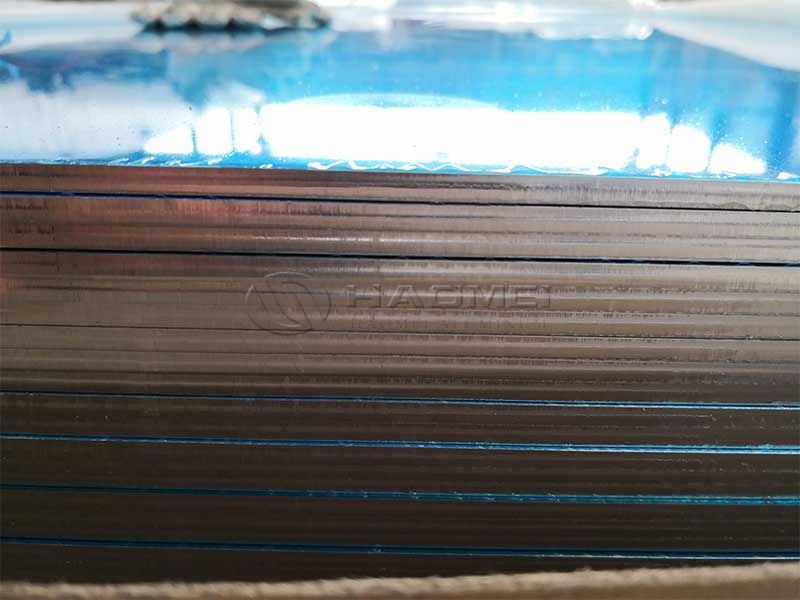
Marine Grade Aluminum 5052 5083 6063 H111 H22 H32 H36 Plate
Marine aluminum 5052, 5083, and 6063 plates in H111, H22, H32, and H36 tempers for hulls, decks, cabins, tanks, and fittings.
View Details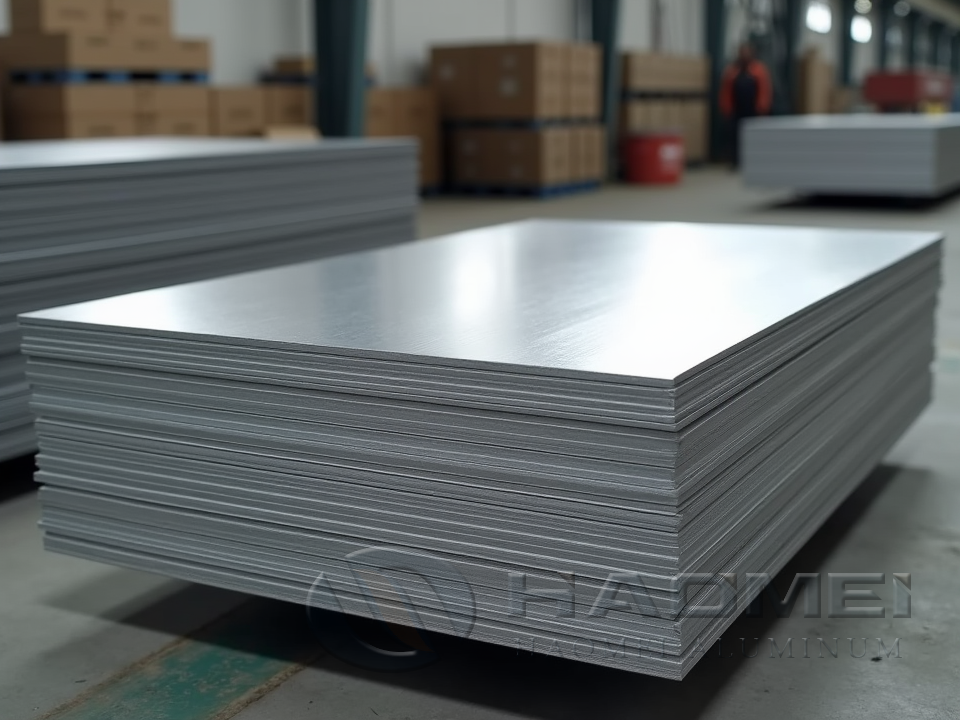
Marine 5086 Aluminum Sheet
A practical guide to Marine 5086 aluminum sheet, covering tempers, standards, chemistry, corrosion resistance, welding, and marine uses.
View Details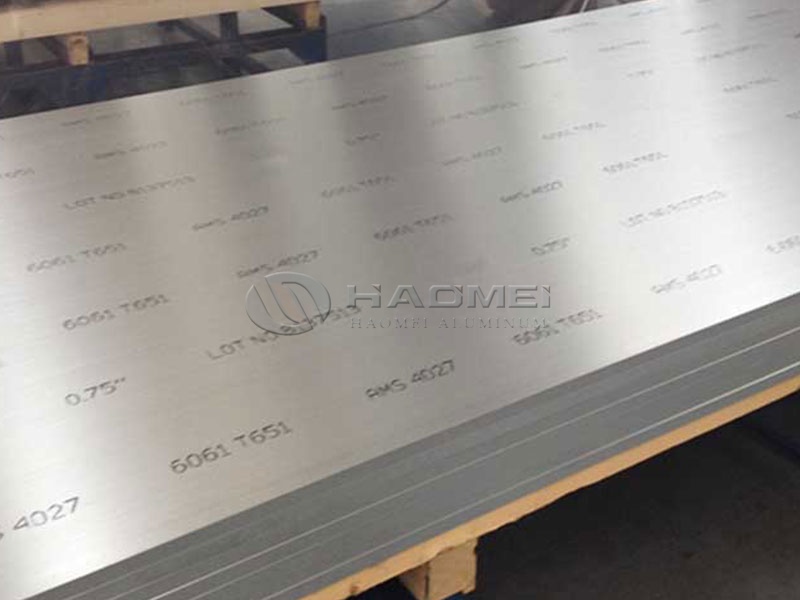
6061 Marine Anodized Aluminum Sheets
Explore 6061 marine anodized aluminum sheets, with corrosion resistance, stable strength, clean finish, fabrication data, and boat component guidance.
View Details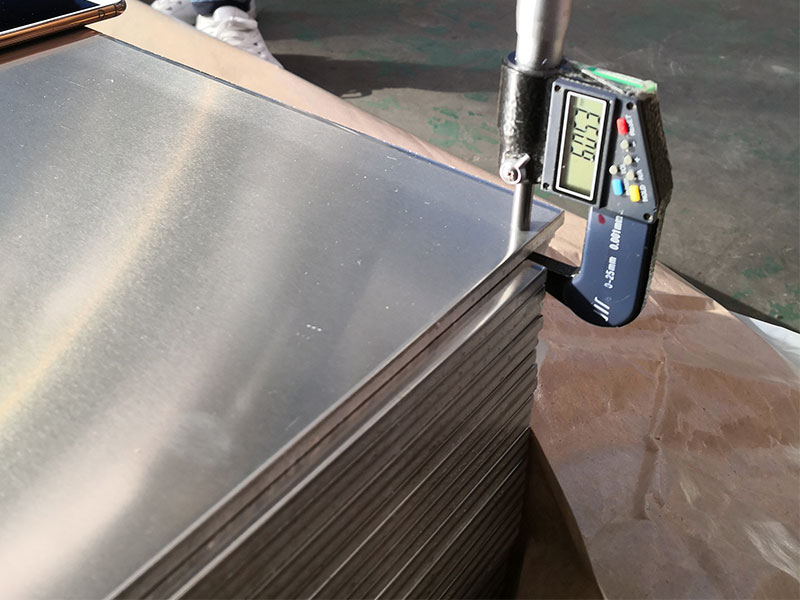
5083 aluminium marine grade 3.2 mm thick aluminium sheet
5083 Aluminium Marine Grade 3.2 mm Thick Aluminium Sheet: Unveiling Its Functional Excellence and Versatile ApplicationsIn the realm of marine engineering, material selection determines durability, safety, and performance.
View Details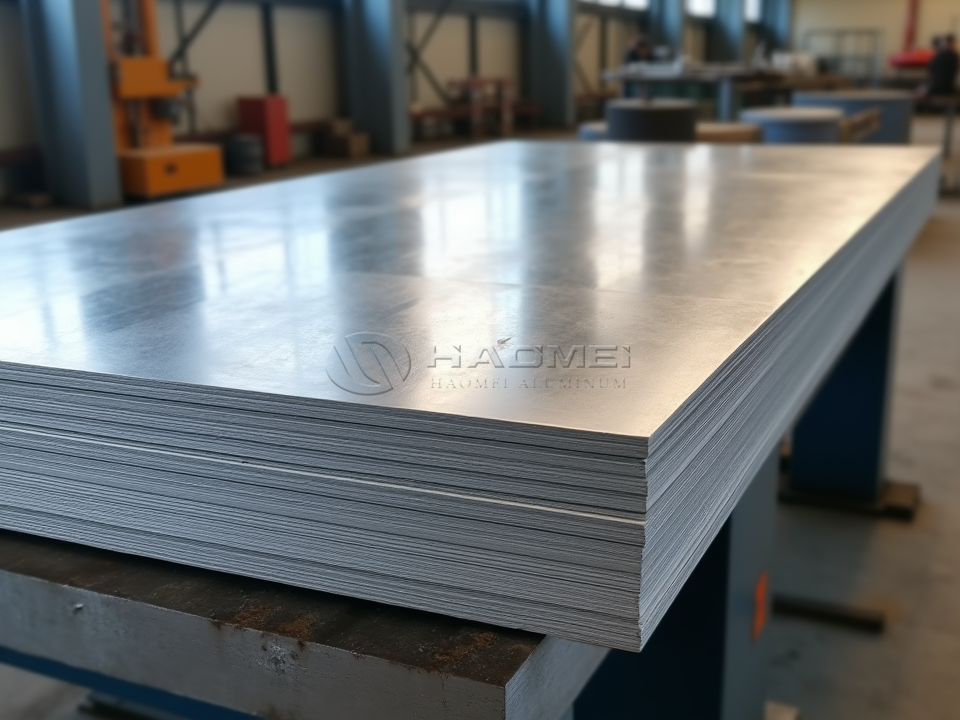
Aluminum Plate 5083 Marine Grade Hard Anodized
Hard anodized 5083 marine aluminum plate combines seawater corrosion resistance, weldability, and a durable oxide finish for demanding vessels and structures.
View Details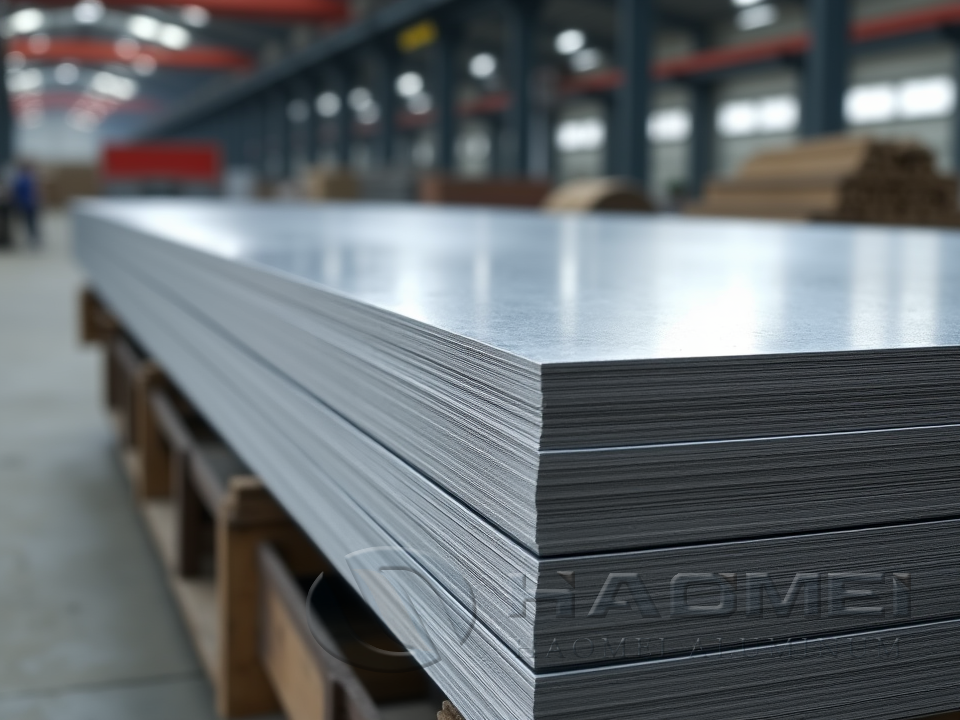
Marine 5086 Aluminum Plate
Marine 5086 aluminum plate offers strong corrosion resistance, weldability, and stable strength for hulls, decks, tanks, and offshore use.
View Details
Leave a Message