
Marine Aluminum Customized Shapes
Marine aluminum customized shapes are not merely decorative extrusions. They are working components designed to control impact, drainage, rigidity, access, sealing, and crew safety in a saltwater environment. A well-designed profile can replace several welded parts, reduce fitting time, eliminate water traps, and give a vessel a cleaner structural load path.
The most practical way to assess a custom marine profile is to begin with its function rather than its appearance. A gunwale profile must absorb dockside contact and stiffen the hull edge. A hatch frame needs controlled gasket compression and accurate corners. A deck profile may carry walking loads while concealing fasteners or drainage channels. A handrail must remain comfortable to grip, resist vibration, and retain its shape after repeated service loads.
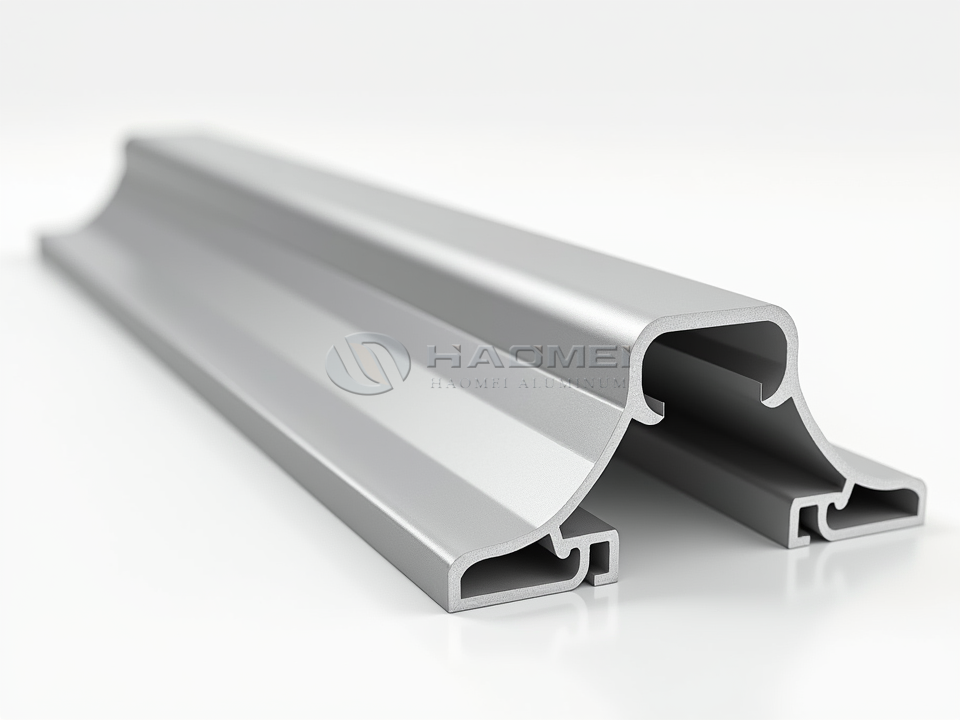
Shapes That Solve Marine Design Problems
Custom extruded shapes allow boatbuilders, dock fabricators, and equipment designers to combine several functions in one section. Hollow chambers improve stiffness without a large weight increase. Internal ribs reinforce wide surfaces. T-slots provide attachment points for panels, trim, equipment, or covers. Snap-fit lips protect rubber inserts, while drainage grooves move water away from joints before standing moisture can initiate crevice corrosion.
Common marine aluminum customized shapes include gunwales, rub rails, keel protectors, deck edge sections, boarding-step profiles, hatch surrounds, window frames, ladder rails, dock fenders, solar-panel mounting rails, HVAC housings, and electronic enclosure sections. Where thermal management is required, a purpose-built Marine aluminum heat sink profile can dissipate heat from navigation systems, LED drivers, battery equipment, and communication hardware while retaining corrosion resistance.
For hull-adjacent parts, section geometry should also account for vibration. Sharp internal transitions can concentrate stress, particularly at fastener points and welded intersections. Generous radii, balanced wall thickness, and rib placement near high-load zones help reduce distortion during extrusion and improve fatigue performance in service.
Alloy Selection Begins With Exposure and Fabrication
The 5xxx series is widely used for marine sheet, plate, and formed components because magnesium provides strong resistance to seawater corrosion. The 6xxx series is often preferred for intricate extruded marine shapes because it offers excellent extrudability, useful strength after heat treatment, and reliable machinability. Alloy selection must consider whether the component will be welded, anodized, bent, painted, or attached to dissimilar metals.
6063 is commonly selected for visually exposed rails, window surrounds, and trim due to its smooth extrusion surface. 6061 provides higher mechanical strength for structural frames, brackets, and load-bearing rails. 5083 and 5086 are frequent choices for welded hull structures and heavy-duty fabricated parts, although their complex hollow shapes are less suited to conventional extrusion than 6xxx alloys.
| Alloy | Main Alloying Elements | Typical Marine Use | Corrosion Performance | Extrusion Suitability |
|---|---|---|---|---|
| 6063 | Mg 0.45-0.90%, Si 0.20-0.60% | Handrails, window frames, trim | Good with suitable finishing | Excellent |
| 6061 | Mg 0.80-1.20%, Si 0.40-0.80%, Cu 0.15-0.40% | Structural profiles, ladders, brackets | Good, with isolation at dissimilar joints | Very good |
| 6082 | Mg 0.60-1.20%, Si 0.70-1.30%, Mn 0.40-1.00% | High-strength frames and support sections | Good | Good |
| 5083 | Mg 4.00-4.90%, Mn 0.40-1.00% | Hull panels, welded structures | Excellent in seawater | Limited for complex extrusion |
| 5086 | Mg 3.50-4.50%, Mn 0.20-0.70% | Workboat and marine fabrication | Excellent in seawater | Limited for complex extrusion |
Chemical composition values should be confirmed against the selected standard and mill certificate. The balance in every alloy is aluminum, while trace elements and maximum impurity limits are controlled by the applicable specification.
Temper Conditions Affect More Than Strength
Temper designations communicate the metallurgical condition of the aluminum. For extruded 6xxx marine profiles, T5 and T6 are common. T5 material is cooled from an elevated-temperature shaping process and artificially aged. It provides stable dimensions and practical strength for many trims and moderate-duty sections. T6 is solution heat-treated and artificially aged, delivering higher strength for structural applications.
For 5xxx marine alloys, H116 and H321 tempers are frequently specified where resistance to exfoliation corrosion and marine exposure are priorities. Welded 6xxx components require additional care because the heat-affected zone loses part of the T6 strength. Designers should size welded joints based on the reduced local mechanical properties, not only the parent-material datasheet.
| Alloy and Temper | Typical Tensile Strength | Typical Yield Strength | Recommended Function |
|---|---|---|---|
| 6063-T5 | 145-185 MPa | 110-160 MPa | Trim, rails, window and hatch profiles |
| 6063-T6 | 205-245 MPa | 170-215 MPa | Higher-duty architectural marine sections |
| 6061-T6 | 260-310 MPa | 240-276 MPa | Frames, supports, brackets, structural extrusions |
| 6082-T6 | 290-340 MPa | 250-310 MPa | High-load support profiles |
| 5083-H116 | 275-350 MPa | 125-240 MPa | Hull and welded seawater structures |
Actual values vary with section thickness, production route, and governing standard. Material certification is essential when profiles are used in regulated commercial vessels, passenger craft, defense equipment, or offshore structures.
Parameters That Should Be Defined Before Tooling
A custom die can only produce a reliable result when the profile brief is complete. The profile drawing should state the outside dimensions, wall thickness, internal cavities, critical tolerances, straightness requirement, cut length, alloy, temper, finish, and inspection conditions. A functional cross-section is usually more valuable than a visually complex one.
Typical production parameters for marine aluminum customized shapes include:
- Cross-section width: commonly 10 mm to 300 mm, depending on press capacity and section complexity
- Wall thickness: often 1.2 mm to 8.0 mm for extruded profiles; heavier sections are possible by agreement
- Standard mill length: commonly 3 m to 6 m, with custom cut lengths available
- Dimensional tolerance: generally controlled according to EN 12020, EN 755, ASTM B221, or drawing-specific limits
- Surface treatment: mill finish, mechanical polish, clear anodizing, colored anodizing, powder coating, or marine paint systems
- Straightness: specified per meter or total length based on assembly requirements
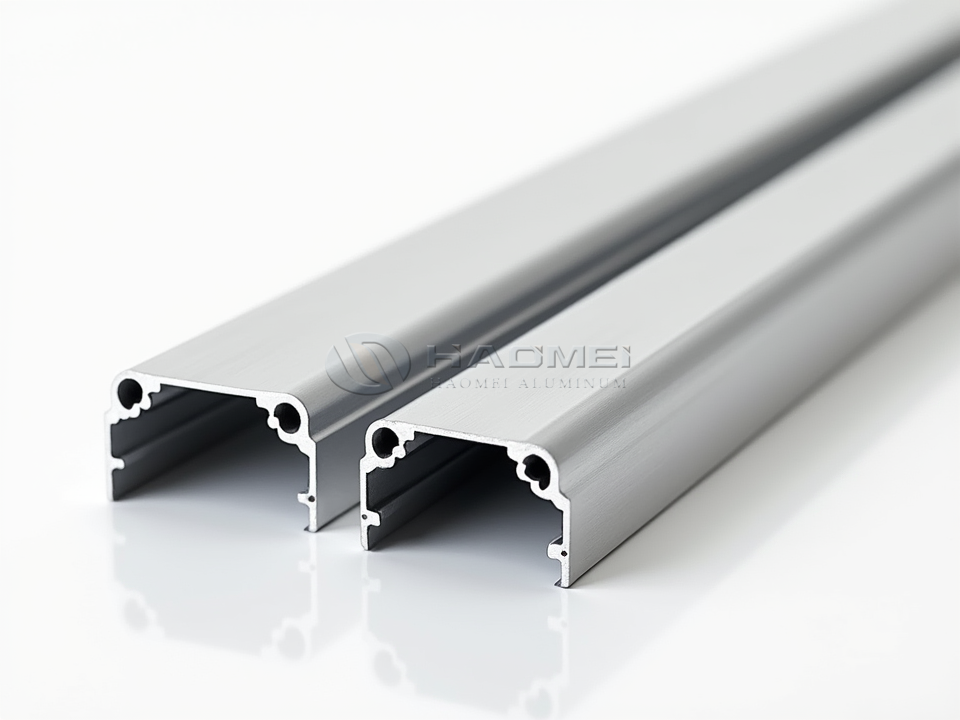
Tighter tolerance is appropriate for sliding windows, watertight hatches, precision inserts, and assembled frame systems. It may be unnecessary for a dock bumper carrier or protective rub rail. Matching tolerance to real function helps avoid excessive manufacturing cost.
Standards and Corrosion-Control Details
Marine profiles are commonly produced and inspected with reference to ASTM B221 for aluminum extruded bars, rods, wire, profiles, and tubes; EN 755 for extruded aluminum products; EN 12020 for precision extruded profiles; and ISO 6361 where applicable. For vessel construction, classification requirements from organizations such as DNV, ABS, Lloyd's Register, or Bureau Veritas may also influence alloy approval, testing, traceability, and welding procedures.
Saltwater durability depends on installation as much as alloy chemistry. Aluminum should be electrically isolated from stainless steel, copper alloys, carbon steel, and carbon fiber where moisture can create a galvanic circuit. Nonconductive pads, sealants, coated fasteners, drainage gaps, and proper paint-break control all reduce corrosion risk. Closed sections should include drainage or venting where water ingress is possible.
For exposed protective systems, Marine aluminum customized shapes can integrate rubber-retainer channels, sacrificial impact faces, and concealed mounting cavities. This approach keeps vulnerable fasteners away from direct spray and makes maintenance simpler over the vessel's service life.
From Profile Drawing to Working Marine Part
The most successful marine extrusion is designed for how it will be made, installed, and maintained. Balanced wall thickness improves metal flow through the die. Hollow sections need sufficient bridge and port geometry. Deep narrow grooves may require altered radii or wider openings. If a profile will be bent after extrusion, the bend radius, grain direction, and temper must be considered early.
Marine aluminum customized shapes turn a cross-section into a practical system component. Whether the objective is a resilient gunwale, a rigid hatch surround, a light but strong deck edge, or a corrosion-conscious rail, the right alloy, temper, geometry, finish, and installation details work together to deliver long-term performance at sea.

Related Products
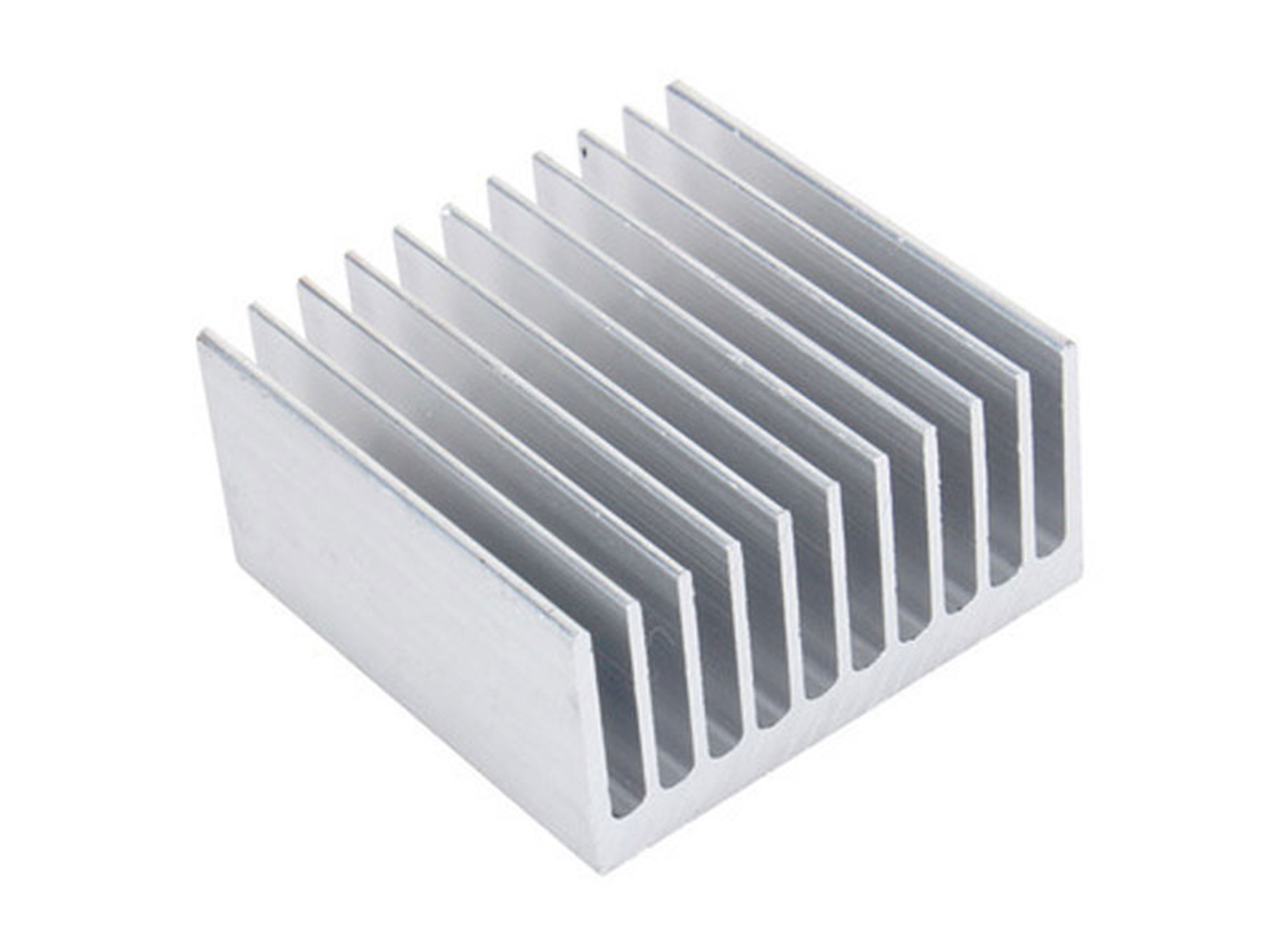
Marine aluminum heat sink profile
Marine Grade Aluminum Heat Sink Profiles utilize alloys such as 6061 and 6063 that not only exhibit high thermal conductivity but also possess excellent corrosion resistance required for saltwater exposure.
View Details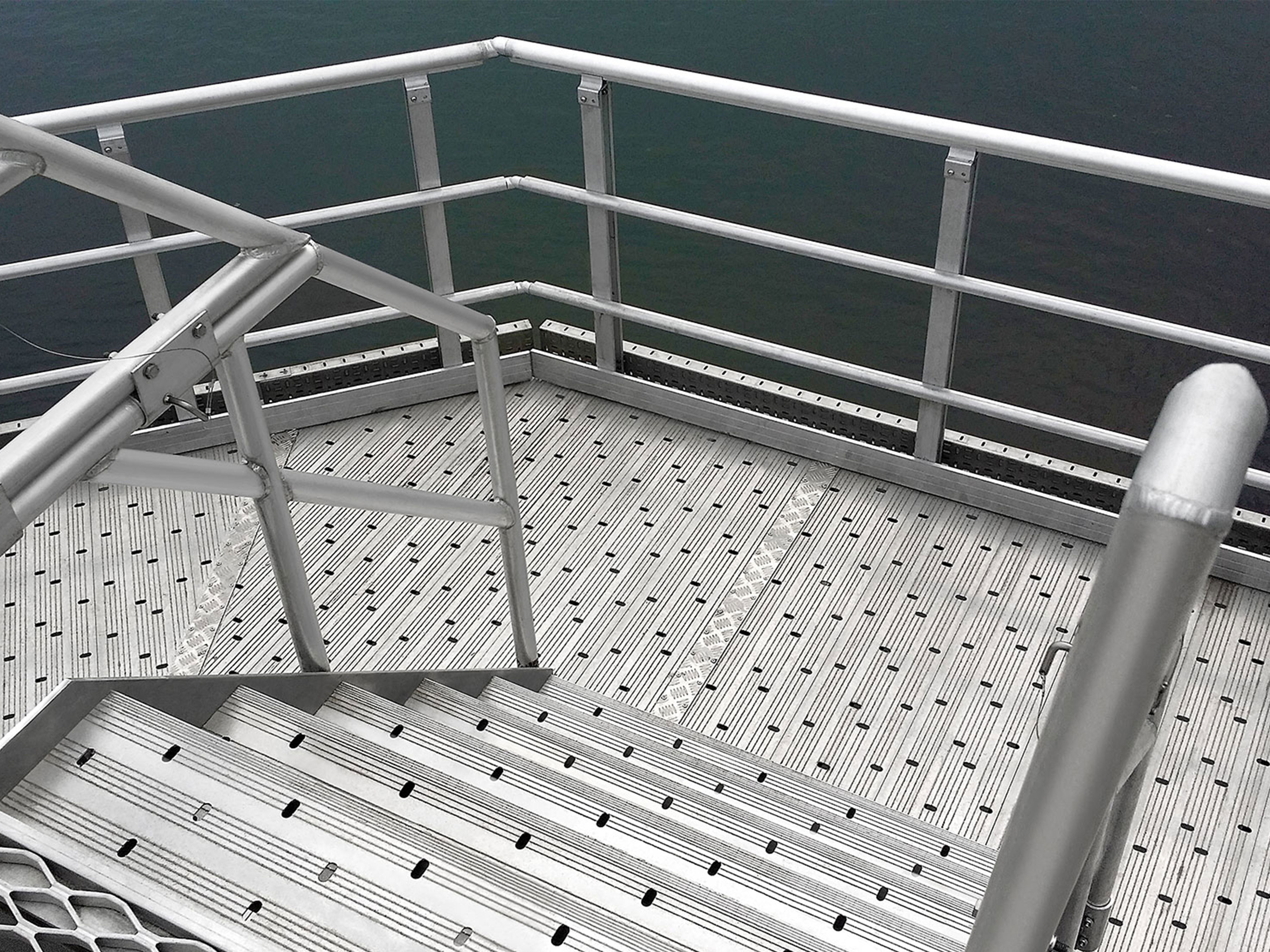
Marine aluminum customized shapes
Marine Grade Aluminum Customized Shapes encompass a broad range of aluminum extrusions and fabrications engineered beyond standard profiles—such as channels, angles, tubes, and beams—into complex, project-specific geometries.
View Details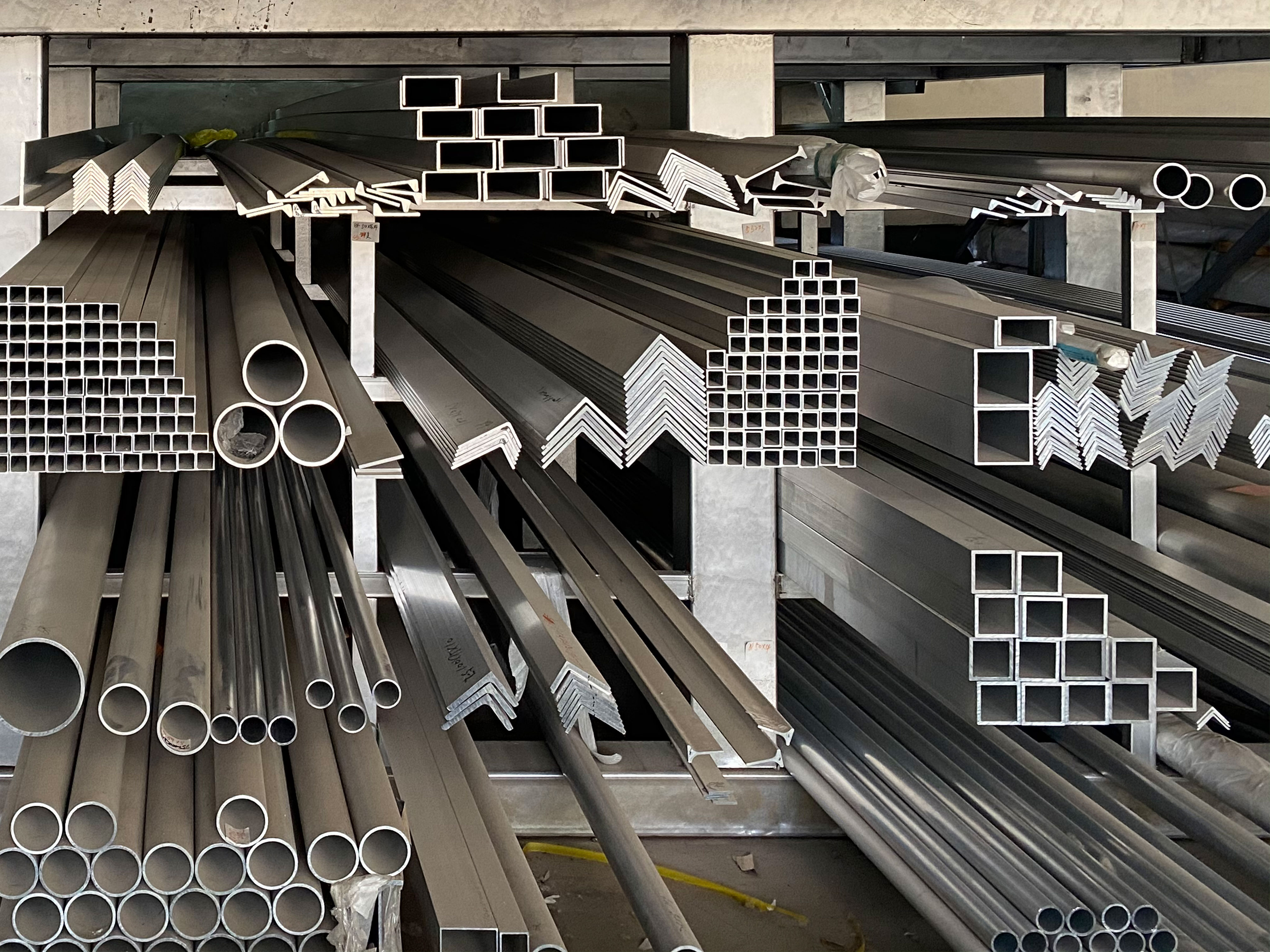
Marine aluminum fencing and railings
Marine Grade Aluminum Fencing and Railings are fabricated using marine-grade aluminum alloys such as 5083, 5052, and 6061, which are engineered specifically for protection against saltwater corrosion and marine atmospheric conditions.
View DetailsRelated Blog
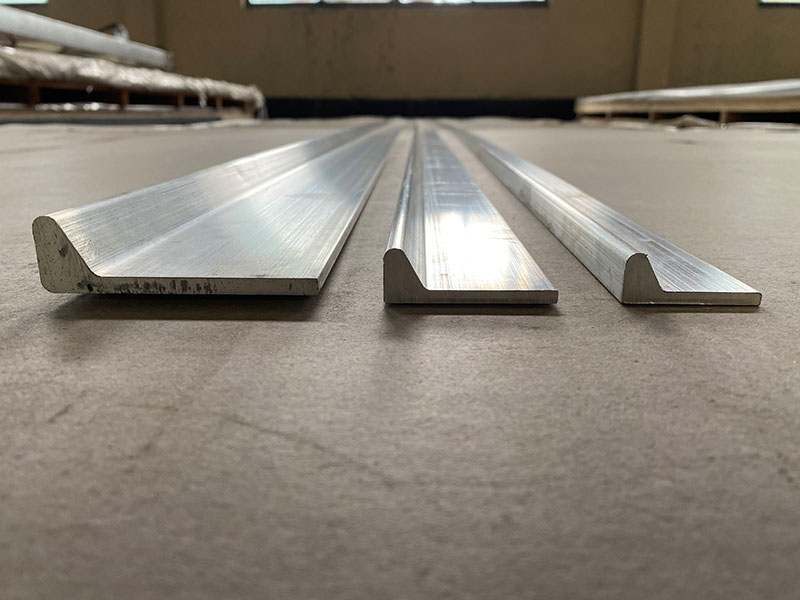
6061 Marine Aluminum Customized Shapes for Offshore Engineering Projects
In the fast-evolving world of offshore engineering, the demand for materials that ensure strength, corrosion resistance, and versatility has never been higher. Among various options.
View Details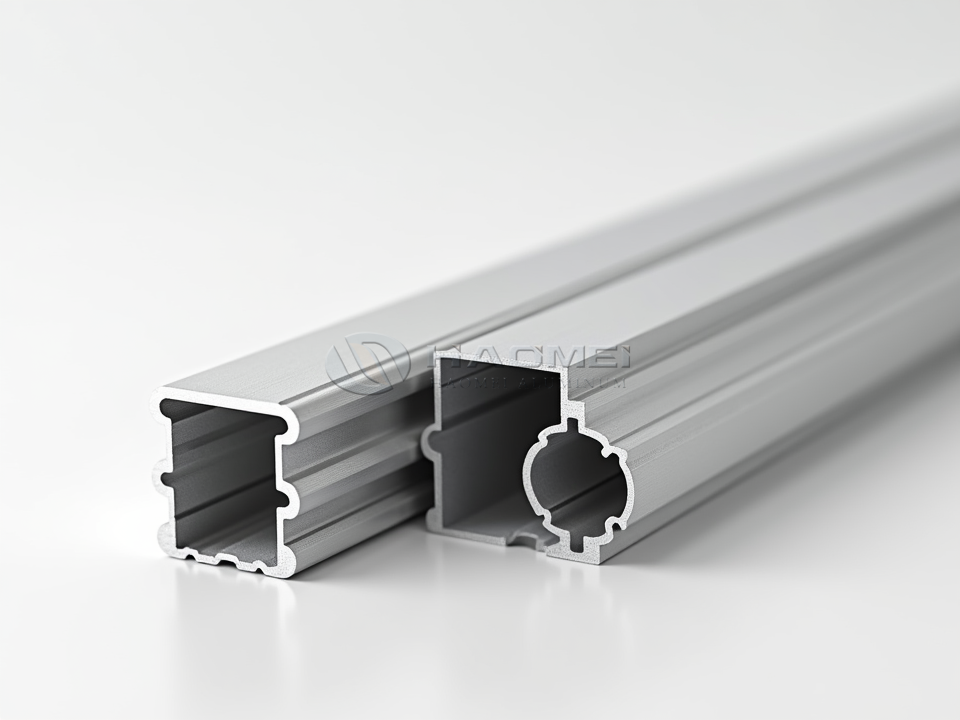
Marine Aluminum Fencing and Railings for Offshore Safety Fencing and Guardrails
Marine aluminum fencing and railings offer corrosion resistance, low weight, and reliable edge protection for offshore safety systems.
View Details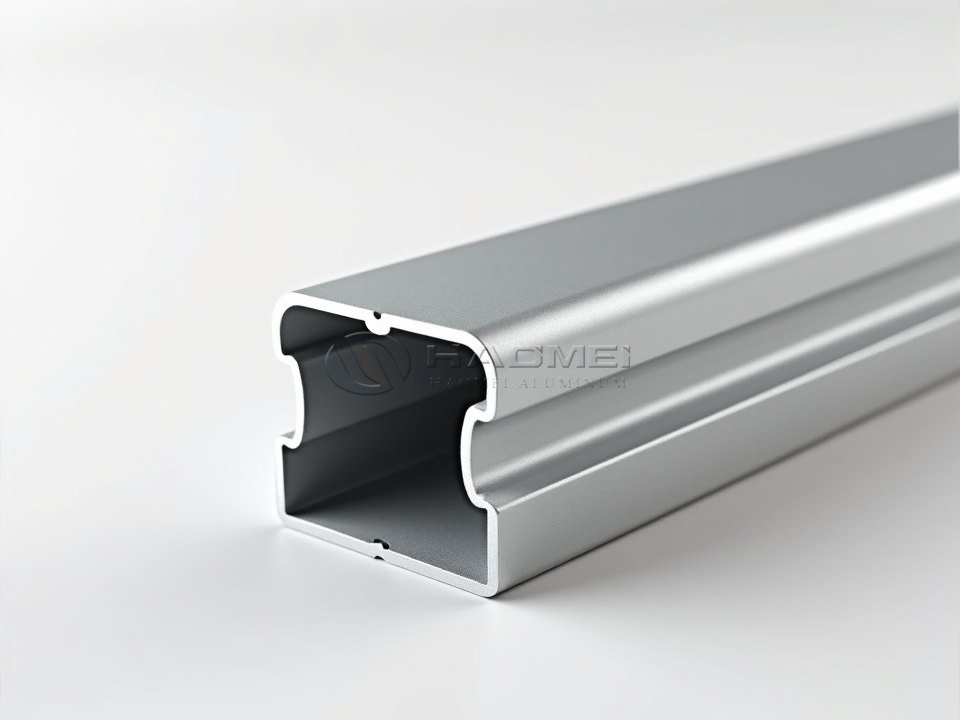
6061 Marine Aluminum Fencing and Railings for High Strength Coastal Fence Design
Learn how 6061 marine aluminum fencing and railings deliver strength, corrosion control, and clean coastal design for docks, resorts, and seawalls.
View Details
5083 Marine Aluminum Fencing and Railings for Durable Coastal Property Barriers
When a coastal property owner chooses fencing and railings, the conversation usually revolves around style, code compliance, and budget. The ocean, however, has its own priorities: salt, moisture, wind, and UV radiation.
View Details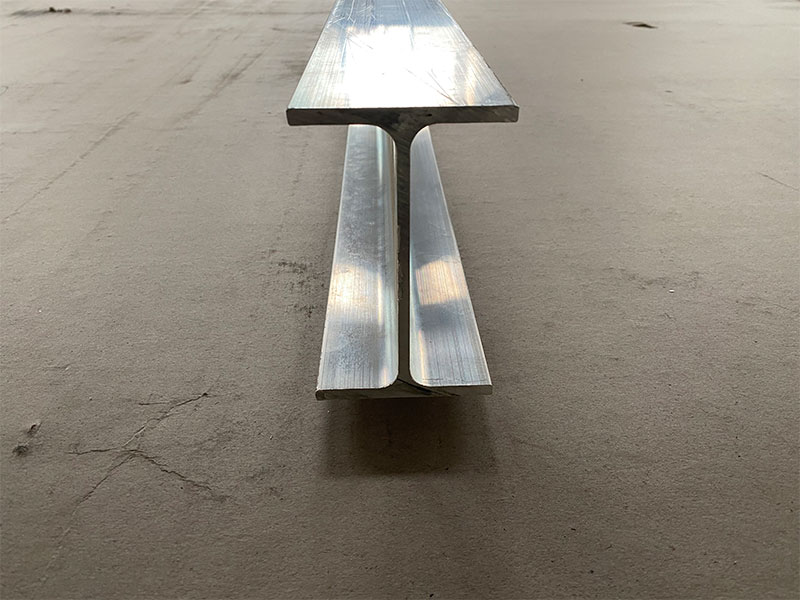
Marine Aluminum Heat Sink Profile for Custom Cooling Solutions for Boat Engines
Marine aluminum heat sink profiles are specially designed components critical to the efficient thermal management of boat engines. These aluminum profiles enable custom cooling solutions tailored to the unique requirements of marine environments.
View Details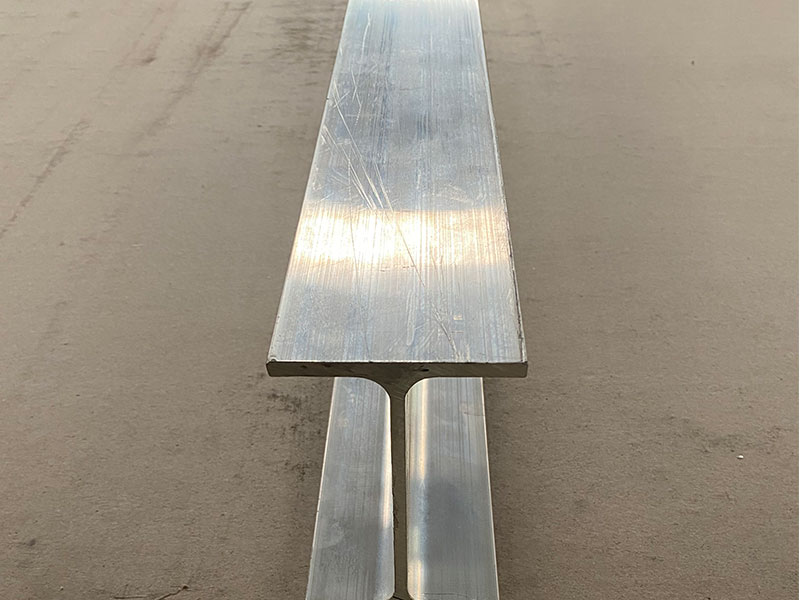
Marine Aluminum Heat Sink Profile for Custom Marine Electronics Cooling Solutions
In the world of marine applications, maintaining optimal temperature for electronic components is critical. As our energetic boating and yachting operations evolve, so does our need for innovative cooling solutions.
View Details
Leave a Message