
5083 Marine Grade Polished Aluminum Sheet
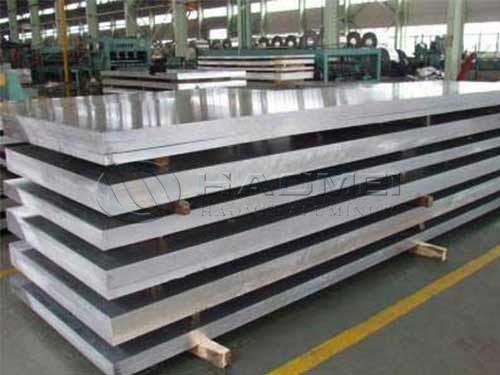
5083 marine grade polished aluminum sheet is a high-strength Al-Mg alloy engineered for harsh saltwater environments. Its polished surface combines the proven seawater resistance of 5083 alloy with a clean, bright appearance suited to visible marine structures, yacht interiors, trim panels, vessel hull components, and industrial equipment exposed to moisture.
Compared with general-purpose aluminum sheet, 5083 offers substantially stronger resistance to seawater corrosion, excellent weldability, and dependable strength without heat treatment. It is widely specified where low structural weight, long service life, and an attractive metallic finish must work together.
Material Functions and Performance Benefits
The primary role of 5083 polished aluminum sheet is to provide a durable barrier against marine corrosion while reducing vessel weight. Magnesium is the principal alloying element, helping the sheet retain strength and corrosion resistance in chloride-rich conditions. This makes 5083 particularly effective for hull plating, decks, superstructures, tanks, bulkheads, and exposed fabricated parts.
A polished finish improves visual appeal and can simplify cleaning on decorative or customer-facing surfaces. Depending on the required appearance, the sheet may receive mill polish, brushed polishing, satin finishing, or a higher-reflectivity mechanical polish. Polishing should be selected with the intended service environment in mind: a bright finish supports appearance, while correct alloy temper and fabrication practice govern structural reliability.
| Performance Area | Value for Marine Projects |
|---|---|
| Seawater corrosion resistance | Performs reliably in salt spray and humid coastal atmospheres |
| Strength-to-weight ratio | Reduces structural mass compared with many steel alternatives |
| Weldability | Suitable for MIG and TIG welding with compatible filler metals |
| Formability | Allows bending, rolling, and shaped fabrication, especially in O temper |
| Polished appearance | Supports clean, modern finishes for visible marine panels and fittings |
| Low-temperature behavior | Maintains useful toughness in cold-service applications |
| Non-heat-treatable alloy | Strength is primarily developed through strain hardening rather than precipitation heat treatment |
Chemical Composition of 5083 Aluminum Alloy
5083 belongs to the 5xxx aluminum-magnesium alloy family. Magnesium supplies much of its strength and seawater performance, while manganese and chromium support grain structure and corrosion behavior. Chemical composition shall comply with the applicable material standard and purchase specification.
| Element | Composition, % by Weight |
|---|---|
| Aluminum, Al | Balance |
| Magnesium, Mg | 4.0 - 4.9 |
| Manganese, Mn | 0.40 - 1.0 |
| Chromium, Cr | 0.05 - 0.25 |
| Iron, Fe | 0.40 max. |
| Silicon, Si | 0.40 max. |
| Copper, Cu | 0.10 max. |
| Zinc, Zn | 0.25 max. |
| Titanium, Ti | 0.15 max. |
| Other elements, each | 0.05 max. |
| Other elements, total | 0.15 max. |
The low copper content is especially beneficial in marine service because excessive copper can reduce corrosion resistance. For critical vessels, buyers commonly request material traceability, chemistry certificates, mechanical test reports, and inspection documentation with each shipment.
Common Tempers for Polished 5083 Sheet
Temper selection influences forming performance, plate strength, and resistance to sensitization-related corrosion. For marine structures, H116 and H321 are frequently selected because they are commonly supplied for resistance to exfoliation corrosion and stress corrosion cracking in seawater service. O temper is preferred where severe forming is required before final fabrication.
| Temper | Condition | Typical Use |
|---|---|---|
| O | Annealed, soft condition | Curved panels, formed components, complex bending work |
| H111 | Slightly strain hardened | General fabricated marine parts requiring moderate formability |
| H112 | Strain hardened from hot working | Heavy plate and structural fabrication |
| H116 | Strain hardened and stabilized for marine corrosion resistance | Hull plating, decks, side shells, offshore structures |
| H321 | Strain hardened and stabilized to a controlled degree | Boat hulls, welded structures, high-corrosion-exposure panels |
| H32 | Strain hardened and stabilized, quarter-hard | Interior panels, cabinets, lighter formed marine components |
Technical Specifications and Supply Range
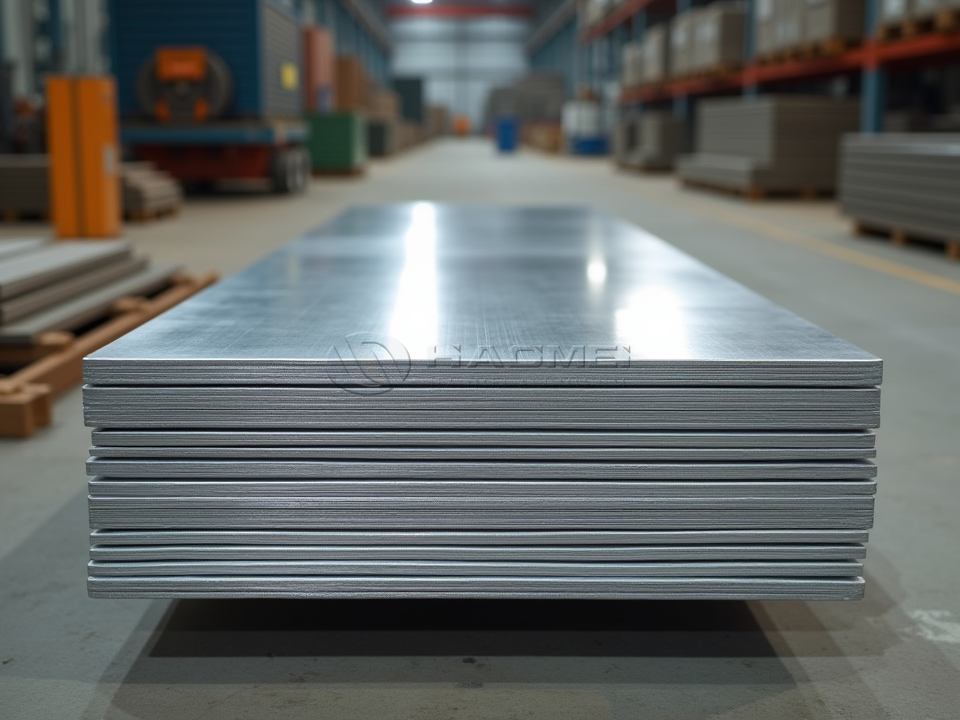
5083 marine grade polished aluminum sheet can be supplied in cut lengths, coils, or customized dimensions. Available ranges vary by production route, temper, surface requirement, and inspection standard. Thick material is often described as plate, while thinner gauges are commonly called sheet.
| Item | Typical Range or Requirement |
|---|---|
| Alloy | AA 5083 / EN AW-5083 / AlMg4.5Mn0.7 |
| Product form | Polished sheet, plate, coil, cut-to-size panel |
| Thickness | 0.5 mm - 200 mm, subject to product form and temper |
| Width | Up to 2,650 mm for selected production programs |
| Length | Standard lengths or customized cutting |
| Surface | Mill polished, brushed, satin, mechanically polished, protective-film option |
| Density | Approximately 2.66 g/cm³ |
| Melting range | Approximately 570 - 640°C |
| Electrical conductivity | Approximately 29% IACS |
| Thermal conductivity | Approximately 117 W/m·K at 25°C |
| Elastic modulus | Approximately 70 GPa |
| Thermal expansion | Approximately 23.8 × 10⁻⁶ /°C at 20 - 100°C |
For detailed sourcing of certified material, the Marine 5083 aluminum sheet range can be matched to hull construction, deck fabrication, and marine engineering requirements.
Mechanical Properties
Mechanical values vary with thickness, temper, governing standard, and rolling direction. The figures in the table are commonly referenced values for guidance and should not replace values stated on the mill test certificate.
| Temper | Thickness Range | Tensile Strength, MPa | Yield Strength, MPa | Elongation, % |
|---|---|---|---|---|
| O | 1.5 - 3.0 mm | 270 - 350 | 125 min. | 16 min. |
| H111 | 1.5 - 3.0 mm | 275 - 350 | 145 min. | 14 min. |
| H116 | 1.5 - 3.0 mm | 305 - 385 | 215 min. | 10 min. |
| H321 | 1.5 - 3.0 mm | 305 - 385 | 215 min. | 10 min. |
| H116 | Over 3.0 - 6.0 mm | 305 - 385 | 215 min. | 10 min. |
| H321 | Over 3.0 - 6.0 mm | 305 - 385 | 215 min. | 10 min. |
Applicable Standards and Marine Compliance
Material standards establish tolerances, chemical limits, mechanical properties, inspection practices, and delivery conditions. The specified standard should match the vessel class, region, and approval requirement.
| Standard | Scope |
|---|---|
| ASTM B209 / B928 | Aluminum sheet and plate; B928 addresses high-magnesium marine alloy plate and sheet requirements |
| EN 485 | Tolerances and mechanical properties for aluminum sheet, strip, and plate |
| EN 573-3 | Chemical composition and alloy designation for aluminum and aluminum alloys |
| EN 10204 | Inspection documents, including 3.1 material certificates when specified |
| ASTM B117 | Salt spray testing method used for comparative corrosion assessment |
| ASTM G66 / ASTM G67 | Tests associated with exfoliation and sensitization susceptibility in 5xxx alloys |
| DNV, ABS, CCS, LR, BV | Classification society approvals available when required for marine construction projects |
Marine and Industrial Applications
Polished 5083 sheet serves both structural and appearance-driven applications. In boatbuilding, it is used for hull skins, transoms, deck plating, wheelhouse panels, fish holds, fuel tanks, and bulkheads. Its welding compatibility makes it practical for large fabricated assemblies where joints must remain durable in wet service.
For yachts, ferries, patrol boats, workboats, and offshore support equipment, polished 5083 can also be used for interior wall cladding, console panels, stair components, rail surrounds, machinery enclosures, and decorative covers. In non-marine sectors, it is employed in cryogenic vessels, pressure equipment, transport structures, and corrosion-resistant process equipment.
Fabrication and Surface Care
5083 can be cut by shearing, saw cutting, CNC routing, waterjet, or plasma methods selected for thickness and edge-quality requirements. During bending, O temper provides the greatest flexibility, while H116 and H321 require appropriate bend radii to avoid surface cracking. MIG or TIG welding with 5183, 5356, or suitable approved filler wire is common in marine fabrication.
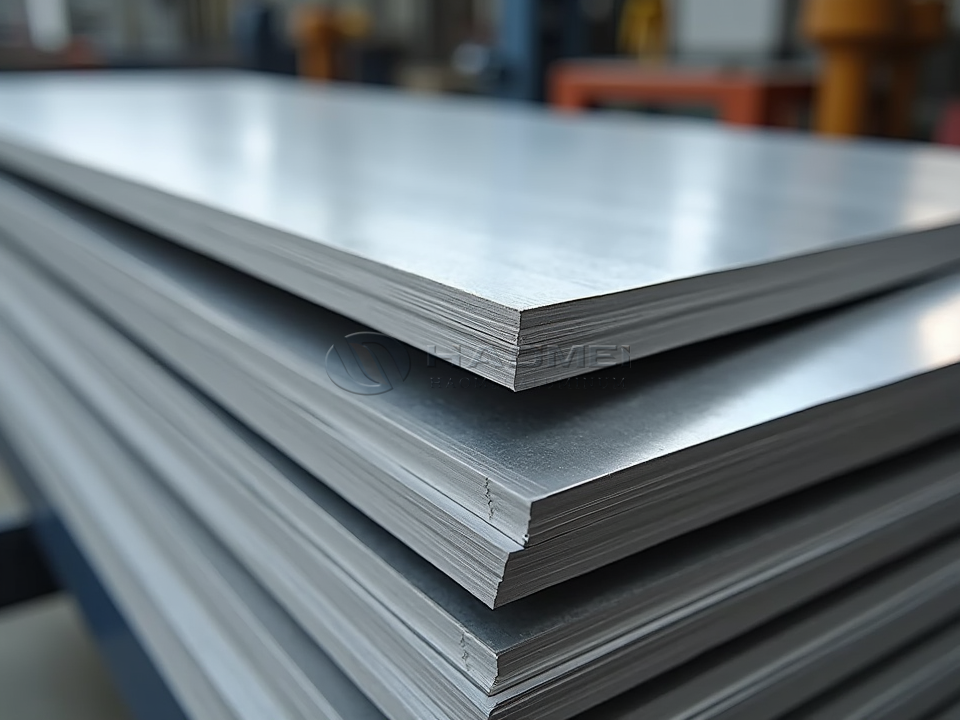
To preserve the polished surface, use clean non-ferrous tooling, protective film, and separated storage from carbon steel. Avoid iron contamination, aggressive alkaline cleaners, and trapped moisture between stacked sheets. After fabrication, regular freshwater rinsing helps remove salt deposits and supports a bright, serviceable finish over time.
5083 marine grade polished aluminum sheet provides a balanced solution for projects that demand corrosion resistance, weldable strength, lower weight, and refined visual quality in one dependable material.

Related Products
Marine 5083 aluminum sheet
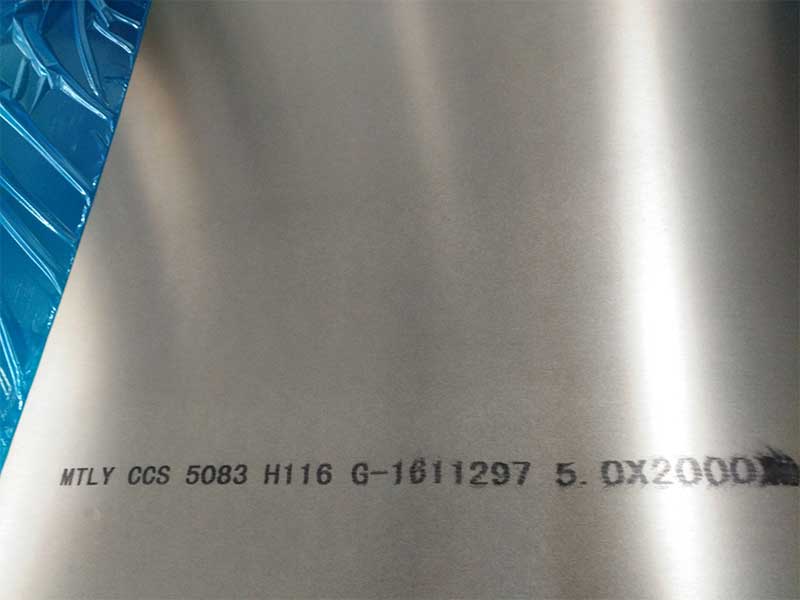
Aluminum alloy 5083 is a non-heat-treatable alloy primarily composed of magnesium and trace elements that deliver outstanding protection against corrosion, particularly in seawater and saline atmospheres.
View Details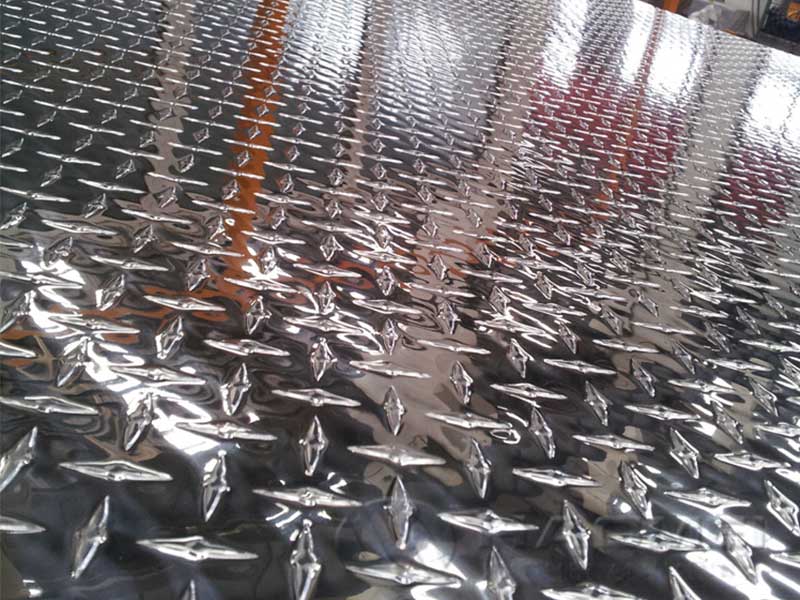
Marine Aluminum Tread Sheets
Marine Aluminum Tread Sheets are aluminum alloy plates featuring a raised surface pattern, commonly referred to as a tread design or diamond plate.
View Details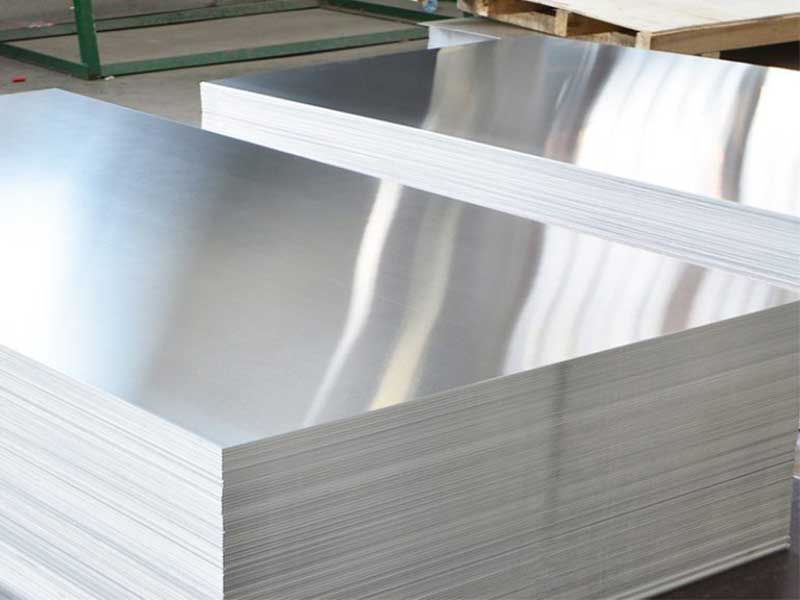
Marine anodized aluminum sheets
Marine Anodized Aluminum Sheets start with premium marine-grade aluminum alloys such as 5000 and 6000 series (typically 5083, 5052, and 6061).
View Details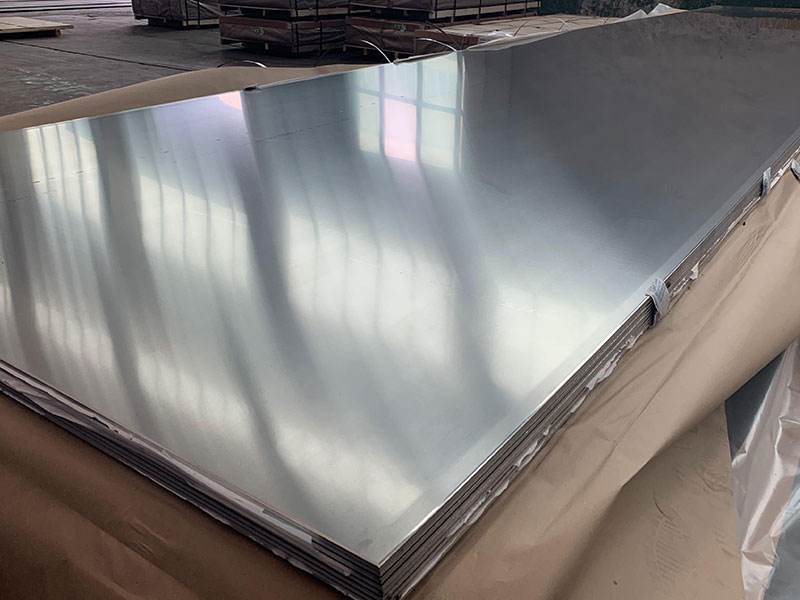
Marine 5086 aluminum sheet
This product article provides an in-depth and comprehensive understanding of Marine 5086 Aluminum Sheets, including their chemical composition, mechanical properties, corrosion resistance, fabrication capabilities, and typical marine applications.
View Details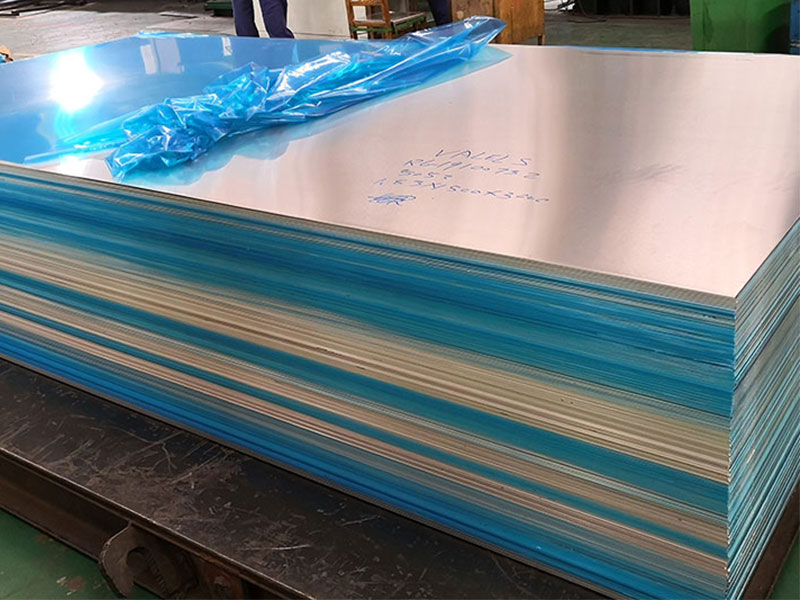
Marine 5059 aluminum sheet
5059 aluminum alloy is a strain-hardened material with a unique addition of magnesium and chromium, which provides outstanding resistance to localized corrosion like pitting and stress corrosion cracking.
View Details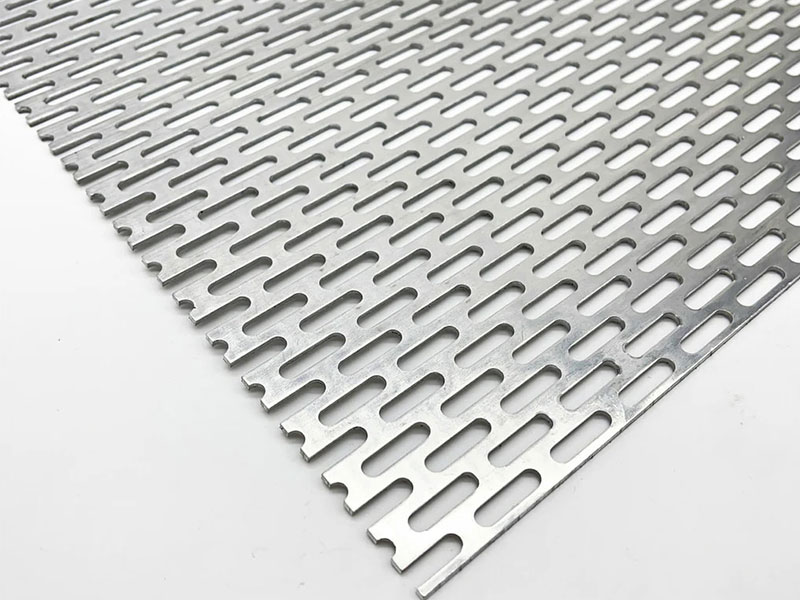
Marine perforated aluminum sheets
Marine Perforated Aluminum Sheets feature a series of uniform holes or shapes punched through the aluminum surface. These perforations can vary in size, pattern, and open area to tailor the sheets for specific applications.
View DetailsRelated Blog
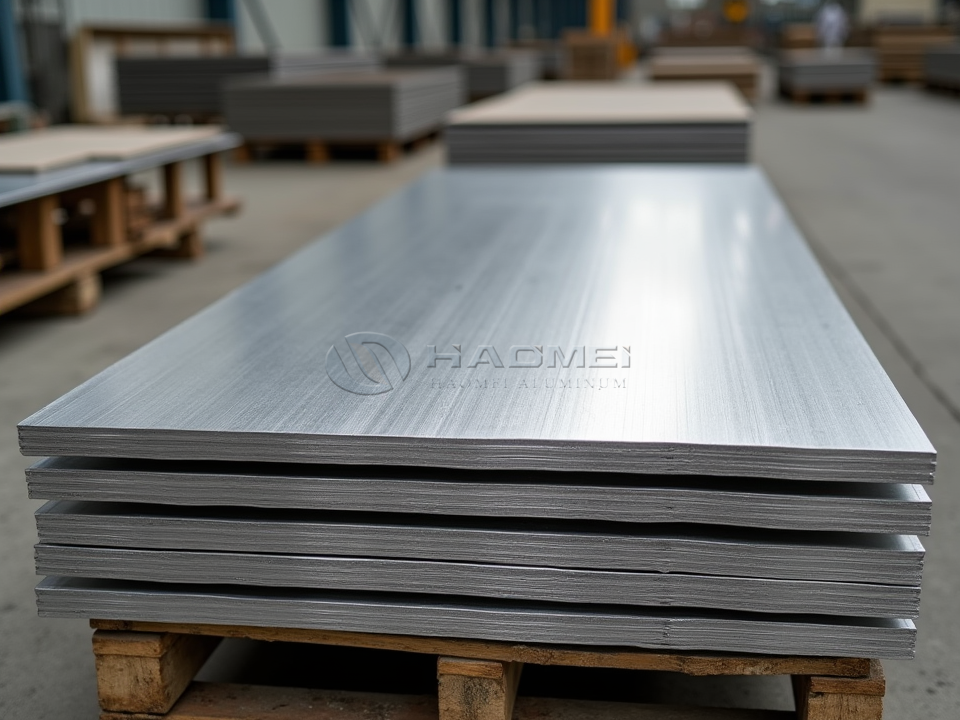
5083 Marine Aluminum Tread Sheets
5083 marine aluminum tread sheets deliver grip, corrosion resistance, weldability, and reliable deck performance for boats and offshore platforms.
View Details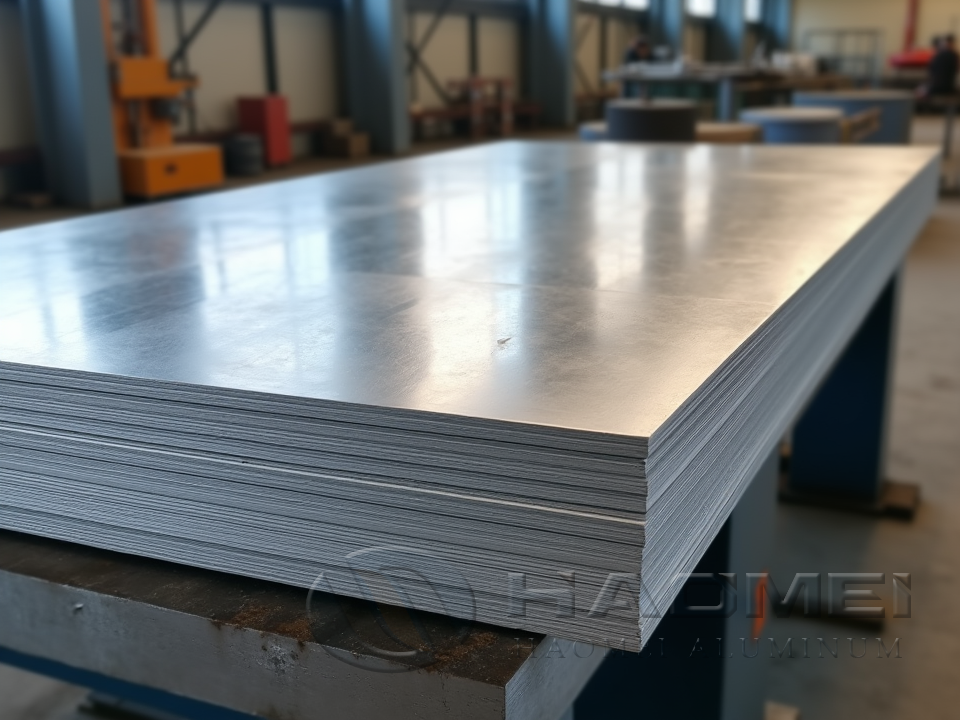
5383 Marine Heavy Duty Aluminum Plate
5383 marine heavy duty aluminum plate delivers strength, seawater corrosion resistance, weldability, and long service for offshore hulls.
View Details
Embossed Aluminum Sheet 5454 O H111 H112 Marine Grade
Embossed 5454 marine aluminum sheet delivers grip, drainage, formability, and corrosion resistance for decks, ramps, lockers, and saltwater vessel interiors.
View Details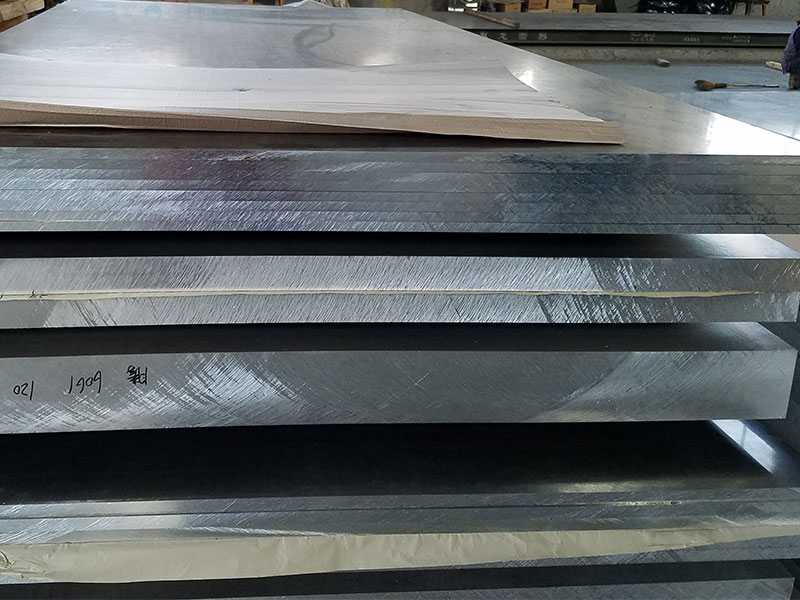
Anti-Corrosion Anodizing 5083 Alloy Aluminum Coil for Electric Boat Construction
Electric boats operate in one of the most demanding corrosion environments on earth: a wet, oxygen-rich, salt-contaminated atmosphere with constant abrasion, vibration, and stray electrical currents.
View Details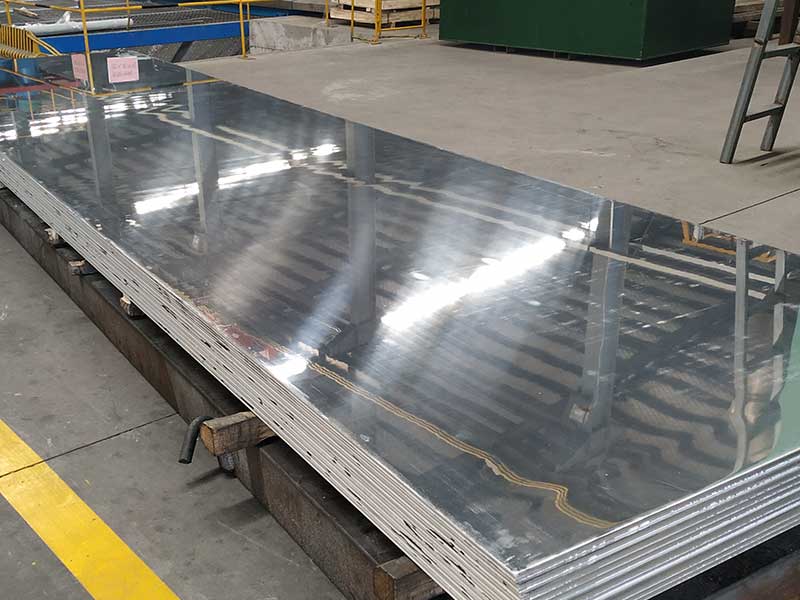
1mm to 8mm thick marine grade aluminum sheet 5083 h116
Marine environments punish materials in ways most industrial settings never will: salt spray, stagnant seawater, cyclic wet/dry exposure, and constant vibration.
View Details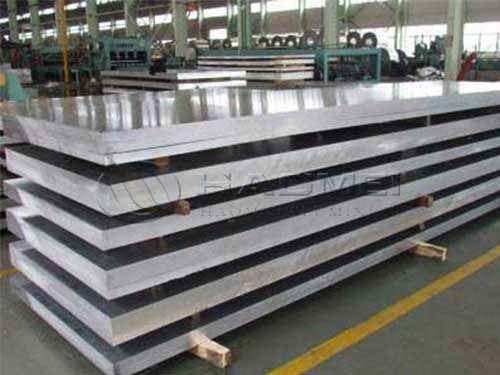
Marine Grade Aluminum Plate Sheet
Marine grade aluminum plate sheet combines low weight, weldability, and seawater corrosion resistance for hulls, decks, cabins, and offshore equipment.
View Details
Leave a Message