
5083 Marine Aluminum Fencing and Railings for Offshore Platform Safety Fencing
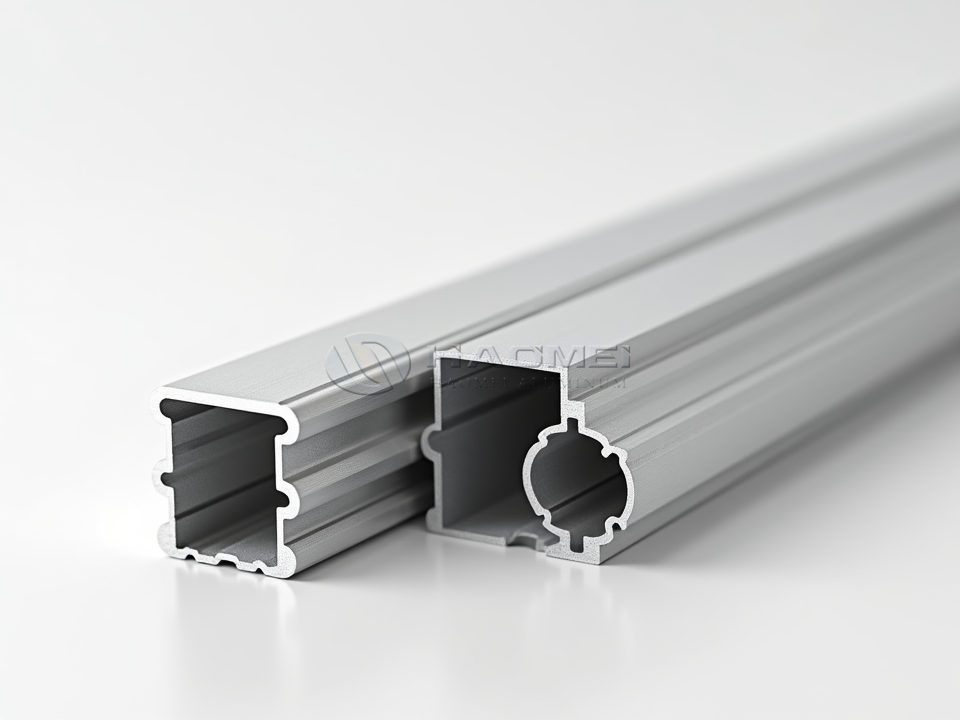
On an offshore platform, a railing is not a decorative border. It is the last calm line between people, equipment, wind, salt spray, wet decks, and open water. This is why 5083 marine aluminum fencing and railings are often selected for offshore platform safety fencing where corrosion resistance, weldability, weight control, and dependable long-term service matter more than appearance alone.
5083 aluminum belongs to the aluminum-magnesium-manganese family. It is not strengthened by heat treatment like 6061-T6; instead, its performance comes from solid-solution strengthening, controlled strain hardening, and excellent resistance to seawater attack. For platform guardrails, stair railings, access walkways, perimeter barriers, and modular safety fencing, this behavior is valuable: the structure stays light, welds cleanly, and does not develop the red-rust staining familiar with carbon steel systems.
Why 5083 Fits Offshore Safety Fencing
The offshore environment is a corrosion laboratory that never sleeps. Chloride mist, splash zones, UV exposure, temperature shifts, and vibration all work on metal surfaces. 5083 marine aluminum forms a stable oxide film and contains enough magnesium to resist marine corrosion while maintaining good mechanical strength. In practical terms, this means lower maintenance demand, easier handling during installation, and reduced load on deck structures.
Compared with galvanized steel fencing, 5083 aluminum railings can reduce system weight significantly. This is not only helpful during installation by crane or rope-access teams; it also helps designers manage topside weight, especially on aging platforms, floating units, jack-up decks, and maintenance bridges. Customers sourcing Marine aluminum fencing and railings often focus on corrosion first, but the weight saving usually becomes the second major advantage.
Typical Product Forms and Design Parameters
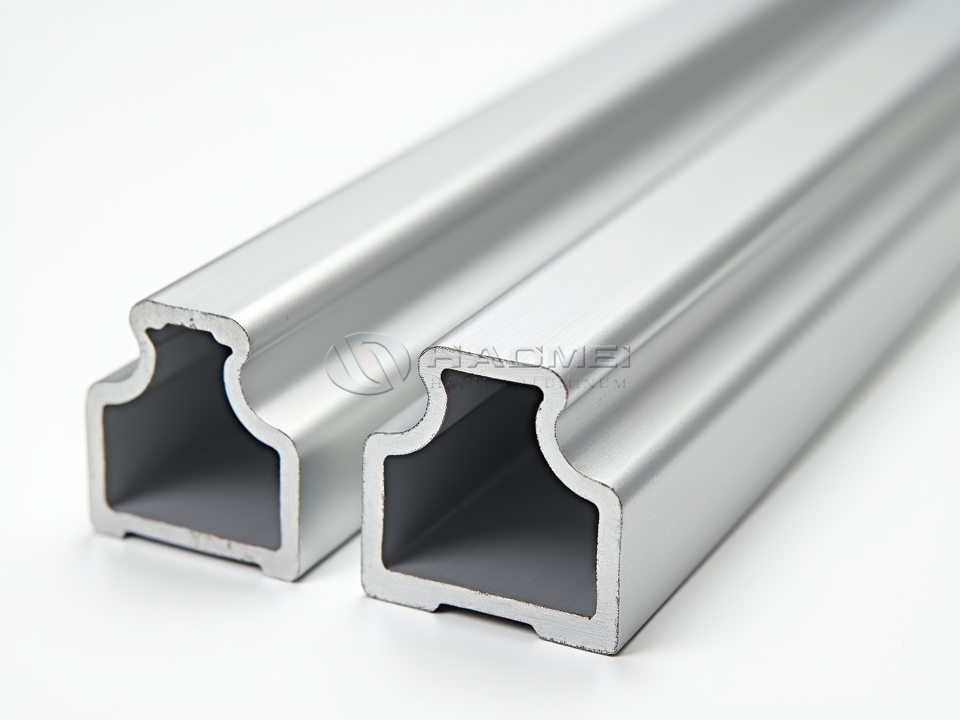
5083 can be supplied as plate, sheet, pipe, tube, flat bar, formed kick plate, welded panels, and selected profile sections. Where highly complex extrusions are required, other marine alloys may sometimes be considered, but 5083 remains a preferred choice for welded and fabricated offshore railing assemblies.
| Item | Common Offshore Specification |
|---|---|
| Alloy | 5083 marine grade aluminum |
| Common tempers | H111, H112, H116, H321 |
| Top rail height | Usually 1000-1200 mm, often 1100 mm by project rule |
| Post spacing | Commonly 1000-1500 mm, adjusted by load calculation |
| Tube wall thickness | Usually 3-6 mm depending on span and load |
| Toe board height | Commonly 100-150 mm for dropped-object control |
| Surface finish | Mill finish, anodized, powder coated, or marine paint system |
| Joint type | TIG/MIG welded, bolted base plate, or modular clamp connection |
| Service area | Walkways, stairs, helideck access areas, platform edges, maintenance decks |
A good offshore railing should drain water instead of trapping it. Rounded corners, sealed tube ends where needed, weep holes, smooth weld transitions, and isolated fasteners all extend service life. The most durable system is rarely the heaviest one; it is the one that prevents stagnant seawater pockets and galvanic contact.
Chemical Composition of 5083 Marine Aluminum
The composition range may vary slightly by standard and purchase specification, so the mill test certificate should always be checked. The table shows commonly referenced limits for 5083 aluminum.
| Element | Typical Content, % by Weight | Function in Offshore Service |
|---|---|---|
| Aluminum, Al | Balance | Base metal, light weight, natural oxide film |
| Magnesium, Mg | 4.0-4.9 | Main strengthening element, improves seawater resistance |
| Manganese, Mn | 0.40-1.00 | Improves strength and grain control |
| Chromium, Cr | 0.05-0.25 | Supports corrosion resistance and stability |
| Iron, Fe | Up to 0.40 | Controlled impurity |
| Silicon, Si | Up to 0.40 | Controlled impurity, affects fabrication behavior |
| Copper, Cu | Up to 0.10 | Kept low to protect corrosion resistance |
| Zinc, Zn | Up to 0.25 | Controlled impurity |
| Titanium, Ti | Up to 0.15 | Grain refinement |
| Others | Each up to 0.05, total up to 0.15 | Residual elements |
Low copper content is especially important for marine exposure. Excess copper can reduce corrosion resistance, so 5083 is a stronger candidate than many general-purpose aluminum grades when safety fencing must survive years of salt-laden atmosphere.
Temper Selection: H111, H112, H116, and H321
5083 is a non-heat-treatable alloy, so specifying a T6 temper would be incorrect. Its tempers describe strain hardening, stabilization, and fabrication condition.
| Temper | Practical Meaning | Suitable Use in Safety Fencing |
|---|---|---|
| H111 | Slightly strain hardened after annealing | Formed parts, bent rail sections, moderate strength needs |
| H112 | As-fabricated with controlled mechanical properties | Welded tubes, bars, and general railing fabrication |
| H116 | Strain hardened with improved resistance to exfoliation corrosion | Splash-zone plates, kick boards, harsh marine exposure |
| H321 | Stabilized temper for marine plate applications | Offshore panels and components requiring better long-term corrosion stability |
For welded railings, H112 and H111 are often easy to fabricate. For plate elements exposed to constant splash or stagnant salt, H116 or H321 can be specified to improve resistance to exfoliation and stress-corrosion related concerns. Weld zones will have lower strength than the parent material, so load calculations should use design values appropriate for welded aluminum, not just catalog strength.
Mechanical Performance Reference
Actual values depend on thickness, product form, and governing standard. The figures here are typical reference ranges, not a replacement for certified test data.
| Property | Typical Range for 5083 Marine Aluminum |
|---|---|
| Density | About 2.66 g/cm3 |
| Ultimate tensile strength | About 275-350 MPa |
| Yield strength | About 125-215 MPa, depending on temper |
| Elongation | Commonly 10-16% or higher by product form |
| Elastic modulus | About 70 GPa |
| Melting range | About 570-640 °C |
| Marine corrosion resistance | Excellent in seawater atmosphere |
| Weldability | Excellent with proper filler selection |
The lower elastic modulus compared with steel means aluminum deflects more under the same geometry. Designers usually compensate with larger tube diameters, optimized post spacing, reinforced base plates, or internal sleeves at high-load locations.
Standards Used in Offshore Implementation
5083 railing projects usually combine material standards, welding rules, offshore safety requirements, and coating specifications. Common references include ASTM B209 for sheet and plate, ASTM B928 for high-magnesium aluminum alloy products for marine service, EN 485 and EN 573 for aluminum sheet and chemical composition, EN 755 or ASTM B221 for extruded bars, tubes, and profiles where applicable, AWS D1.2 for structural aluminum welding, ISO 15614-2 and ISO 9606-2 for welding procedure and welder qualification, and EN ISO 10042 for aluminum weld quality levels.
For guardrail geometry and safety loading, projects may refer to ISO 14122-3, OSHA 1910.29, EN 131 standards where relevant, NORSOK project requirements, DNV, ABS, LR, or owner specifications. Surface treatment can refer to ISO 7599 for anodizing, Qualicoat for powder coating, or marine coating systems defined by the platform operator.
Many buyers pair 5083 fabricated assemblies with broader Marine Grade Aluminum Profiles for ladders, access frames, hatch supports, and deck-edge protection so the whole access system uses compatible materials.
Fabrication and Installation Details That Protect Safety
The best 5083 railing starts at the weld table and proves itself during storms. TIG welding gives clean, precise joints for thinner sections, while MIG welding is efficient for larger assemblies. Common filler choices include 5356 or 5183, selected by strength, corrosion exposure, and project welding procedure.
Galvanic corrosion control is essential when aluminum is bolted to carbon steel decks. Isolation pads, polymer washers, coated fasteners, sealant barriers, and drainage gaps prevent aluminum from becoming part of an unwanted electrical couple. Stainless steel fasteners can be used, but they should still be isolated in wet chloride conditions.
Base plates should be sized for lateral load, not only for convenient bolt spacing. Slotted holes help installation tolerance, but excessive slotting can weaken the connection. Weld toes should be smooth, sharp edges removed, and enclosed sections protected against water entrapment. On offshore platforms, small fabrication details often decide whether a railing looks new after five years or starts showing staining and pitting around joints.
Surface Finish Choices
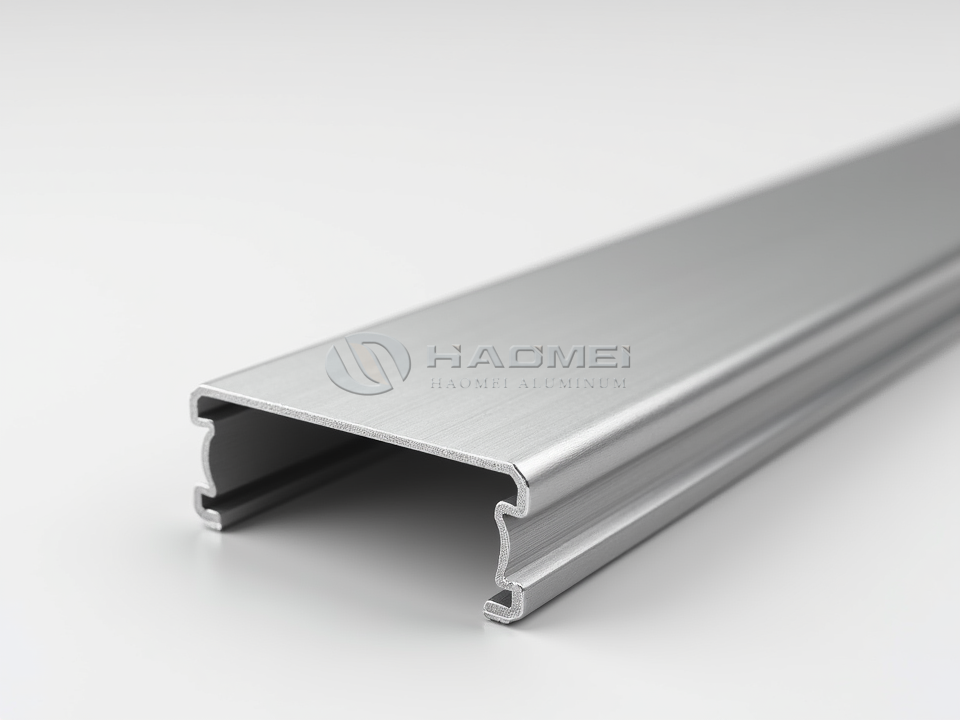
Mill finish 5083 can perform well in marine air, but many offshore owners request anodizing, powder coating, or a marine paint system for visibility and easier inspection. Safety yellow, grey, or custom platform colors can be applied. If coating is selected, surface preparation matters: degreasing, light abrasion, conversion coating, correct primer, and controlled curing all improve adhesion.
For high-wear zones such as stair rails and maintenance walkways, repairability should be considered. A finish that can be touched up offshore may be better than a beautiful coating that is difficult to restore after tool impact.
Buying Guidance for 5083 Offshore Railings
When specifying 5083 marine aluminum fencing and railings for offshore platform safety fencing, customers should confirm alloy grade, temper, product form, wall thickness, welding procedure, load requirement, finish, inspection method, and documentation package. Mill certificates, chemical composition reports, mechanical test results, dimensional inspection, weld inspection, and packing protection all reduce project risk.
5083 is not simply a metal choice; it is a maintenance strategy. It keeps safety barriers light, corrosion-resistant, weldable, and suitable for aggressive offshore environments. For platforms where every kilogram, every inspection hour, and every safe walking route matters, 5083 marine aluminum railings provide a practical balance between engineering discipline and long service life.

Related Products
Marine aluminum fencing and railings
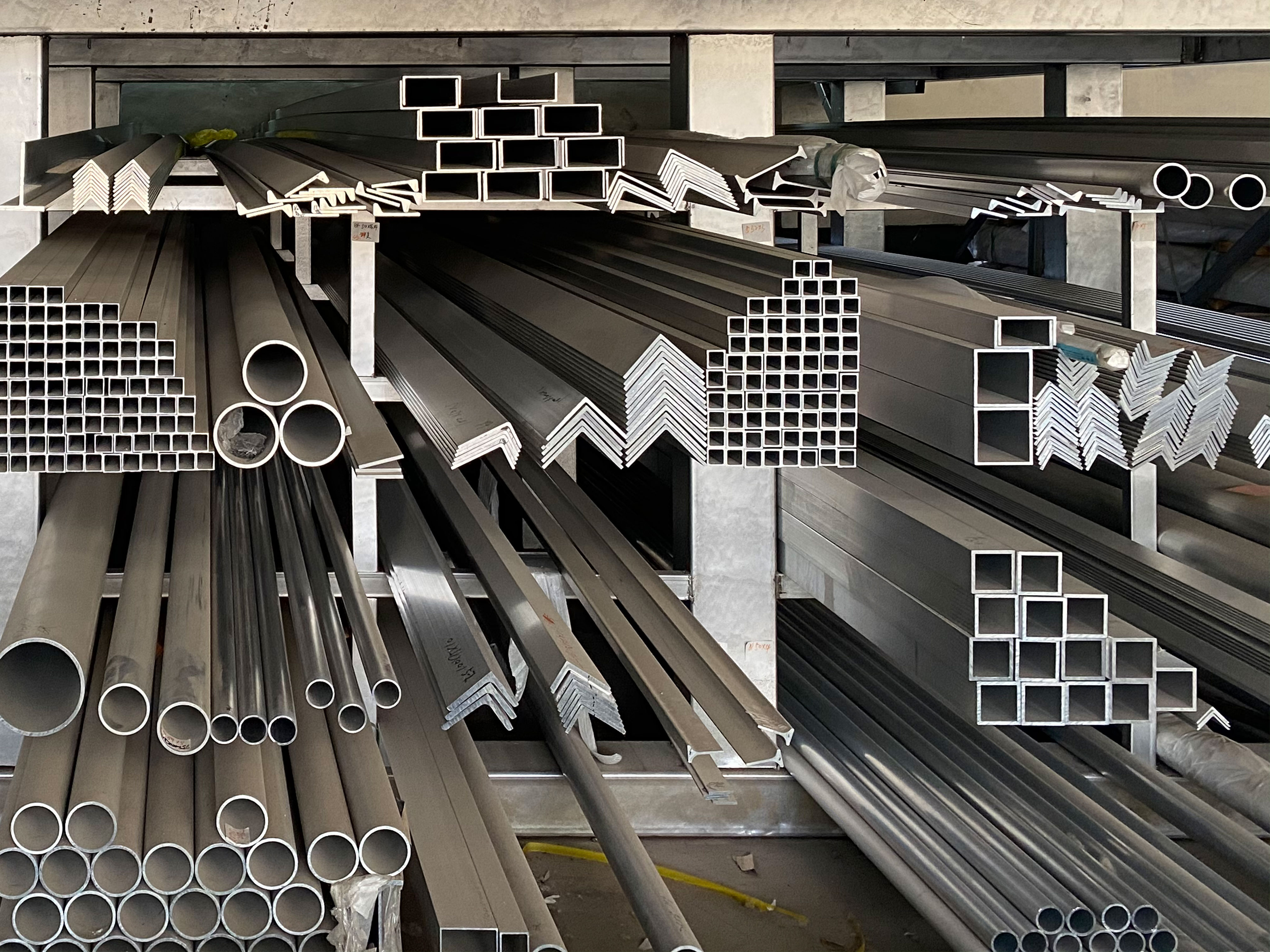
Marine Grade Aluminum Fencing and Railings are fabricated using marine-grade aluminum alloys such as 5083, 5052, and 6061, which are engineered specifically for protection against saltwater corrosion and marine atmospheric conditions.
View Details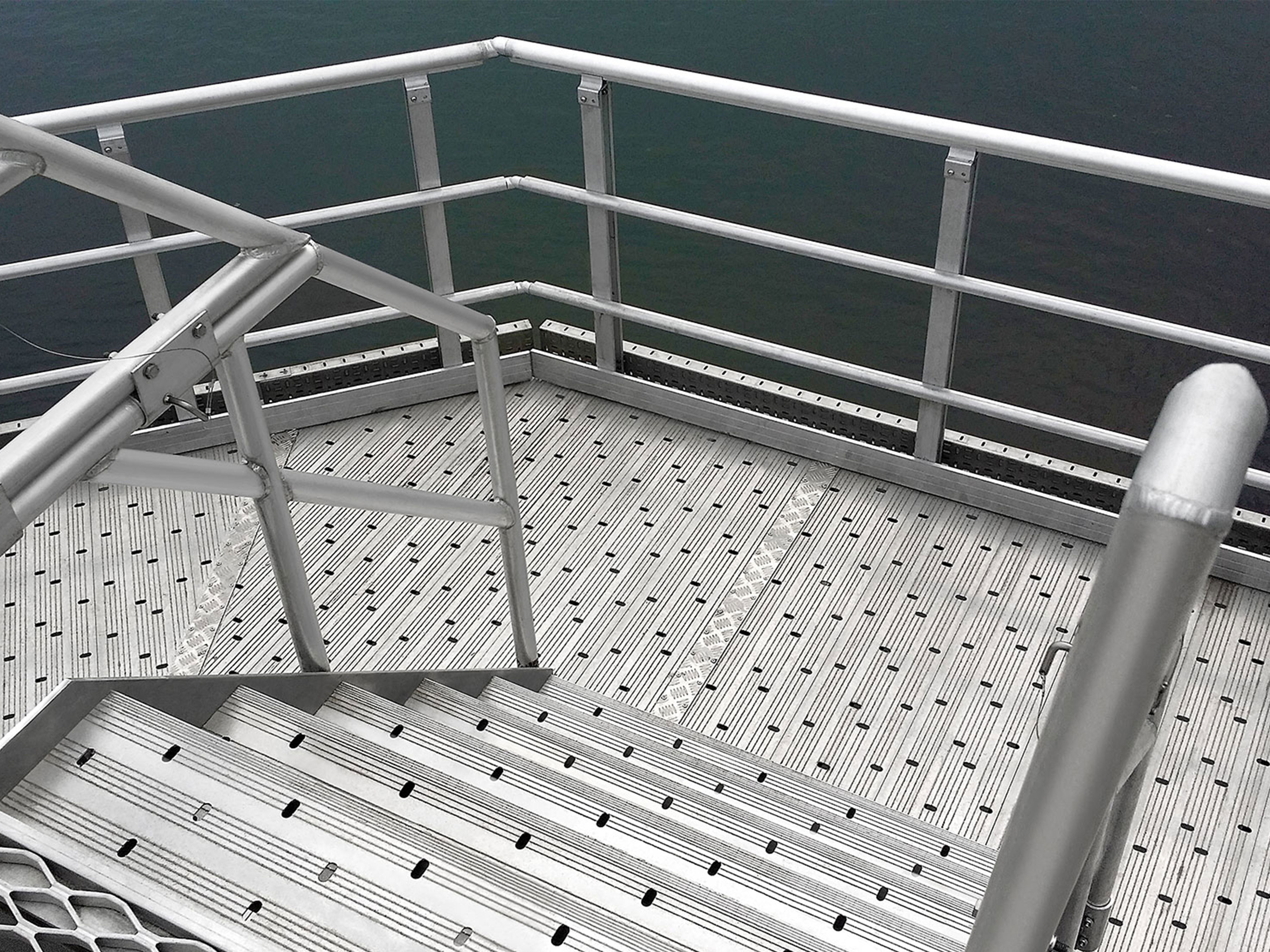
Marine aluminum customized shapes
Marine Grade Aluminum Customized Shapes encompass a broad range of aluminum extrusions and fabrications engineered beyond standard profiles—such as channels, angles, tubes, and beams—into complex, project-specific geometries.
View Details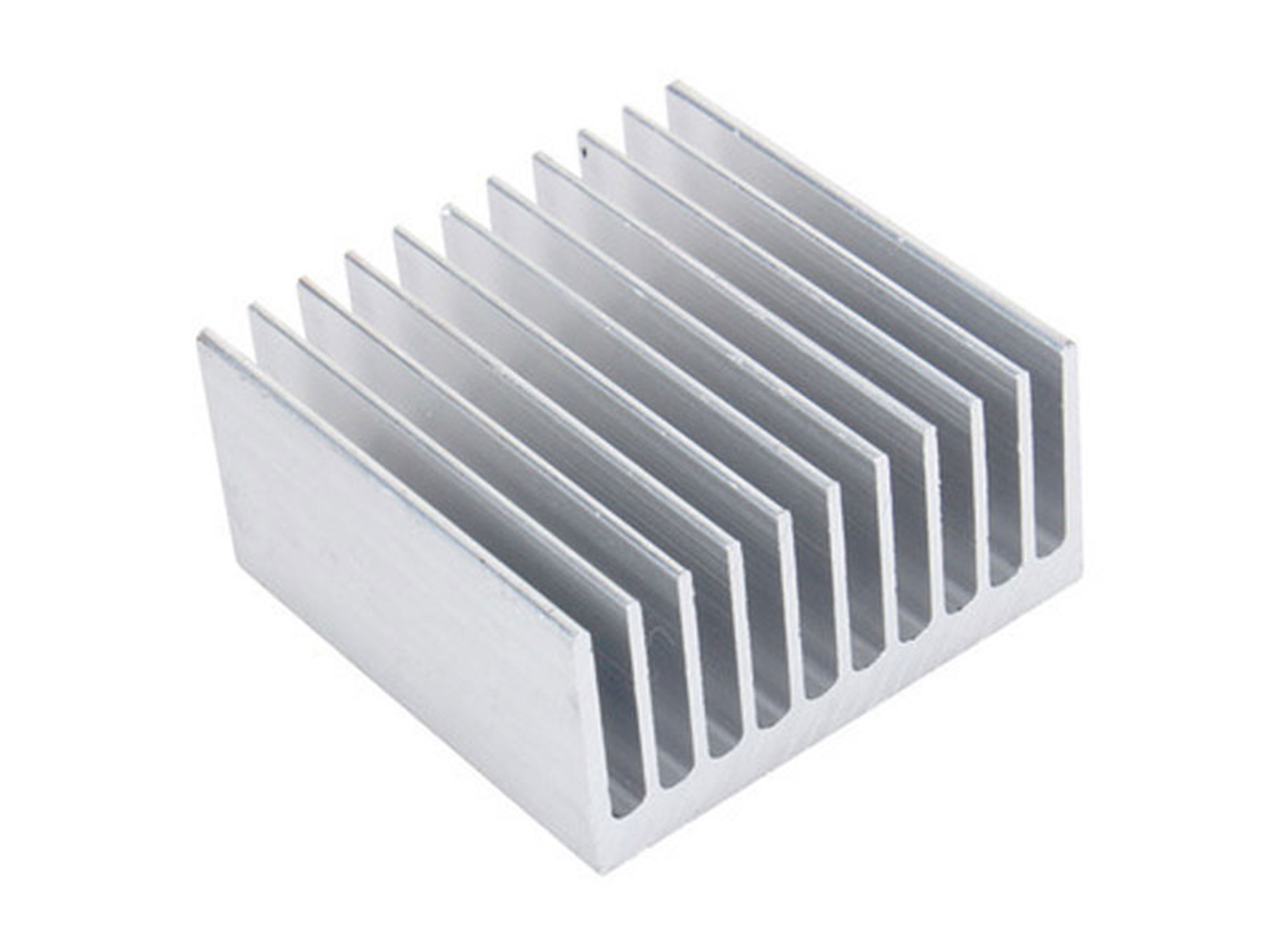
Marine aluminum heat sink profile
Marine Grade Aluminum Heat Sink Profiles utilize alloys such as 6061 and 6063 that not only exhibit high thermal conductivity but also possess excellent corrosion resistance required for saltwater exposure.
View DetailsRelated Blog
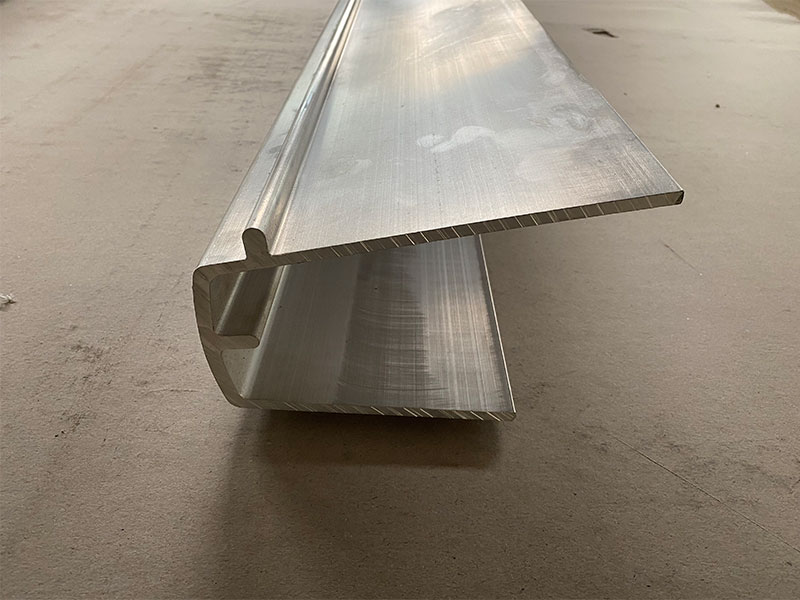
6061 Marine Aluminum Fencing and Railings for Seawater Resistant Marine Safety Rails
6061 Marine Aluminum Fencing and Railings for Seawater Resistant Marine Safety Rails: Built for Salt, Motion, and Maintenance RealityMarine safety rails do more than "separate people from danger.
View Details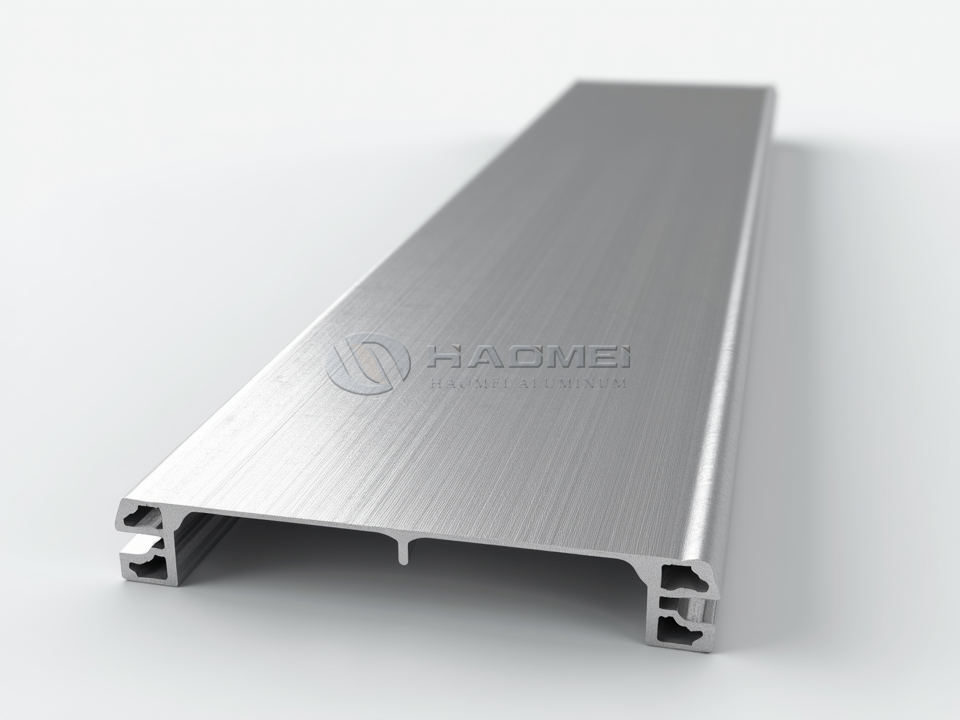
6061 Marine Aluminum Heat Sink Profile for Lightweight Cooling Systems for Boat Engines
6061 marine aluminum heat sink profiles reduce engine-bay weight while managing heat through fin design, corrosion control, mounting, and airflow.
View Details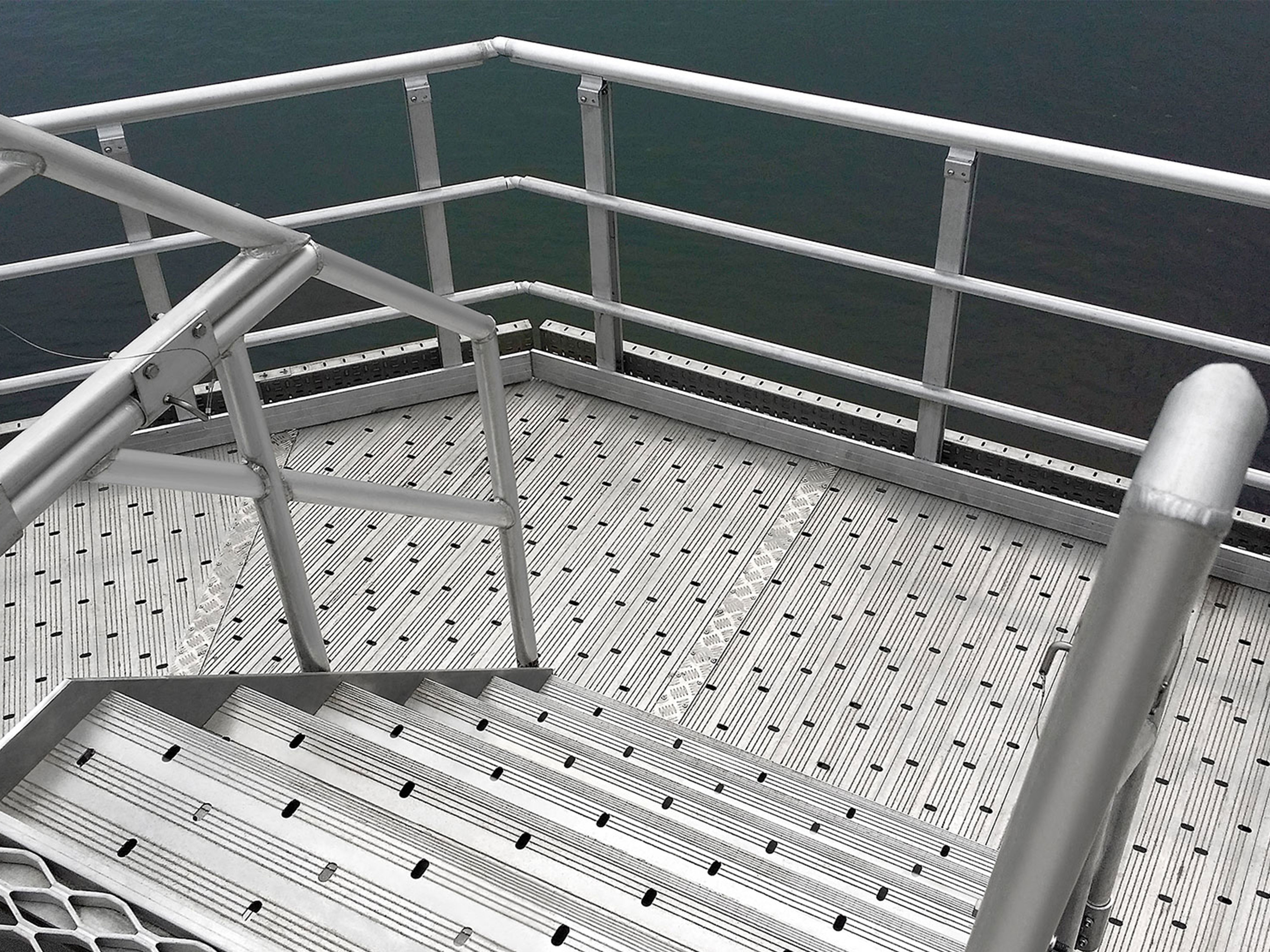
6061 Marine Aluminum Fencing and Railings for Custom Marine Deck Safety Solutions
6061 marine aluminum fencing and railings are a practical, high-strength choice for deck safety systems in saltwater and coastal environments. Built from a heat-treatable Al-Mg-Si alloy, 6061 combines corrosion resistance, structural reliability.
View Details
Marine Aluminum Fencing and Railings for Custom Boat Deck Guardrails
Marine Aluminum Fencing and Railings: The Ultimate Choice for Custom Boat Deck GuardrailsWhen it comes to constructing custom boat deck guardrails, marine aluminum fencing and railings are emerging as the industry’s top choice.
View Details
Marine Aluminum Heat Sink Profile for Cooling Marine Electronics in Saltwater Environments
Marine aluminum heat sink profiles provide efficient thermal control, low weight, and dependable corrosion resistance for electronics operating in saltwater.
View Details
Marine Aluminum Heat Sink Profile for Custom Cooling Systems for Marine Electronics
Marine aluminum heat sink profiles move heat from onboard electronics while resisting salt spray, vibration, humidity, and galvanic corrosion.
View Details
Leave a Message