
5083 Marine Aluminum Fencing and Railings for Custom Coastal Marine Safety Fencing
5083 marine aluminum fencing and railings are engineered for places where salt spray, wind, impact, and constant public use quickly damage ordinary materials. For coastal walkways, boat decks, marina platforms, ship access zones, aquaculture facilities, and waterfront safety barriers, 5083 aluminum provides a strong combination of seawater corrosion resistance, weldability, fatigue performance, and low maintenance.
Unlike painted carbon steel that may blister or rust at cut edges, 5083 aluminum forms a stable oxide layer and performs well in chloride-rich environments. Its high magnesium content gives it dependable strength without heat treatment, making it practical for welded custom fencing systems, bent rails, post assemblies, gates, toe boards, handrails, and modular marine safety barriers.
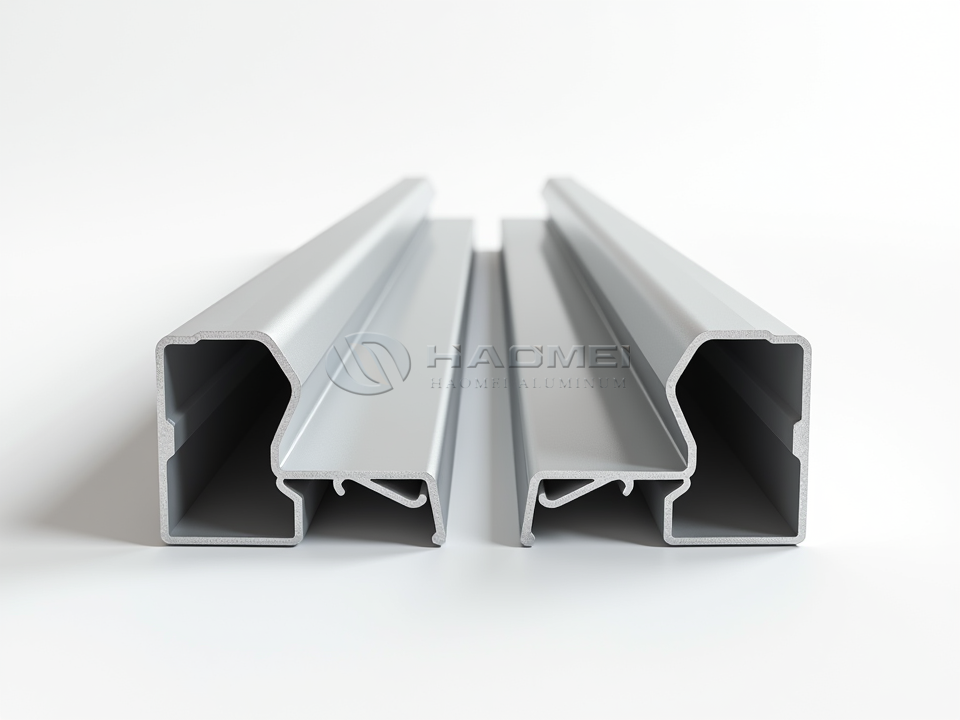
Why 5083 Aluminum Works for Coastal Safety Fencing
Coastal fencing is not decorative hardware only. It must guide foot traffic, prevent falls, resist vessel-side vibration, survive splash-zone exposure, and remain serviceable after years of wet-dry cycling. 5083 aluminum is widely used in marine structures because it balances strength and corrosion resistance better than many general-purpose aluminum grades.
| Performance Need | 5083 Marine Aluminum Response | Customer Value |
|---|---|---|
| Saltwater exposure | Excellent resistance to seawater and marine atmosphere | Longer service life with less repainting |
| Welded fabrication | Strong weldability by MIG and TIG processes | Custom rail modules, gates, curves, and brackets |
| Safety under load | Good tensile and yield strength in H116 and H321 tempers | Reliable barriers for docks, decks, piers, and vessels |
| Low structural weight | About one-third the density of steel | Easier handling, reduced dead load, faster installation |
| Maintenance planning | No red rust, compatible with anodizing or marine coatings | Lower lifecycle cost in coastal sites |
For projects using extruded posts, shaped handrail tubes, base channels, and deck-edge protection, 5083 components can be paired with Marine aluminum fencing and railings designed for marine assembly layouts.
Main Functions in Marine Safety Systems
5083 marine aluminum fencing and railings serve several functions at the same time. They create fall protection around docks, ramps, floating pontoons, bridge approaches, gangways, yacht decks, patrol boats, ferry terminals, and offshore service platforms. They also separate maintenance zones from public traffic and define safe access routes in harsh waterfront environments.
The alloy is suitable for straight railings, sloped gangway rails, removable dock fencing, curved balcony-style marine rails, deck guardrails, safety gates, marina perimeter fencing, fish farm walkway barriers, and custom coastal security panels. With proper section design, the system can also support mesh infill, cable infill, kick plates, lighting brackets, life ring holders, signage, and anti-slip accessories.
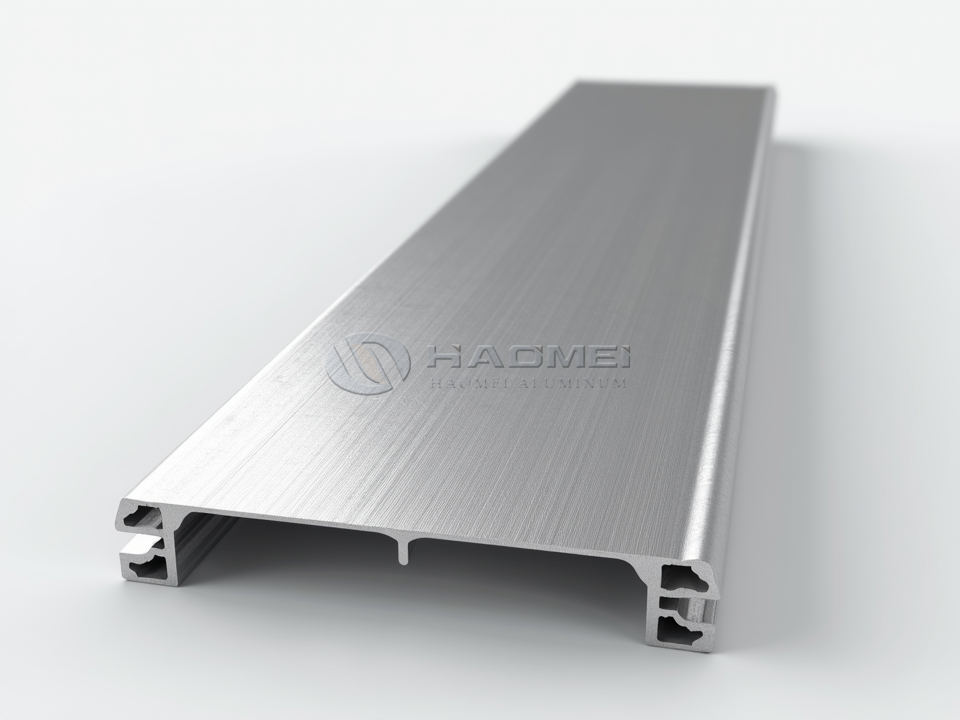
Typical Applications
| Application Area | Typical Components | Design Focus |
|---|---|---|
| Marinas and docks | Guardrails, handrails, removable posts, gates | Corrosion resistance, modular replacement |
| Commercial vessels | Deck railings, bulwark extensions, access barriers | Weld strength, fatigue resistance, lightweight design |
| Coastal resorts | Waterfront fencing, viewing platform rails, stair rails | Appearance, safety, low maintenance |
| Ferry terminals | Queue barriers, gangway railings, ramp protection | Impact resistance, public safety, fast repair |
| Aquaculture sites | Walkway fencing, cage access rails, service gates | Splash-zone durability, simple cleaning |
| Offshore service areas | Platform rails, equipment zone barriers | Structural integrity, coating compatibility |
Alloy Tempering Conditions
5083 is a non-heat-treatable aluminum-magnesium alloy. Its strength is mainly controlled by strain hardening and stabilization rather than solution heat treatment. For marine fencing, the most common choices are H111, H116, and H321, depending on exposure severity and forming requirements.
| Temper | Condition Description | Common Use in Fencing and Railings |
|---|---|---|
| O | Annealed, soft condition | Deep forming, complex bends, low-load panels |
| H111 | Slightly strain hardened after shaping | General fabricated rail parts with moderate strength |
| H112 | As-fabricated condition with controlled properties | Thick sections, plates, and structural parts |
| H116 | Strain hardened with marine corrosion resistance control | Splash-zone posts, welded rails, dock barriers |
| H321 | Strain hardened and stabilized for marine service | High-reliability marine structures and welded assemblies |
H116 and H321 are often selected when the fencing will face continuous saltwater spray, tidal humidity, or intermittent immersion. These tempers help reduce the risk of exfoliation and stress corrosion issues under marine conditions when material is correctly specified and fabricated.
Chemical Composition of 5083 Marine Aluminum
| Element | Typical Range by Weight | Function in Alloy Performance |
|---|---|---|
| Aluminum, Al | Balance | Base metal for light weight and oxide protection |
| Magnesium, Mg | 4.0-4.9% | Strength, seawater corrosion resistance |
| Manganese, Mn | 0.40-1.0% | Grain control and strength stability |
| Chromium, Cr | 0.05-0.25% | Improved corrosion and structure stability |
| Iron, Fe | Max 0.40% | Controlled impurity |
| Silicon, Si | Max 0.40% | Controlled impurity |
| Zinc, Zn | Max 0.25% | Limited to protect corrosion performance |
| Copper, Cu | Max 0.10% | Kept low for marine corrosion resistance |
| Titanium, Ti | Max 0.15% | Grain refinement |
| Others each | Max 0.05% | Trace elements |
| Others total | Max 0.15% | Trace elements |
Mechanical and Physical Data
Values vary with thickness, temper, and product form. Final engineering calculations should follow project codes, span length, post spacing, railing height, and live-load requirements.
| Property | 5083-O | 5083-H111 | 5083-H116 / H321 | Notes |
|---|---|---|---|---|
| Density | 2.66 g/cm3 | 2.66 g/cm3 | 2.66 g/cm3 | Lightweight compared with steel |
| Tensile strength | 270-350 MPa | 275-350 MPa | 305-385 MPa | Depends on thickness and standard |
| Yield strength | 125-170 MPa | 125-200 MPa | 215-285 MPa | Important for post and rail sizing |
| Elongation | 10-20% | 10-18% | 8-15% | Supports forming and impact energy absorption |
| Elastic modulus | About 70 GPa | About 70 GPa | About 70 GPa | Used in deflection calculations |
| Thermal conductivity | About 117 W/m.K | About 117 W/m.K | About 117 W/m.K | Helps temperature equalization outdoors |
| Melting range | 570-640°C | 570-640°C | 570-640°C | Welding procedure must control heat input |
Technical Specifications for Custom Fencing
| Item | Common Specification Range | Practical Recommendation |
|---|---|---|
| Post wall thickness | 3-8 mm | Select thicker sections for public docks and ferry terminals |
| Handrail tube wall | 2.5-6 mm | Use rounded profiles for user comfort and drainage |
| Panel sheet thickness | 3-6 mm | Perforated or solid infill can be customized |
| Standard rail height | 900-1200 mm | Adjust for local safety codes and vessel class rules |
| Post spacing | 800-1500 mm | Reduce spacing in high-wind or heavy-use areas |
| Weld filler | ER5183, ER5356, ER5556 | Match strength and corrosion needs |
| Surface finish | Mill finish, brushed, anodized, powder coated, marine paint | Choose finish by visual target and exposure level |
| Fasteners | 316 stainless steel or isolated aluminum fasteners | Use isolation washers to reduce galvanic corrosion |
| Drainage detail | Weep holes or open-end drainage | Prevent trapped seawater inside hollow sections |
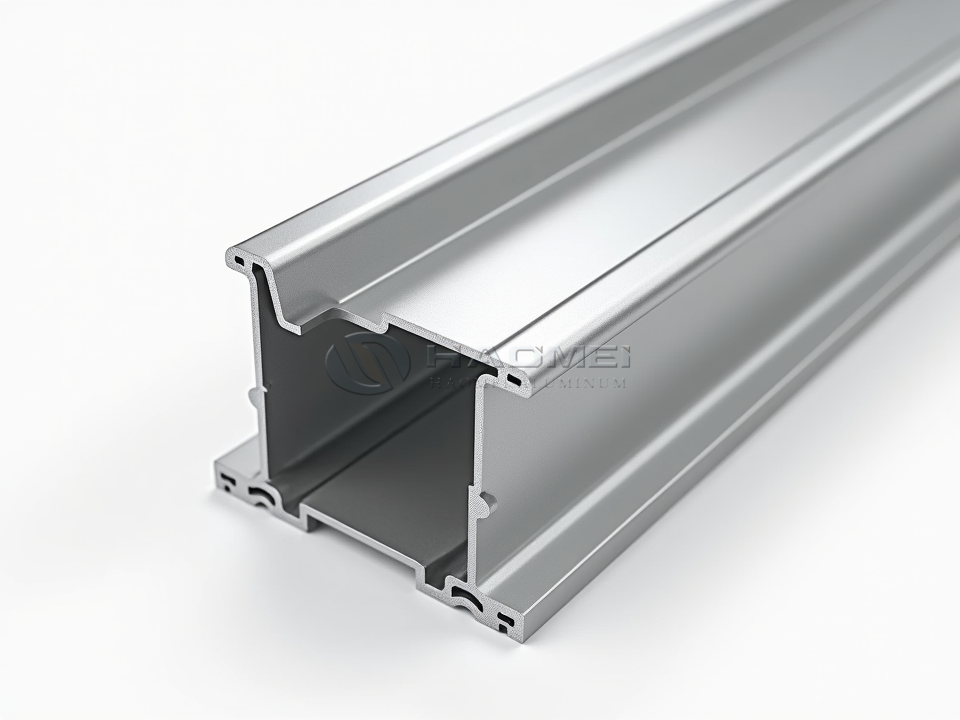
Implementation Standards and Quality Control
Marine aluminum fencing should be produced with clear material traceability, dimensional inspection, weld verification, and surface protection procedures. Standards may vary by country and project type, but the following references are commonly used.
| Standard | Scope | Relevance to 5083 Fencing |
|---|---|---|
| ASTM B209 | Aluminum and aluminum-alloy sheet and plate | Plate and sheet material requirements |
| ASTM B928 | High-magnesium aluminum alloy sheet and plate for marine service | Important for 5083-H116 and H321 marine plate |
| EN 485 | Aluminum sheet, strip, and plate | European dimensional and property requirements |
| EN 573 | Chemical composition and product forms | Alloy designation and composition control |
| ASTM B221 | Aluminum extruded bars, rods, wire, profiles, and tubes | Extruded rail and post profile reference |
| AWS D1.2 | Structural welding code for aluminum | Welding qualification and fabrication control |
| ISO 15614-2 | Welding procedure qualification for aluminum | Procedure testing for welded assemblies |
| ISO 12215 | Small craft hull construction and scantlings | Useful for vessel railing support design |
| ABYC H-41 | Reboarding means, rails, and related boat safety guidance | Relevant for recreational marine rail layouts |
| ASTM B117 | Salt spray testing | Finish and coating comparison testing |
Fabrication Details That Improve Service Life
Good material selection is only one part of marine safety fencing performance. Design and fabrication details decide whether the system remains safe after years near seawater. Welded joints should be smooth, clean, and free from crevices that trap chloride deposits. Sharp corners should be avoided where possible, since rounded rail profiles shed water and reduce injury risk.
When 5083 is welded, heat input should be controlled to limit softening in the heat-affected zone. ER5183 is often preferred when higher welded strength is required, while ER5356 is widely used for general marine fabrication. After welding, surfaces should be cleaned to remove oxides, soot, and contaminants. Stainless steel fasteners should not contact aluminum directly in wet zones unless isolating washers, sleeves, sealants, or coatings are used.
Drainage is especially important in hollow posts and rails. Sealed sections may trap condensation, while open sections without drainage may collect saltwater. Well-placed weep holes, sloped caps, welded end plates, and marine sealants can greatly reduce hidden corrosion risk.
Surface Finish Options
| Finish Type | Benefit | Suitable Environment |
|---|---|---|
| Mill finish | Economical, natural aluminum appearance | Workboats, industrial docks, hidden structures |
| Brushed finish | Cleaner appearance with reduced glare | Resorts, yacht clubs, public waterfronts |
| Anodizing | Harder surface and improved appearance | Architectural coastal railings |
| Powder coating | Color control and added barrier protection | Public fencing, branded marina projects |
| Marine paint system | High protection with repair flexibility | Offshore, high-splash, heavy-duty service |
Ordering Information for Custom Projects
To specify 5083 marine aluminum fencing and railings accurately, buyers should provide railing height, post spacing, exposure level, preferred temper, profile drawings, load requirements, finish type, installation method, and whether the system needs removable panels or welded permanent modules. For replacement work, photos, site measurements, and existing bolt patterns help reduce installation adjustments.
5083 marine aluminum fencing offers a practical path to safer coastal infrastructure: strong enough for demanding barriers, light enough for efficient installation, and corrosion resistant enough for long-term marine service. With correct temper selection, qualified welding, smart drainage, and proper fastener isolation, it becomes a dependable solution for custom coastal marine safety fencing across docks, vessels, marinas, terminals, and waterfront projects.

Related Products
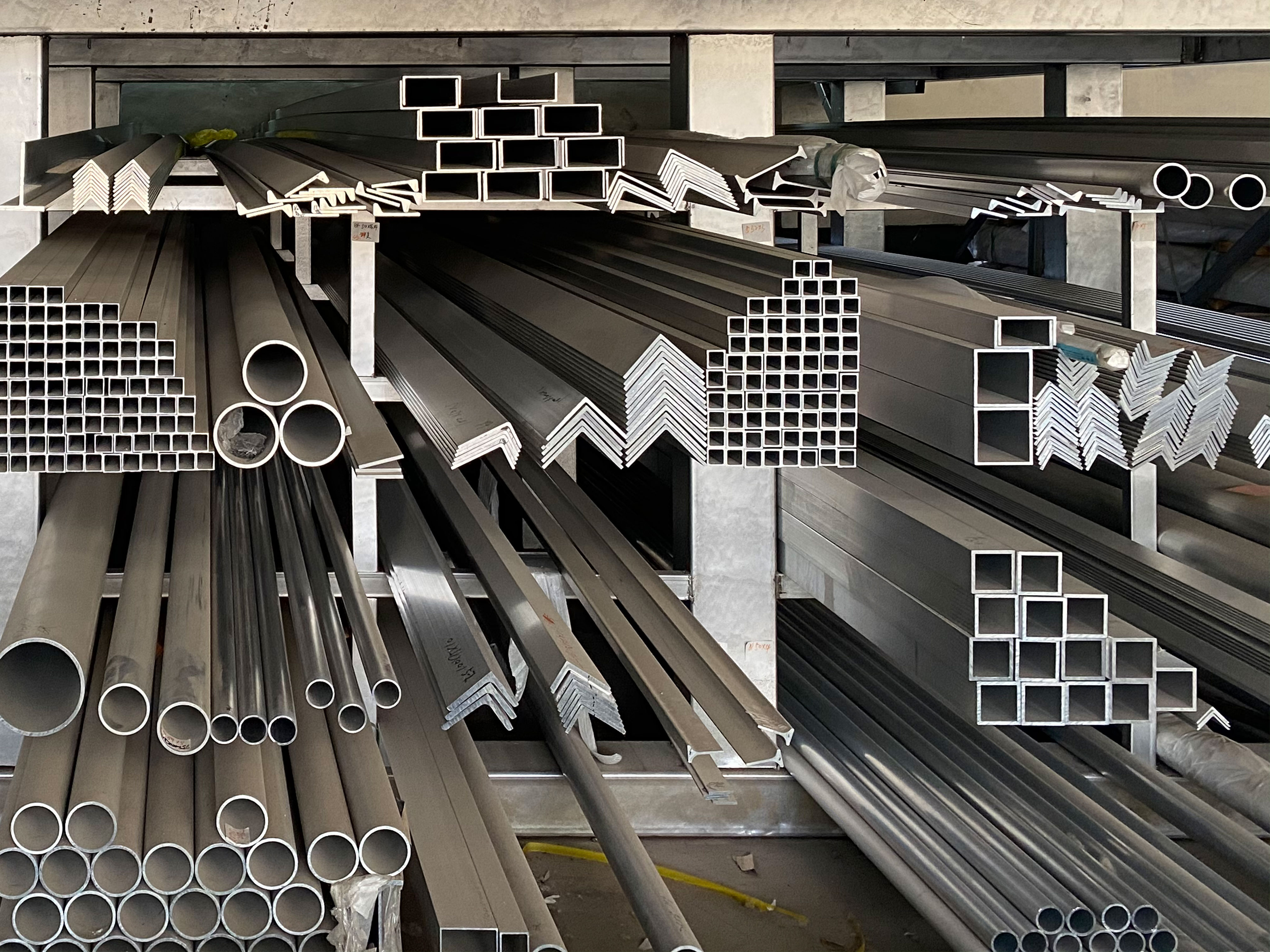
Marine aluminum fencing and railings
Marine Grade Aluminum Fencing and Railings are fabricated using marine-grade aluminum alloys such as 5083, 5052, and 6061, which are engineered specifically for protection against saltwater corrosion and marine atmospheric conditions.
View Details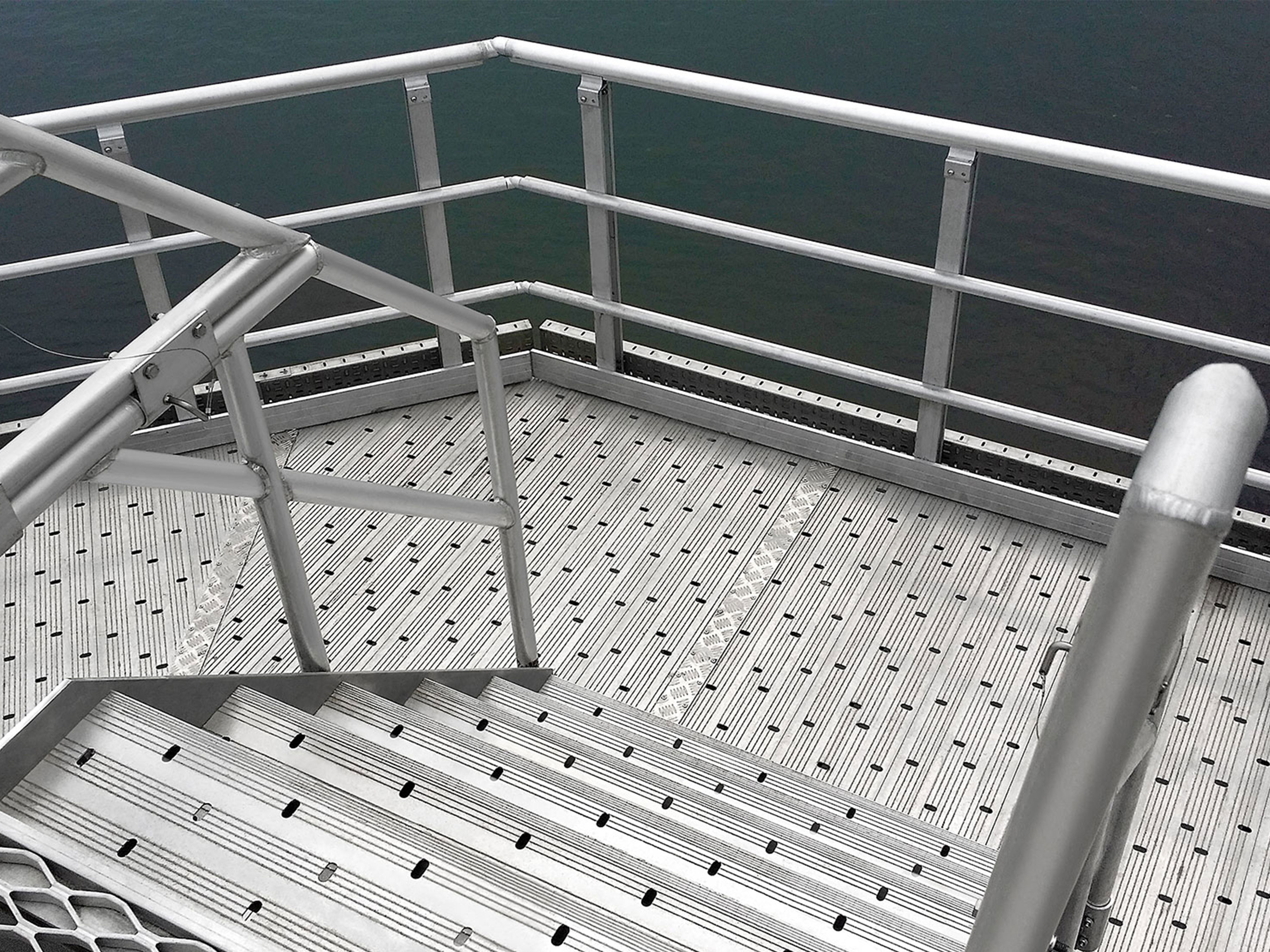
Marine aluminum customized shapes
Marine Grade Aluminum Customized Shapes encompass a broad range of aluminum extrusions and fabrications engineered beyond standard profiles—such as channels, angles, tubes, and beams—into complex, project-specific geometries.
View Details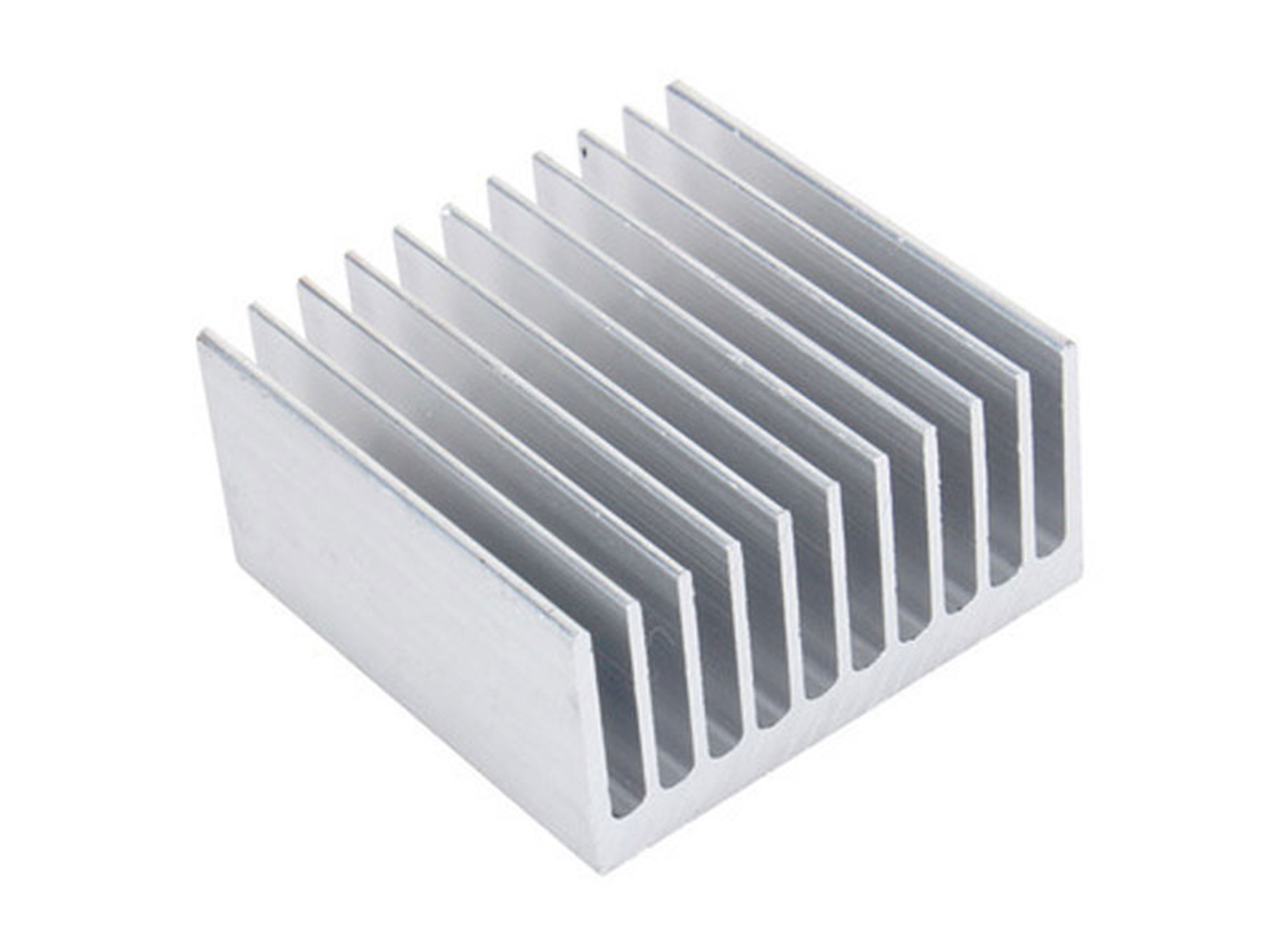
Marine aluminum heat sink profile
Marine Grade Aluminum Heat Sink Profiles utilize alloys such as 6061 and 6063 that not only exhibit high thermal conductivity but also possess excellent corrosion resistance required for saltwater exposure.
View DetailsRelated Blog
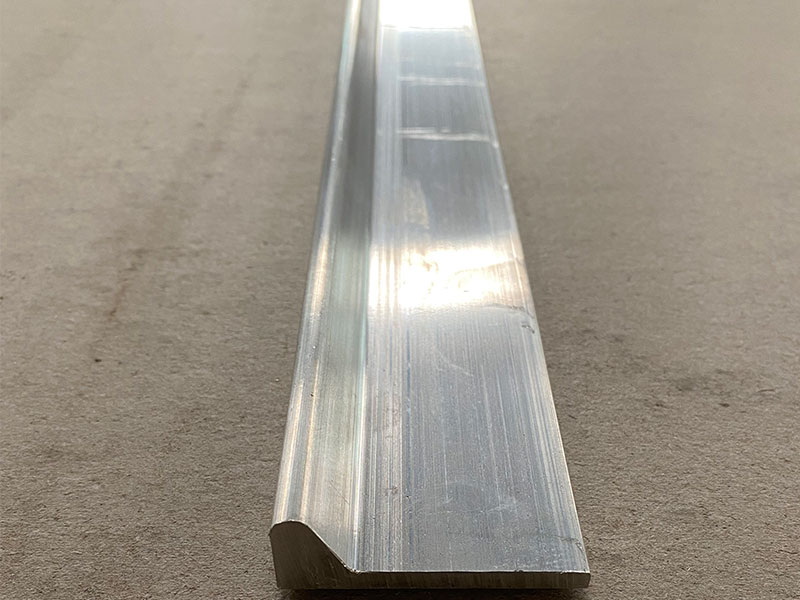
5083 Marine Aluminum Customized Shapes for Offshore Vessel Deck Frame Reinforcements
When it comes to offshore vessel deck frame reinforcements, the choice of materials is critical for durability, strength, and corrosion resistance. Among the myriad of options.
View Details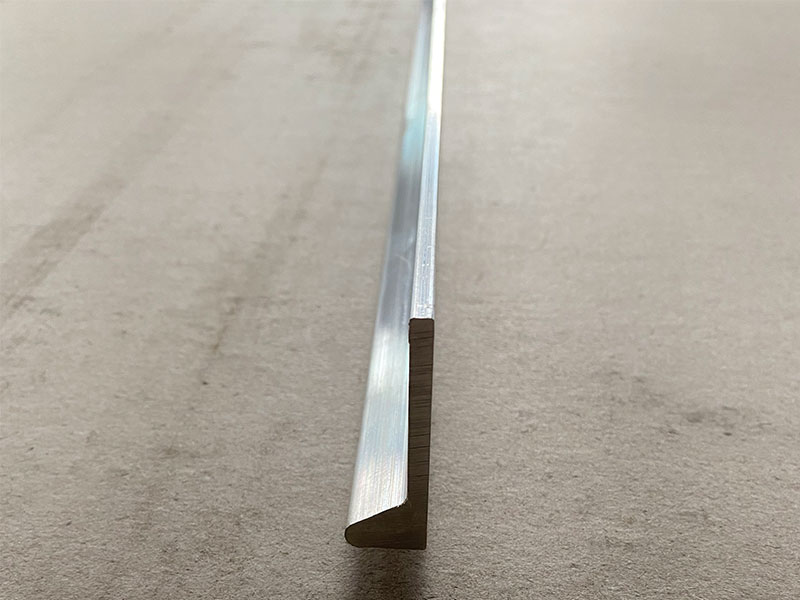
6061 Marine Aluminum Heat Sink Profile for Lightweight Boat Engine Heat Dissipation
Modern marine propulsion systems-whether compact outboards, inboard auxiliaries, electric drives, or hybrid gensets-are increasingly power-dense. That pushes more thermal load into smaller spaces.
View Details
5083 Marine Aluminum Customized Shapes for Saltwater Resistant Boat Deck Frames
When it comes to boat deck frames that endure the relentless challenge of saltwater environments, the choice of materials is paramount. Among all options.
View Details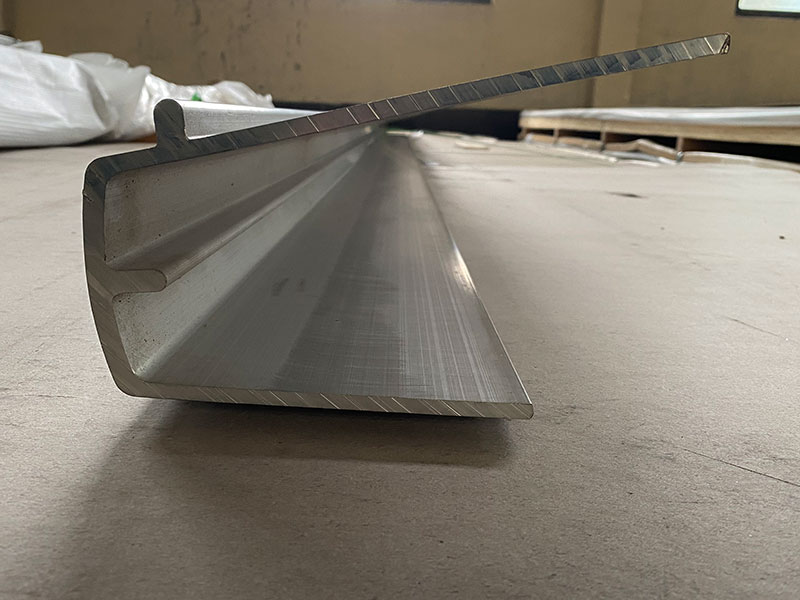
Marine Aluminum Heat Sink Profile for Lightweight Boat Engine Cooling Systems
Marine Aluminum Heat Sink Profile for Lightweight Boat Engine Cooling Systems: Excellence in Functionality and Technical PrecisionIn the evolving sphere of marine engineering, optimizing boat engine cooling systems for lightness, durability.
View Details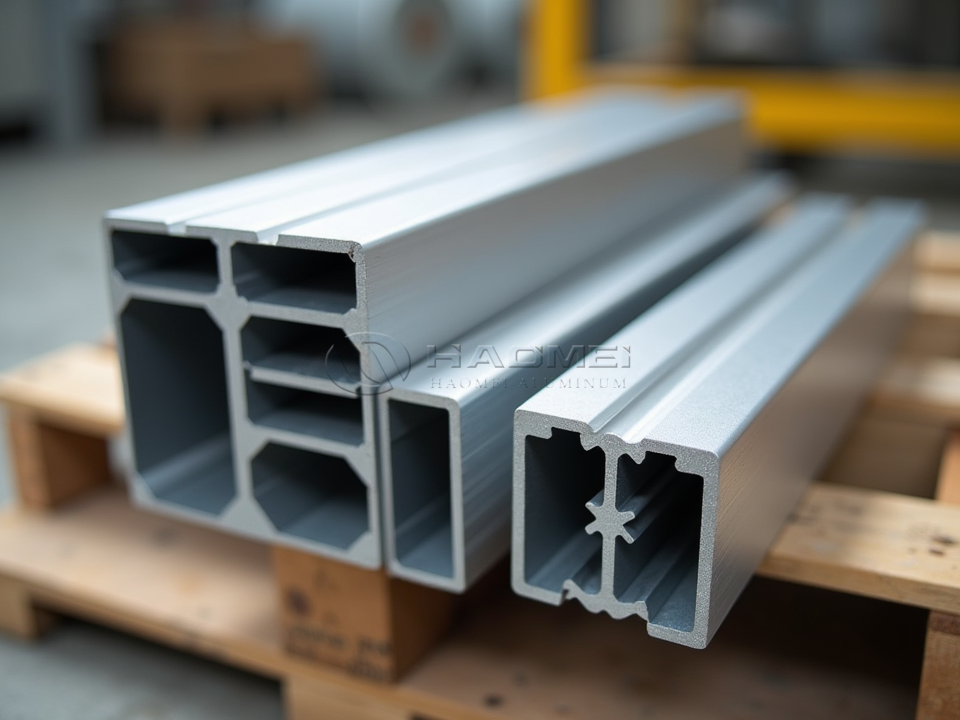
Marine Aluminum Heat Sink Profile for High Heat Dissipation for Marine Electronic Devices
Marine aluminum heat sink profiles provide efficient thermal control, saltwater resistance, lightweight strength, and custom extrusion options for onboard electronics.
View Details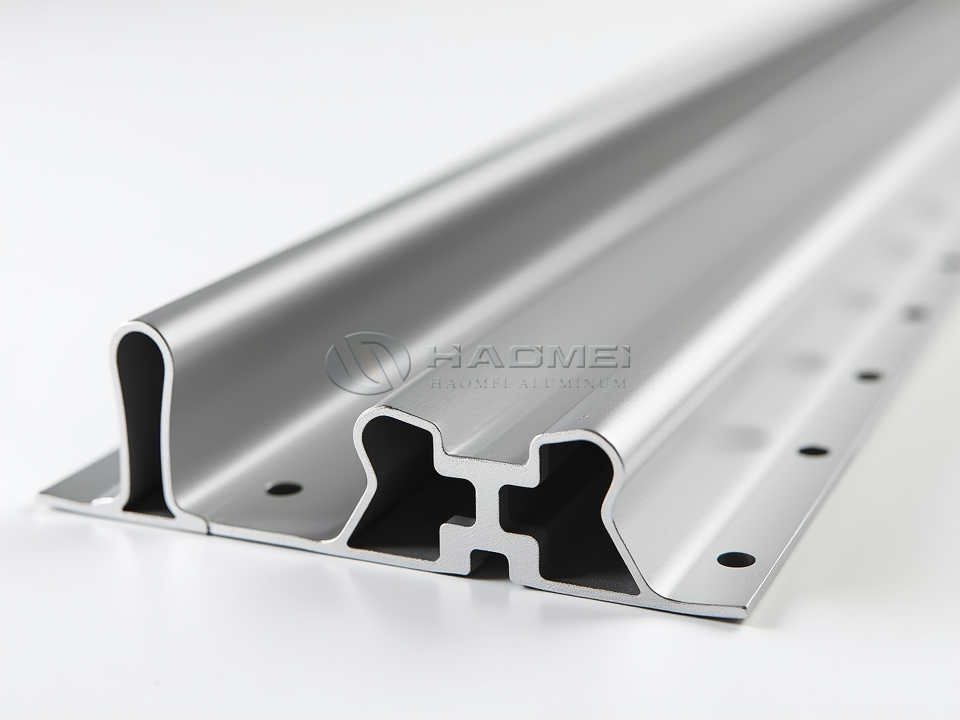
6061 Marine Aluminum Heat Sink Profile for Coastal Electronics Thermal Management
Explore 6061 marine aluminum heat sink profiles for coastal electronics, with thermal data, corrosion guidance, finishes, design choices, and marine uses.
View Details
Leave a Message