
Marine Aluminum Heat Sink Profile for High Heat Dissipation for Marine Electronic Devices
Marine Aluminum Heat Sink Profile for Demanding Onboard Electronics
Marine electronic devices operate in a difficult thermal environment. Navigation systems, radar units, communication equipment, LED lighting drivers, battery management modules, sonar processors, and power converters generate continuous heat while facing salt spray, vibration, humidity, and confined installation spaces. A marine aluminum heat sink profile is engineered to move this heat away from sensitive components while maintaining low weight and long-term corrosion resistance.
Extruded aluminum provides an efficient balance of thermal conductivity, structural rigidity, machining flexibility, and economical production. The profile can be designed with straight fins, pin fins, enclosed channels, mounting grooves, screw bosses, or integrated housings to fit the electrical and mechanical requirements of marine equipment.
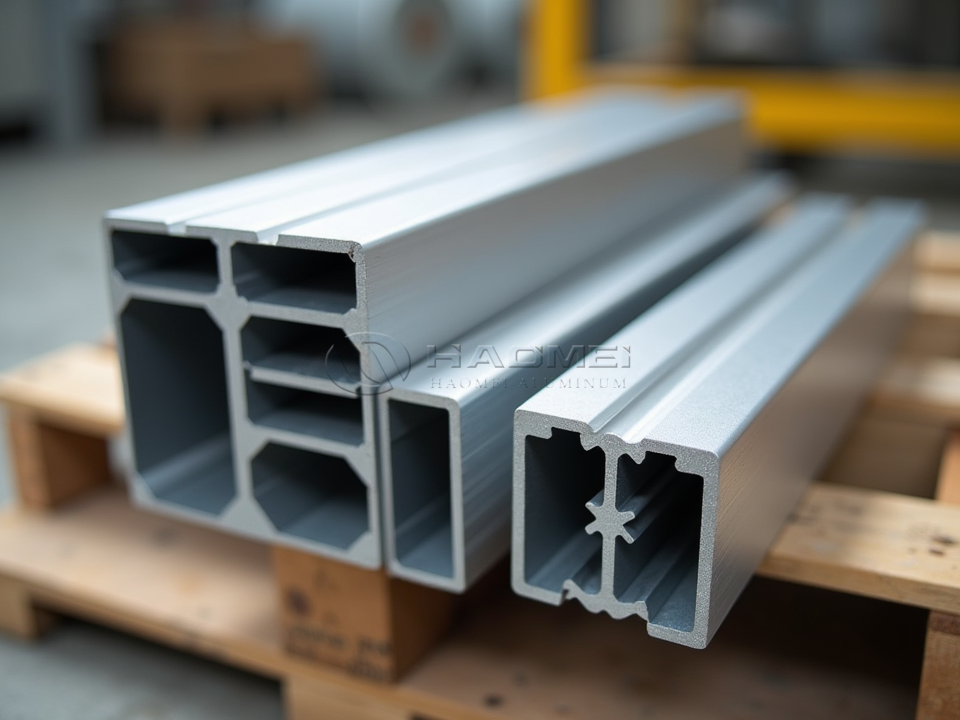
Thermal Performance Designed Into the Extrusion
Heat sinks work by conducting heat from a semiconductor or power device into an aluminum base, then releasing it into surrounding air through a large finned surface. In marine installations, airflow may be limited inside sealed cabinets, helm stations, engine-room panels, and deck-mounted electronics housings. For this reason, fin geometry and base thickness must be selected carefully rather than relying only on overall profile size.
A properly designed profile offers a broad mounting platform for thermal interface material, controlled fin spacing for natural or forced convection, and sufficient metal cross-section to spread heat evenly. Deep fins add surface area, while wider fin gaps can improve air circulation where fans are not used. For high-power equipment, the profile may also incorporate liquid-cooling passages or be mounted directly to a ventilated enclosure wall.
| Heat Dissipation Design Factor | Marine Engineering Effect |
|---|---|
| Fin height | Increases exposed cooling area and supports higher convection performance |
| Fin spacing | Prevents trapped hot air and allows efficient airflow through the profile |
| Base thickness | Improves heat spreading from concentrated electronic components |
| Profile width | Creates a larger mounting footprint for modules, MOSFETs, LEDs, and converters |
| Surface treatment | Improves corrosion resistance and can support radiation heat transfer |
| Airflow condition | Determines fin geometry for natural convection or fan-assisted cooling |
| Thermal interface material | Reduces contact resistance between the device and aluminum base |
Alloy and Temper Selection
6063 aluminum is widely selected for complex heat sink extrusion because it produces clean fin details, smooth surfaces, and reliable anodizing quality. It is suitable for enclosed or coated marine electronic assemblies where thermal efficiency and appearance are important. 6061 aluminum offers higher mechanical strength and is preferred when the profile also serves as a structural bracket, load-bearing housing, or impact-resistant mounting rail.
| Alloy and Temper | Typical Use | Thermal Conductivity | Mechanical Character |
|---|---|---|---|
| 6063-T5 | Standard finned heat sinks and electronic enclosures | Approx. 201 W/m·K | Good extrudability and smooth finish |
| 6063-T6 | Higher-strength decorative or functional profiles | Approx. 201 W/m·K | Improved hardness and rigidity |
| 6061-T6 | Heavy-duty housings, brackets, and equipment frames | Approx. 167 W/m·K | High strength and good machinability |
| 6061-T651 | Precision-machined mounting plates and bases | Approx. 167 W/m·K | Stable material for machining operations |
The preferred alloy should reflect the full application. A lightweight radar control enclosure may benefit from 6063-T5 fins with a marine-grade conversion coating, while a high-vibration inverter assembly may require a 6061-T6 base section for stronger fastening and load support.
Typical Chemical Composition
| Element | 6063 Aluminum, % | 6061 Aluminum, % |
|---|---|---|
| Silicon, Si | 0.20-0.60 | 0.40-0.80 |
| Iron, Fe | 0.00-0.35 | 0.00-0.70 |
| Copper, Cu | 0.00-0.10 | 0.15-0.40 |
| Manganese, Mn | 0.00-0.10 | 0.00-0.15 |
| Magnesium, Mg | 0.45-0.90 | 0.80-1.20 |
| Chromium, Cr | 0.00-0.10 | 0.04-0.35 |
| Zinc, Zn | 0.00-0.10 | 0.00-0.25 |
| Titanium, Ti | 0.00-0.10 | 0.00-0.15 |
| Aluminum, Al | Balance | Balance |
Product Technical Specifications
Marine heat sink profiles are supplied as standard sections or custom-engineered extrusions. Dimensions, wall thickness, fin count, tolerances, and mounting details can be tailored to the heat load and available installation space.
| Parameter | Typical Capability |
|---|---|
| Material | 6063-T5, 6063-T6, 6061-T6, or specified aluminum alloy |
| Extrusion length | Up to 6 m standard production length, custom cut lengths available |
| Profile width | Approx. 20-400 mm, subject to die design and press capability |
| Fin height | Approx. 5-120 mm, subject to wall thickness and profile geometry |
| Base thickness | Approx. 2-20 mm, custom designs available |
| Minimum wall thickness | Typically 1.0 mm or above, depending on section complexity |
| Surface finish | Mill finish, clear anodized, black anodized, powder coated, conversion coated |
| Cutting tolerance | Typically ±0.5 mm for precision cut lengths, subject to section size |
| Machining options | Drilling, tapping, milling, slotting, counterboring, deburring, CNC finishing |
| Packaging | Protective film, kraft paper, foam separation, seaworthy cartons or pallets |
Corrosion Protection for Saltwater Service
Thermal performance is only valuable when the heat sink remains reliable after long exposure to marine conditions. Salt deposits and persistent moisture can accelerate corrosion, especially around fasteners, cut edges, and contact points with dissimilar metals. Surface protection should therefore be matched to the installation location.
Clear or black anodizing provides a durable aluminum oxide layer and is often used for protected onboard panels, navigation equipment, and cabin electronics. Powder coating can provide a thicker decorative barrier for exposed installations, while chemical conversion coatings are suitable as a pretreatment layer before painting or assembly. For severe salt spray environments, isolate aluminum from stainless steel, copper, and carbon steel where possible using insulating washers, sealants, or compatible gaskets.
A well-planned assembly also includes drainage paths, sealed cable entries, corrosion-resistant fasteners, and access for periodic cleaning. Avoiding stagnant saltwater around the fins helps preserve both cooling efficiency and appearance.
Marine Applications
| Equipment Area | Heat Sink Profile Function |
|---|---|
| Navigation displays and chart plotters | Removes heat from display controllers and internal power boards |
| Radar and communication systems | Supports RF module, power amplifier, and converter cooling |
| Marine LED lighting | Dissipates heat from high-output LED arrays and drivers |
| Battery and energy storage systems | Controls heat from BMS boards, DC-DC converters, and charging modules |
| Electric propulsion controls | Cools inverters, motor controllers, and high-current power electronics |
| Sonar and fish-finding equipment | Stabilizes processors and transducer control modules |
| Engine-room monitoring panels | Provides durable cooling in warm, vibration-prone locations |
Custom Profile Development
Custom extrusion enables the heat sink to perform more than one task. A single section can combine cooling fins, enclosure walls, PCB guide rails, gasket channels, mounting flanges, captive screw grooves, and cable-routing features. This reduces part count, shortens assembly time, and creates a cleaner installation in compact marine control systems.
For projects requiring specialized cross-sections, Marine aluminum heat sink profile designs can be developed around the electronic load, mounting method, airflow direction, and corrosion-protection target. Thermal drawings, 3D models, and sample sections help confirm fit and performance before volume production.
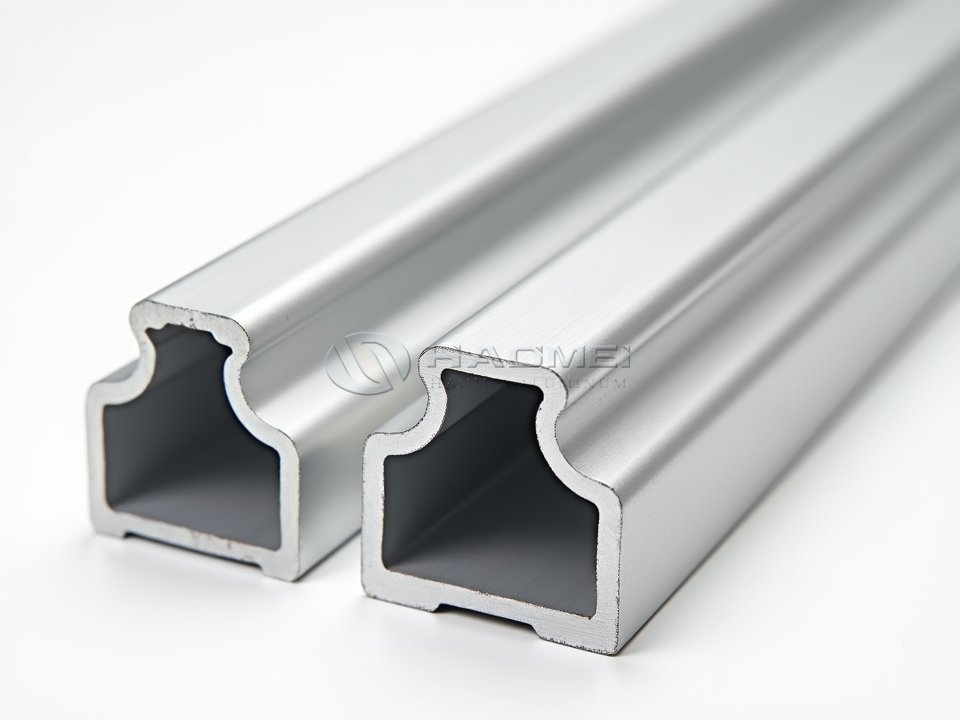
Reliable Cooling With Lightweight Marine Aluminum
A marine aluminum heat sink profile provides an effective route to lower operating temperatures, extend electronic component life, and reduce the risk of thermal shutdown in demanding offshore and onboard environments. With the right alloy, fin geometry, protective finish, and installation design, extruded aluminum cooling sections deliver dependable heat management without adding excessive vessel weight. Custom machining and integrated enclosure details further allow the profile to match the exact requirements of modern marine electronic devices.

Related Products
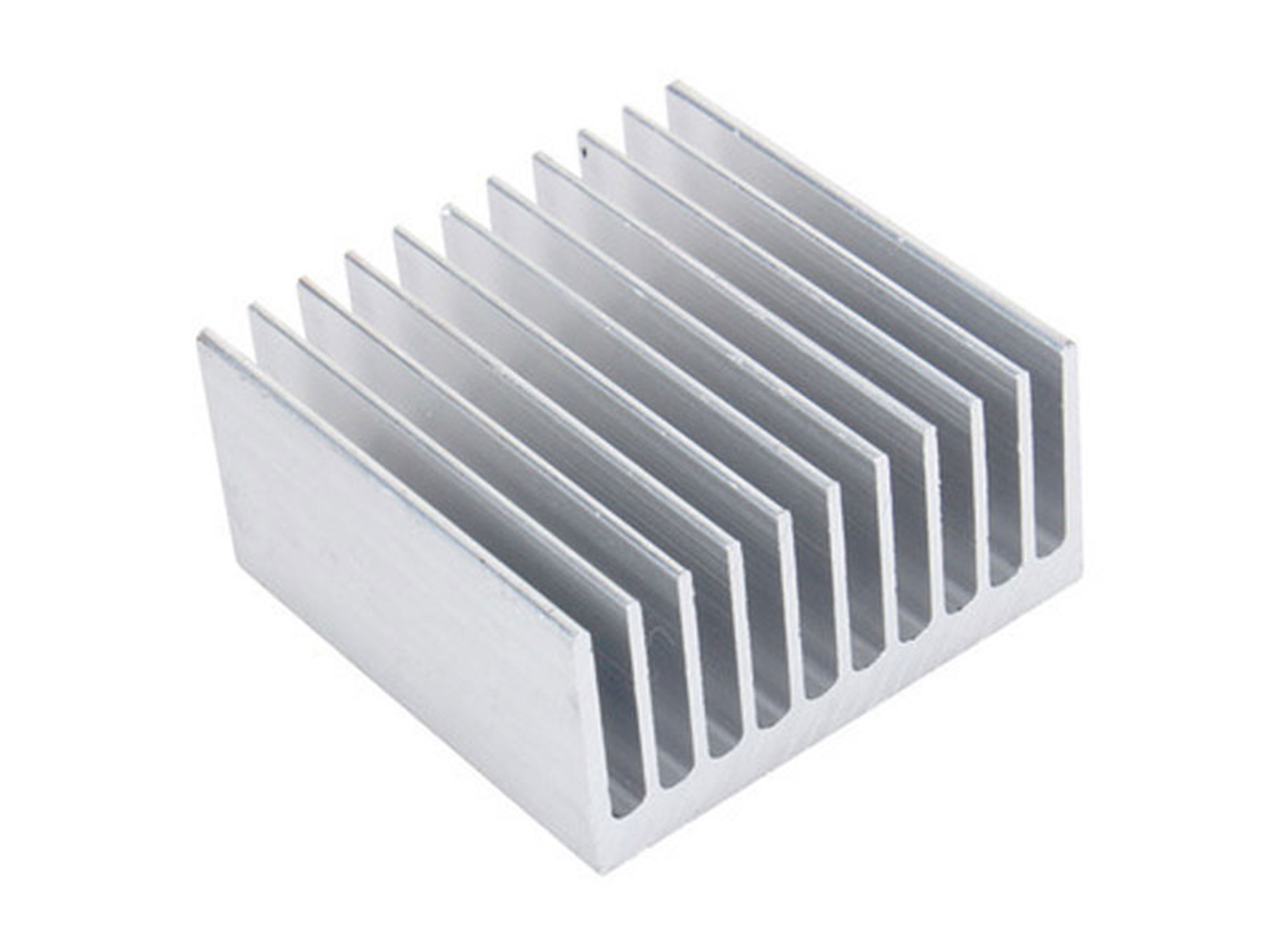
Marine aluminum heat sink profile
Marine Grade Aluminum Heat Sink Profiles utilize alloys such as 6061 and 6063 that not only exhibit high thermal conductivity but also possess excellent corrosion resistance required for saltwater exposure.
View Details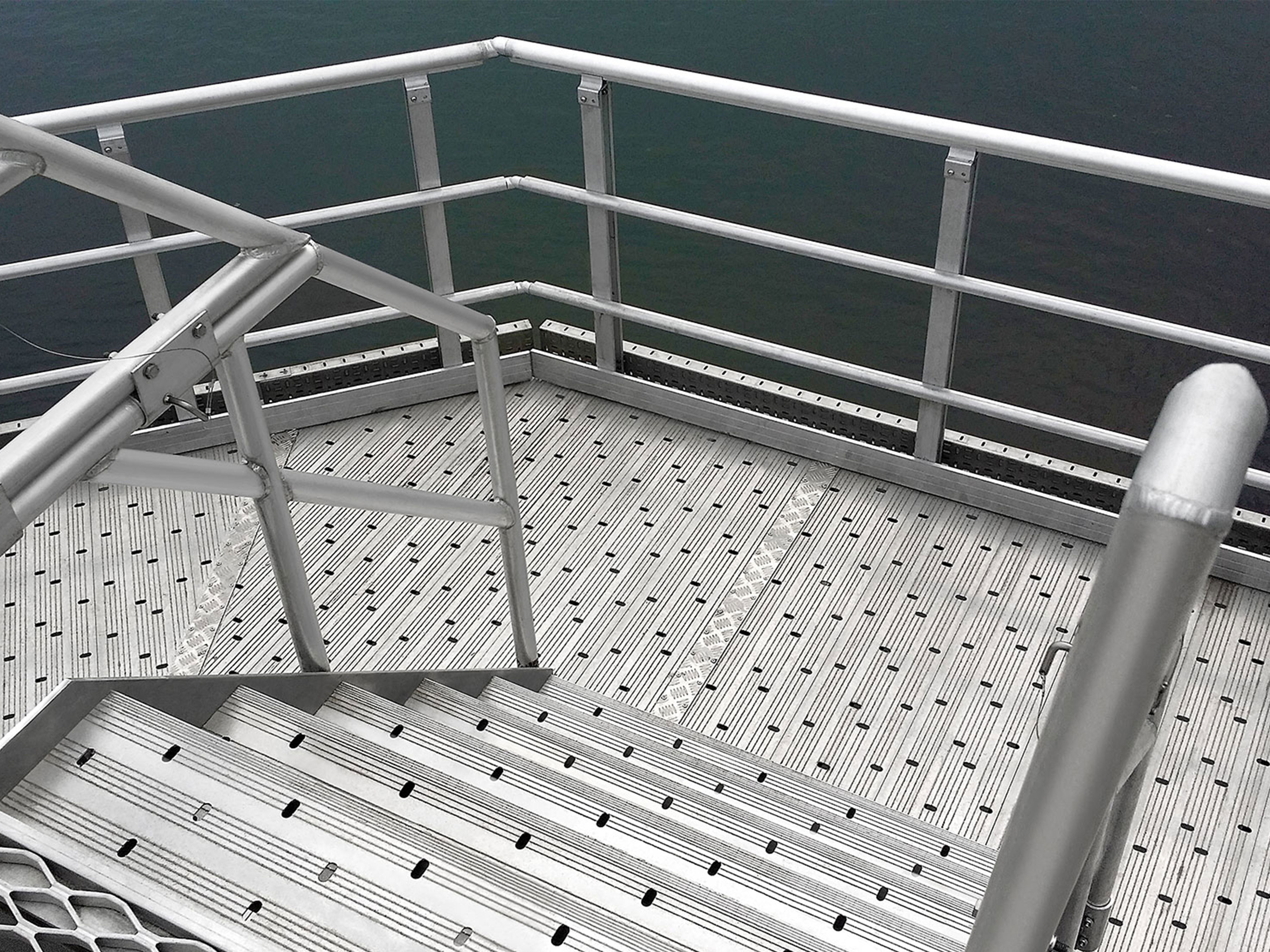
Marine aluminum customized shapes
Marine Grade Aluminum Customized Shapes encompass a broad range of aluminum extrusions and fabrications engineered beyond standard profiles—such as channels, angles, tubes, and beams—into complex, project-specific geometries.
View Details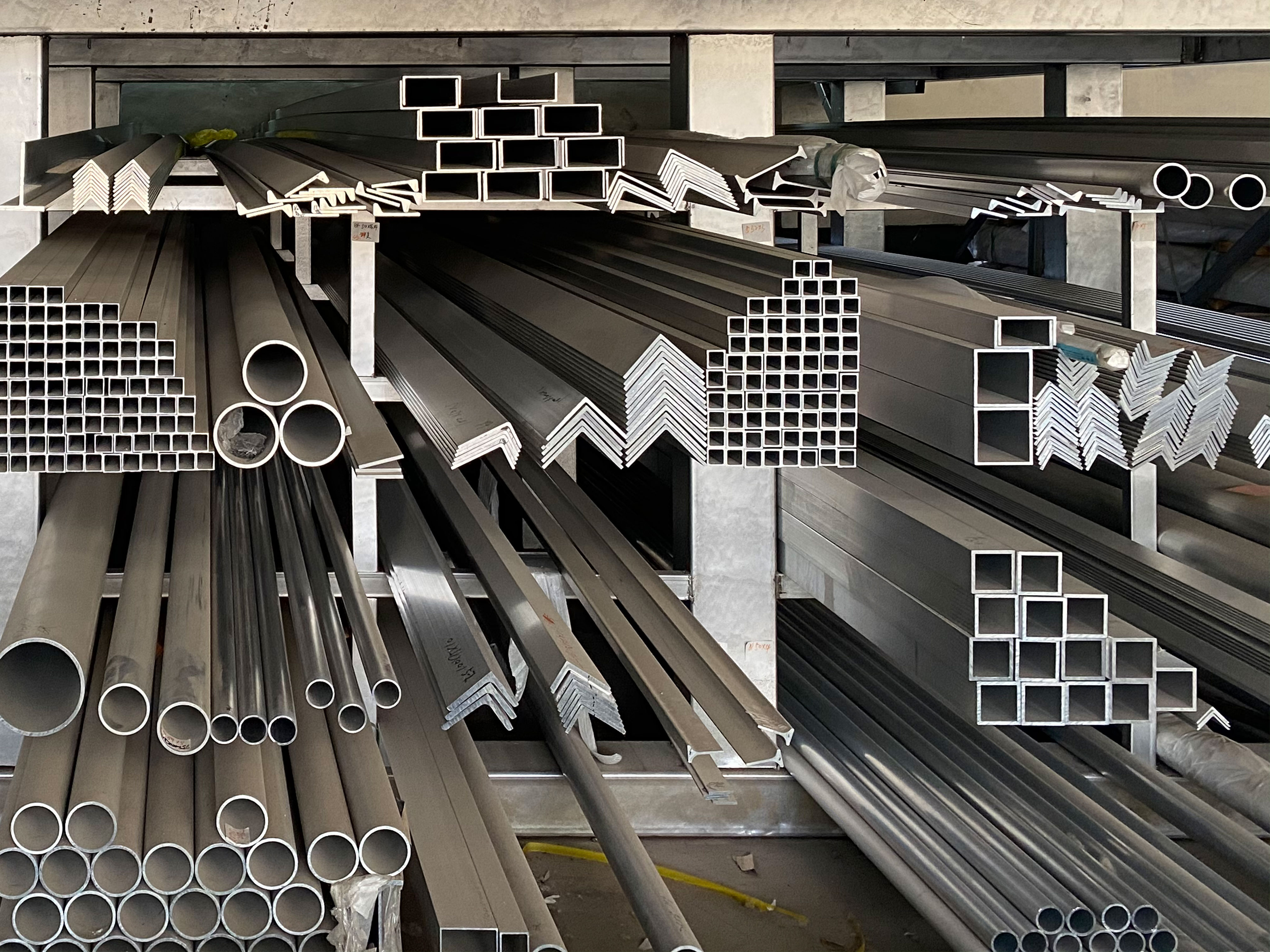
Marine aluminum fencing and railings
Marine Grade Aluminum Fencing and Railings are fabricated using marine-grade aluminum alloys such as 5083, 5052, and 6061, which are engineered specifically for protection against saltwater corrosion and marine atmospheric conditions.
View DetailsRelated Blog
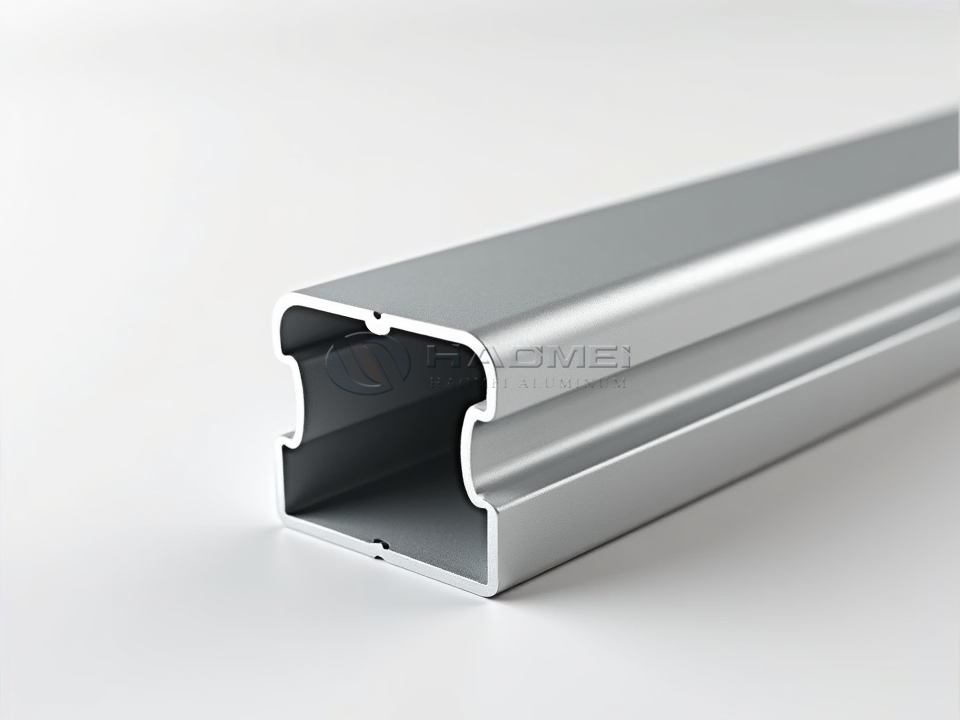
5083 Marine Aluminum Fencing and Railings for Offshore Vessel Deck Railing Solutions
5083 marine aluminum fencing and railings for offshore vessel decks, covering alloy temper, standards, corrosion resistance, and fabrication.
View Details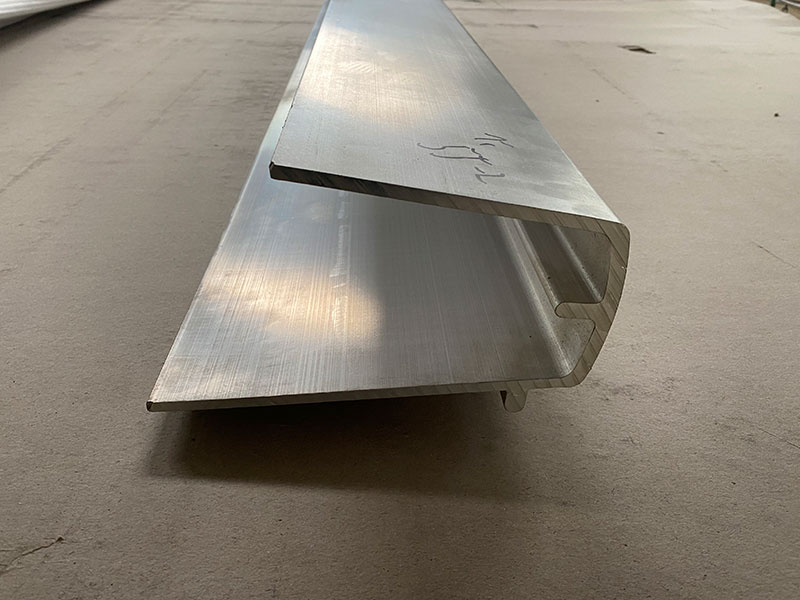
5052 Marine Aluminum Customized Shapes for High Strength Marine Engineering Components
Aluminum has emerged as a crucial material in marine engineering due to its combination of lightweight, corrosion resistance, and high strength. The 5052 alloy series, particularly, provides an excellent solution for challenging marine environments.
View Details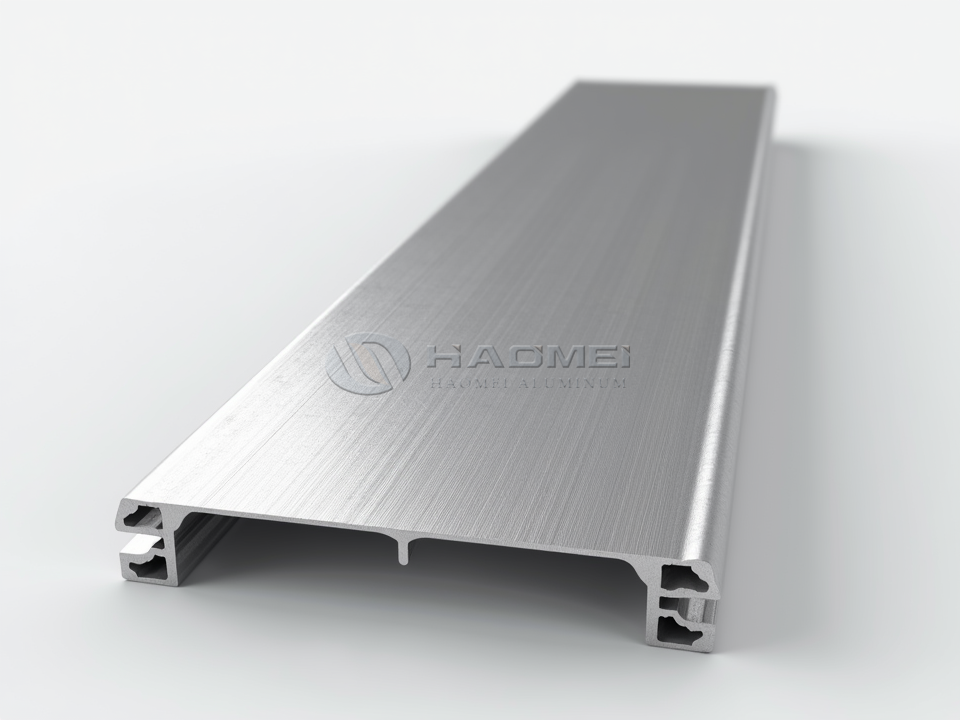
5052 Marine Aluminum Fencing and Railings for Offshore Platform Deck Guardrails
Learn how 5052 marine aluminum fencing and railings improve offshore platform deck guardrails with corrosion resistance, strength, and easy fabrication.
View Details
Marine Aluminum Heat Sink Profile for High Heat Dissipation for Marine Electronic Devices
Marine aluminum heat sink profiles provide efficient thermal control, saltwater resistance, lightweight strength, and custom extrusion options for onboard electronics.
View Details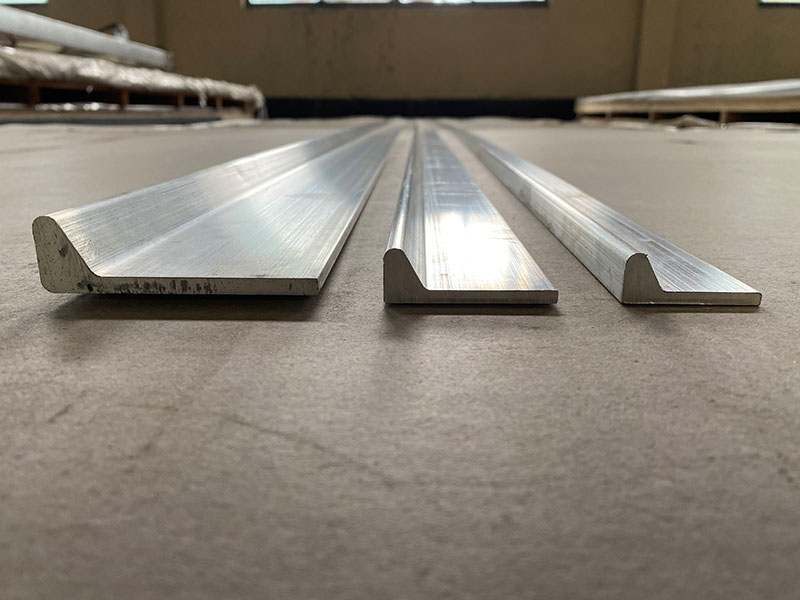
Marine Aluminum Profiles
Marine aluminum profiles are a cornerstone of modern marine design and construction. Their unique chemical properties and tempering standards make them not only lightweight but also incredibly robust for a variety of marine applications.
View Details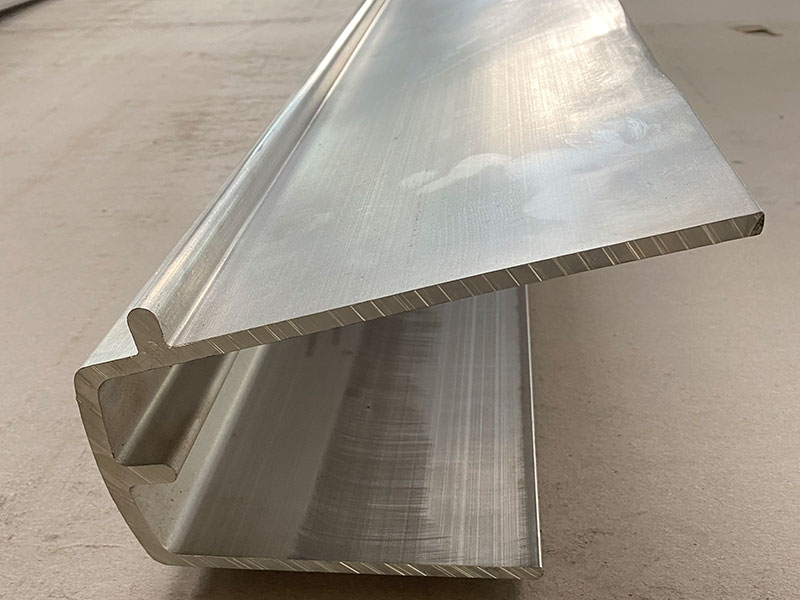
6063 Marine Aluminum Heat Sink Profile for Offshore Platform Cooling Solutions
6063 Marine Aluminum Heat Sink Profile for Offshore Platform Cooling SolutionsOffshore platforms don't "run hot" in the same way a factory does. Heat offshore is rarely a single obvious source; it's a constant accumulation-inside electrical enclosures.
View Details
Leave a Message