
Marine Aluminum Fencing and Railings for Seawater Proof Offshore Deck Railings
Think of an offshore railing as a thin line between people, equipment, wind, spray, and open water. It is not just a boundary. It is a structural handhold, a corrosion test specimen, a drainage path, and a maintenance decision that stays exposed every hour of its service life. This is why Marine aluminum fencing and railings are widely used for seawater proof offshore deck railings on vessels, floating platforms, piers, marinas, workboats, aquaculture structures, and coastal access decks.
Marine aluminum performs well because it forms a stable aluminum oxide film. When chloride-rich seawater attacks the surface, the correct alloy, temper, coating, joint design, and fastener isolation help that film rebuild instead of failing into deep rust. Compared with carbon steel, aluminum reduces deck load, shortens installation time, and lowers repainting frequency. Compared with stainless steel, it offers lower weight and easier extrusion into complex rail, post, toe board, and base profiles.
The railing as a load path, not just a fence
A seawater proof railing must first be strong enough to act as a continuous load path. A person leaning against the top rail, a hose pulled across the deck, a mooring line brushing the corner, or a wave impact on a low platform all create force that must travel through the rail, post, base plate, bolts, deck insert, and supporting structure.
For offshore decks, designers usually select extruded tubes or profiles in 6061-T6, 6082-T6, or 6063-T5/T6. Where plate brackets or welded base pads are required, 5083-H116, 5083-H321, or 5754-H111 are often chosen because of their seawater resistance and weld performance. The final choice depends on rail span, welding method, required finish, and classification approval.
Common design parameters for marine aluminum deck railings include:
| Item | Typical range or condition | Design meaning |
|---|---|---|
| Top rail height | 1000-1100 mm, higher where required | Fall protection and hand support |
| Top rail outside diameter | 38-60 mm round, or shaped extrusion | Comfortable grip and bending stiffness |
| Post spacing | 1000-1500 mm typical | Controls deflection and base load |
| Wall thickness | 2.5-5.0 mm for tubes and profiles | Balances strength, welding, and weight |
| Toe board height | 100-150 mm where tools may fall | Protects people and equipment below |
| Surface finish | Anodized 20-25 µm, powder 60-100 µm, or duplex | Chloride and UV protection |
| Fasteners | A4/316 stainless, isolated from aluminum | Reduces galvanic corrosion |
| Drainage | Open ends sealed or drained by design | Prevents trapped saltwater |
| Service zone | ISO 12944 C5-M or CX exposure | Defines coating severity |
The best rail profile is often not the thickest one. It is the one that drains well, avoids crevices, has smooth weld transitions, and keeps dissimilar metals separated. In offshore use, a hollow post with poor drainage may corrode faster than a thinner but properly sealed extrusion.
Alloy and temper selection
Marine railings need strength, weldability, and chloride resistance at the same time. Heat-treatable 6xxx alloys are favored for extruded rails because they produce clean shapes, attractive surfaces, and useful mechanical strength after aging. Non-heat-treatable 5xxx alloys are favored for plates, brackets, and welded marine structures because magnesium improves seawater performance.
| Alloy and temper | Typical use in rail systems | Strength and fabrication notes |
|---|---|---|
| 6063-T5 | Handrails, decorative rails, light-duty fencing | Smooth extrusion surface, good anodizing, moderate strength |
| 6063-T6 | Rails requiring better strength than T5 | Good appearance with higher hardness |
| 6061-T6 | Posts, structural rails, bolted frames | Higher strength, good machining, weld zones lose some temper strength |
| 6082-T6 | Heavy-duty offshore posts and frames | Higher structural capacity, common in marine engineering markets |
| 5083-H116/H321 | Base plates, brackets, welded marine supports | Strong seawater resistance, excellent for welded plates |
| 5754-H111/H112 | Lighter brackets, panels, toe boards | Good forming and corrosion resistance |
After welding 6061-T6 or 6082-T6, the heat affected zone softens. This is not a defect; it is a design condition. Engineers should calculate welded rail posts using reduced local strength or choose bolted clamp joints where full temper strength must be retained. For many offshore deck railing systems, a mixed approach works well: extruded 6xxx handrails and posts, with 5xxx alloy base plates or gussets.
Chemical composition and corrosion behavior
The chemical balance of marine aluminum controls its response to salt spray, welding heat, and coating pretreatment. Magnesium improves marine resistance in 5xxx alloys. Silicon and magnesium create Mg2Si strengthening in 6xxx alloys. Copper is kept low in marine applications because it can reduce corrosion resistance when excessive.
| Alloy | Mg % | Si % | Mn % | Cr % | Fe max % | Cu max % | Zn max % | Al |
|---|---|---|---|---|---|---|---|---|
| 6063 | 0.45-0.90 | 0.20-0.60 | 0.10 max | 0.10 max | 0.35 | 0.10 | 0.10 | Balance |
| 6061 | 0.80-1.20 | 0.40-0.80 | 0.15 max | 0.04-0.35 | 0.70 | 0.15-0.40 | 0.25 | Balance |
| 6082 | 0.60-1.20 | 0.70-1.30 | 0.40-1.00 | 0.25 max | 0.50 | 0.10 | 0.20 | Balance |
| 5083 | 4.00-4.90 | 0.40 max | 0.40-1.00 | 0.05-0.25 | 0.40 | 0.10 | 0.25 | Balance |
| 5754 | 2.60-3.60 | 0.40 max | 0.50 max | 0.30 max | 0.40 | 0.10 | 0.20 | Balance |
These ranges are typical references and should be confirmed against ASTM, EN, or project specifications. For long service near seawater, material certificates should identify alloy, temper, batch number, mechanical properties, and chemical composition.
Standards that guide safe implementation
Marine aluminum railing projects commonly refer to ASTM B221 for extruded bars, rods, wires, profiles, and tubes; ASTM B209 for aluminum sheet and plate; EN 755 or EN 12020 for extrusion tolerances; EN 573 for alloy designation and chemical composition; AWS D1.2 or ISO 15614-2 for aluminum welding procedure qualification; ISO 12944 for protective coating environments; ASTM B117 or ISO 9227 for salt spray testing; and EN ISO 14122-3 for guardrail safety principles on machinery access platforms.
For vessels and offshore structures, classification requirements from ABS, DNV, Lloyd's Register, Bureau Veritas, or other authorities may also apply. These bodies may define allowable loads, welding inspection, material traceability, and acceptance criteria. The railing should not be treated as a decorative accessory when the deck is part of a classified vessel or offshore module.
Where offshore aluminum railings are applied
On workboats and patrol boats, aluminum railings protect crew movement along wet decks while keeping the vessel light. On marinas and floating docks, they resist constant splash and tidal humidity. On offshore service platforms, they form safe walking routes around machinery, valves, ladders, hatch openings, and loading zones. On aquaculture farms, they handle nets, ropes, tools, and daily washdown. On coastal resorts and seawater swimming platforms, the same technology delivers a clean appearance with reduced maintenance.
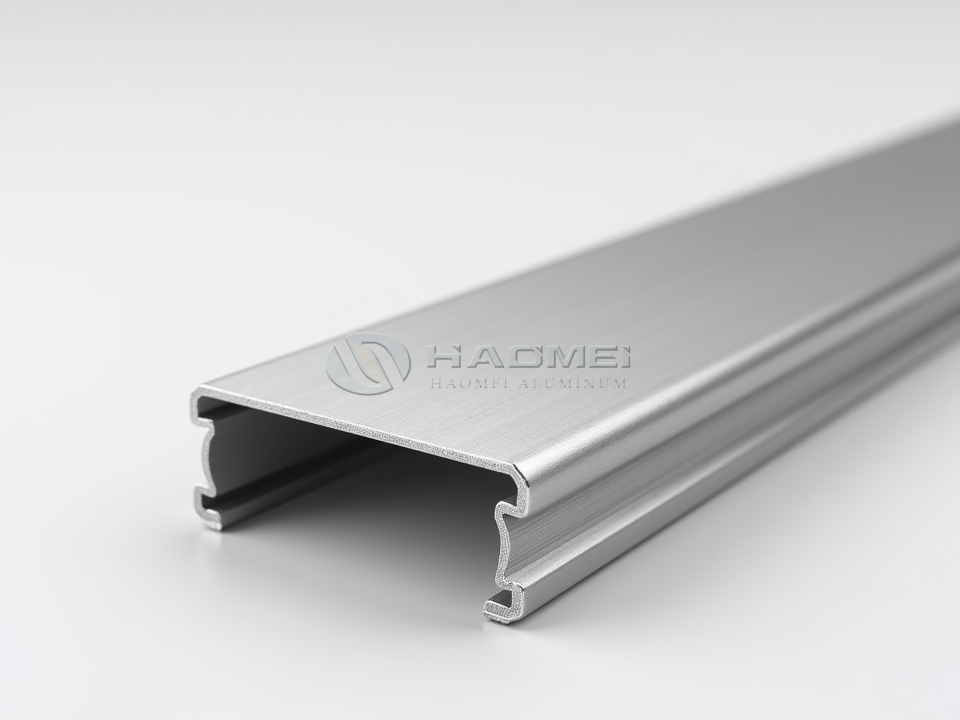
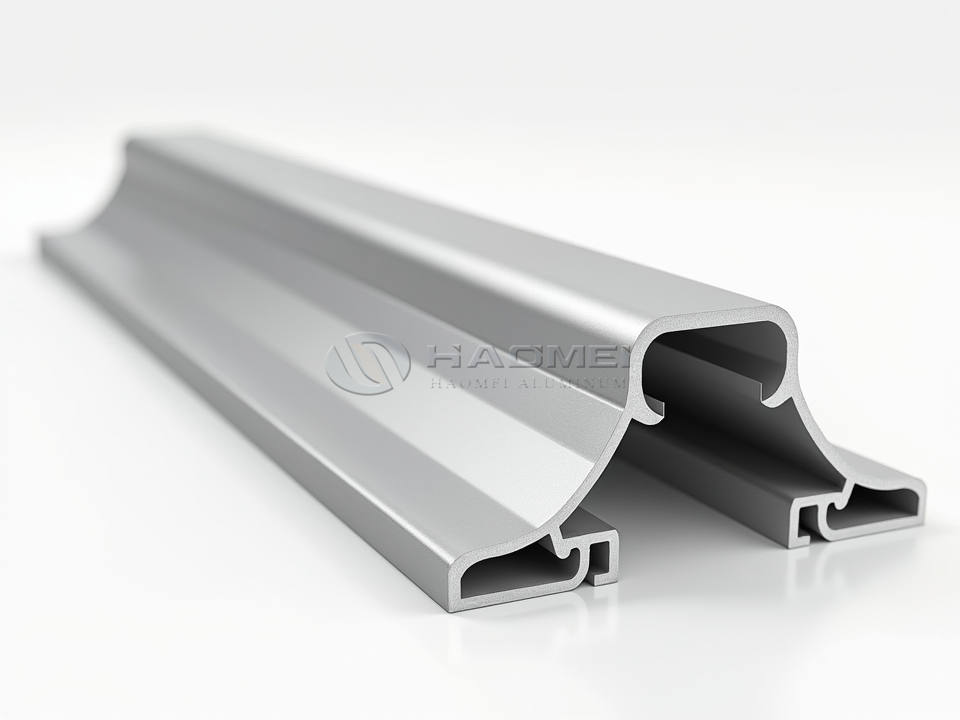
Extruded Marine Grade Aluminum Profiles can also integrate cable channels, rubber inserts, lighting grooves, curved handgrip surfaces, or concealed fixing cavities. This allows railing systems to do more than separate safe and unsafe areas. They can support navigation lights, life ring brackets, signage, camera mounts, solar cable routing, and removable gate sections.
Details that decide service life
Seawater proof performance comes from details. Welds should be smooth and cleaned after fabrication. Sharp edges should be radiused before coating. Closed tubes should be sealed or given controlled drainage holes. Stainless bolts should use nylon washers, sleeves, sealant, or isolating pads to avoid galvanic contact. Base plates should not trap salt crystals under their edges. Powder coating should be applied over suitable pretreatment, such as chromate-free conversion coating or marine-grade anodizing when specified.
Maintenance is simple but still necessary. Freshwater rinsing removes chloride deposits. Annual checks should look for loose fasteners, damaged coating, blocked drain holes, crevice deposits, and impact dents. If coating damage exposes bare aluminum, localized repair should be performed before salt and dirt create a persistent wet cell.
A practical purchasing view
Customers should request drawings that show alloy, temper, dimensions, wall thickness, finish, fastener material, welding method, and testing requirements. For offshore deck railings, ask for material test certificates, coating thickness reports, and sample sections when profile geometry is customized. If rails must match existing decks, 3D scanning or template measurement can reduce installation gaps.
Marine aluminum fencing and railings succeed because they combine low weight, strong profiles, seawater-resistant chemistry, and smart installation practice. When alloy selection, temper control, coating, drainage, and galvanic isolation work together, the railing becomes a durable safety system for harsh offshore environments rather than a part waiting to corrode.

Related Products
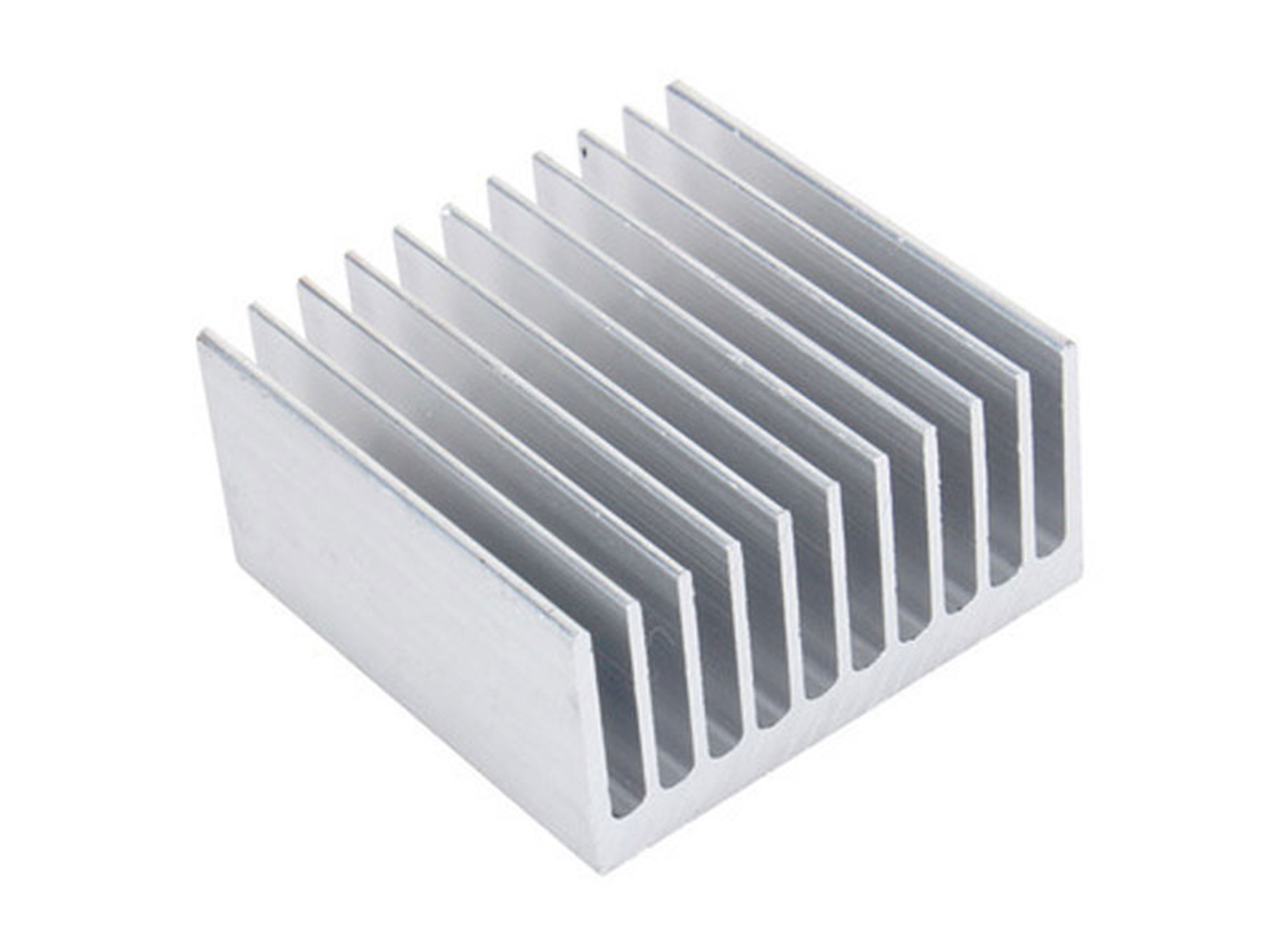
Marine aluminum heat sink profile
Marine Grade Aluminum Heat Sink Profiles utilize alloys such as 6061 and 6063 that not only exhibit high thermal conductivity but also possess excellent corrosion resistance required for saltwater exposure.
View Details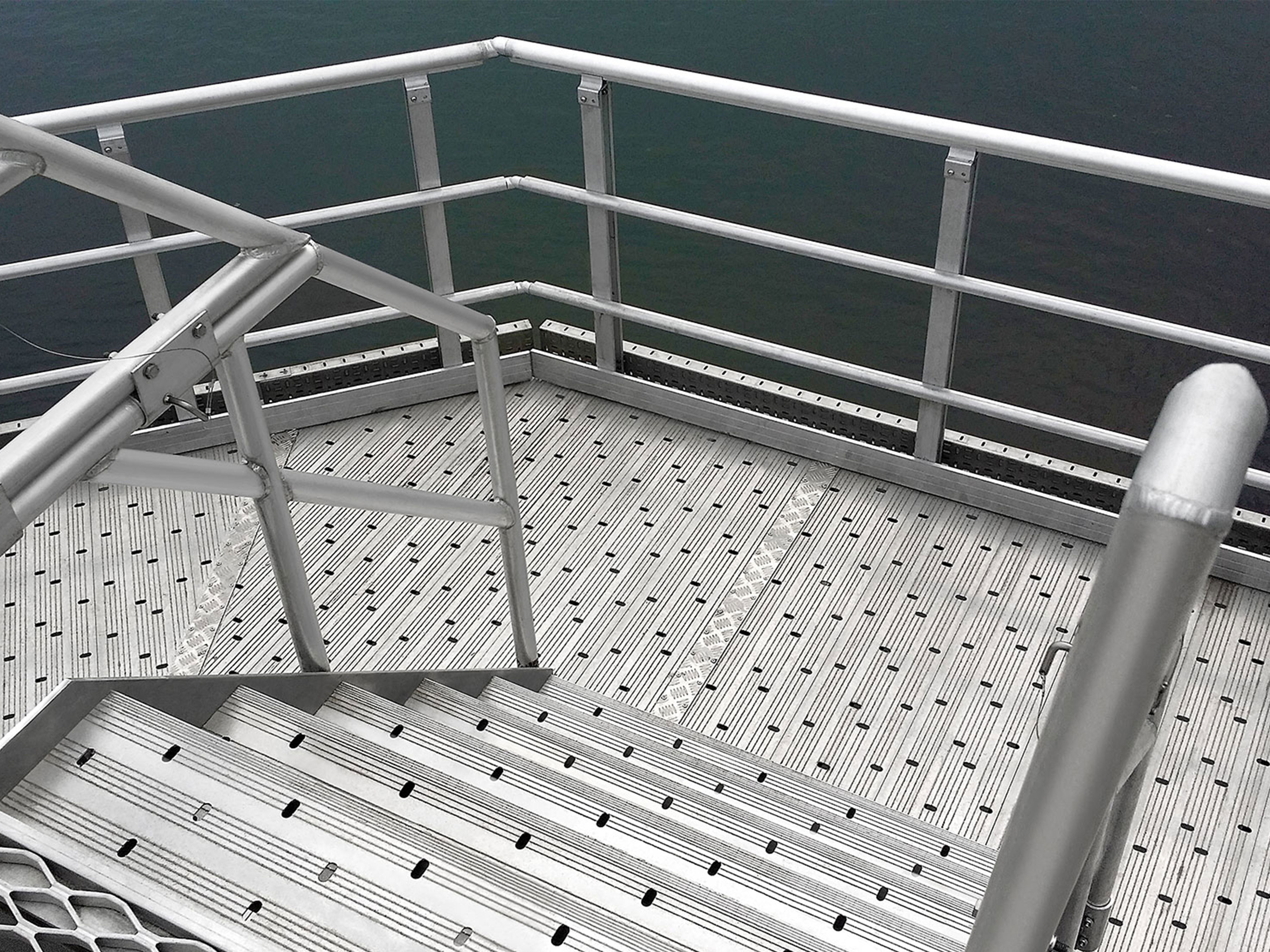
Marine aluminum customized shapes
Marine Grade Aluminum Customized Shapes encompass a broad range of aluminum extrusions and fabrications engineered beyond standard profiles—such as channels, angles, tubes, and beams—into complex, project-specific geometries.
View Details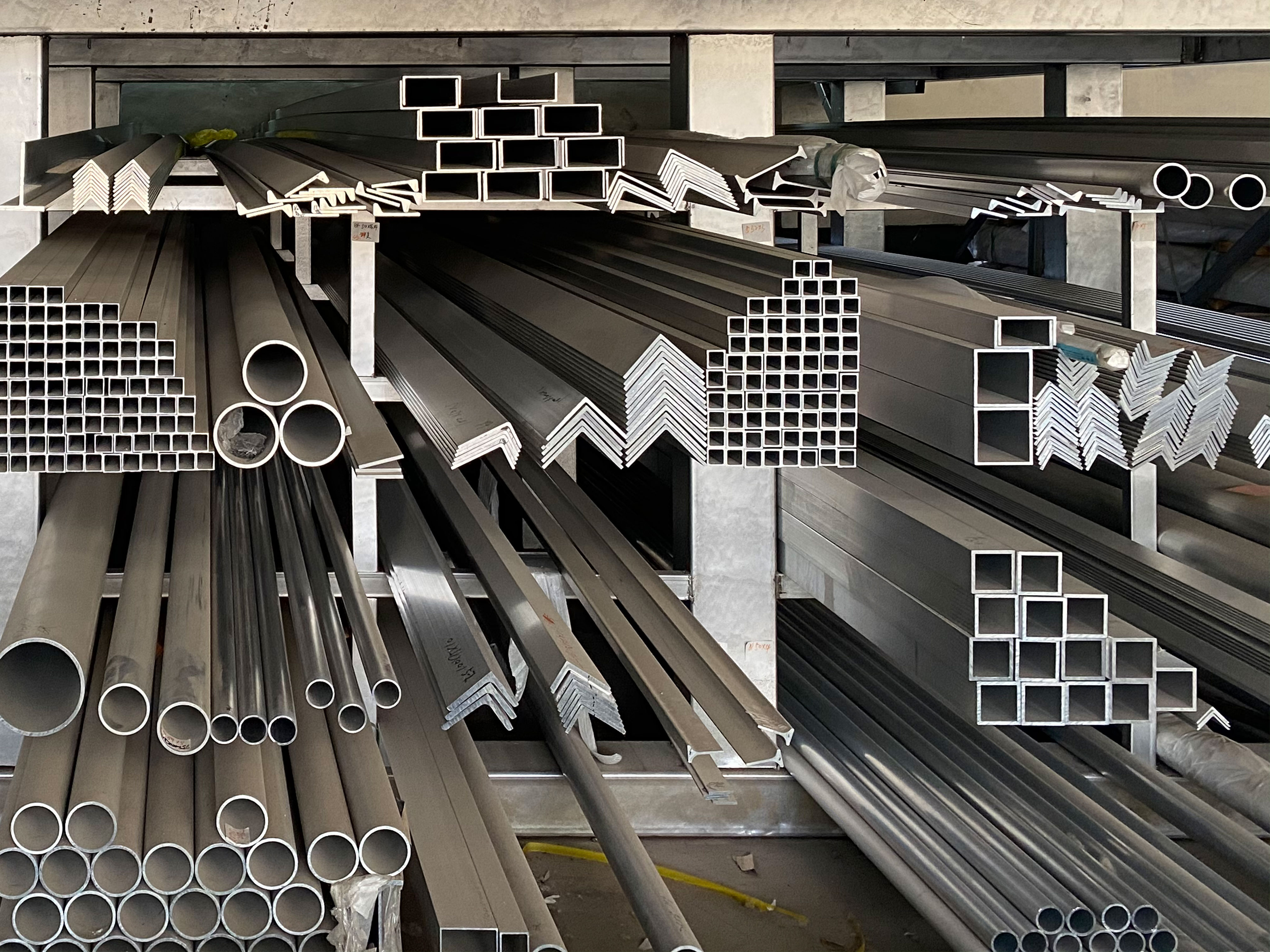
Marine aluminum fencing and railings
Marine Grade Aluminum Fencing and Railings are fabricated using marine-grade aluminum alloys such as 5083, 5052, and 6061, which are engineered specifically for protection against saltwater corrosion and marine atmospheric conditions.
View DetailsRelated Blog
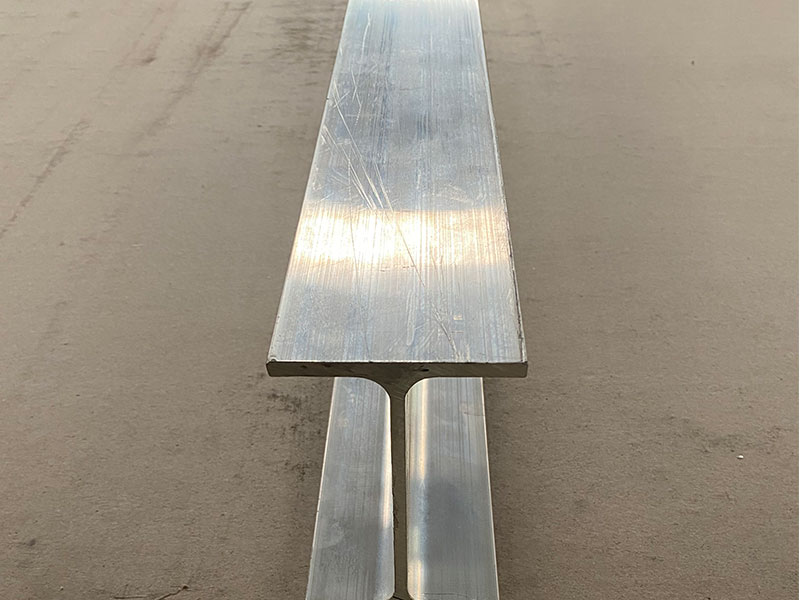
5083 Marine Aluminum Fencing and Railings for Custom Coastal Guardrails
5083 marine aluminum is a widely used alloy for coastal guardrails, fencing, and railings because it combines excellent corrosion resistance in seawater environments, strong mechanical properties, and good weldability.
View Details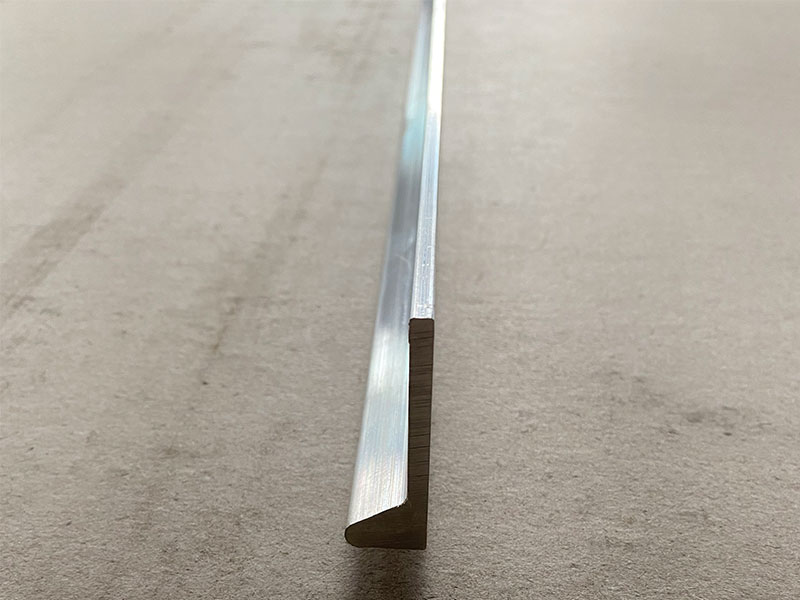
Marine Aluminum Fencing and Railings for Durable Offshore Platform Fencing Solutions
Marine environments impose stringent requirements on materials used in construction and infrastructure. Customarily used materials like steel or wood are prone to corrosion, wear, and decay—a glaring challenge on offshore platforms.
View Details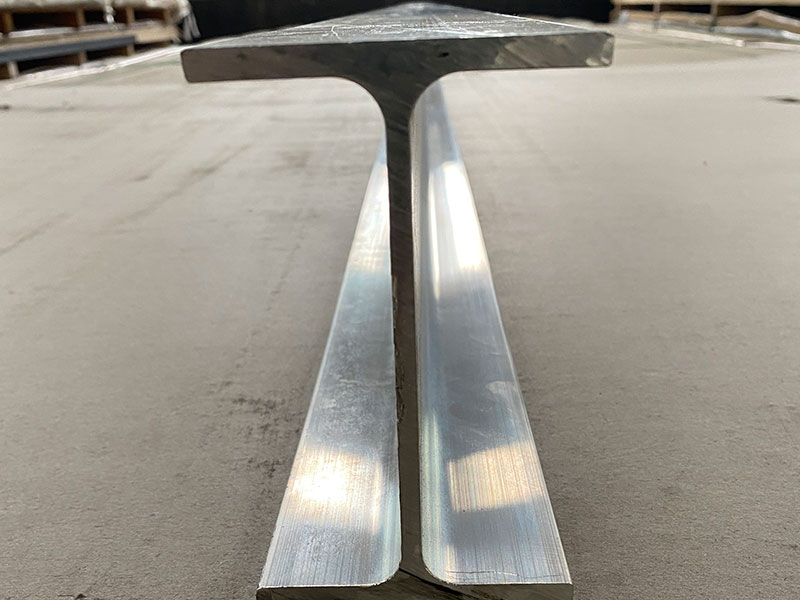
Marine Aluminum Heat Sink Profile for Cooling Solutions for Coastal Engineering
Coastal engineering sites demand cooling hardware that can survive salt spray, high humidity, rapid temperature swings, and limited maintenance access. A marine aluminum heat sink profile is purpose-built for these conditions.
View Details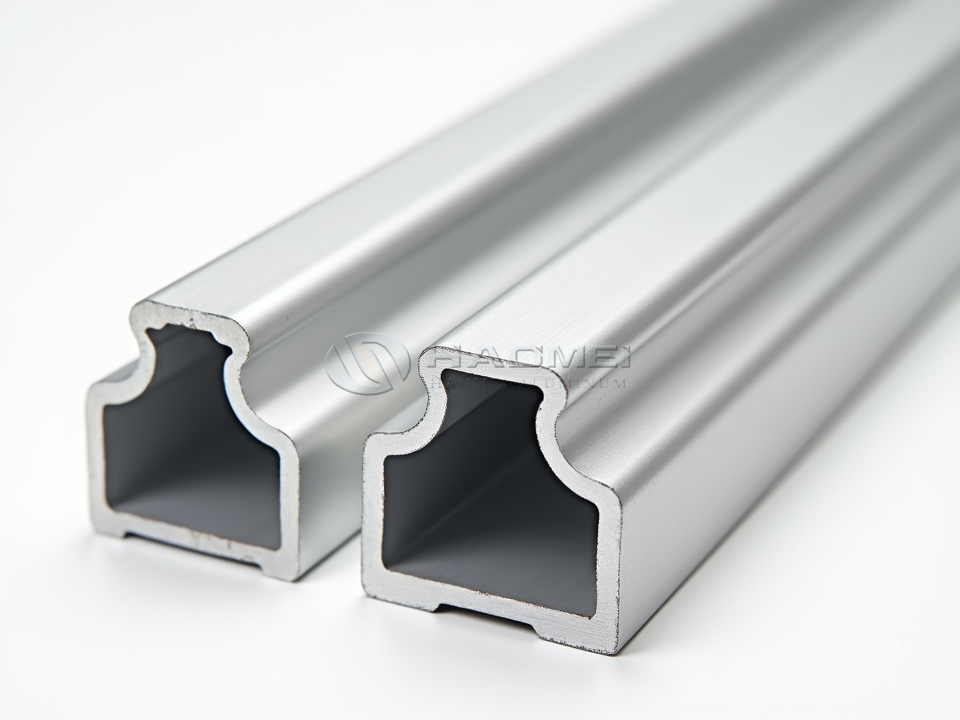
5052 Marine Aluminum Fencing and Railings for Custom Offshore Railing Construction
Practical guidance on 5052 marine aluminum fencing and railings for offshore decks, covering corrosion, forming, welding, custom fit, and long service life.
View Details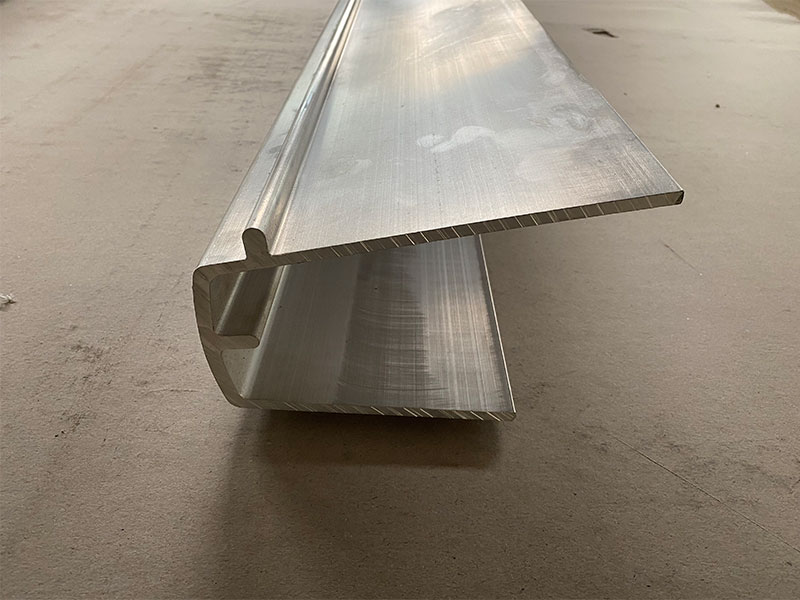
Marine Aluminum Customized Shapes for Custom Offshore Vessel Structural Parts
Manufacturing custom offshore vessel structural parts demands materials that combine exceptional strength, corrosion resistance, and ease of fabrication under challenging marine environments.
View Details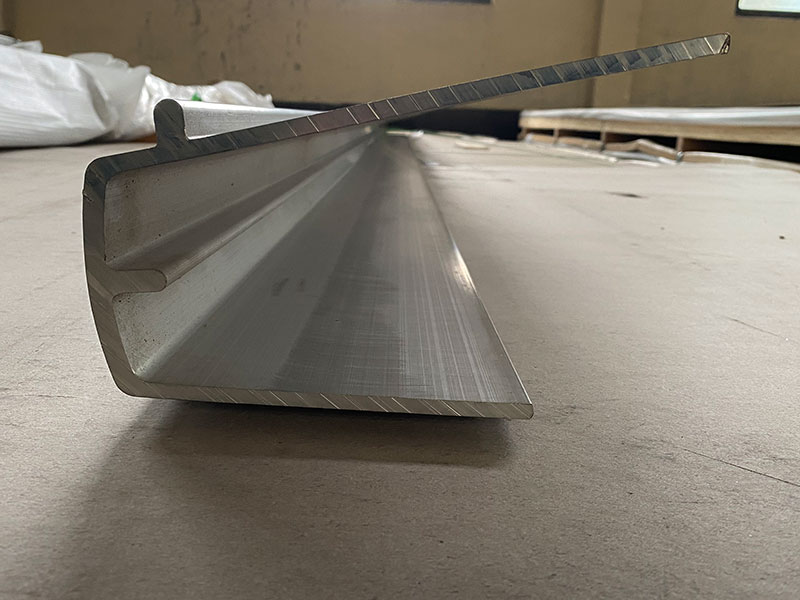
Marine Aluminum Heat Sink Profile for Lightweight Boat Engine Cooling Systems
Marine Aluminum Heat Sink Profile for Lightweight Boat Engine Cooling Systems: Excellence in Functionality and Technical PrecisionIn the evolving sphere of marine engineering, optimizing boat engine cooling systems for lightness, durability.
View Details
Leave a Message