
5083 Marine Aluminum Fencing and Railings for Lightweight Offshore Guardrail Systems
When it comes to offshore guardrail systems, ensuring safety, durability, and corrosion resistance are paramount. 5083 Marine Aluminum has emerged as an excellent material choice for fencing and railings in marine environments.
Why Choose 5083 Marine Aluminum for Offshore Guardrails?
Marine environments are especially challenging due to saltwater exposure, high humidity, and mechanical stresses caused by waves and wind. Selecting materials that withstand these conditions without frequent maintenance is essential.
5083 Marine Aluminum is an alloy renowned for its outstanding corrosion resistance, excellent strength-to-weight ratio, and lightweight properties, making it ideal for fencing and railings on offshore structures such as platforms, walkways, and docks.
- Corrosion Resistance: The presence of magnesium in the 5083 alloy gives it superior resistance to seawater corrosion compared to common aluminum alloys.
- Lightweight: Lightweight components reduce overall structural load, important in offshore installations where weight affects stability and installation ease.
- Strength: 5083 offers high tensile strength, allowing crew safety railings to withstand harsh impacts while maintaining structural integrity.
- Weldability: The alloy is easy to weld, facilitating onsite assembly with minimized fabrication complications.
Fundamental Applications of 5083 Marine aluminum fencing and railings
5083 aluminum guardrails provide robust safety barriers in a variety of offshore contexts, including:
- Offshore Oil and Gas Platforms: Railings protect personnel during operations around rig edges and staircases.
- Marine Docks and Piers: Railing systems prevent falls into water while enduring constant salt spray.
- Marine Vessels: Lightweight, corrosion-resistant fencing solutions onboard ferries and workboats.
- Industrial Offshore Installations: Wind turbine platforms and wave energy converters benefit from reliable railing solutions.
Its adaptability and resistance meet both safety requirements and maritime durability challenges with ease.
To appreciate the superior performance of 5083 aluminum railings, its composition and mechanical properties is crucial.
Chemical Composition of 5083 Aluminum
| Element | Percentage Range (%) |
|---|---|
| Magnesium (Mg) | 4.0 - 4.9 |
| Manganese (Mn) | 0.4 - 1.0 |
| Iron (Fe) | ≤ 0.4 |
| Silicon (Si) | ≤ 0.4 |
| Chromium (Cr) | 0.05 - 0.25 |
| Copper (Cu) | ≤ 0.1 |
| Zinc (Zn) | ≤ 0.25 |
| Titanium (Ti) | ≤ 0.15 |
| Aluminum (Al) | Balance |
Note: Tight control of magnesium and manganese enhances corrosion resistance and mechanical strength.
Mechanical Properties
| Property | Typical Values (HVyimeter Conditions) |
|---|---|
| Ultimate Tensile Strength (MPa) | 290 - 320 |
| Yield Strength (0.2% offset) (MPa) | 145 - 215 |
| Elongation at Break (%) | 12 - 20 |
| Density (g/cm³) | 2.66 |
| Hardness (BHN) | 75 - 95 |
Temper condition: Commonly supplied in H116, H112 — good for structural components subjected to marine elements.
Alloy Tempering Conditions
The temper of 5083 alloy affects its mechanical properties and suitability for marine railings:
| Temper | Characteristics |
|---|---|
| O (Annealed) | Soft, excellent formability, lower strength |
| H116 (Strain Hardened + Stabilized) | Weldable with relief of residual stress, resistant to localized corrosion |
| H321 (Strain Hardened + Stabilized with Heat Treatment) | High strength variation but reduced cold work properties |
For marine guardrail systems, H116 temper is highly recommended due to its balance between toughness, weldability, and corrosion resistance.
Implementation Standards for Offshore Guardrails Using 5083 Aluminum
Given the rigorous safety demands in an offshore marine context, several standards govern the deployment of aluminum fencing and railings:
| Standard | Function and Relevance |
|---|---|
| ASTM B928 | Standard Specification for Aluminum 5083 Plate, Sheet, and Strip for Marine Applications |
| ISO 12215-8 | Hull Construction and Materials for Small Craft (Focus on safety barriers) |
| ABS Offshore Standards | Guidelines for structural material qualification aboard offshore structures |
| AWS D1.2 | Structural Welding Code – Aluminum, relevant for assembly and fabrication accuracy |
Compliance with these standards ensures that 5083 marine aluminum railings perform reliably under offshore environmental and mechanical loads.
Advantages Over Alternative Materials
Often suppliers or clients wonder why 5083 marine aluminum outperforms materials like stainless steel or fiberglass in offshore railing systems:
- Corrosion Resistance: Superior informal to plain carbon or low-grade stainless steel at a fraction of the weight.
- Weight Savings: Considerably lighter than each alternative, which reduces installation complexity and platform stress.
- Maintenance: Minimal upkeep compared to painted steel or composite alternatives vulnerable to UV degradation.
- Recyclability: Fully recyclable, supporting environmental responsibility in complex offshore projects.
In many cases, this delivering a positive ROI while improving longevity and reducing dockside downtime and repairs.
Installation and Maintenance Tips
Ensuring the best results with your 5083 Marine aluminum fencing and railings considers proper application:
- Protect weld zones with anti-corrosion primers or coatings compatible with aluminum.
- Avoid contact with dissimilar metals to prevent galvanic corrosion; use appropriate isolating layers.
- Regularly inspect for mechanical damage rather than corrosion, leveraging aluminum’s innate endurance.
- Use appropriate fasteners—aluminum/marine-grade stainless steel mix to enhance lifespan and structural safety.

Related Products
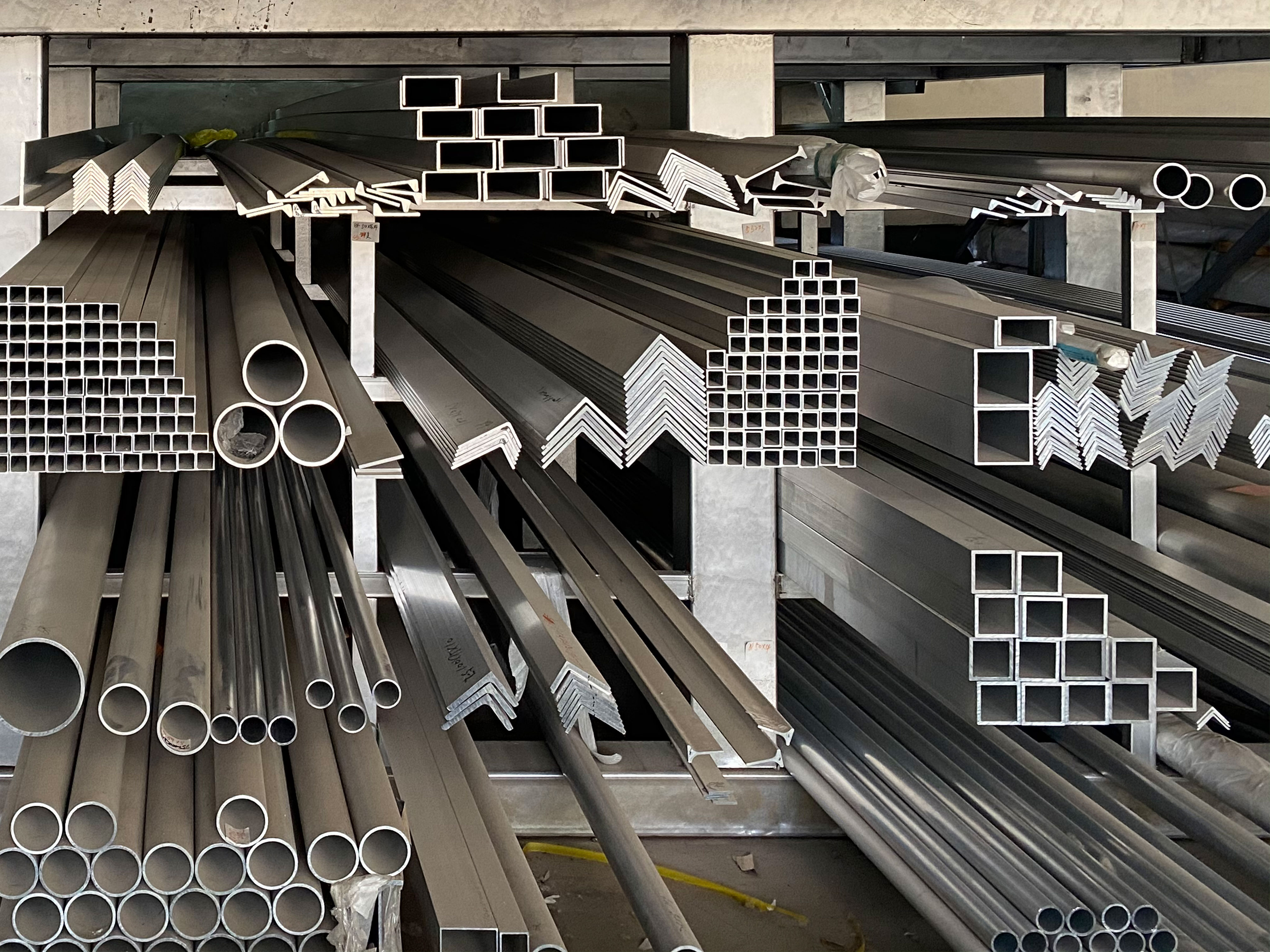
Marine aluminum fencing and railings
Marine Grade Aluminum Fencing and Railings are fabricated using marine-grade aluminum alloys such as 5083, 5052, and 6061, which are engineered specifically for protection against saltwater corrosion and marine atmospheric conditions.
View Details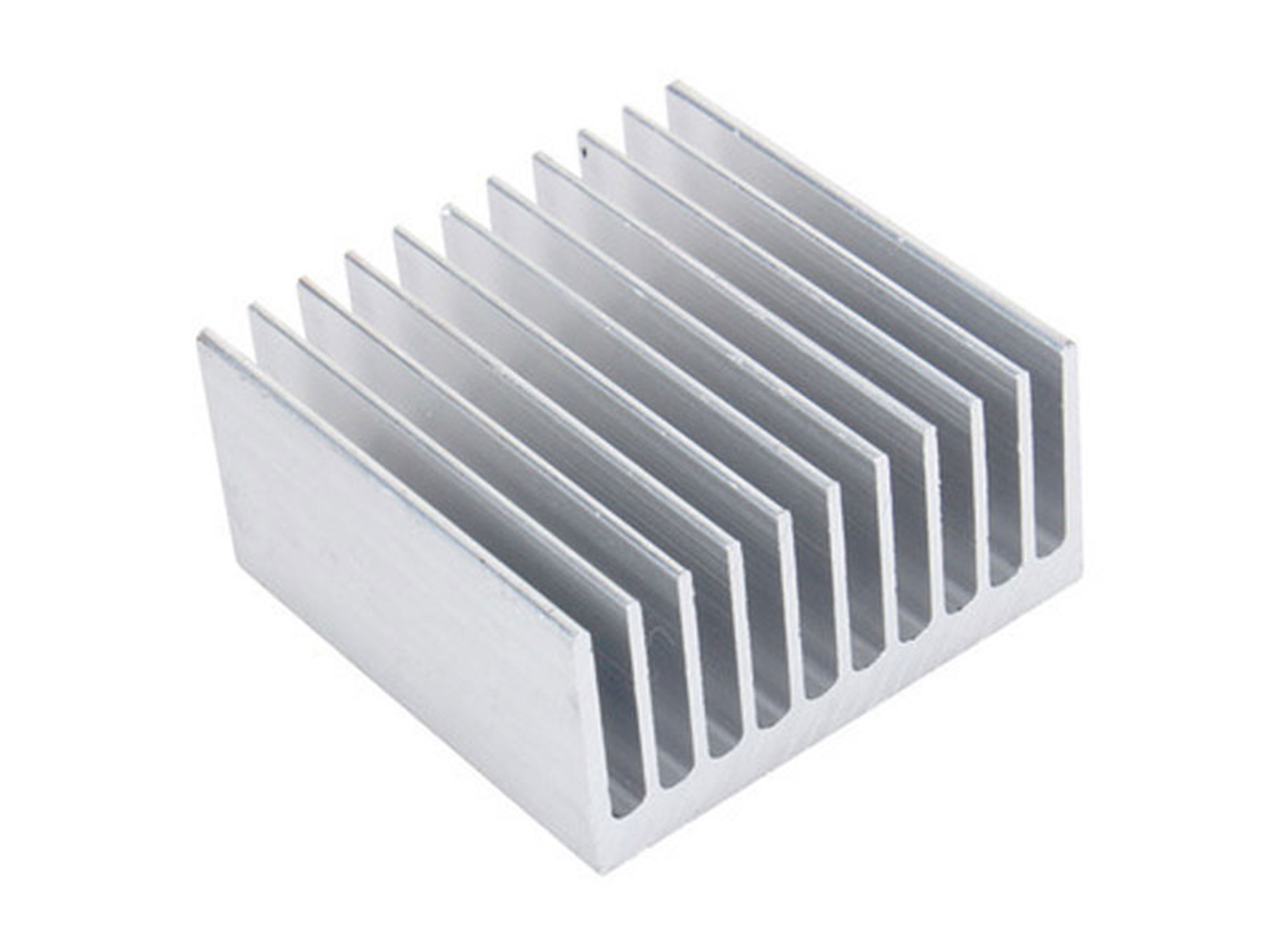
Marine aluminum heat sink profile
Marine Grade Aluminum Heat Sink Profiles utilize alloys such as 6061 and 6063 that not only exhibit high thermal conductivity but also possess excellent corrosion resistance required for saltwater exposure.
View Details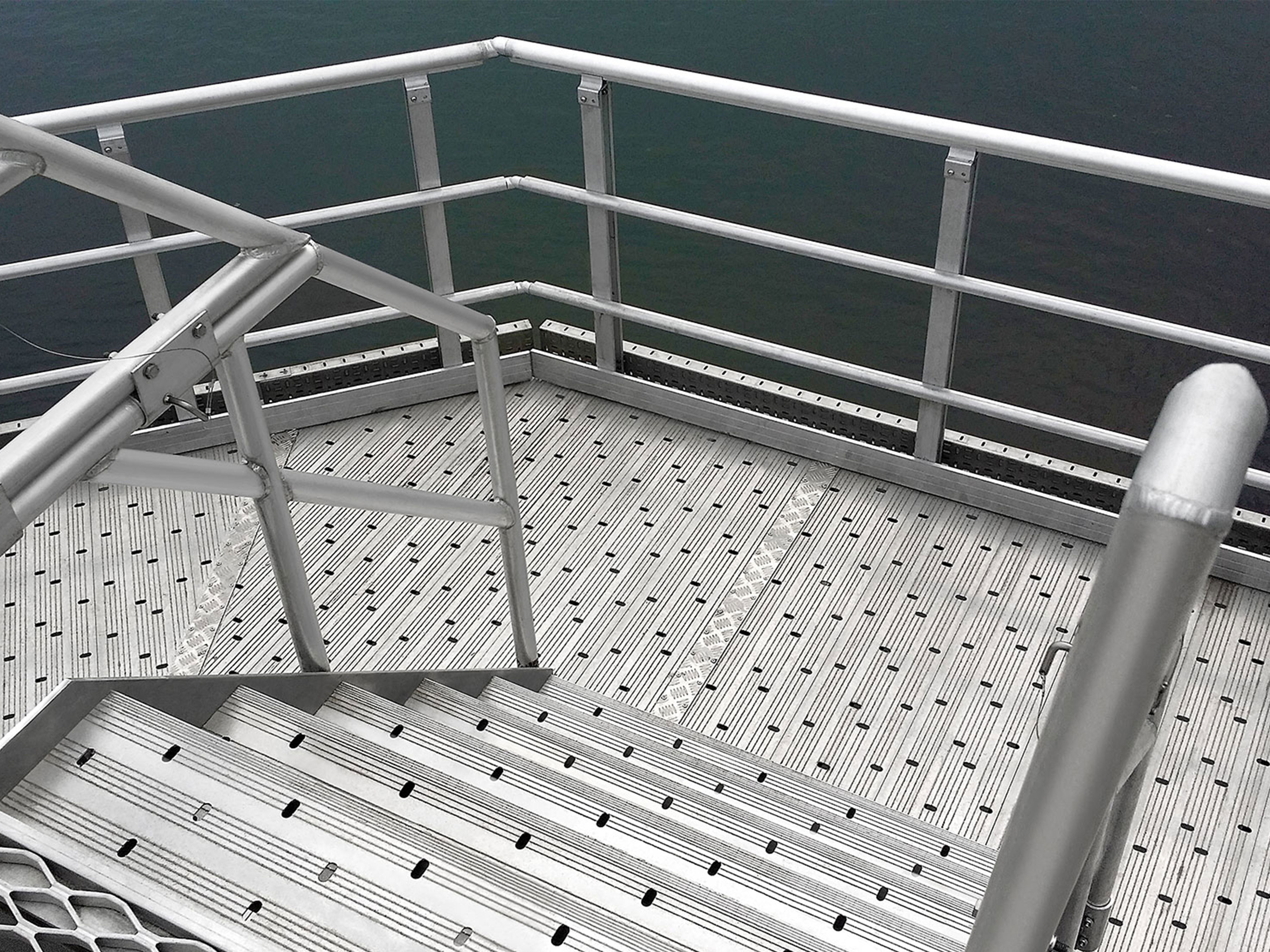
Marine aluminum customized shapes
Marine Grade Aluminum Customized Shapes encompass a broad range of aluminum extrusions and fabrications engineered beyond standard profiles—such as channels, angles, tubes, and beams—into complex, project-specific geometries.
View DetailsRelated Blog
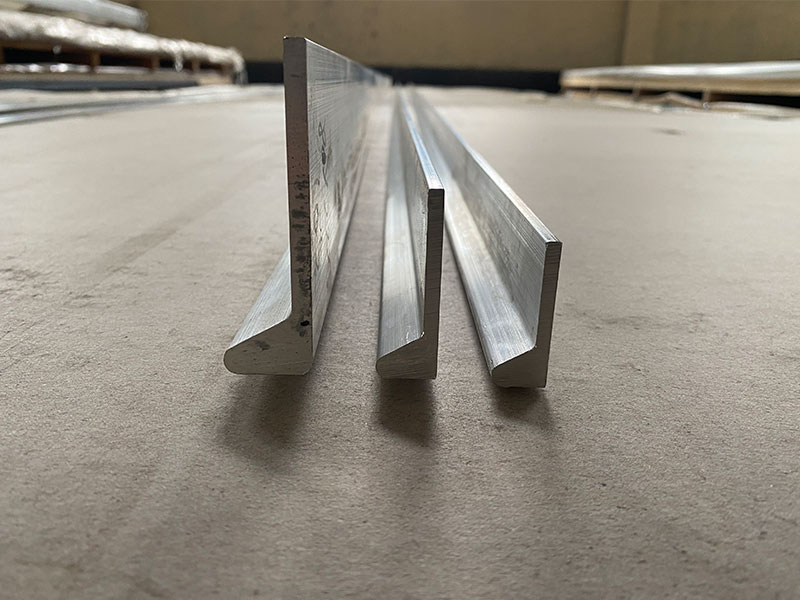
5083 Marine Aluminum Customized Shapes for Saltwater Resistant Boat Deck Frames
When it comes to boat deck frames that endure the relentless challenge of saltwater environments, the choice of materials is paramount. Among all options.
View Details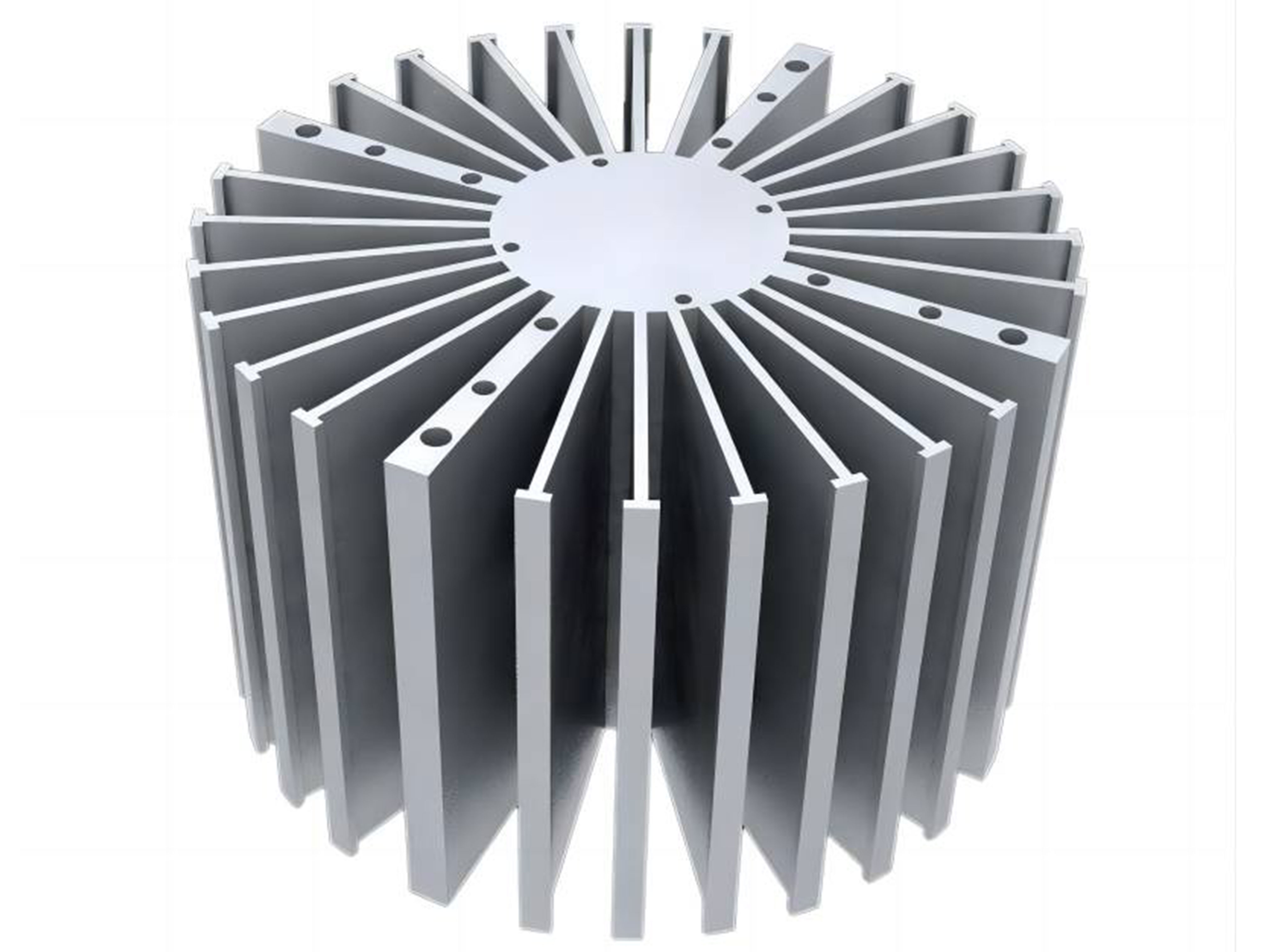
5083 Marine Aluminum Customized Shapes for Offshore Vessel Deck Reinforcements
In the demanding environments of offshore vessels, materials used for deck reinforcements must exhibit exceptional mechanical strength, corrosion resistance, and structural reliability.
View Details
5083 Marine Aluminum Fencing and Railings for Coastal Marine Safety Solutions
When it comes to enhancing safety and durability along coastal infrastructure, selecting the right materials for fencing and railings is paramount. Among the most trusted choices is 5083 marine aluminum.
View Details
5083 Marine Aluminum Fencing and Railings for Custom Marine Infrastructure Barriers
When it comes to building durable, high-performance marine infrastructure barriers such as fencing and railings, 5083 Marine Aluminum stands out as an industry-leading material.
View Details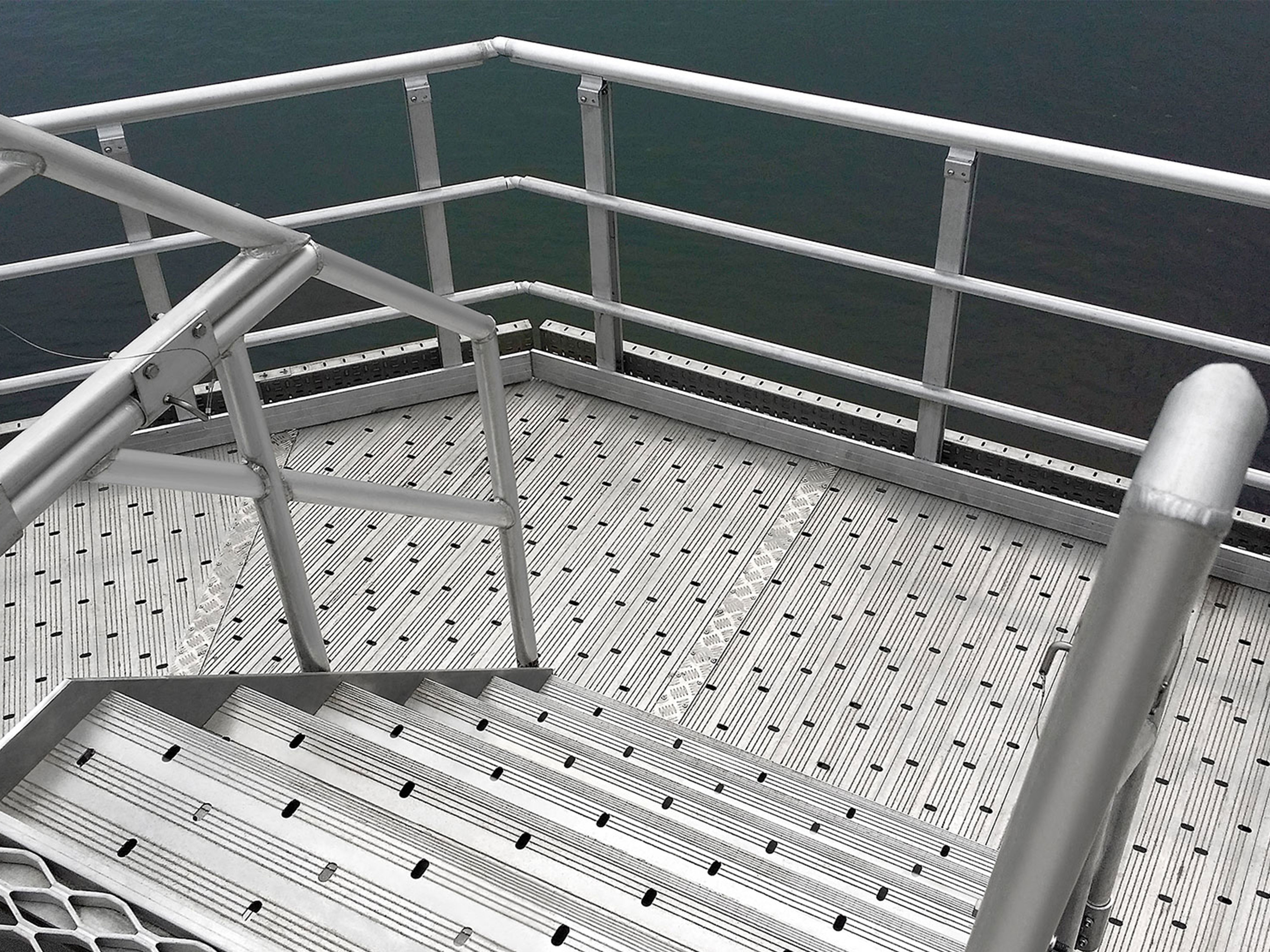
Marine Aluminum Fencing and Railings for Durable Boat Deck Guardrails
OverviewMarine aluminum fencing and railings are purpose-designed alloy systems used for guardrails, handrails, stanchions, and safety barriers on boats, docks, marinas, and waterfront properties.
View Details
5083 Marine Aluminum Fencing and Railings for Custom Coastal Guardrails
5083 marine aluminum is a widely used alloy for coastal guardrails, fencing, and railings because it combines excellent corrosion resistance in seawater environments, strong mechanical properties, and good weldability.
View Details
Leave a Message