
Aluminum sheets for Sailboat
Choosing aluminum sheets for a sailboat isn't just a materials decision-it's an interpretation of the sea's "forecast" over the life of the vessel. Salt spray, galvanic couples, cyclic wave loading, UV-heated decks that cool rapidly at night, and constant micro-impacts from rigging hardware all leave signatures on the metal. From this perspective, marine aluminum sheet becomes a tool for managing patterns: corrosion patterns, fatigue patterns, heat patterns, and fabrication patterns.
Why Aluminum Sheet Is a Sailboat Material That "Thinks in Cycles"
A sailboat hull rarely fails because a single load was too large. More often, damage is a slow negotiation between the alloy and repeated conditions:
Cyclic stress from waves and rig loads
Localized heat input from welding, cutting, and repairs
Crevice environments behind fittings where seawater stagnates
Galvanic connections to stainless fasteners, bronze seacocks, or carbon components
Abrasion and impact at docking points and trailer bunks
Marine aluminum sheets excel when you choose an alloy-temper combination that treats these cycles as expected, not exceptional.
Best Aluminum Alloys for Sailboat Sheets: The Marine Workhorses
For most sailboat hulls, decks, cockpit floors, and structural sheet parts, the conversation centers around 5xxx series (Al-Mg) and in specific cases 6xxx series (Al-Mg-Si).
5083 Aluminum Sheet for Sailboats (Hull-First Thinking)
If you imagine the hull as a living diaphragm-flexing, absorbing impacts, and resisting corrosion-AA 5083 is one of the most trusted answers.
Why it's chosen for sailboat aluminum sheets
High seawater corrosion resistance
Strong in plate and sheet form
Excellent weldability with the right filler and procedures
Good toughness at lower temperatures
Typical marine temper for sheet and plate
H116 / H321 are widely used in marine service because they emphasize corrosion resistance and stress control in the wrought condition.
5086 Aluminum Sheet for Sailboats (Formability + Marine Durability)
When shaping and forming matter more-curved panels, complex fabrications-AA 5086 is often selected.
Why it's chosen
Very good marine corrosion performance
Good formability
Strong enough for many hull and superstructure applications
Common temper
H116 / H321 depending on supplier availability and spec requirements.
5052 Aluminum Sheet for Sailboat Interiors and Non-Primary Structures
AA 5052 is common for tanks, partitions, cabinetry, lockers, and lighter-duty panels.
Strength is lower than 5083/5086, but it offers
Excellent forming characteristics
Very good corrosion resistance
Reliable availability in thin gauges
Common temper
H32 is a frequent choice for sheet work.
6061 Aluminum Sheet: Great for Components, Not Always the Hull
AA 6061-T6 is a staple for extrusions, brackets, rails, and machined parts. For hull plating, it is less favored than 5xxx because of different corrosion and welding behavior, but it can be excellent for structural components and fabricated assemblies where its properties shine.
note
After welding, the heat-affected zone softens significantly unless re-heat-treated, which is rarely practical for large hull structures.
Parameters That Matter in Sailboat Aluminum Sheets (Beyond "Thickness")
Marine aluminum sheet selection becomes sharper when you treat parameters as functional signals rather than catalog fields.
Thickness range (typical):
Small sailboat hull plating and decks often fall around 3 mm to 6 mm, while reinforcements, keels, and high-load zones can move thicker. The "correct" thickness depends on framing spacing, hull size, and classification rules.
Width and length:
Large-format sheets reduce weld seam length, which reduces distortion risk, labor, and crevice corrosion opportunities along seams.
Flatness and residual stress:
Flatness affects fairing and fit-up, while residual stress affects distortion during welding. Marine-oriented tempers and proper leveling help keep fabrication predictable.
Surface condition:
Mill finish is common. For cosmetic superstructures, brushed finishes can be specified. For paint systems, consistent surface quality improves coating adhesion.
Temper selection:
Temper is not just strength; it's a fabrication strategy. In sailboats, temper influences
crack sensitivity during forming
stress-corrosion behavior in marine service
how the sheet behaves near welds
Alloy Tempering and the Reality of Welding on a Sailboat
A useful way to view temper in a sailboat is this: the hull is a patchwork of heat histories. Even if you buy a high-strength sheet, welding redraws the map.
Practical temper guidance for sailboat sheets
H116 / H321 (5xxx): favored for marine plate and sheet because they are optimized for corrosion resistance in marine exposure while maintaining good strength.
H32 (5052): balanced for forming and moderate strength, often for interior and lighter structures.
T6 (6061): strong for machined/fabricated parts, but expect softening near welds.
Welding considerations that affect the sheet choice
Welding process often used: GMAW (MIG) for production, GTAW (TIG) for precision sections.
Filler metals often used with 5xxx sheets: ER5356 or ER5183 depending on strength/corrosion priorities and matching requirements.
A marine insight: welds are not only "joints"-they're corrosion microclimates. Controlling fit-up, reducing crevices, and using compatible fillers matters as much as alloy selection.
Implementation Standards and Marine Compliance That Buyers Search For
Specifying aluminum sheets for sailboats is easier-and procurement is cleaner-when standards are named directly in the purchase description.
Commonly referenced standards for marine aluminum sheet and plate include
ASTM B209 for aluminum and aluminum-alloy sheet and plate
EN 485 series for aluminum wrought products (European supply chain)
Marine-oriented tempers frequently appear in procurement language for 5xxx alloys, especially H116 and H321
For classification and build requirements, sailboat and yacht builders may align fabrication and inspection practices with marine classification frameworks such as DNV, Lloyd's Register, or ABS, depending on project needs. Even when not classed, these rules influence accepted practice for weld procedure qualification, material traceability, and structural sizing.
Corrosion: The Sailboat's True Materials Test
Aluminum's success afloat comes from its protective oxide film-strong, self-healing, and stable in many environments. But sailboats introduce specific corrosion triggers.
Galvanic corrosion
Occurs when aluminum is electrically connected to more noble metals (stainless steel, copper alloys) in seawater. Mitigation includes isolating washers/sleeves, proper bedding compounds, and thoughtful fastener selection.
Crevice corrosion
Happens where oxygen is limited: under pads, behind bolted fittings, in lap joints. The solution is design-driven: avoid water traps, seal edges, and use continuous welds where appropriate.
Pitting in chloride exposure
Marine splash zones can encourage pitting. 5xxx series alloys are favored because they offer strong resistance in seawater compared with many alternatives.
Sensitization risk in some 5xxx alloys
Prolonged exposure to elevated temperatures can affect certain Al-Mg alloys. Marine tempers and correct service design help manage this risk, and reputable marine aluminum supply typically accounts for these conditions.
Chemical Composition Table (Marine-Relevant Alloys for Sailboat Aluminum Sheets)
Below is a practical reference for typical chemical composition ranges. Actual limits depend on the governing standard and specific product certification (mill test report).
| Alloy (AA) | Si (%) | Fe (%) | Cu (%) | Mn (%) | Mg (%) | Cr (%) | Zn (%) | Ti (%) | Al |
|---|---|---|---|---|---|---|---|---|---|
| 5083 | ≤0.40 | ≤0.40 | ≤0.10 | 0.40–1.00 | 4.0–4.9 | 0.05–0.25 | ≤0.25 | ≤0.15 | Balance |
| 5086 | ≤0.40 | ≤0.50 | ≤0.10 | 0.20–0.70 | 3.5–4.5 | 0.05–0.25 | ≤0.25 | ≤0.15 | Balance |
| 5052 | ≤0.25 | ≤0.40 | ≤0.10 | ≤0.10 | 2.2–2.8 | 0.15–0.35 | ≤0.10 | ≤0.15 | Balance |
| 6061 | 0.40–0.80 | ≤0.70 | 0.15–0.40 | ≤0.15 | 0.8–1.2 | 0.04–0.35 | ≤0.25 | ≤0.15 | Balance |
Typical Sailboat Applications by Alloy and Condition (How Builders Actually Use Them)
5083-H116 / 5083-H321
Hull plating, decks, cockpit soles, bulkheads, structural sheet parts where seawater resistance and welded strength retention are critical.
5086-H116 / 5086-H321
Formed hull sections, curved panels, structural parts needing a balance between strength and formability.
5052-H32
Interior panels, lockers, light partitions, tanks and covers, non-critical brackets, trim and sheet fabrications where easy forming matters.
6061-T6
Mast steps, rails, equipment bases, machined fittings, structural components often combined with extrusions; excellent where stiffness and machining performance are valued, with awareness of weld softening.
A Distinctive Buying Mindset: Choose the Sheet That Matches the Boat's "Narrative"
If a sailboat is a story written by wind and salt, aluminum sheet is the paper. The most durable builds choose marine aluminum that anticipates where the story will crease:
Use 5083-H116/H321 when the hull must shrug off decades of chloride exposure and welded seams.
Use 5086 when shaping and forming need more grace without stepping away from marine durability.
Use 5052-H32 where comfort, interiors, and light fabrications dominate.
Use 6061-T6 where parts are machined, bolted, or extruded-and design around weld heat effects.
Keyword-Rich Specification Language You Can Use in RFQs (Natural, Practical)
When sourcing, clarity speeds quotes and improves traceability. A strong RFQ phrase looks like:
"Marine aluminum sheet AA5083-H116 (or H321), ASTM B209 compliant, thickness mm, size , mill test certificate required, suitable for MIG welding and seawater exposure."
This kind of wording aligns supplier output with sailboat realities: corrosion, welding, and certification.

Related Products
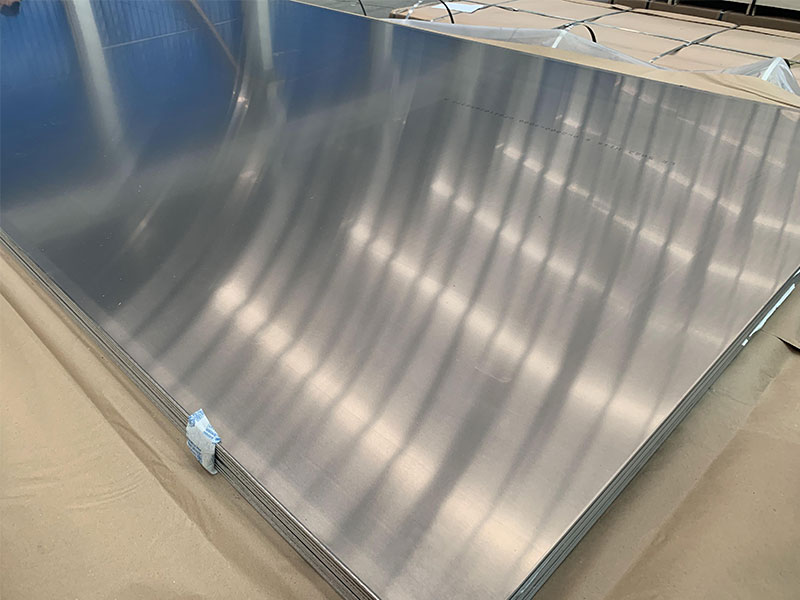
Marine 5052 aluminum sheet
Aluminum alloy 5052 is a non-heat-treatable, strain-hardened alloy with magnesium as the primary alloying element. It is designed to offer superior corrosion resistance in marine and saline environments, making it a dependable choice for components exposed directly to seawater or coastal atmospheric conditions.
View Details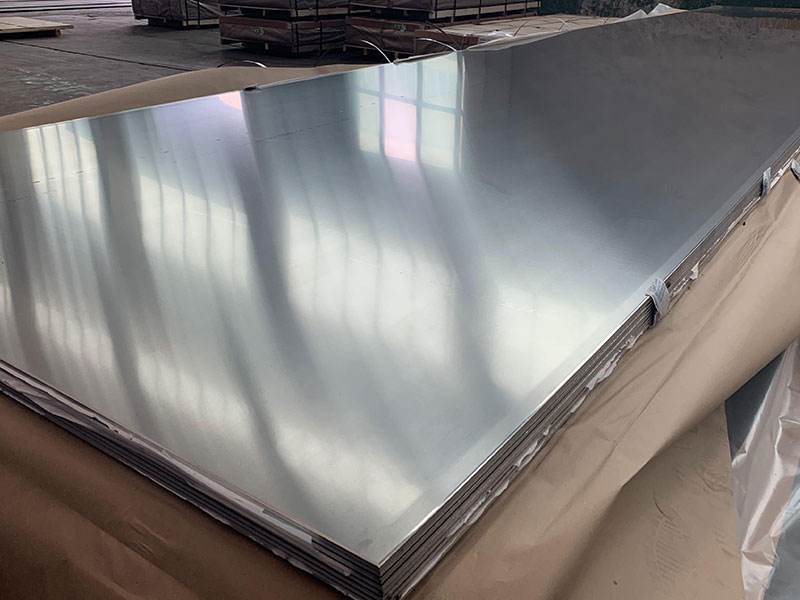
Marine 5086 aluminum sheet
This product article provides an in-depth and comprehensive understanding of Marine 5086 Aluminum Sheets, including their chemical composition, mechanical properties, corrosion resistance, fabrication capabilities, and typical marine applications.
View Details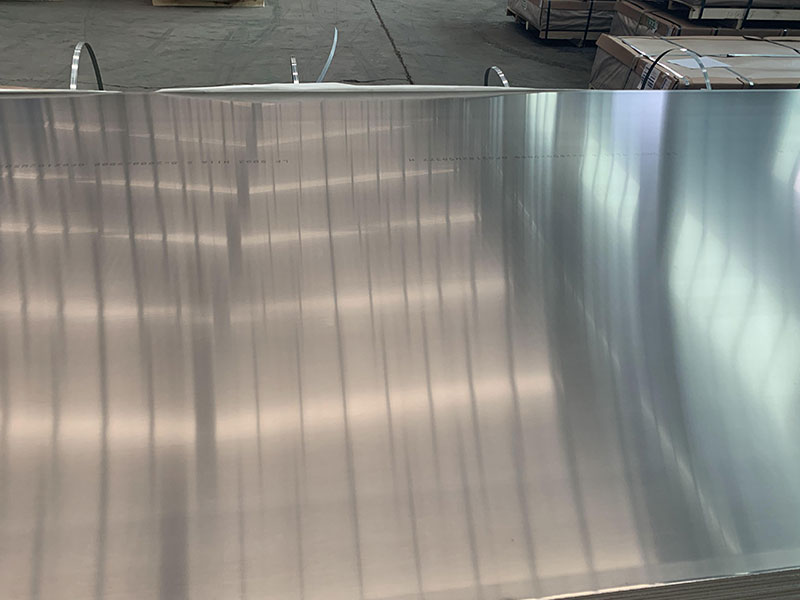
Marine 5383 aluminum sheet
5383 aluminum is a strain-hardened, non-heat-treatable alloy from the 5xxx series primarily alloyed with magnesium. It exhibits a unique balance of corrosion resistance and mechanical properties particularly suited for marine applications.
View Details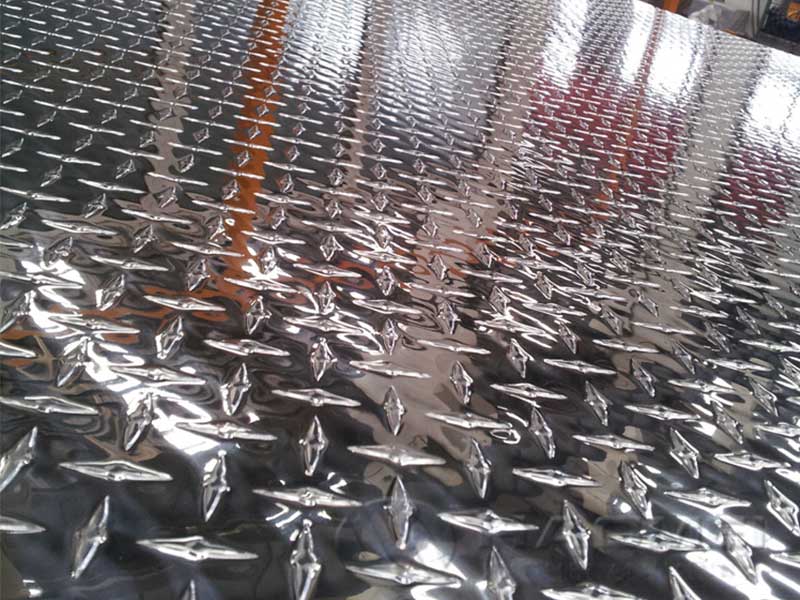
Marine Aluminum Tread Sheets
Marine Aluminum Tread Sheets are aluminum alloy plates featuring a raised surface pattern, commonly referred to as a tread design or diamond plate.
View Details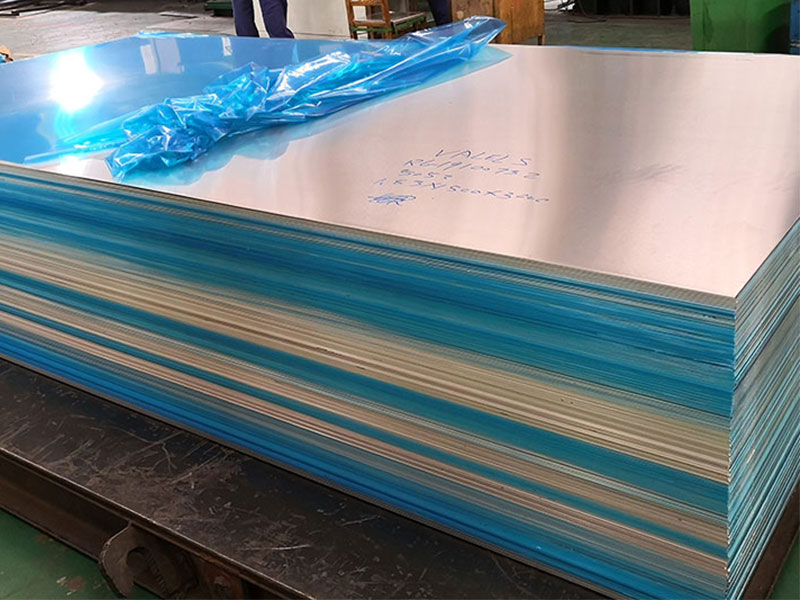
Marine 5059 aluminum sheet
5059 aluminum alloy is a strain-hardened material with a unique addition of magnesium and chromium, which provides outstanding resistance to localized corrosion like pitting and stress corrosion cracking.
View Details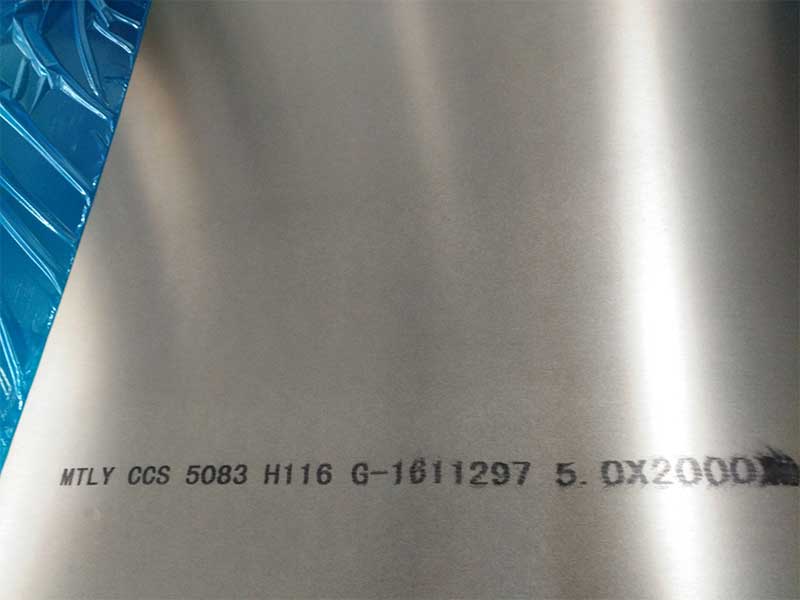
Marine 5083 aluminum sheet
Aluminum alloy 5083 is a non-heat-treatable alloy primarily composed of magnesium and trace elements that deliver outstanding protection against corrosion, particularly in seawater and saline atmospheres.
View DetailsRelated Blog
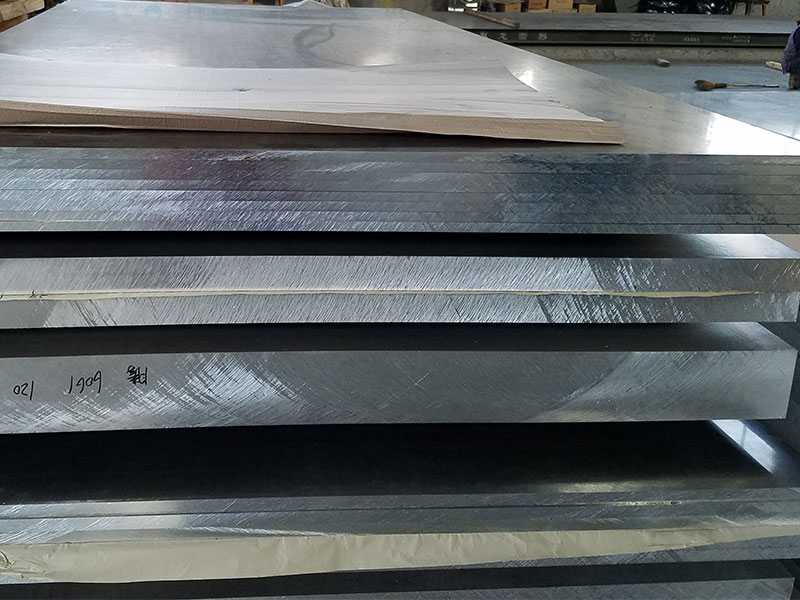
Aluminum foil 0.5mm Thick 5000 Series Marine Grade
Aluminum Foil 0.5mm Thick 5000 Series Marine Grade: A "Sealing Skin" for Real-World Marine WorkWhen people hear "aluminum foil," they often imagine thin kitchen wrap.
View Details
A5083 H116 Aluminum Sheet for Shipbuilding
A5083 H116 aluminum sheet for shipbuilding offers seawater corrosion resistance, weldability, certified strength, and stable hull performance for marine yards.
View Details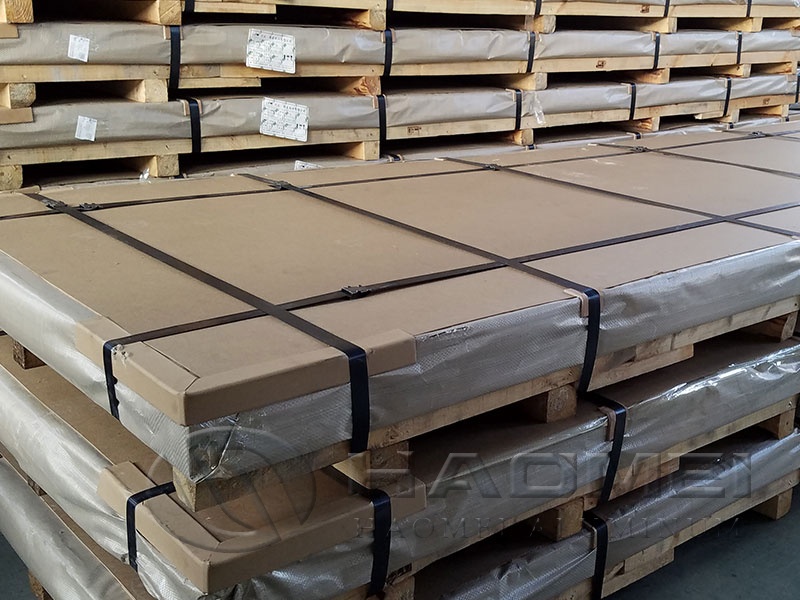
Marine 6061 Aluminum Bar
Marine 6061 aluminum bar offers high strength, excellent machinability, and reliable corrosion resistance for brackets, frames, fittings, and marine hardware.
View Details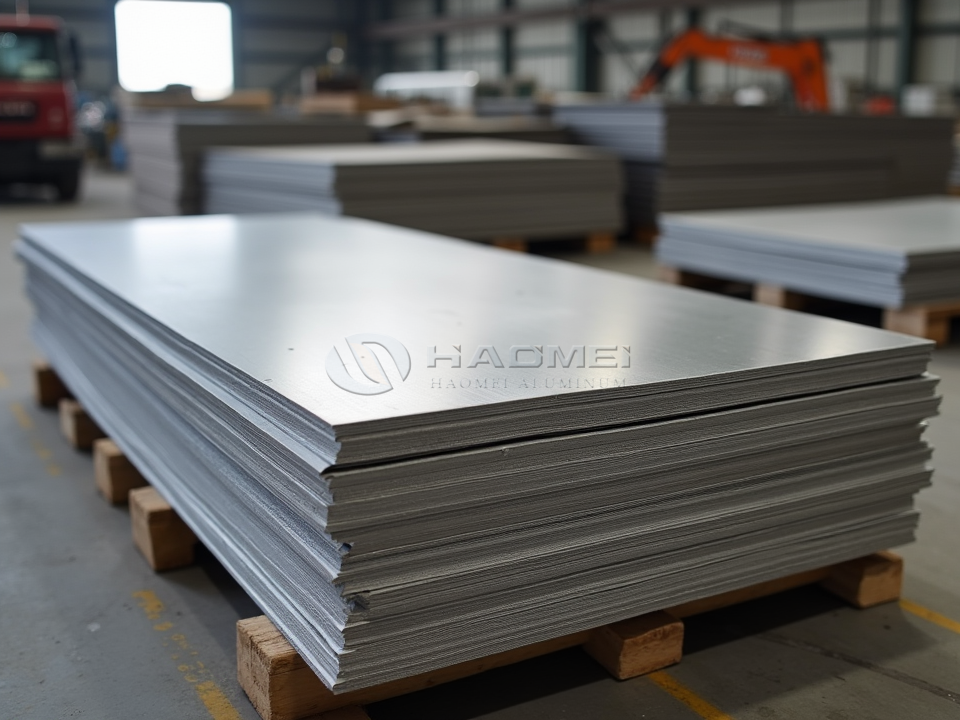
5059 Marine Aluminum Sheet
Learn how 5059 marine aluminum sheet supports lighter hulls, welded structures, corrosion resistance, class-approved fabrication, and long service life.
View Details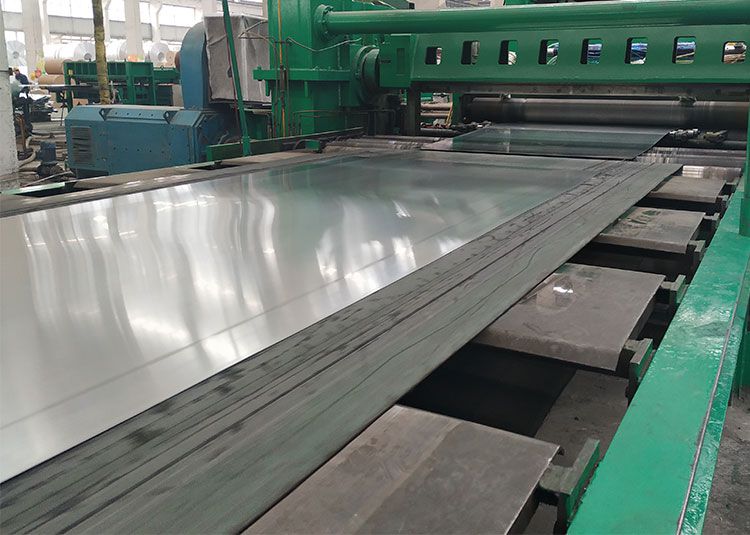
5754 Aluminum Sheet for Shipping Construction
5754 Aluminum Sheet for Shipping Construction: The "Quiet Workhorse" Behind Durable, Efficient VesselsIn modern shipping construction, the most valuable materials are not always the most famous-they're the ones that perform reliably under salt spray.
View Details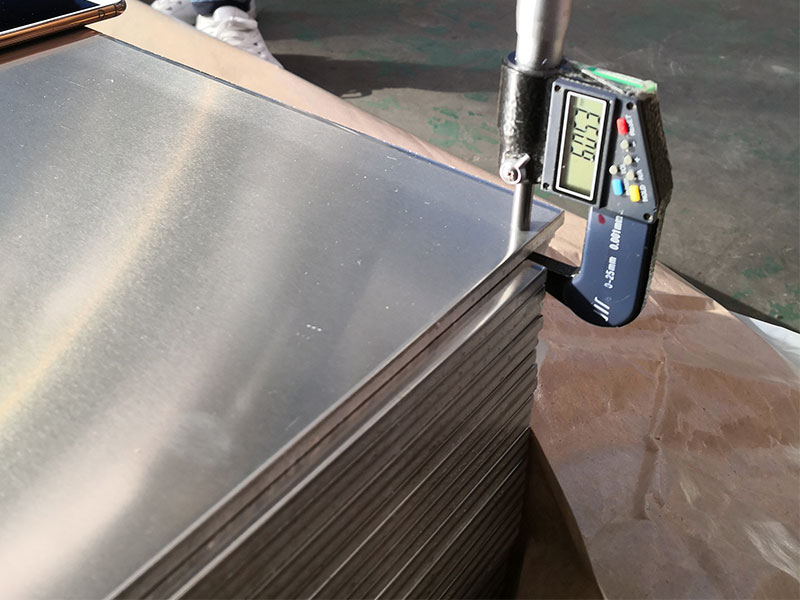
5052 5083 marine grade aluminium sheet for boat
Marine grade aluminium alloys 5052 and 5083 are among the most widely used non-heat-treatable alloys for shipbuilding, small vessels, and marine components. They combine good corrosion resistance in seawater, excellent weldability and formability.
View Details
Leave a Message