
5083 Marine Aluminum Fencing and Railings for High Strength Coastal Railings
When it comes to constructing fencing and railings along coastal environments, the material choice plays a significant role in long-term performance, strength, and resistance to harsh conditions. 5083 marine aluminum offers a premium solution tailored for coastal applications, standing out for its extraordinary combination of corrosion resistance, high strength, and lightweight characteristics.
Why Choose 5083 Marine Aluminum for Coastal Railings?
Marine aluminum alloys such as 5083 are specifically engineered to withstand severe marine and saltwater environments without corrosion or structural degradation. Unlike steels, aluminum alloys do not require specialized coatings or treatments to resist rust, cutting maintenance costs dramatically while ensuring aesthetic and functional longevity.
5083 aluminum's advantage in coastal railings includes:
- Exceptional corrosion resistance: Resists saltwater, sea air, and chlorine effectively.
- High tensile strength: Comparable or superior to many mild steel variants.
- Lightweight yet durable: Facilitates easy transport and installation.
- Excellent weldability and workability: Ideal for customized fencing designs.
- Low thermal expansion and excellent fatigue resistance: Ensures structural reliability despite temperature fluctuations common in coastal zones.
Main Functions of 5083 Aluminum Fencing and Railings
In coastal developments such as marinas, beachfront properties, piers, and sea defense installations, fences and railings provide:
- Safety barriers: Preventing accidents or falls into water or restricted areas.
- Boundary definition: Clearly marking property or facility edges in visually transparent ways.
- Load barring: Supporting pedestrian movement with high impact resistance.
- Environmental resilience: Withstanding mechanical wear along with atmospheric and chemical agents typical in marine settings.
- Aesthetic enhancement: Providing clean, corrosion-free looks for years due to aluminum's smooth finish and ability to be anodized or powder-coated.
Application Areas for 5083 Marine Aluminum Railings
Given its versatility and robust performance features, 5083 aluminum railings are widely used in various scenarios related to coastal infrastructure:
- Marinas and yacht clubs walkway railings
- Coastal residential and commercial properties fencing
- Sea walls, jetties, and piers railing systems
- Public parks and promenade boundary fencing near seawater
- Bridge and dock guardrails influenced by marine climates
Technical Specifications and Alloy Characteristics
Chemical Composition of 5083 Aluminum Alloy (by weight %)
| Element | Percentage Range |
|---|---|
| Aluminum (Al) | Balance (92.9–94.8) |
| Magnesium (Mg) | 4.0 – 4.9 |
| Manganese (Mn) | 0.4 – 1.0 |
| Iron (Fe) | ≤ 0.4 |
| Silicon (Si) | ≤ 0.4 |
| Chromium (Cr) | 0.05 – 0.25 |
| Copper (Cu) | ≤ 0.1 |
| Zinc (Zn) | ≤ 0.25 |
| Titanium (Ti) | ≤ 0.15 |
Mechanical Properties under Common Alloy Tempers
| Temper | Ultimate Tensile Strength (MPa) | Yield Strength, 0.2% (MPa) | Elongation (%) | Hardness (HB) |
|---|---|---|---|---|
| O (Annealed) | 275 - 310 | 125 - 145 | 21 - 25 | 70 - 75 |
| H112 (Strain Hardened) | 310 - 355 | 215 - 265 | 10 - 14 | 85 - 90 |
| H116 (Marine O temper stabilized) | 300 - 335 | ≥240 | 8 - 13 | 80 - 85 |
Implementation Standards
5083 Marine aluminum fencing and railings meet multiple international standards that dictate quality, strength, and performance suitable for marine applications, including but not limited to:
- ASTM B928 – Standard Specification for Aluminum-Alloy Flat-Rolled Marine Products
- ISO 6361 – Wrought Aluminium and Aluminium Alloy Sheets, Strips, and Plates
- BS EN 485-2 – Aluminium and aluminium alloys - sheet, strip, and plate - Part 2: Mechanical properties
- ABS Certification – Relevant certifications for marine structural use in vessels and offshore constructions
These ensure 5083 aluminum fencing materials deliver reliable safety margins under coastal exposure and operational stress.
Considering both composition and physical-tensile parameters, 5083 alloy maximizes immune response to intergranular corrosion via balanced Magnesium and Manganese percentages, typically found in seawater-immersed environments.
The alloy's chromium improves resistance to stress corrosion cracking while maintaining excellent weldability-favored in prefabricated roll-formed railings and tunnel-constructed fencing posts requiring intricate joints.
| Attribute | Value / Range |
|---|---|
| Density | 2.66 g/cm³ |
| Melting Point | 590 - 650 °C |
| Modulus of Elasticity (E) | ~70 GPa |
| Thermal Conductivity | 121 W/m·K |
| Electrical Conductivity | 15 to 17 % IACS |
| Corrosion resistance | Excellent in marine/salty atmosphere |
| Workability | Excellent (cold/hot forming) |
| Welding | Highly weldable (all common methods) |

Related Products
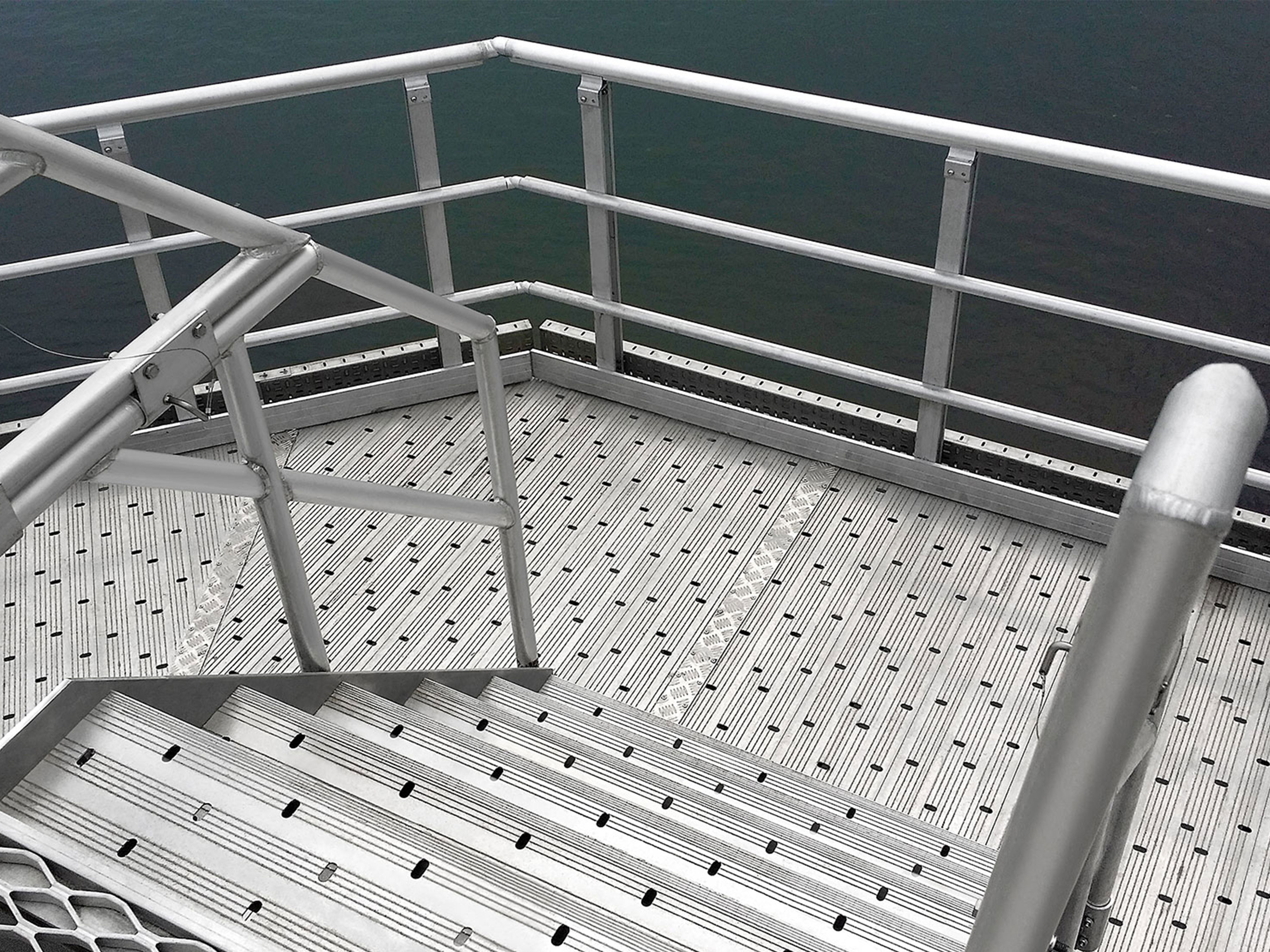
Marine aluminum customized shapes
Marine Grade Aluminum Customized Shapes encompass a broad range of aluminum extrusions and fabrications engineered beyond standard profiles—such as channels, angles, tubes, and beams—into complex, project-specific geometries.
View Details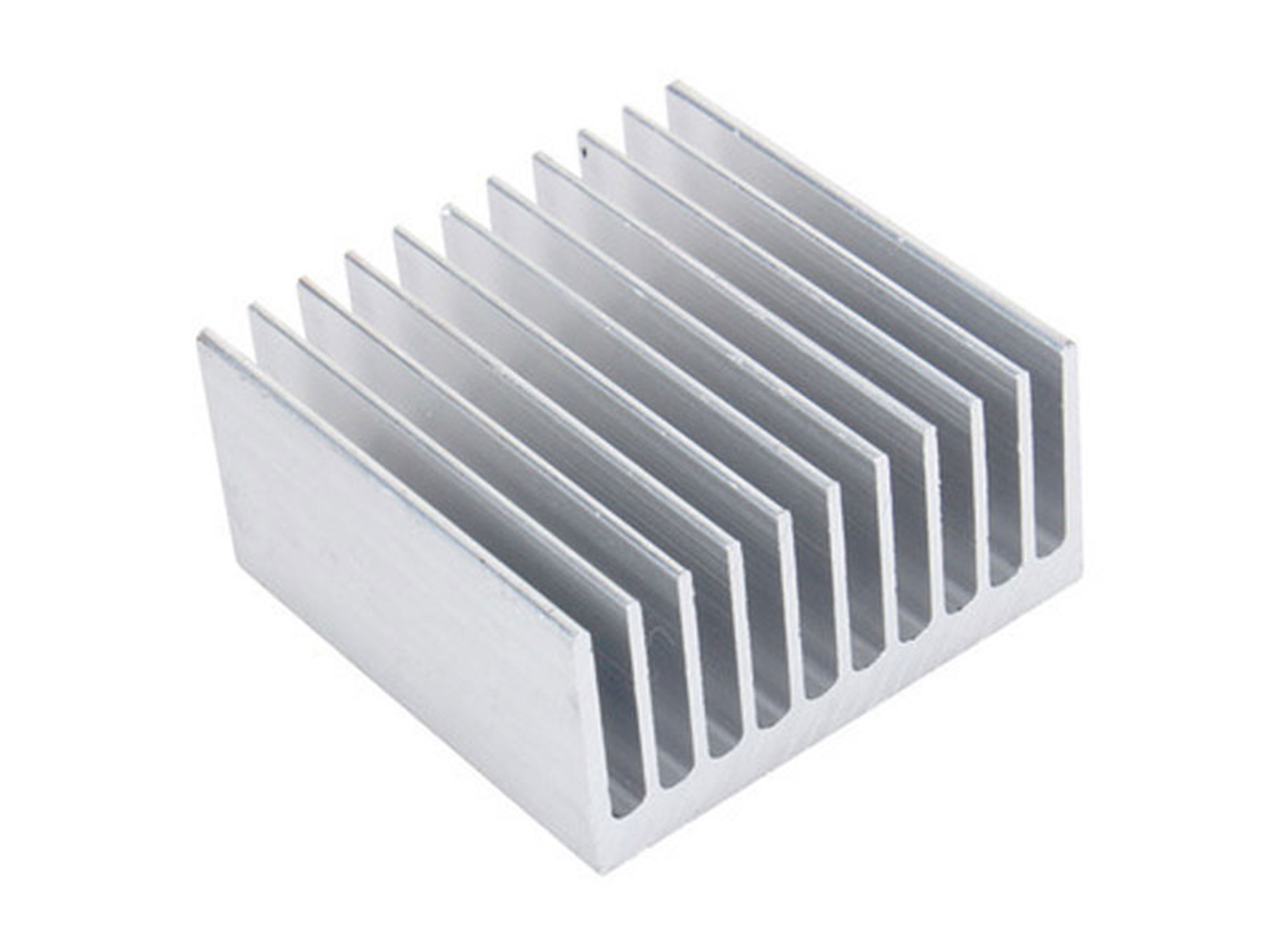
Marine aluminum heat sink profile
Marine Grade Aluminum Heat Sink Profiles utilize alloys such as 6061 and 6063 that not only exhibit high thermal conductivity but also possess excellent corrosion resistance required for saltwater exposure.
View Details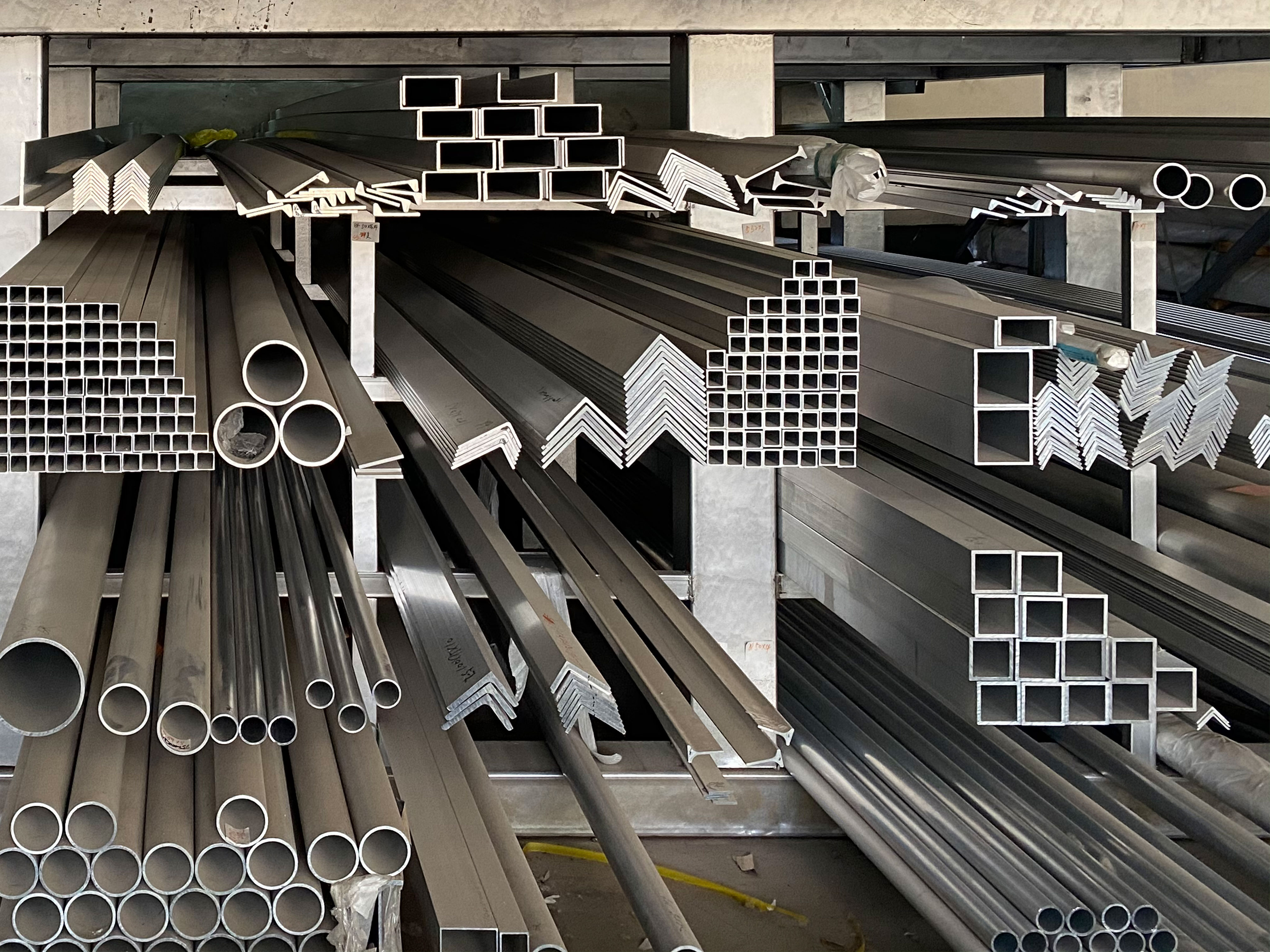
Marine aluminum fencing and railings
Marine Grade Aluminum Fencing and Railings are fabricated using marine-grade aluminum alloys such as 5083, 5052, and 6061, which are engineered specifically for protection against saltwater corrosion and marine atmospheric conditions.
View DetailsRelated Blog
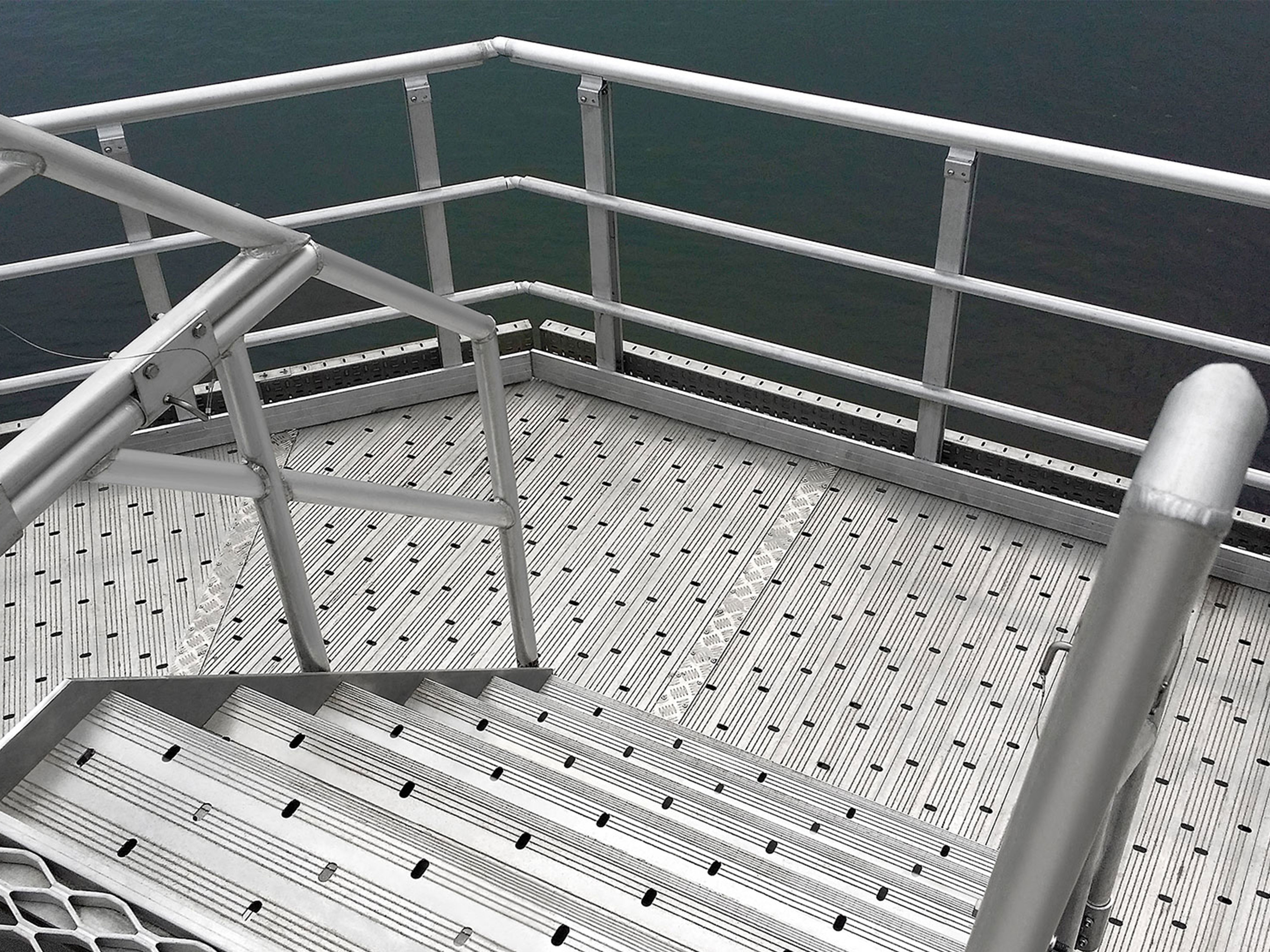
Marine Aluminum Fencing and Railings for Durable Boat Deck Guardrails
OverviewMarine aluminum fencing and railings are purpose-designed alloy systems used for guardrails, handrails, stanchions, and safety barriers on boats, docks, marinas, and waterfront properties.
View Details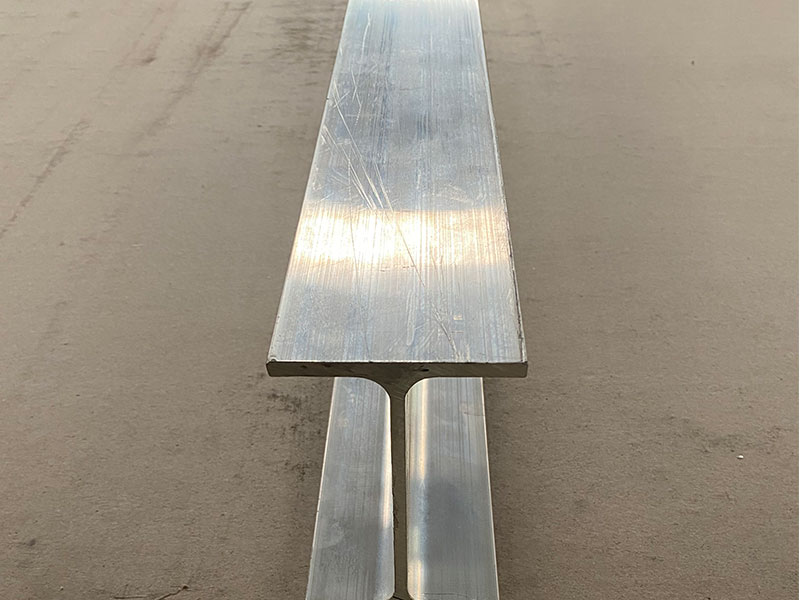
5083 Marine Aluminum Fencing and Railings for High Strength Marine Applications
Marine environments demand materials that can withstand harsh conditions, including corrosive saltwater, high humidity, strong winds, and constant mechanical stresses.
View Details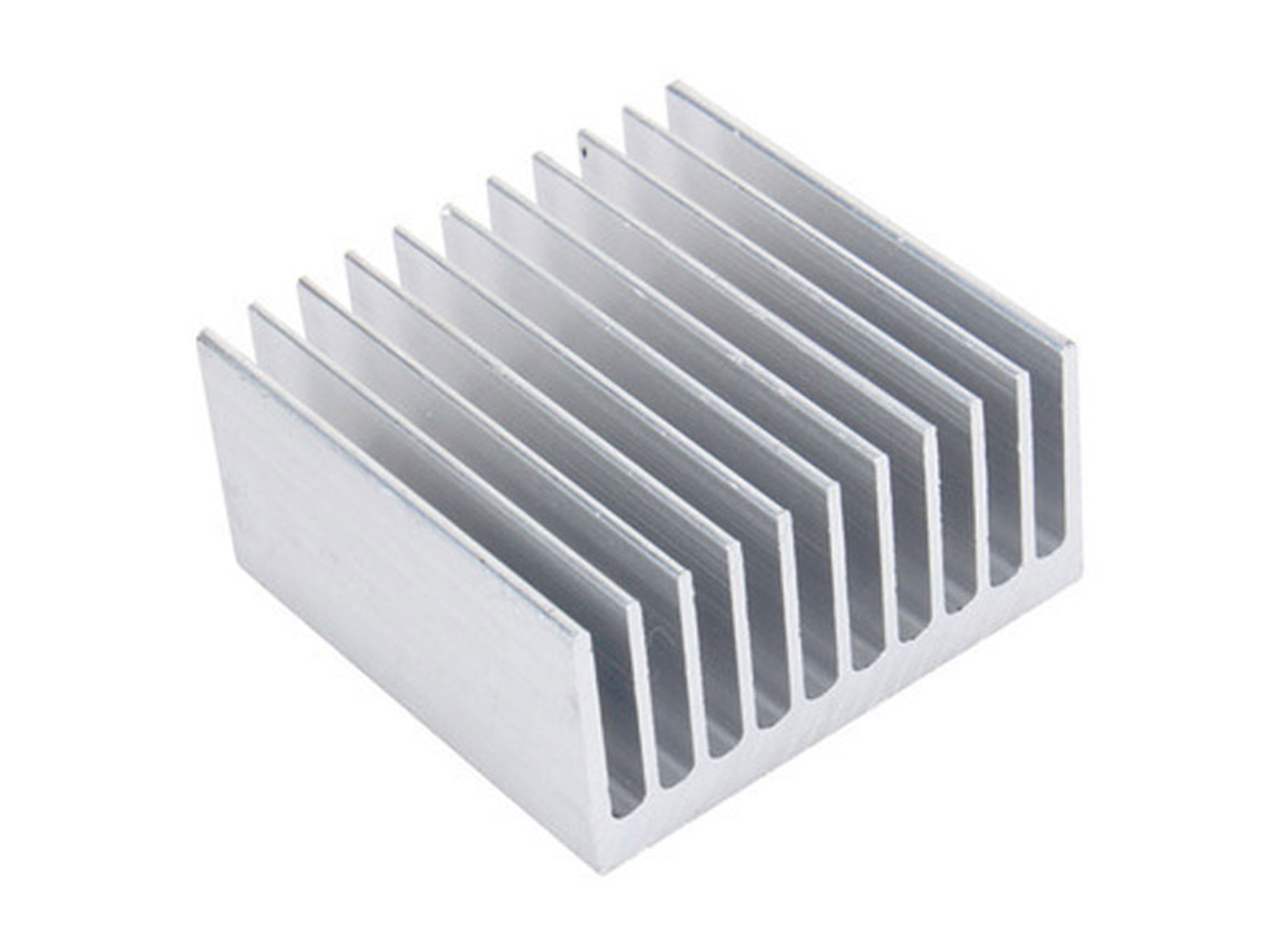
5083 Marine Aluminum Fencing and Railings for Durable Coastal Railings
Aluminum alloy 5083 is widely regarded as one of the best materials for marine applications, particularly for fencing and railings exposed to harsh coastal environments.
View Details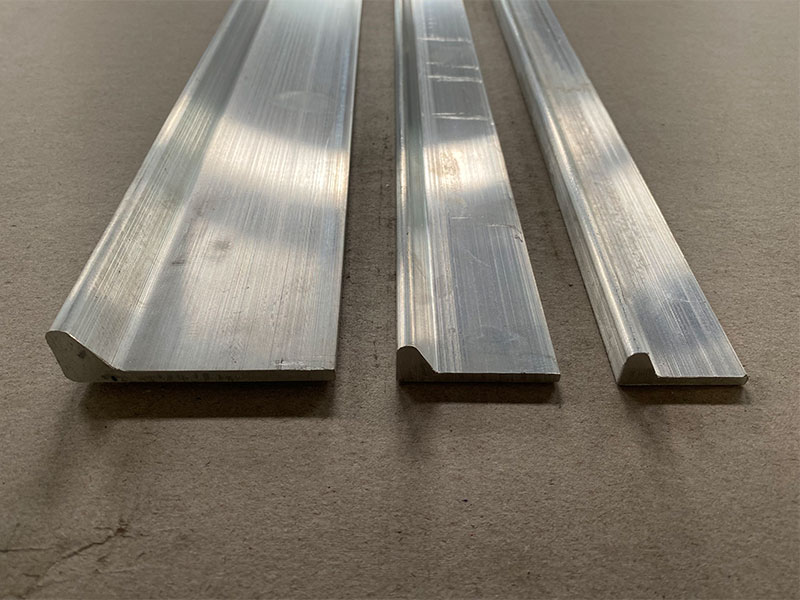
5083 Marine Aluminum Fencing and Railings for Coastal Marine Safety Solutions
When it comes to enhancing safety and durability along coastal infrastructure, selecting the right materials for fencing and railings is paramount. Among the most trusted choices is 5083 marine aluminum.
View Details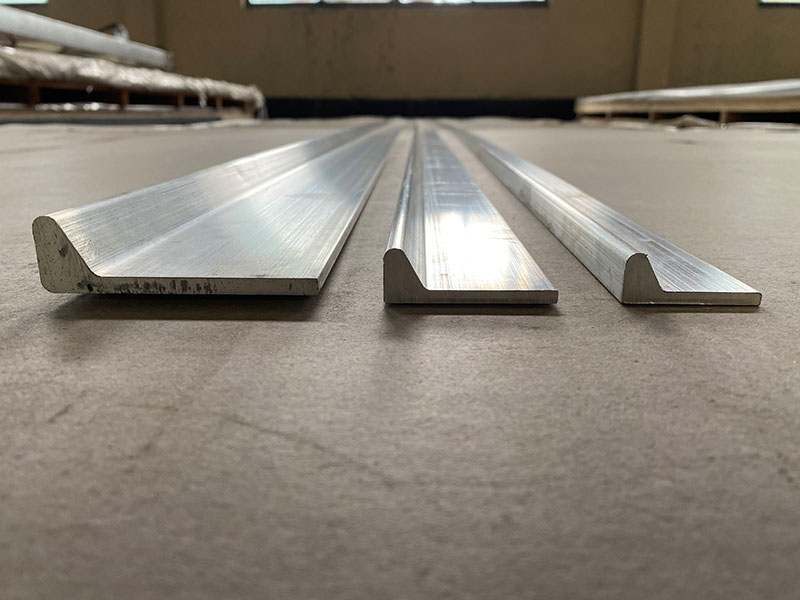
5083 Marine Aluminum Fencing and Railings for Durable Coastal Property Barriers
When a coastal property owner chooses fencing and railings, the conversation usually revolves around style, code compliance, and budget. The ocean, however, has its own priorities: salt, moisture, wind, and UV radiation.
View Details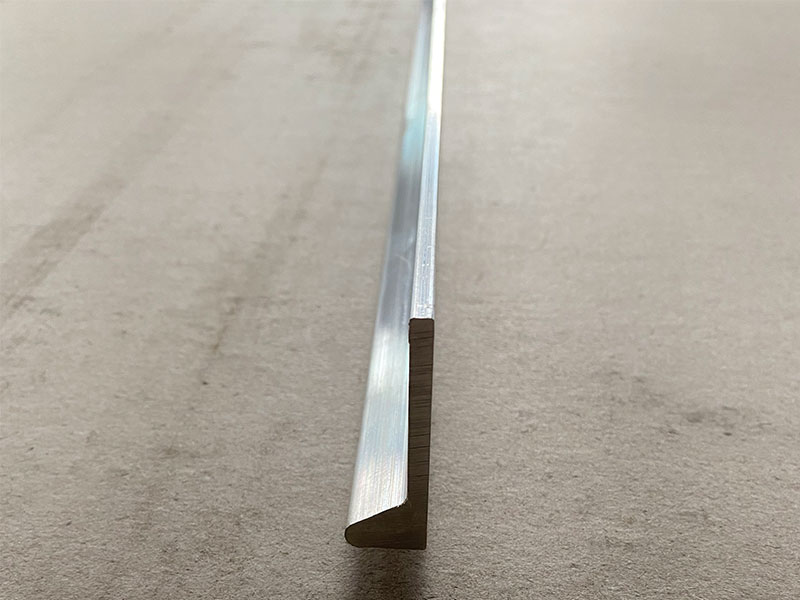
5083 Marine Aluminum Fencing and Railings for Lightweight Offshore Guardrail Systems
When it comes to offshore guardrail systems, ensuring safety, durability, and corrosion resistance are paramount. 5083 Marine Aluminum has emerged as an excellent material choice for fencing and railings in marine environments.
View Details
Leave a Message