
5083 Marine Aluminum Hollow Bars for Marine Equipment Durability
Marine environments punish materials relentlessly: salt spray accelerates corrosion, cyclic wave loads drive fatigue, and maintenance windows are tight. 5083 Marine aluminum hollow bars are engineered for this reality-combining high strength, excellent seawater corrosion resistance, and weld-friendly fabrication in a geometry that delivers stiffness and load capacity with reduced weight.
Why 5083 for Marine Hollow Bars?
AA 5083 is a non-heat-treatable Al-Mg-Mn alloy known for its exceptional resistance to seawater and industrial chemicals, especially compared with many general-purpose aluminum grades. The alloy strengthens primarily through solid-solution strengthening (magnesium) and work hardening, making it practical for structural marine parts that must be welded and remain stable in service.
| Feature | What it means in service | Customer value |
|---|---|---|
| Seawater corrosion resistance | Strong performance in salt spray, splash zones, and humid coastal conditions | Lower maintenance, longer service life |
| High strength-to-weight ratio | Structural capacity without steel-like mass | Better payload, fuel efficiency, easier handling |
| Weldability | Compatible with common marine welding practices | Faster fabrication and repairs |
| Hollow geometry efficiency | High bending stiffness per unit mass | Material savings and improved rigidity |
| Good toughness at low temperatures | Maintains reliability in colder waters | Reduced brittle-failure risk |
A hollow bar (tube-like section, often supplied as thick-walled) offers a major structural benefit: material is placed away from the neutral axis, increasing section modulus and bending stiffness without the same weight penalty as a solid bar.
Typical use cases include:
- Structural members under bending and torsion
- Standoffs, sleeves, spacers, and bearing housings
- Fabricated frames and brackets where weight reduction matters
- Machined marine components needing corrosion resistance through thickness
Chemical Composition (Typical) - AA 5083
5083 is controlled to maintain corrosion resistance and mechanical performance, especially around welds and in marine exposure.
Note: Exact limits can vary by standard (ASTM/EN) and mill practice; specify the governing standard in purchase documents.
| Element | Typical range (wt. %) | Role |
|---|---|---|
| Mg | 4.0 – 4.9 | Primary strength contributor; improves seawater resistance |
| Mn | 0.4 – 1.0 | Improves strength and helps control grain structure |
| Cr | 0.05 – 0.25 | Enhances corrosion resistance and reduces stress corrosion tendency |
| Si | ≤ 0.40 | Impurity control |
| Fe | ≤ 0.40 | Impurity control |
| Cu | ≤ 0.10 | Kept low to protect corrosion performance |
| Zn | ≤ 0.25 | Impurity control |
| Ti | ≤ 0.15 | Grain refiner |
| Al | Balance | Base metal |
Mechanical & Performance Characteristics (Typical)
Because 5083 is non-heat-treatable, properties depend on temper (e.g., O, H111, H116, H321). For marine hollow bars, tempers like H111 / H116 / H321 are commonly selected for a balance of strength, formability, and marine performance.
| Property | Typical expectation (marine tempers) | Why it matters |
|---|---|---|
| Density | ~2.66 g/cm³ | Major weight reduction vs. steel |
| Ultimate tensile strength (UTS) | ~275–350 MPa (temper-dependent) | Structural capacity for frames and supports |
| Yield strength (0.2%) | ~125–250 MPa (temper-dependent) | Controls deflection and permanent set |
| Elongation | ~10–20% | Damage tolerance, forming capability |
| Elastic modulus | ~70 GPa | Predictable stiffness for design |
| Corrosion performance in seawater | Excellent | Long-term durability in splash/immersion environments |
Technical Specifications (Typical Supply)
5083 hollow bars are supplied to meet dimensional accuracy, machinability, and inspection needs for marine fabrication.
| Parameter | Typical options | Notes |
|---|---|---|
| Alloy / Temper | 5083-O, 5083-H111, 5083-H116, 5083-H321 | H116/H321 often selected for marine plate; hollow bar availability varies by mill |
| Outside diameter (OD) | 30–400 mm (common range) | Larger sizes possible by inquiry |
| Inside diameter (ID) | 10–300 mm (common range) | Depends on wall thickness and process |
| Wall thickness | 5–80 mm (common range) | Thick-wall hollow bars support machining |
| Length | 1–6 m standard | Cut-to-length available |
| Surface finish | Mill finish, brushed, peeled/turned | Turned/peeled improves concentricity & machinability |
| Dimensional tolerance | OD/ID/straightness per standard | Define required tolerance class at order |
| Standards (common) | ASTM B221/B429, EN 755 (as applicable) | Confirm per region and project requirements |
| Testing (optional) | Chemistry cert, mechanical test, UT inspection | Recommended for critical marine parts |
Marine Durability: Corrosion and Weld Performance
Corrosion Resistance in Saltwater
5083's magnesium-rich chemistry offers strong resistance to general corrosion in seawater and performs well in splash and tidal zones. Keeping copper low helps prevent galvanic-driven pitting behavior that can shorten service life.
Best practices to maximize corrosion life:
- Avoid stagnant crevices; design for drainage and rinsing
- Use compatible fasteners (or isolate dissimilar metals)
- Consider anodizing or marine coatings where abrasion is expected
- Specify controlled tempers suitable for marine exposure
Welding and Fabrication
5083 is widely used in welded marine structures. Hollow bars are often welded into frames, supports, and equipment stands, or machined and then welded as hubs/sleeves.
| Fabrication method | Suitability | Practical notes |
|---|---|---|
| MIG / GMAW | Excellent | Common filler choices include 5356 (select per procedure) |
| TIG / GTAW | Excellent | Good for precision assemblies and root control |
| Machining | Good | Thick-wall hollow bar is ideal for boring and turning |
| Forming | Moderate to good | Depends strongly on temper and radius requirements |
Applications in Marine Equipment
5083 Marine aluminum hollow bars are a strong fit wherever structural strength, corrosion resistance, and weight savings intersect.
| Application | Typical component examples | Why hollow bar + 5083 works |
|---|---|---|
| Vessel structures | Cross-members, outriggers, support posts | Stiffness with lower mass; durable in salty air |
| Deck & equipment supports | Davit arms, equipment frames, consoles | Weldable, corrosion-resistant, easy to fabricate |
| Offshore & coastal hardware | Walkway supports, handrail stanchions, brackets | Long service life with reduced maintenance |
| Marine hydraulics & machinery | Spacers, sleeves, housings, structural collars | Thick walls allow machining; corrosion resistance through thickness |
| ROV / underwater frames | Buoyant structures, protective cages | Strength-to-weight supports payload and maneuverability |
Customer Benefits (What You Gain)
| Benefit | Impact on cost and performance |
|---|---|
| Longer service life in seawater exposure | Less corrosion-related downtime and replacement |
| Weight reduction vs. steel designs | Improved fuel economy, easier installation, higher payload |
| Efficient structural geometry | Lower material usage for stiffness-critical components |
| Fabrication flexibility | Weld, machine, and assemble using common marine shop capabilities |
| Reliable performance under cyclic loading | Better durability for wave-induced vibration and equipment motion |
Selection Tips (Quick Buying Guidance)
To specify the right hollow bar for marine durability, clarify these items early:
| Decision point | Recommendation |
|---|---|
| Temper selection | For marine service, consider H111/H116/H321 depending on availability and compliance needs |
| Dimensional needs | Provide OD, ID, wall thickness, and concentricity requirements (especially for machined parts) |
| Corrosion strategy | Plan isolation for dissimilar metals; consider coatings where abrasion occurs |
| Quality documentation | Request MTC/CoC, mechanical tests, and UT inspection for critical components |
| Joining method | If heavy welding is expected, coordinate filler metal and procedure qualification |

Related Products
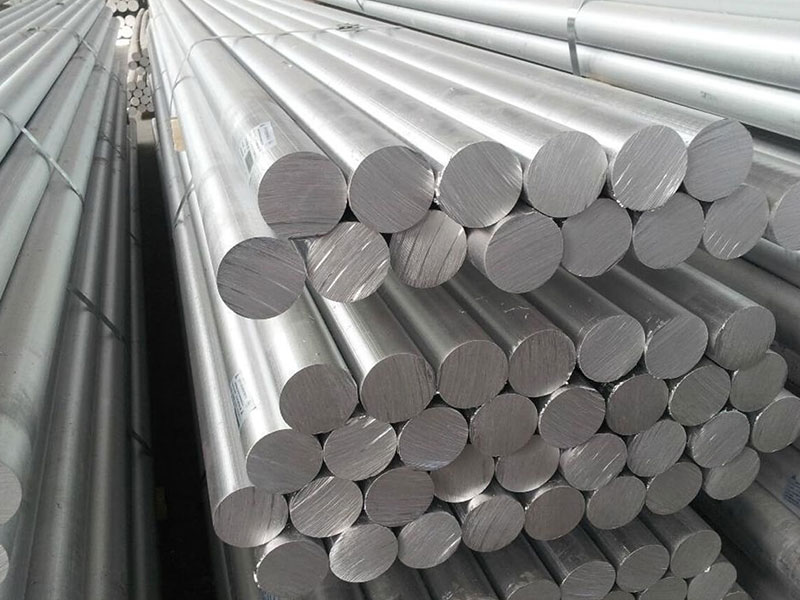
6082 marine aluminum rod & bar
6082 Aluminum Rods & Bars are extruded or rolled products manufactured from 6082 aluminum alloy — a thermally treated (typically T6 temper) aluminum-magnesium-silicon alloy that balances high tensile strength, good weldability, and excellent corrosion resistance.
View Details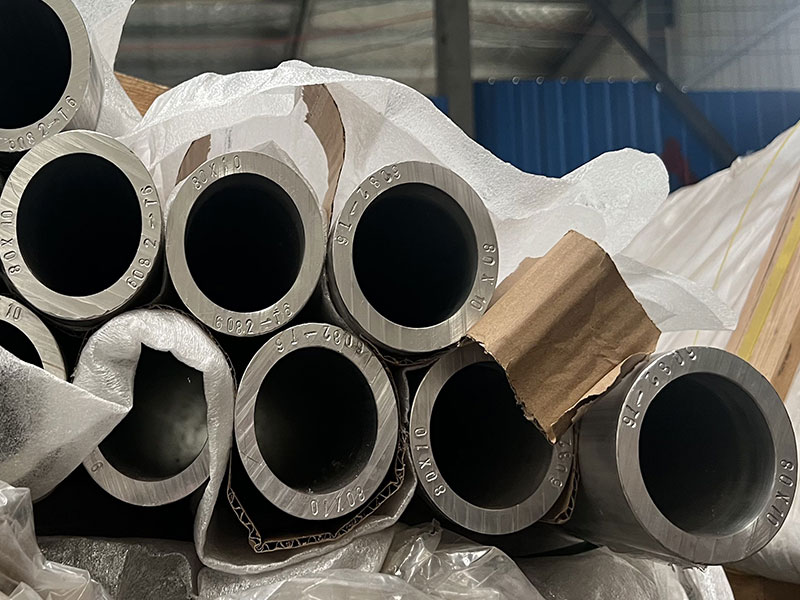
Marine aluminum hollow bars
Marine Grade Aluminum Hollow Bars are fabricated from high-quality alloys such as 5083, 5052, 6061, and 6082, all known for their exceptional resistance to seawater corrosion, salt spray, and marine atmospheres.
View Details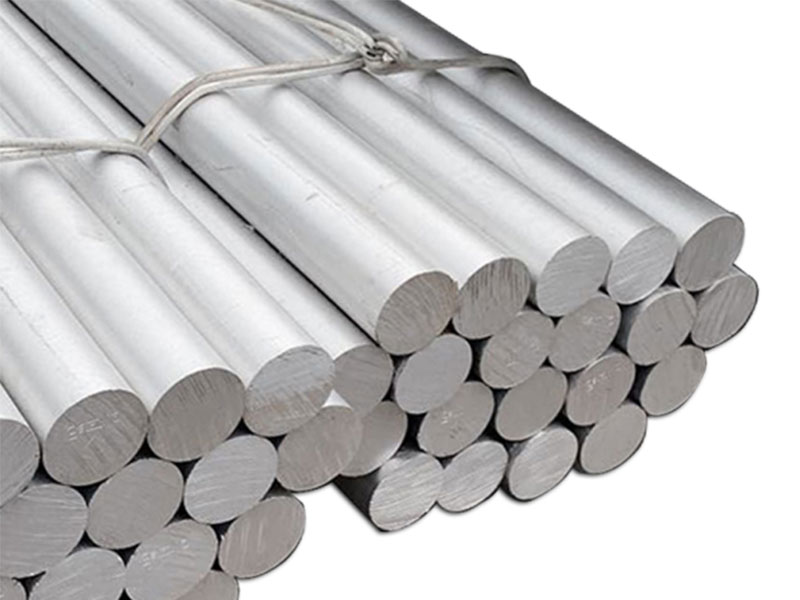
Marine grade aluminum solid bar
Marine Grade Aluminum Solid Bars are produced from premium aluminum alloys optimized for saltwater exposure, such as 5083, 5052, 6061, and 6082. These alloys offer unparalleled resistance to corrosion caused by seawater, salt spray, and marine atmospheres, while maintaining excellent mechanical strength and toughness.
View Details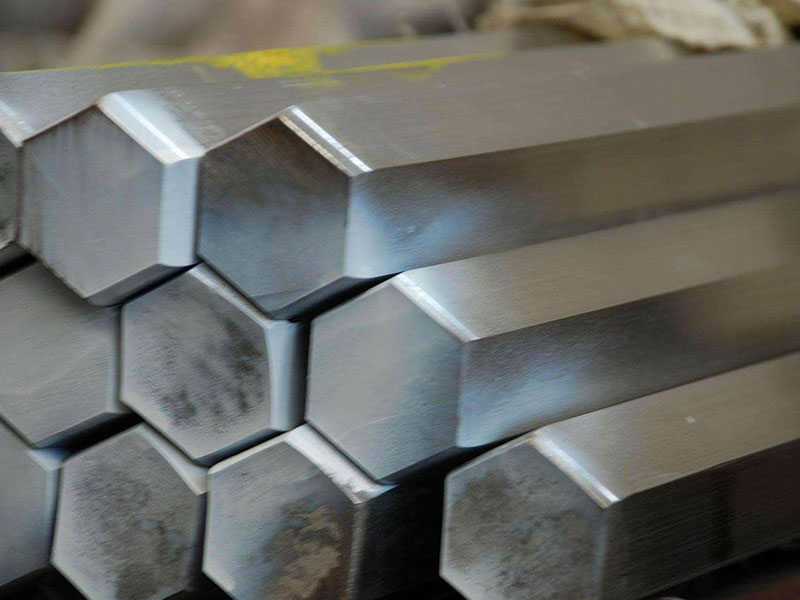
Marine aluminum hexagonal bars
Marine Grade Aluminum Hexagonal Bars are produced from premium corrosion-resistant aluminum alloys such as 5083, 5052, 6061, and 6082.
View DetailsRelated Blog
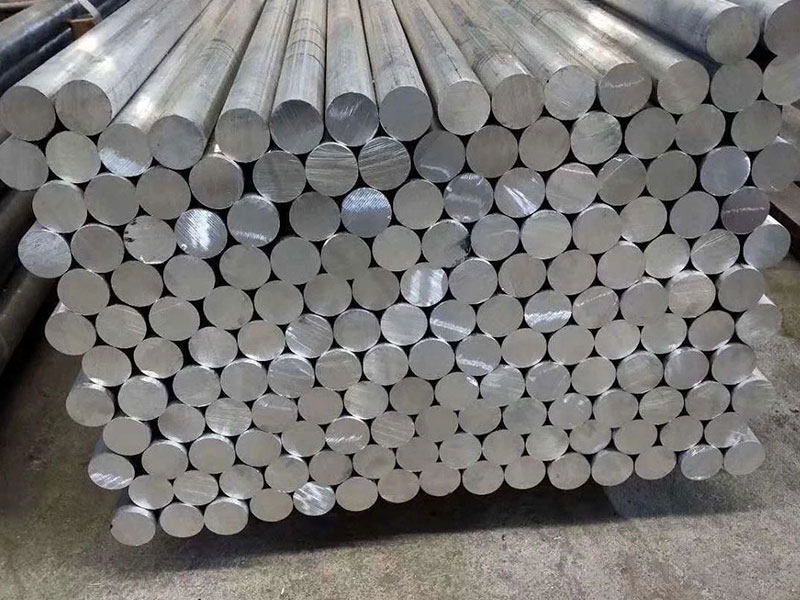
5083 Marine Grade Aluminum Solid Bar for Custom Marine Construction
The 5083 Marine Grade Aluminum Solid Bar is a highly regarded alloy, specifically designed to meet the stringent demands of the marine environment. Renowned for its exceptionally high resistance to corrosion, strength, and weldability.
View Details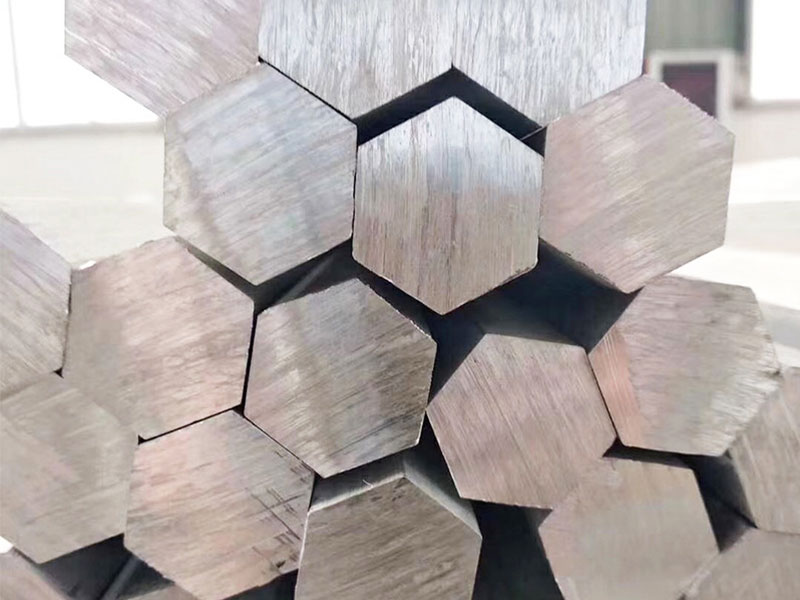
5083 Marine Aluminum Hexagonal Bars for High Strength Shipbuilding Materials
When it comes to constructing robust, lightweight, and corrosion-resistant components in the marine industry, 5083 marine aluminum hexagonal bars are an indispensable material.
View Details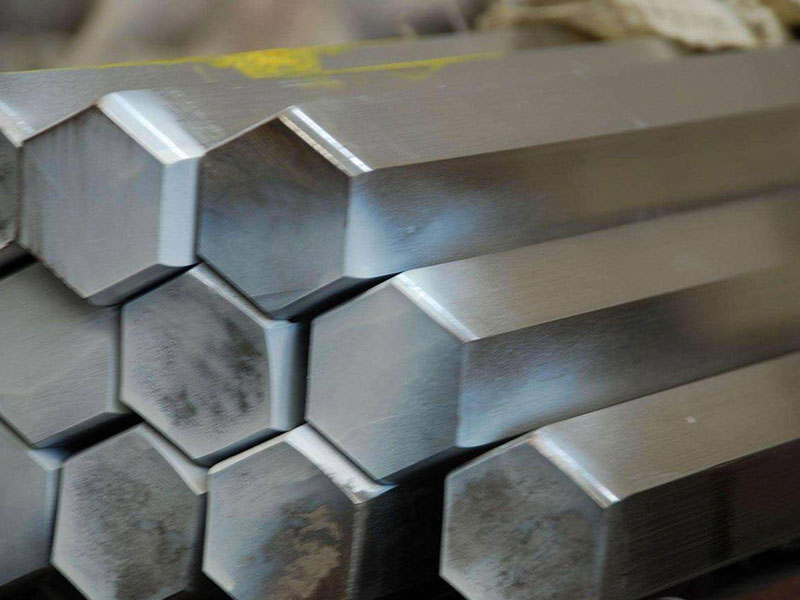
5083 Marine Aluminum Hexagonal Bars for Durable Offshore Support Parts
Explore premium 5083 marine aluminum hexagonal bars tailored for offshore support applications. their superior corrosion resistance, alloy composition, mechanical properties, and industry implementation standards.
View Details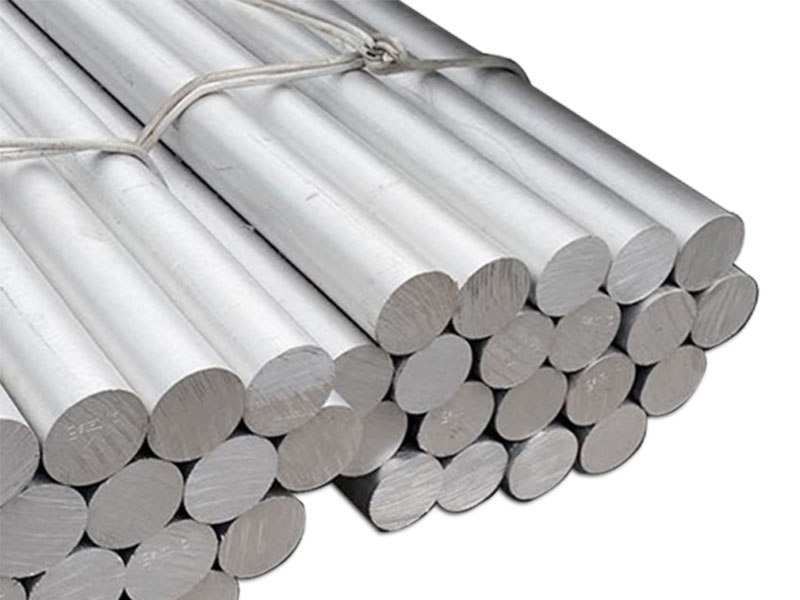
5083 Marine Aluminum Bar for Saltwater Corrosion Resistant Boat Frames
In the demanding marine environment, selecting the right materials for boat frames is vital to ensuring longevity, performance, and safety. Among the myriad of alloys.
View Details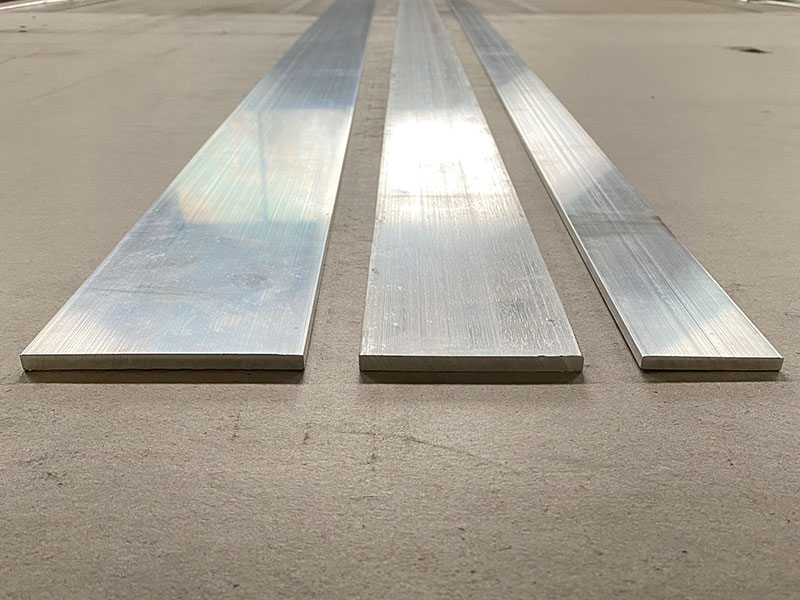
5083 Marine Aluminum Bar for High Strength Marine Vessel Parts
5083 Marine Aluminum Bar for High Strength Marine Vessel Parts: Durability Meets PerformanceWhen it comes to constructing high-performance marine vessels, material selection is paramount.
View Details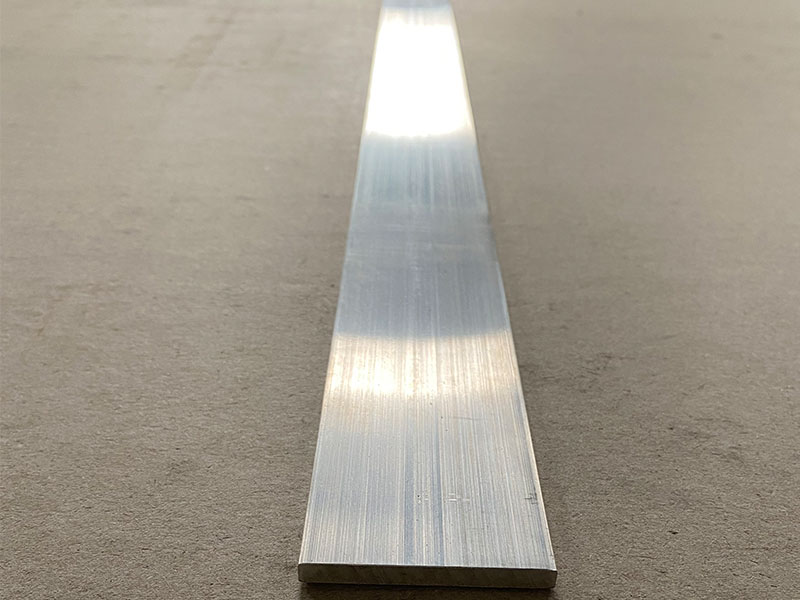
5083 Marine Grade Aluminum Solid Bar for Boat Hull Reinforcement
In the expansive world of marine construction and engineering, selecting the right materials can make the difference between a resilient vessel and costly structural failures.
View Details
Leave a Message