
5083 Marine Aluminum Angles for Heavy Duty Boat Frame Customization
5083 Marine aluminum angles are purpose-built structural profiles for boatbuilders who need rugged framing without the weight and corrosion risk of steel. Made from Al‑Mg alloy 5083 and supplied in marine-ready tempers, these L-shaped extrusions combine high strength, excellent weldability, and proven seawater durability-ideal for custom boat frames, stringer grids, engine beds, deck supports, and reinforcement corners. For heavy-duty hulls and workboats, 5083 angles deliver a reliable balance of stiffness, fatigue resistance, and fabrication efficiency.
Why 5083 Aluminum Angles Are a Marine Favorite
Designed for saltwater service
5083 is one of the most trusted marine alloys because magnesium strengthens the aluminum matrix while maintaining strong resistance to seawater corrosion. When used with proper marine coatings and isolation practices, it performs exceptionally well in wet bilge zones, splash areas, and coastal environments.
Strength where frames need it most
Angles concentrate material at the corner, making them efficient for stiffening and load transfer. In boat frames, this translates into better resistance to racking, torsion, and local buckling-especially at joints, cutouts, and welded intersections.
Weld-friendly for fast customization
5083 is widely used in welded hull structures. Angles can be cut, notched, and welded into grids and brackets with consistent results, supporting both prototype and production fabrication.
Weight savings with real structural authority
Compared with steel angles, 5083 provides major weight reduction-helping boats plane earlier, carry more payload, and reduce fuel burn-while still offering "heavy-duty" behavior in engineered framing designs.
Common Boatbuilding Applications
| Application Area | How 5083 Angles Are Used | Value Delivered |
|---|---|---|
| Hull framing & transverse ribs | Corner stiffeners, frame ties, gusset alternatives | Improves rigidity and reduces distortion |
| Stringer grid and longitudinals | Reinforcing intersections and edge supports | Better load distribution and fatigue behavior |
| Deck supports and hatch frames | Perimeter frames, coamings, sub-structure | Straight, clean edges with high stiffness |
| Engine beds & machinery foundations | Brackets, mounts, stiffened rails | High strength-to-weight, weldable |
| Bulkheads and partitions | Edge reinforcement, fastening flanges | Strong joining surfaces and alignment |
| Workboat accessories | Davit bases, rail supports, equipment frames | Durable structures in harsh exposure |
Features at a Glance
| Feature | What It Means for Your Build |
|---|---|
| Marine corrosion resistance | Handles saltwater exposure better than many general-purpose alloys |
| High strength (non-heat-treatable work-hardened) | Strong structural performance without needing heat treatment after fabrication |
| Excellent weldability | Suitable for MIG/TIG; good joint reliability when using proper filler wire |
| Good low-temperature toughness | Stable performance in cold seawater regions |
| Clean machinability for fitting | Cuts and drills well with correct tooling and chip control |
| Efficient L-profile geometry | High stiffness per unit weight for frames and corners |
Chemical Composition (Typical) - Aluminum Alloy 5083
Composition varies by standard and supplier; values below reflect common specification ranges.
| Element | Typical Range (%) |
|---|---|
| Magnesium (Mg) | 4.0–4.9 |
| Manganese (Mn) | 0.4–1.0 |
| Chromium (Cr) | 0.05–0.25 |
| Silicon (Si) | ≤0.40 |
| Iron (Fe) | ≤0.40 |
| Copper (Cu) | ≤0.10 |
| Zinc (Zn) | ≤0.25 |
| Titanium (Ti) | ≤0.15 |
| Aluminum (Al) | Balance |
Why this chemistry matters
The Mg level drives strength and corrosion performance, while Mn and Cr help control grain structure and improve resistance to stress-related cracking in demanding welded structures.
Available Tempers and Practical Selection Notes
5083 is not heat-treatable in the way 6xxx series alloys are; its strength comes from work hardening and stabilization.
| Temper | Typical Use in Marine Angles | Practical Notes |
|---|---|---|
| O (Annealed) | Complex forming, tight radius work | Softest; easiest to form, lowest strength |
| H111 | General marine fabrication | Good balance of formability and strength; common for welded boat structures |
| H116 | Marine plate/profile service with corrosion emphasis | Often chosen for seawater exposure; improved corrosion performance expectations |
| H321 | Higher strength with stabilization | Common in marine structures requiring stable properties after forming/welding |
Temper availability may vary by angle size and extrusion route; confirm with your supplier based on your section thickness and standard.
Mechanical and Physical Properties (Typical 5083)
Values depend on temper, thickness, and production method. Use project-specific design allowables where required.
| Property | Typical Value / Range |
|---|---|
| Density | 2.66 g/cm³ |
| Elastic Modulus | ~70 GPa |
| Tensile Strength (UTS) | ~275–350 MPa (temper-dependent) |
| Yield Strength (0.2%) | ~125–250 MPa (temper-dependent) |
| Elongation | ~10–20% (temper/thickness-dependent) |
| Thermal Conductivity | ~110–130 W/m·K |
| Melting Range | ~570–640 °C |
Marine design implication
5083 provides excellent strength-to-weight, but like all aluminum, it has a lower modulus than steel-so angle sizing is often governed by stiffness (deflection) rather than ultimate strength. Using a slightly larger leg length can dramatically improve frame rigidity with minimal weight penalty.
Technical Specifications for Marine aluminum angles
| Parameter | Typical Offering |
|---|---|
| Product form | Equal-leg and unequal-leg L-angle |
| Alloy | 5083 |
| Tempers | O, H111, H116, H321 (subject to size availability) |
| Leg length range | Commonly 20–200 mm (custom sizes possible) |
| Thickness range | Commonly 3–20 mm (custom gauges possible) |
| Length | Stock bars and cut-to-length (often up to 6–12 m depending on logistics) |
| Tolerances | Extrusion tolerances per applicable standard; tighter tolerances available by agreement |
| Surface condition | Mill finish; optional anodizing or marine coating prep |
| Fabrication | Saw cut, CNC cut, drilling, punching, coped/notched ends, pre-kitted frame sets |
Welding and Fabrication Guidance (Shop-Floor Practical)
| Topic | Recommended Practice |
|---|---|
| Welding process | MIG/GMAW for production; TIG/GTAW for precision |
| Common filler wire | ER5356 is widely used for 5xxx marine structures (confirm per code and service temperature) |
| Heat input | Use controlled parameters to reduce distortion; fixture angles for squareness |
| Joint prep | Remove oxide and contaminants; dedicated stainless brush; clean, dry fit-up |
| Distortion control | Stitch welding, alternating sides, strongbacks, and tack sequence planning |
| Fastener isolation | Use insulating washers/tapes where dissimilar metals contact to reduce galvanic corrosion |
In heavy-duty frames, weld sequencing and restraint strategy often matter as much as alloy choice. A well-fixtured angle frame stays straighter, needs less rework, and maintains better alignment for plating and decking.
Corrosion Performance in Real Marine Use
5083 is known for strong resistance to general corrosion in seawater environments. To maximize service life in boat frames:
| Risk Area | What to Do |
|---|---|
| Crevice traps and stagnant bilge zones | Design for drainage and access; seal or coat where water can sit |
| Dissimilar metal contact | Electrically isolate stainless/steel hardware; avoid trapped salt electrolytes |
| Coating system | Use marine primers and topcoats appropriate for aluminum; prep by cleaning and profiling |
| Abrasion or impact zones | Consider sacrificial wear strips or thicker angle sections |
Ordering Tips for Custom Boat Frame Projects
| What to Specify | Why It Matters |
|---|---|
| Leg size × leg size × thickness | Controls stiffness and weld land area |
| Equal vs unequal leg | Unequal legs fit frame-to-skin transitions and tight bays |
| Temper requirement | Balances forming vs strength; supports marine corrosion expectations |
| Cut-to-length and kitting | Reduces fabrication time and scrap; speeds assembly |
| Certification needs | Mill test reports and compliance to relevant standards for traceability |
5083 Marine aluminum angles are heavy-duty, corrosion-resistant structural profiles ideal for custom boat frame fabrication. With excellent weldability, strong strength-to-weight performance, and proven seawater durability, 5083 angles are widely used in hull framing, stringer grids, deck supports, bulkhead edges, and workboat equipment mounts. Available in marine-focused tempers such as H111, H116, and H321, these aluminum angles help builders create rigid, lightweight frames with efficient fabrication and long service life in harsh coastal and offshore environments.

Related Products
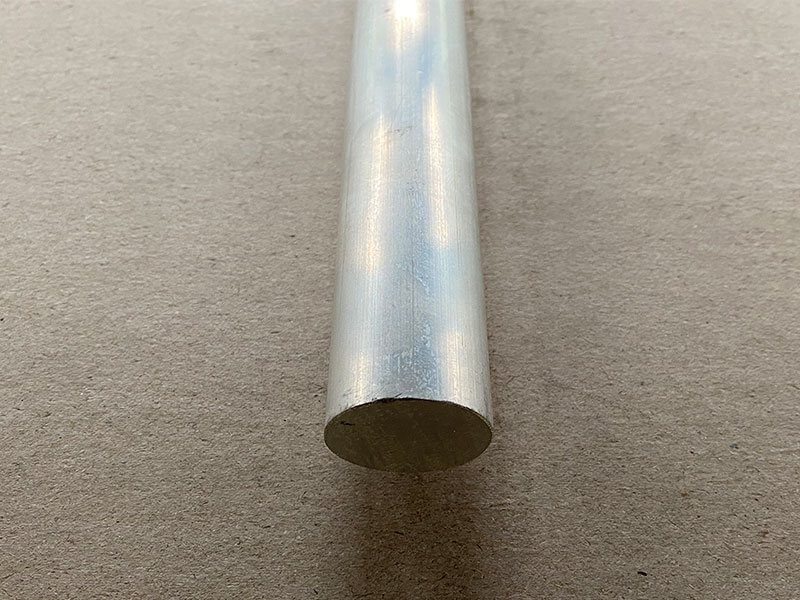
6061 marine aluminum round bar
6061 aluminum belongs to the 6xxx series alloys, alloyed primarily with magnesium and silicon. In the T6 temper, it undergoes solution heat treatment and artificial aging, resulting in enhanced mechanical properties while maintaining excellent corrosion resistance.
View Details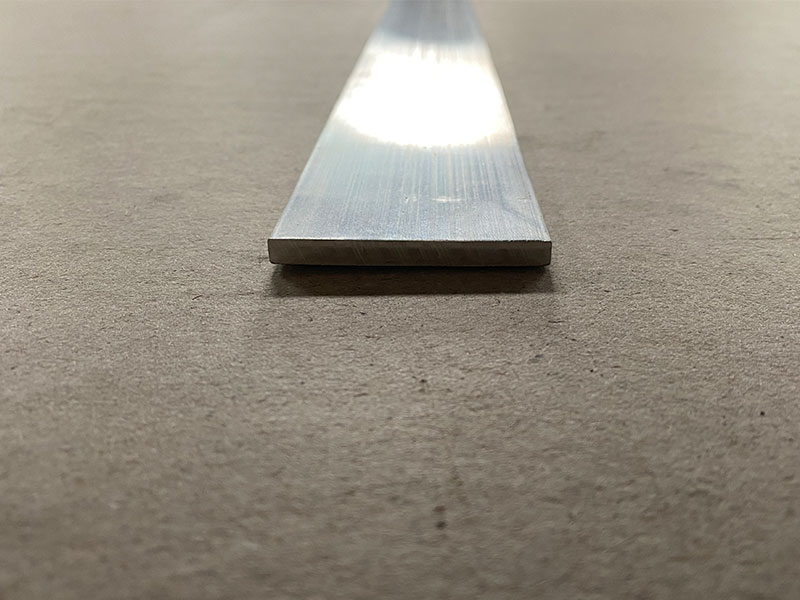
5083 marine aluminum flat bar
5083 aluminum flat bars belong to the 5xxx series of aluminum-magnesium alloys, known primarily for their superior resistance to seawater corrosion and salt spray.
View Details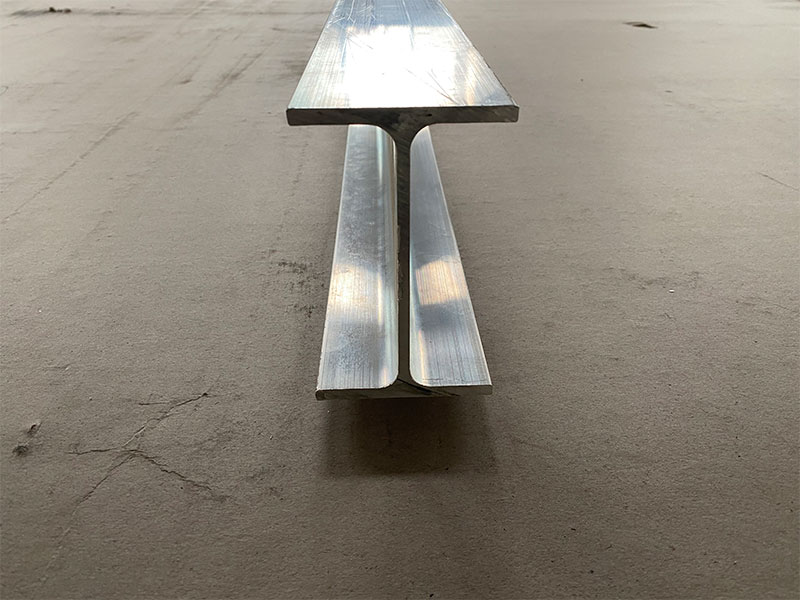
Marine aluminum Z-shaped sections
Marine Aluminum Z-shaped Sections are fabricated from premium marine-grade aluminum alloys such as 5083, 5052, and 6061. These alloys are well-regarded for their superior corrosion resistance in seawater and marine atmospheres, along with good mechanical strength and excellent weldability.
View Details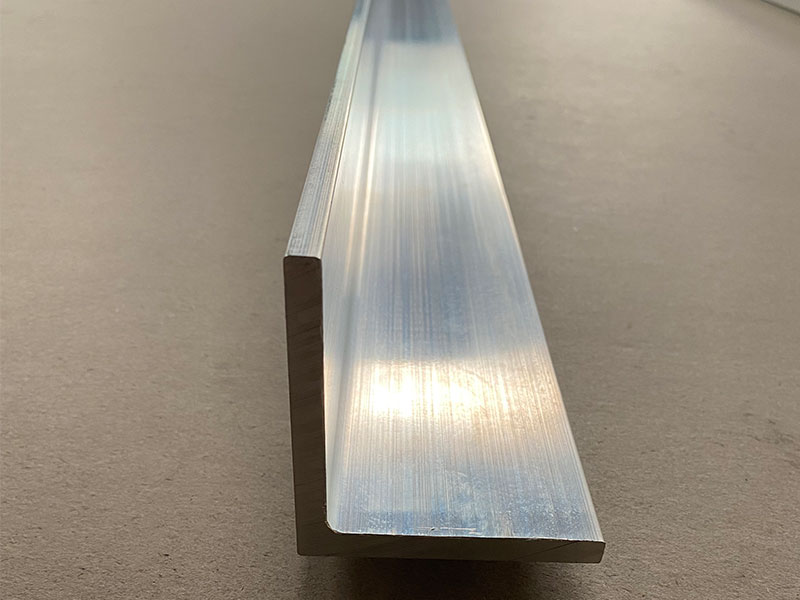
Marine aluminum angles
Marine Aluminum Angles are L-shaped cross-sectional aluminum profiles produced from marine-grade aluminum alloys such as 5083, 5052, and 6061.
View Details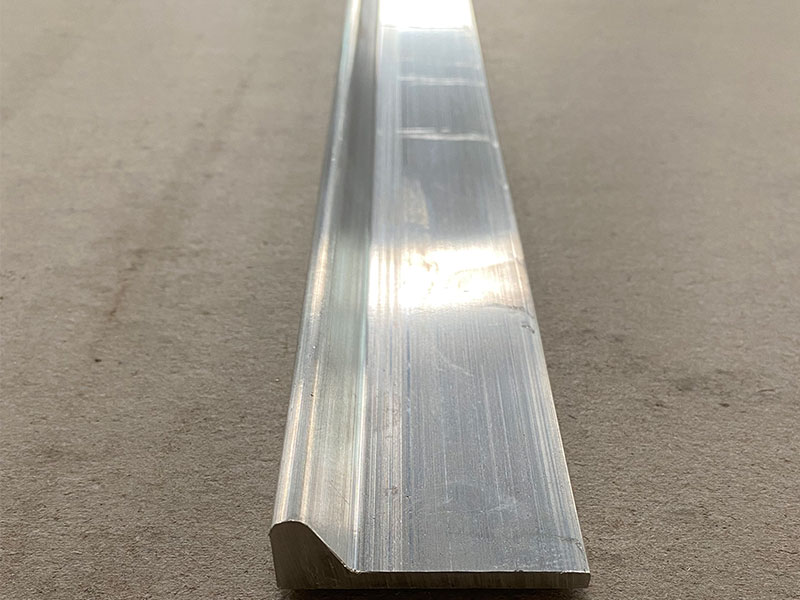
Marine aluminum I-beams
Marine Aluminum I-Beams feature the traditional “I” cross-sectional profile fabricated from marine-grade aluminum alloys like 5083, 5086, and 6061. These alloys are renowned for their outstanding corrosion resistance, especially in saltwater and marine atmospheres, making them ideal for offshore and naval construction.
View Details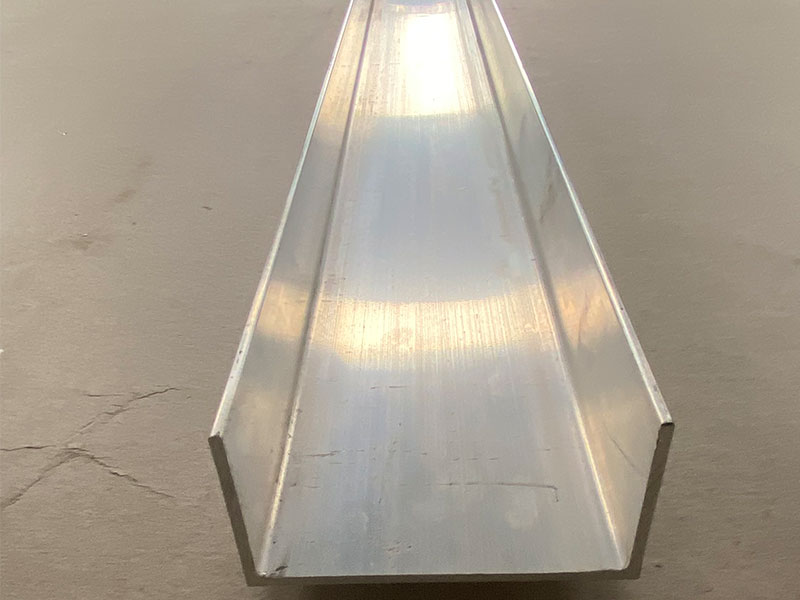
Marine aluminum channels
Marine Aluminum Channels are U-shaped aluminum profiles produced from alloys such as 5083, 5052, and 6061, known for their excellent marine corrosion resistance and superior mechanical strength.
View DetailsRelated Blog
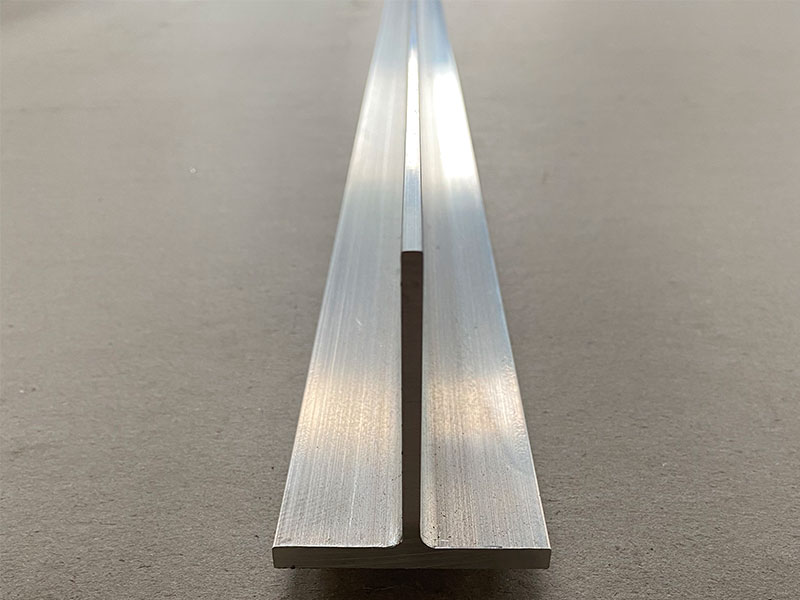
5083 Marine Aluminum I Beams for Heavy Duty Coastal Engineering Parts
5083 marine aluminum I beams are purpose-built structural sections designed for harsh coastal environments where salt spray, tidal wetting, and long service life are non-negotiable.
View Details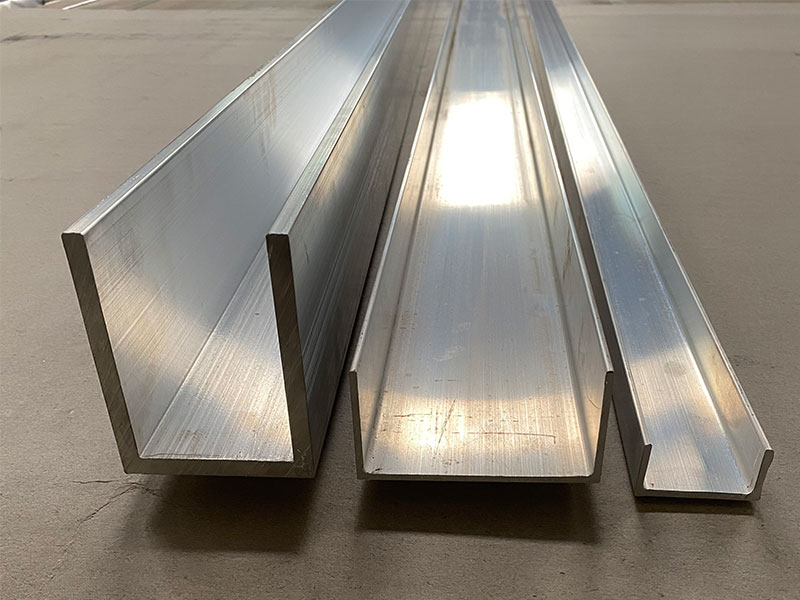
5083 Marine Aluminum Angles for Seawater Proof Boat Frame Parts
5083 marine aluminum angles are purpose‑designed profiles for high‑strength, corrosion‑resistant boat and ship structures. Based on the Al‑Mg 5083 alloy, these angles are widely used in hull framing, deck reinforcement, and su.
View Details
5083 Marine aluminum I beams
When people talk about 5083 marine aluminum I beams, they often focus on a simple promise: strong, corrosion-resistant, and lighter than steel.
View Details
5083 Marine Aluminum I Beams for Saltwater Proof Shipbuilding
In the realm of modern shipbuilding, especially vessels operating in saline environments, the choice of structural materials dramatically influences durability, safety, and overall performance.
View Details
5083 Marine Aluminum Flat Bar for Offshore Platform Design
5083 marine aluminum flat bar delivers high strength, outstanding corrosion resistance, and excellent weldability, making it a preferred material choice for offshore platform design, topside structures, walkways, brackets.
View Details
5083 Marine Aluminum Round Bar for High Strength Offshore Reinforcements
In the demanding world of offshore engineering, materials must withstand severe environmental conditions without compromising structural integrity. One such pivotal material is the 5083 Marine Aluminum Round Bar.
View Details
Leave a Message