
5083 Marine Aluminum Round Bar for Lightweight Coastal Engineering
5083 Marine Aluminum Round Bar for Lightweight Coastal Engineering: When the "Bar" Becomes a Structural Strategy
Coastal engineering is often discussed in terms of massive defenses-armor stone, thick steel piles, concrete caissons. Yet many of the most failure-prone coastal components are not the biggest ones; they're the connectors, pins, shafts, tie elements, standoffs, valve stems, fastener bosses, bearing seats, and corrosion-exposed linkages that quietly determine whether a structure stays serviceable after years of salt spray and tidal cycling.
From that angle, 5083 marine aluminum round bar is not simply a semi-finished product. It's a lightweight coastal engineering strategy: high-performance corrosion resistance in seawater, reliable mechanical behavior, and practical machinability in round geometry-especially for cylindrical or axisymmetric parts that are common in marine hardware and shoreline infrastructure.
Why 5083 Is "Marine" in Practice, Not Just in Name
5083 belongs to the Al-Mg family (5xxx series), valued for excellent resistance to seawater corrosion and strong performance in aggressive coastal atmospheres. Unlike heat-treatable alloys that rely on precipitation hardening, 5083 derives strength mainly from solid solution strengthening and strain hardening, which makes its behavior particularly relevant for coastal projects where welding, localized heating, and long service lives can punish alloys that depend on delicate heat-treatment states.
A distinctive way to view 5083 is this: it handles the shoreline's contradictions. It's light but not fragile. It resists corrosion without needing heavy coatings to "survive." It supports fabrication realities-machining, joining, and field modifications-while keeping the material system simpler than multi-layer corrosion protection stacks.
Coastal Engineering Use Cases Where Round Bar Geometry Matters
Round bar is often selected when the load path, assembly method, or wear profile is circular. In coastal engineering, that geometry shows up constantly:
Tidal gate and sluice components such as shafts, pins, bush housings, and actuator interfaces where splash-zone exposure is unavoidable.
Floating dock and pontoon hardware where weight reduction improves buoyancy margins, stability, and transport logistics.
Seawall, revetment, and barrier fittings including anchor rods (where aluminum-to-aluminum systems are preferred), coupler parts, hinge pins, roller elements, and removable maintenance fixtures.
Instrumentation mounts and sensor frames in corrosion hot-spots where stainless can suffer crevice corrosion under deposits, and carbon steel becomes coating-dependent.
The coastal advantage is that mass reduction is not just about handling. Lower weight can reduce foundation demand, simplify lifting plans, and make modular coastal infrastructure more deployable-particularly valuable for remote shoreline projects and rapid installation windows constrained by tides.
Typical Parameters for 5083 Marine Aluminum Round Bar
5083 round bar is commonly supplied as extruded or wrought product. Availability depends on diameter and mill capability, but typical engineering procurement parameters include:
- Alloy: Aluminum 5083 (marine-grade Al-Mg)
- Product form: Round bar (extruded / wrought)
- Diameter range: Commonly from small machined-stock sizes to large structural rounds, depending on supplier
- Length: Mill lengths or cut-to-length per project needs
- Density: about 2.66 g/cm³
- Corrosion behavior: excellent in seawater and marine atmospheres, widely used for hulls and offshore structures
- Weldability: generally excellent; commonly welded with appropriate marine-grade filler selection
- Machinability: moderate; best results come with sharp tooling and controlled speeds to manage built-up edge typical of Al-Mg alloys
Because coastal engineering often mixes bolting, welding, and machining in the same assembly, round bar is especially useful for producing multi-function components: a single part may act as a shaft, a spacer, and a corrosion-resistant interface all at once.
Implementation Standards Commonly Referenced in Marine and Coastal Projects
Project specifications vary by region, classification society, and owner requirements, but 5083 marine aluminum round bar is frequently procured with reference to recognized standards such as:
- ASTM B221 for aluminum and aluminum-alloy extruded bars, rods, wire, profiles, and tubes (often used when specifying extruded round bar)
- EN 755 series for aluminum extruded rod/bar/profile requirements in many international projects
- ISO and regional equivalents where applicable for chemical composition and mechanical property verification
- Marine classification guidance (where relevant) when the component is part of a vessel or offshore structure supply chain
In coastal engineering procurement, the most practical standard-related detail is often not the standard itself, but the clarity it forces: defined temper, tolerances, inspection, and test certification.
Tempering and Condition: Choosing the Right "State of Strength" for the Shoreline
5083 is not strengthened by heat treatment in the way 6xxx or 7xxx alloys are. Instead, temper reflects how much the material has been strain-hardened and stabilized.
Common tempers for 5083 include:
5083-O
A softer, annealed condition used when maximum formability is needed. For round bar intended mainly for machining, O temper is less common unless significant forming or post-machining deformation is expected.
5083-H111
A lightly strain-hardened condition often used when a balance of formability and strength is desired. It's a frequent choice for marine applications requiring good general performance with reduced risk of cracking during fabrication.
5083-H116 and 5083-H321
Tempers associated with marine service expectations and controlled processing, often selected for seawater exposure because they're designed to maintain good resistance to certain marine corrosion phenomena while providing higher strength than O/H111.
A coastal engineer's way to interpret temper is to treat it as a risk-management lever. Higher strength may be attractive, but fabrication steps like welding and local heating can change properties in the heat-affected zone. Selecting a temper with marine exposure in mind helps keep long-term performance stable rather than optimized only for day-one strength.
Chemical Composition: The "Seawater Logic" in a Table
5083's marine identity is built around magnesium content and tight control of impurity elements that can reduce corrosion resistance or create galvanic micro-sites. The following table reflects commonly referenced composition limits for 5083.
5083 Marine Aluminum Chemical Composition (Typical Limits, wt.%)
| Element | Content (wt.%) |
|---|---|
| Mg | 4.0–4.9 |
| Mn | 0.4–1.0 |
| Cr | 0.05–0.25 |
| Si | ≤ 0.40 |
| Fe | ≤ 0.40 |
| Cu | ≤ 0.10 |
| Zn | ≤ 0.25 |
| Ti | ≤ 0.15 |
| Others (each) | ≤ 0.05 |
| Others (total) | ≤ 0.15 |
| Al | Balance |
This chemistry is why 5083 round bar behaves the way it does in coastal environments: magnesium boosts strength and contributes to marine corrosion resistance, while controlled copper limits help avoid corrosion sensitivity that can show up in more copper-rich alloys.
Lightweight Coastal Engineering Performance: Strength Isn't Only "How Much," It's "How Long"
Coastal structures fail through time-dependent mechanisms: crevice attack under deposits, fastener-interface corrosion, coating holidays, abrasion from sand-laden water, and cyclical loads that encourage fretting or galling at interfaces. In round bar applications, the performance story often centers on durability of contact surfaces and interfaces rather than nominal tensile strength.
5083's advantage is that it helps designers simplify the corrosion narrative. When the base metal itself is seawater-capable, you can often reduce reliance on thick paint build-ups in wear zones, lower the probability of underfilm corrosion surprises, and design joints that remain maintainable after years of exposure.
Practical Fabrication Notes for 5083 Round Bar in Coastal Projects
When 5083 round bar is used as a machined part, coastal engineering teams often care most about repeatability and surface integrity:
- Machining benefits from tool sharpness and good chip control; Al-Mg alloys can form built-up edge if cutting parameters are not tuned.
- Joining is generally straightforward; welding is widely used, but designers should account for the property shift in welded regions as part of responsible marine design.
- Galvanic compatibility matters. In mixed-metal assemblies near seawater, isolation strategies (non-absorbing washers, sleeves, sealants, or design separation) protect both the aluminum and any dissimilar metal.
- Surface condition matters in the splash zone. Smooth, drain-friendly geometries reduce stagnant saltwater retention and help components "rinse clean" during weathering.
Round bar is especially friendly to coastal detailing because it naturally supports radiused transitions and avoids sharp corners-small geometric decisions that can materially reduce corrosion initiation points.
Why Specify 5083 Marine Aluminum Round Bar Instead of "Generic Aluminum Bar"?
In procurement, "aluminum bar" can be a dangerously broad phrase. Coastal service punishes ambiguity. Specifying 5083 with a clear temper, referenced implementation standard, and certified chemical composition is a way of buying predictable life-cycle behavior, not just metal.
For lightweight coastal engineering, that predictability is often the real ROI: reduced maintenance frequency, less coating dependency in complex joints, easier handling and modularization, and fewer corrosion-driven surprises in the zones where saltwater and oxygen never take a day off.
Coastal engineering is ultimately a maintenance story as much as a structural story. 5083 marine aluminum round bar fits projects where designers want components that remain functional under salt exposure, are easier to install and replace, and support a lightweight philosophy without compromising seawater credibility.

Related Products
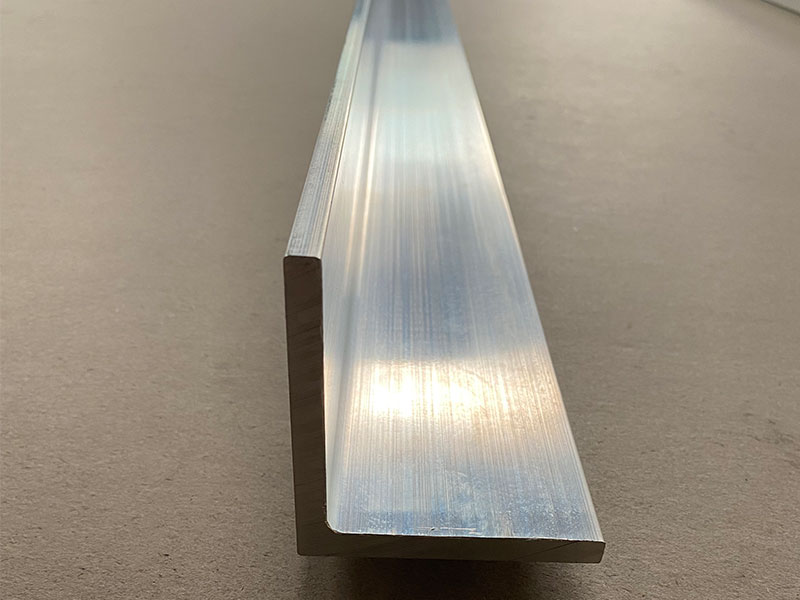
Marine aluminum angles
Marine Aluminum Angles are L-shaped cross-sectional aluminum profiles produced from marine-grade aluminum alloys such as 5083, 5052, and 6061.
View Details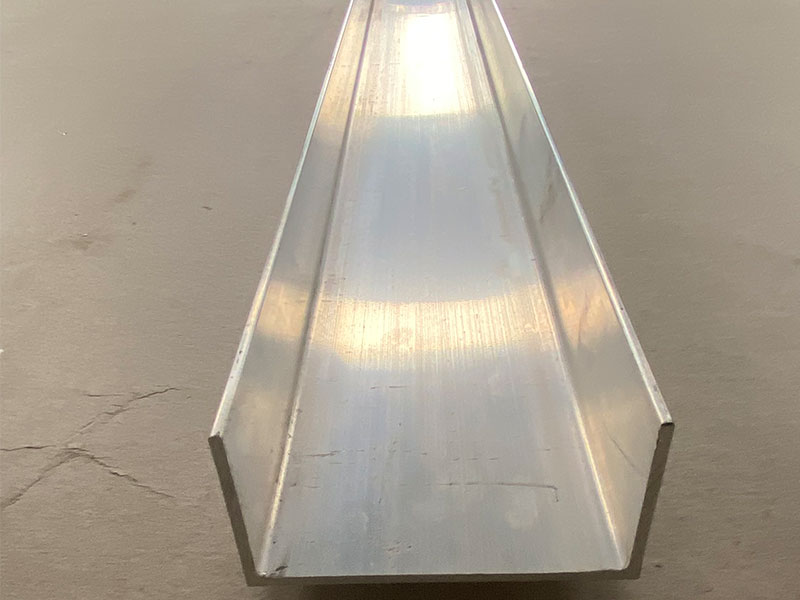
Marine aluminum channels
Marine Aluminum Channels are U-shaped aluminum profiles produced from alloys such as 5083, 5052, and 6061, known for their excellent marine corrosion resistance and superior mechanical strength.
View Details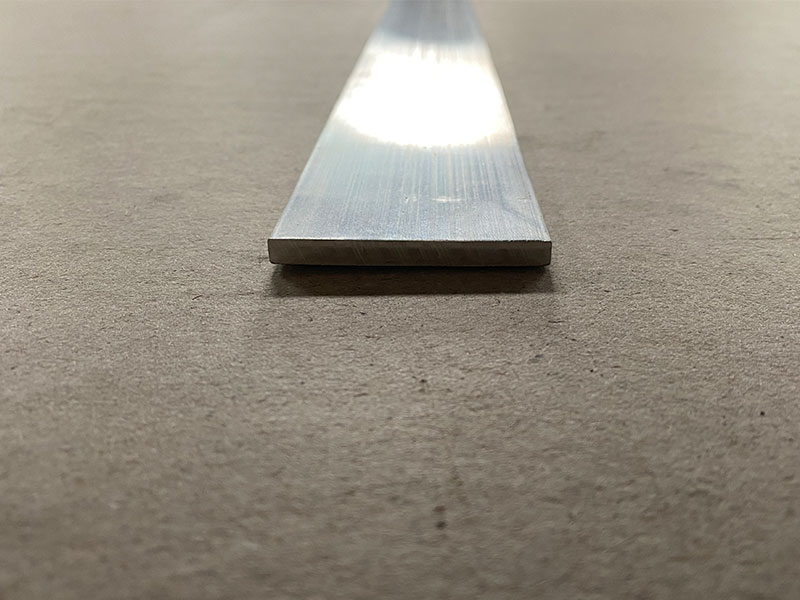
5083 marine aluminum flat bar
5083 aluminum flat bars belong to the 5xxx series of aluminum-magnesium alloys, known primarily for their superior resistance to seawater corrosion and salt spray.
View Details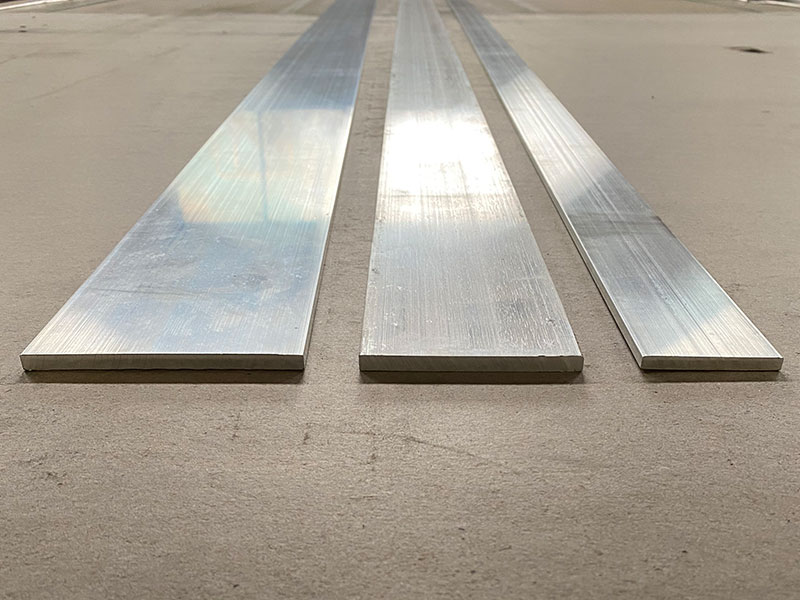
6061 T6 marine aluminum flat bar
6061 aluminum is classified as a heat-treatable 6xxx series alloy, alloyed primarily with magnesium and silicon. The T6 temper designation indicates that the flat bar has been solution heat-treated and artificially aged to achieve optimum strength and hardness.
View Details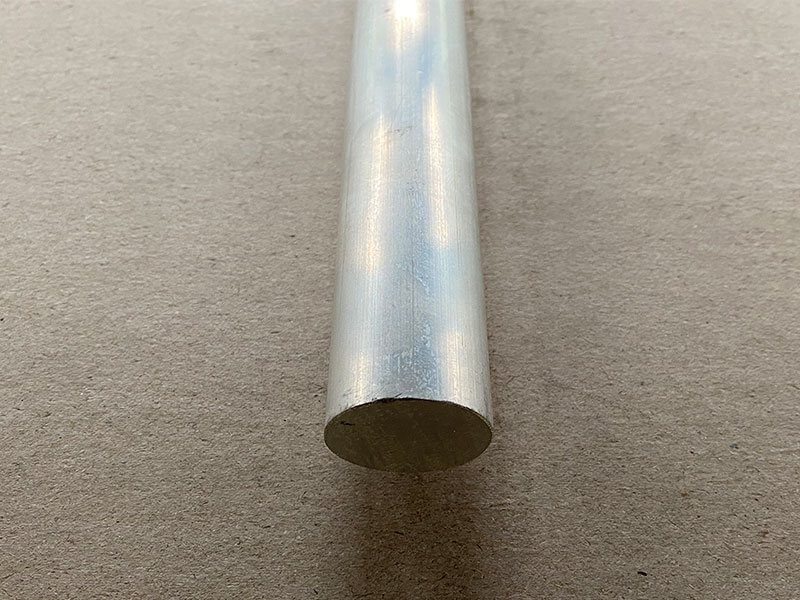
6061 marine aluminum round bar
6061 aluminum belongs to the 6xxx series alloys, alloyed primarily with magnesium and silicon. In the T6 temper, it undergoes solution heat treatment and artificial aging, resulting in enhanced mechanical properties while maintaining excellent corrosion resistance.
View Details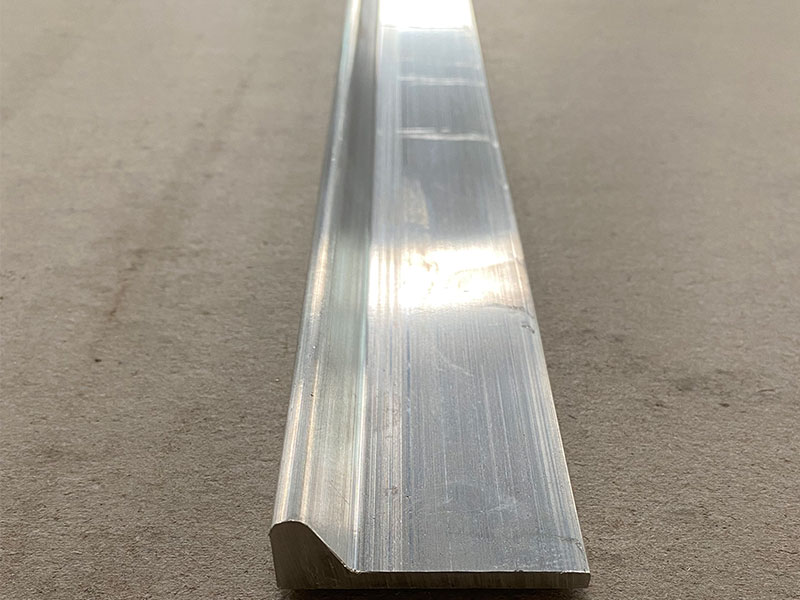
Marine aluminum I-beams
Marine Aluminum I-Beams feature the traditional “I” cross-sectional profile fabricated from marine-grade aluminum alloys like 5083, 5086, and 6061. These alloys are renowned for their outstanding corrosion resistance, especially in saltwater and marine atmospheres, making them ideal for offshore and naval construction.
View DetailsRelated Blog
5083 Marine Aluminum Z Shaped Sections for Durable Marine Deck Design
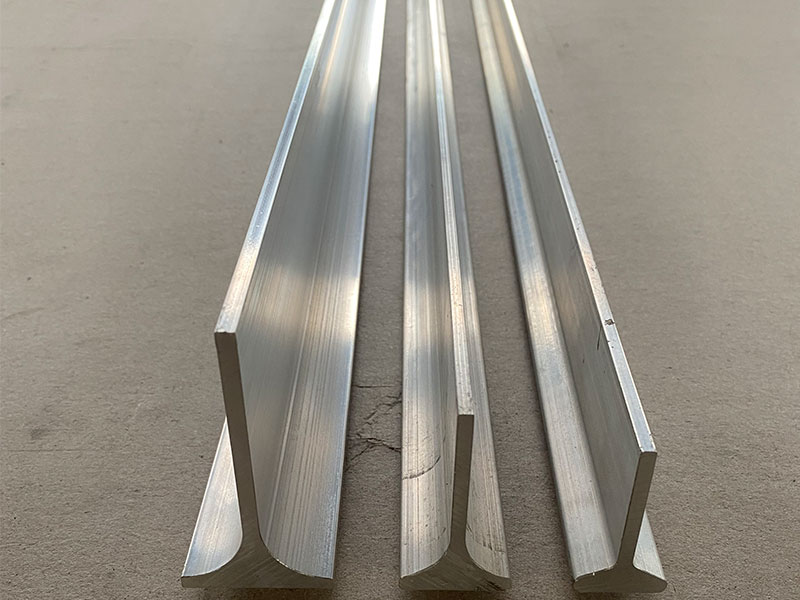
5083 marine aluminum Z-shaped sections are characterized by their high-strength properties, exceptional corrosion resistance, and light-weight nature, making them ideal for a range of marine applications, particularly in deck design.
View Details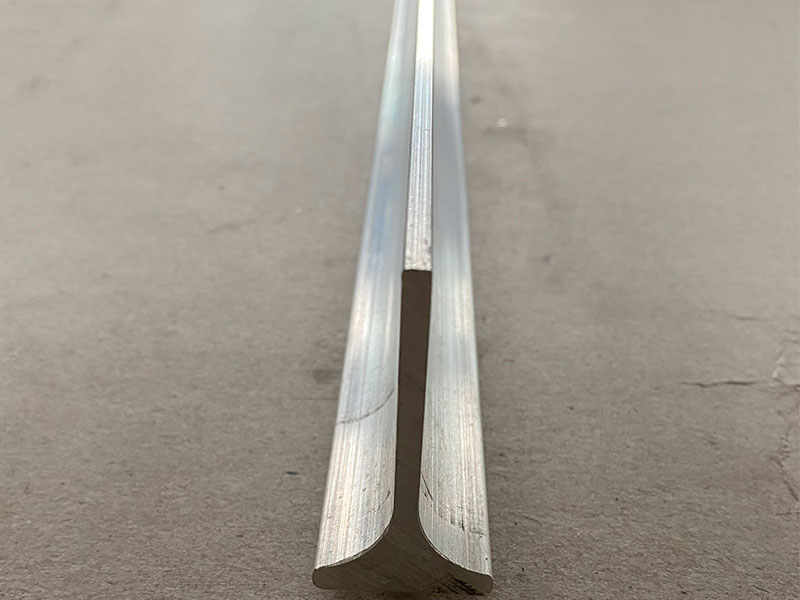
5083 Marine Aluminum Channels for Coastal Marine Engineering Projects
In the realm of coastal marine engineering, material selection is crucial for ensuring the durability, performance, and safety of structures exposed to harsh sea environments.
View Details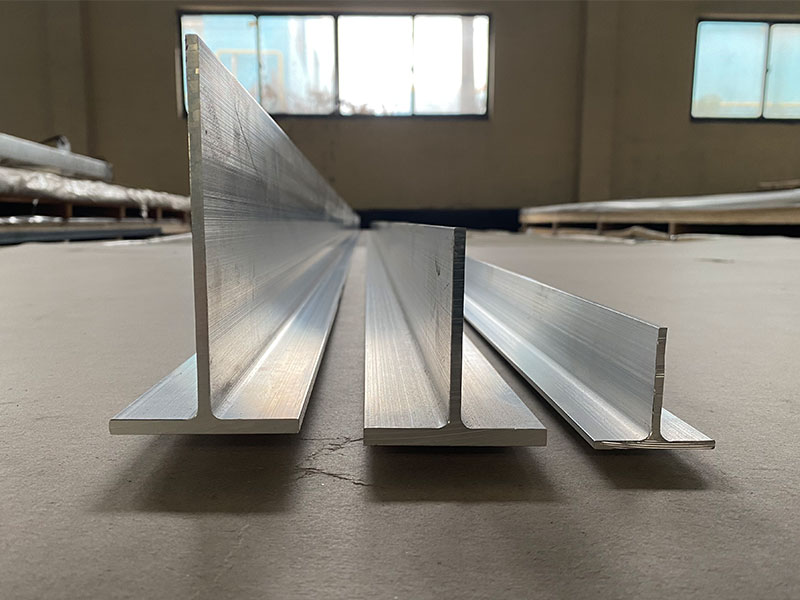
5083 Marine Aluminum Flat Bar for Heavy Duty Boat Construction
When it comes to building heavy duty boats that demand strength, durability, and excellent corrosion resistance, 5083 Marine Aluminum Flat Bar stands out as an ideal material choice.
View Details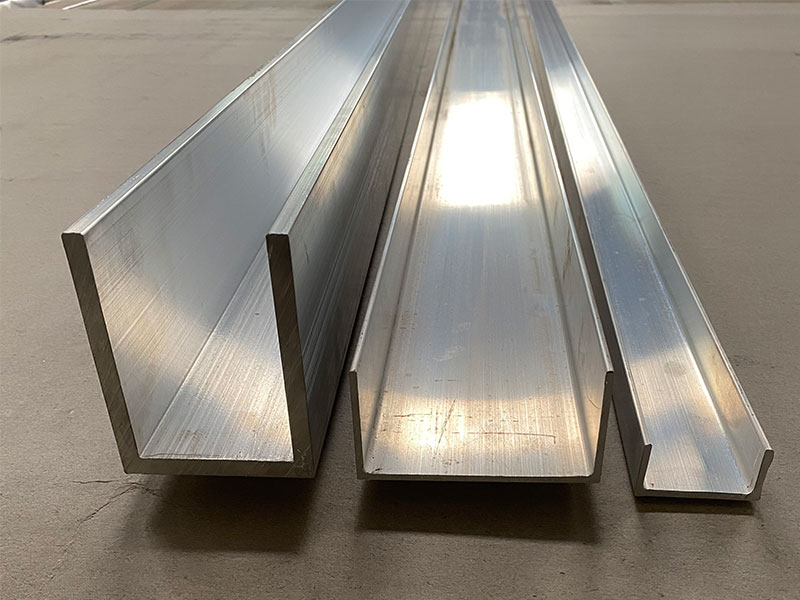
5083 Marine Aluminum Round Bar for Durable Offshore Vessel Parts
When it comes to constructing durable offshore vessel parts, material choice is paramount. Among various options, 5083 marine aluminum round bar stands out as a highly reliable and versatile solution.
View Details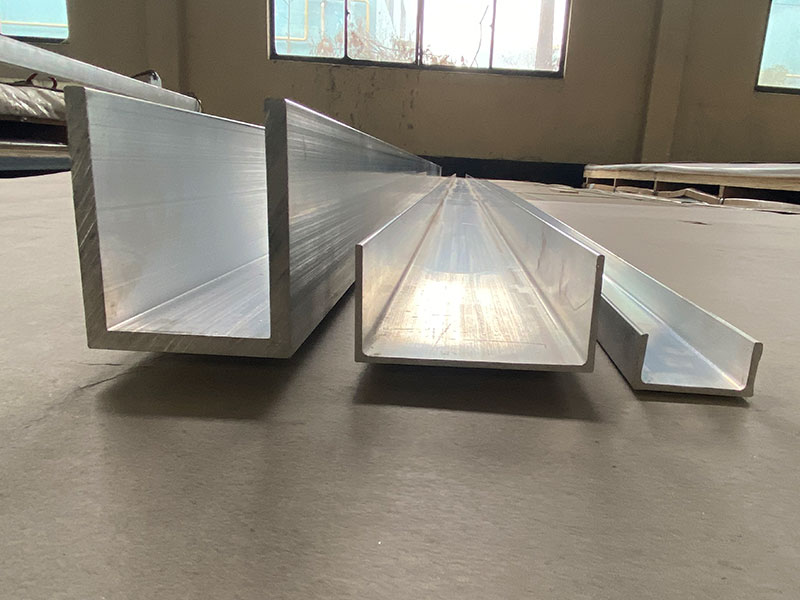
5083 Marine Aluminum I Beams for Seawater Resistant Boat Hull Design
Constructing seawater resistant boat hulls demands not only impeccable design but also the right choice of materials engineered for marine environments. Among available metals.
View Details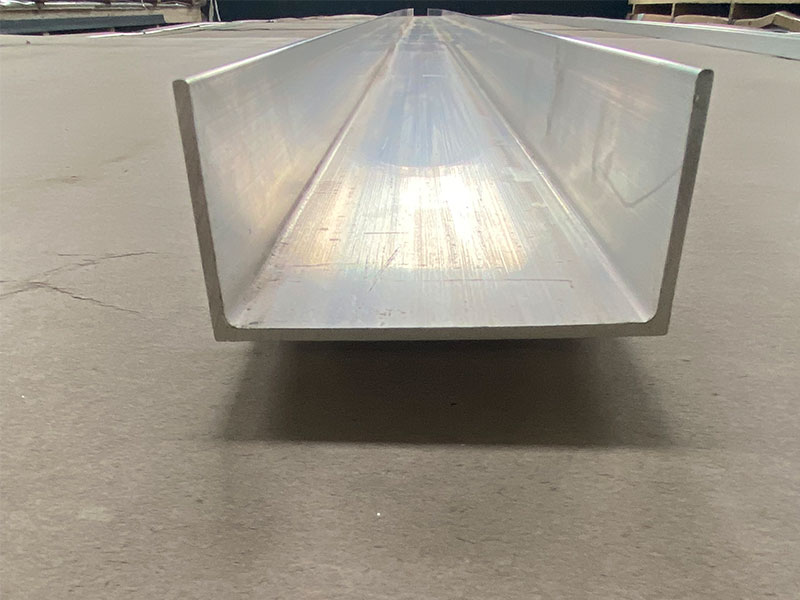
5083 Marine Aluminum I Beams for High Strength Coastal Engineering
5083 aluminum alloy belongs to the non-heat-treatable Al-Mg-Mn family. Known primarily for excellent corrosion resistance, welding ability, and strong mechanical properties without added heat treatment.
View Details
Leave a Message